M

+212 673 266 849

saharacameltours1@gmail.com

5-Star Desert Camp Morocco: Luxury in the Heart of the Sahara

5-Star Desert Camp Morocco: Luxury in the Heart of the Sahara

5-Star Desert Camp Morocco: Luxury in the Heart of the Sahara

Experience the Ultimate Desert Luxury

A stay at a 5-star desert camp in Morocco is more than just an overnight adventure — it’s a journey into the heart of the Sahara with all the comfort and elegance of a luxury resort.

Desert Camp Morocco experiences offer travelers unforgettable memories and a unique blend of adventure and style.

Whether you are celebrating a romantic getaway, a family holiday, or a solo adventure, a Desert Camp Morocco stay combines Moroccan culture, natural beauty, and top-tier comfort.

The best time to enjoy a sunset camel tour is March to May and September to November, when the weather is pleasant.

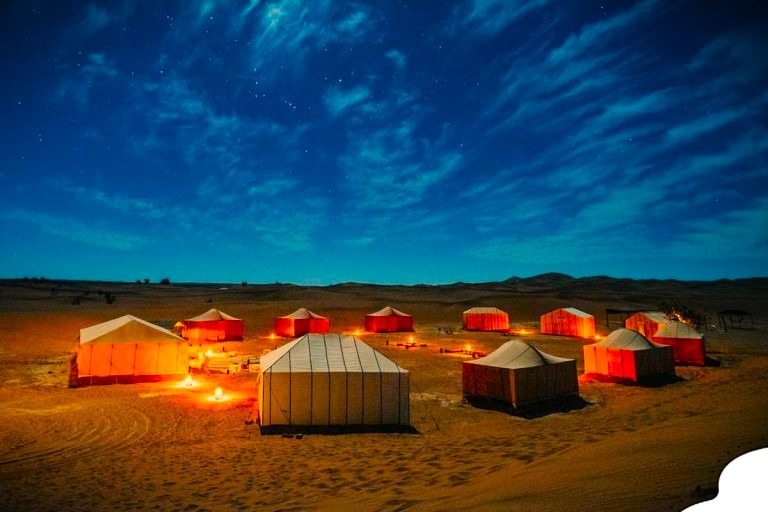
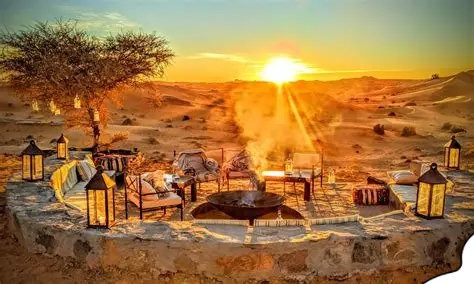
5-star Desert Camp Morocco in Merzouga with luxury tents and panoramic Sahara dunes

Why Choose a 5-Star Desert Camp in Morocco?

  • Luxury Accommodation: Enjoy air-conditioned tents, private bathrooms, and elegantly decorated interiors.

  • Gourmet Dining: Savor Moroccan cuisine prepared by professional chefs, often served under the stars.

  • Exclusive Experiences: Private camel rides, 4×4 desert safaris, and cultural performances in an intimate setting.

  • Serene Atmosphere: Escape the crowds and enjoy the peaceful silence of the Sahara.

  • Cultural Immersion: Meet Berber communities, experience traditional music, and learn desert customs.

A 5-star desert camp in Morocco offers a balance of adventure, relaxation, and cultural exploration that cannot be found in standard accommodations.

Desert Camp Morocco – Merzouga Sunset Experience

Best Locations for 5-Star Desert Camps

  • Merzouga – Erg Chebbi Dunes

    Merzouga is the most famous destination for luxury desert camps. The massive Erg Chebbi dunes offer sunrise and sunset views that are simply breathtaking. Top features include:

    • Private luxury tents with ensuite bathrooms

    • Panoramic dune views

    • Optional camel treks and 4×4 excursions

    Star-gazing terraces

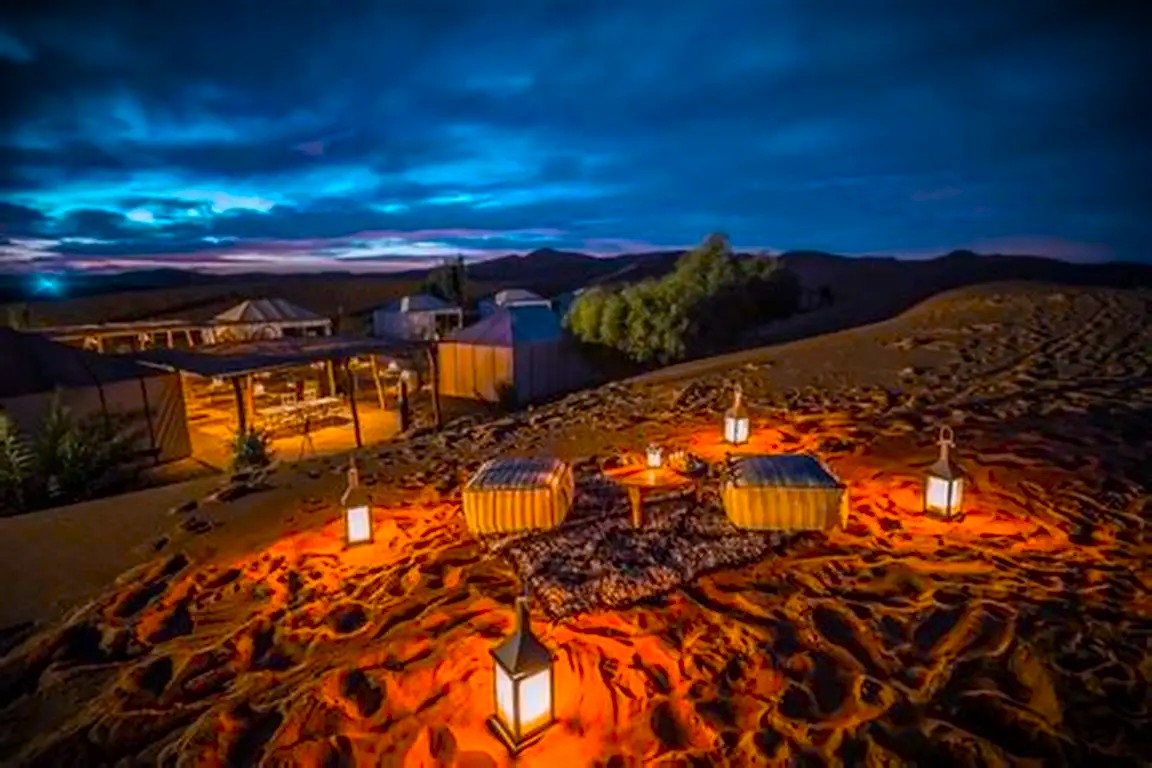
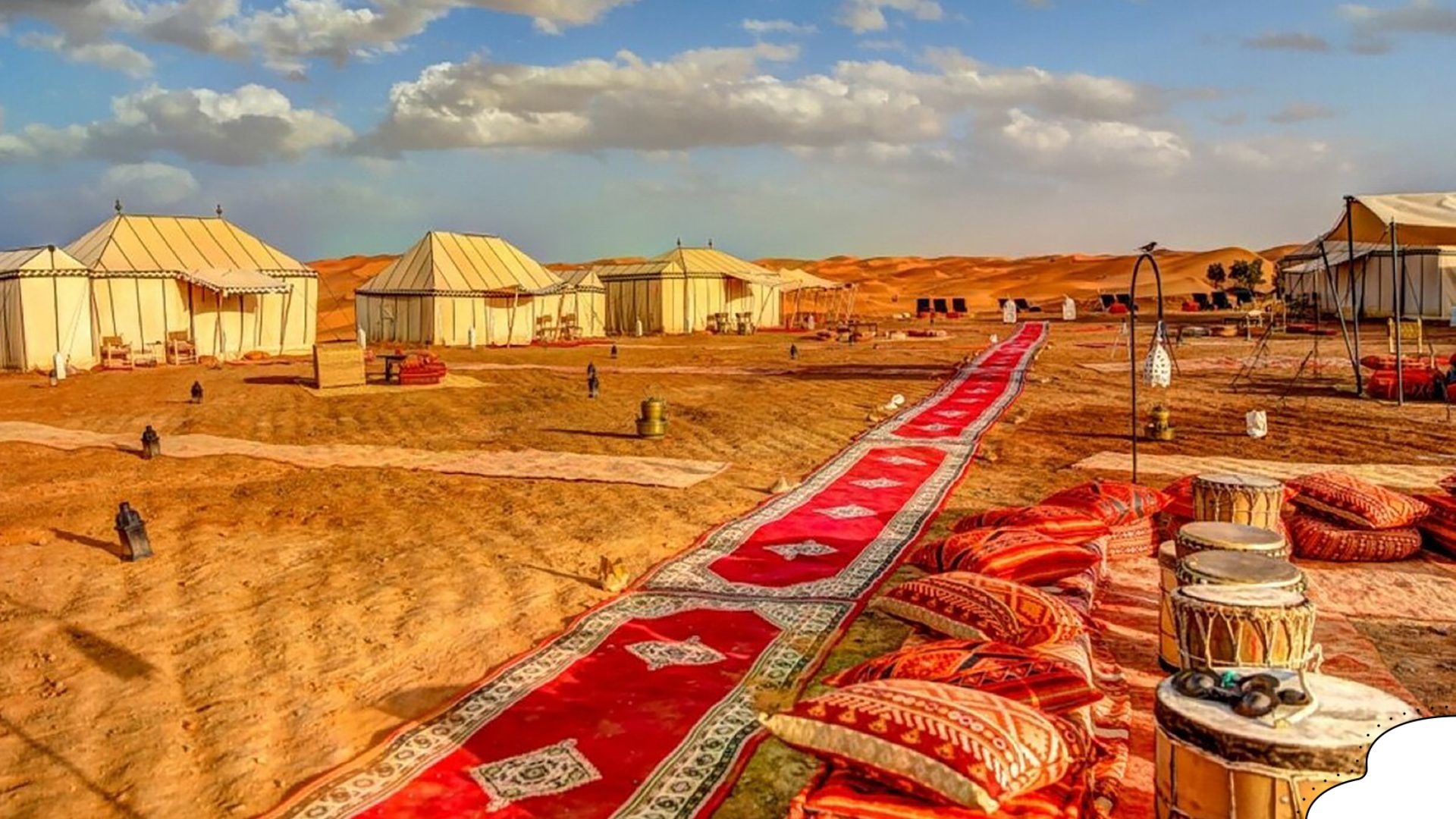
Desert Camp Morocco at Erg Chebbi Dunes with luxury tents and panoramic desert views

M’Hamid – Erg Chigaga Dunes

For travelers seeking solitude, Erg Chigaga near M’Hamid offers a more remote desert experience. Luxury camps here provide:

  • Eco-friendly tented lodges

  • Private dining under lantern-lit skies

  • Opportunities for adventure in untouched desert landscapes

Agafay Desert – Near Marrakech

A closer option for those short on time, the Agafay Desert offers rocky terrain and stunning mountain views just outside Marrakech. Luxury camps here combine comfort with accessibility, ideal for a one-night desert escape.

Don’t miss our article about How to Spend 48 Hours in Casablanca Like a Local

What to Expect at a 5-Star Desert Camp

  • Arrival & Welcome: Guests are greeted with Moroccan mint tea or refreshments.

  • Luxury Tent Accommodation: Spacious tents with plush bedding, private bathrooms, and beautiful desert views.

  • Activities: Options include camel rides, 4×4 desert tours, sandboarding, or guided cultural experiences.

Experience the Luxury of a Desert Camp Morocco!

Step into the heart of the Sahara and immerse yourself in the ultimate desert adventure. Stay in private luxury tents, enjoy gourmet Moroccan cuisine under starry skies, take camel rides across golden dunes, and experience traditional Berber culture. Capture unforgettable sunsets, relax in serene surroundings, and create memories that will last a lifetime. Perfect for couples, families, and travelers seeking comfort, adventure, and authentic Moroccan experiences.

Sample Itinerary for a Luxury Desert Stay

Day 1 – Arrival & Sunset Experience

  • Arrive in Merzouga or your chosen desert location.

  • Check into your luxury tent and relax with refreshments.

  • Take a private camel ride to watch the sunset over the dunes.

  • Return for a gourmet dinner under the stars and enjoy traditional music or storytelling.

Day 2 – Sunrise & Desert Exploration

  • Wake up early to see the sunrise over the Sahara from your private terrace.

  • Enjoy a luxury breakfast at the camp.

  • Optional 4×4 excursion to explore nearby dunes, oases, or Berber villages.

  • Depart for your next destination in Morocco.

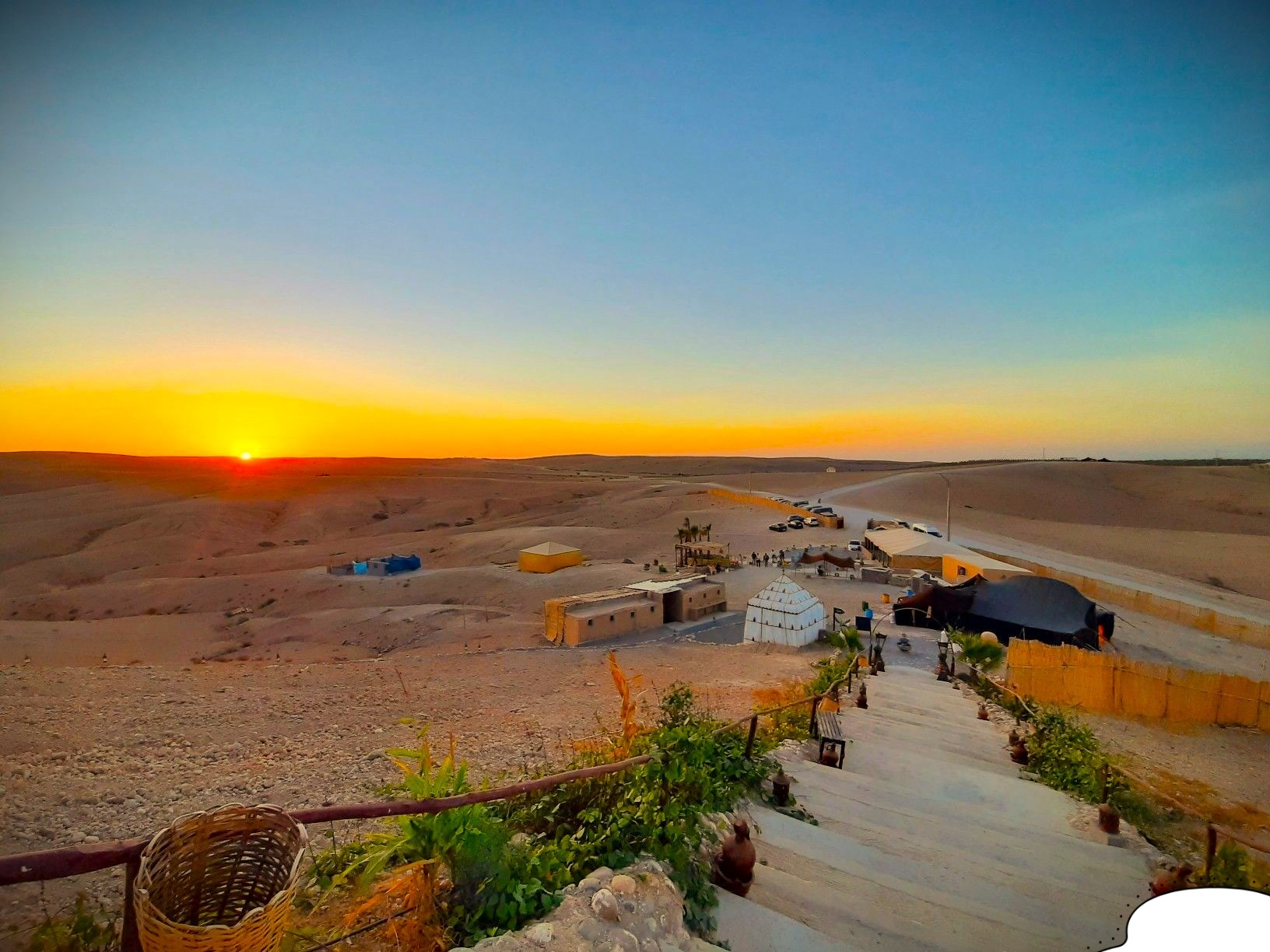
Desert Camp Morocco in Agafay Desert with luxury tents and rocky desert landscapes

Why a 5-Star Desert Camp Stands Out

A Desert Camp Morocco stay is more than just luxury accommodation — it’s a complete sensory experience. From soft desert sands and breathtaking sunrises to gourmet dining and traditional music, these camps combine comfort, adventure, and Moroccan culture in a single package.

Whether it’s a romantic escape, a family adventure, or a personal retreat, a Desert Camp Morocco stay offers:

  • Privacy and exclusivity

  • Cultural immersion

  • Unparalleled natural beauty

  • Adventure without sacrificing comfort

Final Thoughts

A stay at a 5-star desert camp in Morocco is the ultimate way to experience the Sahara. From sunrise camel rides to starry nights and luxury accommodations, every moment is designed to be memorable. Whether you are seeking adventure, relaxation, or cultural immersion, a luxury desert camp ensures an unforgettable Moroccan experience.

This is not just a stay — it’s a journey into the heart of the Sahara in total comfort and style.

Hot Air Balloon Ride in Morocco: A Sky-High Adventure

Hot Air Balloon Ride in Morocco: A Sky-High Adventure

Hot Air Balloon Ride in Morocco: A Sky-High Adventure

Experience Morocco Like Never Before

A hot air balloon ride in Morocco is one of the most magical ways to explore the country. Floating silently above the Atlas Mountains, lush valleys, and golden desert landscapes, travelers are treated to breathtaking 360-degree views. Whether you’re visiting Marrakech, the Sahara Desert, or the Agafay Desert, this adventure combines serenity, luxury, and a unique perspective on Morocco’s beauty.

For those seeking romance, adventure, or unforgettable photography opportunities, a hot air balloon ride in Morocco is a must-do experience. This guide will show you everything you need to know, from the best locations to tips for planning your trip.

Why Take a Hot Air Balloon Ride in Morocco?

There are many ways to explore Morocco, but a hot air balloon ride offers a perspective like no other. Here’s why it’s a top activity:

  • Breathtaking Views: See the Atlas Mountains, Berber villages, valleys, rivers, and desert landscapes from above.

  • Sunrise Experience: Most rides take place at dawn, when the sky is painted in soft golden light.

  • Romantic & Memorable: Perfect for couples, honeymooners, or anyone looking for a serene adventure.

  • Photographer’s Paradise: Capture Morocco’s landscapes in a unique way, from panoramic desert dunes to mountain peaks.

  • Adventure with Comfort: Unlike trekking or 4×4 excursions, balloon rides are calm, luxurious, and accessible to most travelers.

A hot air balloon ride is not just sightseeing — it’s an experience that combines calm, thrill, and awe-inspiring beauty.

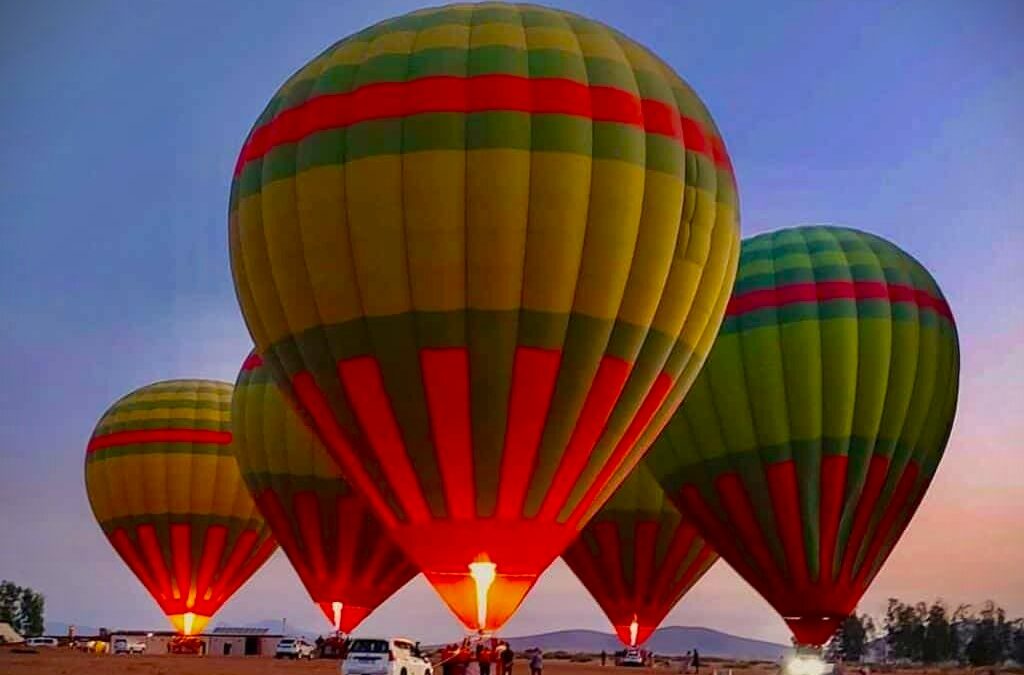
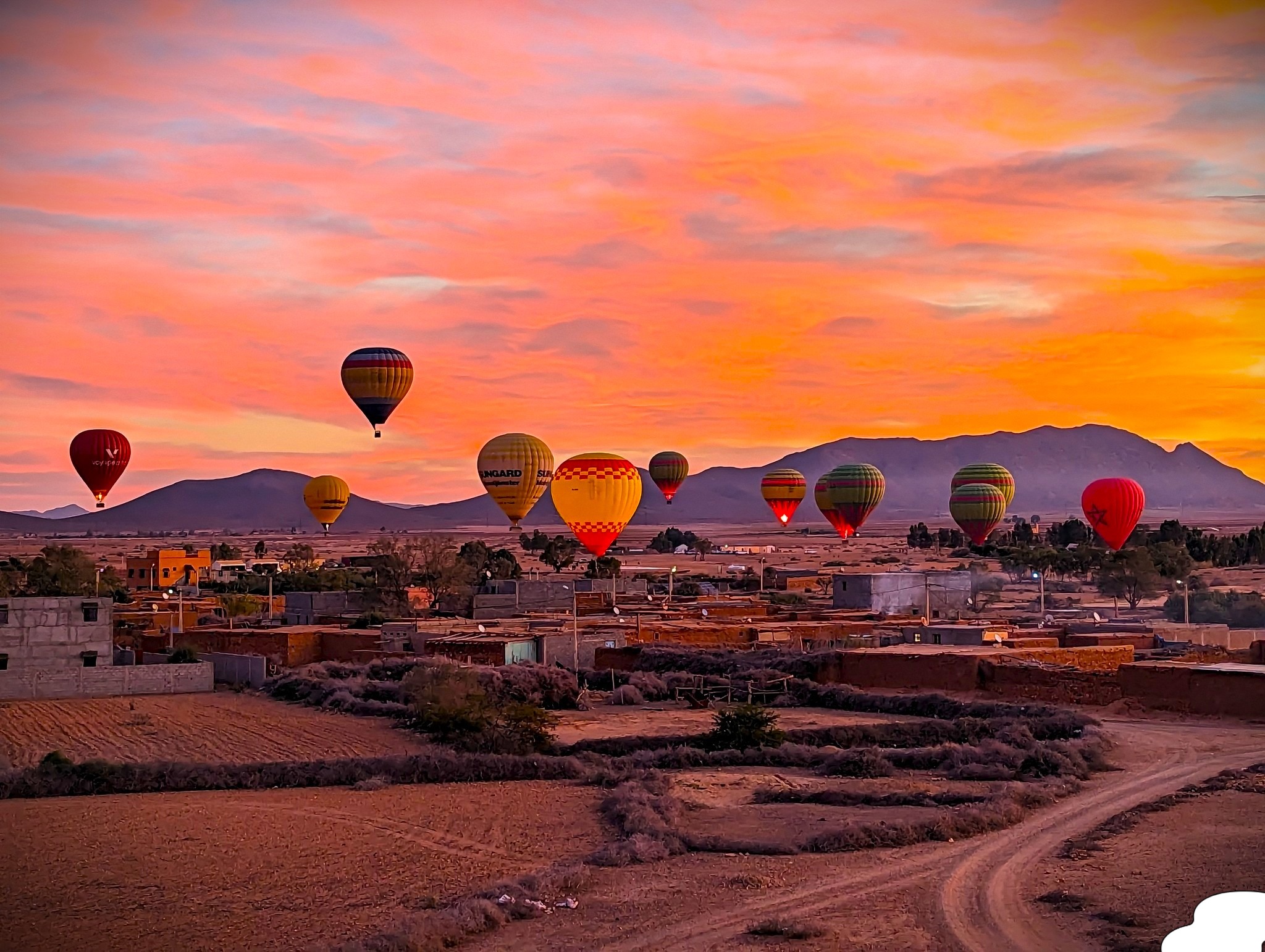
Hot air balloon ride in Morocco over Marrakech at sunrise with palm groves and city views

Best Locations for Hot Air Balloon Rides in Morocco

Marrakech & Surrounding Areas

Marrakech is the most popular base for hot air balloon rides. Flights usually start before sunrise and offer views of the Palmeraie, Atlas foothills, and nearby Berber villages. Highlights include:

  • Ourika Valley: Known for waterfalls and traditional villages.

  • Atlas Mountains: Snow-capped peaks in winter, lush green in spring.

  • Palm Groves: The iconic Marrakech palms and farmland from above.

This is ideal for travelers who want a short ride close to the city with easy access and luxury options.

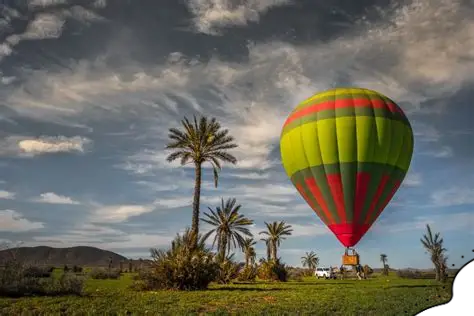
Hot air balloon ride in Morocco over Marrakech palm groves and cityscape

Agafay Desert

For a desert experience without traveling to Merzouga, the Agafay Desert near Marrakech offers rocky desert landscapes and mountain views. Flights here are shorter but still magical, with dramatic lighting during sunrise and the quiet solitude of desert plains.

Highlights of Agafay include:

  • Rocky desert terrain with scattered oases
  • Stunning sunrises and sunsets
  • Luxury camps nearby for post-flight breakfast or relaxation

Don’t miss our article about Campervan Travel Guide to Morocco
 

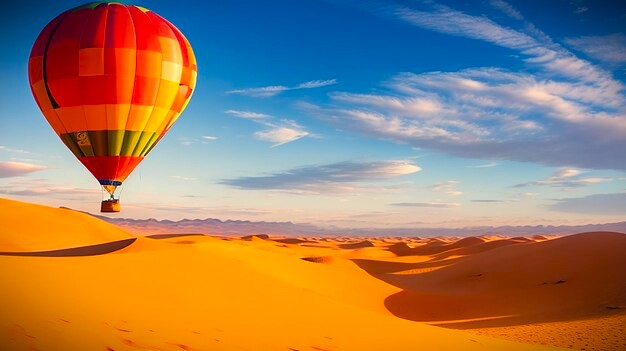
Hot air balloon ride in Morocco over the golden Sahara Desert dunes at sunrise

Merzouga & Sahara Desert

For a truly iconic experience, head to Merzouga in the Erg Chebbi dunes. Watching the sunrise over golden sand dunes from a hot air balloon is unforgettable. Key experiences include:

  • Camel treks across dunes after your flight

  • Luxury desert camps with gourmet meals and starry skies

  • Exploring Berber villages and desert oases in 4×4 vehicles

This location is perfect for travelers looking for a full desert adventure combined with a balloon flight.

Ouarzazate & Draa Valley

Ouarzazate, known as the “Hollywood of Morocco,” offers flights over palm groves, kasbahs, and desert plains. The combination of desert, mountains, and historical architecture creates a breathtaking view. Highlights include:

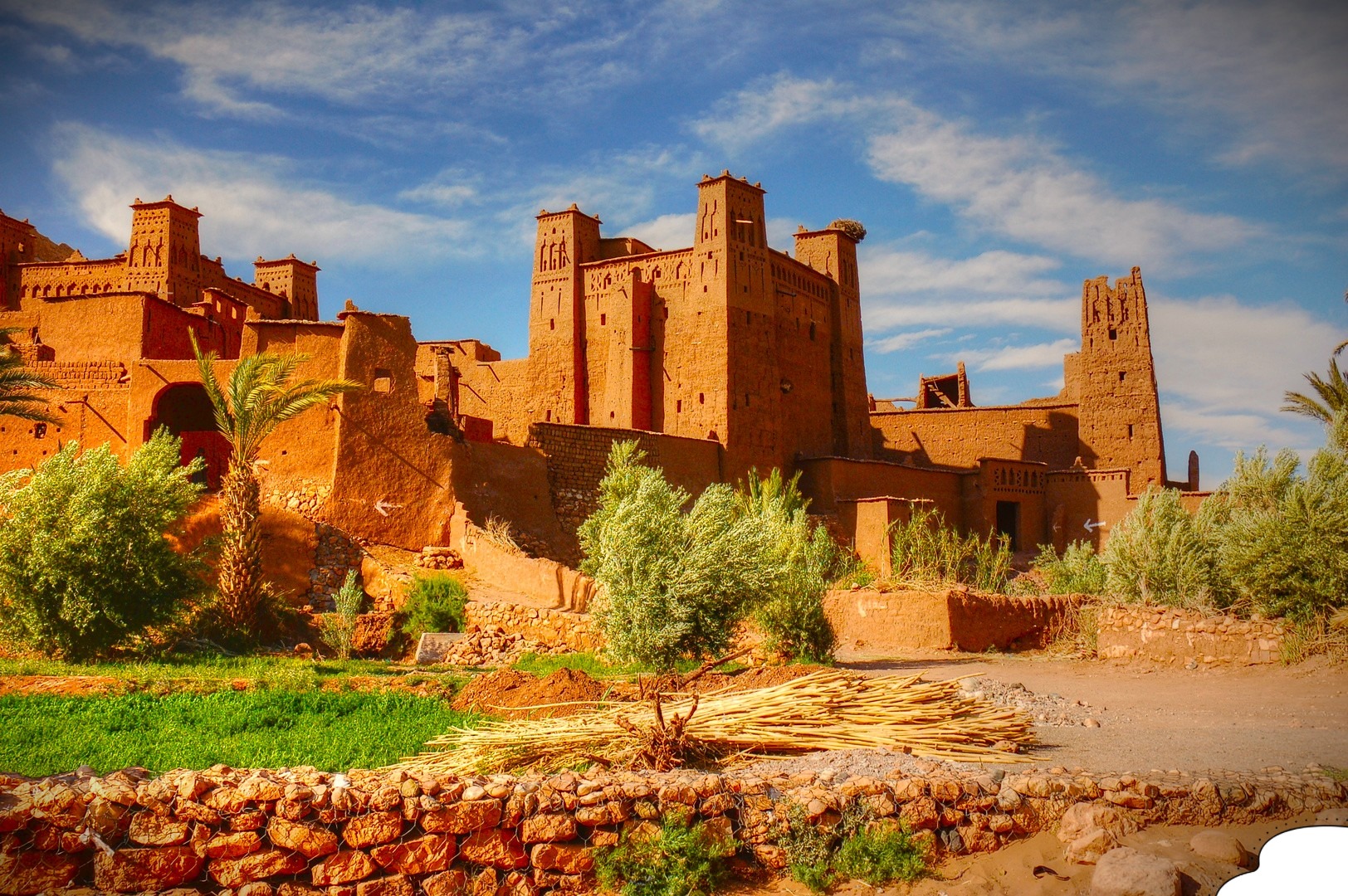
  • Ait Ben Haddou Kasbah: UNESCO World Heritage Site from above

  • Palm-filled Draa Valley

  • Scenic desert landscapes stretching to the horizon

This option is ideal for those combining film tourism, desert adventure, and aerial exploration.

Hot air balloon ride in Morocco over the historic Ait Ben Haddou Kasbah

What to Expect During a Hot Air Balloon Ride

A typical hot air balloon experience in Morocco lasts between 1 to 1.5 hours, but the full tour often takes 3–4 hours including pickup, briefing, and post-flight celebration. Here’s what to expect:

  1. Early Morning Pickup: Most tours begin before sunrise. Drivers pick you up from your hotel or riad.

  2. Safety Briefing: Experienced pilots explain safety procedures and answer questions.

  3. Inflation & Launch: Watch the balloon inflate with the morning light as you prepare for takeoff.

  4. Flight: Float gently over valleys, mountains, desert plains, or palm groves. Enjoy quiet serenity, panoramic views, and the changing colors of the sunrise.

  5. Landing: Pilots choose safe landing spots, often in open desert or fields.

  6. Celebration & Breakfast: Many operators provide a champagne toast or traditional Moroccan breakfast after landing.

The ride is calm, silent, and safe, making it suitable for travelers of all ages.

Experience the Magic of a Hot Air Balloon Ride in Morocco!

Step into the skies of Morocco and discover breathtaking landscapes from above. Float silently over Marrakech’s palm groves, the Atlas Mountains, the Sahara Desert, or Ait Ben Haddou Kasbah. Capture stunning sunrise views, enjoy serene and luxurious flights, and create unforgettable memories from a sky-high perspective. Perfect for adventure seekers, couples, and photographers looking for a truly unique Moroccan experience.

Hot Air Balloon Ride Itinerary Example

Here’s a typical morning for a hot air balloon adventure:

  • 4:30 AM – Pickup from hotel or riad
  • 5:00 AM – Arrival at launch site
  • 5:15 AM – Balloon inflation & safety briefing
  • 5:30–6:30 AM – Hot air balloon flight
  • 6:45 AM – Safe landing & champagne toast / breakfast
  • 7:30 AM – Return to your hotel

For desert-based rides (Merzouga or Agafay), many tours also include:

  • Post-flight camel trek
  • Breakfast in a luxury desert camp

Optional short 4×4 exploration of the surrounding dunes

Travel Tips for a Hot Air Balloon Ride

  • Dress in Layers: Early mornings are chilly, even in summer.
  • Wear Comfortable Shoes: You’ll be standing during the flight.
  • Bring a Camera or Smartphone: Secure it with a strap to avoid accidents.
  • Book in Advance: Especially during peak tourist seasons (spring and autumn).
  • Check Weather Conditions: Flights may be canceled in case of strong winds or rain.

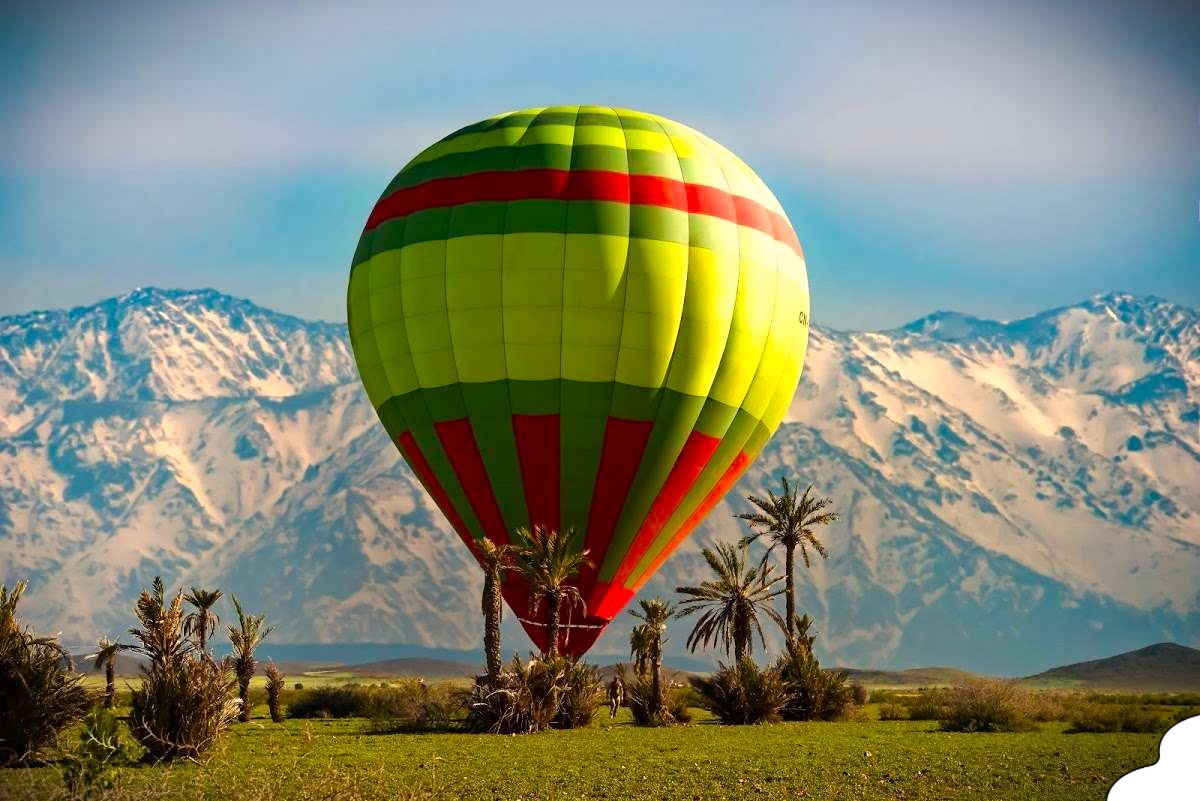
    Hot air balloon ride in Morocco over Marrakech cityscape and surrounding palm groves

    Best Time for a Hot Air Balloon Ride in Morocco

    • Spring (March–May): Mild temperatures, clear skies, blooming landscapes.

    • Autumn (September–November): Golden light, calm winds, and pleasant weather.

    • Winter (December–February): Cool mornings, clear skies, fewer tourists.

    • Summer (June–August): Hot days, but early morning flights remain comfortable.

    For desert rides, spring and autumn are ideal, while mountain flights can be done year-round with proper layering.

    Why This Experience Is Unforgettable

    A hot air balloon ride in Morocco is more than just sightseeing — it’s a sensory journey:

    • Visual: Panoramic landscapes, sunrise colors, and endless horizons.

    • Emotional: Calm, serene, and awe-inspiring views create lasting memories.

    • Cultural: Fly over Berber villages, kasbahs, and farmland to see Morocco’s daily life from above.

    • Photographic: Perfect for photographers or social media enthusiasts capturing Morocco’s diversity.

    Every flight is unique, offering a new perspective depending on location, season, and weather.

    Final Thoughts

    A hot air balloon ride in Morocco is an unforgettable way to see the country from a new perspective. From the vibrant landscapes of Marrakech and the Atlas Mountains to the golden Sahara dunes, every moment in the air is magical.

    Whether you are celebrating a special occasion, seeking adventure, or simply want a unique experience, a hot air balloon ride promises memories that will last a lifetime. Combine it with a desert tour or luxury stay, and your Moroccan journey becomes truly extraordinary.

    Unforgettable Sahara Desert Activities in Morocco You Must Try

    Unforgettable Sahara Desert Activities in Morocco You Must Try

    Unforgettable Sahara Desert Activities in Morocco You Must Try

    The Sahara Desert is one of the most iconic landscapes in Morocco, offering travelers a world of adventure, culture, and natural beauty. From camel rides to stargazing, Sahara desert activities provide unforgettable experiences that appeal to solo travelers, couples, and families alike.

    Whether you are visiting Merzouga, Zagora, or other desert towns, there is no shortage of thrilling and relaxing ways to explore this vast golden landscape.

    Camel Trekking

    Camel trekking is the quintessential desert experience. Riding a camel allows you to explore the Sahara just as travelers and nomads have for centuries.

    • Sunset Tours: Perfect for photography and romantic moments

    • Multi-Day Treks: Explore deeper into the desert, sleeping in Berber tents

    • Day Tours: Ideal for short visits or travelers on a tight schedule

    Camel rides are gentle, safe for beginners, and provide a unique perspective of the sweeping dunes and golden landscapes.

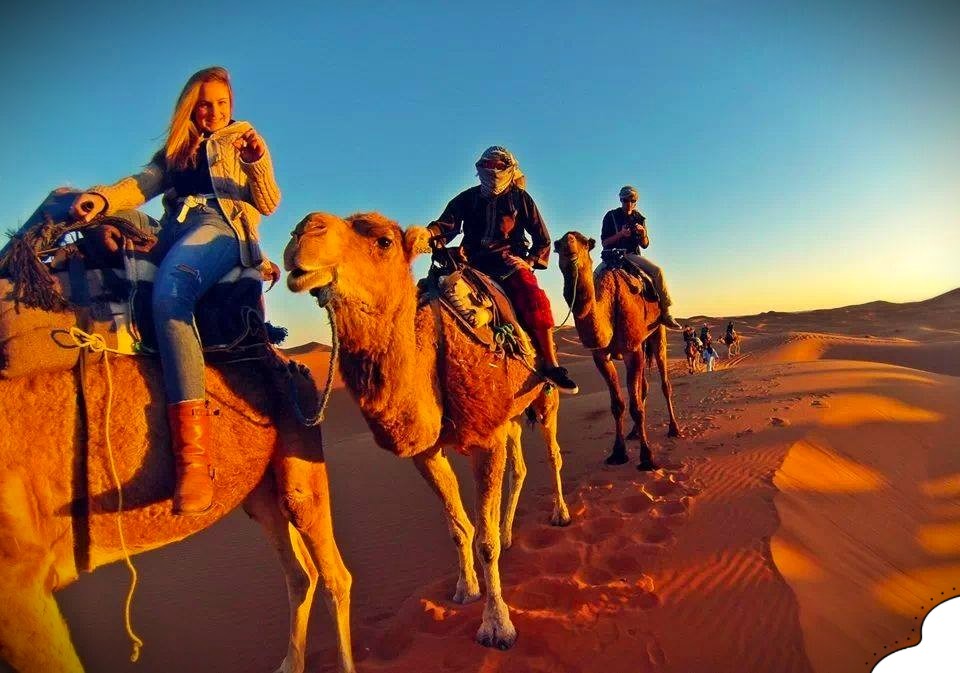
    Camel trekking in the Sahara Desert, Morocco, as part of Sahara Desert Activities

    Sandboarding and Adventure Sports

    For thrill-seekers, the Sahara offers a variety of adventure activities:

    • Sandboarding: Glide down tall dunes like Erg Chebbi for an adrenaline rush

    • Quad Biking: Explore the desert on a guided ATV tour

    • 4×4 Desert Tours: Visit remote dunes and hidden desert villages

    These activities are perfect for combining adventure with sightseeing, offering a different way to experience the desert’s vastness.

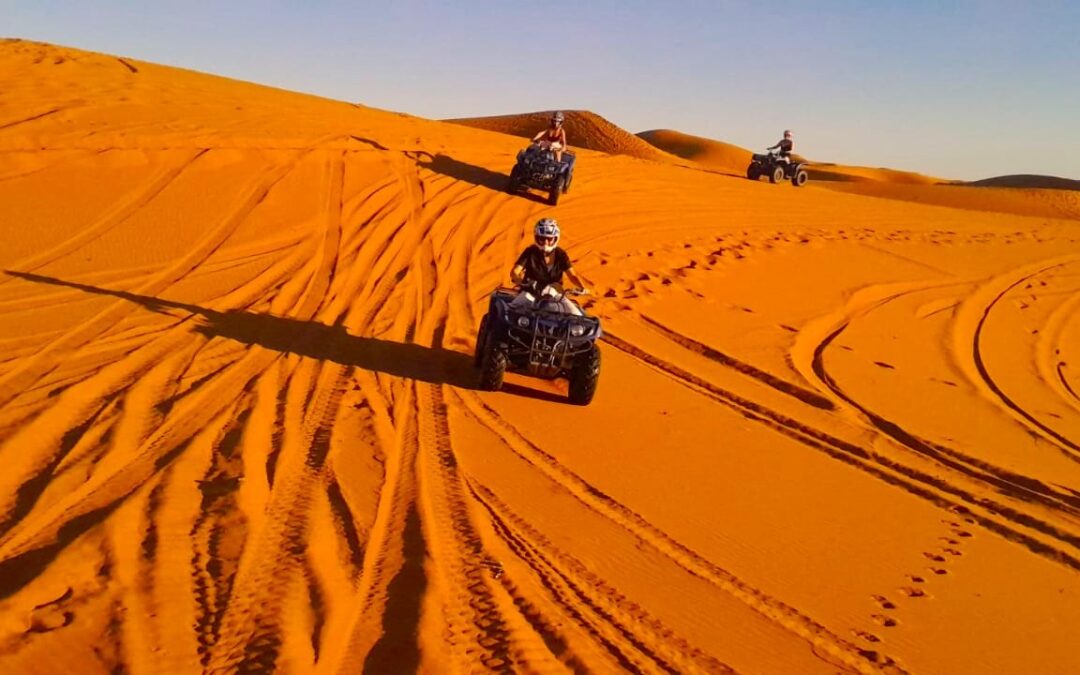
    Sahara Desert Activities with 4x4 desert tours exploring Morocco’s dunes and remote desert landscapes

    Overnight Berber Camps

    Spending a night in a traditional Berber desert camp is an unforgettable experience:

    • Enjoy Moroccan cuisine around a campfire

    • Listen to traditional Berber music under the stars

    • Sleep in comfortable tents, surrounded by the serenity of the desert

    • Watch a breathtaking sunrise over the dunes

    Many tours include cultural activities like storytelling, local tea ceremonies, and visits to nomadic families.

    Sahara Desert Activities featuring traditional Moroccan cuisine at a Berber desert camp

    Stargazing in the Sahara

    The Sahara Desert offers some of the clearest night skies in the world. Stargazing is a highlight for many visitors:

    • See constellations, planets, and the Milky Way in incredible detail

    • Capture long-exposure photographs of the night sky

    • Experience the peacefulness and silence of the desert at night

    Even short desert tours often include a stargazing segment, adding a magical dimension to your Sahara experience.

    Don’t miss our article about Hiking Mount Toubkal

    Sahara Desert Activities showcasing the vast golden dunes and landscapes of Morocco’s Sahara Desert

    Experience the Thrill of Sahara Desert Activities!

    Step into Morocco’s vast Sahara Desert and discover unforgettable adventures. From camel trekking and 4×4 desert tours to sandboarding, stargazing, and immersive Berber cultural experiences, Sahara Desert Activities offer something for every traveler. Explore golden dunes, witness breathtaking sunsets, and enjoy authentic Moroccan traditions in the heart of the desert. Capture stunning photos, relax under star-filled skies, and create memories that will last a lifetime.

    Cultural Experiences

    Beyond adventure, the Sahara is a place of rich cultural immersion:

    • Visit Berber villages and learn about traditional crafts and daily life

    • Attend music performances featuring Gnawa or Berber songs

    • Explore nomadic traditions that have been preserved for centuries

    These experiences allow travelers to connect with local communities while gaining a deeper understanding of desert life.

    Tips for Sahara Desert Activities

      • Dress Appropriately: Lightweight, breathable clothing during the day and warm layers at night

      • Sun Protection: Sunglasses, hat, and sunscreen are essential

      • Hydration: Carry water at all times, especially during adventure activities

      • Book Tours in Advance: Popular activities can fill quickly, especially during spring and autumn
      • Respect Local Culture: Follow your guide’s instructions and be mindful of customs

    FAQ: Sahara Desert Activities

    Q: What are the most popular activities in the Sahara?
    A: Camel trekking, sandboarding, quad biking, overnight Berber camps, and stargazing are the most popular.

    Q: Are Sahara desert activities safe for families?
    A: Yes, most activities, including camel rides and overnight camps, are family-friendly.

    Q: When is the best time to visit the Sahara Desert?
    A: Spring (March–May) and autumn (September–November) offer mild temperatures and clear skies.

    Q: Can I do a multi-day desert tour?
    A: Absolutely. Many operators offer 2–3 day desert tours with camel treks, camping, and cultural experiences.

    Conclusion

    Sahara desert activities in Morocco provide a unique combination of adventure, culture, and natural beauty. From camel trekking and sandboarding to stargazing and Berber camp experiences, there’s something for every traveler. Whether you choose a short desert excursion or a multi-day adventure, the Sahara promises unforgettable memories and magical landscapes that will stay with you forever.

    Sunset Camel Tour Merzouga: A Magical Sahara Experience

    Sunset Camel Tour Merzouga: A Magical Sahara Experience

    Sunset Camel Tour Merzouga: A Magical Sahara Experience

    Merzouga, on the edge of Morocco’s vast Sahara Desert, is a destination that promises unforgettable experiences. A sunset camel tour Merzouga is one of the most popular ways to explore this mesmerizing landscape. Riding a camel across golden dunes as the sun sets over the horizon is a magical moment, offering both adventure and tranquility.

    Whether you are traveling solo, as a couple, or with family, a sunset camel tour in Merzouga combines natural beauty, cultural immersion, and unforgettable memories.

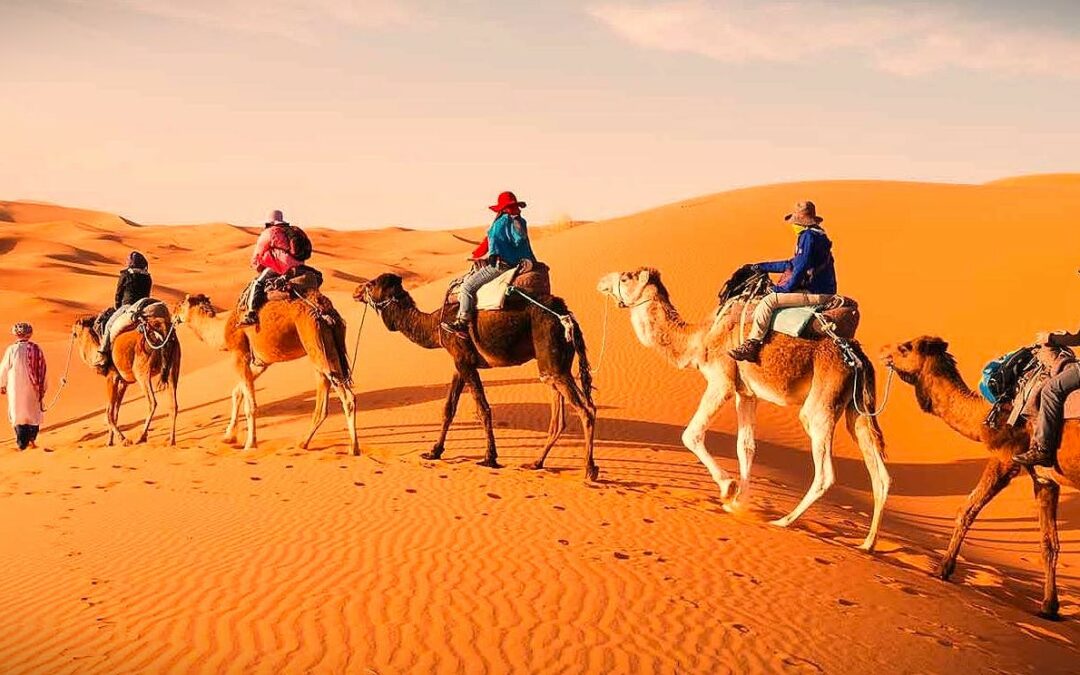
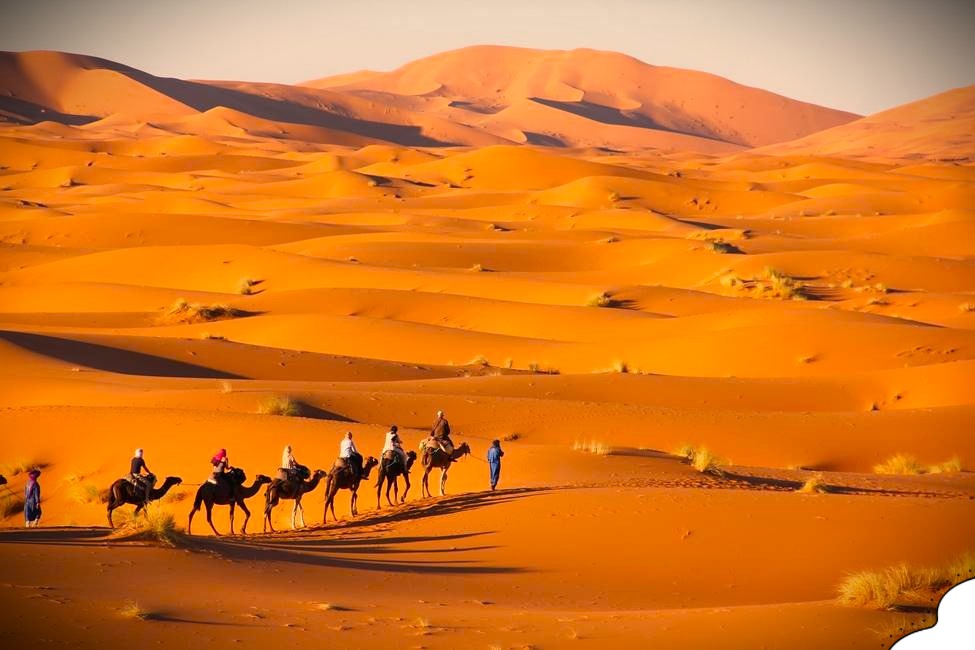
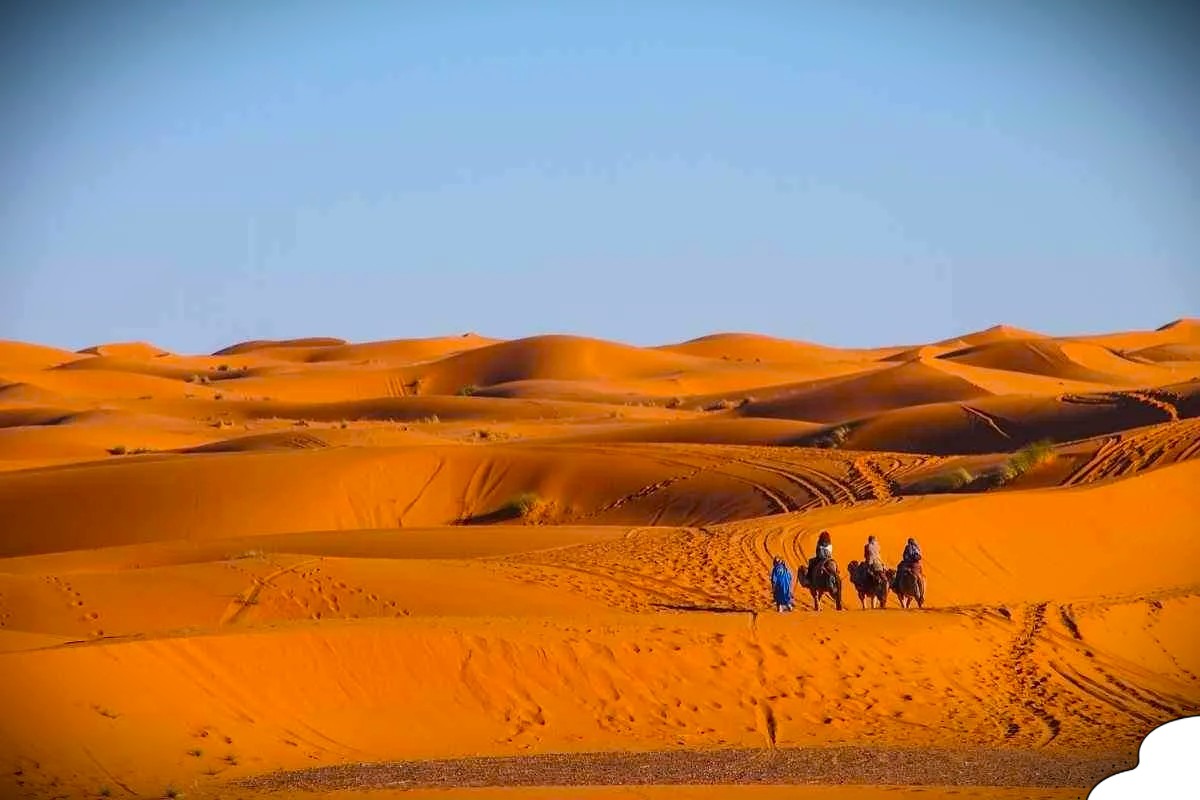
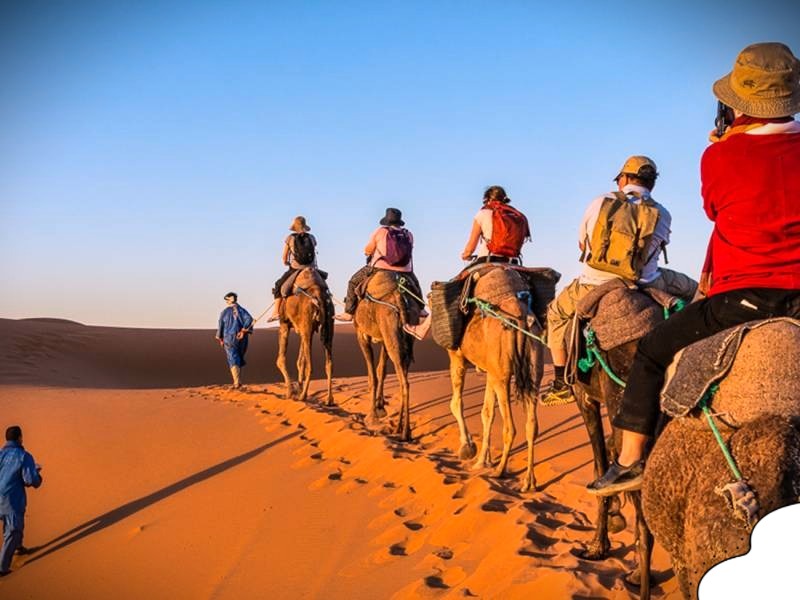
    Sunset Camel Tour Merzouga and Zagora desert with camels walking over the golden dunes at sunset

    Why Choose a Sunset Camel Tour in Merzouga?

    Merzouga is famous for its Erg Chebbi dunes, some of the tallest in Morocco. A sunset camel tour here offers:

    • Breathtaking Views: Watch the desert transform with vibrant sunset colors
    • Cultural Insights: Interact with Berber guides and learn about desert life
    • Peaceful Escape: Enjoy the quiet, vast desert landscapes
    • Photographic Opportunities: Capture stunning photos of dunes, camels, and sunset

    The best time to enjoy a sunset camel tour is March to May and September to November, when the weather is pleasant.

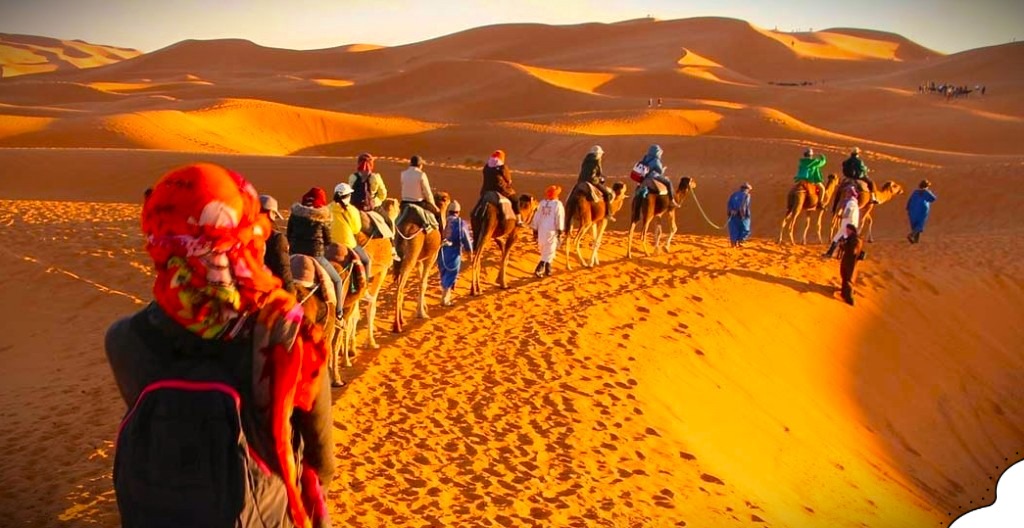
    Travelers enjoying a Sunset Camel Tour in Zagora Morocco with golden desert dunes and a colorful sky

    What to Expect on the Tour

    Camel Ride Adventure

    The tour usually begins in the late afternoon. You’ll meet your camel and experienced guide at a lodge or desert camp. After a short orientation, you’ll embark on a calm camel ride over the Erg Chebbi dunes, following winding paths with breathtaking views at every turn.

    Watching the Sunset

    As the sun begins to descend, the desert sky lights up with shades of orange, pink, and gold. This is the perfect moment to:

    • Take stunning photographs

    • Relax and soak in the natural beauty

    • Enjoy a peaceful pause in the vastness of the desert

    Desert Camp Experience

    Many sunset tours include a visit to a Berber desert camp, where travelers can:

    • Enjoy traditional mint tea and local snacks

    • Listen to Berber music around a campfire

    • Learn about desert life and local traditions

    Some tours offer overnight stays in tents for those who want to experience a star-filled desert night and sunrise over the dunes.

    Don’t miss our blog  about Imperial Cities of Morocco

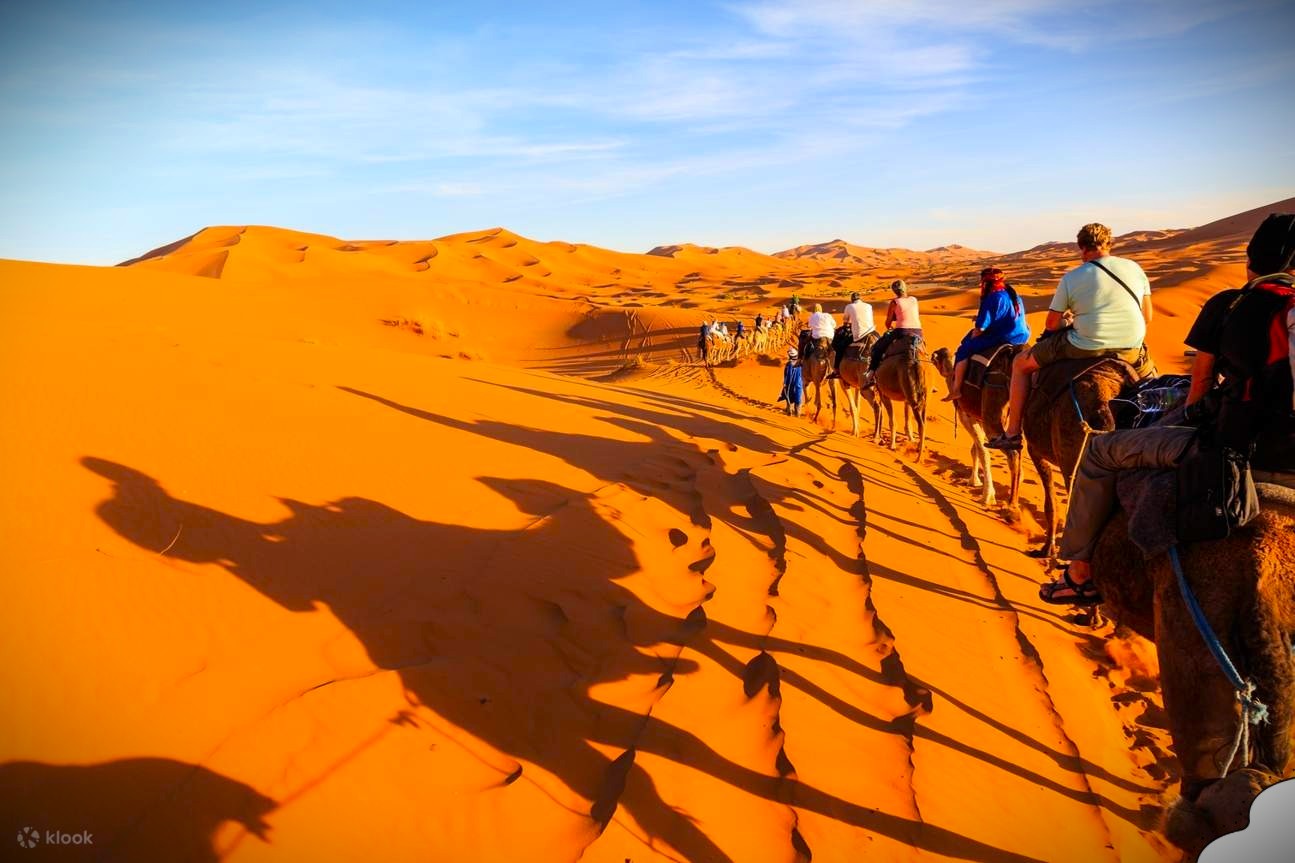
    Sunset Camel Tour Merzouga with camels walking through the golden Sahara dunes

    Tips for a Sunset Camel Tour

    • Dress Comfortably: Loose clothing and a scarf to protect from sand
    • Sun Protection: Sunglasses and sunscreen are recommended
    • Stay Hydrated: Bring water, especially if planning a longer tour
    • Camera Ready: Sunset in the desert offers perfect photo opportunities
    • Book in Advance: Sunset camel tours are popular, so early booking is recommended

    Experience the Magic of the Sahara on a Sunset Camel Tour Merzouga!

    Step into the golden dunes of Merzouga and witness the Sahara come alive at sunset. Ride camels across majestic Erg Chebbi dunes, enjoy the serene desert landscapes, and immerse yourself in authentic Berber culture at a traditional desert camp. Capture unforgettable moments, relax under the vast desert sky, and let the enchanting beauty of Merzouga inspire your next Moroccan adventure.

    Discover the full experience now!

    Nearby Attractions in Merzouga

    While the camel tour is the main attraction, there are other experiences worth exploring:

    • Khamlia Village: Known for traditional Gnawa music performances

    • Dayet Srji Lake: A saltwater lake home to flamingos during certain months

    • Merzouga Village: Explore local life and Berber crafts

    Erg Chebbi Adventure Activities: Sandboarding and quad biking

    Travelers riding camels across the golden dunes during Sunset Camel Tour Merzouga

    FAQ: Sunset Camel Tour Merzouga

    Q: How long is a sunset camel tour?
    A: Usually 2–3 hours, including camel ride, sunset viewing, and a visit to a desert camp.

    Q: Is it safe for beginners?
    A: Yes, camel rides are gentle and guided by experienced Berber guides.

    Q: Can I stay overnight in the desert?
    A: Many tours offer optional overnight stays in traditional Berber tents.

    Q: When is the best time for a sunset camel tour?
    A: Late afternoon, 1–2 hours before sunset, ensures the best light and cooler temperatures.

    Conclusion

    A sunset camel tour Merzouga is a must-do experience in Morocco. From riding camels across golden dunes to enjoying Berber hospitality at desert camps, the tour combines adventure, culture, and natural beauty. Whether you choose a short 2–3 hour tour or a longer overnight adventure, the Merzouga desert promises magical memories that last a lifetime.

    Cultural Tours Morocco: A Journey Through History, Tradition, and Heritage

    Cultural Tours Morocco: A Journey Through History, Tradition, and Heritage

    Cultural Tours Morocco: A Journey Through History, Tradition, and Heritage

    Morocco is a land of vibrant colors, ancient traditions, and mesmerizing landscapes. For travelers seeking an authentic experience, cultural tours Morocco offer the perfect way to explore the country’s rich history, diverse architecture, and unique local customs. From the bustling souks of Marrakech to the serene Berber villages in the Atlas Mountains, every corner of Morocco tells a story waiting to be discovered.

    Whether you’re fascinated by medieval medinas, traditional Moroccan cuisine, or UNESCO World Heritage sites, cultural tours provide a deep insight into Morocco’s soul, making your visit unforgettable

    Cultural Tours Morocco

    Imperial Cities: Where History Meets Modernity

    Casablanca: The Modern Heart with Historical Roots

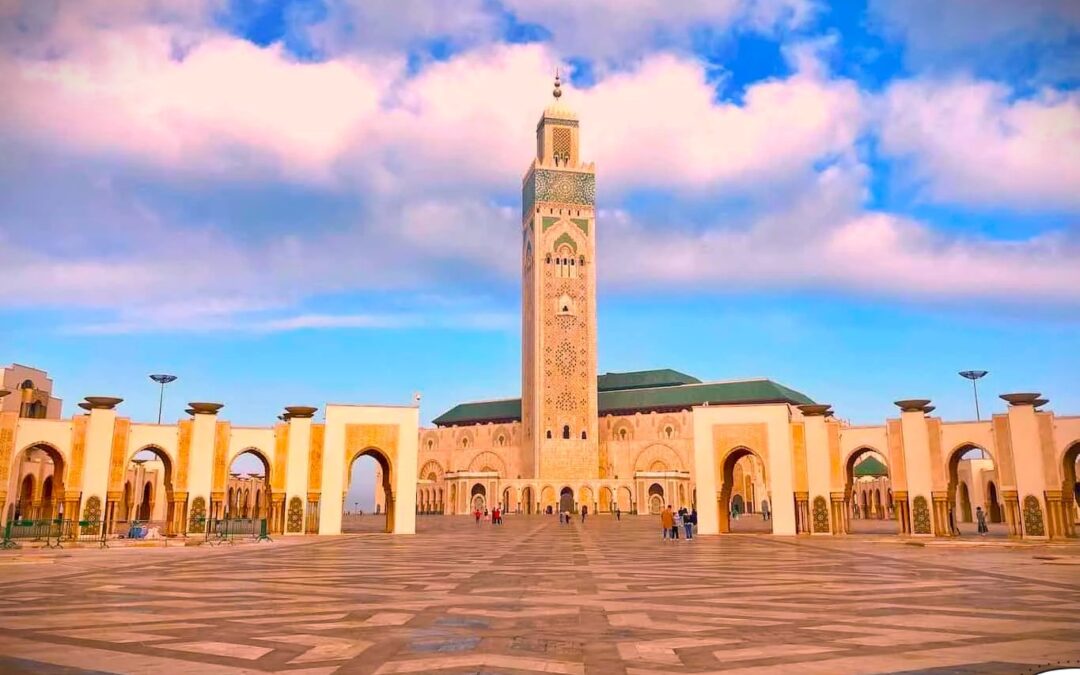
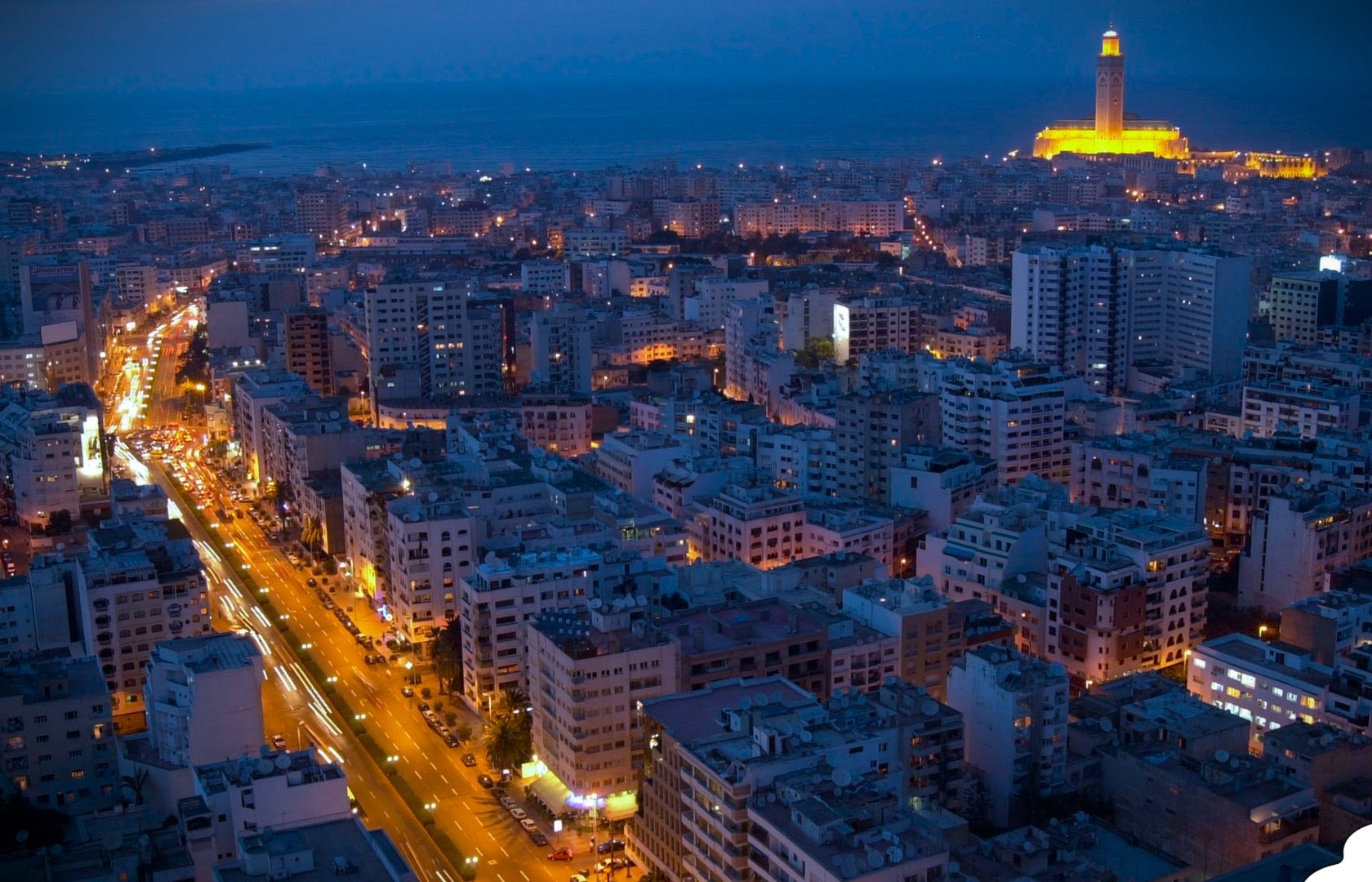
    Casablanca, Morocco’s largest city, is famous for the Hassan II Mosque, the third-largest mosque in the world. Beyond its stunning architecture, the city blends modernity with tradition through its coastal Corniche, lively markets, and art deco buildings. Cultural tours often include guided walks to explore Casablanca’s hidden gems and local neighborhoods.

    View of Casablanca city and Hassan II Mosque during Cultural Tours Morocco

    Rabat: The Royal Capital

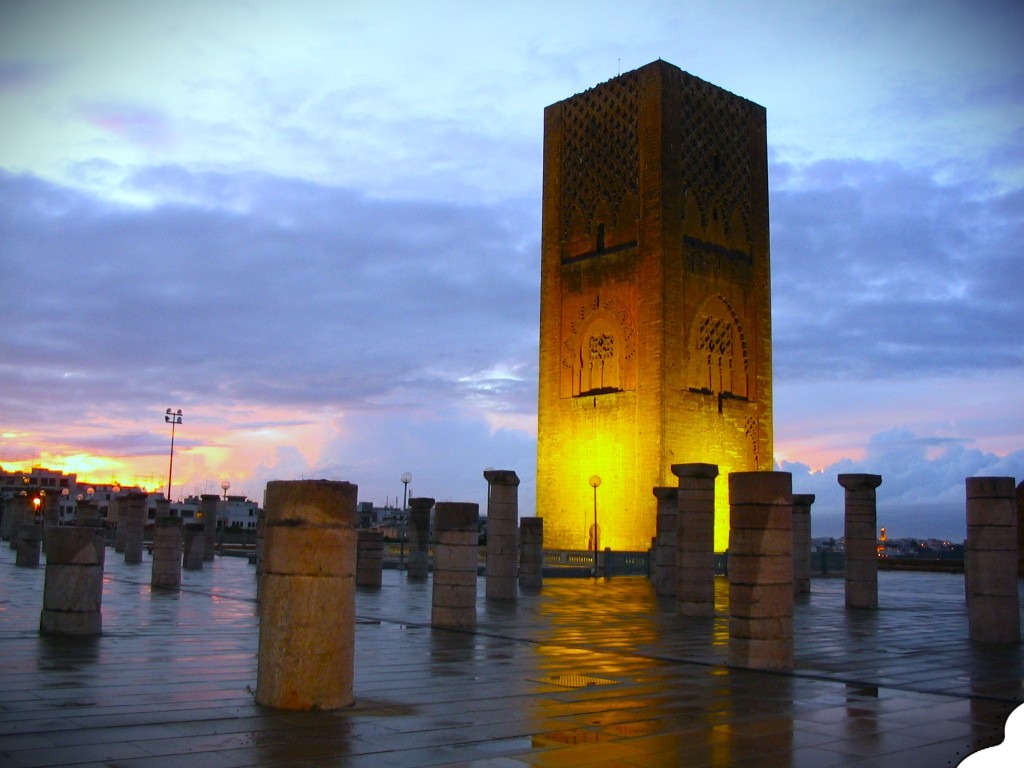
    Rabat is not just the political capital of Morocco but also a cultural treasure. Visit the Royal Palace, Chellah ruins, and the Kasbah of the Udayas, which showcase Morocco’s rich Islamic and Andalusian heritage. Rabat’s calm streets and historical monuments make it a must-see on any cultural tour.

    View of Rabat city and historical landmarks during Cultural Tours Morocco

    Fes: Step Back in Time

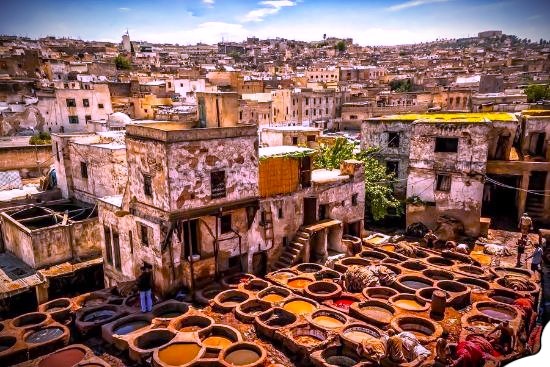
    Fes is Morocco’s spiritual and cultural heart. The medieval Fes el-Bali medina is a UNESCO World Heritage site filled with narrow alleys, colorful markets, and centuries-old mosques. Cultural tours here often include visits to the Al Quaraouiyine University, the oldest operating university in the world, and traditional workshops where artisans craft pottery, leather goods, and textiles.

    Don’t miss our article about Campervan Travel Guide to Morocco

    View of Fès medina and historical streets during Cultural Tours Morocco

    Marrakech: The Red City

    Marrakech is vibrant, chaotic, and full of life. From the Jemaa el-Fnaa square to the Bahia Palace and Majorelle Garden, the city blends history, art, and modern Moroccan lifestyle. Cultural tours in Marrakech often include traditional music and dance performances, spice market tours, and cooking classes.

    Walking through Marrakech medina and colorful souks during Cultural Tours Morocco

    Traditional Moroccan Cuisine

    Food is central to Moroccan culture. During cultural tours Morocco, travelers can indulge in:

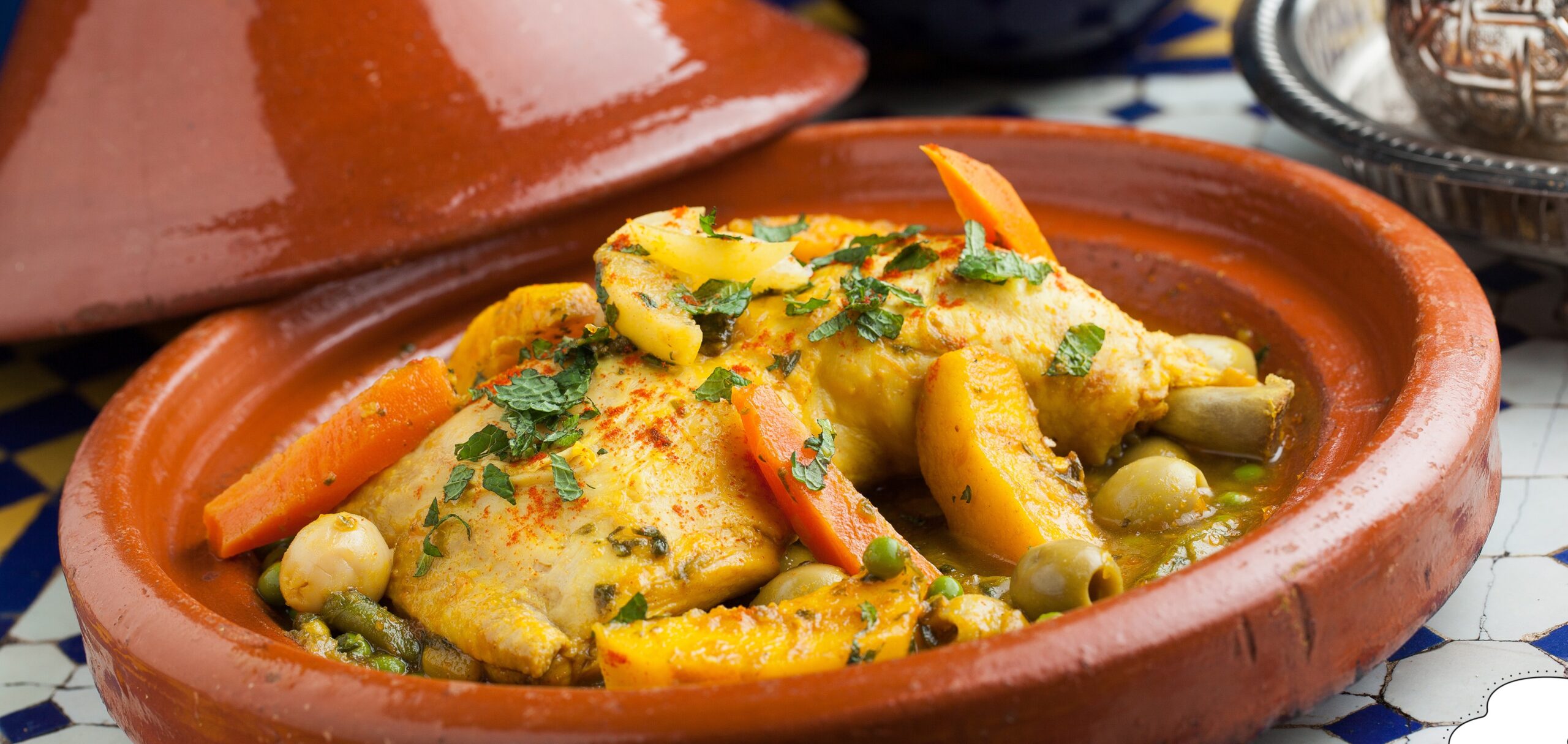
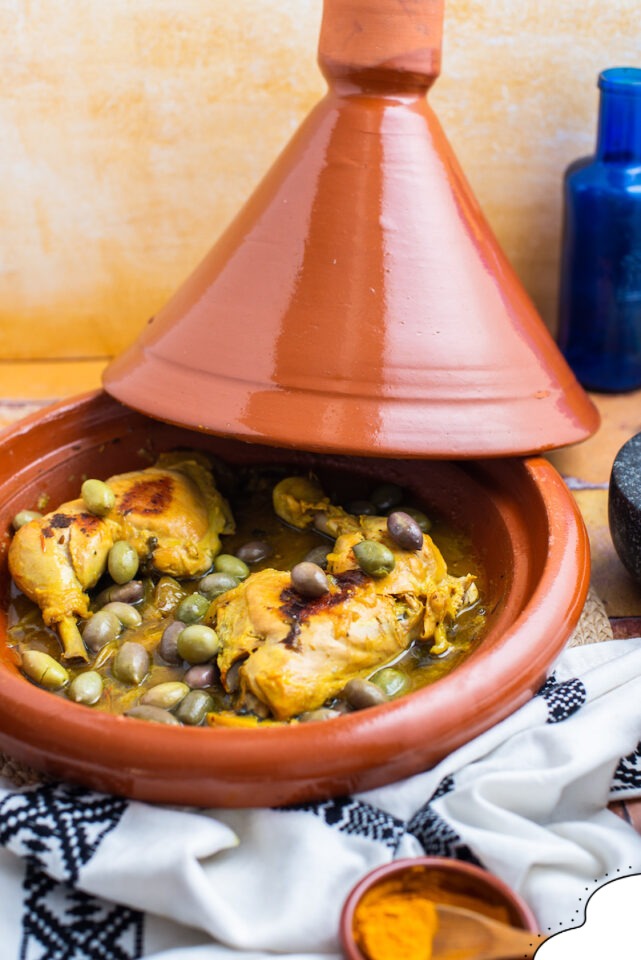
    • Tagine: Slow-cooked stews made with meat, vegetables, and aromatic spices

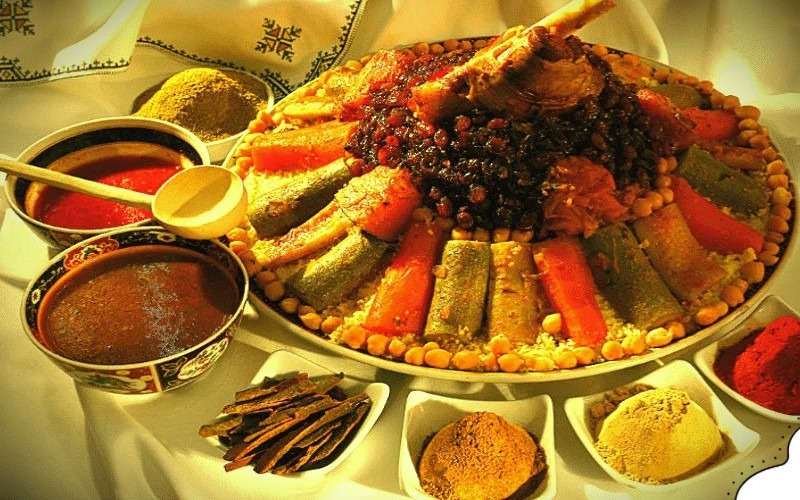
    • Couscous: A traditional dish often served with meat and seasonal vegetables

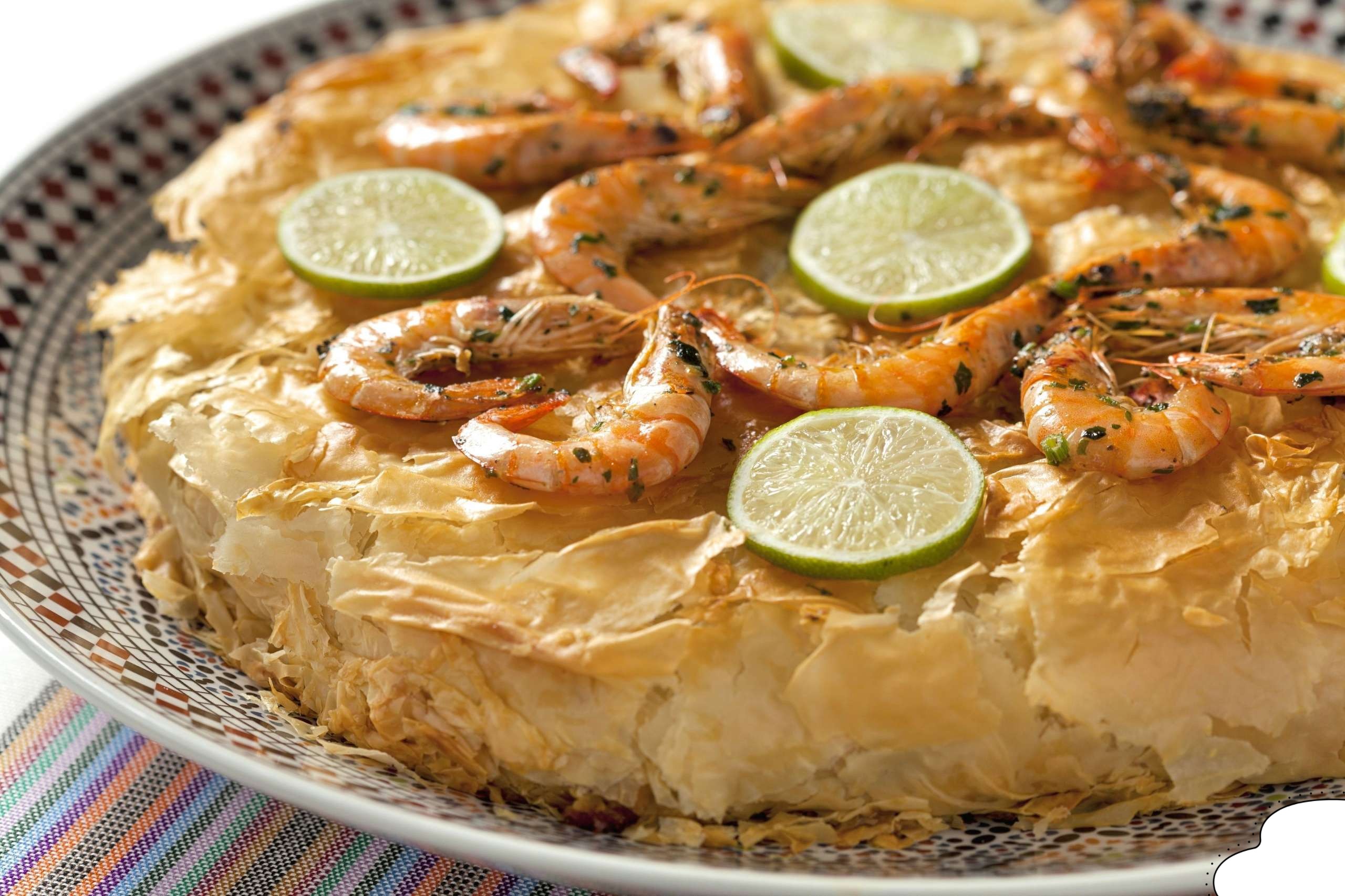
    • Pastilla: A sweet and savory pastry filled with pigeon or chicken

    • Street Food: Sample Moroccan snacks like msemen, harira soup, and fresh mint tea

    Visitors can also attend cooking classes in local riads, learning how to recreate authentic Moroccan flavors at home.

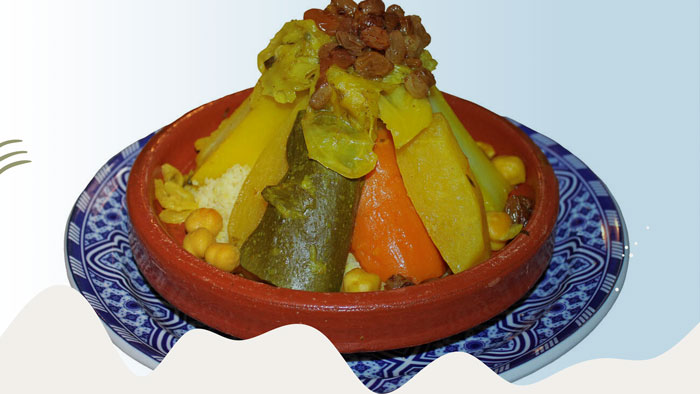
    Traditional Moroccan couscous served during Cultural Tours Morocco

    Berber Villages and Desert Experiences

    Exploring rural Morocco gives travelers a glimpse into traditional life:

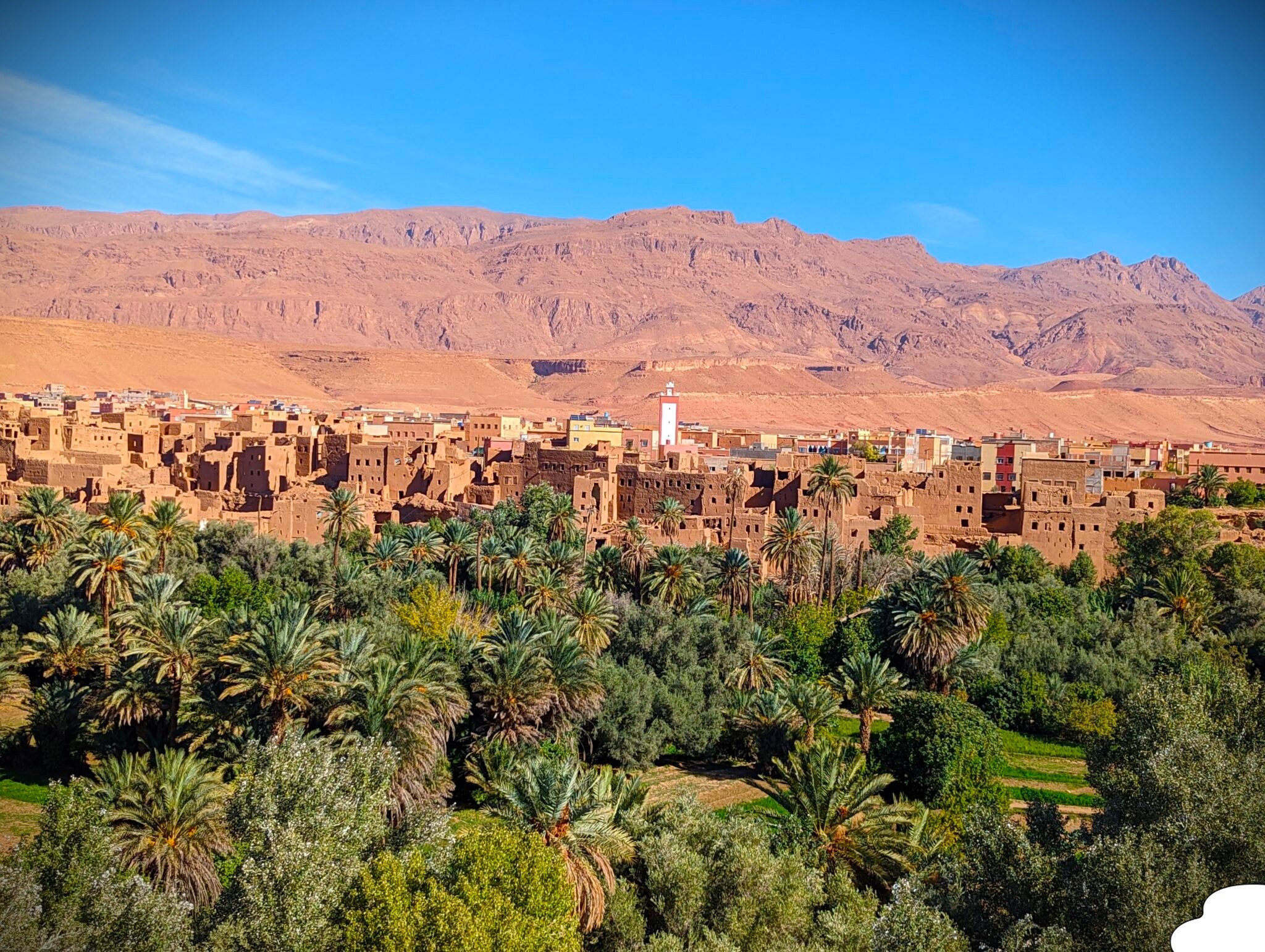
    • Stay in Berber guesthouses in the Atlas Mountains or Sahara Desert

    • Ride camels through sand dunes at Erg Chebbi or Erg Chigaga

    • Learn about ancient customs, music, and crafts unique to Berber communities

    These experiences offer cultural immersion and memorable interactions with locals, providing a richer understanding of Morocco beyond the cities.

    Traditional Berber village in Morocco during Cultural Tours Morocco

    Historical Monuments and UNESCO Sites

    Morocco boasts an impressive array of historical sites:

    • Ait Benhaddou: A UNESCO World Heritage site famous for its earthen architecture and film appearances

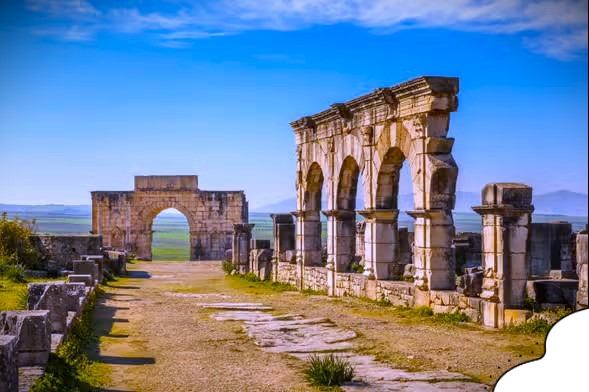
    • Volubilis: Roman ruins showcasing the region’s ancient history

    • Medina of Fes and Marrakech: Dense historical quarters filled with palaces, mosques, and artisan workshops

    • Kasbahs of the Atlas Mountains: Traditional fortresses offering scenic views and insight into Morocco’s defensive history

    Cultural tours often include expert guides who bring these landmarks to life, sharing fascinating stories of Morocco’s past.

    Ancient Roman ruins of Volubilis visited during Cultural Tours Morocco

    Experience Morocco’s Rich Culture for Yourself!

    Step into the heart of Morocco and explore its vibrant traditions — from the bustling medinas of Marrakech to the ancient Roman ruins of Volubilis, the Berber villages of the Atlas Mountains, and the rich culinary delights of Moroccan cuisine. Visit historic landmarks, meet local artisans, and immerse yourself in authentic Moroccan life. Let these unforgettable experiences inspire your next adventure!Step beyond the souk

    Festivals and Cultural Events

    Attending local festivals enhances your cultural experience:

    • Marrakech International Film Festival: Celebrating cinema and culture

    • Fes Festival of World Sacred Music: A unique blend of global music and Moroccan traditions

    • Imilchil Marriage Festival: A Berber cultural event in the High Atlas Mountains

    Participating in festivals provides travelers with authentic insights into Moroccan traditions, music, and social life.

    Tips for Cultural Tours in Morocco

    • Dress modestly to respect local customs
    • Hire local guides to enhance your understanding of historical and cultural sites
    • Visit in spring or autumn for pleasant weather
    • Sample meals at family-run restaurants for authentic flavors
    • Take a guided tour of the medinas to navigate narrow alleys safely
    Tourists exploring Moroccan landmarks during Cultural Tours Morocco

    FAQ: Cultural Tours Morocco

    Q: What are the best cities for cultural tours in Morocco?
    A: Casablanca, Rabat, Fes, and Marrakech are ideal for cultural exploration, each offering unique experiences and landmarks.

    Q: Can I join cultural tours as a solo traveler?
    A: Yes, many tour operators offer small group tours or private guides suitable for solo travelers.

    Q: Are cultural tours in Morocco family-friendly?
    A: Absolutely! Many tours are suitable for families, offering engaging activities like cooking classes, camel rides, and artisan workshops.

    Q: What is the best time to visit Morocco for cultural tours?
    A: Spring (March–May) and autumn (September–November) are ideal, offering comfortable temperatures and fewer crowds.

    Conclusion

    Cultural tours Morocco provide an immersive journey into the kingdom’s rich heritage, offering unforgettable experiences in history, architecture, cuisine, and traditions. Whether wandering ancient medinas, tasting local delicacies, or exploring Berber villages, travelers gain a deep appreciation for Morocco’s diverse culture. Start planning your Moroccan adventure today and discover a land where every corner has a story to tell.

    Exploring the Hidden Villages of the Atlas Mountains

    Exploring the Hidden Villages of the Atlas Mountains

    Exploring the Hidden Villages of the Atlas Mountains

    Introduction: Discovering the Heart of the Atlas Mountains

    Stretching majestically across Morocco, the Atlas Mountains are more than just a breathtaking natural wonder — they are the living heart of the country’s cultural and spiritual heritage. While most travelers are drawn to popular destinations like Marrakech or Ouarzazate, those who venture deeper into the mountains find something far more magical: the hidden villages of the Atlas Mountains.

    Tucked away in rugged valleys and perched on terraced hillsides, these villages offer an authentic glimpse into traditional Berber (Amazigh) life, where time seems to move at a gentler pace. Stone-built homes blend seamlessly with the landscape, women weave colorful carpets by hand, and the scent of freshly baked bread drifts from clay ovens. Here, centuries-old customs, dialects, and craftsmanship remain beautifully preserved, untouched by the rush of modernity.

    Beyond their charm, these secluded communities reveal the incredible adaptability of the mountain people, who have carved out livelihoods in some of Morocco’s most challenging yet stunning terrain. From the snow-capped High Atlas peaks to the fertile valleys of the Middle Atlas and the desert-edge settlements of the Anti-Atlas, each hidden village tells a story of resilience, harmony with nature, and cultural pride.

    In this journey through the hidden villages of the Atlas Mountains, we’ll uncover some of Morocco’s best-kept secrets — from Imlil and Aroumd to Imilchil and Amtoudi — exploring not only their breathtaking beauty but also the traditions, hospitality, and timeless spirit that make them so special.

    The Magic of Morocco’s Hidden Mountain Life

    Life in the hidden villages of the Atlas Mountains unfolds at a rhythm shaped by nature and tradition. Here, surrounded by dramatic landscapes of rocky cliffs, green valleys, and snow-dusted peaks, Morocco’s mountain communities have thrived for centuries in quiet harmony with their environment. These villages are not simply places on a map — they are living museums of Amazigh (Berber) culture, where each day follows the timeless patterns of rural mountain life.

    In these remote corners, villagers rise early to tend to terraced fields of barley and maize, guiding mules along narrow stone paths that weave through the slopes. Women gather herbs, bake bread in outdoor clay ovens, and weave vibrant carpets that tell stories through their geometric patterns. The air is filled with the sound of goats’ bells, children’s laughter, and the gentle rush of mountain streams that bring life to the valleys below.

    Unlike Morocco’s bustling cities, these villages offer a deep sense of peace and simplicity. There are no neon signs or busy traffic — only the earthy tones of mud-brick homes and the glow of firelight after sunset. Hospitality is sacred here: visitors are often welcomed into homes with steaming glasses of mint tea and heartfelt smiles, even from those who have little to spare.

    What makes these hidden villages truly magical is their ability to preserve an ancient way of life in a changing world. Isolation, once a challenge, has become a blessing — protecting their language, customs, and community spirit. Whether perched high above the clouds in the High Atlas or nestled in fertile valleys dotted with almond and walnut trees, each village reflects a unique bond between people and the land they call home.

    The High Atlas: Villages Among Peaks and Valleys

    The High Atlas Mountains, often called the “Roof of North Africa,” stretch across central Morocco with dramatic peaks, deep valleys, and hidden trails that reveal some of the region’s most enchanting villages. These are places where rugged nature meets genuine hospitality — where snow-capped summits tower over terraced fields and the rhythm of life follows the seasons.
    Among these peaks lie villages that feel untouched by time, each offering a window into the soul of mountain life.

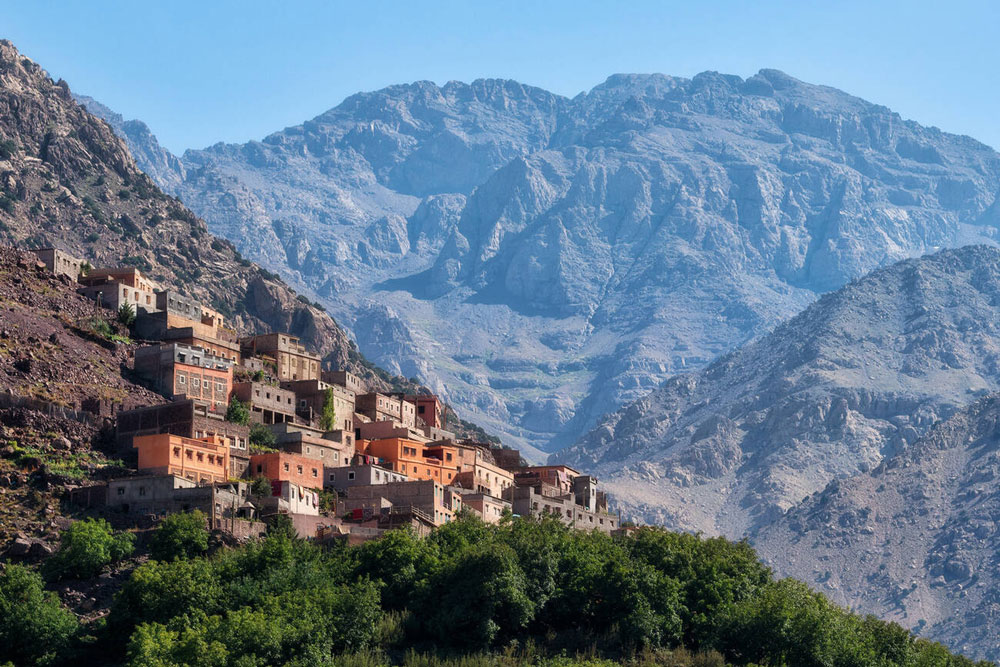
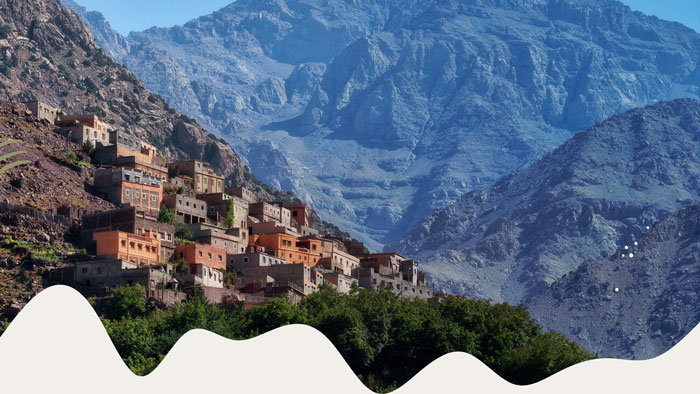
    Hidden villages of the Atlas Mountains

    Imlil – The Gateway to Toubkal

    Nestled at the foot of Mount Toubkal, North Africa’s highest peak, Imlil is one of the most accessible yet authentic hidden villages of the Atlas Mountains. Surrounded by apple orchards, walnut groves, and snow-fed streams, Imlil serves as the last major settlement before trekkers begin their ascent to Toubkal.

    But beyond its role as a trekking hub, Imlil offers something deeper — a glimpse into traditional Berber life. The village is home to family-run guesthouses and cozy riads where visitors can experience home-cooked tagines and the warm hospitality of local hosts. From Imlil, scenic trails lead to neighboring hamlets, waterfalls, and panoramic viewpoints that capture the breathtaking spirit of the High Atlas.

    Aroumd – A Peaceful Retreat Above Imlil

    Perched high above Imlil and accessible only by foot or mule, Aroumd (also spelled Armed) is a small, secluded village that feels worlds away from modern civilization. Its stone-built homes blend seamlessly into the mountainside, and its narrow paths wind between terraced fields and orchards.

    Life in Aroumd is beautifully simple — villagers grow their own food, herd livestock, and live in close-knit families that share everything from meals to celebrations. For visitors, it offers a tranquil escape and the chance to truly disconnect. The silence here is broken only by the sound of wind sweeping through the valley and the distant call to prayer echoing from a small mosque.

    Staying in Aroumd means stepping into a world where tradition still reigns and the mountain’s rhythm dictates the day.

    Tizi Oussem – Hidden in the Azzaden Valley

    Deep within the Azzaden Valley, one of the most picturesque corners of the High Atlas, lies Tizi Oussem — a hidden gem often overlooked by travelers. The journey here passes through lush valleys, cascading waterfalls, and chestnut trees that shimmer under the sun.

    Tizi Oussem is a peaceful Berber village known for its terraced farms, friendly locals, and breathtaking views of the surrounding peaks. Many trekkers pass through on their way between Imlil and the Toubkal refuge, but few stop long enough to appreciate its quiet beauty. Those who do are rewarded with genuine connections and unforgettable sunsets over the valley.

    It’s a place where life feels timeless — where every sunrise over the red mountains reminds you that beauty often hides off the beaten path.

    The Middle Atlas: Verdant Villages and Cedar Forests

    While the High Atlas is known for its dramatic peaks and challenging treks, the Middle Atlas offers a softer, greener landscape — filled with cedar forests, crystal lakes, and peaceful villages that seem to float amid rolling hills. This region, stretching between Fes and Beni Mellal, is home to some of Morocco’s most culturally rich and isolated communities.
    The hidden villages of the Atlas Mountains here are less about altitude and more about tranquility — places where time slows down, nature thrives, and traditions remain pure.

    Hidden villages of the Atlas Mountains

    Imilchil – The Legendary Village of Love

    High in the Middle Atlas, surrounded by sweeping plains and mountain lakes, lies Imilchil, one of Morocco’s most fascinating villages. Known as the “Village of Love,” Imilchil is famous for its annual Marriage Festival, a celebration rooted in ancient Amazigh (Berber) legend. According to local lore, two star-crossed lovers from rival tribes were forbidden to marry, and their tears formed the twin lakes of Isli and Tislit nearby. To honor their memory, families now gather each year so young men and women from different tribes can meet and choose their partners freely.

    Beyond the romance, Imilchil offers a glimpse into an authentic way of life shaped by harsh winters and communal spirit. The village’s earthen homes rise from the rocky plateau, markets overflow with colorful rugs and handwoven blankets, and visitors are greeted with genuine warmth and curiosity. For those seeking a truly cultural encounter, few places match the spirit and symbolism of Imilchil.

    Zaouiat Ahansal – A Remote Gem for Adventure Seekers

    Tucked deep within a dramatic valley carved by the Assif Melloul River, Zaouiat Ahansal is one of the Middle Atlas’s most remote and captivating villages. Surrounded by towering cliffs and hidden gorges, it was once an important religious center, founded centuries ago by the revered scholar Sidi Said Ahansal. His spiritual influence remains strong today, with ancient zawiyas (religious schools) and shrines scattered throughout the area.

    But Zaouiat Ahansal is not just about history — it’s also a paradise for adventurers. The village is a base for rock climbing, canyoning, and hiking through untouched landscapes. Yet despite its rugged surroundings, life here flows with quiet dignity. Villagers depend on small-scale farming and pastoral traditions, maintaining a deep respect for the land and its resources.

    Traveling to Zaouiat Ahansal feels like stepping back in time — a place where spirituality, community, and the raw beauty of nature meet in perfect harmony.

    The Anti-Atlas: The Desert’s Edge Villages

    As the Atlas Mountains descend toward the Sahara, the landscape shifts dramatically. The Anti-Atlas region reveals a raw, untamed beauty — pink granite cliffs, winding oases, and valleys dotted with ancient argan trees. Life here feels shaped by both the mountains and the desert, with villages that seem carved from the rock itself. These are some of the most striking hidden villages of the Atlas Mountains, where history, craftsmanship, and endurance come together in remarkable harmony.

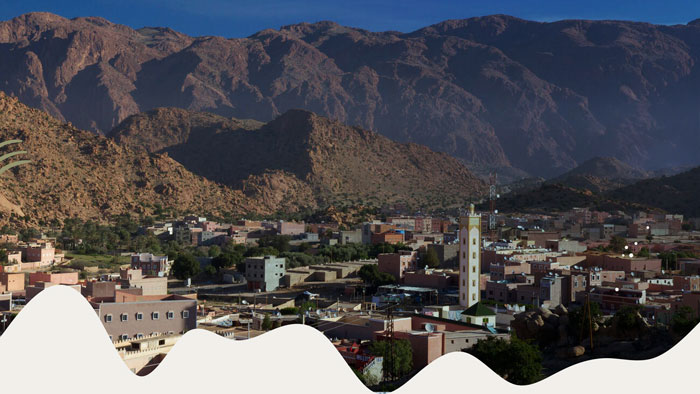
    Hidden villages of the Atlas Mountains

    Tafraoute – Pink Granite and Amazigh Heritage

    Surrounded by surreal rock formations that glow in shades of pink and orange at sunset, Tafraoute is the cultural heart of the Anti-Atlas. The village sits in the Ameln Valley, framed by towering cliffs and palm groves, and offers one of the most photogenic landscapes in southern Morocco.

    Tafraoute is known for its unique blend of mountain and desert culture. The Amazigh people here have preserved their distinct language, dress, and traditions. Visitors can explore lively weekly souks filled with argan oil, almond products, and silver jewelry crafted by local artisans. Spring brings a magical transformation when the valley’s almond trees burst into blossom, painting the landscape with delicate shades of pink and white.

    Beyond its beauty, Tafraoute offers excellent hiking and biking trails through nearby gorges and rock formations, including the famous “Painted Rocks” — a surreal outdoor art installation that has become a symbol of the region’s creative spirit.

    Amtoudi – The Fortress Village

    Hidden in a remote valley surrounded by rugged cliffs lies Amtoudi, a breathtaking village that feels like a living time capsule. Its defining feature is the agadir — an ancient collective granary perched dramatically on a rocky outcrop above the village. These fortified structures once protected the community’s grain, valuables, and documents, and are among the best-preserved examples of traditional Berber architecture in Morocco.

    Exploring Amtoudi means walking through narrow stone alleys, passing terraced gardens, and watching villagers go about their daily lives much as they have for generations. The sound of running water from nearby springs fills the air, and the cool shade of palm trees offers respite from the desert heat.

    For travelers seeking authenticity, Amtoudi is a true gem — remote, resilient, and steeped in heritage. Staying here in a local guesthouse allows visitors to experience the quiet rhythm of village life and the profound sense of community that defines these hidden mountain settlements.

    Experiencing Berber Hospitality and Traditions

    One of the most unforgettable aspects of visiting the hidden villages of the Atlas Mountains is the chance to experience Berber (Amazigh) hospitality, an age-old tradition rooted in generosity, respect, and community. In these remote mountain settlements, where life is shaped by the seasons and sustained by cooperation, every guest is welcomed as family.

    Hospitality in the Atlas Mountains goes beyond offering food or shelter — it is a sincere cultural ritual. Visitors are often greeted with a warm smile and the famous Moroccan mint tea, served in delicate glasses and poured high to release its aroma. Meals are shared communally, often consisting of slow-cooked tagines, homemade bread, and fresh ingredients harvested from nearby gardens. Even in the humblest of homes, hosts take pride in offering their best to travelers, a reflection of the deep-rooted Amazigh belief in kindness and honor.

    Traditions also thrive through craftsmanship and storytelling. Women weave richly patterned rugs and blankets using techniques passed down for generations, while men work with wood, leather, or metal to create tools and ornaments that serve both practical and artistic purposes. In the evenings, families gather around open fires to share stories — ancient folktales about spirits, heroes, and the power of nature.

    Festivals and community gatherings are equally important. Many villages celebrate harvest seasons or local saints (moussem) with music, dance, and spiritual rituals. The rhythmic beat of the bendir drum, the haunting notes of the flute, and the high-pitched ululations of women fill the valleys with life and joy.

    Through these experiences, visitors begin to understand that the true beauty of the hidden villages of the Atlas Mountains lies not just in their landscapes but in the people who inhabit them — resilient, welcoming, and deeply connected to their ancestral roots.

    Discover Morocco’s Hidden Heart!

    Discover Morocco’s hidden heart, where ancient traditions meet untold stories and breathtaking landscapes. Venture beyond the usual paths to explore timeless villages, vibrant souks, and warm local hospitality. Experience the true soul of Morocco—authentic, welcoming, and unforgettable.

    ✨ Don’t just visit Morocco — live its hidden magic. Start planning your Atlas Mountain escape today!

    Responsible and Sustainable Travel Tips

    Exploring the hidden villages of the Atlas Mountains is a privilege — a chance to witness a way of life that has endured for centuries, far removed from the noise of modern tourism. But with that privilege comes responsibility. To protect these fragile communities and their pristine environments, travelers should approach their visit with care, respect, and mindfulness.

    1. Support Local Communities

    Choose to stay in locally owned guesthouses, riads, or homestays rather than large hotel chains. Your stay directly benefits families in the village and helps sustain traditional livelihoods. When hiring guides, look for certified local Amazigh guides — their knowledge of the land, culture, and language adds depth to your experience while supporting the local economy.

    2. Respect Traditions and Privacy

    The mountain villages are deeply traditional. Always ask before taking photos, especially of people or inside homes. Dress modestly and be mindful of local customs, particularly during religious events or Ramadan. A respectful attitude opens doors to genuine cultural exchanges and lasting friendships.

    3. Travel Lightly and Leave No Trace

    The natural environment of the Atlas Mountains is both stunning and delicate. Bring a reusable water bottle, avoid single-use plastics, and carry out all trash. Stick to marked trails to protect vegetation and farmland, and avoid disturbing wildlife or livestock.

    4. Learn and Engage

    Take time to learn a few words of Tamazight, the Amazigh language — even simple greetings like “Azul” (hello) or “Tanmirt” (thank you) bring smiles. Engage with artisans by visiting cooperatives where women make argan oil, pottery, or carpets. Buying directly from locals ensures fair trade and helps preserve traditional crafts.

    5. Travel Slowly

    These villages are best experienced without rushing. Slow travel allows you to connect with locals, understand their daily routines, and appreciate the peaceful rhythm of mountain life. Spend a few nights instead of just a quick visit — the longer you stay, the more meaningful your journey becomes.

    By traveling responsibly, you help ensure that the hidden villages of the Atlas Mountains remain as authentic, welcoming, and beautiful for future generations as they are today. Sustainable tourism not only protects the environment but also honors the people who make this region so extraordinary.

    Practical Information for Travelers

    Before setting out to explore the hidden villages of the Atlas Mountains, it’s important to plan your journey carefully. These areas are remote, and while the adventure is rewarding, being prepared will make your experience safer, smoother, and more enjoyable.

    Here’s everything you need to know before you go:

    Best Time to Visit

    The ideal time to visit the Atlas Mountains depends on the season and the altitude:

    • Spring (March–May): Arguably the best time — valleys bloom with wildflowers, snow melts into flowing streams, and temperatures are mild and pleasant.
    • Autumn (September–November): Another great window, offering cool air, golden landscapes, and fewer tourists.
    • Winter (December–February): Snow blankets the High Atlas, making it perfect for those seeking a more rugged adventure — but be prepared for cold nights and possible road closures.
    • Summer (June–August): Can be hot at lower altitudes, though mountain villages remain cooler than the plains.

    How to Get There

    Most travelers start their journey from Marrakech, which serves as the main gateway to the Atlas Mountains. From there:

    • To the High Atlas (Imlil, Aroumd, Tizi Oussem): It’s about a 1.5–2.5 hour drive south of Marrakech via Asni. Shared taxis and private transfers are available, or you can book a guided trek.
    • To the Middle Atlas (Imilchil, Zaouiat Ahansal): Best accessed via Beni Mellal or Midelt. The routes are longer but offer stunning scenery.
    • To the Anti-Atlas (Tafraoute, Amtoudi): Reachable from Agadir or Tiznit — expect a scenic but winding journey through arid landscapes and granite formations.

    Accommodation Options

    The hidden villages of the Atlas Mountains offer charming and authentic places to stay:

    • Family-run guesthouses and riads: Found in most villages, offering home-cooked meals and insight into daily life.
    • Eco-lodges and mountain refuges: Ideal for trekkers seeking sustainable and comfortable stays close to nature.
    • Homestays: Available in smaller villages, perfect for travelers who want to connect deeply with local families.

    What to Pack

    • Footwear: Comfortable hiking boots or sturdy walking shoes.
    • Clothing: Layers are key — warm clothing for evenings, lighter wear for daytime hikes.
    • Essentials: Sunscreen, hat, reusable water bottle, small first-aid kit, and power bank.
    • Gifts for locals: Small tokens like notebooks or pens for children (avoid giving money directly).

    Safety and Connectivity

    The Atlas Mountains are generally very safe, but always inform someone of your travel plans, especially if hiking independently. Mobile coverage is limited in some remote areas, so consider downloading offline maps. Locals are friendly and often willing to help with directions or logistics if needed.

    With thoughtful planning and an open heart, your journey through the hidden villages of the Atlas Mountains will be more than a trip — it will be an unforgettable cultural encounter with Morocco’s most genuine soul.

    Conclusion: A Journey Beyond the Beaten Path

    Exploring the hidden villages of the Atlas Mountains is more than just a scenic adventure — it’s an immersion into a world where tradition, nature, and human connection converge. Each village, from the bustling gateway of Imlil to the remote heights of Amtoudi, offers a unique story: of resilience, creativity, and the timeless rhythm of mountain life.

    These villages remind travelers that Morocco’s true magic is not only in its bustling medinas or sun-soaked deserts but also in the quiet, secluded corners where centuries-old customs remain alive. Walking along terraced fields, sipping mint tea with a local family, or listening to the distant call to prayer echoing across the valleys — these moments create memories that linger long after the journey ends.

    By venturing off the beaten path, travelers gain not only breathtaking views and authentic experiences but also a profound understanding of Morocco’s rich Amazigh heritage. They leave with a deeper appreciation for the delicate balance between people, culture, and the majestic landscapes that have shaped their lives.

    In the hidden villages of the Atlas Mountains, every stone, every path, and every smile tells a story — one that invites you to slow down, connect, and discover a side of Morocco that few ever see.

    Calligraphy, Metalwork, and Ceramics: Morocco’s Living Art Forms

    Calligraphy, Metalwork, and Ceramics: Morocco’s Living Art Forms

    Calligraphy, Metalwork, and Ceramics: Morocco’s Living Art Forms

    Introduction: The Soul of Moroccan Art

    Traditional Moroccan Art is alive in every corner of Morocco, from the winding alleys of Fez to the sun-drenched souks of Marrakech. In this country, creativity is woven into daily life, and craftsmanship is more than an occupation — it is an inheritance, a spiritual dialogue between the artisan and the material. Every brushstroke, hammer tap, or glaze reflects centuries of tradition, patience, and devotion.

    At the heart of this enduring legacy are the country’s most celebrated forms of traditional Moroccan art — calligraphy, metalwork, and ceramics. These crafts form the soul of Morocco’s aesthetic identity, echoing Arab, Berber, and Andalusian influences that have shaped the nation for over a millennium. They speak of faith and geometry, rhythm and repetition, and a deep respect for beauty in the everyday.

    Calligraphy transforms words into visual poetry, infusing spiritual meaning into architectural spaces and sacred manuscripts. Metalwork gives form to light itself — from intricately pierced lanterns that dance with shadows to elegant trays and teapots that symbolize Moroccan hospitality. Ceramics, born of earth and fire, adorn homes, mosques, and palaces with mesmerizing color and pattern, uniting artistry and function in every piece.

    What makes these arts truly remarkable is that they are living traditions. The skills and secrets of each craft are passed from master (maalem) to apprentice, generation after generation. While rooted in ancient techniques, today’s artisans continue to innovate, blending classic motifs with contemporary design. This balance between preservation and creativity ensures that traditional Moroccan art remains vibrant and relevant in the modern world.

    In this journey through traditional Moroccan art, we’ll explore how calligraphy, metalwork, and ceramics reflect Morocco’s history, spirituality, and craftsmanship — and how these timeless arts continue to shape the country’s cultural identity today.

    The Sacred Beauty of Moroccan Calligraphy

    1. Origins and Spiritual Meaning

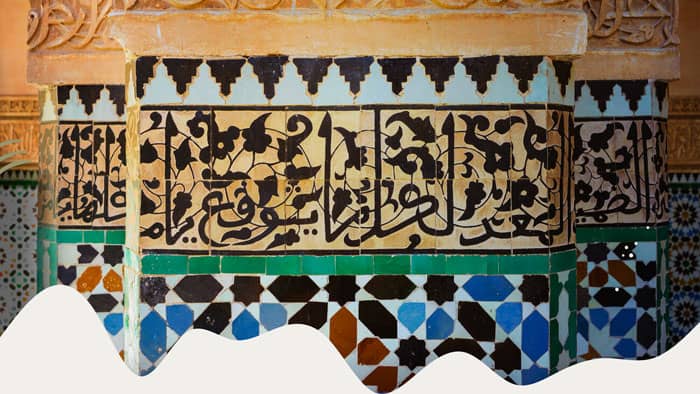
    Calligraphy holds a sacred place in Moroccan art — a visual embodiment of faith, intellect, and beauty. Rooted in the Islamic tradition where depicting human figures was discouraged in religious contexts, calligraphy became the highest form of artistic expression, transforming divine words into mesmerizing patterns of ink and rhythm.

    In Morocco, this art form blossomed into a distinctive style known as Maghrebi script — a rounded, flowing variation of Arabic calligraphy that developed in the western Islamic world (North Africa and Andalusia). Unlike the angular Kufic or elongated Thuluth scripts found in the Middle East, the Maghrebi style reflects Morocco’s fluid sense of form and balance, often marked by bold loops, deep curves, and harmonious spacing.

    Calligraphy was not merely decorative; it was devotional. Each stroke of the pen was considered an act of worship, a meditative practice that required patience and spiritual focus. From Qur’anic manuscripts to architectural inscriptions, calligraphy infused Moroccan spaces with both meaning and beauty — reminding viewers of the divine through artistry.

    Traditional Moroccan Art

    2. Tools and Techniques

    The art of calligraphy demands both precision and grace. Traditional Moroccan calligraphers use a reed pen (qalam) carefully cut to control the flow of ink, and they prepare their own pigments from natural materials such as soot, walnut shells, or minerals. Writing surfaces range from smooth parchment to handmade paper, each chosen for its ability to absorb ink evenly.

    Training is rigorous and often spiritual in nature. Apprentices study under a master (maalem), learning to balance composition, proportion, and rhythm. Each letter and curve must be perfectly aligned — not just technically, but emotionally. The goal is harmony: a written form that pleases the eye and nourishes the soul.

    3. Modern Applications

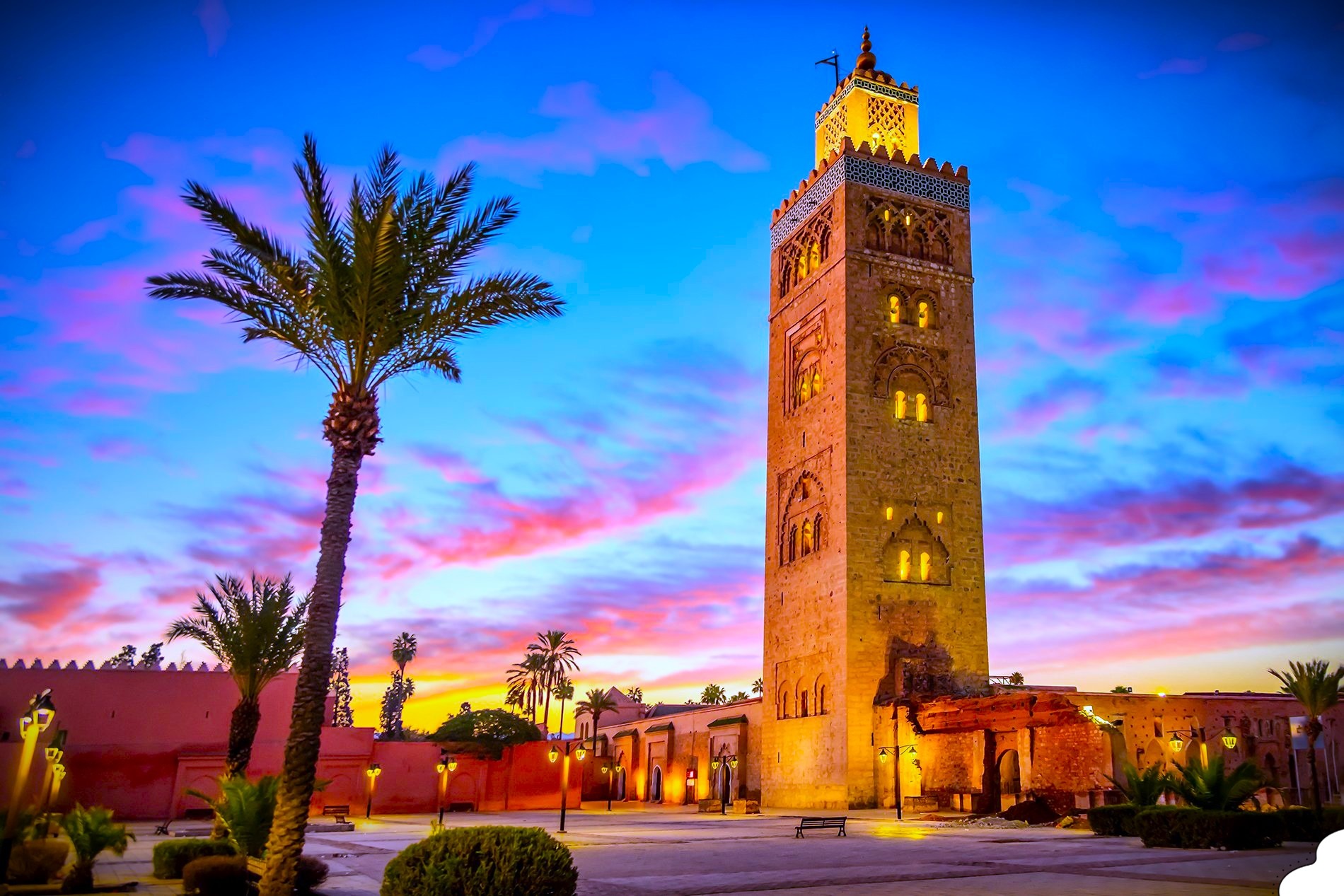
    While deeply traditional, Moroccan calligraphy has gracefully entered the modern age. Its influence extends beyond manuscripts into architecture, design, and contemporary art. Visitors can admire exquisite inscriptions adorning the walls of mosques like the Koutoubia Mosque in Marrakech or the Al-Qarawiyyin Mosque in Fez, where verses from the Qur’an appear in stone and tile, framing sacred spaces with visual poetry.

    Today, Moroccan artists and designers are breathing new life into the craft. Calligraphic motifs appear on ceramics, textiles, jewelry, and digital art, merging centuries-old techniques with contemporary aesthetics. Young calligraphers experiment with vibrant colors, abstract compositions, and even street murals, reimagining the script as a form of cultural expression in the modern world.

    Through this evolving dialogue between past and present, Moroccan calligraphy remains a living art form — one that continues to honor its sacred origins while speaking to new generations in fresh and inspiring ways.

    Metalwork: Crafting Light and Legacy

    1. Ancient Roots and Regional Styles

    Few crafts capture the Moroccan sense of precision and poetry quite like metalwork. Its origins date back centuries — to the Almoravid and Almohad dynasties — when Morocco became a crossroads of trade, skill, and design between Africa, Europe, and the Arab world. Over time, Moroccan artisans developed unique regional styles that reflected both local identity and global influence.

    • Fez became renowned for fine brass and copper engravings — intricate trays, teapots, and lamps that shimmered with delicate patterns.

    • Marrakech specialized in ornate lanterns and decorative metal screens that filled riads and palaces with light and shadow.

    • Essaouira, with its coastal roots, became known for silver jewelry and filigree work inspired by both Berber and Andalusian motifs.

    Each city contributed a distinctive artistic signature, but all shared one principle: beauty born from craftsmanship and patience.

    Traditional Moroccan Art

    2. Techniques and Materials

    Metalworking in Morocco is a symphony of sound and precision — the rhythmic tapping of hammers echoing through medinas as artisans bring lifeless metal to life. Traditional craftsmen, known as maalems, work with brass, copper, silver, and bronze, shaping each piece by hand in small, family-run workshops.

    The process is entirely manual. Sheets of metal are cut, heated, and hammered into form before being engraved with complex geometric or floral patterns. Designs are often guided by Islamic art principles — repetition, symmetry, and infinite pattern — reflecting divine perfection.

    Techniques such as:

    • Engraving (naqch) — carving intricate motifs into the surface.

    • Hammering (taktir) — creating texture and depth.

    • Filigree — twisting thin metal wires into lace-like designs, especially for jewelry and ornaments.

    Each finished piece carries the craftsman’s personal touch — small variations that distinguish handmade Moroccan metalwork from mass production.

    3. Iconic Creations

    Moroccan metalwork has given rise to timeless icons of design:

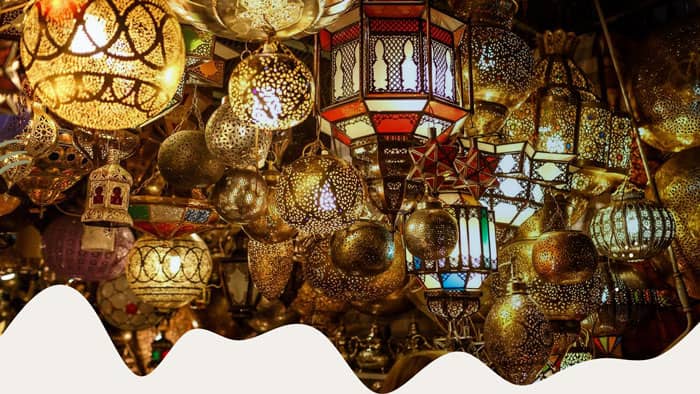
    • Lanterns and lamps: Perhaps the most recognizable, these luminous artworks cast delicate shadows across riad courtyards and medina streets. Their pierced patterns turn light into magic, transforming a simple flame into a dance of geometry.

    • Teapots and trays: Essential symbols of Moroccan hospitality, often made from polished brass or silver, engraved with arabesques or calligraphic inscriptions.

    • Decorative mirrors, doors, and furniture accents: Combining functionality with elegance, blending art seamlessly into daily life.

    Each item, no matter how humble, carries a story — of lineage, skill, and devotion.

    4. Metalwork in the Modern Era

    Though rooted in history, Moroccan metalwork continues to evolve and thrive. Modern artisans are finding ways to balance tradition with innovation — adapting age-old motifs to contemporary interiors, hotels, and international markets.

    In cities like Fez and Marrakech, craft cooperatives and design studios collaborate to preserve the craft while opening it to new audiences. Contemporary designers incorporate Moroccan metalwork into minimalist décor — merging raw brass with modern geometry, or pairing traditional lanterns with sleek architecture.

    Beyond aesthetics, this revival sustains local economies and preserves cultural identity. Each piece of handcrafted metalwork connects Morocco’s past to its future, proving that artistry, when nurtured, never fades — it simply transforms with time.

    Ceramics: Earth, Fire, and Color

    1. Ancient Art, Ever-Evolving

    Among all Moroccan crafts, ceramics may best reflect the country’s deep connection to the earth itself. Born from clay, shaped by hand, and transformed by fire, Moroccan pottery embodies the union of nature and creativity. Its origins trace back to Berber traditions long before Islam arrived in North Africa, later enriched by Andalusian and Arab influences during centuries of cultural exchange.

    By the medieval period, Moroccan ceramics had developed into a refined art form, celebrated for its beauty and practicality. Across the country, different regions became famous for their distinctive styles:

    • Fez — known for its elegant blue-and-white pottery, inspired by Andalusian design and Chinese porcelain.

    • Safi — the vibrant coastal city that became Morocco’s leading ceramic hub, producing colorful earthenware with intricate geometric and floral motifs.

    • Meknes and Marrakech — centers of tile and mosaic (zellij) craftsmanship, where clay meets architecture in dazzling displays of geometry.

    Each region tells its own story through color, shape, and pattern — a story that continues to evolve today.

    Traditional Moroccan Art

    2. The Crafting Process

    Creating Moroccan ceramics is a labor of patience, precision, and rhythm. It begins with selecting the right clay, often gathered from local riverbeds. The artisan kneads it to remove air pockets, then shapes it by hand or on a traditional potter’s wheel (roue de potier). Once shaped, the piece is left to dry in the sun, sometimes for days, before undergoing its first firing in a kiln.

    After cooling, the piece is glazed and hand-painted, often using mineral-based pigments that produce rich blues, greens, yellows, and browns. The final firing fuses color and glaze, creating that distinctive Moroccan sheen.

    Patterns are not chosen at random — they carry deep symbolic meaning. Geometric designs represent unity and infinity, floral motifs symbolize growth and beauty, while arabesques evoke divine harmony. Every curve and line reflects a cultural dialogue between faith, mathematics, and imagination.

    3. Iconic Designs and Motifs

    • Fez Blue: The city’s signature cobalt blue is the hallmark of its pottery — elegant, restrained, and instantly recognizable. Fez artisans often combine this blue with white backgrounds and fine arabesques.

    • Safi Ceramics: Characterized by bold colors, circular patterns, and floral inspirations, Safi’s pottery brings warmth and vibrancy to Moroccan homes.

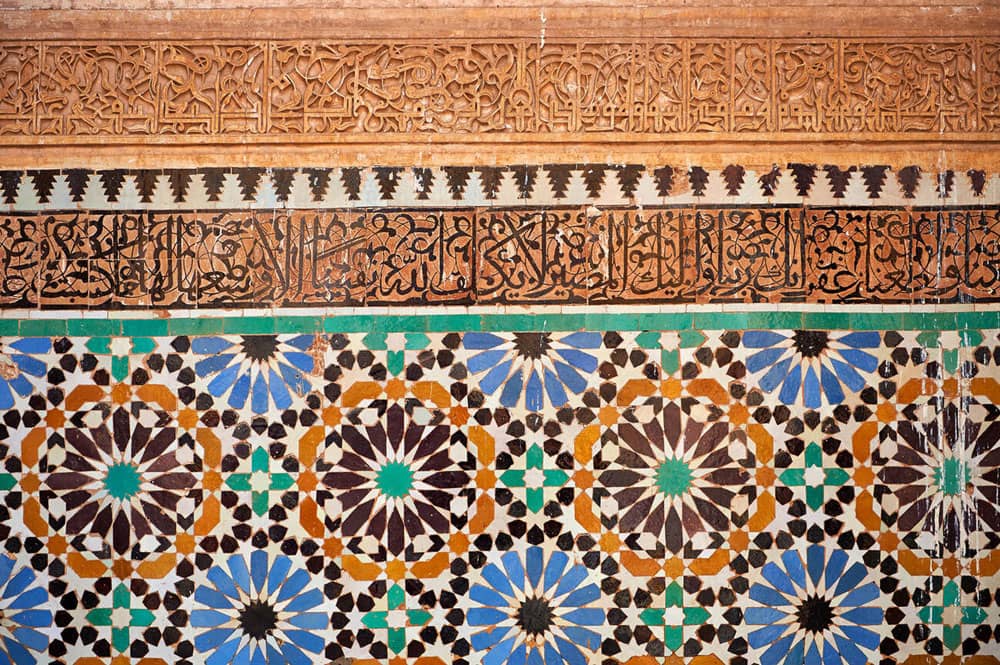
    • Zellij Tilework: Perhaps Morocco’s most intricate ceramic expression, zellij mosaics adorn fountains, palace walls, and mosques. Each tile (ferka) is hand-cut and arranged to form stunning geometric compositions that symbolize the infinite nature of creation.

    These designs have transcended centuries, influencing global art and design while retaining their Moroccan soul.

    4. Preservation and Innovation

    While many artisans still follow traditional techniques, modern Moroccan ceramics have found a new life in contemporary design. Today’s artists blend tradition with creativity — experimenting with new color palettes, shapes, and applications that appeal to both local and international audiences.

    In Safi, cooperatives support young potters and women artisans, ensuring that ancestral skills continue to thrive. In Fez, workshops such as those near the Bab Ftouh Gate welcome visitors to witness the process firsthand — from raw clay to finished masterpiece.

    Meanwhile, designers and architects integrate Moroccan ceramics into modern spaces — from riad courtyards to luxury hotels — proving that this ancient art remains as functional as it is timeless.

    Ultimately, Moroccan ceramics are not just objects of beauty; they are vessels of heritage. Each bowl, vase, or tile carries centuries of knowledge, belief, and craftsmanship — a reminder that Morocco’s artistic legacy is molded from both earth and spirit.

    Experience Morocco’s Living Art Forms for Yourself!

    Step beyond the souks and discover Morocco through its living crafts — from hand-painted ceramics in Fez to glowing metal lanterns in Marrakech and elegant calligraphy in Rabat. Visit artisan workshops, meet master craftsmen, and even try your hand at creating your own Moroccan keepsake. Let these timeless arts inspire your next adventure!

    The Role of Moroccan Artisans in Cultural Identity

    1. The Guardians of Heritage

    In Morocco, artisans are more than skilled workers — they are guardians of cultural memory. Each maalem (master craftsman) holds centuries of inherited knowledge, passed down from teacher to apprentice in an unbroken chain of tradition. These masters preserve not just techniques, but values: patience, respect for materials, and a deep sense of pride in creating beauty by hand.

    This reverence for craftsmanship defines Moroccan identity. In medinas across Fez, Marrakech, and Meknes, the rhythmic sounds of hammering metal, painting ceramics, or inscribing calligraphy remind visitors that Morocco’s artistic heart is still beating. Every crafted object, whether a lantern or a teapot, carries with it the fingerprints of its maker — a connection between past and present that mass production can never replicate.

    2. The Socio-Economic Importance of Artisanship

    Artisanal crafts are also the economic lifeblood of many Moroccan communities. The craft sector employs hundreds of thousands of people, particularly in rural areas where access to other industries is limited. Cooperatives, often run by families or women’s groups, play a crucial role in preserving these traditions while empowering artisans to earn a sustainable living.

    Cities like Fez, Marrakech, and Safi have developed artisan cooperatives where craftspeople share resources, access fair trade markets, and attract visitors interested in authentic Moroccan craftsmanship. Through these initiatives, traditional arts are not only surviving — they are thriving, adapting to global demand while maintaining their cultural essence.

    3. Recognition and Preservation Efforts

    The Moroccan government and international organizations have long recognized the importance of preserving these artistic traditions. UNESCO has included elements of Moroccan craftsmanship — such as the Medina of Fez — and the Marrakech Medina as World Heritage Sites, celebrating their artistic and cultural value.

    The Maison de l’Artisan (House of the Artisan) in Rabat works to promote crafts globally, offering training, exhibitions, and international exposure for local artists. Cultural festivals like the Festival of Traditional Arts in Marrakech showcase the diversity and creativity of Moroccan artisans, helping to keep their skills visible and relevant.

    Such recognition not only validates centuries of work but also inspires younger generations to see craftsmanship as a source of pride and opportunity.

    4. Tradition Meets Modernity

    What keeps Morocco’s artistic identity so dynamic is its ability to blend heritage with innovation. Younger artisans are experimenting with new materials, minimalist aesthetics, and sustainable production techniques — all while maintaining the soul of their traditions.

    Modern Moroccan designers collaborate with global brands, introducing the world to the elegance of handmade lanterns, mosaic tiles, and calligraphic art. These creations are no longer confined to Morocco’s borders — they adorn homes, hotels, and galleries around the world, spreading the beauty of Moroccan craftsmanship internationally.

    Yet, despite modernization, the essence remains unchanged: craftsmanship as a spiritual and cultural act. For Moroccan artisans, to create is to honor their ancestors — and to ensure their legacy continues to shine.

    Where to Experience Morocco’s Living Art Forms

    For travelers, Morocco is not just a destination — it’s a living museum of artistry. Beyond admiring souvenirs in the souks, visitors can step into workshops, meet artisans, and even try their hand at traditional crafts. Each region offers a unique encounter with the country’s living art forms — from sacred calligraphy to glowing metalwork and vibrant ceramics.

    1. Fez: The Timeless Capital of Craftsmanship

    Fez is the spiritual and artistic heart of Morocco — a city where every alley whispers the language of tradition. In its medina, one of the oldest in the world, calligraphers, potters, and metalworkers keep centuries-old skills alive.

    • Calligraphy Workshops: Visit the Dar Batha Museum or local art studios near the Al-Qarawiyyin Mosque to see Maghrebi script demonstrations. Some artists offer short courses for visitors who wish to learn the basics of Arabic calligraphy.

    • Metalwork Souks: The Seffarine Square is filled with the melodic clang of copper and brass. Here, you can watch craftsmen shaping teapots, trays, and lanterns using ancient hand tools — a scene that has barely changed for hundreds of years.

    • Fez Ceramics Cooperative: Located just outside the medina, this cooperative shows the full pottery-making process, from clay preparation to hand-painting. Visitors can buy directly from artisans, ensuring fair trade and authenticity.

    Fez is, in essence, the living classroom of Moroccan craftsmanship.

    2. Marrakech: The Artistic Crossroads

    Marrakech is a feast for the senses — and a paradise for art lovers. The souks of the Medina are a labyrinth of workshops where metal glows, clay turns, and calligraphy adorns wood and leather.

    • Souk Semmarine and Souk Haddadine: These bustling quarters showcase traditional metal lanterns, brass mirrors, and hand-engraved trays. Many artisans will let you watch as they work, offering insight into the techniques that make each piece unique.

    • Maison de l’Artisan (House of the Artisan): Located in Gueliz, this government-run institution promotes Moroccan craftsmanship through exhibitions, artisan meetups, and design collaborations.

    • Art Galleries and Boutiques: Modern Marrakech also embraces the contemporary side of Moroccan art. Galleries like David Bloch Gallery or Galerie 127 display how calligraphy and pattern inspire new generations of Moroccan artists.

    Here, the traditional and the modern dance in perfect harmony — much like the city itself.

    3. Safi: The Ceramics Capital

    Perched on Morocco’s Atlantic coast, Safi is the country’s pottery capital, home to hundreds of artisans who have turned clay into beauty for generations.

    • National Ceramic Museum (Dar Sultan): Housed in an old fortress, this museum showcases the evolution of Moroccan ceramics from the Middle Ages to today.

    • Pottery Hill (Colline des Potiers): This area offers a fascinating view of ceramic production — dozens of kilns line the streets, and visitors can observe potters throwing clay, glazing, and firing their work.

    • Workshops and Souvenirs: Many workshops in Safi welcome visitors for hands-on experiences. You can learn to shape your own pottery or paint a tile using traditional geometric patterns.

    Safi’s ceramics are a symbol of Moroccan earth transformed — colorful, durable, and filled with spirit.

    4. Rabat and Other Modern Art Hubs

    Rabat, Morocco’s capital, bridges the gap between heritage and innovation. It is home to institutions and galleries that honor the country’s artistic past while supporting modern interpretations.

    • Mohammed VI Museum of Modern and Contemporary Art: This stunning museum often features exhibitions highlighting traditional Moroccan crafts reimagined through modern design.

    • Galerie Bab Rouah: A historical gallery known for showcasing the best of Moroccan visual arts, including works inspired by calligraphy and traditional motifs.

    • Artisan Cooperatives: Across Rabat and nearby Salé, several cooperatives focus on training artisans, promoting women-led craft projects, and encouraging sustainable art production.

    Beyond Rabat, cities like Essaouira, Meknes, and Chefchaouen also offer artistic treasures — from silver jewelry and wood carving to painted ceramics and zellij workshops.

    5. Experiencing Moroccan Art Beyond the Workshop

    For a deeper appreciation, travelers can join artisan tours or craft residencies, many of which combine cultural immersion with hands-on creativity. Programs in Marrakech, Fez, and Safi allow visitors to work side by side with maalems, learning not only techniques but also the philosophy behind them — humility, patience, and respect for craft.

    Even staying in a traditional riad offers an artistic experience — with hand-carved plasterwork, zellij mosaics, and calligraphic details adorning walls and fountains. Every element is a celebration of Moroccan artistry and a reminder that in Morocco, art isn’t observed — it’s lived.

    Conclusion: The Eternal Dialogue Between Past and Present

    Morocco’s artistic heritage is not frozen in time — it moves, breathes, and evolves. From the rhythmic strokes of a calligrapher’s pen to the glowing lanterns of a metalworker and the painted curves of a Safi ceramic bowl, each creation tells a story of continuity. These are not just crafts; they are living art forms — expressions of identity, spirituality, and resilience that bridge centuries of history.

    What makes Morocco’s living art forms so captivating is their ability to balance tradition with transformation. Every generation of artisans honors ancestral techniques while daring to innovate — blending the sacred and the modern, the local and the global. This harmony ensures that Moroccan artistry remains timeless, rooted in the past yet reaching boldly into the future.

    Beyond aesthetics, these crafts embody a way of life — one that values mindfulness, patience, and connection to the material world. They remind us that art is not just about creation, but about preservation of soul and story. When you hold a hand-painted bowl from Fez or watch a craftsman etch brass under the Marrakech sun, you are not just witnessing skill — you are touching history, faith, and human spirit.

    In the end, Morocco’s calligraphy, metalwork, and ceramics do more than decorate spaces — they illuminate the heart of Moroccan culture. Each pattern, each brushstroke, and each glimmer of light tells a tale of devotion to beauty, heritage, and craftsmanship. And as long as artisans continue to pass their knowledge from hand to hand and heart to heart, Morocco’s living art forms will continue to thrive — forever shaping the soul of the nation and inspiring all who encounter them.

    A Culinary Journey Through Morocco’s Regional Flavors

    A Culinary Journey Through Morocco’s Regional Flavors

    A Culinary Journey Through Morocco’s Regional Flavors

    Introduction: Discovering Morocco’s Regional Culinary Diversity

    Few countries in the world can rival the depth, aroma, and color of Moroccan regional cuisine. Every corner of Morocco tells a story through its food — from the bustling spice-scented souks of Marrakech to the quiet mountain villages of the Atlas, from the seafood-rich coasts of Essaouira to the date-filled oases of the Sahara. The country’s cuisine is not just a reflection of its geography, but a living archive of its history, culture, and the generations who have shaped it.

    What makes Moroccan food truly special is its diversity of influences. The foundation of Moroccan cooking was laid by indigenous Amazigh (Berber) traditions, then enriched by Arab spices, Andalusian refinement, sub-Saharan trade, and French techniques during the colonial era. Each region absorbed these cultural threads in its own way, creating distinct yet interconnected culinary identities.

    In Fez and Meknes, ancient imperial cities, dishes carry an air of ceremony — layered with sweet and savory notes, and prepared with time-honored precision. In Marrakech and the southern plains, earthy Berber recipes meet the fiery touch of desert spices, while in northern towns like Tangier and Tetouan, Mediterranean breezes influence light, olive-rich seafood plates reminiscent of Andalusian kitchens. Along the Atlantic coast, markets overflow with freshly caught fish seasoned with chermoula, while deep in the Sahara, simple yet soulful meals are shared under the stars.

    Every meal in Morocco is more than nourishment — it’s an act of hospitality, a symbol of identity, and a bridge between generations. Whether it’s a fragrant tagine simmering slowly over coals, a plate of couscous served on Fridays, or a cup of mint tea poured with elegance, Moroccan food invites travelers to slow down, connect, and savor every bite.

    This journey through Morocco’s regions reveals not only how geography shapes taste, but also how food unites people across diverse landscapes. So prepare your senses — we’re about to explore the regional flavors of Morocco, one dish at a time.

    Northern Morocco: Tangier, Tetouan, and Chefchaouen

    The northern region of Morocco — stretching from Tangier on the Atlantic to Tetouan and Chefchaouen nestled in the Rif Mountains — is a feast for both the eyes and the palate. Here, the cuisine bears a deep Andalusian and Mediterranean influence, shaped by centuries of migration, trade, and cultural exchange across the Strait of Gibraltar. The result is a style of cooking that is fresh, fragrant, and deeply tied to the rhythms of the sea.

    Moroccan regional cuisine

    A Blend of Andalusian Elegance and Mediterranean Simplicity

    When Andalusian Muslims and Jews fled Spain after the Reconquista, they brought with them a refined culinary tradition — delicate pastries, marinated fish, and sophisticated spice blends — that merged seamlessly with local Berber recipes. Northern Moroccan dishes thus carry a sense of nostalgia and refinement, with subtle layers of sweetness and tang balanced by olive oil, herbs, and citrus.

    In cities like Tangier, once known as an international melting pot, you’ll find dishes that reflect this cosmopolitan heritage. Street stalls serve grilled sardines seasoned with chermoula — a marinade of parsley, garlic, paprika, cumin, and lemon — while elegant cafés offer seafood pastilla, a savory pie combining the sweetness of almonds and cinnamon with the brininess of shrimp and calamari.

    Meanwhile, in Tetouan, home to one of Morocco’s most distinct Andalusian communities, the cuisine tends toward comfort and warmth. Local favorites include tagine zitoun — tender chicken cooked with preserved lemons and green olives — and bissara, a thick fava bean soup often enjoyed with olive oil and warm bread. Both reflect the region’s appreciation for simple, nourishing ingredients transformed by patience and care.

    Chefchaouen: The Blue City with a Green Kitchen

    Perched in the Rif Mountains, Chefchaouen may be known for its blue-washed walls, but its cuisine paints a picture of green — olive oil, fresh herbs, and locally grown vegetables. The area’s cuisine embodies the rural Berber spirit, with dishes rooted in the earth and cooked slowly over wood fires.
    Popular meals include vegetable tagines infused with mountain herbs, hand-rolled couscous topped with chickpeas and pumpkin, and goat cheese produced in small village farms.

    Visitors often describe Chefchaouen’s food as “honest” — pure in flavor, deeply tied to the land, and always served with a smile. Whether you’re dining in a family-run guesthouse or a tiny café overlooking the medina, meals here feel like a homecoming.

    Flavors That Define the North

    • Signature Dishes: Bastilla b’semk (seafood pie), tagine zitoun, grilled sardines, and bissara.
    • Key Ingredients: Olive oil, preserved lemons, almonds, parsley, and Mediterranean herbs.
    • Cultural Essence: A harmonious blend of Andalusian artistry and Berber authenticity, shaped by centuries of cross-cultural exchange.

    Northern Morocco’s cuisine reminds travelers that food, like the sea, has no borders. Each bite tells the story of connection — between continents, cultures, and generations — making it a perfect beginning for our culinary journey through Morocco’s regional flavors.

    The Imperial Cities: Fez and Meknes

    If the north represents the meeting of sea and sky, the imperial cities of Fez and Meknes represent Morocco’s beating culinary heart — refined, historic, and deeply ceremonial. Known as the cradle of traditional Moroccan gastronomy, this region offers a cuisine that is both royal in heritage and soulful in execution. Every dish tells a story of ancient palaces, spice caravans, and family kitchens where recipes have been perfected over centuries.

    Moroccan regional cuisine

    Fez: The Gastronomic Capital of Morocco

    Often called “the spiritual and culinary capital of Morocco,” Fez is where Moroccan cuisine reaches its highest expression of sophistication. The city’s labyrinthine medina — one of the oldest in the world — is filled with the scent of cinnamon, saffron, and simmering tagines. Fez’s cuisine has been shaped by centuries of royal patronage, Andalusian influence, and meticulous craftsmanship passed down through generations of home cooks.

    One of the most celebrated dishes from Fez is pastilla (b’stilla) — a masterpiece of sweet and savory contrast. Traditionally made with pigeon meat (now often replaced by chicken), almonds, eggs, and delicate layers of pastry dusted with powdered sugar and cinnamon, pastilla is a dish that perfectly embodies Fez’s love for balance and precision.

    Another iconic dish is Rfissa, often served on special occasions such as the birth of a child. Made from chicken, lentils, and shredded msemen (layered pancakes), it’s slow-cooked with fenugreek and saffron, producing a dish that’s as aromatic as it is comforting. Fez is also famous for Seffa Medfouna, a sweet couscous or vermicelli dish topped with almonds, raisins, and cinnamon — a symbol of celebration and abundance.

    Every meal in Fez carries an air of ritual and refinement. Even a simple plate of couscous on a Friday afternoon feels elevated — cooked slowly, steamed three times, and infused with the wisdom of generations.

    Meknes: The Garden of Morocco

    Just an hour west of Fez, Meknes offers a more rustic, agricultural take on traditional Moroccan flavors. Known as the “garden of Morocco,” Meknes is surrounded by olive groves, vineyards, and fertile plains that supply much of the country’s produce.
    Here, food feels grounded and generous — hearty stews, fresh salads, and dishes that celebrate the land. Olive oil plays a starring role, used liberally in tagines and salads alike.

    Meknes is also home to some of Morocco’s finest preserved lemons and green olives, which give local tagines their signature tang and depth. Meals are often accompanied by a glass of locally produced wine or a refreshing mint tea — a reminder of the region’s agricultural richness and relaxed pace of life.

    Flavors That Define the Imperial Cities

    • Signature Dishes: Pastilla, Rfissa, Seffa Medfouna, and couscous with seven vegetables.
    • Key Ingredients: Saffron, almonds, cinnamon, preserved lemons, and olive oil.
    • Cultural Essence: Elegance, ritual, and a deep respect for culinary tradition.

    In Fez and Meknes, food is art — prepared with patience, served with pride, and shared with reverence. These cities invite travelers to taste not just the flavors of Morocco, but its very soul.

    The Atlantic Coast: Casablanca, Rabat, and Essaouira

    Stretching from the modern metropolis of Casablanca to the laid-back charm of Essaouira, Morocco’s Atlantic coast offers a feast shaped by the ocean’s bounty and centuries of maritime trade. Here, the rhythm of the waves dictates the rhythm of the kitchen. Fish markets overflow with sardines, sea bream, and squid, while the scent of grilled seafood mingles with the sea breeze. This region’s cuisine reflects both Morocco’s coastal heritage and its openness to global flavors — fresh, bold, and beautifully simple.

    Moroccan regional cuisine

    Casablanca: Modern Flavors, Traditional Roots

    As Morocco’s largest city and economic hub, Casablanca embodies the spirit of modern Morocco — cosmopolitan yet deeply connected to its roots. Its culinary scene blends traditional Moroccan dishes with contemporary influences, offering everything from fine dining to street food.
    In the city’s vibrant markets, locals shop for fresh fish straight from the Atlantic, spices, and herbs that infuse their kitchens with aroma and color.

    A typical Casablancan lunch might feature grilled sea bass with chermoula, spiced shrimp tagine, or a bowl of harira, a comforting tomato-based soup enriched with lentils and chickpeas. Cafés along the Corniche serve fried calamari, fish briouates, and salads seasoned with coriander and lemon juice, perfectly reflecting the city’s mix of coastal freshness and urban flair.

    Rabat: Royal Tradition by the Sea

    The capital city, Rabat, offers a quieter, more refined interpretation of coastal cuisine. Here, traditional dishes are often prepared with care and subtlety, highlighting quality over complexity. Locals enjoy grilled sardines, couscous with seafood, and baked fish stuffed with herbs and olives — dishes that capture the essence of the Atlantic while maintaining a royal Moroccan touch.

    Rabat’s medina, smaller and calmer than others in Morocco, hides a few culinary gems — family-run restaurants and seaside stalls where the day’s catch is cooked right before your eyes. The proximity to fertile farmlands ensures that vegetables, olive oil, and citrus fruits are always fresh, making the cuisine balanced and vibrant.

    Essaouira: The Soul of the Sea

    A few hours south lies Essaouira, the coastal gem beloved by travelers and locals alike. Once a Portuguese port and later a favorite of artists and musicians, Essaouira exudes an easygoing charm that extends to its food.

    The city’s fish market is legendary — fishermen haul in baskets of sardines, mackerel, and lobster, which are immediately grilled and served with bread, olives, and lemon. The simplicity is the beauty here: fresh fish, olive oil, garlic, and salt — nothing more, nothing less.

    Beyond seafood, Essaouira is known for Argan oil, produced in the nearby Souss region. Used in both savory dishes and desserts, it lends a nutty, earthy flavor that defines the area’s cuisine. A drizzle of argan oil over grilled vegetables or mixed with honey to make amlou (a local almond spread) captures the pure essence of southern coastal Morocco.

    Flavors That Define the Atlantic Coast

    • Signature Dishes: Chermoula-grilled fish, seafood couscous, harira, and amlou.
    • Key Ingredients: Fresh fish, coriander, cumin, paprika, lemon, and argan oil.
    • Cultural Essence: Freshness, simplicity, and harmony between sea and land.

    The Atlantic coast is where Moroccan regional cuisine meets the ocean — a celebration of natural flavors and timeless traditions. Whether it’s a seaside barbecue in Essaouira or a fine-dining experience in Casablanca, every meal along this coast reminds travelers that Morocco’s soul is as deep and ever-changing as the sea itself.

    The South: Marrakech, Ouarzazate, and the Atlas Foothills

    As the Atlantic breeze fades and the desert sun grows stronger, the cuisine of southern Morocco takes on a richer, earthier tone. This region — spanning Marrakech, Ouarzazate, and the Atlas Mountains — is the heartland of Berber cooking, where meals are slow-cooked, spice-laden, and full of warmth. The flavors here are bold but balanced, born from centuries of tradition and perfected through patience.

    Moroccan regional cuisine

    Marrakech: The City of Spices and Slow Cooking

    Known as Morocco’s “Red City,” Marrakech is a living tapestry of aromas — cumin, paprika, ginger, saffron, and cinnamon — drifting from its famous food stalls and rooftop restaurants. The city’s cuisine reflects both its Berber roots and its status as a crossroads of trade and culture.

    At the center of Marrakchi cooking is the tagine, the iconic clay pot that symbolizes Moroccan cuisine itself. But the most celebrated dish unique to Marrakech is tanjia marrakchia — a slow-cooked meat dish prepared in a clay urn-like pot and traditionally cooked by the embers of a hammam (public bathhouse). Made with beef or lamb, preserved lemon, saffron, garlic, and cumin, tanjia is rich, tender, and deeply aromatic — a true labor of love.

    Wander through Jemaa el-Fna, the city’s legendary square, and you’ll encounter a feast of sights and smells: bubbling snail soup, grilled kebabs, and steaming tagines served under the open sky. This street food culture captures the essence of Marrakech — vibrant, communal, and irresistibly flavorful.

    Ouarzazate: The Gateway to the Desert

    Heading southeast, the red walls of Ouarzazate rise where the Atlas Mountains meet the Sahara. Known as the “Gateway to the Desert,” this city has long been a stop for caravans that once carried gold, salt, and — most importantly — spices from sub-Saharan Africa. The local cuisine reflects this heritage with hearty, spice-forward dishes that warm both body and spirit.

    In Ouarzazate and nearby villages like Aït Benhaddou, meals are often simple but deeply satisfying. Berber tagines cooked with prunes, almonds, and tender lamb are a staple, balancing savory and sweet in perfect harmony. Locals also prepare couscous with root vegetables and camel meat stews, dishes that echo the region’s nomadic traditions.

    One of the south’s most precious ingredients is saffron, grown in the nearby town of Taliouine, often referred to as the “Saffron Capital of Morocco.” This golden spice is used sparingly but adds depth and fragrance to sauces, tagines, and even tea.

    The Atlas Foothills: Home of the Amazigh (Berber) Kitchen

    The villages nestled in the High Atlas Mountains preserve the purest forms of Berber cooking. Here, food is farm-to-table by nature — vegetables, herbs, and grains are grown in terraced fields, while meat and dairy come from local herds. Meals are cooked slowly over wood fires in clay pots, and every bite tells a story of simplicity and self-sufficiency.

    Typical dishes include barley bread baked in communal ovens, vegetable tagines infused with wild thyme and rosemary, and Amlou, a paste made from roasted almonds, argan oil, and honey — often called Morocco’s “Berber Nutella.”
    Mint tea, brewed strong and sweet, accompanies every meal, symbolizing warmth and welcome.

    Flavors That Define the South

    • Signature Dishes: Tanjia Marrakchia, Berber tagine with prunes and almonds, couscous tfaya, and amlou.
    • Key Ingredients: Saffron, argan oil, almonds, prunes, and mountain herbs.
    • Cultural Essence: Warmth, hospitality, and a deep respect for nature and tradition.

    The cuisine of southern Morocco captures the soul of Berber culture — generous, patient, and deeply connected to the land. Every dish here is an invitation to slow down, share, and savor life, one bite at a time.

    The Sahara and Berber Villages

    Vast, silent, and endlessly golden, the Sahara Desert holds a special place in Moroccan identity — not just as a landscape, but as a way of life. In the remote villages and nomadic camps that dot the dunes of Merzouga, Zagora, and the Draa Valley, food is a reflection of resilience, simplicity, and hospitality. Every meal in the desert tells a story of resourcefulness and community, where limited ingredients are transformed into soulful, satisfying dishes shared under a canopy of stars.

    Moroccan regional cuisine

    Cooking in the Heart of the Desert

    Life in the Sahara has always revolved around what the land provides — and what can be carried across it. Ingredients are humble but deeply flavorful: dates, barley, goat milk, semolina, and wild herbs. Cooking here is slow and communal, often done over open fires using clay pots or metal pans that have been blackened by years of use.

    One of the most unique dishes born in the desert is Madfouna, often called the “Berber pizza.” This traditional meal is a stuffed flatbread baked directly in the sand beneath hot coals. The filling typically includes ground meat, onions, herbs, and spices — simple yet nourishing, designed to sustain travelers crossing long stretches of desert.

    Another staple is Couscous Tfaya, a celebratory dish topped with caramelized onions, raisins, and chickpeas. Though couscous is eaten throughout Morocco, the desert version has a sweetness that mirrors the warmth of the people who prepare it. Meals often end with fresh dates — the “bread of the desert” — served with milk or a steaming glass of mint tea.

    The Spirit of Sharing and Survival

    In Berber culture, food is not merely sustenance; it is a gesture of welcome and solidarity. Even in the harshest conditions, travelers and strangers are greeted with tea and bread, no questions asked. This tradition, rooted in centuries of nomadic life, remains one of the most touching aspects of Saharan hospitality.

    The ritual of tea preparation itself is a form of art — poured from a height to create foam, symbolizing generosity and friendship. The first glass is bitter like life, the second is strong like love, and the third is sweet like death — a poetic reminder of the desert’s wisdom.

    In the evenings, as the sun sets over the dunes, families and travelers gather around fires for shared meals — tagines bubbling slowly, bread baking in embers, and the aroma of cumin and coriander filling the cool desert air. Here, food and companionship are inseparable; the act of eating together strengthens bonds and preserves traditions passed down through generations.

    Flavors That Define the Sahara

    • Signature Dishes: Madfouna (Berber pizza), Couscous Tfaya, flatbreads baked in sand, and goat-milk yogurt.
    • Key Ingredients: Dates, barley, onions, chickpeas, and mint.
    • Cultural Essence: Simplicity, generosity, and harmony with the harsh yet beautiful desert environment.

    The cuisine of the Sahara is proof that luxury lies not in abundance, but in meaning. Every meal — no matter how modest — carries the essence of Moroccan hospitality: a shared warmth that glows as brightly as the desert’s morning sun.

    Experience Morocco Through Its Flavors!

    Ready to embark on your own Moroccan culinary adventure? Taste regional tagines, explore colorful spice markets, and learn from local chefs who bring centuries of tradition to life. Book a food tour, cooking class, or guided journey to discover Morocco’s rich regional flavors firsthand—because every dish tells a story worth experiencing!

    The Middle Atlas: Beni Mellal and Azrou

    Tucked between the northern plains and the High Atlas lies a region of rolling hills, cedar forests, and fertile valleys — the Middle Atlas Mountains, home to towns like Beni Mellal and Azrou. This part of Morocco is less visited than Marrakech or Fez, but for those who make the journey, it offers a glimpse into the heart of rural life and authentic Moroccan regional cuisine at its purest.

    Here, the air is crisp, the land green, and the meals hearty. The Middle Atlas is often called “Morocco’s orchard,” a place where apples, walnuts, olives, and honey thrive. Its cuisine is shaped by seasonal agriculture and Amazigh (Berber) traditions, where every ingredient is valued and nothing is wasted.

    Moroccan regional cuisine

    Beni Mellal: The Abundance of the Land

    Set against the backdrop of Mount Tassemit, Beni Mellal is a city surrounded by fields and orchards that feed much of central Morocco. The local cuisine reflects this agricultural wealth. Meals often begin with fresh salads — tomatoes, peppers, and onions drizzled with olive oil — followed by vegetable tagines slow-cooked to perfection.

    A beloved local dish is Tagine bel Khodra, a simple yet flavorful vegetable tagine made with zucchini, carrots, and potatoes, seasoned with turmeric and cumin. Lamb tagines with prunes and almonds are also common, especially during family gatherings or festivals. Local honey and almonds are frequently used in desserts, while fresh bread, often baked in clay ovens, accompanies every meal.

    Beni Mellal’s residents take great pride in homemade olive oil, often pressed from family-owned groves. This oil, thick and aromatic, is drizzled over everything — from salads to bread — giving local dishes their distinctive richness.

    Azrou: The Taste of the Mountains

    Further north, Azrou, a charming mountain town known for its cedar forests and friendly macaques, offers a more rustic and cozy take on Moroccan cuisine. The colder climate here favors hearty, warming meals, often shared beside wood stoves during the long winter months.

    Local specialties include barley soups, stews made with wild herbs, and tajines featuring mountain mushrooms or local lamb. Fresh goat cheese and yogurt are common, thanks to the region’s thriving pastoral culture. Desserts are typically simple — honey-soaked pastries or fresh fruit paired with mint tea.

    What truly defines Azrou’s food is its farm-to-table simplicity. Many ingredients come directly from nearby farms or home gardens, and recipes are passed down through families who take pride in preserving their heritage.

    Flavors That Define the Middle Atlas

    • Signature Dishes: Tagine bel Khodra, lamb with prunes, barley soup, and almond pastries.
    • Key Ingredients: Apples, walnuts, olive oil, honey, and seasonal vegetables.
    • Cultural Essence: Simplicity, freshness, and the deep connection between food, family, and the land.

    In the Middle Atlas, Moroccan regional cuisine returns to its roots — humble, wholesome, and guided by nature’s rhythms. Every bite reflects the generosity of the land and the quiet pride of the people who nurture it.

    Sweet Endings: Desserts and Moroccan Pastries Across Regions

    No culinary journey through Morocco’s regional flavors would be complete without exploring the country’s exquisite world of desserts and pastries. Moroccan sweets are more than just an afterthought — they are a celebration of craftsmanship, hospitality, and centuries-old tradition. Across the country, every region puts its own twist on classic treats, uniting flavors of honey, almonds, orange blossom water, and sesame in countless delightful combinations.

    The Art of Moroccan Pastry

    Moroccan pastries are a legacy of both Andalusian refinement and Berber ingenuity. What makes them truly special is the way they balance texture and aroma — crisp on the outside, tender or nutty within, and always fragrant with spices or floral waters. They are often served alongside mint tea, forming the heart of Moroccan social life.

    Among the most beloved is Chebakia, a sesame-coated cookie fried to golden perfection and dipped in honey infused with orange blossom. It’s especially popular during Ramadan, when families enjoy it after sunset prayers with harira soup. Another classic is Kaab el Ghzal — “gazelle horns” — delicate crescent-shaped pastries filled with almond paste and perfumed with cinnamon and orange blossom water.

    In Fez and Meknes, pastry-making is treated as an art form. Here, bakers spend hours crafting intricate briouates — thin pastry triangles stuffed with almonds or spiced meat — and ghriba, crumbly cookies made from almonds or semolina. The level of precision and beauty in these sweets speaks to the region’s royal culinary heritage.

    Regional Sweetness: North to South

    • In northern Morocco, Andalusian influence shines through in pastries that pair nuts and citrus, often accompanied by sweet mint tea or fresh fruit.
    • The central regions, especially Fez, are known for almond-based sweets, where layers of filo pastry, honey, and crushed nuts echo flavors found in Middle Eastern desserts.
    • In southern Morocco, desserts often feature dates, honey, and argan oil, ingredients born from the desert and mountain environments. Amlou, the Berber spread made from almonds, honey, and argan oil, is a common breakfast and dessert treat — rich, nutty, and deeply satisfying.
    • In the Atlas Mountains, simplicity reigns: homemade bread drizzled with honey, fresh fruit, or walnut-stuffed pastries are favored after hearty meals.

    Sweets in Moroccan Life

    Beyond their flavors, Moroccan sweets hold deep cultural meaning. They are symbols of joy, celebration, and hospitality — prepared for weddings, religious holidays, and family gatherings. Offering a plate of sweets and tea to guests is a gesture of respect and welcome that transcends language and time.

    Even in modern Morocco, these traditions endure. Pastry shops in Marrakech and Casablanca display towers of golden chebakia and rows of jewel-like almond cookies, while in small towns, families still gather to bake together before Eid or a wedding. Each cookie, each drizzle of honey, carries a sense of continuity — a bridge between past and present.

    Flavors That Sweeten Morocco

    • Signature Desserts: Chebakia, Kaab el Ghzal, Briouates, Ghriba, and Amlou.
    • Key Ingredients: Almonds, honey, sesame, orange blossom water, and argan oil.
    • Cultural Essence: Celebration, generosity, and the art of sharing sweetness in every sense.

    From the northern coasts to the desert dunes, Morocco’s sweets remind us that food is more than sustenance — it’s an expression of love, artistry, and heritage. Each region leaves its own trace of sweetness, ensuring that every meal in Morocco ends not just with flavor, but with a smile.

    Where to Taste Morocco’s Regional Dishes

    Experiencing Moroccan regional cuisine is not only about tasting delicious food — it’s about discovering the soul of each region through its people, traditions, and settings. From bustling medina food stalls to elegant riad restaurants, Morocco offers countless opportunities to immerse yourself in its culinary landscape. Whether you’re a foodie, a traveler, or a curious explorer, here’s where you can truly taste Morocco’s regional dishes.

    1. Fez – The Heart of Morocco’s Gastronomic Tradition

    Fez is widely regarded as the culinary capital of Morocco. The city’s old medina, a UNESCO World Heritage Site, is a maze of aromas and flavors that have remained unchanged for centuries.

    Where to eat:

    • Dar Hatim – A family-run restaurant known for authentic pastilla and traditional couscous tfaya.
    • Riad Rcif – Offers a regal dining experience in a stunning riad setting, serving Fez-style lamb tagines and almond pastries.
    • Local tip: Visit Fez during religious or family celebrations to see how the locals prepare elaborate feasts that blend sweet and savory in true Fassi fashion.

    2. Marrakech – The Street Food Capital

    In Marrakech, food is an adventure in itself. The Jemaa el-Fnaa square transforms nightly into a feast of sizzling grills, aromatic tagines, and bubbling snail soups.

    Where to eat:

    • Food Stalls at Jemaa el-Fnaa – Taste authentic tanjia marrakchia, slow-cooked lamb prepared in earthen pots.
    • Café Clock – Known for its creative fusion dishes like the camel burger, blending tradition and modernity.
    • Local tip: Join a Marrakech cooking class to learn how to balance spices and prepare your own tagine from scratch.

    3. Tangier and Tetouan – Coastal Freshness with a Mediterranean Soul

    Northern Morocco’s cuisine reflects its proximity to Spain and the Mediterranean, combining seafood with light, zesty ingredients.

    Where to eat:

    • El Morocco Club (Tangier) – Offers refined Moroccan dishes like seafood tagine with lemon and olives.
    • Riad Blanco (Tetouan) – A hidden gem serving homemade northern specialties with Andalusian flair.
    • Local tip: Try street-side fish markets near Tangier’s port, where you can pick your catch and have it grilled fresh.

    4. Essaouira – The Ocean’s Pantry

    Essaouira’s laid-back charm extends to its food scene, famous for grilled seafood, fresh bread, and vibrant spices.

    Where to eat:

    • Fish Stalls by the Port – Choose from shrimp, sardines, or lobster, grilled right before your eyes.
    • La Table by Madada – For a more upscale experience, enjoy seafood couscous and creative takes on Moroccan classics.
    • Local tip: Visit during the Gnawa Festival, when the city comes alive with music, food, and street celebrations.

    5. Atlas Mountains and Berber Villages – Simple, Hearty, and Honest

    The food of the Atlas Mountains embodies the authentic Berber spirit — rustic, wholesome, and deeply connected to the land.

    Where to eat:

    • Local Berber Guesthouses (Imlil or Aït Benhaddou) – Experience communal meals with homemade bread, tagines cooked over wood fires, and mint tea shared at sunset.
    • Kasbah du Toubkal (Imlil) – Offers traditional dishes made from locally grown vegetables and herbs.
    • Local tip: Try taktouka (a warm pepper salad) or berkoukesh, a hand-rolled couscous dish rarely found outside Berber kitchens.

    6. The Sahara and Southern Morocco – Food of the Desert

    Desert cuisine tells a story of resilience and resourcefulness, using ingredients like dates, barley, and preserved meats.

    Where to eat:

    • Desert Camps in Merzouga or M’Hamid – Savor slow-cooked mechoui (roasted lamb) and Berber flatbread baked in sand ovens under the stars.
    • Local tip: Don’t miss madfouna, often called “the Berber pizza,” a stuffed bread filled with meat, onions, and spices.

    Tasting Morocco Beyond the Plate

    To truly understand Moroccan cuisine, go beyond restaurants.

    • Join a local cooking class in Fez or Marrakech.
    • Explore traditional souks like Mellah Market in Fez or the spice market in Marrakech.
    • Visit cooperatives where women produce argan oil or almond paste by hand.

    Each of these experiences offers a glimpse into Morocco’s living food traditions — where recipes are passed down, shared, and celebrated.

    Conclusion: A Taste of Morocco’s Soul

    Morocco is more than a destination — it’s a culinary journey that spans mountains, deserts, and coasts, connecting history, culture, and community through every bite. From the sea-inspired dishes of the Atlantic coast to the hearty, earthy tagines of the Atlas Mountains, and from the refined pastries of Fez to the simple, soulful meals of the Sahara, each region offers a window into the heart of Moroccan life.

    Moroccan regional cuisine is not simply about food; it is an expression of identity, hospitality, and artistry. Every dish tells a story — of Berber traditions, Andalusian influence, desert survival, and royal culinary refinement. Through its diverse flavors, Morocco invites travelers to slow down, savor each bite, and understand the culture in a deeply personal way.

    Whether you are wandering through bustling medinas, dining under the stars in the desert, or sampling street food along the coast, the experience of Morocco’s cuisine is unforgettable. It’s a journey that engages all your senses and leaves a lasting impression — one that goes far beyond taste.

    UNESCO World Heritage Sites in Morocco You Need to Visit

    UNESCO World Heritage Sites in Morocco You Need to Visit

    UNESCO World Heritage Sites in Morocco You Need to Visit

    Introduction: Discover Morocco’s Living Heritage

    Art, architecture, and history intertwine beautifully across Morocco, but nowhere is this cultural richness more evident than in its UNESCO World Heritage Sites. From ancient medinas echoing with the sounds of daily life to Roman ruins frozen in time, each site tells a story of the civilizations that shaped this North African gem.

    UNESCO (the United Nations Educational, Scientific and Cultural Organization) designates these places as World Heritage Sites because of their outstanding universal value — meaning they are treasures not only for Morocco but for all humanity. These sites preserve centuries of artistry, spirituality, and craftsmanship, showcasing how Moroccan identity has evolved through Berber, Arab, Andalusian, and European influences.

    Visiting them isn’t just about sightseeing; it’s a journey through Morocco’s living history. As you wander through the labyrinthine alleys of Fez, stand before the majestic gates of Meknes, or watch the sun cast golden hues over Ait Ben Haddou, you experience the essence of a country where tradition and modernity coexist in perfect harmony.

    In this guide, we’ll explore the 9 official UNESCO World Heritage Sites in Morocco, each one a masterpiece of architecture, culture, and heritage that you simply must visit.

    1. Medina of Fez – The Heart of Moroccan Civilization

    The Medina of Fez (Fès el-Bali) is one of the oldest and best-preserved medieval cities in the world, earning its UNESCO World Heritage status in 1981. Founded in the 9th century, Fez became a center of religion, education, and craftsmanship, often referred to as the spiritual capital of Morocco.

    A Journey Through Time

    Step into the medina, and you’ll find yourself in a living museum — a maze of narrow alleys, bustling souks, and ancient mosques that have remained largely unchanged for centuries. Unlike most historical cities, Fez is not frozen in the past; its traditions are still alive. Craftsmen continue to hand-dye leather at the famous Chouara Tanneries, and artisans create intricate zellige tiles, brass lamps, and carved woodwork just as their ancestors did.

    UNESCO World Heritage Sites in Morocco

    Highlights You Shouldn’t Miss

    • Al-Qarawiyyin University – Founded in 859 AD, it is recognized by UNESCO and the Guinness World Records as the world’s oldest continuously operating university.

    • Bou Inania Madrasa – A masterpiece of Marinid architecture, famous for its cedar carvings, zellige tiles, and marble floors.

    • Nejjarine Fountain and Museum – Showcases traditional Moroccan woodcraft and offers a peaceful spot in the medina’s heart.

    • Bab Boujloud (Blue Gate) – The most iconic entrance to the old city, a stunning example of traditional Moroccan design.

    Why It’s UNESCO-Listed

    The Medina of Fez represents a complete urban fabric of the medieval Islamic world. Its architecture, layout, and living traditions have remained intact for over a millennium, making it a unique example of how cultural heritage can continue to thrive in a modern world.

    Travel Tip

    Wear comfortable shoes and prepare to get lost — that’s part of the charm! Consider hiring a local guide to navigate the labyrinthine alleys and discover hidden gems like traditional riads, madrassas, and artisan cooperatives.

    2. Medina of Marrakech – The Red City’s Timeless Pulse

    Designated a UNESCO World Heritage Site in 1985, the Medina of Marrakech embodies the soul of Morocco — vibrant, colorful, and alive with history. Known as the “Red City” for its terracotta walls and sun-drenched architecture, Marrakech has been a crossroads of culture, trade, and tradition for nearly a thousand years.

    A Living Cultural Hub

    Founded in the 11th century by the Almoravid dynasty, Marrakech quickly rose to prominence as a center of commerce and learning. Today, it remains one of the most dynamic cities in North Africa, where the hum of modern life blends effortlessly with the echoes of the past. Within the ancient walls, you’ll find mosques, palaces, gardens, and souks that pulse with energy from dawn till dusk.

    Hidden villages of the Atlas Mountains

    Highlights You Shouldn’t Miss

    • Jemaa el-Fna Square – The beating heart of Marrakech. By day, it’s a lively market; by night, it transforms into a stage filled with storytellers, musicians, and street food vendors.

    • Koutoubia Mosque – The city’s most recognizable landmark, its 12th-century minaret inspired the Giralda Tower in Seville.

    • Bahia Palace – A stunning 19th-century palace with exquisite courtyards, zellige mosaics, and tranquil gardens.

    • Saadian Tombs – Hidden for centuries, these ornate tombs reveal the artistry of Morocco’s golden age.

    • Majorelle Garden & Yves Saint Laurent Museum – Though outside the medina walls, these are must-sees for their artistic beauty and cultural influence.

    Why It’s UNESCO-Listed

    The Medina of Marrakech is recognized for its architectural masterpieces, living traditions, and cultural exchange that influenced the Islamic West. It remains an exceptional example of a historic city that has preserved its original character while adapting to modern life.

    Travel Tip

    Visit Jemaa el-Fna at sunset — the square comes alive with the rhythm of drums, the aroma of grilled meats, and the glow of lanterns. For the best panoramic view, grab mint tea on a rooftop café overlooking the square as the city transitions from day to night.

    3. Ksar of Ait-Ben-Haddou – Hollywood’s Desert Fortress

    Recognized as a UNESCO World Heritage Site in 1987, the Ksar of Ait-Ben-Haddou stands as a breathtaking example of traditional earthen architecture in southern Morocco. Nestled between the High Atlas Mountains and the edge of the Sahara Desert, this fortified village (or ksar) looks like something out of a storybook — and indeed, it has inspired countless films and TV shows.

    A Glimpse into Morocco’s Desert Heritage

    Dating back to the 17th century, Ait-Ben-Haddou was once a key stop along the ancient caravan route between Marrakech and Timbuktu. Traders passing through carried salt, gold, spices, and stories, leaving behind a cultural blend still visible in the site’s architecture. Built entirely from mud-brick and straw, the ksar’s structures blend seamlessly with the desert landscape, glowing in shades of gold and red under the Moroccan sun.

    UNESCO World Heritage Sites in Morocco

    Highlights You Shouldn’t Miss

    • The Fortified Village (Ksar) – Wander through narrow alleys lined with old granaries, kasbahs, and traditional homes that have withstood centuries of wind and sand.

    • The Granary (Agadir) – Located at the top of the hill, it offers panoramic views of the Ounila Valley and surrounding desert.

    • Film Location Sites – Ait-Ben-Haddou has starred in classics like Gladiator, Lawrence of Arabia, The Mummy, and even Game of Thrones.

    • The Old Caravan Route – Walk the same path that once connected merchants between the Sahara and the Atlantic.

    Why It’s UNESCO-Listed

    Ait-Ben-Haddou is recognized for being an outstanding example of southern Moroccan earthen architecture, reflecting traditional pre-Saharan building techniques that are slowly disappearing. Its preservation highlights Morocco’s commitment to safeguarding architectural heritage in challenging desert conditions.

    Travel Tip

    Visit early in the morning or near sunset for magical lighting and fewer crowds. For an authentic experience, stay overnight in a nearby guesthouse built in traditional kasbah style, and watch the ksar glow beneath the stars — a scene you’ll never forget.

    4. Historic City of Meknes – The Imperial Legacy

    The Historic City of Meknes was inscribed as a UNESCO World Heritage Site in 1996. Known as one of Morocco’s imperial cities, Meknes showcases the grandeur of the Alawite dynasty, particularly under Sultan Moulay Ismail, who transformed the city into a symbol of power, wealth, and architectural sophistication in the 17th century.

    A Royal Experience

    Meknes combines military fortifications, grand palaces, and bustling markets to create a city that reflects Morocco’s imperial glory. Unlike some other imperial cities, Meknes is quieter and less crowded, offering visitors a more authentic glimpse into Moroccan history.

    Hidden villages of the Atlas Mountains

    Highlights You Shouldn’t Miss

    • Bab Mansour Gate – Considered one of Morocco’s most magnificent gates, it features intricate zellige tilework and imposing stone pillars.

    • Moulay Ismail Mausoleum – The final resting place of the powerful sultan, adorned with exquisite Moroccan artistry.

    • Royal Stables and Granaries (Heri es-Souani) – A remarkable feat of engineering that once housed thousands of horses and stored grain for the royal army.

    • Meknes Medina – Explore traditional souks and local markets, where centuries-old crafts are still practiced today.

    • Nearby Volubilis – Just a short drive from Meknes, this Roman archaeological site complements your imperial journey with ancient history.

    Why It’s UNESCO-Listed

    The Historic City of Meknes exemplifies Morocco’s imperial urban planning, blending military, residential, and religious architecture. Its monuments and medina preserve the cultural and political significance of the Alawite dynasty and offer insight into the country’s historical evolution.

    Travel Tip

    Take a walking tour to appreciate the city’s hidden riads and gardens, and enjoy panoramic views from the city walls. Visiting Meknes in the morning allows you to experience the medina before it becomes lively with local shoppers and vendors.

    Discover Morocco’s UNESCO Treasures!

    Discover Morocco’s UNESCO treasures and explore the country like never before. From the ancient medinas of Fez and Marrakech to the desert fortress of Ait-Ben-Haddou and the coastal charm of Essaouira, each World Heritage Site tells a story of timeless beauty and culture. Plan your journey, join guided tours, and capture unforgettable memories as you walk through living history—your Moroccan adventure awaits!

    5. Archaeological Site of Volubilis – Echoes of the Roman Empire

    The Archaeological Site of Volubilis was inscribed as a UNESCO World Heritage Site in 1997. Located near Meknes, Volubilis is the best-preserved Roman site in Morocco and offers a fascinating glimpse into the country’s ancient history before the Islamic era.

    A Step Back in Time

    Founded in the 3rd century BC and later developed under Roman rule, Volubilis was a thriving administrative center of the province of Mauretania Tingitana. The site showcases the blend of Roman engineering and local Moroccan culture, evident in its mosaics, basilicas, arches, and residential compounds.

    UNESCO World Heritage Sites in Morocco

    Highlights You Shouldn’t Miss

    • Triumphal Arch of Caracalla – Erected in 217 AD, this arch remains a symbol of Roman architectural grandeur in North Africa.

    • Mosaics and Villas – Beautifully preserved floor mosaics depict mythological scenes, hunting, and daily life.

    • Basilicas and Public Buildings – These structures reveal the political and civic organization of the Roman city.

    • Olive Oil Presses and Agriculture Remains – Highlight the economic importance of olive cultivation in the region.

    Why It’s UNESCO-Listed

    Volubilis is recognized for its exceptional Roman urban planning and archaeological significance, representing the northernmost reach of the Roman Empire in Africa. Its preservation allows historians and visitors alike to understand the spread of Roman civilization and its integration with local cultures.

    Travel Tip

    Visit in the early morning or late afternoon to avoid the midday heat and enjoy the golden light on the ruins. Don’t forget a guided tour to fully appreciate the history behind each mosaic, arch, and column.

    6. Medina of Tétouan – The White Dove of the North

    The Medina of Tétouan, inscribed as a UNESCO World Heritage Site in 1997, is often called the “White Dove of the North” due to its striking whitewashed buildings and serene atmosphere. Located near the Mediterranean coast, Tétouan stands out for its Andalusian influence, preserved from the arrival of refugees fleeing Spain in the 15th century.

    A Blend of Cultures

    Tétouan’s medina reflects a unique fusion of Andalusian and Moroccan architectural styles. Its streets are organized, elegant, and quieter compared to the bustling medinas of Fez or Marrakech. This calm, orderly layout makes it a rare example of an Andalusian-style city in North Africa, showcasing how cultural migration shaped urban life.

    Hidden villages of the Atlas Mountains

    Highlights You Shouldn’t Miss

    • Whitewashed Houses and Narrow Streets – A peaceful, photogenic maze of alleys and courtyards.

    • Ethnographic Museum of Tétouan – Displays traditional crafts, costumes, and historical artifacts from the region.

    • Artisan Workshops – Experience local craftsmanship, including pottery, leatherwork, and silver jewelry.

    • Royal Palace and Surrounding Gardens – Though not always open to the public, the palace architecture is a striking landmark.

    Why It’s UNESCO-Listed

    The Medina of Tétouan is recognized for being the best-preserved example of an Andalusian-style medina in Morocco, highlighting centuries of cultural exchange between Spain and North Africa. Its authenticity and urban coherence make it a living testimony to historical migration and architectural adaptation.

    Travel Tip

    Hire a local guide to explore the medina’s intricate alleys and hidden courtyards. Don’t miss visiting the artisan workshops to see traditional techniques passed down for generations.

    7. Medina of Essaouira – The Coastal Gem

    The Medina of Essaouira, formerly known as Mogador, was designated a UNESCO World Heritage Site in 2001. Nestled along Morocco’s Atlantic coast, Essaouira stands out for its unique blend of European and Moroccan architectural styles, reflecting its history as an important trading port.

    A Fortress by the Sea

    Founded in the 18th century by Sultan Mohammed ben Abdallah, Essaouira was designed as a fortified port city. Its ramparts, bastions, and harbor were meticulously planned to accommodate both defense and commerce. Today, it remains one of the best-preserved coastal medinas in North Africa, offering visitors a mix of history, culture, and seaside charm.

    Hidden villages of the Atlas Mountains

    Highlights You Shouldn’t Miss

    • Skala de la Ville – The iconic sea-facing ramparts with historic cannons and stunning ocean views.

    • Fishing Port – A bustling center where locals sell the day’s catch; perfect for fresh seafood.

    • Medina Streets and Souks – Explore narrow alleys lined with art galleries, craft shops, and traditional markets.

    • Gnawa World Music Festival – Held annually, celebrating Morocco’s rich musical heritage.

    • Art Galleries and Workshops – Essaouira has a thriving artistic community, especially known for woodwork and painting.

    Why It’s UNESCO-Listed

    Essaouira’s medina is a unique example of 18th-century fortified town planning, combining functional European military architecture with traditional Moroccan urban layout. Its authenticity and coastal character make it a living heritage site of international importance.

    Travel Tip

    Visit early in the morning to see the port at its busiest and the medina streets waking up. Stay for sunset at the ramparts to capture breathtaking views of the Atlantic and the city’s terracotta rooftops.

    8. Portuguese City of Mazagan (El Jadida) – Morocco’s Coastal Fortress

    The Portuguese City of Mazagan, now known as El Jadida, was inscribed as a UNESCO World Heritage Site in 2004. Located on Morocco’s Atlantic coast, this fortified town is a remarkable example of European military architecture integrated into a Moroccan setting.

    A Testament to Cross-Cultural Exchange

    Built by the Portuguese in the 16th century, Mazagan was designed to protect their trading interests along the Moroccan coast. Its layout demonstrates advanced fortification techniques, including bastions, cisterns, and ramparts. The city reflects a fusion of European Renaissance planning and Moroccan architectural traditions, highlighting centuries of cultural interaction.

    Hidden villages of the Atlas Mountains

    Highlights You Shouldn’t Miss

    • Portuguese Cistern – An underground marvel with vaulted ceilings and dramatic lighting; a must-visit for photography enthusiasts.

    • Church of the Assumption – Showcases the European influence on the city’s religious architecture.

    • Fortress Ramparts – Walk along the well-preserved walls and enjoy views of the Atlantic Ocean.

    • Old Town Streets – Explore cobblestone lanes lined with historic houses that reflect the city’s colonial past.

    Why It’s UNESCO-Listed

    Mazagan is recognized for being an exceptional example of Portuguese fortified architecture adapted to a foreign environment, demonstrating how European colonial urban planning influenced local Moroccan settlements. Its preservation allows visitors to witness a unique chapter in Morocco’s coastal history.

    Travel Tip

    Visit the cistern during midday when sunlight filters through the openings, creating a magical interplay of light and shadow. Combine your trip with a stroll along the nearby beachfront to enjoy the Atlantic breeze.

    9. Rabat – Modern Capital with Ancient Roots

    The city of Rabat, Morocco’s capital, was inscribed as a UNESCO World Heritage Site in 2012. Unlike other historic medinas, Rabat represents a unique blend of ancient and modern urban planning, combining historic monuments with a thoughtfully designed modern cityscape.

    A City of History and Vision

    Rabat’s heritage spans several eras — from the 12th-century Almohad dynasty to French colonial urban planning in the 20th century. The UNESCO designation recognizes both the city’s historical landmarks and its modern development, making Rabat an exceptional example of a capital that balances tradition and contemporary life.

    Hidden villages of the Atlas Mountains

    Highlights You Shouldn’t Miss

    • Hassan Tower – An unfinished minaret from the 12th century, symbolizing Almohad architectural ambition.

    • Mausoleum of Mohammed V – A stunning example of modern Alaouite architecture housing the tombs of Moroccan royalty.

    • Kasbah of the Udayas – A fortified citadel overlooking the Bou Regreg River, featuring Andalusian gardens and narrow blue-and-white streets.

    • Chellah Necropolis – Ancient Roman and medieval Islamic ruins set in tranquil gardens, offering a glimpse into centuries of Moroccan history.

    • Modern City Center – French colonial-era boulevards and squares reflect careful urban planning integrated with historical landmarks.

    Why It’s UNESCO-Listed

    Rabat is recognized for being an outstanding example of a 20th-century capital city built on the foundations of a historic urban center. Its preservation demonstrates how modern planning can coexist with centuries of architectural and cultural heritage, offering lessons in urban sustainability and cultural integration.

    Travel Tip

    Combine visits to the Kasbah of the Udayas and Hassan Tower for stunning photography opportunities, especially at sunset. Explore the Chellah gardens for a peaceful stroll through history away from the bustling city streets.

    Conclusion: Morocco – A Living Museum of Heritage

    Morocco’s UNESCO World Heritage Sites are more than just tourist attractions; they are living testimonies to centuries of culture, art, and history. From the bustling medinas of Fez and Marrakech to the serene whitewashed streets of Tétouan, from the desert fortress of Ait-Ben-Haddou to the Roman ruins of Volubilis, each site offers a unique glimpse into the rich tapestry of Moroccan civilization.

    Visiting these sites allows travelers to experience the fusion of Arab, Berber, Andalusian, and European influences that have shaped the country over millennia. They are not frozen in time — artisans still practice traditional crafts, markets continue to thrive, and cultural festivals bring history to life.

    Whether you’re wandering through the fortified streets of Mazagan, exploring the artistic soul of Essaouira, or admiring Rabat’s blend of historic and modern urban planning, Morocco offers a living museum of heritage that captivates every visitor.

    Plan Your Journey

    Immerse yourself in Morocco’s cultural treasures, witness centuries of architectural brilliance, and walk the paths of history in some of the most remarkable UNESCO World Heritage Sites in the world. Your journey through Morocco is not just a trip — it’s an unforgettable encounter with history, tradition, and beauty.

    The Ultimate Campervan Travel Guide to Morocco

    The Ultimate Campervan Travel Guide to Morocco

    The Ultimate Campervan Travel Guide to Morocco

    Morocco is a land of contrasts—golden dunes stretching into the horizon, snow-capped Atlas peaks, bustling souks filled with color, and serene coastal towns where time slows down. For travelers seeking both adventure and freedom, a campervan journey through Morocco is one of the most rewarding ways to experience the country.

    Unlike traditional tours or hotel stays, campervan travel lets you create your own route, wake up to new landscapes every morning, and dive deeper into authentic Moroccan culture at your own pace. Whether you dream of stargazing in the Sahara, wandering ancient medinas, or enjoying mint tea by the Atlantic coast, this guide will show you how to turn that dream into reality.

    This Ultimate Campervan Travel Guide to Morocco includes everything you need—from the best routes and campsites to practical tips on driving, budgeting, and packing.

    Why Choose Campervan Travel in Morocco?

    Campervan travel isn’t just a way to move around Morocco—it’s a lifestyle that transforms your journey into an adventure. Here’s why it’s an excellent choice:

    Flexibility & Freedom

    With a campervan, you’re not tied to hotel check-ins or fixed itineraries. You can chase the sunrise over the Sahara, change direction toward the coast, or linger longer in a Berber village if it captures your heart.

    Authentic Cultural Encounters

    Traveling slowly allows you to connect with locals—whether it’s sharing tea with nomads in the desert or chatting with fishermen on the Atlantic coast. You’ll experience Morocco beyond the tourist spots.

    Cost-Effectiveness

    Hotels and restaurants can add up quickly, especially on longer trips. A campervan gives you the freedom to cook your meals, sleep in your vehicle, and save on accommodation costs.

    Access to Remote Landscapes

    Some of Morocco’s most stunning destinations—like Erg Chebbi’s towering dunes or hidden valleys in the High Atlas—are easier to reach when you travel with your own home on wheels.

    A Unique Blend of Adventure & Comfort

    Campervan travel offers the thrill of road-tripping combined with the comfort of having your own cozy space wherever you go.

    Mount Toubkal

    Best Time to Travel

    Morocco is a country of diverse climates—coastal breezes, desert heat, and snowy mountain peaks—so the timing of your campervan trip makes a big difference.

    Spring (March – May)

    One of the best times for campervan travel. The landscapes are lush and green, the weather is mild, and desert temperatures are pleasant.

    Summer (June – August)

    Challenging in the Sahara and south (above 40°C/104°F), but perfect along the Atlantic coast in places like Essaouira and Agadir.

    Autumn (September – November)

    Another ideal season—warm days, cool nights, and great conditions for both the desert and the mountains.

    Winter (December – February)

    Cooler temperatures, snow in the Atlas, and cold nights in the Sahara. Coastal areas remain mild and comfortable.

    Best Overall Months: March to May, and September to November.

    Essential Preparations

    Before setting off on your campervan adventure through Morocco, a bit of planning goes a long way.

    Renting vs. Bringing Your Own

    • Renting in Morocco: Convenient if you’re flying in. Campervan rentals often come fully equipped.

    • Bringing Your Own: Common for Europeans traveling by ferry to Tangier or Ceuta. Make sure your vehicle is road-ready.

    Driving Requirements

    • License: A valid driver’s license (plus International Driving Permit recommended).

    • Insurance: Ensure your policy covers Morocco; if not, buy temporary coverage at the border.

    • Road Rules: Drive on the right, seatbelts are required, and police speed checks are frequent.

    Navigation Tools

    • GPS or Campervan Sat Nav for large vehicles.

    • Offline maps (Google Maps offline, Maps.me).

    • Local knowledge—Moroccans are welcoming and helpful with directions.

    Budget Considerations

    • Fuel: Affordable compared to Europe, but long distances add up.

    • Tolls: Major highways charge small fees.

    • Campsites: €5–€15 per night at official camper parks.

    • Food: Street food and markets are cheap; restaurants vary in price.

    Essentials Checklist

    • Check water, gas, and electrical systems.

    • Carry spare parts (tires, fuses, tools).

    • Pack a solid first-aid kit.

    Top Campervan Routes in Morocco

    One of the greatest joys of a campervan journey through Morocco is the incredible variety of landscapes you can explore. From the bustling streets and historic medinas of ancient cities to the vast golden dunes of the Sahara, every turn of the road offers a new adventure. The towering peaks of the Atlas Mountains provide breathtaking scenery and hiking opportunities, while the serene Atlantic coastline invites relaxation and fresh ocean breezes. Traveling by campervan allows you to experience these diverse environments at your own pace, stopping wherever and whenever you like. You can wake up to a sunrise over the desert, enjoy a quiet evening in a mountain village, or explore hidden beaches far from the crowds. Each route has its own charm, culture, and challenges, making every journey unique. With a campervan, Morocco truly becomes a country you can live and explore, not just visit.

    Campervan Travel Guide to Morocco

    The Imperial Cities Route

    Travel through Morocco’s historic heart, exploring some of its most iconic cities:

    • Rabat – Morocco’s capital, a blend of modern life and historic sites like the Kasbah of the Udayas.

    • Meknes – Known for grand gates, palaces, and a quieter medina compared to Fes and Marrakech.

    • Fes – Home to one of the world’s oldest medinas, traditional tanneries, and vibrant souks.

    • Marrakech – A city full of life, famous for Jemaa el-Fnaa square, colorful souks, and beautiful gardens.

    The Atlantic Coast Route

    Perfect for travelers who love the sea, fresh breezes, and relaxed coastal vibes:

    • Tangier – A gateway city with a mix of European and Moroccan culture.

    • Casablanca – Iconic for its Hassan II Mosque and cosmopolitan feel.

    • Essaouira – A laid-back artsy town, great for windsurfing and seaside strolls.

    • Agadir – Modern beach city ideal for sunbathing and enjoying long sandy shores.

    The Sahara Desert Route

    For adventure seekers and stargazers looking for the iconic Moroccan desert experience:

    • Merzouga – Famous for the Erg Chebbi dunes and unforgettable camel treks.

    • Zagora – A quieter desert town surrounded by palm groves and scenic desert roads.

    • Ouarzazate – Known as the “Hollywood of Africa,” featuring kasbahs, movie studios, and desert scenery.

    The Atlas Mountains Route

    Ideal for those seeking breathtaking mountain landscapes and authentic cultural experiences:

    • High Atlas – Dramatic mountain passes, perfect for scenic drives and photography.

    • Berber Villages – Experience local life, traditions, and warm hospitality in remote villages.

    • Ourika Valley – Lush green valleys near Marrakech, with waterfalls and excellent hiking trails.

    Suggested Itineraries

    • 7-Day Trip: Marrakech → High Atlas → Merzouga (Sahara) → Fes

    • 14-Day Trip: Tangier → Rabat → Marrakech → Sahara → Atlas → Essaouira → Casablanca

    Campervan-Friendly Campsites & Parking Spots

    Finding the right place to park your campervan is essential for a comfortable journey. Morocco offers a mix of official campsites and safe wild camping spots.

    Official Campervan Parks

    • Merzouga Desert Campsites – Equipped with electricity, water, and often guided desert tours.

    • Atlas Mountains Campsites – Located near trekking routes, these offer showers, toilets, and sometimes Wi-Fi.

    • Coastal Caravan Parks – Around Essaouira and Agadir, you’ll find beachside parking with facilities.

    Wild Camping

    • Morocco allows wild camping in many remote areas, but always check local rules and safety.

    • Desert dunes, mountain valleys, and coastal cliffs can provide stunning, private spots.

    • Tips: Camp away from private land, leave no trace, and be cautious at night.

    Facilities to Expect

    • Water and electricity (mostly in official campsites).

    • Toilets and showers (not guaranteed in wild camping).

    • Security: Some campsites have staff, while remote areas require self-sufficiency.

    Recommended Regions

    • Sahara Desert – Erg Chebbi near Merzouga, Erg Chigaga near M’hamid.

    • Atlas Mountains – Imlil, Tizi n’Tichka, Ourika Valley.

    • Coastline – Essaouira, Agadir, Legzira Beach.

    • Imperial Cities – Close to Marrakech, Fes, and Rabat, you’ll find urban-friendly campervan parks.

    Ready to Hit the Road? 🚐

    Your Moroccan campervan adventure is waiting! Don’t just dream about golden deserts, vibrant medinas, and breathtaking mountains—experience them for yourself. Plan your route to explore the perfect combination of cities, deserts, mountains, and coastline. Pack smart using our campervan checklist to ensure a smooth and comfortable journey. Book your campervan, whether renting or bringing your own, and get ready for adventure. Travel responsibly, respecting local culture, nature, and communities as you explore Morocco.

    Start your Moroccan campervan journey today and create memories that will last a lifetime!

    Must-See Experiences Along the Way

    Morocco is packed with unforgettable experiences that make a campervan journey truly special. Here are some highlights you won’t want to miss:

    Camel Trekking in the Sahara

    Riding a camel through the golden dunes of Merzouga or Zagora is a magical experience. Watch the sunrise or sunset over the desert, enjoy quiet nights under a sky full of stars, and immerse yourself in the silence and vastness of the Sahara.

    Exploring Local Souks and Medinas

    Wander through the medinas of Fes, Marrakech, or Essaouira. These bustling marketplaces are full of vibrant colors, aromatic spices, traditional crafts, and the energy of Moroccan daily life. A campervan lets you explore nearby towns at your own pace.

    Hiking in the Atlas Mountains

    The High Atlas Mountains are perfect for trekking and scenic drives. Hike to waterfalls in the Ourika Valley, explore Berber villages, and enjoy panoramic views of mountain peaks that seem to stretch forever.

    Coastal Relaxation

    Stop along the Atlantic coast in Essaouira or Agadir. Enjoy fresh seafood, long walks on the beach, and the relaxing sound of the ocean. Campervans allow you to park close to the coast and wake up to the sea breeze.

    Moroccan Cuisine Experiences

    Taste the flavors of Morocco wherever you go. Try traditional tagines, couscous, pastilla, and freshly brewed mint tea. Markets and street vendors offer authentic meals that are both delicious and budget-friendly.

    Cultural Festivals and Events

    If your travel dates align, don’t miss cultural events like the Gnaoua Music Festival in Essaouira or local harvest celebrations in mountain villages. These festivals showcase Morocco’s rich heritage and provide unique memories for your journey.

    Safety & Practical Tips

    Traveling through Morocco by campervan is an incredible adventure, but a few precautions can ensure your trip is smooth and worry-free.

    Road Safety

    • Drive cautiously, especially on mountain passes and rural roads, which can be narrow or winding.

    • Be aware of local driving habits and always follow speed limits.

    • Watch for animals or pedestrians, particularly in small towns and villages.

    Health & Hygiene

    • Carry bottled or filtered water, especially in remote desert areas.

    • Bring a first-aid kit with basic medicines, bandages, and any personal prescriptions.

    • Wash hands frequently and be careful with street food if you have a sensitive stomach.

    Dealing with Language Barriers

    • Moroccan Arabic (Darija) and French are widely spoken. Learning a few key phrases can be very helpful.

    • Smartphone translation apps are useful in markets and remote areas.

    Security & Valuables

    • Avoid leaving valuables in plain sight in your campervan.

    • Use locks for doors and compartments.

    • In cities, park in well-lit, secure areas or official campervan parks.

    Local Etiquette

    • Dress modestly, especially in rural areas and religious sites.

    • Always ask permission before photographing locals.

    • Respect local customs and traditions, particularly during Ramadan or festivals.

    Emergency Contacts

    • Keep a list of local emergency numbers (police, medical, roadside assistance).

    • Note nearby hospitals or clinics along your route.

    Following these tips will help you enjoy a safer, more enjoyable Moroccan campervan adventure while respecting the country and its people.

    Packing Checklist

    Being well-prepared makes your campervan journey smoother and more enjoyable. Here’s a comprehensive list of essentials:

    Campervan Essentials

    • Check water, gas, and electrical systems before departure.

    • Spare tires, fuses, basic tools, and repair kits.

    • Leveling blocks for uneven parking spots.

    Clothing & Personal Items

    • Light layers for hot days and warm layers for chilly nights, especially in the desert or mountains.

    • Comfortable walking shoes and sandals.

    • Hat, sunglasses, and sunscreen.

    Cooking & Food Supplies

    • Portable stove or campervan kitchen setup.

    • Cooking utensils, pots, pans, and reusable plates/cutlery.

    • Non-perishable food items and spices for Moroccan cooking.

    Electronics & Navigation

    • Smartphone, power banks, and charger cables.

    • GPS device or navigation apps with offline maps.

    • Camera or GoPro to capture the landscapes.

    Health & Safety

    • First-aid kit with medicines, bandages, and personal prescriptions.

    • Mosquito repellent and hand sanitizer.

    • Travel insurance documents and emergency contacts.

    Optional Comfort Items

    • Camping chairs and portable table.

    • Hammock for relaxing in scenic spots.

    • Books, games, or music for downtime.

    Packing thoughtfully ensures that your campervan trip through Morocco is comfortable, safe, and full of adventure.

    Budgeting for Your Campervan Trip

    Planning your budget in advance helps you enjoy Morocco without unexpected financial stress. Here’s what to consider:

    Fuel Costs

    • Fuel in Morocco is relatively affordable compared to Europe, but long distances between destinations can add up.

    • Plan your route efficiently to minimize unnecessary driving.

    Campsites & Parking

    • Official campervan parks typically cost €5–€15 per night depending on facilities.

    • Wild camping is usually free but requires self-sufficiency.

    Food & Dining

    • Local markets and street food offer cheap and delicious options.

    • Dining in tourist areas or restaurants in major cities will cost more.

    • Cooking in your campervan can save a lot over long trips.

    Attractions & Activities

    • Some sites, like desert tours, museums, or guided hikes, may have entrance fees.

    • Plan a mix of free and paid activities to balance your budget.

    Miscellaneous Costs

    • Toll roads are inexpensive but should be accounted for.

    • Souvenirs, crafts, and unexpected expenses.

    Money Tips

    • Carry some cash in Moroccan Dirhams for remote areas, but cards are widely accepted in cities.

    • ATMs are common in major towns, less so in rural areas.

    With careful planning, a campervan trip in Morocco can be affordable, flexible, and full of adventure without overspending.

    Sustainable Campervan Travel in Morocco

    Traveling responsibly ensures that Morocco’s landscapes, culture, and communities remain vibrant for future travelers. Here’s how to make your campervan journey eco-friendly and respectful:

    Eco-Friendly Practices

    • Waste Management: Always dispose of trash properly and recycle where possible. Avoid leaving any waste in natural areas.

    • Water Conservation: Limit water usage, especially in desert regions where it’s scarce.

    • Energy Use: Turn off lights, heating, and cooling when not needed to conserve power.

    Supporting Local Communities

    • Buy food, crafts, and souvenirs from local markets and artisans.

    • Participate in guided tours led by local guides, which helps support the community economically.

    • Respect local traditions, dress modestly in rural areas, and ask permission before taking photos.

    Choosing Sustainable Activities

    • Opt for walking, hiking, or cycling tours when possible.

    • Avoid disturbing wildlife or fragile natural habitats.

    • Use refillable bottles and eco-friendly products to reduce plastic waste.

    By traveling sustainably, you not only protect Morocco’s natural beauty but also create a more meaningful connection with its culture and people.

    Conclusion

    A campervan journey through Morocco is more than just a road trip—it’s an adventure that combines freedom, culture, and breathtaking landscapes. From the bustling medinas of the imperial cities to the golden dunes of the Sahara, the rugged Atlas Mountains, and the tranquil Atlantic coast, every mile offers a new discovery.

    Traveling by campervan gives you the flexibility to explore at your own pace, wake up to stunning sunrises, and immerse yourself in authentic Moroccan life. With careful planning, the right preparations, and a spirit of adventure, your journey can be safe, comfortable, and unforgettable.

    Whether it’s sharing tea with a Berber family, stargazing in the desert, hiking in the mountains, or relaxing by the ocean, Morocco invites you to experience its beauty in your own unique way. Pack your campervan, hit the road, and let the adventure begin—you’ll return with memories that last a lifetime.
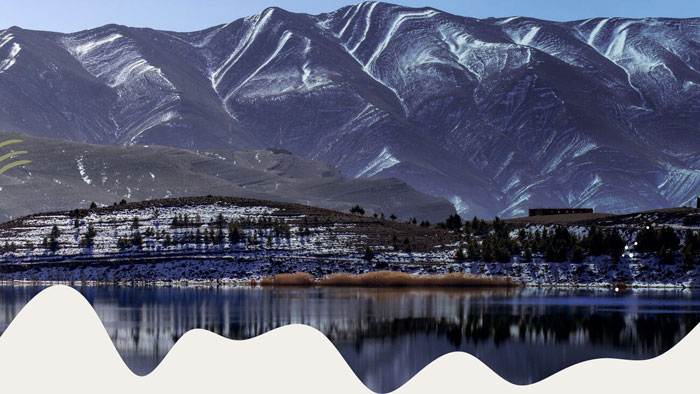
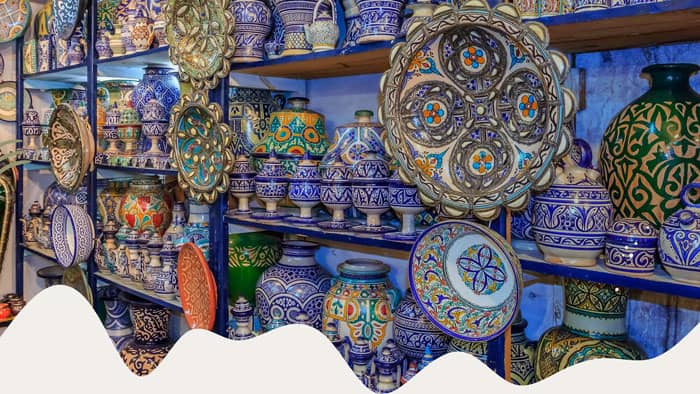
    Loading...
    /*** Collapse the mobile menu - WPress Doctor ****/