M

+212 673 266 849

saharacameltours1@gmail.com

Moroccan Souks Shopping Guide: Your Ultimate Market Adventure

Moroccan Souks Shopping Guide: Your Ultimate Market Adventure

Moroccan Souks Shopping Guide: Your Ultimate Market Adventure

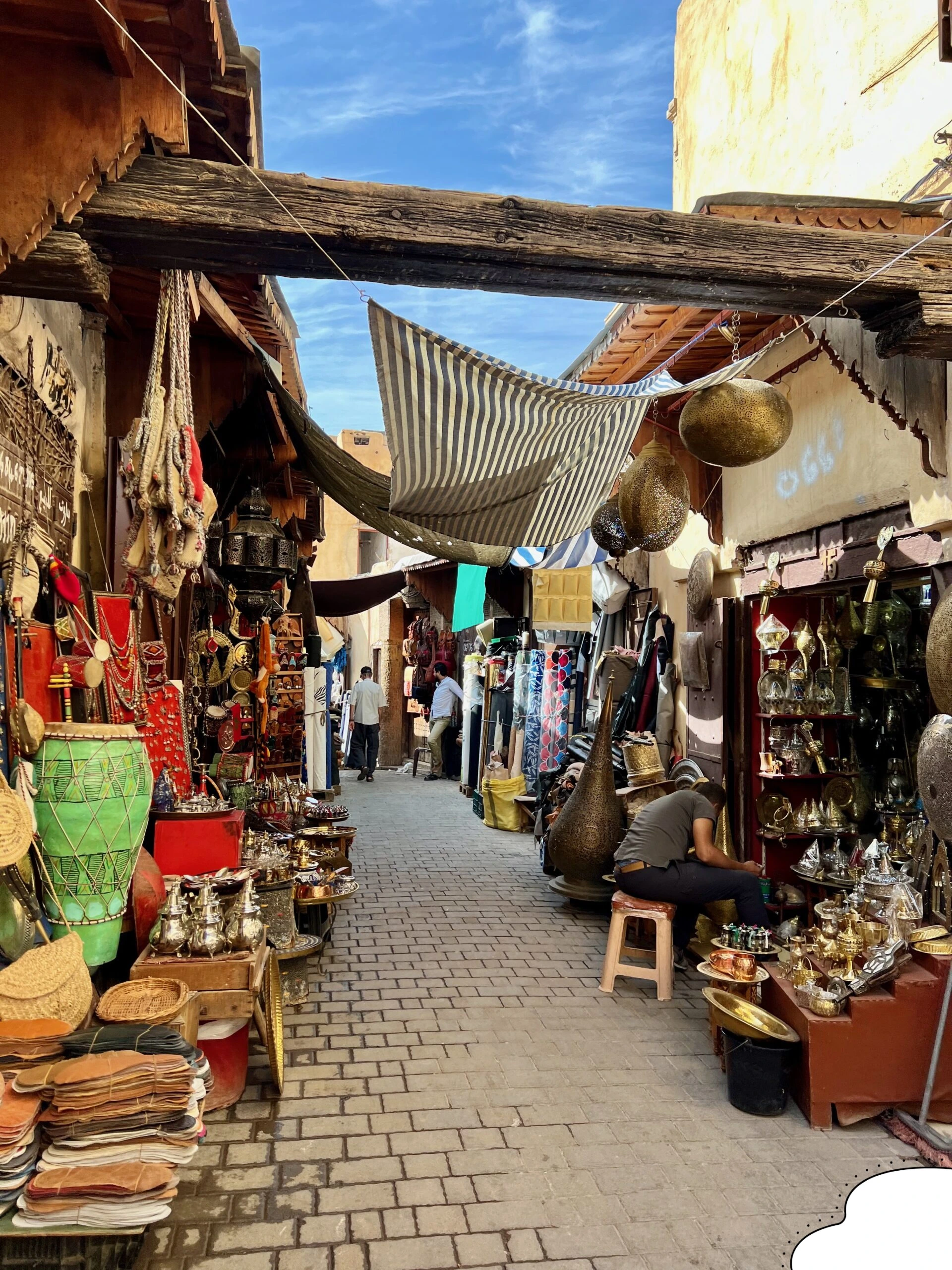
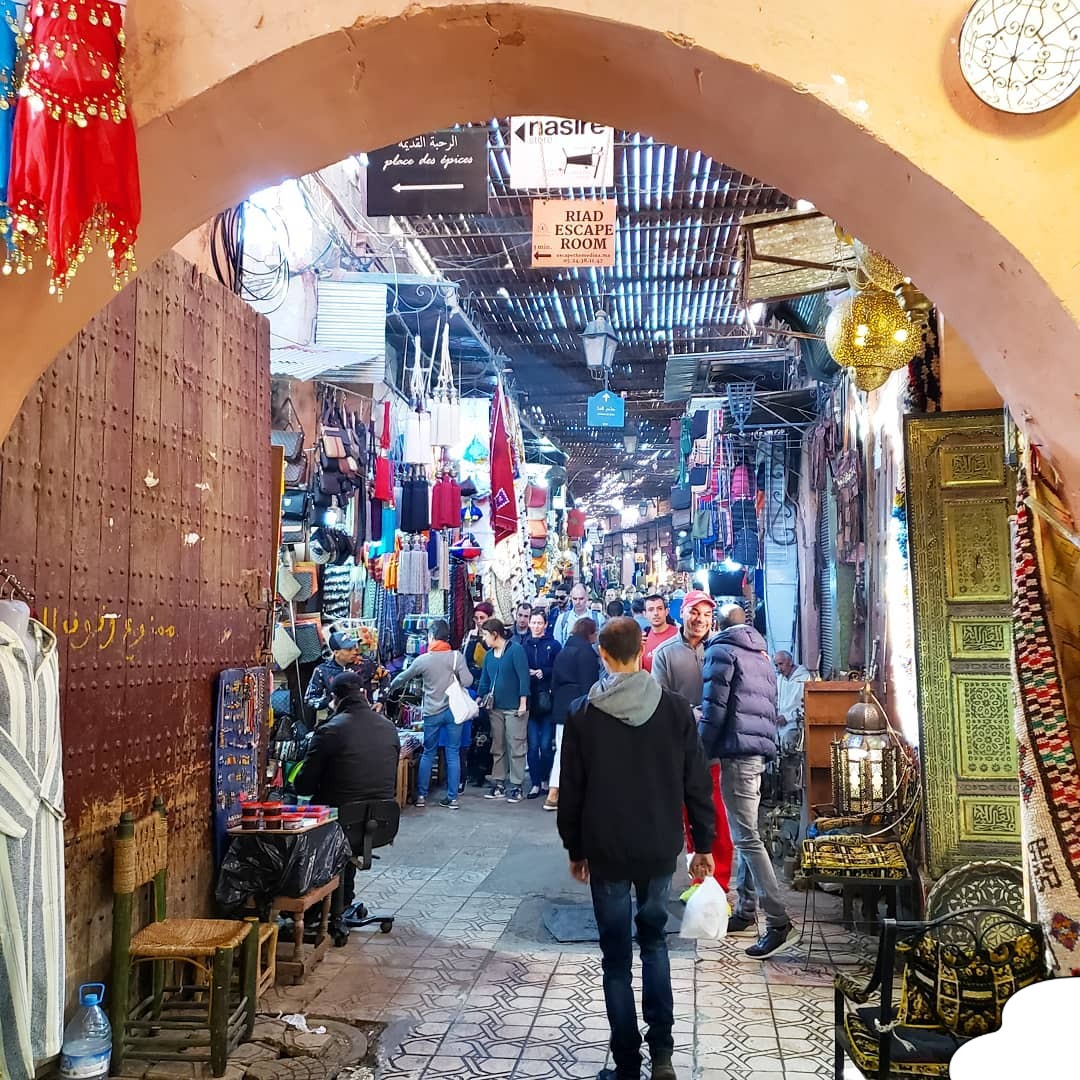
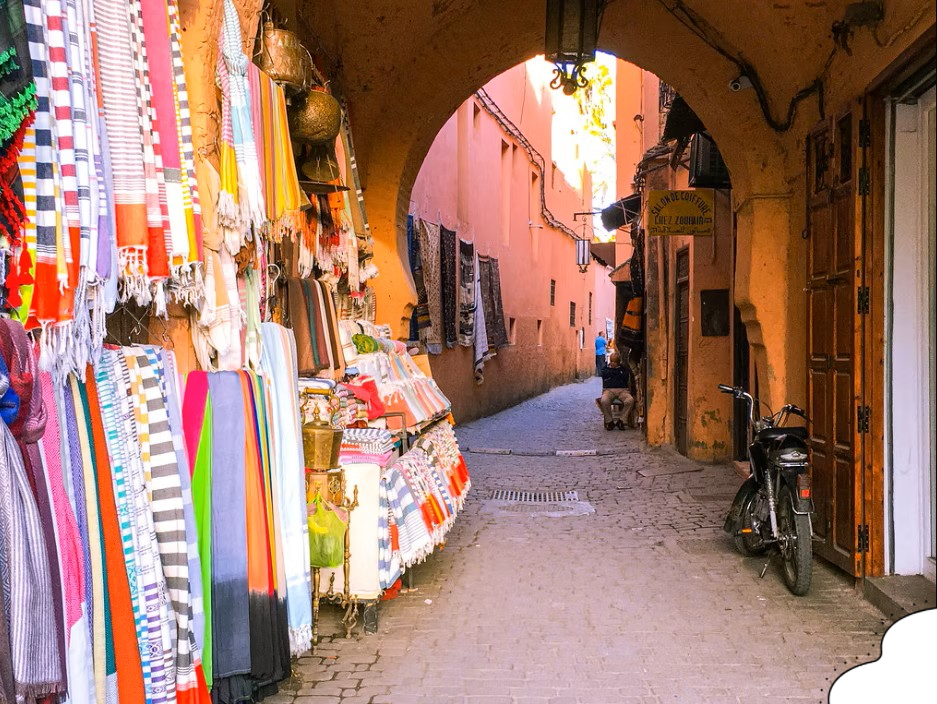
Exploring Morocco isn’t complete without wandering through its vibrant and bustling souks. These traditional markets are the heart of Moroccan culture, offering everything from handcrafted ceramics and colorful textiles to aromatic spices and intricate jewelry. Whether you’re in Marrakech, Fes, or Essaouira, a Moroccan Souks Shopping Guide will help you navigate these lively marketplaces, find authentic treasures, and enjoy a memorable shopping experience.

In this guide, we’ll cover everything you need to know: how to shop like a local, what to buy, tips for bargaining, and the best souks to visit. Whether you’re a first-time visitor or a seasoned traveler, this guide ensures your Moroccan shopping adventure is both fun and rewarding.

Stacks of aromatic spices in a Moroccan souk for Moroccan Souks Shopping Guide.

Why Explore Moroccan Souks?

Moroccan souks are more than just shopping destinations; they are cultural experiences. Visiting a souk allows you to:

  • Immerse yourself in Moroccan traditions and crafts

  • Discover hand-made goods passed down through generations

  • Savor the aromas of spices, teas, and local delicacies

  • Experience vibrant colors, sounds, and lively interactions with locals

A Moroccan Souks Shopping Guide helps you understand the organization of these markets, so you can shop efficiently and discover hidden gems without feeling overwhelmed.

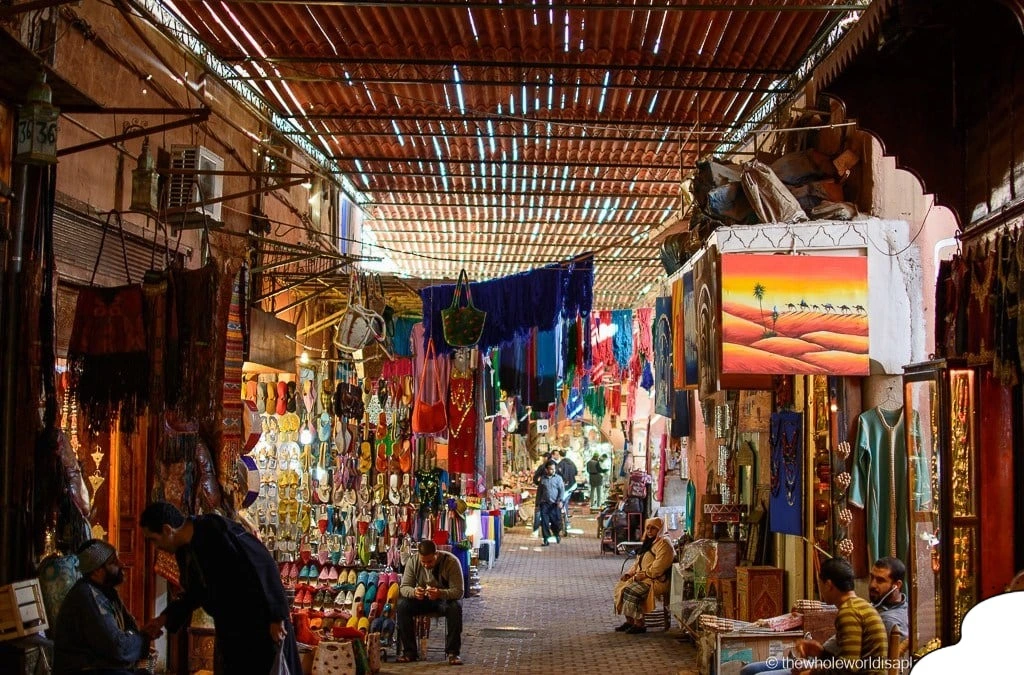
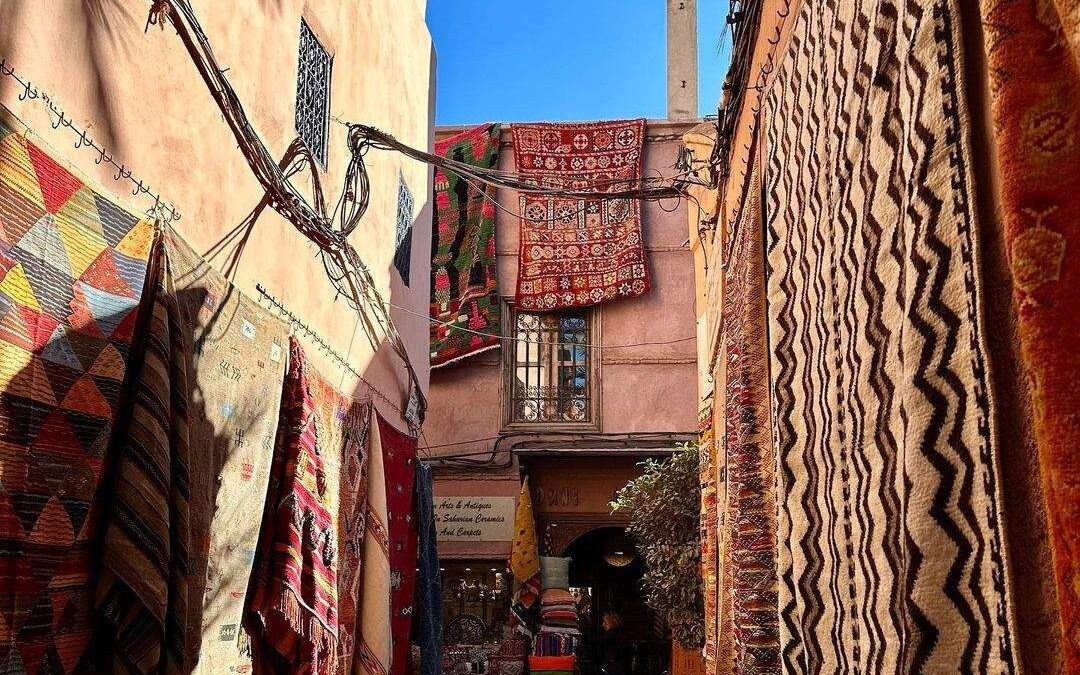
Handcrafted leather goods in a Moroccan souk for Moroccan Souks Shopping Guide.

Top Moroccan Souks to Visit

Each city offers unique souks with specialties that reflect local culture. Here are some must-visit markets:

1. Marrakech Souks

  • Souk Semmarine: Known for textiles, leather goods, and carpets.

  • Souk Ableuh: Famous for citrus fruits, olives, and spices.

  • Souk des Bijoutiers: Jewelry and silver accessories.

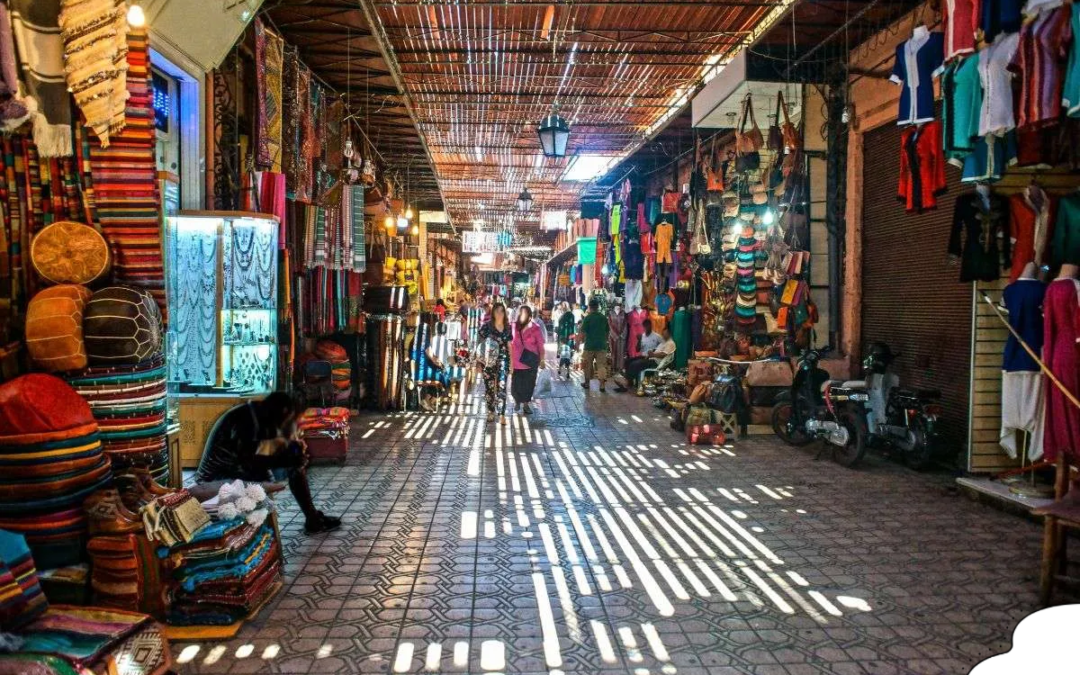
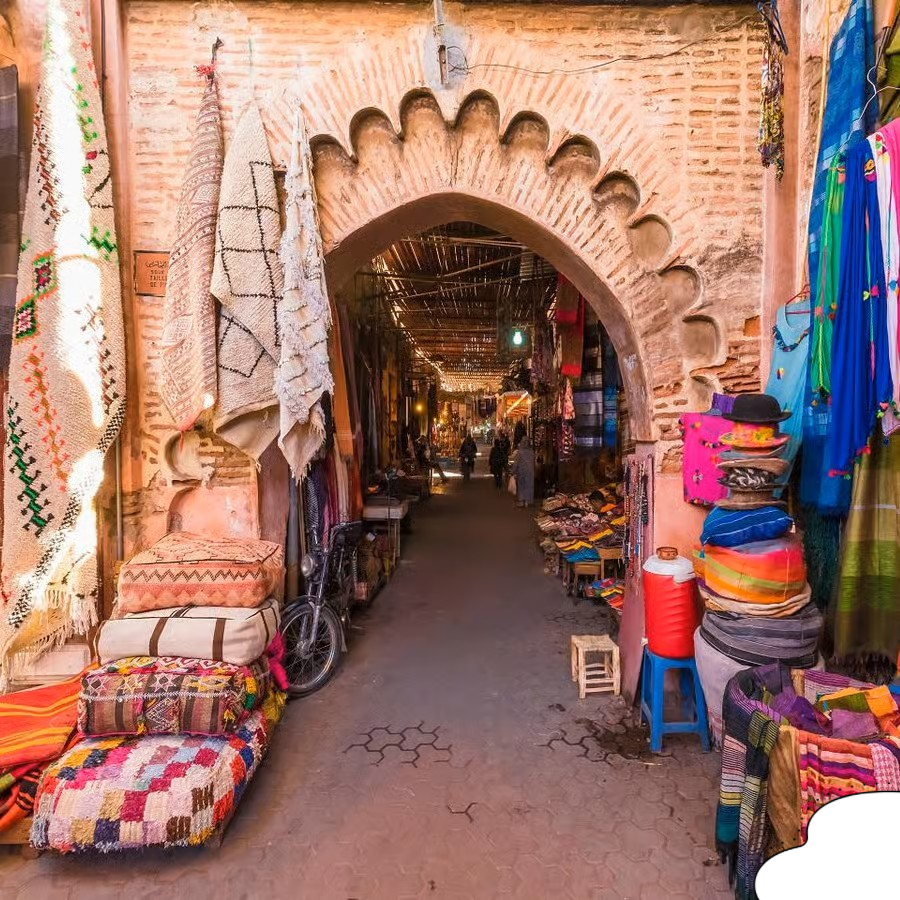
Marrakech souks are a maze of alleyways, so take your time and follow a Moroccan Souks Shopping Guide to navigate efficiently.

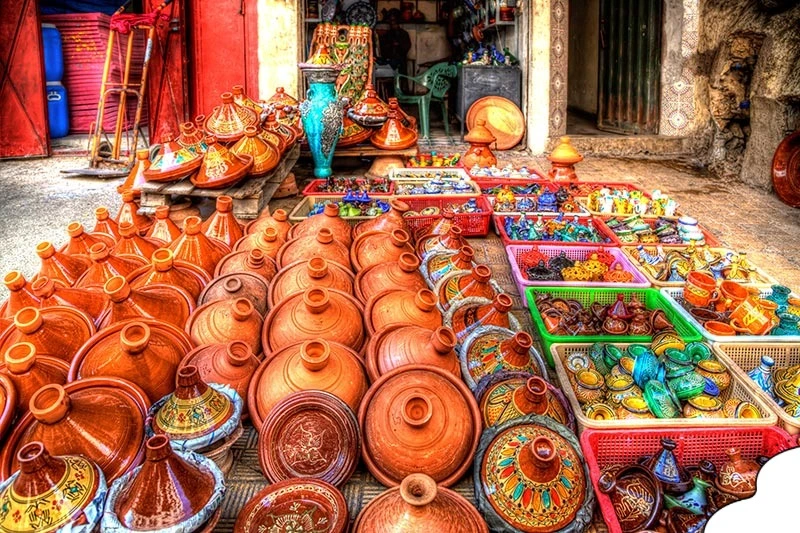
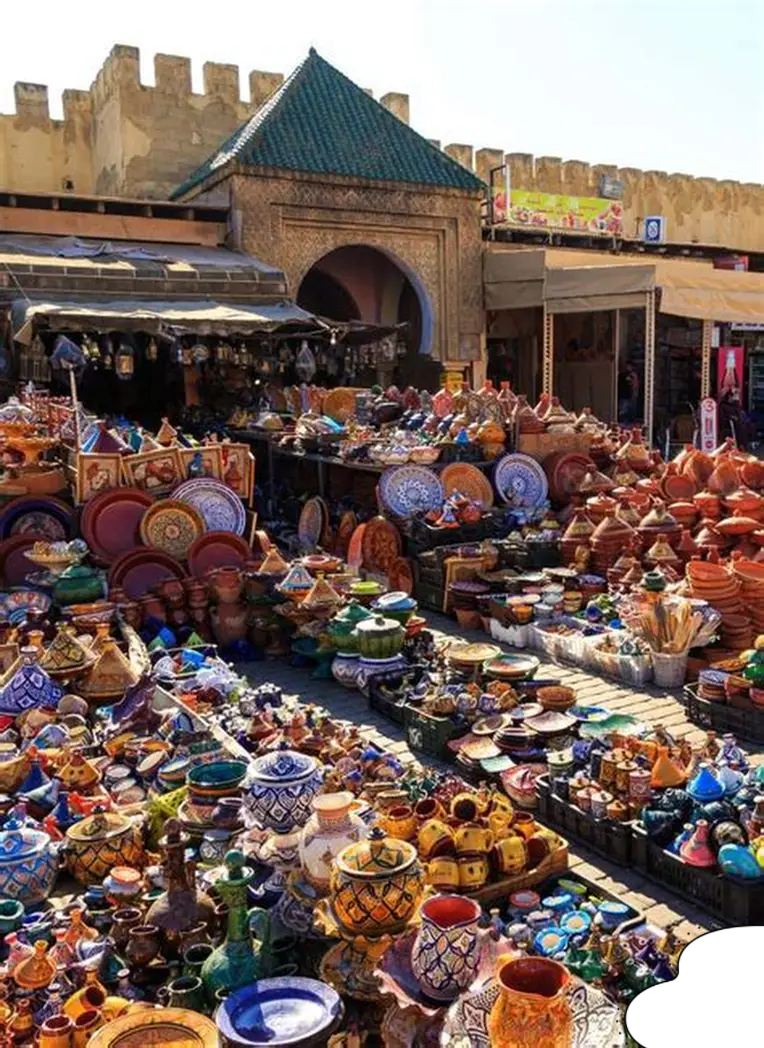
Colorful Moroccan ceramics in a souk for Moroccan Souks Shopping Guide.

2. Fes Souks

  • Souk el Henna: Henna, perfumes, and natural dyes.

  • Souk el Attarine: Spices, teas, and traditional Moroccan medicines.

  • Tanneries of Fes: Leather goods dyed with natural pigments.

Fes is renowned for its traditional crafts, making it perfect for those seeking authentic Moroccan souvenirs.

3. Essaouira Souks

  • Fish Market Souk: Fresh seafood and local delicacies.

  • Souk Jdid: Textiles, jewelry, and local handicrafts.

  • Artisan Workshops: Famous for carved wood and thuya wood products.

What to Buy in Moroccan Souks

A Moroccan Souks Shopping Guide is incomplete without knowing what treasures to hunt for. Some must-buy items include:

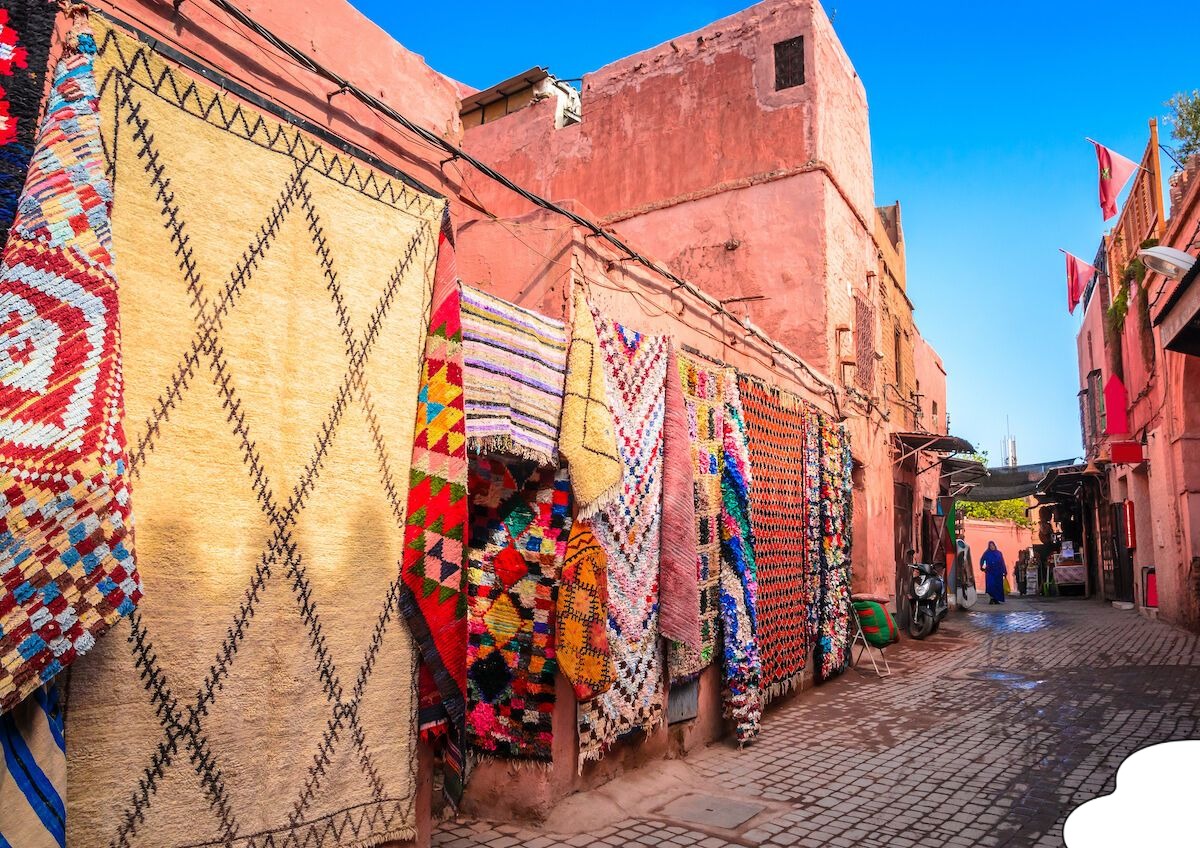
1. Moroccan Rugs and Carpets

  • Handwoven from wool or silk

  • Patterns and colors vary by region

  • Great souvenirs or home décor

2. Leather Goods

  • Bags, slippers (babouches), jackets

  • High-quality leather from Fes or Marrakech

  • Look for tanneries to buy directly from artisans

3. Spices and Teas

  • Saffron, cumin, cinnamon, paprika

  • Mint tea leaves or herbal blends

  • Perfect for culinary enthusiasts

4. Ceramics and Pottery

  • Colorful tagines, bowls, and plates

  • Hand-painted with traditional Moroccan patterns

  • Ideal gifts or kitchen décor

5. Jewelry and Metalwork

  • Silver, gold, and brass items

  • Traditional Amazigh (Berber) designs

  • Earrings, necklaces, trays, and lamps

6. Textiles and Clothing

  • Kaftans, scarves, shawls

  • Hand-embroidered or woven fabrics

  • Great for souvenirs or gifts

Traditional Berber jewelry in a Moroccan souk for Moroccan Souks Shopping Guide.

How to Navigate Moroccan Souks

Moroccan souks can be overwhelming due to their size and bustling activity. Here’s how to make the most of your shopping adventure:

Step 1: Know the Layout

  • Souks are usually organized by product type

  • Use a Moroccan Souks Shopping Guide to plan your visit

Step 2: Observe and Explore

  • Walk through the alleys to see different options

  • Compare prices before making purchases

  • Look for authentic handmade goods rather than mass-produced items

Step 3: Bargaining Tips

Bargaining is a cultural norm in Moroccan souks. Some tips include:

  • Smile and be polite — it’s part of the experience

  • Start at half the asking price and negotiate

  • Be prepared to walk away if the price is too high

  • Remember, the goal is a fair price for both parties

Step 4: Stay Safe and Organized

  • Keep an eye on your belongings

  • Carry cash in small denominations

  • Wear comfortable shoes and clothing

Cultural Etiquette in Moroccan Markets

When exploring Moroccan souks, respecting local customs enhances your experience:

  • Dress modestly and respectfully

  • Ask permission before taking photos of people

  • Greet shopkeepers politely with “Salam”

  • Be patient — interactions and negotiations are part of the charm

Understanding local etiquette helps you build positive relationships and enjoy authentic interactions.

Ready to explore the vibrant alleys and colorful treasures of Moroccan markets?

Let us help you plan an unforgettable experience with our Moroccan Souks Shopping Guide. From traditional rugs to spices and jewelry, discover authentic souvenirs and cultural experiences in every souk.

Conclusion

A trip to Morocco is incomplete without visiting its legendary souks. This Moroccan Souks Shopping Guide ensures you make the most of your market adventure — finding authentic treasures, experiencing local culture, and learning the art of bargaining.

From Marrakech to Fes and Essaouira, each market offers unique souvenirs, lively interactions, and unforgettable memories. With the tips, itineraries, and insights in this guide, you’re ready to explore Moroccan souks like a local and bring home pieces of Morocco’s vibrant culture.

Moroccan Street Food Guide: Your Ultimate Culinary Adventure

Moroccan Street Food Guide: Your Ultimate Culinary Adventure

Moroccan Street Food Guide: Your Ultimate Culinary Adventure

Morocco is not only a country of breathtaking landscapes and rich culture but also a paradise for food lovers. If you want to truly experience Moroccan flavors, a Moroccan Street Food Guide is essential. From bustling medinas to lively night markets, street food in Morocco offers a mix of vibrant aromas, bold spices, and traditional recipes passed down through generations.

This guide will take you through the best street food experiences in Morocco, what dishes to try, tips for eating safely, and how to enjoy authentic Moroccan street cuisine like a local. Whether you’re in Marrakech, Fes, or Casablanca, this Moroccan Street Food Guide ensures an unforgettable culinary adventure.

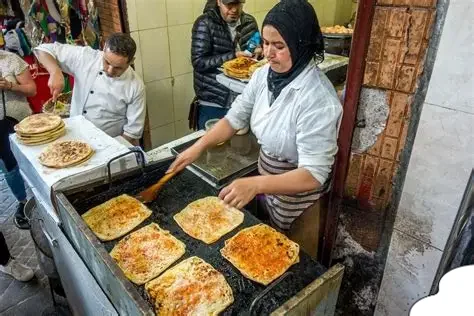
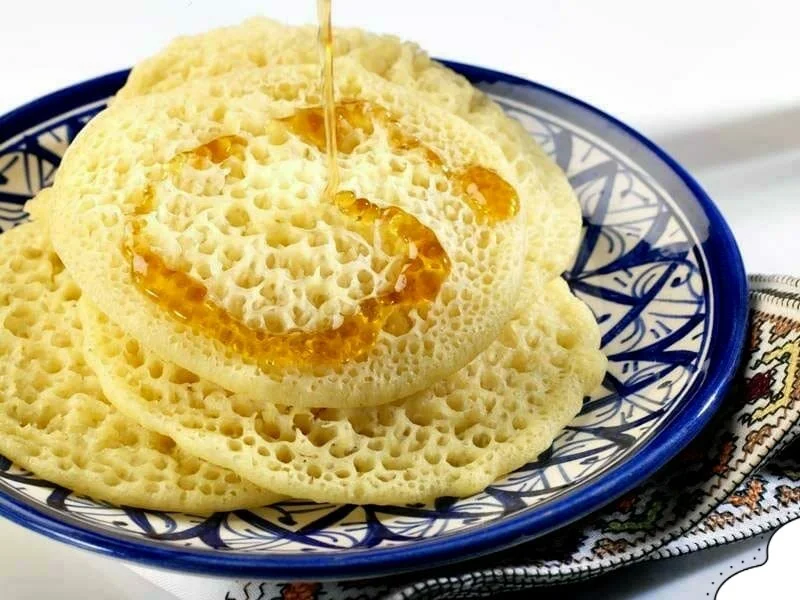
Freshly prepared Msemen pancakes at a Moroccan street food stall for Moroccan Street Food Guide.

Why Explore Moroccan Street Food?

Street food in Morocco is more than a way to satisfy your hunger — it’s a cultural experience. Here’s why:

  • Authenticity: Street vendors often prepare recipes unchanged for decades.

  • Variety: From savory to sweet, there’s something for every palate.

  • Affordability: Tasty meals at a fraction of restaurant prices.

  • Social experience: Eat among locals and experience Moroccan hospitality.

Following a Moroccan Street Food Guide helps you find the best spots, avoid tourist traps, and enjoy the food safely.

Top Moroccan Street Food Dishes You Must Try

Morocco’s street food offers incredible variety. Here’s a breakdown of must-try dishes:

1. Moroccan Sandwiches (Bocadillos and Khobz)

  • Bocadillos: Often filled with merguez (spicy sausage), vegetables, and harissa.

  • Khobz sandwiches: Fresh bread filled with tagine leftovers, fried eggs, or cheese.

  • Tip: Try them in markets or near mosques for the most authentic flavors.

2. Harira Soup

  • Traditional tomato and lentil soup, often served during Ramadan.

  • Topped with herbs and lemon, it’s a warming, flavorful snack.

  • A street favorite in evening food stalls.

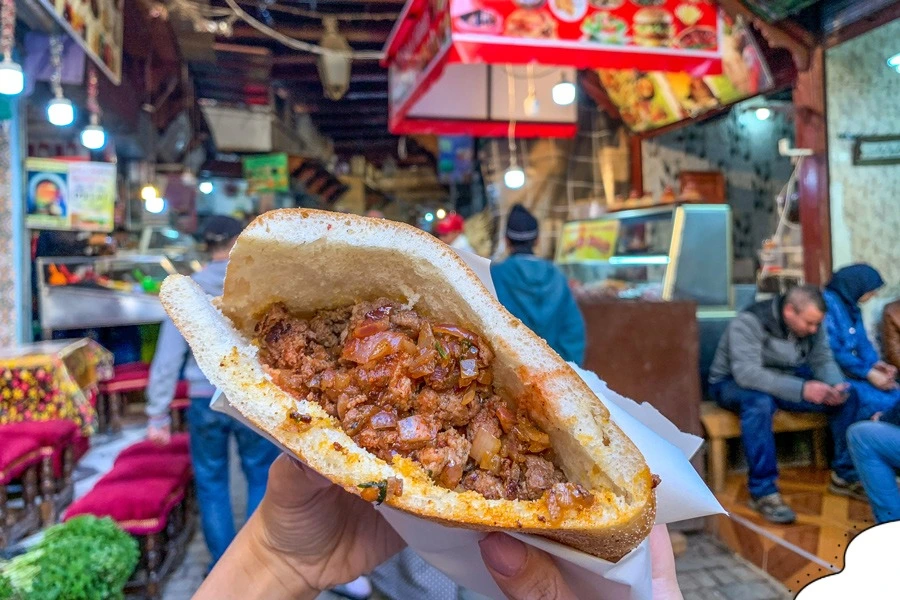
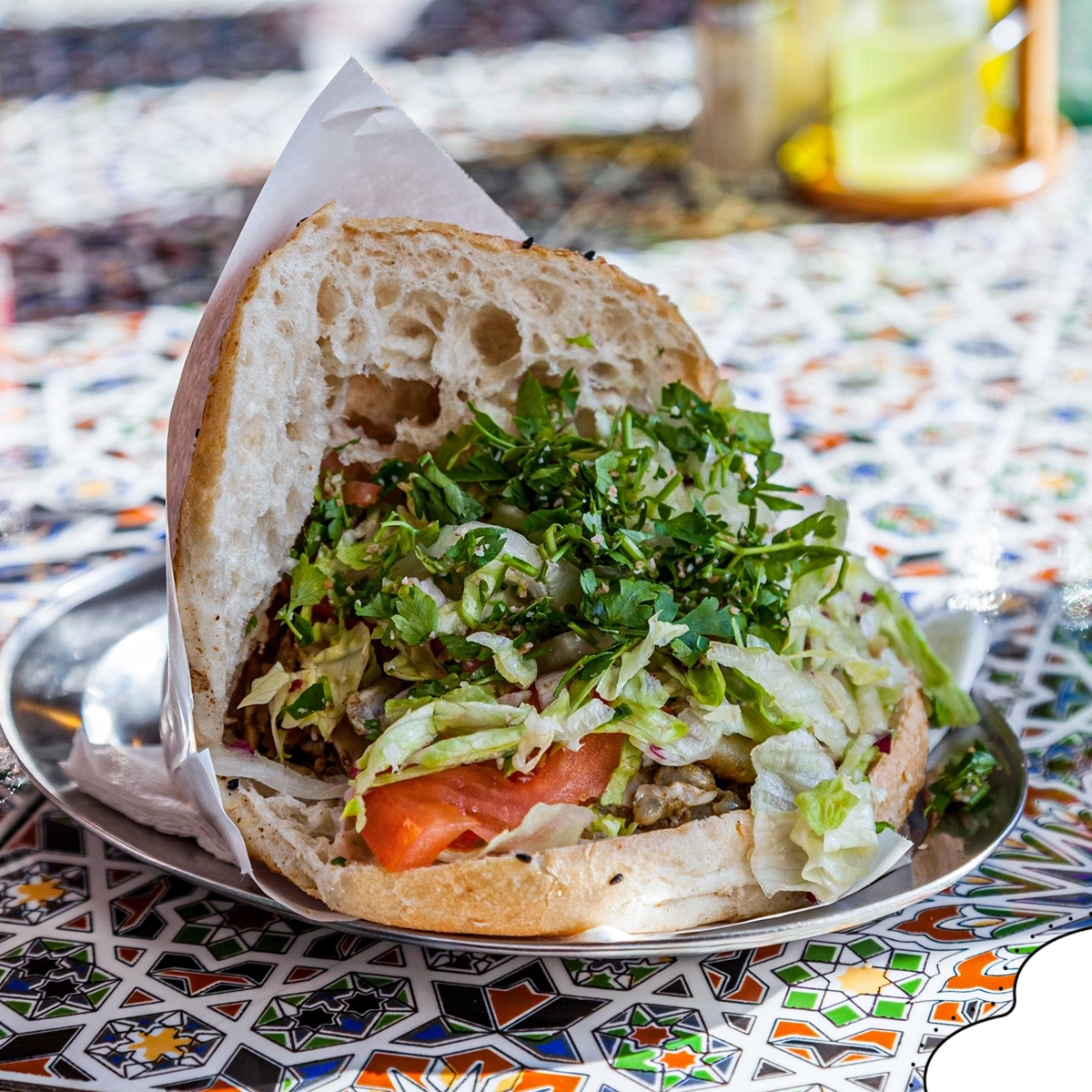
Fresh Moroccan sandwiches sold in a market for Moroccan Street Food Guide.

3. Moroccan Pancakes (Msemen and Baghrir)

  • Msemen: Flaky square pancakes served with honey or butter.

  • Baghrir: Spongy semolina pancakes with tiny holes for soaking syrup.

  • Best enjoyed fresh from street vendors in the morning or late afternoon.

4. Moroccan Grilled Meats

  • Merguez sausages: Spicy, red-colored sausages cooked over charcoal.

  • Kefta skewers: Minced meat seasoned with cumin, paprika, and coriander.

  • Often served with fresh bread or wrapped in flatbreads.

5. Sweets and Desserts

  • Chebakia: Sesame cookies shaped like flowers, soaked in honey.

  • Sellou: Nutty, spiced powder eaten during celebrations.

  • Corn on the cob (Maïs grillé): Grilled with butter, salt, and spices.

Traditional Baghrir pancakes served on a street food stall for Moroccan Street Food Guide.

Where to Find the Best Street Food in Morocco

Street food varies by city. Here’s a quick city guide based on this Moroccan Street Food Guide:

1. Marrakech

  • Jemaa el-Fnaa Square: Legendary for night-time food stalls.

  • Souk streets: Msemen, grilled meats, and fresh juices.

  • Tip: Arrive hungry in the evening for a full culinary tour.

2. Fes

  • Medina of Fes: Narrow alleyways packed with harira, sandwiches, and pastries.

  • Place Seffarine: Try traditional grilled meats and fresh mint tea.

3. Casablanca

  • Central Market (Marche Central): Fresh seafood, sandwiches, and sweets.

  • Anfa Boulevard food stalls: Great for trying local fast foods and snacks.

4. Essaouira

  • Port area: Freshly grilled seafood like sardines, calamari, and shrimp.

  • Main medina streets: Moroccan pancakes and sweets.

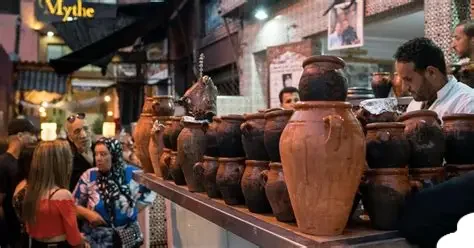
Marrakech street food scene with lively stalls for Moroccan Street Food Guide.

Tips for Enjoying Moroccan Street Food Safely

Eating street food is exciting, but safety is important. Follow these tips from this Moroccan Street Food Guide:

  • Watch food preparation: Choose stalls where food is freshly cooked.

  • Check hygiene: Observe how vendors handle ingredients.

  • Drink bottled water: Avoid ice unless you’re sure it’s clean.

  • Start small: Sample a few bites to see how your stomach reacts.

  • Avoid crowded hours for raw foods: Freshly cooked is always safer.

A Sample Moroccan Street Food Day Itinerary

If you want to taste as much as possible in one day, here’s a Moroccan Street Food Guide itinerary:

8:00 AM – Breakfast

  • Msemen with honey or baghrir pancakes at a local street stall.

10:00 AM – Mid-morning snack

  • Freshly squeezed orange juice or seasonal fruits from market stalls.

12:30 PM – Lunch

  • Kefta skewers, merguez sandwiches, and fresh bread in a busy souk.

3:00 PM – Sweet treats

  • Chebakia, almond pastries, or Moroccan donuts with mint tea.

6:00 PM – Evening feast

  • Jemaa el-Fnaa food stalls in Marrakech or Fes for harira, snails, and grilled meats.

8:00 PM – Dessert or late snack

  • Fresh fruit juices, roasted corn, or Moroccan pancakes.

Ready to embark on a culinary adventure through Morocco?

Let our Moroccan Street Food Guide show you the best places, dishes, and tips to enjoy the country’s incredible street food.

Conclusion

Moroccan street food is a feast for the senses — colorful, aromatic, and full of history. This Moroccan Street Food Guide ensures you discover the best dishes, navigate bustling markets, and savor every bite safely. From spicy grilled meats and traditional soups to sweet pastries and fresh juices, Morocco’s streets offer a culinary journey like no other.

Whether you’re wandering the medinas of Marrakech, exploring Fes, or enjoying coastal Essaouira, this guide equips you to eat, explore, and enjoy Moroccan street food like a true local. Don’t just visit Morocco — taste it!

Marrakech Hidden Gems: Discovering the Soul of the Red City

Marrakech Hidden Gems: Discovering the Soul of the Red City

Marrakech Hidden Gems: Discovering the Soul of the Red City

Marrakech is overflowing with beauty, culture, and sensory magic—but the real soul of the city often hides behind unmarked doors, narrow alleys, and places skipped by the average tourist. If you’re searching for the most authentic Marrakech hidden gems, you’re in the right place. This guide reveals the quiet treasures, local favorites, and lesser-known spots that make the Red City unforgettable.

Whether you’re a first-time traveler or a seasoned explorer, Marrakech still finds ways to surprise you. Beyond Jemaa el-Fnaa and the bustling souks, the city has endless secrets waiting to be found.

Marrakech hidden gems – colorful spice market in Rahba Kedima

Why Explore Marrakech’s Hidden Gems?

Tourist hotspots are exciting, but they often miss the deeper, authentic experiences of the city. Discovering Marrakech hidden gems allows travelers to:

  • Experience peace away from the busy streets

  • Connect with local culture and artisans

  • Discover unique culinary delights

  • Capture photographs that tell a story

  • Support small, family-run businesses

By seeking the lesser-known corners of the city, visitors can go beyond sightseeing and truly live the Marrakech experience.

Le Jardin Secret: A Hidden Oasis in the Medina

Tucked away inside the bustling medina, Le Jardin Secret is a peaceful oasis that often goes unnoticed. This restored palace offers two distinct gardens:

  • The Islamic Garden, reflecting symmetry and harmony

  • The Exotic Garden, filled with plants from around the world

Visitors can climb the tower for breathtaking panoramic views of the medina’s rooftops. Morning visits are especially rewarding, providing quiet serenity before the city fully awakens.

Insider tip: Bring a small notebook or camera—this tranquil garden is perfect for reflection and photography.

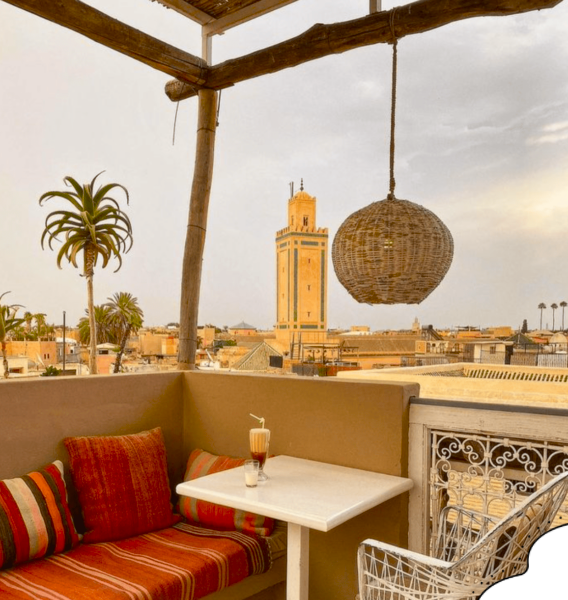
Marrakech hidden gems – rooftop café overlooking medina

Le Jardin Secret: A Hidden Oasis in the Medina

Tucked away inside the bustling medina, Le Jardin Secret is a peaceful oasis that often goes unnoticed. This restored palace offers two distinct gardens:

  • The Islamic Garden, reflecting symmetry and harmony

  • The Exotic Garden, filled with plants from around the world

Visitors can climb the tower for breathtaking panoramic views of the medina’s rooftops. Morning visits are especially rewarding, providing quiet serenity before the city fully awakens.

Insider tip: Bring a small notebook or camera—this tranquil garden is perfect for reflection and photography.

Marrakech hidden gems – traditional leather tanneries

Maison de la Photographie: Morocco Through the Lens

Hidden down a narrow alley, the Maison de la Photographie showcases a remarkable collection of vintage Moroccan photography, spanning 1870 to 1950. These images capture the essence of Moroccan life, from bustling markets to serene desert landscapes.

Highlights include:

  • Historic portraits of Moroccan families

  • Landscapes of traditional medinas

  • A rooftop café offering stunning views

This museum is a must-visit for history buffs and photography enthusiasts seeking an authentic glimpse into Morocco’s past.

Marrakech hidden gems – Le Jardin Secret peaceful garden

Rahba Kedima: The Old Spice Square

Located in the heart of the medina, Rahba Kedima is a traditional square bustling with life and color. It’s less crowded than Jemaa el-Fnaa but equally vibrant, offering:

  • Spices arranged in colorful pyramids

  • Handwoven baskets and textiles

  • Dried flowers and herbal remedies

  • Local handicrafts

The nostalgic charm and authentic atmosphere make Rahba Kedima one of the most enchanting Marrakech hidden gems.

Mellah Spice Markets: A Feast for the Senses

While the main souks attract large tourist crowds, the Mellah district offers a more authentic shopping experience. Here, visitors can wander through markets filled with:

  • Fresh and aromatic spices

  • Traditional Moroccan herbal remedies

  • Local beauty products and oils

  • Artisan goods

The friendly sellers and vibrant displays provide a genuine taste of Marrakech life.

Planning Your Trip to Discover Marrakech Hidden Gems

Marrakech’s hidden treasures are best explored with local knowledge. From secret gardens and artisan workshops to quiet rooftops and culinary delights, a well-planned itinerary allows you to uncover the city’s lesser-known charms.

The Tannery District: A Window into Traditional Craftsmanship

The northern medina is home to the historic tanneries, where leather has been dyed and processed using centuries-old techniques. Although the strong scent may be challenging for some, the experience is unforgettable.

Visitors can observe:

  • Artisans at work, crafting leather goods by hand

  • Large dyeing pits filled with colorful natural dyes

  • Traditional Moroccan methods passed down through generations

Pro tip: Mint leaves are often provided to help reduce the smell, making the visit more pleasant.

Secret Riads: Quiet Courtyards and Traditional Charm

Marrakech is known for its riads, traditional Moroccan houses with inner courtyards. Many are hidden away from the main streets, offering tranquility and authenticity.

Benefits of staying in a hidden riad include:

  • Peaceful courtyards and rooftop terraces

  • Beautiful Moroccan architecture and décor

  • Personalized hospitality

  • A quieter, more immersive experience

Hidden riads are perfect for travelers seeking a private retreat in the heart of the medina.

Conclusion: Uncover the Magic of Marrakech Hidden Gems

The allure of Marrakech hidden gems lies not just in the places themselves but in the experiences they offer. From quiet gardens and hidden rooftops to artisan workshops and local eateries, these spots reveal the city’s heart and soul.

Stepping off the typical tourist path allows you to connect with the city in a meaningful way. Every alley, courtyard, and marketplace has a story to tell. Let curiosity guide you, and Marrakech will reveal treasures that few travelers ever see.

Whether wandering through a peaceful riad, tasting traditional dishes, or cycling through the Palmeraie, the Red City’s hidden gems will leave lasting memories and stories to share.

Taghazout Surf Camp for Beginners: Your Ultimate Guide to Learning Surf in Morocco

Taghazout Surf Camp for Beginners: Your Ultimate Guide to Learning Surf in Morocco

Taghazout Surf Camp for Beginners: Your Ultimate Guide to Learning Surf in Morocco

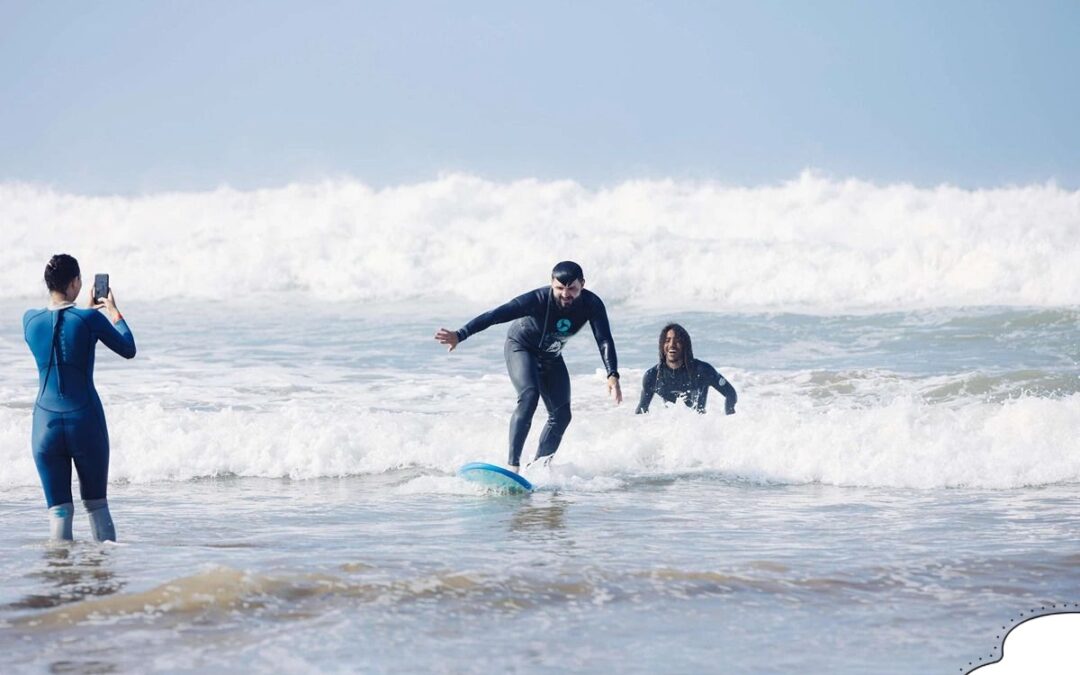
Nestled along Morocco’s stunning Atlantic coastline, Taghazout has grown into a world-class surfing destination. Known for its golden beaches, warm waters, and vibrant surf culture, it’s the perfect spot for both experienced surfers and those just starting out. If you are looking to ride your first waves safely and confidently, a Taghazout surf camp for beginners is the ideal choice.

This guide will explore the best spots, tips, and experiences for newcomers, ensuring you make the most of your surf adventure while enjoying the authentic Moroccan lifestyle.

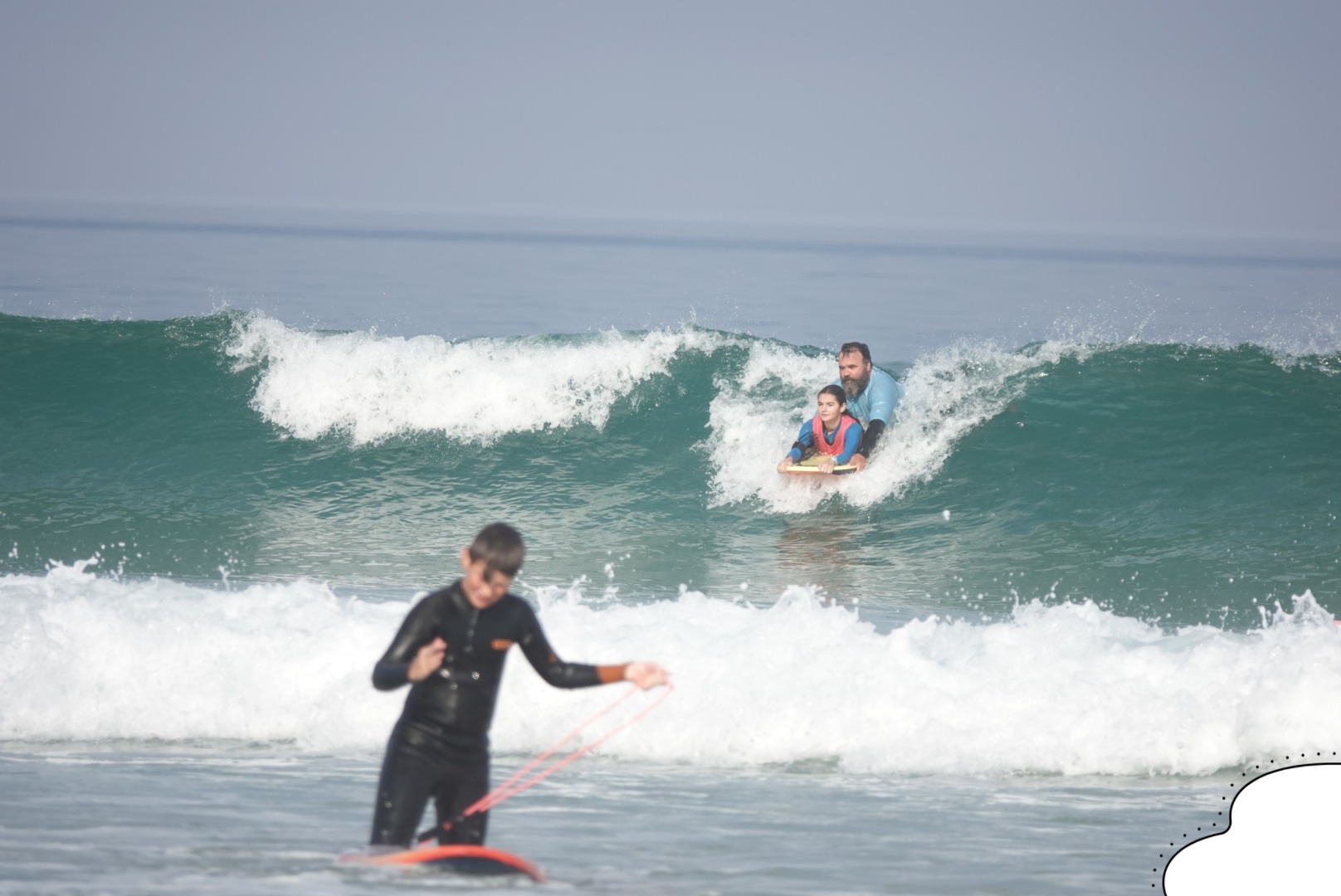
Taghazout surf camp for beginners – guided surf lessons

Why Taghazout Is Perfect for Beginner Surfers

Taghazout offers a unique combination of gentle waves, welcoming surf communities, and professional surf instruction. For beginners, these features are invaluable:

  • Safe and beginner-friendly waves suitable for learning

  • Professional instructors who provide personalized guidance

  • Access to soft-top boards and safety gear

  • Supportive community of fellow beginners and locals

Joining a surf camp ensures you don’t just learn to surf—you gain confidence, safety knowledge, and a memorable experience in one of Morocco’s most beautiful coastal towns.

Best Surf Spots in Taghazout for Beginners

Not all surf spots are beginner-friendly. Knowing where to start can make your first surfing experience enjoyable and safe.

Panorama Beach

This long, sandy beach offers rolling, gentle waves ideal for first-time surfers. Instructors often begin lessons here, allowing beginners to practice paddling, balancing, and standing on the board.

Taghazout Bay

Known for its calm conditions during low tide, Taghazout Bay provides a safe learning environment. Beginners can focus on technique without worrying about strong currents.

Devil’s Rock (Sandy Sections)

While Devil’s Rock is famous for advanced waves, certain sandy breaks are perfect for supervised beginner lessons. It’s a great spot for those looking to gradually progress to more challenging waves.

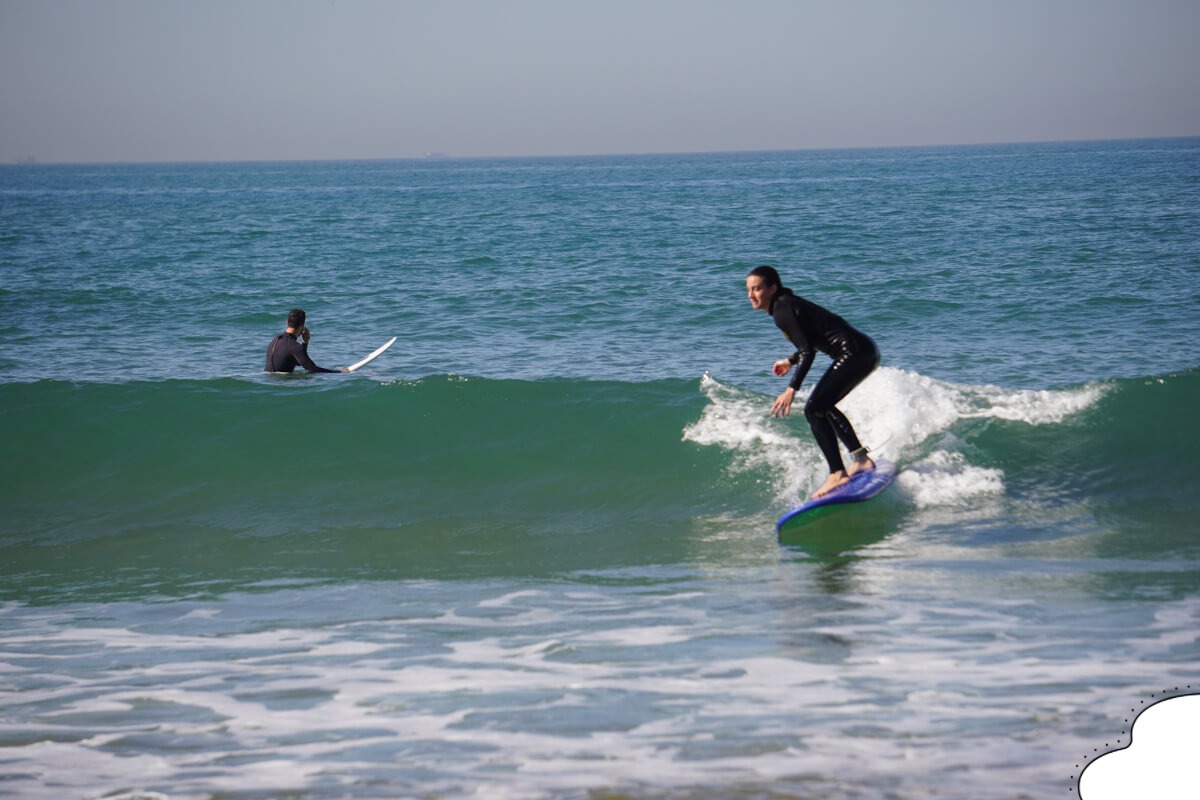
Taghazout surf camp for beginners – soft-top surfboard practice

What to Expect at a Taghazout Surf Camp for Beginners

A surf camp experience goes beyond just hitting the waves. Most beginner camps provide a structured and supportive environment, including:

  • Daily Surf Lessons: Typically 2–3 hours focusing on safety, technique, and confidence

  • All Equipment Provided: Surfboards, wetsuits, rash guards, and sometimes surf booties

  • Surf Theory Classes: Learning about tides, wave types, and basic surf etiquette

  • Yoga and Stretching: Enhancing balance, flexibility, and core strength

  • Social and Community Activities: Beach bonfires, shared meals, and cultural excursions

This holistic approach ensures that beginners develop skills safely while immersing themselves in the coastal lifestyle.

Taghazout surf camp for beginners – community activities

How to Choose the Right Surf Camp for Beginners

Selecting the perfect surf camp is key to a positive experience. When evaluating options, consider the following:

  • Certified instructors with experience teaching beginners

  • Small class sizes for personalized attention

  • Safety-first practices, including beginner zones and guided sessions

  • Flexible packages including accommodation, meals, and transfers

Researching reviews, checking social media, and asking questions before booking ensures that your first surf experience is both safe and enjoyable.

Taghazout surf camp for beginners – yoga session

Essential Tips for Beginners at Taghazout

Even with professional guidance, preparation helps maximize your learning and enjoyment. Here are practical tips for beginners:

  1. Warm-up before entering the water to prevent injuries

  2. Use soft-top surfboards for stability

  3. Practice popping up on land before trying waves

  4. Listen closely to instructors and follow their guidance

  5. Relax and have fun—surfing is a journey of patience

  6. Respect local surfers and etiquette

Following these tips ensures safety, confidence, and a memorable first surf experience.

Beyond Surfing: Exploring Taghazout

Taghazout is more than a surf destination. The village and surrounding area offer activities that complement your surf adventure:

  • Agadir Beaches: Ideal for practicing balance or relaxing between lessons

  • Local Markets and Cafés: Sample Moroccan cuisine and fresh seafood

  • Hiking to Paradise Valley: Discover palm groves, natural pools, and breathtaking landscapes

  • Yoga and Wellness Centers: Many surf camps offer complementary yoga sessions to improve flexibility and balance

Exploring Taghazout beyond the surf adds depth to your stay and makes the trip unforgettable.

Planning Your Trip to a Taghazout Surf Camp

Taghazout’s surf camps are best experienced with planning. Choose a camp that fits your budget, schedule, and comfort level. Whether you want daily lessons, weekend retreats, or a full-week immersion, there’s a camp for every type of beginner.

Health and Safety Tips for Beginners

Surfing safely is crucial, especially for beginners. Remember:

  • Stay hydrated and use sunscreen to avoid sunburn

  • Learn how to fall safely to avoid injuries

  • Always surf in designated beginner areas

  • Communicate with instructors about your comfort level and any concerns

  • Respect ocean conditions, tides, and currents

Being prepared and cautious ensures a safe and fun surfing experience.

Benefits of Joining a Surf Camp for Beginners

Participating in a Taghazout surf camp for beginners has numerous benefits:

  • Accelerated learning with professional guidance

  • Increased confidence and comfort in the water

  • Connection with an international surf community

  • Exposure to Moroccan culture and coastal lifestyle

  • Opportunity to progress to intermediate and advanced levels

These camps provide more than lessons—they offer a holistic lifestyle experience for newcomers to surfing.

Conclusion: Experience the Waves with Taghazout Surf Camp for Beginners

Taghazout offers the perfect environment for beginners to embrace the world of surfing. From calm beaches and expert instruction to community activities and Moroccan culture, every aspect of a surf camp is designed to make your first surfing experience memorable.

By joining a Taghazout surf camp for beginners, you don’t just learn to ride waves—you discover a lifestyle, meet new friends, and immerse yourself in one of Morocco’s most beautiful coastal towns. Take the plunge and make your first wave an experience you’ll never forget.

Marrakech Rooftop Dining Experiences: Your Ultimate Guide

Marrakech Rooftop Dining Experiences: Your Ultimate Guide

Marrakech Rooftop Dining Experiences: Your Ultimate Guide

Marrakech is a city of vibrant culture, stunning architecture, and rich culinary traditions. One of the most memorable ways to experience its cuisine is by dining on a rooftop. Marrakech rooftop dining experiences offer visitors breathtaking views of the medina, the Atlas Mountains, and the city’s bustling streets, all while enjoying traditional Moroccan dishes or modern fusion cuisine. This guide will explore the best rooftop dining options, what to expect, tips for visitors, and how to make the most of this unforgettable experience.

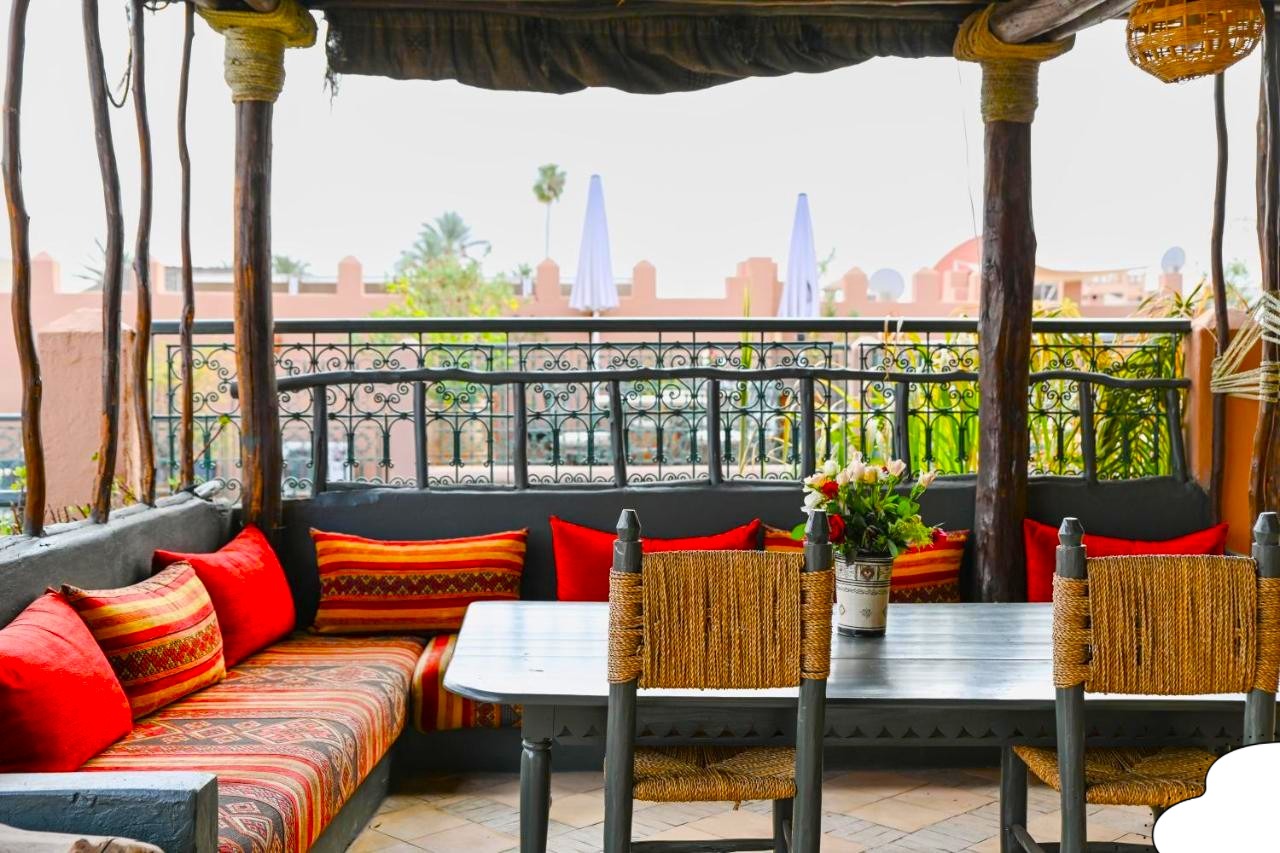
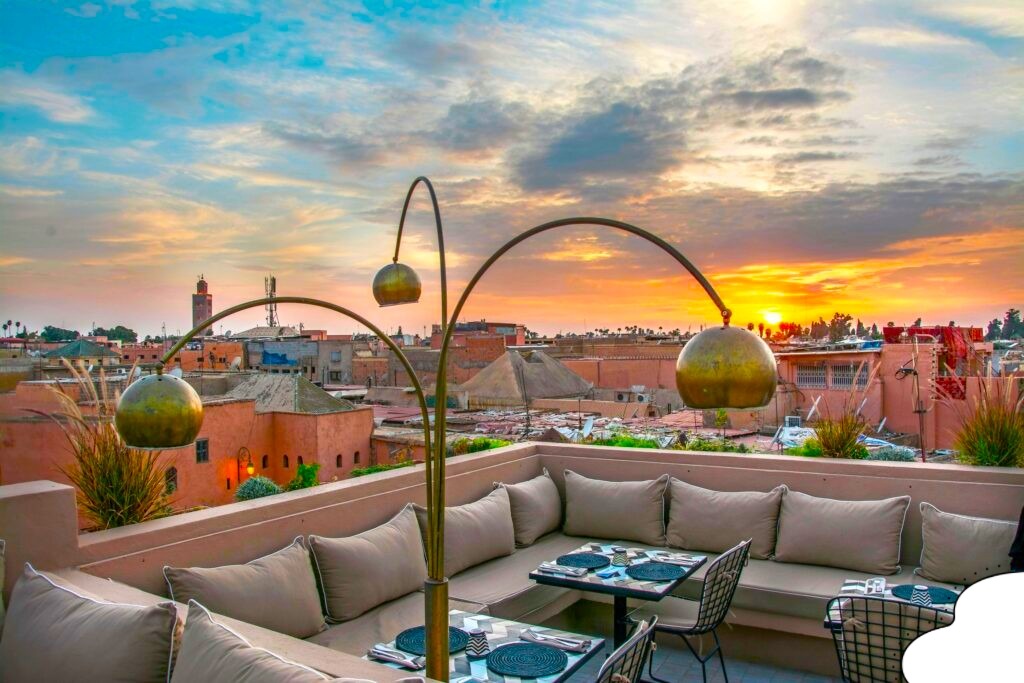
Elegant table setup during Marrakech Rooftop Dining Experiences

Why Choose Marrakech Rooftop Dining Experiences

Stunning Views and Atmosphere

Rooftop dining in Marrakech provides more than just food; it delivers a unique perspective of the city. Guests can enjoy panoramic views of the medina’s red buildings, bustling souks, and the distant Atlas Mountains. The combination of architecture, cityscape, and ambient lighting creates a magical atmosphere for lunch, dinner, or evening cocktails.

Combination of Tradition and Modernity

Many rooftop restaurants offer a blend of traditional Moroccan dishes and contemporary culinary innovations. From tagines and couscous to international fusion dishes, diners can experience the full spectrum of Moroccan cuisine. The setting allows visitors to enjoy the flavors while soaking in the city’s heritage and artistic vibe.

Ideal for Romantic and Social Experiences

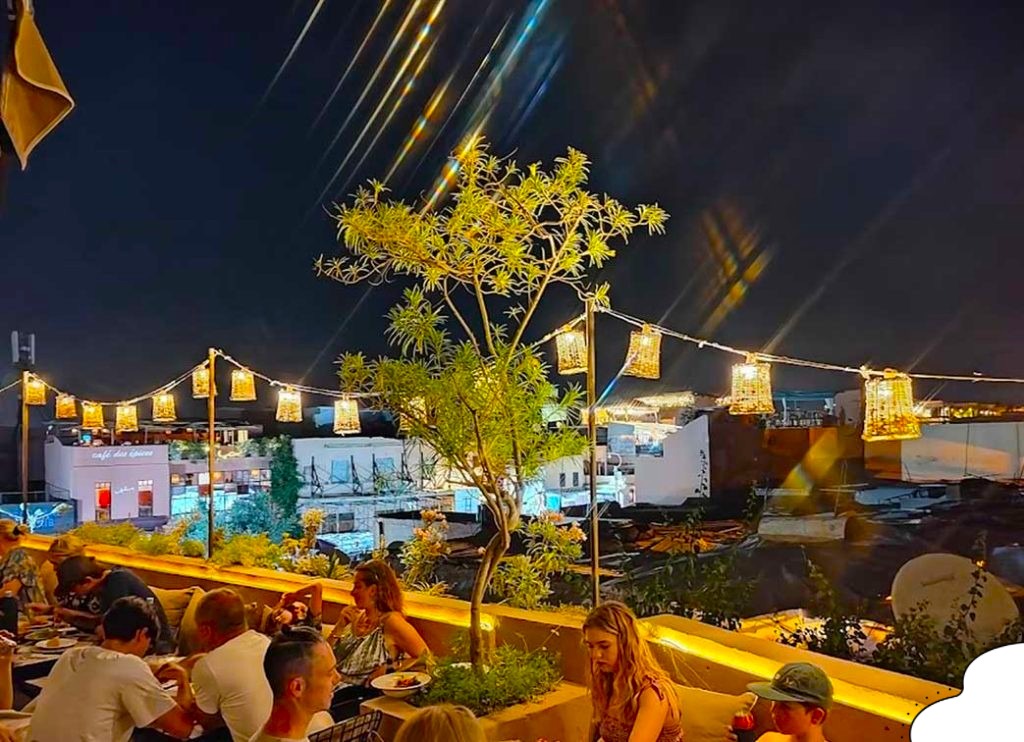
Rooftop restaurants in Marrakech cater to a variety of occasions, from intimate dinners for couples to lively gatherings with friends. The ambiance often includes traditional Moroccan decor, lanterns, and soft music, enhancing the dining experience and creating memorable moments.

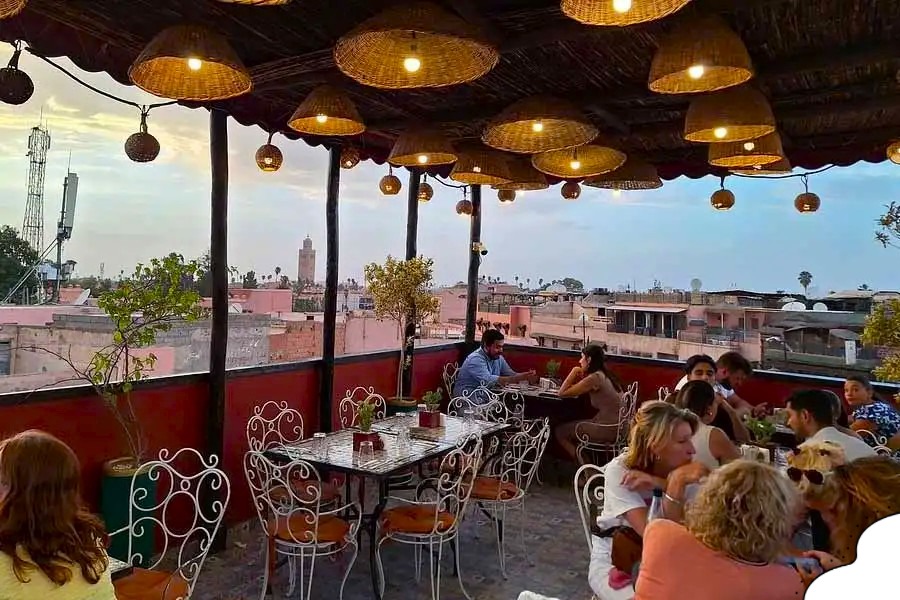
Traditional Moroccan decor during Marrakech Rooftop Dining Experiences

Top Rooftop Dining Spots in Marrakech

Nomad Marrakech

Nomad Marrakech is located in the heart of the medina and is renowned for its modern Moroccan cuisine. Guests can enjoy dishes made with fresh, local ingredients while overlooking the bustling streets below. Its rooftop terrace provides an elegant yet relaxed atmosphere, perfect for both casual meals and special occasions.

Le Foundouk

Le Foundouk combines traditional Moroccan flavors with an upscale dining experience. The rooftop offers panoramic views of the medina and features stylish decor, including traditional lanterns and contemporary seating arrangements. Le Foundouk is especially popular for sunset dinners, where the city’s colors create a breathtaking backdrop.

Traditional Moroccan decor during Marrakech Rooftop Dining Experiences

La Maison Arabe

La Maison Arabe is a historic riad turned fine-dining destination. Its rooftop terrace serves a selection of Moroccan and international dishes, combining culinary excellence with architectural beauty. Diners can enjoy live music on certain evenings, creating a rich sensory experience that complements the cuisine.

Café des Épices

Café des Épices offers a more casual rooftop experience with a focus on fresh, local ingredients. The terrace overlooks the spice market, allowing visitors to immerse themselves in the sights and sounds of Marrakech while enjoying flavorful tagines, salads, and refreshing beverages.

Don’t miss our article about Campervan Travel Guide to Morocco

What to Expect During a Marrakech Rooftop Dining Experiences

A typical rooftop dining experience in Marrakech includes:

  1. Scenic Views: Panoramic perspectives of the medina, markets, and distant mountains.

  2. Ambiance: Traditional Moroccan decor, lanterns, and often soft background music.

  3. Culinary Experience: A variety of dishes ranging from classic Moroccan cuisine to modern fusion offerings.

  4. Service and Atmosphere: Attentive staff and a relaxed environment for enjoying meals or drinks.

Most restaurants offer both lunch and dinner options, with sunset hours being particularly popular for their dramatic views.

Elegant interior of a rooftop restaurant during Marrakech Rooftop Dining Experiences

Combining Rooftop Dining with Cultural Experiences

Rooftop dining can be paired with various cultural experiences to enhance your visit to Marrakech:

  • Medina Exploration: Explore nearby souks and markets before or after your meal to experience the city’s vibrant culture.

  • Cooking Classes: Some rooftop venues offer Moroccan cooking classes where you can learn to prepare local dishes and enjoy them on the terrace.

  • Live Music and Entertainment: Many rooftop restaurants feature live performances, adding to the ambiance and providing a full sensory experience.

  • Photography: Rooftop views provide excellent opportunities for capturing Marrakech’s iconic architecture and scenic beauty.

Frequently Asked Questions (FAQs)

Q1: Are rooftop restaurants in Marrakech expensive?
Rooftop dining varies in price. Some venues offer casual meals at reasonable prices, while others provide upscale dining with premium pricing. Checking menus in advance is recommended.

Q2: Is rooftop dining suitable for children?
Yes, many rooftops accommodate families and offer child-friendly menus.

Q3: Do I need to reserve a table?
It is highly recommended, especially for popular restaurants during peak hours or tourist seasons.

Q4: Are vegetarian or vegan options available?
Most rooftop restaurants provide a variety of vegetarian and vegan options, with fresh local ingredients and creative menu adaptations.

Experience the Magic of Marrakech Rooftop Dining Experiences!

Step above the medina and immerse yourself in the ultimate dining adventure. Enjoy traditional Moroccan dishes or modern fusion cuisine while taking in breathtaking panoramic views of Marrakech, the Atlas Mountains, and bustling city streets. Savor flavorful meals, relax in stunning surroundings, and create unforgettable memories. Perfect for couples, families, and travelers seeking culture, ambiance, and culinary delight.

Conclusion

Marrakech rooftop dining experiences offer a unique combination of stunning views, cultural immersion, and exceptional cuisine. Whether you are looking for a romantic dinner, a casual meal with friends, or a cultural experience overlooking the medina, the city’s rooftop venues provide unforgettable experiences. By planning ahead, trying local specialties, and choosing the right time of day, visitors can fully enjoy the magical atmosphere that makes Marrakech rooftop dining truly special. This combination of scenic beauty, authentic cuisine, and cultural ambiance ensures that every meal is memorable and enriching.

Windsurfing Lessons in Essaouira: Your Complete Guide

Windsurfing Lessons in Essaouira: Your Complete Guide

Windsurfing Lessons in Essaouira: Your Complete Guide

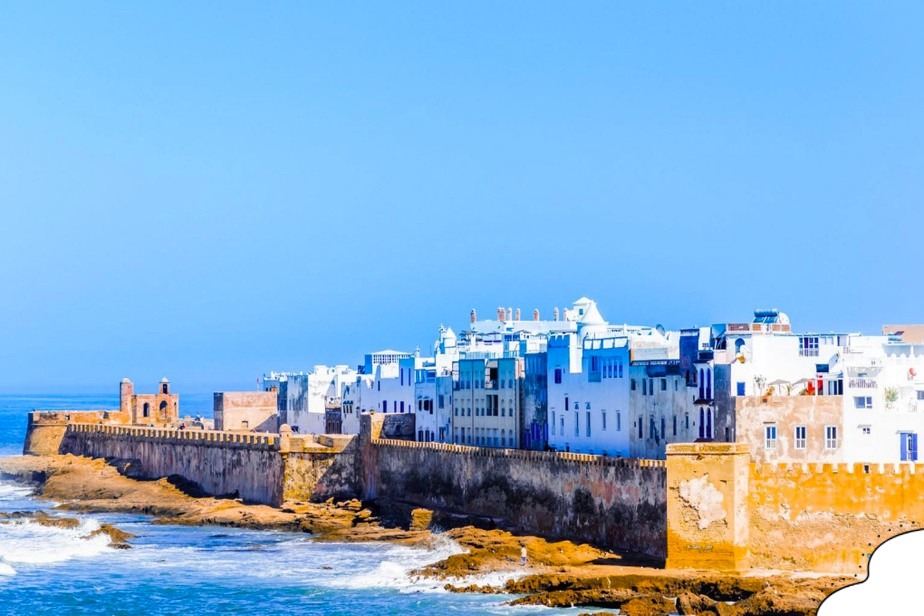
Essaouira, located on Morocco’s Atlantic coast, is one of the most popular destinations for windsurfing enthusiasts. Its consistent winds, wide sandy beaches, and vibrant cultural atmosphere make it an ideal location for both beginners and advanced windsurfers. Whether you are taking your first lessons or looking to improve your skills, Essaouira provides the perfect combination of natural conditions and professional instruction. This guide covers everything you need to know about windsurfing lessons in Essaouira, including top schools, lesson structure, accommodation, and tips for a successful experience.

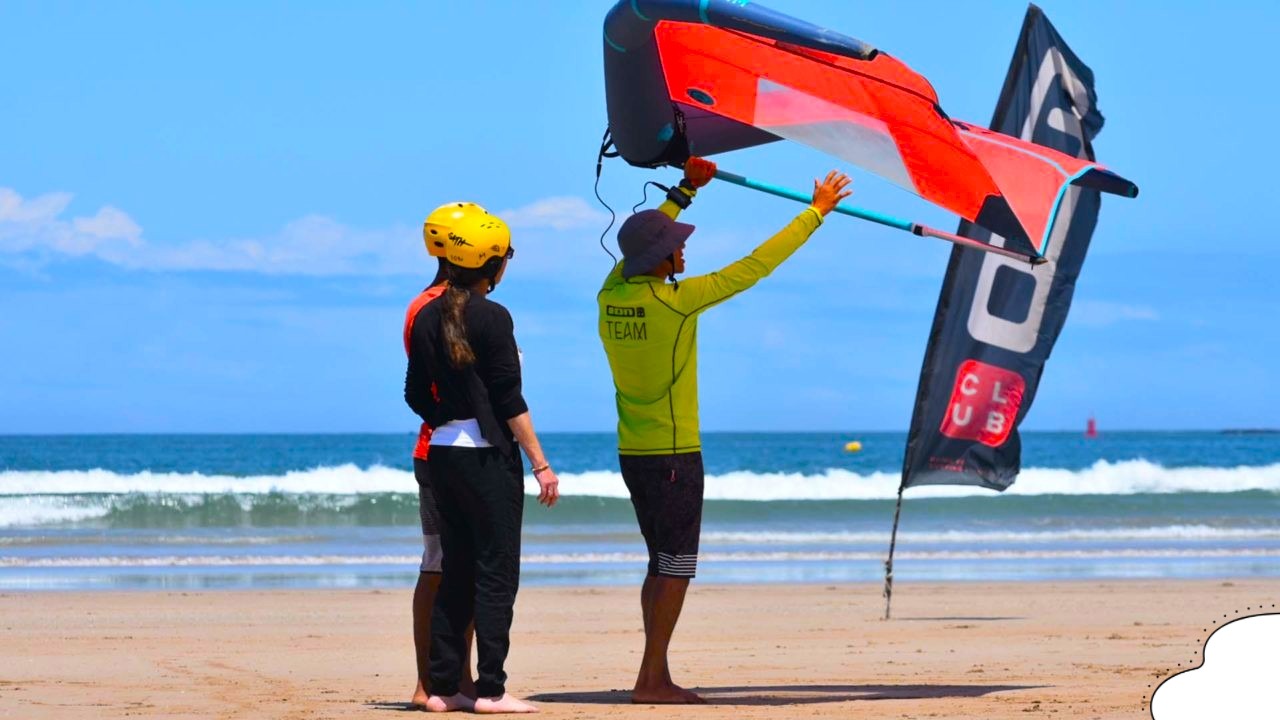
Windsurfing Lessons in Essaouira with scenic beach and Atlantic Ocean views

Why Essaouira is Perfect for Windsurfing

Ideal Wind Conditions

Essaouira benefits from reliable side-shore winds, particularly from April to October. Morning winds are gentle, making them perfect for beginners, while afternoon winds can reach up to 30 knots, providing a challenging environment for advanced windsurfers. These consistent conditions make Essaouira an excellent location for learning and practicing windsurfing.

Varied Learning Locations

The city offers a range of locations to accommodate all skill levels. The central bay provides calm waters for beginners to learn safely, while Moulay Bouzerktoun presents stronger waves for advanced surfers seeking a challenge. This variety allows learners to progress gradually and build confidence, ensuring a rewarding experience.

Professional and Certified Instructors

Most windsurfing schools in Essaouira employ VDWS-certified instructors. These professionals provide structured lessons with a strong focus on safety and skill development. Personalized instruction ensures that each student receives guidance tailored to their ability, helping them progress efficiently while enjoying the sport.

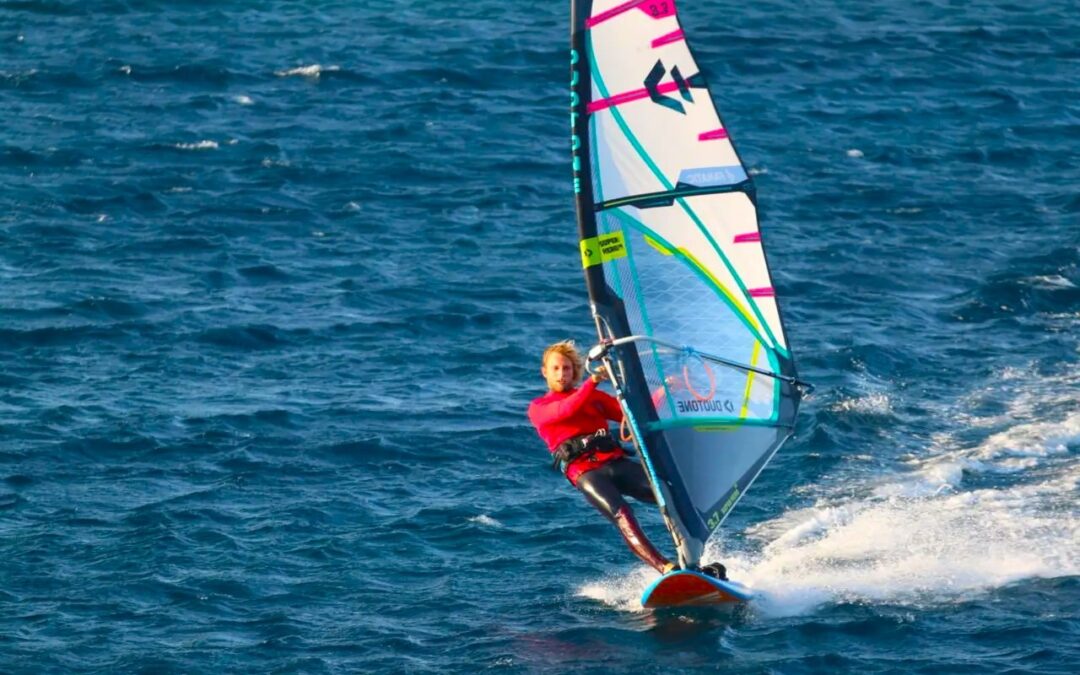
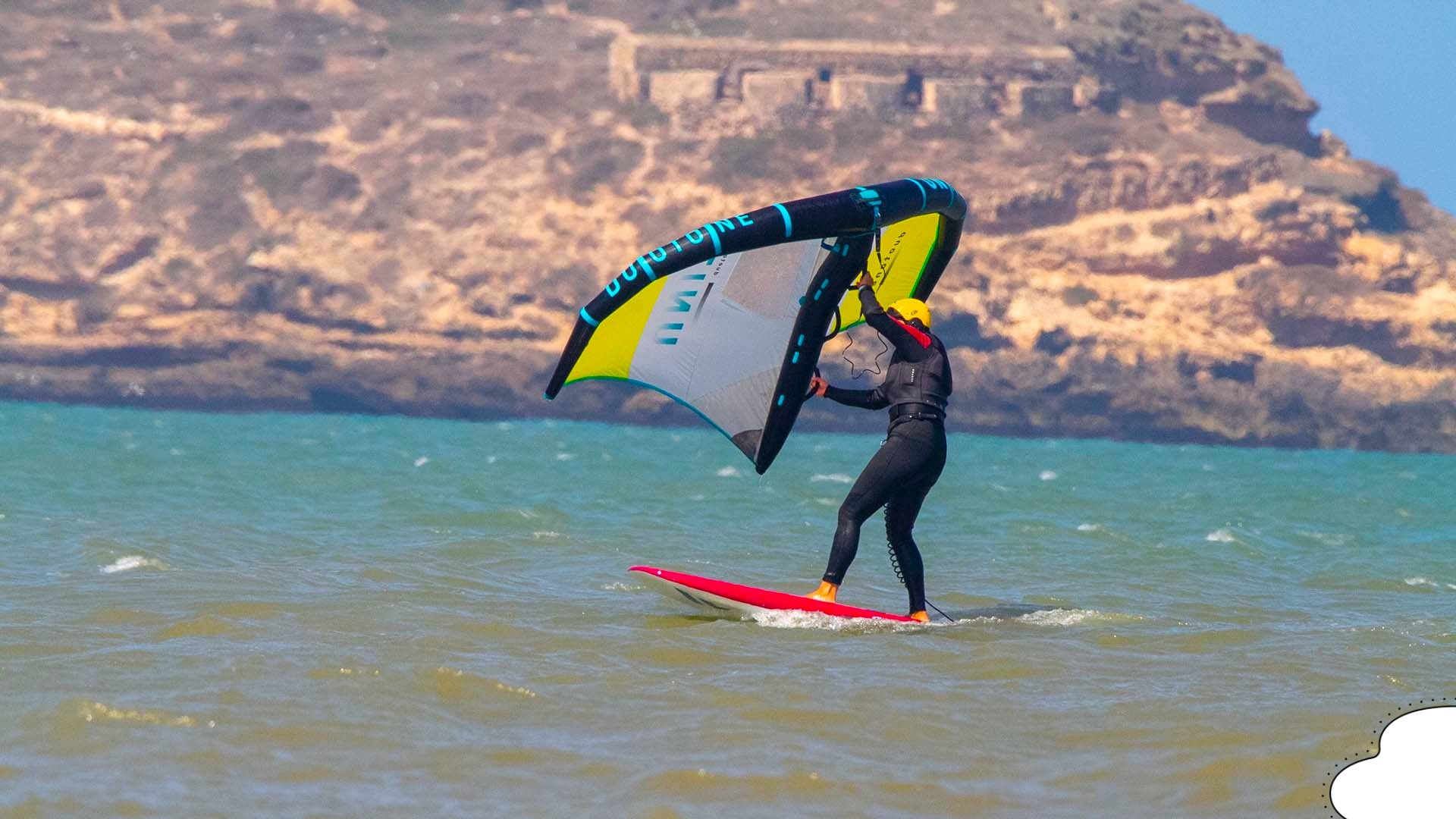
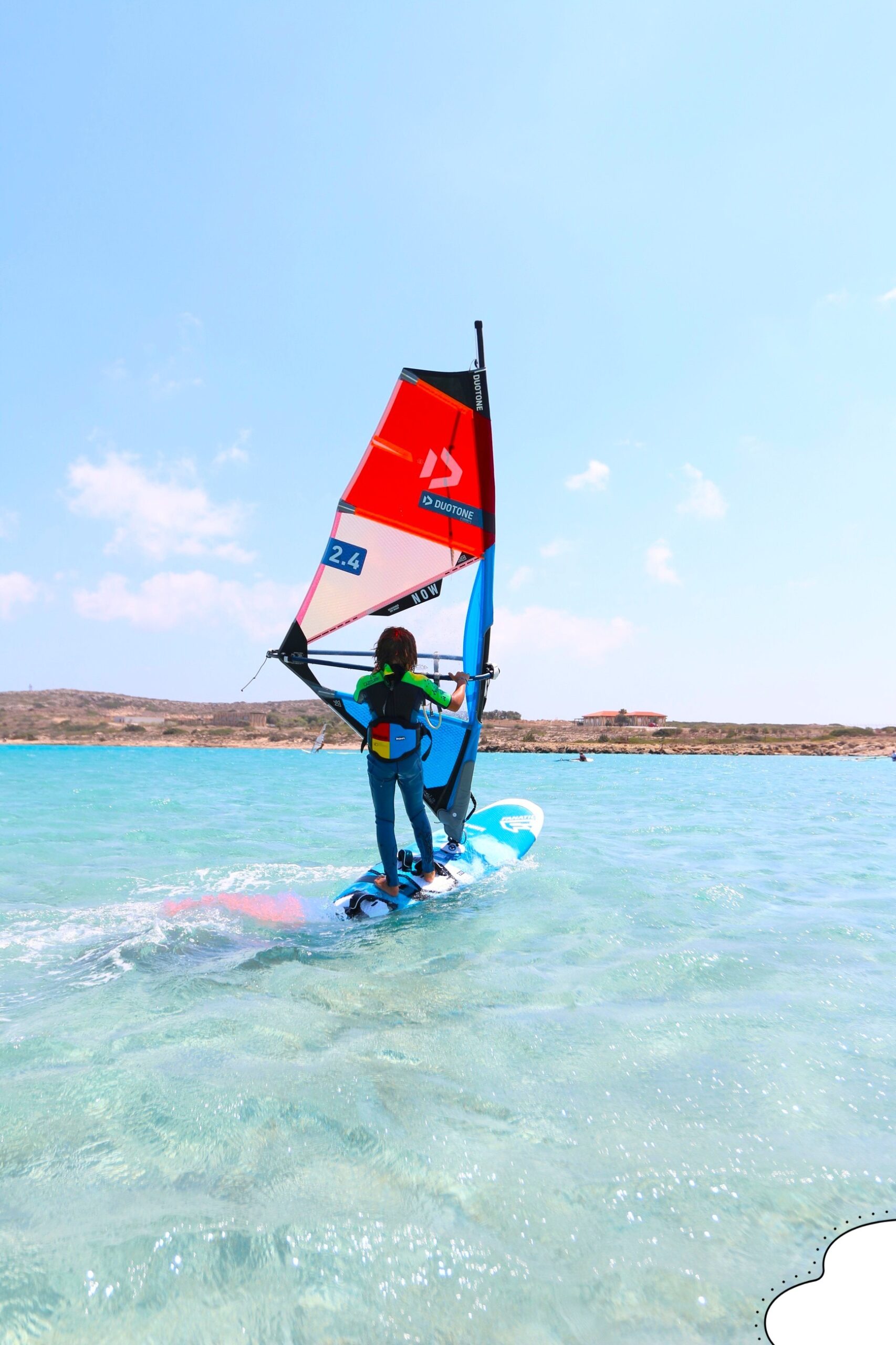
Advanced Windsurfing Lessons in Essaouira for skilled riders on the waves

Top Windsurfing Schools in Essaouira

Explora Watersports

Explora Watersports is located directly on the beachfront and provides lessons for all skill levels. The school offers high-quality boards and sails, ensuring students have a safe and enjoyable experience. Lessons combine theoretical guidance with practical on-water training, making it suitable for beginners and advanced learners alike.

ION CLUB Essaouira

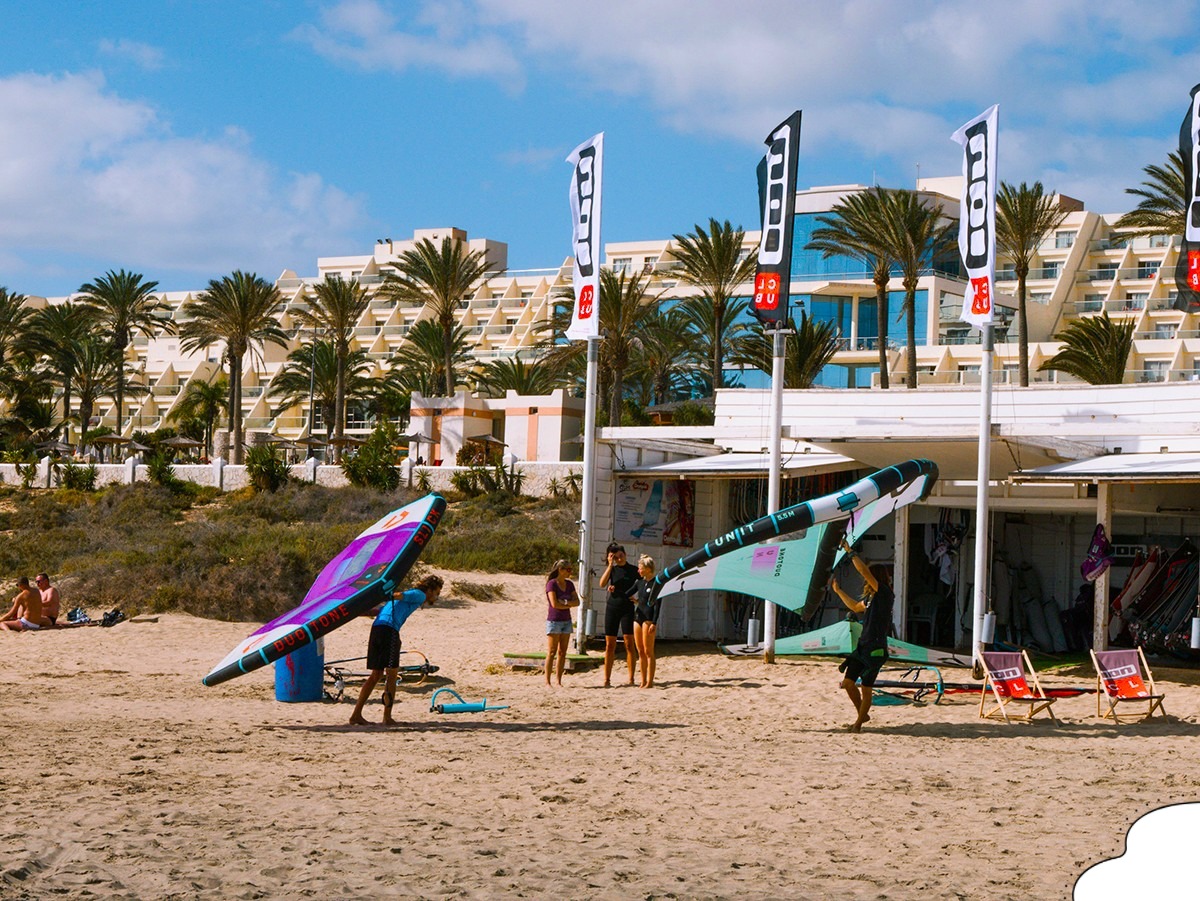
ION CLUB Essaouira is one of the most established windsurfing schools in Morocco. It offers private and small group lessons to provide focused, personalized instruction. Multilingual instructors and well-maintained equipment make learning accessible and enjoyable for international visitors.

Magic Fun Moulay

Magic Fun Moulay operates at Moulay Bouzerktoun, offering lessons for beginners, intermediate, and advanced windsurfers. Accommodation packages are available on-site, allowing students to stay close to the water and maximize their learning experience.

Windsurfing Lessons in Essaouira at ION CLUB Essaouira exterior view

Ocean Vagabond Essaouira

Ocean Vagabond focuses on individualized instruction, ensuring students progress at their own pace. VDWS-certified instructors assess skill levels and provide tailored feedback. Equipment is suited to each participant’s abilities, allowing learners to gain confidence and improve efficiently.

Don’t miss our blog about Best Moroccan Cities to Soak Up the Sun in Winter

Windsurfing Lessons in Essaouira at Ocean Vagabond Essaouira exterior view

What to Expect During Your Windsurfing Lesson

A windsurfing lesson in Essaouira is designed to combine theoretical knowledge with practical experience:

  1. Introduction to Equipment: Students learn about boards, sails, harnesses, and safety gear. Proper understanding of equipment is critical for both performance and safety.

  2. Basic Techniques: Lessons cover balance, sail control, steering, and stance. Beginners gain confidence by practicing these essential skills in calm waters.

  3. On-Water Practice: Learners apply techniques under instructor supervision. Lessons progress gradually, starting in shallow waters and moving to more challenging conditions as skills improve.

  4. Feedback and Review: Instructors provide personalized guidance to enhance performance and build confidence.

Most schools organize lessons in 2-hour sessions, with options for multi-day packages to accelerate learning.

Beginner learning during Windsurfing Lessons in Essaouira on the Atlantic coast

Accommodation Options for Windsurfers

Many windsurfing schools offer or recommend accommodations close to the learning locations. Magic Fun Moulay provides on-site rooms for convenience, while other schools suggest nearby hotels and traditional riads. Staying near the beach reduces travel time and allows learners to take advantage of early morning sessions when the winds are calmest. This convenience ensures students can maximize practice time and fully enjoy their windsurfing experience.

Tips for Beginners

  • Start Early: Morning sessions provide gentle winds suitable for learning.

  • Wear Proper Gear: A wetsuit, harness, and life jacket ensure safety and comfort.

  • Stay Hydrated: The Moroccan sun can be strong; regular hydration is important.

  • Be Patient: Progress comes with consistent practice and persistence.

Follow Safety Guidelines: Always listen to instructors and adhere to safety protocols.

Experience the Thrill of Windsurfing Lessons in Essaouira!

Experience the excitement of the Atlantic coast with Windsurfing Lessons in Essaouira. Learn from VDWS-certified instructors, improve your skills on calm morning waters or challenging afternoon waves, and enjoy a safe, structured, and unforgettable adventure. Whether you’re a beginner or an advanced rider, Windsurfing Lessons in Essaouira guarantee fun, learning, and lasting memori

Combining Windsurfing with Local Experiences

Windsurfing in Essaouira can also be paired with cultural and leisure activities:

  • Explore the Medina: Essaouira’s medina is UNESCO-listed and features traditional markets, artisan shops, and historic architecture.
  • Sample Local Cuisine: After lessons, visitors can enjoy fresh seafood and traditional Moroccan dishes at local restaurants along the coast.
  • Attend Festivals: Planning your visit around events such as the Gnaoua World Music Festival can combine cultural enrichment with your sporting activities.

Frequently Asked Questions (FAQs)

Do I need prior experience to take windsurfing lessons in Essaouira?
No. Many schools provide beginner-friendly lessons that teach all necessary skills from scratch.

How long is a typical windsurfing session?
Most lessons last about 2 hours, with multi-day packages available for faster skill development.

Is windsurfing safe in Essaouira?
Yes. With certified instructors, proper equipment, and adherence to safety guidelines, windsurfing is safe for both beginners and advanced learners.

What should I wear during a windsurfing lesson?
A wetsuit, life jacket, and harness are recommended. Protective clothing and sunblock are also advisable.

Enjoying the waves during Windsurfing Lessons in Essaouira

Conclusion

Essaouira is one of the best destinations for windsurfing in Morocco. Its consistent winds, diverse learning environments, and professional instructors make it ideal for both beginners and advanced learners. By choosing a certified school, following safety guidelines, and planning your visit during the optimal season, you can ensure a safe, enjoyable, and memorable windsurfing experience. Schools in Essaouira provide the equipment, guidance, and support necessary for a rewarding adventure, making this coastal city a premier destination for windsurfing enthusiasts.

Luxury Riads in Marrakech Medina: Discover Authentic Moroccan Elegance

Luxury Riads in Marrakech Medina: Discover Authentic Moroccan Elegance

Luxury Riads in Marrakech Medina: Discover Authentic Moroccan Elegance

Marrakech is a city of colors, aromas, and history, where the vibrant medina teems with life at every corner. Among its winding streets, traditional Moroccan houses called riads offer a unique combination of heritage, luxury, and tranquility. Staying in a luxury riad in Marrakech Medina is more than just accommodation—it’s an immersive experience into Moroccan architecture, hospitality, and culture. In this article, we explore the top luxury riads in Marrakech Medina, what makes them exceptional, and tips for choosing the perfect riad for your stay.

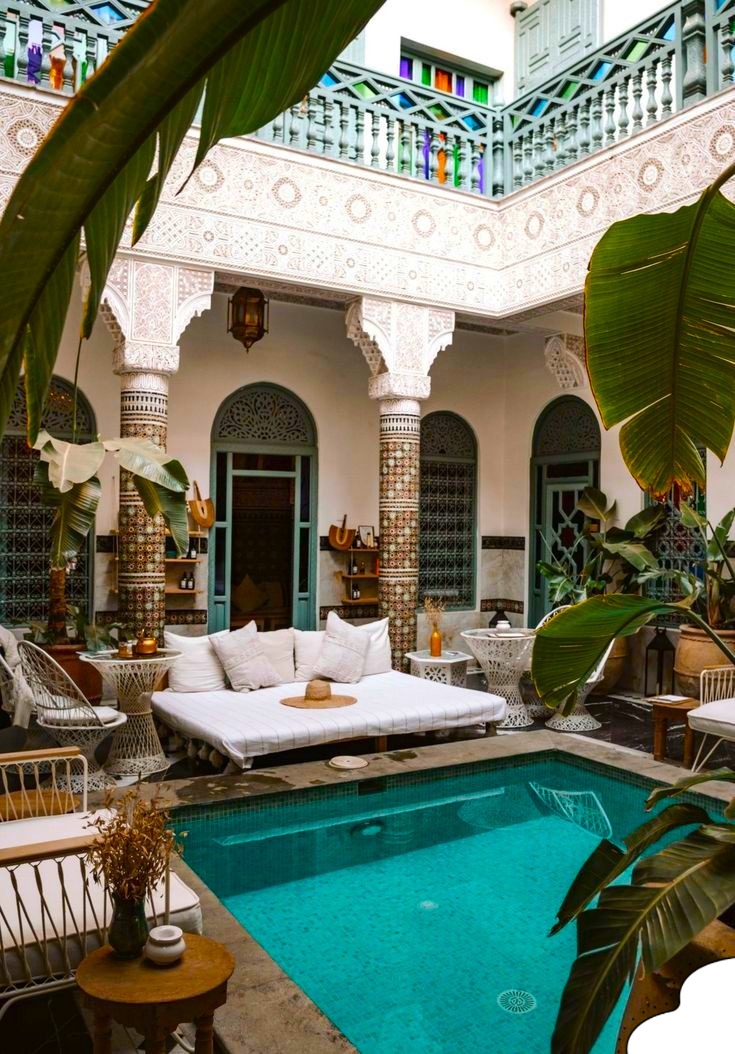
Luxury Riads in Marrakech Medina interior with Moroccan décor and elegant seating

Why choose a luxury riad in Marrakech Medina?

Opting for a luxury riad in Marrakech Medina provides an experience that goes beyond a typical hotel stay.

Authentic Moroccan charm

Riads are traditional Moroccan homes with inward-facing courtyards, often adorned with fountains, intricate tiles, and lush gardens. They capture the essence of Moroccan architecture while offering modern comfort.

Privacy and tranquility

Unlike bustling hotels, riads provide peaceful sanctuaries in the heart of the medina. Behind traditional wooden doors, you’ll find quiet courtyards, private terraces, and rooms designed for relaxation.

Personalized service

Luxury riads are known for attentive service. Many offer personal chefs, private guides, and concierge services to help you explore Marrakech in style.

Cultural immersion

Staying in a riad allows you to experience Moroccan life firsthand—from mint tea on the terrace at sunset to observing local craftsmanship in decorative tiles and woodwork.

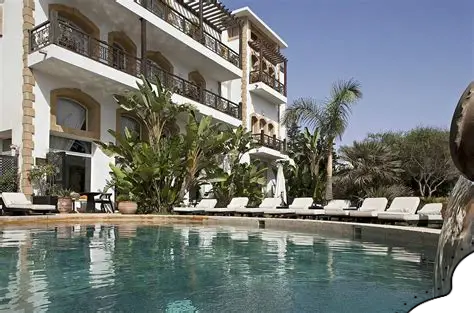
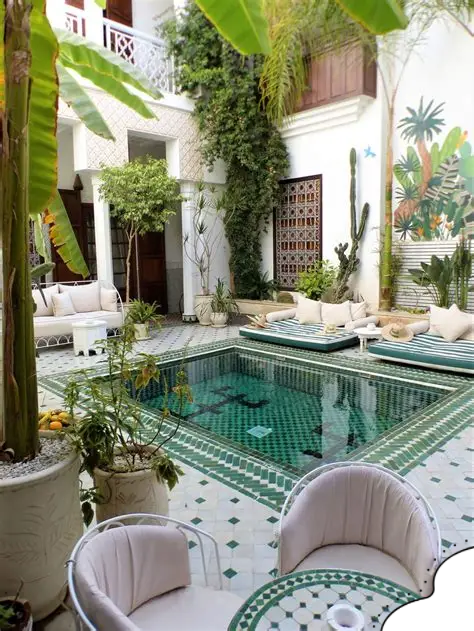
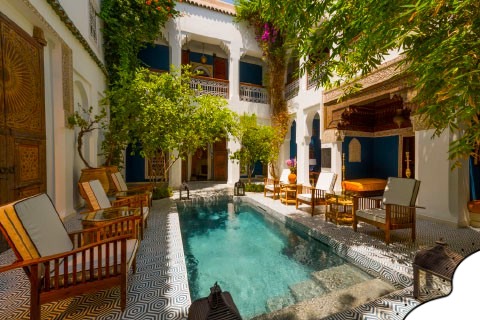
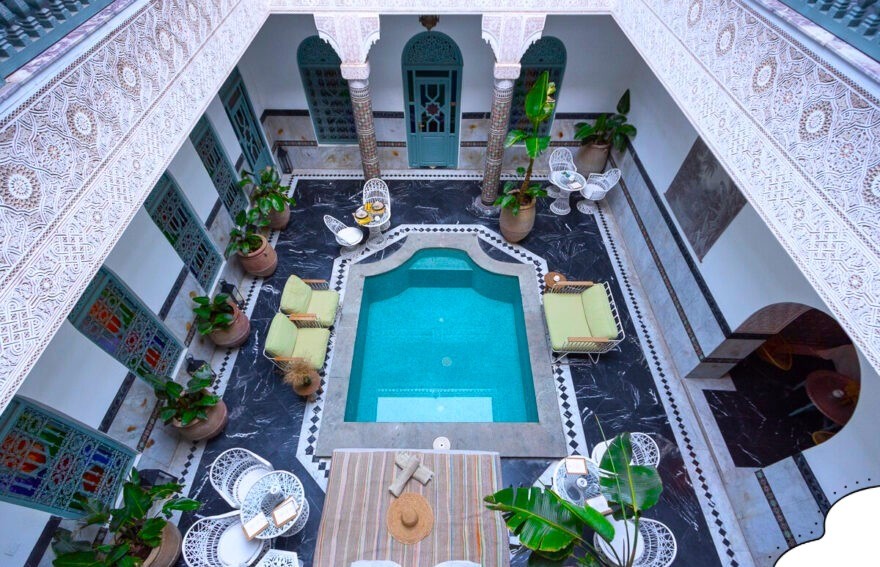
Luxury Riads in Marrakech Medina swimming pool surrounded by Moroccan-style architecture
Luxury Riads in Marrakech Medina lounge area with comfortable Moroccan-inspired décor

What makes a riad “luxury”?

Luxury in a Marrakech riad is not only about lavish interiors; it’s about the combination of comfort, design, and experience.

  • Design and architecture: High ceilings, hand-painted zellij tiles, carved cedar wood, and traditional Moroccan fabrics.
  • Amenities: Private plunge pools, rooftop terraces, spa facilities, and gourmet dining.
  • Location: Riads in the heart of the medina provide easy access to souks, palaces, and cultural landmarks.
  • Service quality: Personalized attention, guided tours, and curated experiences elevate the stay.
Luxury Riads in Marrakech Medina dining space with elegant Moroccan design

Top luxury riads in Marrakech Medina

Here is a curated list of some of the most exceptional luxury riads in Marrakech Medina:

1. Riad Yasmine

Riad Yasmine is famous for its stunning courtyard with a turquoise pool surrounded by palm trees. Its chic interiors blend Moroccan tradition with contemporary elegance, making it ideal for Instagram-worthy moments. Guests praise its friendly staff, delicious breakfasts, and rooftop terrace views over the medina.

2. La Maison Arabe

La Maison Arabe is a legendary luxury riad offering spacious rooms, gourmet dining, and a renowned cooking school. Its central location in the medina ensures you’re within walking distance of the main souks, Jemaa el-Fna, and historical monuments. The spa and hammam services make it a perfect retreat after a day exploring Marrakech.

3. Riad Kniza

Riad Kniza combines traditional Moroccan décor with luxury amenities. This boutique riad is known for its personalized service, elegant rooms, and beautiful inner courtyard. Guests often highlight the warm hospitality and authentic Moroccan cuisine served in its dining area.

Interior of a luxury riad in Marrakech Medina with Moroccan décor and modern comfort

4. Riad BE Marrakech

Riad BE Marrakech offers contemporary luxury within a traditional Moroccan setting. With a rooftop terrace, private pool, and beautifully decorated rooms, it’s a favorite among travelers seeking a blend of modern comfort and authentic charm. The staff’s attention to detail ensures a memorable stay.

5. Riad Palais Sebban

Riad Palais Sebban is a historical riad restored to perfection. It features rich Moroccan tiles, spacious rooms, and a tranquil courtyard. Located near major medina attractions, it offers the convenience of city exploration alongside serene luxury.

6. Riad Dar Anika

Riad Dar Anika is a boutique gem, offering exquisite Moroccan décor, rooftop views, and a central medina location. Guests love the personalized service, cozy atmosphere, and the option of enjoying Moroccan cuisine prepared on-site.

7. Riad Kniza’s Sister Properties

Several riads managed by the same owners offer similar luxury experiences with subtle variations in décor and layout. These sister riads are perfect for travelers seeking consistency in service and ambiance while exploring different parts of the medina.

Don’t miss our article about Where to Go Wildlife-Watching in Morocco

Lounge area with Moroccan décor and comfortable seating in Marrakech Medina

How to choose the perfect riad in Marrakech Medina

With so many options, here’s how to pick the riad that fits your style:

Location

The medina is vast, so choose a riad near the souks, Jemaa el-Fna, or key attractions. A central location saves travel time and allows for easier exploration.

Amenities

Decide which amenities matter most: private pool, rooftop terrace, spa services, or gourmet dining. Some riads offer all, while others focus on boutique charm and authenticity.

Size and atmosphere

Boutique riads have fewer rooms, ensuring privacy and personal service, while larger riads may offer more facilities but a busier environment.

Reviews and recommendations

Guest feedback provides insight into service quality, cleanliness, and overall experience. Look for consistent praise in hospitality, comfort, and authenticity.

Price

Luxury riads vary in price depending on location, season, and services. Compare rates while keeping in mind that added amenities and personalized service often justify a higher cost.

Luxury Riads in Marrakech Medina relaxing area with luxurious Moroccan ambiance

Experiences you can enjoy in luxury riads

Staying in a luxury riad in Marrakech Medina is about more than accommodation; it’s about experiences:

  • Traditional Moroccan meals: Enjoy breakfast or dinner with tagines, couscous, and freshly baked pastries. Some riads offer cooking classes.
  • Spa and hammam sessions: Relax with a traditional Moroccan hammam, massage, or beauty treatment.
  • Rooftop relaxation: Watch the sunset over the medina from a rooftop terrace.
  • Cultural immersion: Participate in Moroccan tea ceremonies, henna sessions, or local crafts workshops.

Guided tours: Many riads arrange tours to Marrakech landmarks, the Atlas Mountains, or nearby desert excursions.

Experience the Luxury of Marrakech Medina!

Step into the world of Luxury Riads in Marrakech Medina and immerse yourself in elegance, comfort, and authentic Moroccan charm. Relax in beautifully designed interiors, enjoy exquisite Moroccan cuisine, take in stunning city views, and experience the vibrant culture of the Medina. Perfect for couples, families, and travelers seeking a luxurious and unforgettable Moroccan experience.

Practical tips for your riad stay

  • Book in advance: Luxury riads are popular, especially in peak tourist seasons. Advance booking ensures availability.

  • Communicate your preferences: Let the riad know if you have dietary restrictions, special requests, or celebration plans.

  • Check transport options: Some riads provide airport pick-ups or car service within the medina.

  • Dress modestly: While staying in a private riad, casual attire is fine, but be mindful when exploring public areas of the medina.

Embrace the experience: Take time to enjoy the courtyard, terraces, and local ambiance—riads are designed for relaxation.

Elegant interior seating area in Marrakech Medina with Moroccan-inspired décor

Why Marrakech Medina is the ideal location

The medina is the beating heart of Marrakech, making it the perfect place to stay in a luxury riad:

  • Historic charm: Narrow streets, colorful souks, and hidden courtyards create an unforgettable atmosphere.
  • Central access: Walking distance to Jemaa el-Fna, Koutoubia Mosque, and palaces ensures convenience.
  • Cultural immersion: Stay within a living history museum—markets, artisans, and daily Moroccan life surround you.
  • Riad concentration: The medina is home to most of the city’s traditional riads, from boutique gems to top luxury establishments.

Conclusion

Staying in a top luxury riad in Marrakech Medina is more than just a place to sleep—it’s an experience that combines comfort, heritage, and personalized service. From tranquil courtyards and rooftop terraces to traditional Moroccan décor and gourmet meals, luxury riads offer a perfect blend of elegance and authenticity.

Whether you’re exploring the medina’s bustling souks, relaxing in a serene riad courtyard, or enjoying a traditional hammam, a luxury riad stay ensures your Marrakech visit is unforgettable. Choose your perfect riad, immerse yourself in Moroccan culture, and savor the charm of Marrakech from the heart of its historic medina.

Marrakech to Merzouga Road Trip: The Complete Guide to Morocco’s Best Journey

Marrakech to Merzouga Road Trip: The Complete Guide to Morocco’s Best Journey

Marrakech to Merzouga Road Trip: The Complete Guide to Morocco’s Best Journey

The Marrakech to Merzouga Road Trip is one of the most spectacular journeys in all of Morocco — a route that takes you from the vibrant streets of Marrakech, across the dramatic High Atlas Mountains, through ancient kasbahs and lush oases, and finally into the golden dunes of the Sahara Desert. Few travel experiences offer such a striking transformation of landscapes in a single trip.

This journey isn’t just about reaching Merzouga; it’s about everything you’ll discover along the way: panoramic mountain passes, UNESCO-listed ksour, cinematic desert towns, winding valleys, and some of the most impressive natural formations in Morocco. Whether you’re a first-time visitor looking for the classic Morocco experience or a seasoned traveler craving adventure, this road trip offers a perfect blend of culture, scenery, and unforgettable moments.

In this complete guide, you’ll find the best routes, must-see stops, ideal itinerary, travel tips, and everything you need to plan the ultimate Marrakech to Merzouga Road Trip.

Why Take the Marrakech to Merzouga Road Trip?

The Marrakech to Merzouga Road Trip is far more than just a drive from Morocco’s Red City to the Sahara Desert — it is a full-fledged travel experience, offering striking landscapes, rich cultural encounters, and some of the country’s most iconic landmarks. Along this route, travelers pass through an extraordinary variety of scenery, from lush valleys dotted with mountain villages to the towering peaks of the High Atlas. Rugged canyons and dramatic rock formations give way to long stretches of palm-filled oases, culminating in the golden dunes of Erg Chebbi near Merzouga. Few journeys in the world offer such dramatic and continuous changes in landscape, making every mile a visual adventure.

Beyond the scenery, this road trip immerses travelers in Morocco’s vibrant cultural tapestry. You’ll drive through traditional Berber villages, explore centuries-old mud-brick kasbahs, and wander markets that still operate according to time-honored traditions. Each region along the route has its own unique identity and charm, ensuring that the journey itself is as meaningful as the destination.

The route also encompasses some of Morocco’s most famous landmarks. Highlights include the winding Tizi n’Tichka Pass through the High Atlas, the UNESCO-listed ksar of Ait Benhaddou, the Ouarzazate film studios, the dramatic landscapes of Dades Valley and Todra Gorge, and finally the breathtaking Sahara dunes of Merzouga. Each stop adds a new layer of discovery, blending natural beauty, history, and culture into a single unforgettable experience.

This road trip is flexible enough to suit every travel style. Whether you prefer luxury accommodations, boutique guesthouses, private drivers, or authentic desert camping, the journey accommodates adventure lovers, photographers, couples, families, and cultural explorers alike. Driving from Marrakech to Merzouga provides a gradual and unforgettable transition into the desert — from the cool mountain air to warm oases, ending at the iconic golden dunes — making it the ultimate way to reach and experience the Sahara.

How Long Is the Road Trip? (Best Duration)

The Marrakech to Merzouga Road Trip covers approximately 560 km, but it’s not a journey to rush. The real beauty of this route lies in the panoramic stops, cultural sites, and dramatic landscapes you’ll encounter along the way. How much you enjoy the trip largely depends on how much time you dedicate to it. For most travelers, a 3–4 day itinerary is ideal. This duration allows you to explore kasbahs and gorges without feeling rushed, visit lush palm valleys and traditional Berber villages, enjoy scenic viewpoints along the way, arrive in Merzouga in time for a spectacular sunset, and even spend a night in a desert camp under the stars.

For travelers with limited time, a fast 2-day trip is possible but very intense, involving long driving hours and minimal sightseeing. This option is best suited for those looking to reach the Sahara quickly. On the other hand, a 3–4 day journey is the sweet spot, offering enough time to explore iconic sites such as Ait Benhaddou, Ouarzazate, the Dades or Todra Gorge, Erfoud or Rissani, and to enjoy a sunset camel trek in Merzouga. For slow travelers, photographers, or families seeking a more relaxed experience, an extended 5+ day trip is perfect. This allows for additional exploration of the Valley of Roses, Nkob and the Draa Valley, extra hikes in Todra Gorge, and desert activities like 4×4 dune tours or visits with nomadic families.

Timing your trip also makes a significant difference. Spring (March–May) offers ideal temperatures throughout the route, while autumn (September–November) brings warm days and cooler nights. Winter is beautiful but can be cold at night in both the desert and mountains, and summer can be extremely hot, especially in Merzouga, with temperatures reaching 40–48°C. Choosing the right season ensures a comfortable, memorable, and safe journey across Morocco’s stunning landscapes.

Best Time to Travel

Choosing the right season for your Marrakech to Merzouga Road Trip can make a huge difference in comfort and enjoyment. Morocco’s climate varies dramatically along this route — from the snow-capped High Atlas Mountains to the scorching Sahara Desert — so timing matters.

Spring (March–May)

  • Temperatures are mild and pleasant across the route.

  • Mountains are still green, and desert days are warm but not extreme.

  • Ideal for photography, hiking, and desert activities.

Autumn (September–November)

  • Cooler than summer but still sunny.

  • Comfortable temperatures for driving, exploring kasbahs, and trekking.

  • Desert nights are crisp and perfect for stargazing.

Winter (December–February)

  • Mountain passes may be cold, and snow is possible at Tizi n’Tichka.

  • Desert days are sunny, but nights can be very cold (0–5°C).

  • Fewer tourists, so it’s a quieter experience.

Summer (June–August)

  • High Atlas temperatures are manageable, but desert areas like Merzouga can reach 45°C.

  • Recommended only for well-prepared travelers with plenty of water and sun protection.

  • Early morning and late evening activities are best to avoid heat.

By planning your trip in spring or autumn, you’ll enjoy the best combination of comfortable weather, fewer crowds, and breathtaking scenery along the way.

Route Overview: What You Will See

The Marrakech to Merzouga Road Trip is famous for its dramatic landscapes, historic towns, and cultural richness. Covering roughly 560 km, the journey takes you from the bustling city streets of Marrakech to the golden dunes of the Sahara, passing through some of Morocco’s most iconic sights. Here’s a detailed look at what you’ll experience along the way:

Marrakech – The Gateway to Your Adventure

  • Begin your journey in Marrakech, Morocco’s most vibrant city. Before leaving, take time to explore:

    • The Jemaa el-Fnaa square with its street performers, snake charmers, and spice vendors.

    • The labyrinthine souks, where artisans craft leather, metalwork, textiles, and pottery.

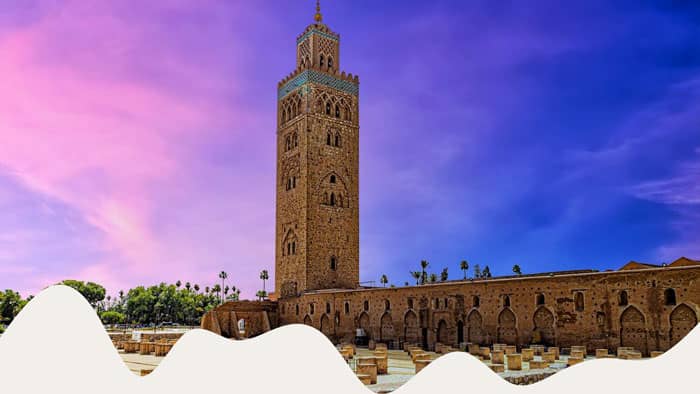
    • Historical sites like Bahia Palace or the Koutoubia Mosque.

  • Marrakech is not just a starting point — it’s the perfect place to immerse yourself in Moroccan culture before heading into more rural regions.

  • Departure tip: start early in the morning to avoid city traffic and enjoy cooler mountain temperatures later.

Marrakech to Merzouga Road Trip

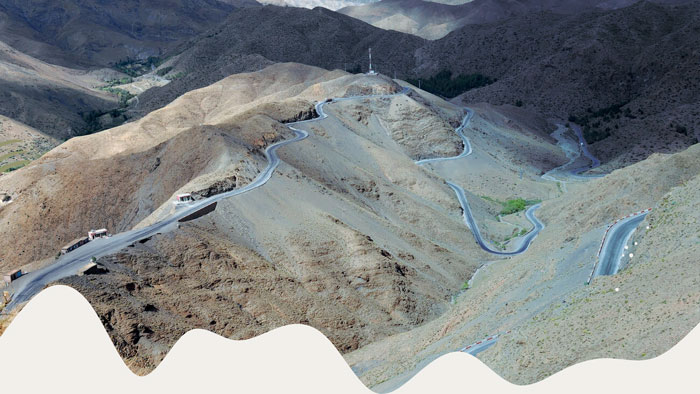
High Atlas Mountains & Tizi n’Tichka Pass – Majestic Mountain Drive

  • The road begins to climb into the High Atlas Mountains, winding through lush valleys and Berber villages.

  • Tizi n’Tichka Pass, at 2,260 meters, is the highest point on the route. Here:

    • The panoramic views are breathtaking: snow-capped peaks in winter, terraced farmlands in spring.

    • Small local stalls sell handcrafted Berber carpets, jewelry, and teas — a perfect chance for a cultural pause.

  • Driving tips: roads are narrow and curvy. Take it slow, especially if you’re not used to mountain passes.

  • Photographers will find endless vistas: sun-drenched valleys, winding roads, and scattered Berber houses made of mud-brick.

Marrakech to Merzouga Road Trip

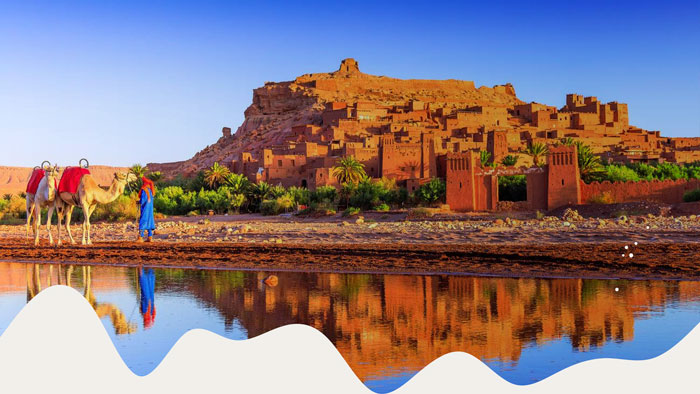
Ait Benhaddou – Morocco’s Timeless Kasbah

  • This UNESCO World Heritage site is one of Morocco’s most iconic locations.

  • The ksar is a fortified village made of reddish clay, perched on a hill overlooking the Ounila River.

  • What to do:

    • Walk the alleys and explore the granaries.

    • Climb to the top for panoramic views of the surrounding desert plains.

  • Fun fact: Ait Benhaddou has been featured in films like Gladiator, The Mummy, and Game of Thrones.

  • Best visiting tip: stop mid-morning or late afternoon for optimal light and fewer tourists.

UNESCO World Heritage Sites in Morocco

Ouarzazate – The Desert’s Hollywood

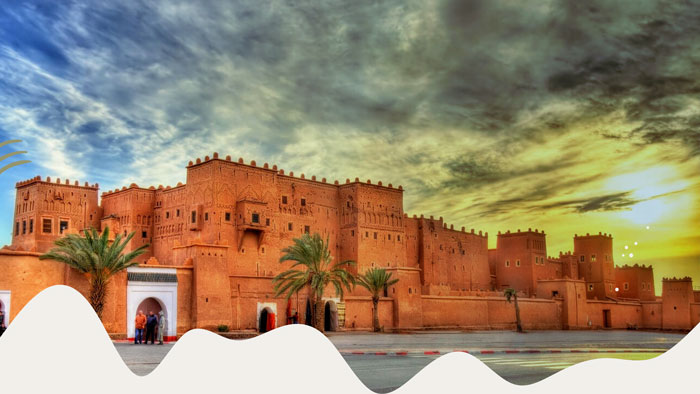
  • Known as “The Hollywood of Africa”, Ouarzazate has massive film studios and beautiful kasbahs.

  • Must-sees:

    • Taourirt Kasbah, an ancient fortress with intricate architecture.

    • Local markets and cafes, perfect for a lunch break.

  • Driving note: Ouarzazate marks the transition from the mountains to the desert valleys — notice the change in vegetation and climate.

  • Optional adventure: take a guided tour of the Atlas Studios where movies like Kingdom of Heaven were filmed.

Hidden villages of the Atlas Mountains

Skoura & Dades Valley – Palm Groves and Dramatic Gorges

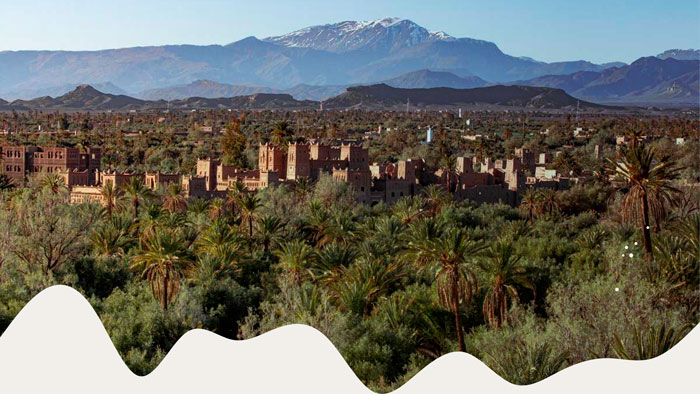
  • Skoura is a peaceful oasis with hundreds of date palms and traditional kasbahs. A walk through the palm groves offers a glimpse into daily rural Moroccan life.

  • Dades Valley:

    • Known as the “Valley of a Thousand Kasbahs”, this stretch is famous for its jagged cliffs, winding roads, and unique rock formations, including the Monkey Fingers.

    • Ideal for sunrise or sunset photography — the play of shadows on the red cliffs is mesmerizing.

  • Tips: stop at small roadside cafés for mint tea and traditional pastries; locals are welcoming and often eager to share their stories.

Hidden villages of the Atlas Mountains

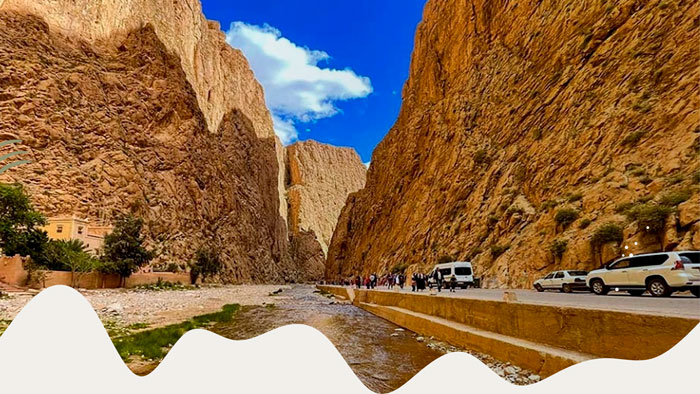
Todra Gorge – Towering Limestone Cliffs

  • A natural wonder where cliffs soar up to 400 meters, forming a dramatic canyon.

  • Activities:

    • Walk along the Todra River, surrounded by sheer rock walls.

    • Optional climbing or hiking for the adventurous.

    • Enjoy a tea in a small café run by a Berber family — the perfect cultural experience.

  • Driving note: The road through the gorge is narrow but scenic, offering countless photo stops.

Hidden villages of the Atlas Mountains

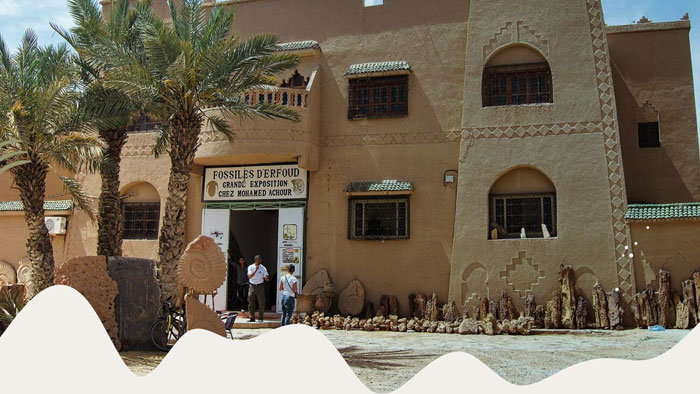
Erfoud & Rissani – Desert Culture and Fossils

  • As you approach the edge of the Sahara, landscapes shift to rocky plains dotted with acacia trees.

  • Erfoud: famous for its fossil workshops — a glimpse into Morocco’s prehistoric past.

  • Rissani: historic desert town with lively souks and markets.

  • Explore local spices, dates, and traditional crafts.

  • Cultural tip: Rissani is considered the starting point of many desert caravans — a hub of Saharan tradition.

Hidden villages of the Atlas Mountains

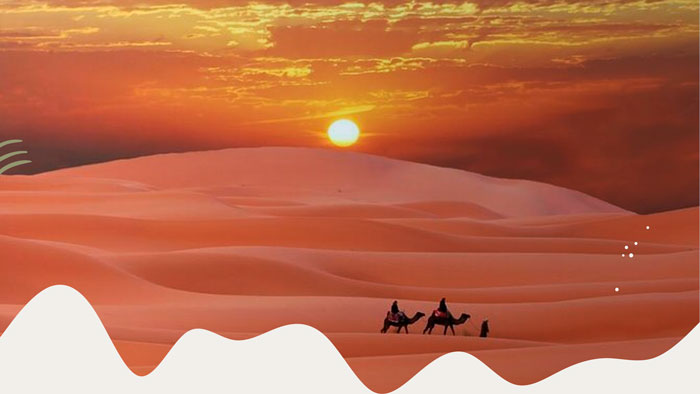
Merzouga & Erg Chebbi Dunes – The Sahara Experience

  • Your journey culminates at Merzouga, gateway to Erg Chebbi, Morocco’s tallest dunes.

  • Activities:

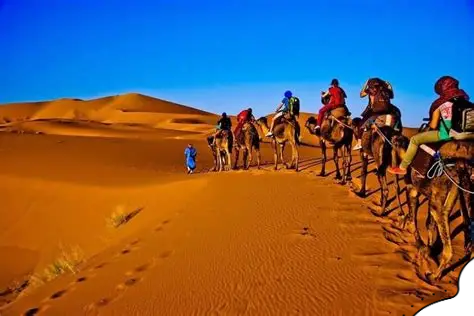
    • Camel trek into the dunes for sunset or sunrise.

    • Overnight in traditional desert camps, from luxury tents to authentic Berber-style accommodations.

    • Star gazing: the desert sky is exceptionally clear, perfect for photography or simply enjoying the vastness.

  • Experience the silence, golden sands, and dramatic landscapes that make the Sahara one of the most unforgettable destinations in the world.

This road trip isn’t just a drive — it’s a story of Morocco’s soul, where every village, valley, and dune has a tale to tell. Travelers leave not only with photos but with memories of the diverse landscapes, local culture, and the ever-changing scenery that makes this route legendary.

Hidden villages of the Atlas Mountains

Day-by-Day Itinerary (Detailed)

Day 1: Marrakech to Ouarzazate via Tizi n’Tichka Pass and Ait Benhaddou

Begin your journey early in the morning from Marrakech to avoid city traffic and enjoy cooler mountain temperatures. The drive takes you into the High Atlas Mountains, where the winding road leads to the dramatic Tizi n’Tichka Pass, rising to 2,260 meters. Here, panoramic views of snow-capped peaks in winter or green valleys in spring make a perfect first stop. Small Berber stalls along the road offer handmade carpets and jewelry — a chance to support local communities. Continuing east, you can optionally visit Telouet Kasbah, a lesser-known fortress with stunning clay architecture. Next, arrive at the world-famous Ait Benhaddou, a UNESCO World Heritage site. Explore the ksar’s narrow alleys, climb to the hilltop for sweeping desert views, and capture iconic photos. The day ends in Ouarzazate, the “Hollywood of Africa,” where you can visit Taourirt Kasbah or relax in a comfortable hotel, preparing for the next day’s journey deeper into the desert.

Day 2: Ouarzazate to Erfoud via Skoura, Dades Valley, and Todra Gorge

From Ouarzazate, the road winds through the tranquil Skoura Oasis, where clusters of date palms and traditional kasbahs create a peaceful backdrop. Take a walk through the palm groves and visit Kasbah Amridil for a glimpse into Moroccan rural life. The drive continues through the dramatic Dades Valley, known as the “Valley of a Thousand Kasbahs,” where jagged cliffs and unique rock formations like the “Monkey Fingers” make for incredible photo opportunities, especially at sunset. Further along, you’ll reach Todra Gorge, where sheer limestone cliffs rise over 400 meters. Take a leisurely walk along the river, admire the canyon walls, or try beginner climbing for a touch of adventure. Finally, arrive in Erfoud and Rissani, where fossil workshops and traditional souks offer insight into desert culture. This area marks the transition from lush valleys to the edge of the Sahara, making it a fascinating and culturally rich stop.

Day 3: Erfoud to Merzouga and Erg Chebbi Dunes

The final stretch of the journey is relatively short but immensely rewarding. After a brief drive from Erfoud to Merzouga, stop at Rissani to explore its bustling desert market. Taste fresh dates, local bread, and spices while soaking in the vibrant atmosphere. Arriving at Merzouga, you’ll prepare for the highlight of the trip: the Erg Chebbi dunes. Mount a camel for a trek into the Sahara at sunset, where the sand turns golden and the horizon stretches endlessly. Spend the night in a desert camp, enjoying a traditional Berber dinner, live music, and breathtaking stargazing. Dress in layers, as desert nights can be surprisingly chilly, even after a hot day.
Optional Day 4: Full Desert Exploration

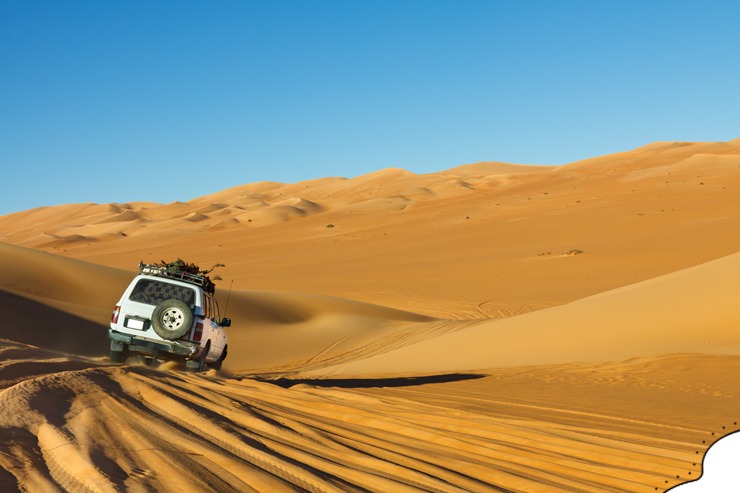
For travelers with extra time, spend a full day exploring the desert. Wake early for a sunrise trek over the dunes, photograph the soft morning light, and optionally take a 4×4 tour to nearby attractions such as Khamlia village or the expansive Erg Chigaga dunes. Meet nomadic families, try sandboarding, or simply enjoy the stillness of the desert. Return to Merzouga village in the afternoon before heading back or extending your adventure further into Morocco.

Top Highlights Along the Route

The Marrakech to Merzouga Road Trip is filled with unforgettable landmarks and natural wonders that make each stop along the way a unique experience. One of the first highlights is Tizi n’Tichka Pass in the High Atlas Mountains, where the road winds through rugged peaks and offers panoramic views of terraced valleys and traditional Berber villages. This is a perfect spot for photography and short hikes, with local artisans selling carpets, jewelry, and teas.

A short drive beyond the pass brings you to Ait Benhaddou, a UNESCO World Heritage site and Morocco’s most famous ksar. Its ancient mud-brick alleys, granaries, and hilltop viewpoints make it a photographer’s dream and a must-see for anyone interested in history or Moroccan architecture. The village has also been a backdrop for many films, giving it an almost cinematic atmosphere that feels timeless.

Ouarzazate, known as the “Hollywood of Africa,” is another highlight. Here, the towering Taourirt Kasbah showcases centuries-old mud-brick architecture, while Atlas Studios allows visitors to peek behind the scenes of some of the world’s most famous movies. The town itself provides a convenient stop for meals, fuel, and a taste of modern Moroccan desert life.

As you continue east, the Skoura Oasis and Dades Valley offer a completely different scenery — lush palm groves and striking rock formations. The Dades Valley, also called the “Valley of a Thousand Kasbahs,” is filled with winding roads, dramatic cliffs, and unique formations like the Monkey Fingers, making it ideal for sunrise or sunset photography. Todra Gorge is another natural wonder along this stretch, where sheer limestone cliffs soar hundreds of meters, forming a narrow canyon perfect for walks, short hikes, and adventure seekers who enjoy climbing.

Finally, the journey culminates at Merzouga and the Erg Chebbi dunes, one of the most iconic landscapes in Morocco. The massive golden dunes rise up to 150 meters, and a camel trek into the desert at sunset offers a magical, otherworldly experience. Spending the night in a traditional Berber camp provides an intimate connection with the desert, including stargazing under an impossibly clear sky. Along the way, smaller stops like Rissani’s markets, Erfoud’s fossil workshops, and remote nomadic villages give travelers a deeper understanding of the Sahara’s culture and history.

This combination of mountains, kasbahs, gorges, and dunes makes the Marrakech to Merzouga route a once-in-a-lifetime journey, where each stop adds layers of history, adventure, and natural beauty to the overall experience.

Plan Your Marrakech to Merzouga Road Trip Today

Start planning your Marrakech to Merzouga Road Trip today and embark on an extraordinary adventure through Morocco’s mountains, valleys, and deserts. For personalized itineraries, insider tips, or travel advice to make your journey seamless and unforgettable, contact us now and let us help you create memories that will last a lifetime.

Don’t just visit Morocco — live its hidden magic. Start planning your Atlas Mountain escape today!

What to Pack for the Marrakech to Merzouga Road Trip

Packing wisely is essential to fully enjoy the Marrakech to Merzouga Road Trip, as the journey spans mountains, valleys, and the Sahara Desert, each with its own climate and conditions. For the desert portion, light, breathable clothing is a must during the day, including long sleeves to protect against the sun and loose pants for comfort while walking on the dunes. Sunglasses, a wide-brimmed hat, and sunscreen are essential to protect your skin from strong UV rays. Desert mornings and evenings, however, can be surprisingly cold, so pack a warm jacket, layers, and a scarf or shawl to keep comfortable during sunrise camel treks or nighttime stargazing.

In the High Atlas Mountains, temperatures can drop quickly, especially at the Tizi n’Tichka Pass, so having warm clothing and sturdy shoes is crucial if you plan to stop for hikes or photography along the winding roads. Comfortable walking shoes or lightweight hiking boots are recommended for exploring kasbahs, gorges, and small villages, as paths can be uneven and rocky.

Other practical items include a refillable water bottle, snacks for long stretches between towns, and a small first-aid kit. For navigation, a reliable GPS or offline maps app is invaluable, as some desert roads are sparsely marked. Don’t forget a camera or smartphone with extra memory and batteries — this route is a photographer’s dream. Finally, pack modest clothing if you plan to enter mosques or local villages, respecting Moroccan cultural norms.

By planning your packing carefully, you’ll be ready to enjoy every moment of the journey, from the bustling streets of Marrakech and dramatic mountain passes to the golden serenity of the Sahara Desert.

Transportation Options

Traveling the Marrakech to Merzouga Road Trip can be an adventure in itself, and choosing the right mode of transportation is essential to enjoy the journey safely and comfortably. Many travelers opt for a self-drive car rental, which provides the ultimate flexibility to stop whenever you like for photos, hikes, or local experiences. A standard car is usually sufficient for the main roads, but if you plan to explore smaller desert tracks or remote gorges, a 4×4 vehicle is recommended. Driving in Morocco is generally safe, though mountain passes like Tizi n’Tichka can be winding and narrow, so it’s important to drive cautiously and allow extra time for unexpected stops.

For those who prefer a more relaxed experience, hiring a private driver is an excellent option. Local drivers are familiar with the roads, hidden stops, and best viewpoints, which allows you to focus entirely on sightseeing without worrying about navigation. This option is ideal for families, groups, or travelers who want a stress-free experience.

Another choice is to join a group tour, which often includes transport, accommodation, and guided visits to key highlights like Ait Benhaddou, Todra Gorge, and Merzouga. Group tours are perfect for solo travelers or those who prefer structured itineraries and local insights.

No matter which transportation method you choose, it’s important to plan your route ahead, check fuel availability (especially as you approach the desert), and ensure your vehicle is in good condition. With the right preparation, transportation can enhance the journey and make the Marrakech to Merzouga Road Trip a smooth, enjoyable adventure.

Accommodation Guide

The Marrakech to Merzouga Road Trip offers a wide range of accommodation options, from luxurious riads and boutique hotels to traditional desert camps and guesthouses, allowing travelers to choose based on comfort, style, and budget. In Marrakech, start your journey by staying in a traditional riad within the medina. These beautifully restored houses offer a peaceful retreat from the city’s bustling streets, with central courtyards, rooftop terraces, and authentic Moroccan décor. Popular mid-range options include Riad Palais Sebban or Riad Al Jazira, while luxury travelers can enjoy top-tier accommodations such as La Mamounia or Royal Mansour.

As you cross the High Atlas and arrive in Ouarzazate, you’ll find a selection of hotels and guesthouses that cater to both comfort and desert charm. Options like Ksar Ighnda or Hotel Le Fint offer comfortable rooms and easy access to nearby kasbahs and film studios. For those seeking more upscale stays, the Berber Palace Hotel provides luxury amenities with a Moroccan twist.

Moving east into the Skoura and Dades Valley, accommodations are often traditional kasbahs or boutique guesthouses that allow you to immerse yourself in the region’s culture. Auberge Le Festival in Todra Gorge or Kasbah Ait Youl offer warm hospitality, authentic cuisine, and easy access to scenic viewpoints and hiking trails.

Finally, in Merzouga, the accommodation experience shifts to the desert. Travelers can choose from traditional Berber tents, mid-range desert camps, or luxury desert lodges. Popular options include Erg Chebbi Nomad Camp for an authentic experience or Desert Luxury Camp for a higher-end stay with comfortable tents, private bathrooms, and full-service meals. Many desert camps also offer camel treks, sandboarding, and live music in the evening, providing an unforgettable night under the stars.

By carefully selecting accommodations along the route, you can balance comfort, adventure, and cultural immersion, ensuring that each night complements the extraordinary landscapes and experiences of your Marrakech to Merzouga Road Trip.

Costs & Budget Breakdown

Understanding the costs of the Marrakech to Merzouga Road Trip can help you plan your journey without surprises. The total budget will vary depending on your travel style, choice of accommodations, and activities along the route. For those self-driving, car rental is one of the largest expenses. A standard vehicle typically costs between €25–€50 per day, while a 4×4 is closer to €60–€90 per day. Fuel is generally affordable in Morocco, with the full route from Marrakech to Merzouga consuming approximately €40–€60 in petrol for a standard car, depending on stops and detours.
Accommodation costs vary widely along the route. In Marrakech, a mid-range riad will cost around €50–€80 per night, while luxury options can exceed €300. Ouarzazate and the Dades Valley offer mid-range hotels and guesthouses from €40–€70 per night, with boutique or kasbah-style stays slightly higher. Desert camps in Merzouga range from €30 for basic tents to €150–€250 per night for luxury experiences, which often include camel treks, traditional dinners, and entertainment.

Food and dining costs are generally reasonable, with street food and local cafés offering meals for €3–€7, while mid-range restaurants cost €10–€20 per person. Special experiences, such as a desert dinner under the stars or a guided trek, may add €20–€50 per activity. Additional costs include entrance fees to sites like Ait Benhaddou or kasbahs (€3–€5 each), parking, and optional guided tours.
By planning carefully and balancing budget, mid-range, and luxury choices, travelers can enjoy the Marrakech to Merzouga Road Trip comfortably. Even on a moderate budget, the route offers unforgettable landscapes, rich culture, and once-in-a-lifetime experiences that make the investment worthwhile.

Safety Tips for the Road Trip

The Marrakech to Merzouga Road Trip is an incredible adventure, but staying safe on the road and in the desert is essential to ensure a smooth journey. Driving in Morocco is generally safe, but mountain roads, such as those on the Tizi n’Tichka Pass, can be narrow, winding, and sometimes steep. Take your time, especially around sharp curves, and watch for oncoming traffic, livestock, or cyclists on rural roads. Daytime driving is strongly recommended, as some stretches have limited street lighting at night.

Weather is another important consideration. In the High Atlas Mountains, temperatures can drop quickly, and snow or ice may appear in winter months. In contrast, the Sahara Desert can reach extreme temperatures during summer, with scorching days and cold nights. Always carry sufficient water, sun protection, and warm layers for the desert nights.

When traveling in remote areas, such as Todra Gorge or Merzouga, ensure your vehicle is in good condition and that your fuel tank is full before leaving major towns. Mobile coverage can be limited in rural valleys and desert tracks, so having an offline map or GPS device is recommended.

Cultural safety is also important. Morocco is generally safe for tourists, but respecting local customs and traditions will prevent misunderstandings. Dress modestly when visiting villages, kasbahs, or religious sites, and always ask permission before photographing people. When engaging with local guides or camel operators, agree on prices in advance to avoid surprises.

By following these precautions and preparing for variable conditions, your Marrakech to Merzouga Road Trip will be safe, enjoyable, and unforgettable, allowing you to fully experience the beauty and culture of Morocco.

Conclusion: 

The Marrakech to Merzouga Road Trip is truly one of Morocco’s most unforgettable journeys, offering a perfect blend of adventure, culture, and natural beauty. From the bustling streets of Marrakech and the winding High Atlas passes to the ancient kasbahs of Ait Benhaddou, the dramatic Dades Valley, and finally the golden sands of Erg Chebbi, every moment of this route immerses you in Morocco’s diversity and charm. Along the way, you’ll encounter warm Berber hospitality, iconic landmarks, breathtaking landscapes, and experiences that stay with you long after the journey ends.

Whether you’re seeking adventure on camel treks, peaceful nights under the stars, or cultural immersion in remote villages, this road trip caters to every traveler’s dream. Planning ahead, choosing the right accommodations, and following safety and eco-friendly practices ensures a smooth, memorable, and responsible journey.

Map Out Your Marrakech to Merzouga Road Trip

Epic Off-Road 4×4 Adventure in the Sahara Desert – Unforgettable Desert Journey

Epic Off-Road 4×4 Adventure in the Sahara Desert – Unforgettable Desert Journey

Epic Off-Road 4×4 Adventure in the Sahara Desert – Unforgettable Desert Journey

For adventurous travelers seeking a combination of excitement, breathtaking landscapes, and cultural immersion, an off-road 4×4 adventure in the Sahara Desert is an unforgettable experience. Morocco’s vast Sahara, with its endless sand dunes, rugged plateaus, and traditional Berber villages, provides the perfect backdrop for a journey that is both thrilling and immersive. In this article, we’ll explore why an off-road 4×4 adventure is a must, what to expect, how to prepare, and tips for making your desert trip unforgettable.

Off-Road 4x4 Adventure in the Sahara Desert during a stunning sunset over sand dunes

Why choose an off-road 4×4 adventure in the Sahara Desert?

Taking an off-road 4×4 trip in the Sahara offers more than just a drive through the desert—it’s an experience that touches your senses, your sense of adventure, and your appreciation of Moroccan culture.

Thrill of the desert landscape

The Sahara is not just sand—it’s a world of shifting dunes, rocky plateaus, oases, and endless horizons. An off-road 4×4 adventure allows you to navigate areas that are inaccessible to regular vehicles, giving you a front-row seat to some of Morocco’s most dramatic natural scenery.

Immersion in Berber culture

Along the way, you may pass small Berber villages and meet local families. Your guides often share stories of desert life, traditional crafts, and survival skills, providing an authentic glimpse into a culture that has thrived in these harsh environments for centuries.

Flexibility and adventure

Unlike a standard tour, a 4×4 adventure gives you flexibility. You can explore dunes, salt flats, and remote areas at your own pace, with opportunities to stop for photography, short hikes, or even a camel ride along the way.

Perfect for thrill-seekers and families alike

Whether you’re an adrenaline junkie looking to tackle sand dunes or a family wanting a safe but exciting desert journey, 4×4 tours offer various difficulty levels, so everyone can enjoy the adventure.

Don’t miss our article about Hiking Mount Toubkal

Participants resting at a desert camp during an Off-Road 4x4 Adventure in the Sahara Desert

What to expect on an off-road 4×4 adventure

A typical off-road 4×4 adventure in the Sahara Desert is more than just a drive; it’s a multi-sensory journey.

Departure and journey through the landscape

Most adventures begin from a nearby city such as Merzouga or Zagora. Your guide will provide a brief orientation and safety instructions before you hit the desert tracks. Expect long stretches of sand, rocky tracks, and occasional winding paths between dunes.

Sand dunes and climbing challenges

The Sahara is famous for its dunes, particularly Erg Chebbi and Erg Chigaga. During your adventure, you’ll navigate towering dunes in a 4×4, feeling the thrill as the vehicle climbs, slides, and descends on the sandy slopes.

Oases and desert stops

Along the way, you’ll encounter hidden oases where date palms, small pools, or desert vegetation break the monotony of sand. These are perfect spots to stretch, take photos, and appreciate the delicate balance of desert life.

Sunset and sunrise experiences

Many 4×4 tours time their desert drives to coincide with sunset or sunrise. There’s nothing quite like watching the golden light paint the dunes in shades of orange and red—a truly magical experience that’s ideal for photography or quiet reflection.

Camp or desert bivouac

Some off-road 4×4 adventures include an overnight stay in the desert, either in a traditional Berber camp or luxury tents. Here, you can enjoy local food, music, and storytelling under a star-filled sky, making the journey unforgettable.

Driving across the iconic Erg Chebbi dunes during an Off-Road 4x4 Adventure in the Sahara Desert

Experience the Luxury of a Desert Camp in Morocco!

Step into the heart of the Sahara and indulge in comfort, adventure, and authentic Berber hospitality. Stay in elegant desert tents, dine under the stars, and explore the golden dunes on camelback. Whether you seek romance, serenity, or unforgettable memories, a Luxury Desert Camp Morocco experience awaits you.

How to prepare for your Sahara 4×4 adventure

Merzouga & Sahara Desert

Proper preparation ensures that your off-road 4×4 adventure in the Sahara Desert is safe, enjoyable, and memorable.

Dress appropriately

Wear lightweight, breathable clothes for the day and warmer layers for the evening, as desert temperatures can drop sharply at night. Sunglasses, a hat, and sunscreen are essential.

Footwear

Comfortable shoes or boots suitable for sand and rocky terrain are recommended. Avoid open-toed shoes when climbing dunes in a 4×4.

Essentials to bring

  • Water: staying hydrated in the desert is crucial.

  • Snacks: some tours provide meals, but carrying light snacks is a good idea.

  • Camera: you’ll want to capture the breathtaking scenery.

  • Small backpack: to keep essentials accessible while driving.

Health and safety

Listen carefully to your guide, especially during dune climbs and descents. 4×4 adventures can be physically demanding, and following instructions ensures everyone’s safety.

Timing your visit

The best time for a desert adventure is during spring or autumn, when temperatures are moderate. Summer can be extremely hot, while winter nights are cold.

Exploring the remote Erg Chigaga dunes during an Off-Road 4x4 Adventure

Typical desert route highlights

A Sahara 4×4 adventure often includes a variety of scenic and cultural highlights:

  • Erg Chebbi dunes: Iconic golden dunes near Merzouga, perfect for climbing and photography.

  • Erg Chigaga dunes: More remote and untouched, offering a quieter, more rugged experience.
  • Desert oases: Hidden pockets of greenery and life amidst the sand, often home to local nomadic families.

  • Berber villages: Small, traditional villages where guides can introduce you to Moroccan hospitality and handicrafts.

  • Salt flats and rocky plateaus: Dramatic landscapes that show the desert’s varied terrain.

Tips for a memorable adventure

  • Listen to your guide: Experienced guides know the desert and can navigate dunes safely.

  • Pack light but smart: Keep essentials handy, but don’t overload yourself.

  • Stay hydrated: Drink water regularly, even if you don’t feel thirsty.

  • Capture memories: Bring a camera or smartphone, but don’t forget to enjoy the moment firsthand.

  • Respect local customs: Dress modestly when visiting villages, and ask before taking photos of locals.

Pace yourself: Climbing dunes or long drives can be tiring, so rest when needed.

Watching a breathtaking sunset during an Off-Road 4x4 Adventure in the Sahara Desert

Why the Sahara Desert is perfect for a 4×4 adventure

The Sahara is the ideal setting for an off-road 4×4 adventure for several reasons:

  • Vast, varied landscapes: From towering dunes to rocky plains, there’s endless terrain to explore.
  • Cultural richness: Encounters with Berber communities provide a cultural dimension to the adventure.
  • Photogenic scenery: Every angle offers spectacular views for photography enthusiasts.
  • Unique experience: Few other places on Earth offer such a combination of adventure, natural beauty, and cultural immersion.

Conclusion

An off-road 4×4 adventure in the Sahara Desert is more than just a drive—it’s a journey into a world of vast landscapes, cultural encounters, and unforgettable memories. Whether you’re seeking thrills, photography opportunities, or a deeper understanding of Moroccan desert life, this adventure provides all of that and more.

Book a guided tour, pack your essentials, and get ready to navigate golden dunes, discover hidden oases, and enjoy starry desert nights. The Sahara Desert is waiting, and a 4×4 adventure is the best way to experience its magic.

Moroccan Cooking Class in Marrakech: Master the Flavors of Traditional Cuisine

Moroccan Cooking Class in Marrakech: Master the Flavors of Traditional Cuisine

Moroccan Cooking Class in Marrakech: Master the Flavors of Traditional Cuisine

If you’re planning a visit to Marrakech and want to dive deeply into Moroccan culture, a Moroccan Cooking Class in Marrakech is an experience you shouldn’t miss. Beyond the medina’s bustling souks and the call to prayer echoing through the old city, the kitchens of Marrakech offer a genuine taste of Morocco — and few ways are more immersive than participating in a Moroccan Cooking Class in Marrakech with a local chef. In this article, we’ll explore why such a class is a must, what to expect, how to choose the right one, what you’ll learn, and how to make the most of your culinary adventure.

Why choose a traditional Moroccan cooking class in Marrakech?

Taking a cooking class in Marrakech is not just about learning to make a dish—it’s about connecting with Moroccan culture, flavours and traditions.

Immerse yourself in Moroccan flavours

Moroccan cuisine is rich, colourful and aromatic. Think of tagines simmering with spices like cinnamon, cumin, saffron and ginger; the delicate sway of pastilla’s flaky pastry filled with meat and almonds; and the ever-present mint tea served with hospitality. A cooking class lets you touch, smell and taste these elements firsthand, rather than just ordering them at a restaurant.

Learn from local experts

In a traditional cooking class in Marrakech, you’ll often be guided by a local chef or home-cook who knows the rhythms of Moroccan home kitchens. They share not only recipes but stories, family traditions and kitchen secrets that you won’t find in a recipe book.

Enjoy an unforgettable experience

Beyond the food, the atmosphere matters. Many classes take place in charming riads (traditional Moroccan houses), or in markets where you go shopping for fresh produce. This multilayered experience enriches your stay in Marrakech and gives you a great story to tell.

Take home skills and memories

Once you’ve learned how to cook Moroccan dishes, you can bring those skills home. Friends and family will love the stories, the aromas and the results of a tagine or a couscous you learned to prepare.

Don’t miss our article about Campervan Travel Guide to Morocco

Preparing a traditional Moroccan tagine during a cooking class in Marrakech

What you can expect from the class

Here’s a general breakdown of how a typical traditional Moroccan cooking class in Marrakech will unfold.

Market visit

Often the day begins in the medina, where you’ll meet your instructor and visit a local market. Here you’ll pick fresh ingredients: seasonal vegetables, spices, herbs and perhaps a cut of meat or seafood depending on the menu. It’s a chance to engage with local vendors, ask questions and choose authentic Moroccan produce.

Kitchen time

After shopping, you’ll return to the cooking space — this may be a riad courtyard, rooftop terrace or a home-style kitchen. The instructor will walk you through the dishes, share techniques such as layering spices, slow-cooking the tagine, or assembling a pastilla. Then it’s hands-on: you’ll chop, stir, season and cook alongside the instructor.

Lunch or dinner feast

Once the cooking is done, you’ll sit down to enjoy your creations. Often, you’ll get to relax with other participants, share the meal, and savour the flavours you helped create. Many classes include mint tea, dessert or fresh fruit to finish the experience.

Recipes and tips to take home

Most good classes give you a printed recipe (or digital copy) with instructions and tips you can recreate back home. The instructor may also share where to buy Moroccan spices, what substitutions work and how to adapt dishes to your kitchen.

Close-up of a traditional Moroccan tagine being prepared in a cooking class in Marrakech

How to choose the right cooking class

With so many options in Marrakech, here are some tips to pick the best traditional Moroccan cooking class for you.

Check group size & setting

Smaller groups (6-12 people) give a more personal experience and allow more interaction with the instructor. Larger groups may feel less hands-on. Also check whether the class is in a private home, rooftop terrace or commercial kitchen—each has its own charm.

Look at the menu

Different classes offer different menus. Some focus on vegetarian dishes, others on meat or seafood, or even baking Moroccan pastries. Choose one that fits your dietary preferences and your curiosity.

Market visit inclusion

A class that includes a market visit adds another dimension. It gives you insight into buying spices, selecting produce and experiencing the marketplace culture of Marrakech.

Reviews & instructor credentials

Read reviews from past participants. Look for mentions of the instructor’s friendliness, the clarity of instruction, cleanliness, and the overall atmosphere. A well-regarded instructor who makes you feel comfortable will make the experience memorable.

Price & what’s included

Ensure the price includes everything: ingredients, tea or drinks, printed recipes, and ideally transport (if needed). Some premium classes include a visit to a local spice house or tea tasting.

Timing and location

Check start times (morning vs afternoon vs evening) and where the class is held. A rooftop terrace during sunset might be particularly magical. Also ensure the meeting point is convenient from your riad or hotel in Marrakech.

Participants enjoying the dishes they cooked during a Moroccan cooking class in Marrakech

Discover the Flavors of Marrakech!

Step into the vibrant world of Moroccan cuisine with a hands-on cooking class in Marrakech. Learn to prepare authentic tagines, couscous, pastilla, and more with a local chef. Explore the bustling medina, shop for fresh spices, and enjoy the dishes you create in a traditional Moroccan setting. Perfect for food lovers, cultural explorers, and anyone looking for a memorable Marrakech experience.

Typical menu items you’ll learn

In a traditional Moroccan cooking class in Marrakech you may learn to prepare one or more of the following:

  • Tagine: The iconic Moroccan slow-cooked dish made in a conical clay pot. You’ll learn how to layer meat (lamb, chicken, or even vegetarian), vegetables, dried fruits and spices for that characteristic aroma and texture.
  • Couscous: Traditionally steamed and served with seasonal vegetables and meat or chickpeas. You’ll learn how to make the semolina granules light and fluffy, and how to pair it with the right sauce and toppings.
  • Pastilla (Bastilla): A delicate pastry often filled with pigeon or chicken, almonds, cinnamon and sugar. You’ll learn the folding technique and how to balance sweet and savoury flavours.
  • Salads and starters: Dishes like zaalouk (roasted eggplant and tomato), taktouka (roasted peppers and tomatoes) or refreshing salads with preserved lemons and olives.

Mint tea and dessert: No Moroccan meal is complete without the ritual of pouring mint tea from height. Some classes also include a small dessert such as msemen (flaky flatbread) or chebakia (honey-sweet pastries, especially during Ramadan).

Preparing a traditional Moroccan pastilla during a Moroccan Cooking Class in Marrakech

Conclusion

A Moroccan Cooking Class in Marrakech offers so much more than just learning a recipe—it’s an invitation to live a little like a local, to explore flavours, stories, and kitchens that aren’t always on the tourist trail. Whether you’re a culinary enthusiast, a cultural explorer, or somebody just looking for a memorable activity in Marrakech, a Moroccan Cooking Class in Marrakech is a delightful way to connect, taste, and remember.

If you’re ready to roll up your sleeves, shop in the medina, stir tagines, and laugh with a Moroccan chef, you’re in for a treat. Book a Moroccan Cooking Class in Marrakech that suits you, go hungry, ask lots of questions, and get ready to taste Marrakech in a truly memorable way.

Loading...
/*** Collapse the mobile menu - WPress Doctor ****/