M

+212 673 266 849

saharacameltours1@gmail.com

A Culinary Journey Through Morocco’s Regional Flavors

A Culinary Journey Through Morocco’s Regional Flavors

A Culinary Journey Through Morocco’s Regional Flavors

Introduction: Discovering Morocco’s Regional Culinary Diversity

Few countries in the world can rival the depth, aroma, and color of Moroccan regional cuisine. Every corner of Morocco tells a story through its food — from the bustling spice-scented souks of Marrakech to the quiet mountain villages of the Atlas, from the seafood-rich coasts of Essaouira to the date-filled oases of the Sahara. The country’s cuisine is not just a reflection of its geography, but a living archive of its history, culture, and the generations who have shaped it.

What makes Moroccan food truly special is its diversity of influences. The foundation of Moroccan cooking was laid by indigenous Amazigh (Berber) traditions, then enriched by Arab spices, Andalusian refinement, sub-Saharan tradey French techniques during the colonial era. Each region absorbed these cultural threads in its own way, creating distinct yet interconnected culinary identities.

In Fez and Meknes, ancient imperial cities, dishes carry an air of ceremony — layered with sweet and savory notes, and prepared with time-honored precision. In Marrakech and the southern plains, earthy Berber recipes meet the fiery touch of desert spices, while in northern towns like Tangier and Tetouan, Mediterranean breezes influence light, olive-rich seafood plates reminiscent of Andalusian kitchens. Along the Atlantic coast, markets overflow with freshly caught fish seasoned with chermoula, while deep in the Sahara, simple yet soulful meals are shared under the stars.

Every meal in Morocco is more than nourishment — it’s an act of hospitality, a symbol of identity, and a bridge between generations. Whether it’s a fragrant tagine simmering slowly over coals, a plate of couscous served on Fridays, or a cup of mint tea poured with elegance, Moroccan food invites travelers to slow down, connect, and savor every bite.

This journey through Morocco’s regions reveals not only how geography shapes taste, but also how food unites people across diverse landscapes. So prepare your senses — we’re about to explore the regional flavors of Morocco, one dish at a time.

Northern Morocco: Tangier, Tetouan, and Chefchaouen

La northern region of Morocco — stretching from Tangier on the Atlantic to Tetouan and Chefchaouen nestled in the Rif Mountains — is a feast for both the eyes and the palate. Here, the cuisine bears a deep Andalusian and Mediterranean influence, shaped by centuries of migration, trade, and cultural exchange across the Strait of Gibraltar. The result is a style of cooking that is fresh, fragrant, and deeply tied to the rhythms of the sea.

Moroccan regional cuisine

A Blend of Andalusian Elegance and Mediterranean Simplicity

When Andalusian Muslims and Jews fled Spain after the Reconquista, they brought with them a refined culinary tradition — delicate pastries, marinated fish, and sophisticated spice blends — that merged seamlessly with local Berber recipes. Northern Moroccan dishes thus carry a sense of nostalgia and refinement, with subtle layers of sweetness and tang balanced by olive oil, herbs, and citrus.

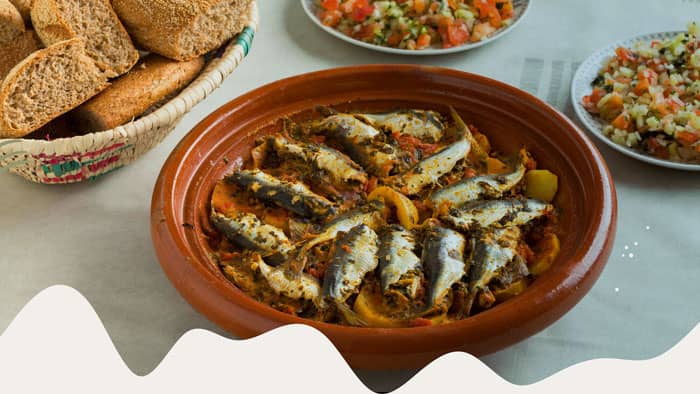
In cities like Tangier, once known as an international melting pot, you’ll find dishes that reflect this cosmopolitan heritage. Street stalls serve grilled sardines seasoned with chermoula — a marinade of parsley, garlic, paprika, cumin, and lemon — while elegant cafés offer seafood pastilla, a savory pie combining the sweetness of almonds and cinnamon with the brininess of shrimp and calamari.

Meanwhile, in Tetouan, home to one of Morocco’s most distinct Andalusian communities, the cuisine tends toward comfort and warmth. Local favorites include tagine zitoun — tender chicken cooked with preserved lemons and green olives — and bissara, a thick fava bean soup often enjoyed with olive oil and warm bread. Both reflect the region’s appreciation for simple, nourishing ingredients transformed by patience and care.

Chefchaouen: The Blue City with a Green Kitchen

Perched in the Rif Mountains, Chefchaouen may be known for its blue-washed walls, but its cuisine paints a picture of green — olive oil, fresh herbs, and locally grown vegetables. The area’s cuisine embodies the rural Berber spirit, with dishes rooted in the earth and cooked slowly over wood fires.
Popular meals include vegetable tagines infused with mountain herbs, hand-rolled couscous topped with chickpeas and pumpkin, and goat cheese produced in small village farms.

Visitors often describe Chefchaouen’s food as “honest” — pure in flavor, deeply tied to the land, and always served with a smile. Whether you’re dining in a family-run guesthouse or a tiny café overlooking the medina, meals here feel like a homecoming.

Flavors That Define the North

  • Signature Dishes: Bastilla b’semk (seafood pie), tagine zitoun, grilled sardines, and bissara.
  • Key Ingredients: Olive oil, preserved lemons, almonds, parsley, and Mediterranean herbs.
  • Cultural Essence: A harmonious blend of Andalusian artistry and Berber authenticity, shaped by centuries of cross-cultural exchange.

Northern Morocco’s cuisine reminds travelers that food, like the sea, has no borders. Each bite tells the story of connection — between continents, cultures, and generations — making it a perfect beginning for our culinary journey through Morocco’s regional flavors.

The Imperial Cities: Fez and Meknes

If the north represents the meeting of sea and sky, the imperial cities of Fez and Meknes represent Morocco’s beating culinary heart — refined, historic, and deeply ceremonial. Known as the cradle of traditional Moroccan gastronomy, this region offers a cuisine that is both royal in heritage and soulful in execution. Every dish tells a story of ancient palaces, spice caravans, and family kitchens where recipes have been perfected over centuries.

Moroccan regional cuisine

Fez: The Gastronomic Capital of Morocco

Often called “the spiritual and culinary capital of Morocco,” Fez is where Moroccan cuisine reaches its highest expression of sophistication. The city’s labyrinthine medina — one of the oldest in the world — is filled with the scent of cinnamon, saffron, and simmering tagines. Fez’s cuisine has been shaped by centuries of royal patronage, Andalusian influencey meticulous craftsmanship passed down through generations of home cooks.

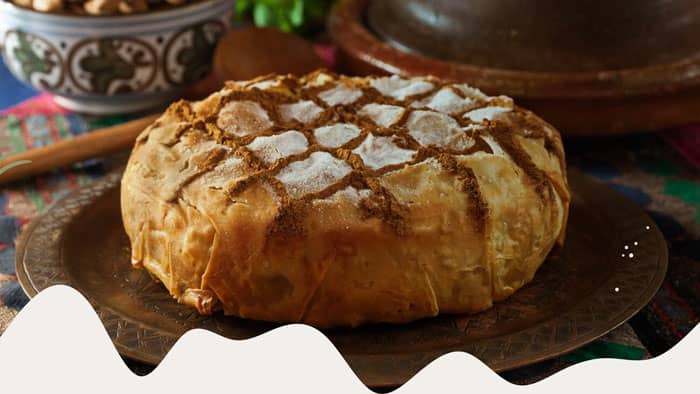
One of the most celebrated dishes from Fez is pastilla (b’stilla) — a masterpiece of sweet and savory contrast. Traditionally made with pigeon meat (now often replaced by chicken), almonds, eggs, and delicate layers of pastry dusted with powdered sugar and cinnamon, pastilla is a dish that perfectly embodies Fez’s love for balance and precision.

Another iconic dish is Rfissa, often served on special occasions such as the birth of a child. Made from chicken, lentils, and shredded msemen (layered pancakes), it’s slow-cooked with fenugreek and saffron, producing a dish that’s as aromatic as it is comforting. Fez is also famous for Seffa Medfouna, a sweet couscous or vermicelli dish topped with almonds, raisins, and cinnamon — a symbol of celebration and abundance.

Every meal in Fez carries an air of ritual and refinement. Even a simple plate of couscous on a Friday afternoon feels elevated — cooked slowly, steamed three times, and infused with the wisdom of generations.

Meknes: The Garden of Morocco

Just an hour west of Fez, Meknes offers a more rustic, agricultural take on traditional Moroccan flavors. Known as the “garden of Morocco,” Meknes is surrounded by olive groves, vineyards, and fertile plains that supply much of the country’s produce.
Here, food feels grounded and generous — hearty stews, fresh salads, and dishes that celebrate the land. Olive oil plays a starring role, used liberally in tagines and salads alike.

Meknes is also home to some of Morocco’s finest preserved lemons y green olives, which give local tagines their signature tang and depth. Meals are often accompanied by a glass of locally produced wine or a refreshing mint tea — a reminder of the region’s agricultural richness and relaxed pace of life.

Flavors That Define the Imperial Cities

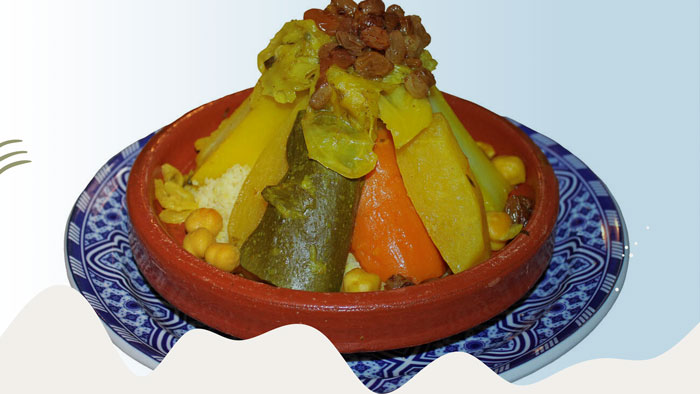
  • Signature Dishes: Pastilla, Rfissa, Seffa Medfouna, and couscous with seven vegetables.
  • Key Ingredients: Saffron, almonds, cinnamon, preserved lemons, and olive oil.
  • Cultural Essence: Elegance, ritual, and a deep respect for culinary tradition.

In Fez and Meknes, food is art — prepared with patience, served with pride, and shared with reverence. These cities invite travelers to taste not just the flavors of Morocco, but its very soul.

The Atlantic Coast: Casablanca, Rabat, and Essaouira

Stretching from the modern metropolis of Casablanca to the laid-back charm of Essaouira, Morocco’s Atlantic coast offers a feast shaped by the ocean’s bounty and centuries of maritime trade. Here, the rhythm of the waves dictates the rhythm of the kitchen. Fish markets overflow with sardines, sea bream, and squid, while the scent of grilled seafood mingles with the sea breeze. This region’s cuisine reflects both Morocco’s coastal heritage and its openness to global flavors — fresh, bold, and beautifully simple.

Moroccan regional cuisine

Casablanca: Modern Flavors, Traditional Roots

As Morocco’s largest city and economic hub, Casablanca embodies the spirit of modern Morocco — cosmopolitan yet deeply connected to its roots. Its culinary scene blends traditional Moroccan dishes with contemporary influences, offering everything from fine dining to street food.
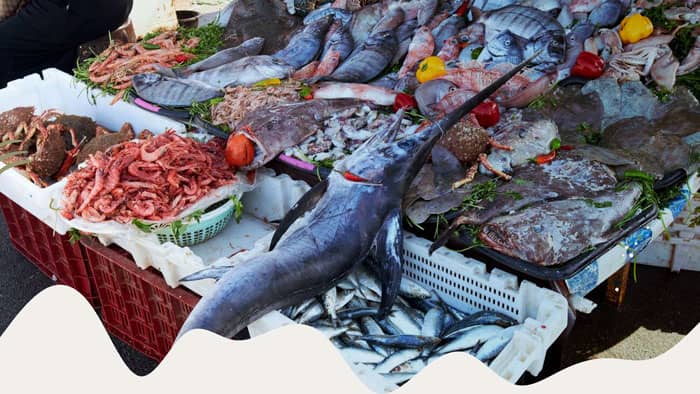
In the city’s vibrant markets, locals shop for fresh fish straight from the Atlantic, spices, and herbs that infuse their kitchens with aroma and color.

A typical Casablancan lunch might feature grilled sea bass with chermoula, spiced shrimp tagine, or a bowl of harira, a comforting tomato-based soup enriched with lentils and chickpeas. Cafés along the Corniche serve fried calamari, fish briouatesy salads seasoned with coriander and lemon juice, perfectly reflecting the city’s mix of coastal freshness and urban flair.

Rabat: Royal Tradition by the Sea

The capital city, Rabat, offers a quieter, more refined interpretation of coastal cuisine. Here, traditional dishes are often prepared with care and subtlety, highlighting quality over complexity. Locals enjoy grilled sardines, couscous with seafoody baked fish stuffed with herbs and olives — dishes that capture the essence of the Atlantic while maintaining a royal Moroccan touch.

Rabat’s medina, smaller and calmer than others in Morocco, hides a few culinary gems — family-run restaurants and seaside stalls where the day’s catch is cooked right before your eyes. The proximity to fertile farmlands ensures that vegetables, olive oil, and citrus fruits are always fresh, making the cuisine balanced and vibrant.

Essaouira: The Soul of the Sea

A few hours south lies Essaouira, the coastal gem beloved by travelers and locals alike. Once a Portuguese port and later a favorite of artists and musicians, Essaouira exudes an easygoing charm that extends to its food.

The city’s fish market is legendary — fishermen haul in baskets of sardines, mackerel, and lobster, which are immediately grilled and served with bread, olives, and lemon. The simplicity is the beauty here: fresh fish, olive oil, garlic, and salt — nothing more, nothing less.

Beyond seafood, Essaouira is known for Argan oil, produced in the nearby Souss region. Used in both savory dishes and desserts, it lends a nutty, earthy flavor that defines the area’s cuisine. A drizzle of argan oil over grilled vegetables or mixed with honey to make amlou (a local almond spread) captures the pure essence of southern coastal Morocco.

Flavors That Define the Atlantic Coast

  • Signature Dishes: Chermoula-grilled fish, seafood couscous, harira, and amlou.
  • Key Ingredients: Fresh fish, coriander, cumin, paprika, lemon, and argan oil.
  • Cultural Essence: Freshness, simplicity, and harmony between sea and land.

The Atlantic coast is where Moroccan regional cuisine meets the ocean — a celebration of natural flavors and timeless traditions. Whether it’s a seaside barbecue in Essaouira or a fine-dining experience in Casablanca, every meal along this coast reminds travelers that Morocco’s soul is as deep and ever-changing as the sea itself.

The South: Marrakech, Ouarzazate, and the Atlas Foothills

As the Atlantic breeze fades and the desert sun grows stronger, the cuisine of southern Morocco takes on a richer, earthier tone. This region — spanning Marrakech, Ouarzazate, y el Atlas Mountains — is the heartland of Berber cooking, where meals are slow-cooked, spice-laden, and full of warmth. The flavors here are bold but balanced, born from centuries of tradition and perfected through patience.

Moroccan regional cuisine

Marrakech: The City of Spices and Slow Cooking

Known as Morocco’s “Red City,” Marrakech is a living tapestry of aromas — cumin, paprika, ginger, saffron, and cinnamon — drifting from its famous food stalls and rooftop restaurants. The city’s cuisine reflects both its Berber roots and its status as a crossroads of trade and culture.

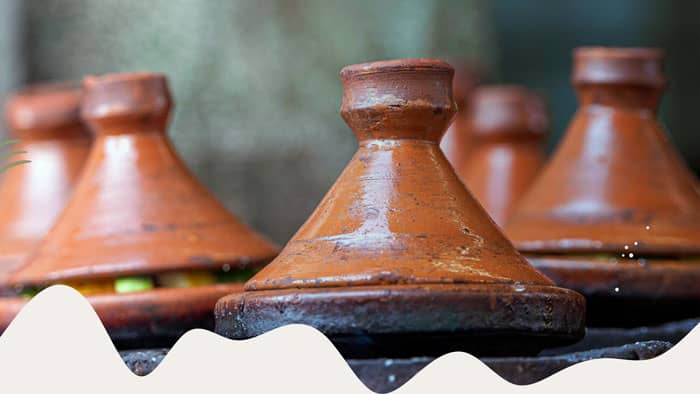
At the center of Marrakchi cooking is the tagine, the iconic clay pot that symbolizes Moroccan cuisine itself. But the most celebrated dish unique to Marrakech is tanjia marrakchia — a slow-cooked meat dish prepared in a clay urn-like pot and traditionally cooked by the embers of a hammam (public bathhouse). Made with beef or lamb, preserved lemon, saffron, garlic, and cumin, tanjia is rich, tender, and deeply aromatic — a true labor of love.

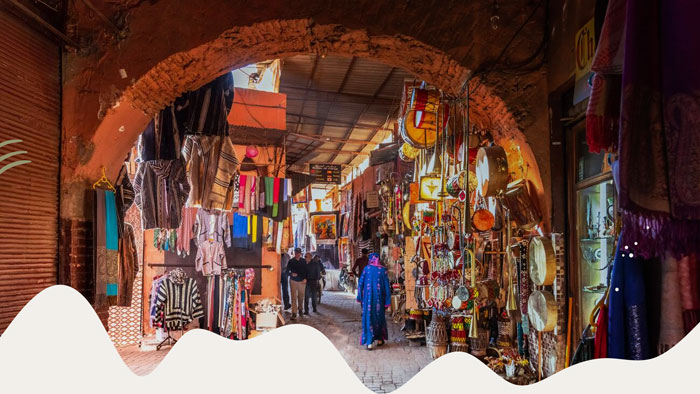
Wander through Jemaa el-Fna, the city’s legendary square, and you’ll encounter a feast of sights and smells: bubbling snail soup, grilled kebabs, and steaming tagines served under the open sky. This street food culture captures the essence of Marrakech — vibrant, communal, and irresistibly flavorful.

Ouarzazate: The Gateway to the Desert

Heading southeast, the red walls of Ouarzazate rise where the Atlas Mountains meet the Sahara. Known as the “Gateway to the Desert,” this city has long been a stop for caravans that once carried gold, salt, and — most importantly — spices from sub-Saharan Africa. The local cuisine reflects this heritage with hearty, spice-forward dishes that warm both body and spirit.

In Ouarzazate and nearby villages like Aït Benhaddou, meals are often simple but deeply satisfying. Berber tagines cooked with prunes, almonds, and tender lamb are a staple, balancing savory and sweet in perfect harmony. Locals also prepare couscous with root vegetables y camel meat stews, dishes that echo the region’s nomadic traditions.

One of the south’s most precious ingredients is saffron, grown in the nearby town of Taliouine, often referred to as the “Saffron Capital of Morocco.” This golden spice is used sparingly but adds depth and fragrance to sauces, tagines, and even tea.

The Atlas Foothills: Home of the Amazigh (Berber) Kitchen

The villages nestled in the Montañas del Alto Atlas preserve the purest forms of Berber cooking. Here, food is farm-to-table by nature — vegetables, herbs, and grains are grown in terraced fields, while meat and dairy come from local herds. Meals are cooked slowly over wood fires in clay pots, and every bite tells a story of simplicity and self-sufficiency.

Typical dishes include barley bread baked in communal ovens, vegetable tagines infused with wild thyme and rosemary, and Amlou, a paste made from roasted almonds, argan oil, and honey — often called Morocco’s “Berber Nutella.”
Mint tea, brewed strong and sweet, accompanies every meal, symbolizing warmth and welcome.

Flavors That Define the South

  • Signature Dishes: Tanjia Marrakchia, Berber tagine with prunes and almonds, couscous tfaya, and amlou.
  • Key Ingredients: Saffron, argan oil, almonds, prunes, and mountain herbs.
  • Cultural Essence: Warmth, hospitality, and a deep respect for nature and tradition.

The cuisine of southern Morocco captures the soul of Berber culture — generous, patient, and deeply connected to the land. Every dish here is an invitation to slow down, share, and savor life, one bite at a time.

The Sahara and Berber Villages

Vast, silent, and endlessly golden, the Sahara Desert holds a special place in Moroccan identity — not just as a landscape, but as a way of life. In the remote villages and nomadic camps that dot the dunes of Merzouga, Zagora, y el Valle del Draa, food is a reflection of resilience, simplicity, and hospitality. Every meal in the desert tells a story of resourcefulness and community, where limited ingredients are transformed into soulful, satisfying dishes shared under a canopy of stars.

Moroccan regional cuisine

Cooking in the Heart of the Desert

Life in the Sahara has always revolved around what the land provides — and what can be carried across it. Ingredients are humble but deeply flavorful: dates, barley, goat milk, semolina, and wild herbs. Cooking here is slow and communal, often done over open fires using clay pots or metal pans that have been blackened by years of use.

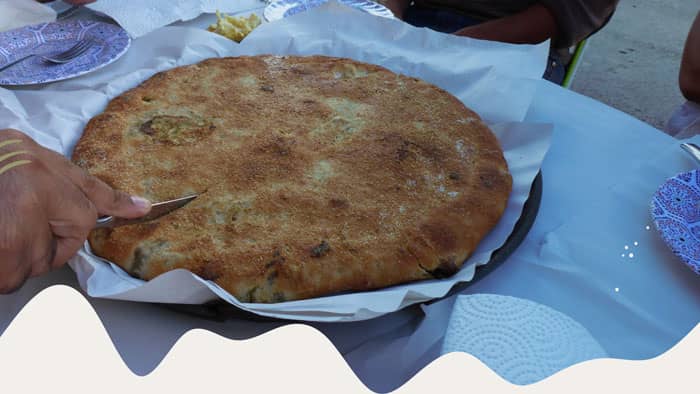
One of the most unique dishes born in the desert is Madfouna, often called the “Berber pizza.” This traditional meal is a stuffed flatbread baked directly in the sand beneath hot coals. The filling typically includes ground meat, onions, herbs, and spices — simple yet nourishing, designed to sustain travelers crossing long stretches of desert.

Another staple is Couscous Tfaya, a celebratory dish topped with caramelized onions, raisins, and chickpeas. Though couscous is eaten throughout Morocco, the desert version has a sweetness that mirrors the warmth of the people who prepare it. Meals often end with fresh dates — the “bread of the desert” — served with milk or a steaming glass of mint tea.

The Spirit of Sharing and Survival

In Berber culture, food is not merely sustenance; it is a gesture of welcome and solidarity. Even in the harshest conditions, travelers and strangers are greeted with tea and bread, no questions asked. This tradition, rooted in centuries of nomadic life, remains one of the most touching aspects of Saharan hospitality.

The ritual of tea preparation itself is a form of art — poured from a height to create foam, symbolizing generosity and friendship. The first glass is bitter like life, the second is strong like love, and the third is sweet like death — a poetic reminder of the desert’s wisdom.

In the evenings, as the sun sets over the dunes, families and travelers gather around fires for shared meals — tagines bubbling slowly, bread baking in embers, and the aroma of cumin and coriander filling the cool desert air. Here, food and companionship are inseparable; the act of eating together strengthens bonds and preserves traditions passed down through generations.

Flavors That Define the Sahara

  • Signature Dishes: Madfouna (Berber pizza), Couscous Tfaya, flatbreads baked in sand, and goat-milk yogurt.
  • Key Ingredients: Dates, barley, onions, chickpeas, and mint.
  • Cultural Essence: Simplicity, generosity, and harmony with the harsh yet beautiful desert environment.

The cuisine of the Sahara is proof that luxury lies not in abundance, but in meaning. Every meal — no matter how modest — carries the essence of Moroccan hospitality: a shared warmth that glows as brightly as the desert’s morning sun.

Experience Morocco Through Its Flavors!

Ready to embark on your own Moroccan culinary adventure? Taste regional tagines, explore colorful spice markets, and learn from local chefs who bring centuries of tradition to life. Book a food tour, cooking class, or guided journey to discover Morocco’s rich regional flavors firsthand—because every dish tells a story worth experiencing!

The Middle Atlas: Beni Mellal and Azrou

Tucked between the northern plains and the High Atlas lies a region of rolling hills, cedar forests, and fertile valleys — the Middle Atlas Mountains, home to towns like Beni Mellal y Azrou. This part of Morocco is less visited than Marrakech or Fez, but for those who make the journey, it offers a glimpse into the heart of rural life and authentic Moroccan regional cuisine at its purest.

Here, the air is crisp, the land green, and the meals hearty. The Middle Atlas is often called “Morocco’s orchard,” a place where apples, walnuts, olives, and honey thrive. Its cuisine is shaped by seasonal agriculture y Amazigh (Berber) traditions, where every ingredient is valued and nothing is wasted.

Moroccan regional cuisine

Beni Mellal: The Abundance of the Land

Set against the backdrop of Mount Tassemit, Beni Mellal is a city surrounded by fields and orchards that feed much of central Morocco. The local cuisine reflects this agricultural wealth. Meals often begin with fresh salads — tomatoes, peppers, and onions drizzled with olive oil — followed by vegetable tagines slow-cooked to perfection.

A beloved local dish is Tagine bel Khodra, a simple yet flavorful vegetable tagine made with zucchini, carrots, and potatoes, seasoned with turmeric and cumin. Lamb tagines with prunes and almonds are also common, especially during family gatherings or festivals. Local honey and almonds are frequently used in desserts, while fresh bread, often baked in clay ovens, accompanies every meal.

Beni Mellal’s residents take great pride in homemade olive oil, often pressed from family-owned groves. This oil, thick and aromatic, is drizzled over everything — from salads to bread — giving local dishes their distinctive richness.

Azrou: The Taste of the Mountains

Further north, Azrou, a charming mountain town known for its cedar forests and friendly macaques, offers a more rustic and cozy take on Moroccan cuisine. The colder climate here favors hearty, warming meals, often shared beside wood stoves during the long winter months.

Local specialties include barley soups, stews made with wild herbsy tajines featuring mountain mushrooms or local lamb. Fresh goat cheese y yogurt are common, thanks to the region’s thriving pastoral culture. Desserts are typically simple — honey-soaked pastries or fresh fruit paired with mint tea.

What truly defines Azrou’s food is its farm-to-table simplicity. Many ingredients come directly from nearby farms or home gardens, and recipes are passed down through families who take pride in preserving their heritage.

Flavors That Define the Middle Atlas

  • Signature Dishes: Tagine bel Khodra, lamb with prunes, barley soup, and almond pastries.
  • Key Ingredients: Apples, walnuts, olive oil, honey, and seasonal vegetables.
  • Cultural Essence: Simplicity, freshness, and the deep connection between food, family, and the land.

In the Middle Atlas, Moroccan regional cuisine returns to its roots — humble, wholesome, and guided by nature’s rhythms. Every bite reflects the generosity of the land and the quiet pride of the people who nurture it.

Sweet Endings: Desserts and Moroccan Pastries Across Regions

No culinary journey through Morocco’s regional flavors would be complete without exploring the country’s exquisite world of desserts and pastries. Moroccan sweets are more than just an afterthought — they are a celebration of craftsmanship, hospitality, and centuries-old tradition. Across the country, every region puts its own twist on classic treats, uniting flavors of honey, almonds, orange blossom water, and sesame in countless delightful combinations.

The Art of Moroccan Pastry

Moroccan pastries are a legacy of both Andalusian refinement y Berber ingenuity. What makes them truly special is the way they balance texture and aroma — crisp on the outside, tender or nutty within, and always fragrant with spices or floral waters. They are often served alongside mint tea, forming the heart of Moroccan social life.

Among the most beloved is Chebakia, a sesame-coated cookie fried to golden perfection and dipped in honey infused with orange blossom. It’s especially popular during Ramadan, when families enjoy it after sunset prayers with harira soup. Another classic is Kaab el Ghzal — “gazelle horns” — delicate crescent-shaped pastries filled with almond paste and perfumed with cinnamon and orange blossom water.

In Fez and Meknes, pastry-making is treated as an art form. Here, bakers spend hours crafting intricate briouates — thin pastry triangles stuffed with almonds or spiced meat — and ghriba, crumbly cookies made from almonds or semolina. The level of precision and beauty in these sweets speaks to the region’s royal culinary heritage.

Regional Sweetness: North to South

  • In northern Morocco, Andalusian influence shines through in pastries that pair nuts and citrus, often accompanied by sweet mint tea or fresh fruit.
  • La central regions, especially Fez, are known for almond-based sweets, where layers of filo pastry, honey, and crushed nuts echo flavors found in Middle Eastern desserts.
  • In southern Morocco, desserts often feature dates, honey, and argan oil, ingredients born from the desert and mountain environments. Amlou, the Berber spread made from almonds, honey, and argan oil, is a common breakfast and dessert treat — rich, nutty, and deeply satisfying.
  • In the Atlas Mountains, simplicity reigns: homemade bread drizzled with honey, fresh fruit, or walnut-stuffed pastries are favored after hearty meals.

Sweets in Moroccan Life

Beyond their flavors, Moroccan sweets hold deep cultural meaning. They are symbols of joy, celebration, and hospitality — prepared for weddings, religious holidays, and family gatherings. Offering a plate of sweets and tea to guests is a gesture of respect and welcome that transcends language and time.

Even in modern Morocco, these traditions endure. Pastry shops in Marrakech and Casablanca display towers of golden chebakia and rows of jewel-like almond cookies, while in small towns, families still gather to bake together before Eid or a wedding. Each cookie, each drizzle of honey, carries a sense of continuity — a bridge between past and present.

Flavors That Sweeten Morocco

  • Signature Desserts: Chebakia, Kaab el Ghzal, Briouates, Ghriba, and Amlou.
  • Key Ingredients: Almonds, honey, sesame, orange blossom water, and argan oil.
  • Cultural Essence: Celebration, generosity, and the art of sharing sweetness in every sense.

From the northern coasts to the desert dunes, Morocco’s sweets remind us that food is more than sustenance — it’s an expression of love, artistry, and heritage. Each region leaves its own trace of sweetness, ensuring that every meal in Morocco ends not just with flavor, but with a smile.

Where to Taste Morocco’s Regional Dishes

Experiencing Moroccan regional cuisine is not only about tasting delicious food — it’s about discovering the soul of each region through its people, traditions, and settings. From bustling medina food stalls to elegant riad restaurants, Morocco offers countless opportunities to immerse yourself in its culinary landscape. Whether you’re a foodie, a traveler, or a curious explorer, here’s where you can truly taste Morocco’s regional dishes.

1. Fez – The Heart of Morocco’s Gastronomic Tradition

Fez is widely regarded as the culinary capital of Morocco. The city’s old medina, a UNESCO World Heritage Site, is a maze of aromas and flavors that have remained unchanged for centuries.

Where to eat:

  • Dar Hatim – A family-run restaurant known for authentic pastilla and traditional couscous tfaya.
  • Riad Rcif – Offers a regal dining experience in a stunning riad setting, serving Fez-style lamb tagines and almond pastries.
  • Local tip: Visit Fez during religious or family celebrations to see how the locals prepare elaborate feasts that blend sweet and savory in true Fassi fashion.

2. Marrakech – The Street Food Capital

In Marrakech, food is an adventure in itself. The Jemaa el-Fnaa square transforms nightly into a feast of sizzling grills, aromatic tagines, and bubbling snail soups.

Where to eat:

  • Food Stalls at Jemaa el-Fnaa – Taste authentic tanjia marrakchia, slow-cooked lamb prepared in earthen pots.
  • Café Clock – Known for its creative fusion dishes like the camel burger, blending tradition and modernity.
  • Local tip: Join a Marrakech cooking class to learn how to balance spices and prepare your own tagine from scratch.

3. Tangier and Tetouan – Coastal Freshness with a Mediterranean Soul

Northern Morocco’s cuisine reflects its proximity to Spain and the Mediterranean, combining seafood with light, zesty ingredients.

Where to eat:

  • El Morocco Club (Tangier) – Offers refined Moroccan dishes like seafood tagine with lemon and olives.
  • Riad Blanco (Tetouan) – A hidden gem serving homemade northern specialties with Andalusian flair.
  • Local tip: Try street-side fish markets near Tangier’s port, where you can pick your catch and have it grilled fresh.

4. Essaouira – The Ocean’s Pantry

Essaouira’s laid-back charm extends to its food scene, famous for grilled seafood, fresh bread, and vibrant spices.

Where to eat:

  • Fish Stalls by the Port – Choose from shrimp, sardines, or lobster, grilled right before your eyes.
  • La Table by Madada – For a more upscale experience, enjoy seafood couscous and creative takes on Moroccan classics.
  • Local tip: Visit during the Gnawa Festival, when the city comes alive with music, food, and street celebrations.

5. Atlas Mountains and Berber Villages – Simple, Hearty, and Honest

The food of the Atlas Mountains embodies the authentic Berber spirit — rustic, wholesome, and deeply connected to the land.

Where to eat:

  • Local Berber Guesthouses (Imlil or Aït Benhaddou) – Experience communal meals with homemade bread, tagines cooked over wood fires, and mint tea shared at sunset.
  • Kasbah du Toubkal (Imlil) – Offers traditional dishes made from locally grown vegetables and herbs.
  • Local tip: Try taktouka (a warm pepper salad) or berkoukesh, a hand-rolled couscous dish rarely found outside Berber kitchens.

6. The Sahara and Southern Morocco – Food of the Desert

Desert cuisine tells a story of resilience and resourcefulness, using ingredients like dates, barley, and preserved meats.

Where to eat:

  • Desert Camps in Merzouga or M’Hamid – Savor slow-cooked mechoui (roasted lamb) and Berber flatbread baked in sand ovens under the stars.
  • Local tip: Don’t miss madfouna, often called “the Berber pizza,” a stuffed bread filled with meat, onions, and spices.

Tasting Morocco Beyond the Plate

To truly understand Moroccan cuisine, go beyond restaurants.

  • Join a local cooking class in Fez or Marrakech.
  • Explore traditional souks like Mellah Market in Fez or the spice market in Marrakech.
  • Visit cooperatives where women produce argan oil or almond paste by hand.

Each of these experiences offers a glimpse into Morocco’s living food traditions — where recipes are passed down, shared, and celebrated.

Conclusion: A Taste of Morocco’s Soul

Morocco is more than a destination — it’s a culinary journey that spans mountains, deserts, and coasts, connecting history, culture, and community through every bite. From the sea-inspired dishes of the Atlantic coast to the hearty, earthy tagines of the Atlas Mountains, and from the refined pastries of Fez to the simple, soulful meals of the Sahara, each region offers a window into the heart of Moroccan life.

Moroccan regional cuisine is not simply about food; it is an expression of identity, hospitality, and artistry. Every dish tells a story — of Berber traditions, Andalusian influence, desert survival, and royal culinary refinement. Through its diverse flavors, Morocco invites travelers to slow down, savor each bite, and understand the culture in a deeply personal way.

Whether you are wandering through bustling medinas, dining under the stars in the desert, or sampling street food along the coast, the experience of Morocco’s cuisine is unforgettable. It’s a journey that engages all your senses and leaves a lasting impression — one that goes far beyond taste.

UNESCO World Heritage Sites in Morocco You Need to Visit

UNESCO World Heritage Sites in Morocco You Need to Visit

UNESCO World Heritage Sites in Morocco You Need to Visit

Introduction: Discover Morocco’s Living Heritage

Art, architecture, and history intertwine beautifully across Morocco, but nowhere is this cultural richness more evident than in its UNESCO World Heritage Sites. From ancient medinas echoing with the sounds of daily life to Roman ruins frozen in time, each site tells a story of the civilizations that shaped this North African gem.

UNESCO (the United Nations Educational, Scientific and Cultural Organization) designates these places as World Heritage Sites because of their outstanding universal value — meaning they are treasures not only for Morocco but for all humanity. These sites preserve centuries of artistry, spirituality, and craftsmanship, showcasing how Moroccan identity has evolved through Berber, Arab, Andalusian, and European influences.

Visiting them isn’t just about sightseeing; it’s a journey through Morocco’s living history. As you wander through the labyrinthine alleys of Fez, stand before the majestic gates of Meknes, or watch the sun cast golden hues over Ait Ben Haddou, you experience the essence of a country where tradition and modernity coexist in perfect harmony.

In this guide, we’ll explore the 9 official UNESCO World Heritage Sites in Morocco, each one a masterpiece of architecture, culture, and heritage that you simply must visit.

1. Medina of Fez – The Heart of Moroccan Civilization

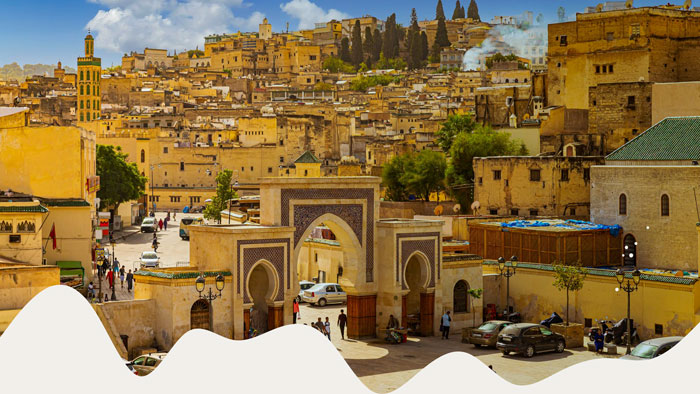
La Medina of Fez (Fès el-Bali) is one of the oldest and best-preserved medieval cities in the world, earning its UNESCO World Heritage status in 1981. Founded in the 9th century, Fez became a center of religion, education, and craftsmanship, often referred to as the spiritual capital of Morocco.

A Journey Through Time

Step into the medina, and you’ll find yourself in a living museum — a maze of narrow alleys, bustling souks, and ancient mosques that have remained largely unchanged for centuries. Unlike most historical cities, Fez is not frozen in the past; its traditions are still alive. Craftsmen continue to hand-dye leather at the famous Chouara Tanneries, and artisans create intricate zellige tiles, brass lamps, and carved woodwork just as their ancestors did.

UNESCO World Heritage Sites in Morocco

Highlights You Shouldn’t Miss

  • Al-Qarawiyyin University – Founded in 859 AD, it is recognized by UNESCO and the Guinness World Records as the world’s oldest continuously operating university.

  • Bou Inania Madrasa – A masterpiece of Marinid architecture, famous for its cedar carvings, zellige tiles, and marble floors.

  • Nejjarine Fountain and Museum – Showcases traditional Moroccan woodcraft and offers a peaceful spot in the medina’s heart.

  • Bab Boujloud (Blue Gate) – The most iconic entrance to the old city, a stunning example of traditional Moroccan design.

Why It’s UNESCO-Listed

The Medina of Fez represents a complete urban fabric of the medieval Islamic world. Its architecture, layout, and living traditions have remained intact for over a millennium, making it a unique example of how cultural heritage can continue to thrive in a modern world.

Travel Tip

Wear comfortable shoes and prepare to get lost — that’s part of the charm! Consider hiring a local guide to navigate the labyrinthine alleys and discover hidden gems like traditional riads, madrassas, and artisan cooperatives.

2. Medina of Marrakech – The Red City’s Timeless Pulse

Designated a UNESCO patrimonio de la humanidad in 1985, the Medina of Marrakech embodies the soul of Morocco — vibrant, colorful, and alive with history. Known as the “Red City” for its terracotta walls and sun-drenched architecture, Marrakech has been a crossroads of culture, trade, and tradition for nearly a thousand years.

A Living Cultural Hub

Founded in the 11th century by the Almoravid dynasty, Marrakech quickly rose to prominence as a center of commerce and learning. Today, it remains one of the most dynamic cities in North Africa, where the hum of modern life blends effortlessly with the echoes of the past. Within the ancient walls, you’ll find mosques, palaces, gardens, and souks that pulse with energy from dawn till dusk.

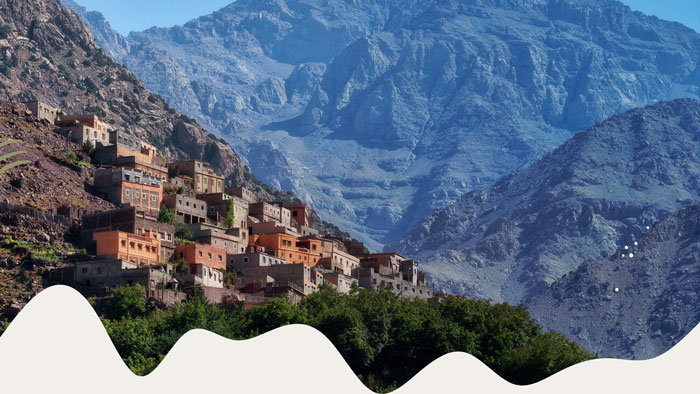
Hidden villages of the Atlas Mountains

Highlights You Shouldn’t Miss

  • Jemaa el-Fna Square – The beating heart of Marrakech. By day, it’s a lively market; by night, it transforms into a stage filled with storytellers, musicians, and street food vendors.

  • Koutoubia Mosque – The city’s most recognizable landmark, its 12th-century minaret inspired the Giralda Tower in Seville.

  • Bahia Palace – A stunning 19th-century palace with exquisite courtyards, zellige mosaics, and tranquil gardens.

  • Saadian Tombs – Hidden for centuries, these ornate tombs reveal the artistry of Morocco’s golden age.

  • Majorelle Garden & Yves Saint Laurent Museum – Though outside the medina walls, these are must-sees for their artistic beauty and cultural influence.

Why It’s UNESCO-Listed

The Medina of Marrakech is recognized for its architectural masterpieces, living traditionsy cultural exchange that influenced the Islamic West. It remains an exceptional example of a historic city that has preserved its original character while adapting to modern life.

Travel Tip

Visitar Jemaa el-Fna at sunset — the square comes alive with the rhythm of drums, the aroma of grilled meats, and the glow of lanterns. For the best panoramic view, grab mint tea on a rooftop café overlooking the square as the city transitions from day to night.

3. Ksar of Ait-Ben-Haddou – Hollywood’s Desert Fortress

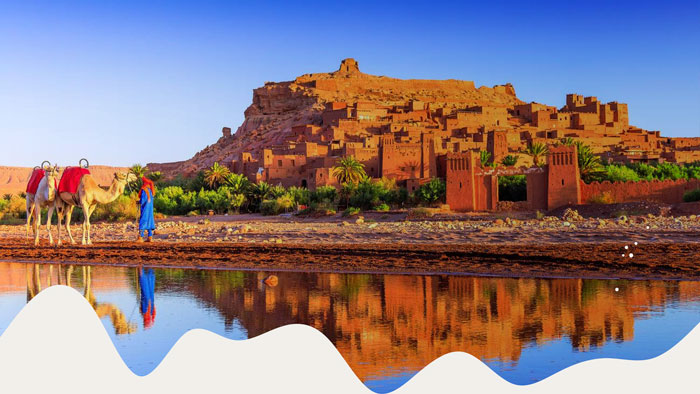
Recognized as a UNESCO patrimonio de la humanidad in 1987, the Ksar of Ait-Ben-Haddou stands as a breathtaking example of traditional earthen architecture in southern Morocco. Nestled between the High Atlas Mountains and the edge of the Sahara Desert, this fortified village (or ksar) looks like something out of a storybook — and indeed, it has inspired countless films and TV shows.

A Glimpse into Morocco’s Desert Heritage

Dating back to the 17th century, Ait-Ben-Haddou was once a key stop along the ancient caravan route between Marrakech and Timbuktu. Traders passing through carried salt, gold, spices, and stories, leaving behind a cultural blend still visible in the site’s architecture. Built entirely from mud-brick and straw, the ksar’s structures blend seamlessly with the desert landscape, glowing in shades of gold and red under the Moroccan sun.

UNESCO World Heritage Sites in Morocco

Highlights You Shouldn’t Miss

  • The Fortified Village (Ksar) – Wander through narrow alleys lined with old granaries, kasbahs, and traditional homes that have withstood centuries of wind and sand.

  • The Granary (Agadir) – Located at the top of the hill, it offers panoramic views of the Ounila Valley and surrounding desert.

  • Film Location Sites – Ait-Ben-Haddou has starred in classics like Ouarzazate y Aït Ben Haddou son famosos escenarios de películas como Gladiator, La Momia y Juego de Tronos. Los amantes de la historia y el cine disfrutarán especialmente de estas paradas., Lawrence of Arabia, Momia, and even Ouarzazate y Aït Ben Haddou son famosos escenarios de películas como Gladiator, La Momia y Juego de Tronos. Los amantes de la historia y el cine disfrutarán especialmente de estas paradas..

  • The Old Caravan Route – Walk the same path that once connected merchants between the Sahara and the Atlantic.

Why It’s UNESCO-Listed

Ait-Ben-Haddou is recognized for being an outstanding example of southern Moroccan earthen architecture, reflecting traditional pre-Saharan building techniques that are slowly disappearing. Its preservation highlights Morocco’s commitment to safeguarding architectural heritage in challenging desert conditions.

Travel Tip

Visit early in the morning or near sunset for magical lighting and fewer crowds. For an authentic experience, stay overnight in a nearby guesthouse built in traditional kasbah style, and watch the ksar glow beneath the stars — a scene you’ll never forget.

4. Historic City of Meknes – The Imperial Legacy

La Historic City of Meknes was inscribed as a UNESCO patrimonio de la humanidad in 1996. Known as one of Morocco’s imperial cities, Meknes showcases the grandeur of the Alawite dynasty, particularly under Sultan Moulay Ismail, who transformed the city into a symbol of power, wealth, and architectural sophistication in the 17th century.

A Royal Experience

Meknes combines military fortifications, grand palaces, and bustling markets to create a city that reflects Morocco’s imperial glory. Unlike some other imperial cities, Meknes is quieter and less crowded, offering visitors a more authentic glimpse into Moroccan history.

Hidden villages of the Atlas Mountains

Highlights You Shouldn’t Miss

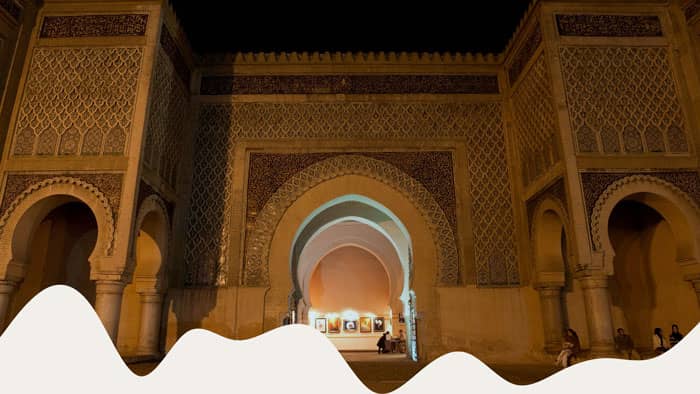
  • Bab Mansour Gate – Considered one of Morocco’s most magnificent gates, it features intricate zellige tilework and imposing stone pillars.

  • Moulay Ismail Mausoleum – The final resting place of the powerful sultan, adorned with exquisite Moroccan artistry.

  • Royal Stables and Granaries (Heri es-Souani) – A remarkable feat of engineering that once housed thousands of horses and stored grain for the royal army.

  • Meknes Medina – Explore traditional souks and local markets, where centuries-old crafts are still practiced today.

  • Nearby Volubilis – Just a short drive from Meknes, this Roman archaeological site complements your imperial journey with ancient history.

Why It’s UNESCO-Listed

The Historic City of Meknes exemplifies Morocco’s imperial urban planning, blending military, residential, and religious architecture. Its monuments and medina preserve the cultural and political significance of the Alawite dynasty and offer insight into the country’s historical evolution.

Travel Tip

Take a walking tour to appreciate the city’s hidden riads and gardens, and enjoy panoramic views from the city walls. Visiting Meknes in the morning allows you to experience the medina before it becomes lively with local shoppers and vendors.

Discover Morocco’s UNESCO Treasures!

Discover Morocco’s UNESCO treasures and explore the country like never before. From the ancient medinas of Fez and Marrakech to the desert fortress of Ait-Ben-Haddou and the coastal charm of Essaouira, each World Heritage Site tells a story of timeless beauty and culture. Plan your journey, join guided tours, and capture unforgettable memories as you walk through living history—your Moroccan adventure awaits!

5. Archaeological Site of Volubilis – Echoes of the Roman Empire

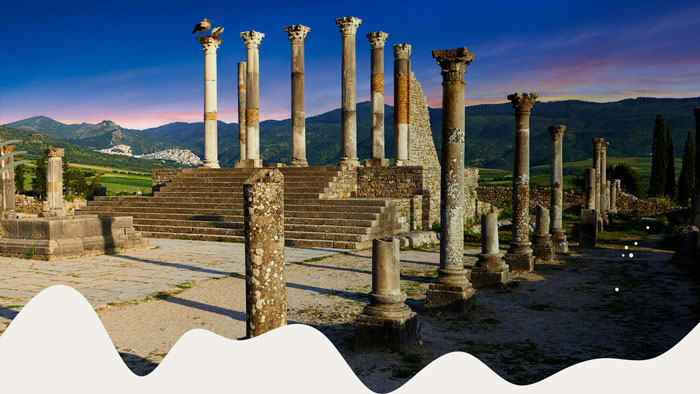
La Archaeological Site of Volubilis was inscribed as a UNESCO patrimonio de la humanidad in 1997. Located near Meknes, Volubilis is the best-preserved Roman site in Morocco and offers a fascinating glimpse into the country’s ancient history before the Islamic era.

A Step Back in Time

Founded in the 3rd century BC and later developed under Roman rule, Volubilis was a thriving administrative center of the province of Mauretania Tingitana. The site showcases the blend of Roman engineering and local Moroccan culture, evident in its mosaics, basilicas, arches, and residential compounds.

UNESCO World Heritage Sites in Morocco

Highlights You Shouldn’t Miss

  • Triumphal Arch of Caracalla – Erected in 217 AD, this arch remains a symbol of Roman architectural grandeur in North Africa.

  • Mosaics and Villas – Beautifully preserved floor mosaics depict mythological scenes, hunting, and daily life.

  • Basilicas and Public Buildings – These structures reveal the political and civic organization of the Roman city.

  • Olive Oil Presses and Agriculture Remains – Highlight the economic importance of olive cultivation in the region.

Why It’s UNESCO-Listed

Volubilis is recognized for its exceptional Roman urban planning y archaeological significance, representing the northernmost reach of the Roman Empire in Africa. Its preservation allows historians and visitors alike to understand the spread of Roman civilization and its integration with local cultures.

Travel Tip

Visit in the early morning or late afternoon to avoid the midday heat and enjoy the golden light on the ruins. Don’t forget a guided tour to fully appreciate the history behind each mosaic, arch, and column.

6. Medina of Tétouan – The White Dove of the North

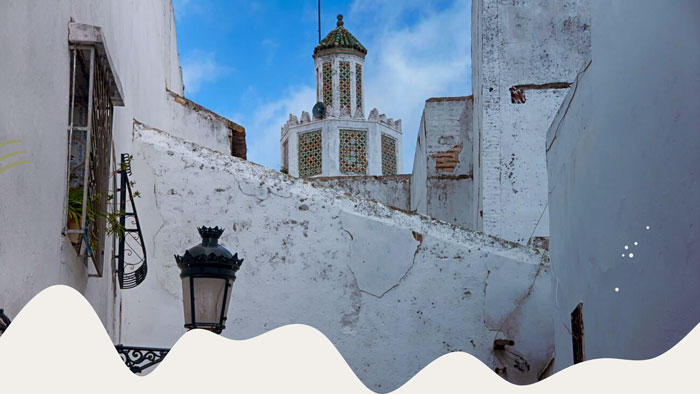
La Medina of Tétouan, inscribed as a UNESCO patrimonio de la humanidad in 1997, is often called the “White Dove of the North” due to its striking whitewashed buildings and serene atmosphere. Located near the Mediterranean coast, Tétouan stands out for its Andalusian influence, preserved from the arrival of refugees fleeing Spain in the 15th century.

A Blend of Cultures

Tétouan’s medina reflects a unique fusion of Andalusian and Moroccan architectural styles. Its streets are organized, elegant, and quieter compared to the bustling medinas of Fez or Marrakech. This calm, orderly layout makes it a rare example of an Andalusian-style city in North Africa, showcasing how cultural migration shaped urban life.

Hidden villages of the Atlas Mountains

Highlights You Shouldn’t Miss

  • Whitewashed Houses and Narrow Streets – A peaceful, photogenic maze of alleys and courtyards.

  • Ethnographic Museum of Tétouan – Displays traditional crafts, costumes, and historical artifacts from the region.

  • Artisan Workshops – Experience local craftsmanship, including pottery, leatherwork, and silver jewelry.

  • Royal Palace and Surrounding Gardens – Though not always open to the public, the palace architecture is a striking landmark.

Why It’s UNESCO-Listed

The Medina of Tétouan is recognized for being the best-preserved example of an Andalusian-style medina in Morocco, highlighting centuries of cultural exchange between Spain and North Africa. Its authenticity and urban coherence make it a living testimony to historical migration and architectural adaptation.

Travel Tip

Hire a local guide to explore the medina’s intricate alleys and hidden courtyards. Don’t miss visiting the artisan workshops to see traditional techniques passed down for generations.

7. Medina of Essaouira – The Coastal Gem

La Medina of Essaouira, formerly known as Mogador, was designated a UNESCO patrimonio de la humanidad in 2001. Nestled along Morocco’s Atlantic coast, Essaouira stands out for its unique blend of European and Moroccan architectural styles, reflecting its history as an important trading port.

A Fortress by the Sea

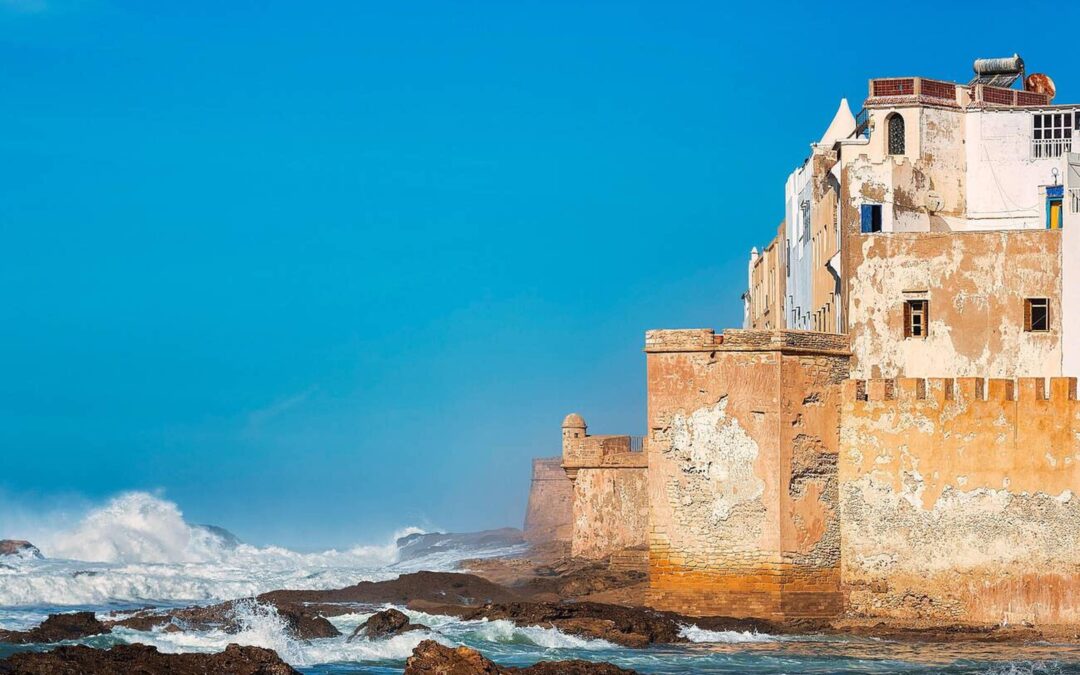
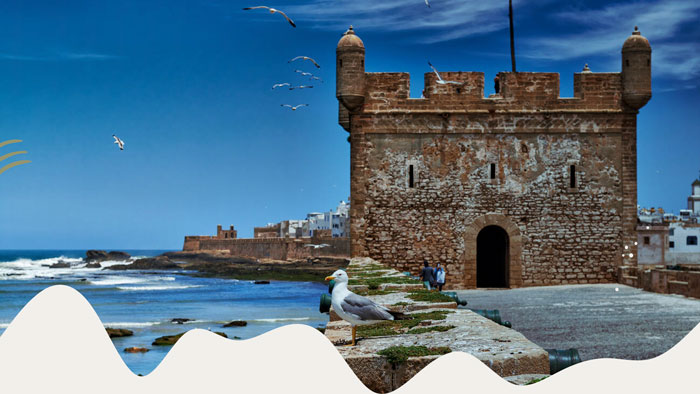
Founded in the 18th century by Sultan Mohammed ben Abdallah, Essaouira was designed as a fortified port city. Its ramparts, bastions, and harbor were meticulously planned to accommodate both defense and commerce. Today, it remains one of the best-preserved coastal medinas in North Africa, offering visitors a mix of history, culture, and seaside charm.

Hidden villages of the Atlas Mountains

Highlights You Shouldn’t Miss

  • Skala de la Ville – The iconic sea-facing ramparts with historic cannons and stunning ocean views.

  • Fishing Port – A bustling center where locals sell the day’s catch; perfect for fresh seafood.

  • Medina Streets and Souks – Explore narrow alleys lined with art galleries, craft shops, and traditional markets.

  • Gnawa World Music Festival – Held annually, celebrating Morocco’s rich musical heritage.

  • Art Galleries and Workshops – Essaouira has a thriving artistic community, especially known for woodwork and painting.

Why It’s UNESCO-Listed

Essaouira’s medina is a unique example of 18th-century fortified town planning, combining functional European military architecture with traditional Moroccan urban layout. Its authenticity and coastal character make it a living heritage site of international importance.

Travel Tip

Visit early in the morning to see the port at its busiest and the medina streets waking up. Stay for sunset at the ramparts to capture breathtaking views of the Atlantic and the city’s terracotta rooftops.

8. Portuguese City of Mazagan (El Jadida) – Morocco’s Coastal Fortress

La Portuguese City of Mazagan, now known as El Jadida, was inscribed as a UNESCO patrimonio de la humanidad in 2004. Located on Morocco’s Atlantic coast, this fortified town is a remarkable example of European military architecture integrated into a Moroccan setting.

A Testament to Cross-Cultural Exchange

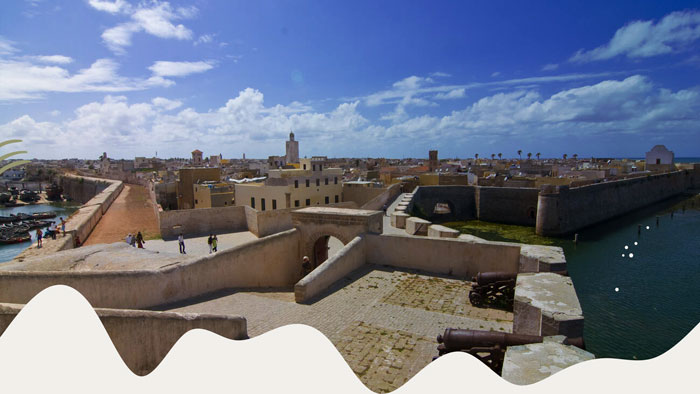
Built by the Portuguese in the 16th century, Mazagan was designed to protect their trading interests along the Moroccan coast. Its layout demonstrates advanced fortification techniques, including bastions, cisterns, and ramparts. The city reflects a fusion of European Renaissance planning and Moroccan architectural traditions, highlighting centuries of cultural interaction.

Hidden villages of the Atlas Mountains

Highlights You Shouldn’t Miss

  • Portuguese Cistern – An underground marvel with vaulted ceilings and dramatic lighting; a must-visit for photography enthusiasts.

  • Church of the Assumption – Showcases the European influence on the city’s religious architecture.

  • Fortress Ramparts – Walk along the well-preserved walls and enjoy views of the Atlantic Ocean.

  • Old Town Streets – Explore cobblestone lanes lined with historic houses that reflect the city’s colonial past.

Why It’s UNESCO-Listed

Mazagan is recognized for being an exceptional example of Portuguese fortified architecture adapted to a foreign environment, demonstrating how European colonial urban planning influenced local Moroccan settlements. Its preservation allows visitors to witness a unique chapter in Morocco’s coastal history.

Travel Tip

Visitar la cistern during midday when sunlight filters through the openings, creating a magical interplay of light and shadow. Combine your trip with a stroll along the nearby beachfront to enjoy the Atlantic breeze.

9. Rabat – Modern Capital with Ancient Roots

The city of Rabat, Morocco’s capital, was inscribed as a UNESCO patrimonio de la humanidad in 2012. Unlike other historic medinas, Rabat represents a unique blend of ancient and modern urban planning, combining historic monuments with a thoughtfully designed modern cityscape.

A City of History and Vision

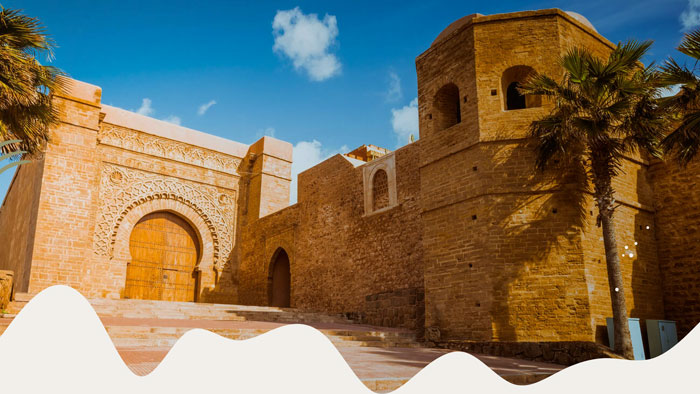
Rabat’s heritage spans several eras — from the 12th-century Almohad dynasty to French colonial urban planning in the 20th century. The UNESCO designation recognizes both the city’s historical landmarks and its modern development, making Rabat an exceptional example of a capital that balances tradition and contemporary life.

Hidden villages of the Atlas Mountains

Highlights You Shouldn’t Miss

  • Hassan Tower – An unfinished minaret from the 12th century, symbolizing Almohad architectural ambition.

  • Mausoleum of Mohammed V – A stunning example of modern Alaouite architecture housing the tombs of Moroccan royalty.

  • Kasbah of the Udayas – A fortified citadel overlooking the Bou Regreg River, featuring Andalusian gardens and narrow blue-and-white streets.

  • Chellah Necropolis – Ancient Roman and medieval Islamic ruins set in tranquil gardens, offering a glimpse into centuries of Moroccan history.

  • Modern City Center – French colonial-era boulevards and squares reflect careful urban planning integrated with historical landmarks.

Why It’s UNESCO-Listed

Rabat is recognized for being an outstanding example of a 20th-century capital city built on the foundations of a historic urban center. Its preservation demonstrates how modern planning can coexist with centuries of architectural and cultural heritage, offering lessons in urban sustainability and cultural integration.

Travel Tip

Combine visits to the Kasbah of the Udayas y Hassan Tower for stunning photography opportunities, especially at sunset. Explore the Chellah gardens for a peaceful stroll through history away from the bustling city streets.

Conclusion: Morocco – A Living Museum of Heritage

Morocco’s UNESCO World Heritage Sites are more than just tourist attractions; they are living testimonies to centuries of culture, art, and history. From the bustling medinas of Fez and Marrakech to the serene whitewashed streets of Tétouan, from the desert fortress of Ait-Ben-Haddou to the Roman ruins of Volubilis, each site offers a unique glimpse into the rich tapestry of Moroccan civilization.

Visiting these sites allows travelers to experience the fusion of Arab, Berber, Andalusian, and European influences that have shaped the country over millennia. They are not frozen in time — artisans still practice traditional crafts, markets continue to thrive, and cultural festivals bring history to life.

Whether you’re wandering through the fortified streets of Mazagan, exploring the artistic soul of Essaouira, or admiring Rabat’s blend of historic and modern urban planning, Morocco offers a living museum of heritage that captivates every visitor.

Plan Your Journey

Immerse yourself in Morocco’s cultural treasures, witness centuries of architectural brilliance, and walk the paths of history in some of the most remarkable UNESCO World Heritage Sites in the world. Your journey through Morocco is not just a trip — it’s an unforgettable encounter with history, tradition, and beauty.

The Ultimate Campervan Travel Guide to Morocco

The Ultimate Campervan Travel Guide to Morocco

The Ultimate Campervan Travel Guide to Morocco

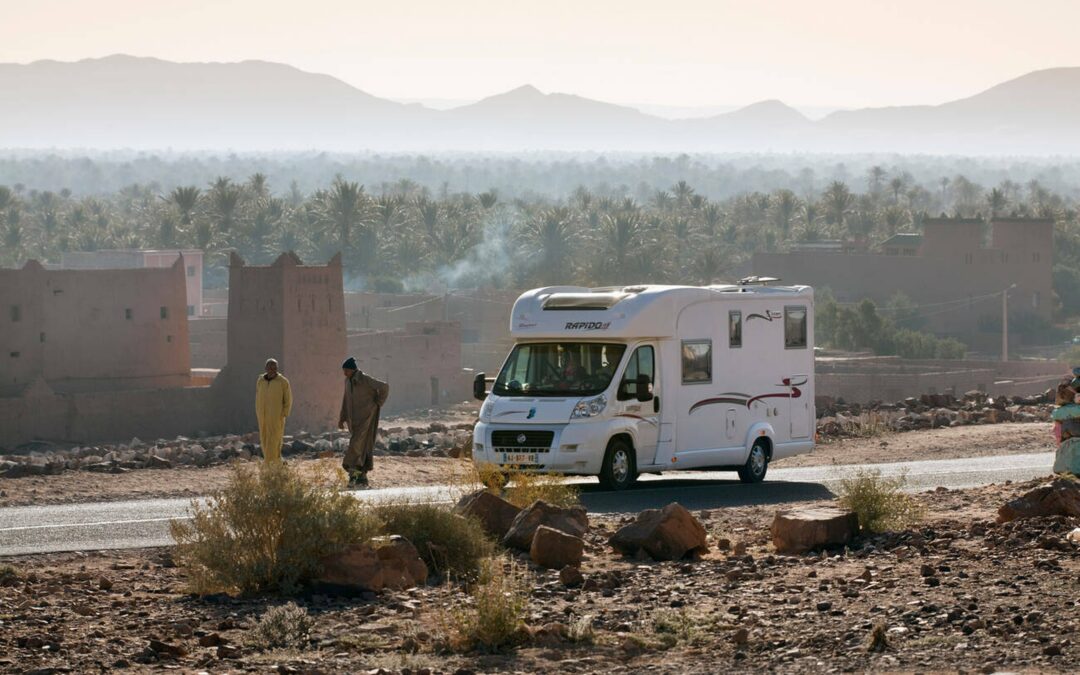
Morocco is a land of contrasts—golden dunes stretching into the horizon, snow-capped Atlas peaks, bustling souks filled with color, and serene coastal towns where time slows down. For travelers seeking both adventure and freedom, a campervan journey through Morocco is one of the most rewarding ways to experience the country.

Unlike traditional tours or hotel stays, campervan travel lets you create your own route, wake up to new landscapes every morning, and dive deeper into authentic Moroccan culture at your own pace. Whether you dream of stargazing in the Sahara, wandering ancient medinas, or enjoying mint tea by the Atlantic coast, this guide will show you how to turn that dream into reality.

This Ultimate Campervan Travel Guide to Morocco includes everything you need—from the best routes and campsites to practical tips on driving, budgeting, and packing.

Why Choose Campervan Travel in Morocco?

Campervan travel isn’t just a way to move around Morocco—it’s a lifestyle that transforms your journey into an adventure. Here’s why it’s an excellent choice:

Flexibility & Freedom

With a campervan, you’re not tied to hotel check-ins or fixed itineraries. You can chase the sunrise over the Sahara, change direction toward the coast, or linger longer in a Berber village if it captures your heart.

Authentic Cultural Encounters

Traveling slowly allows you to connect with locals—whether it’s sharing tea with nomads in the desert or chatting with fishermen on the Atlantic coast. You’ll experience Morocco beyond the tourist spots.

Cost-Effectiveness

Hotels and restaurants can add up quickly, especially on longer trips. A campervan gives you the freedom to cook your meals, sleep in your vehicle, and save on accommodation costs.

Access to Remote Landscapes

Some of Morocco’s most stunning destinations—like Erg Chebbi’s towering dunes or hidden valleys in the High Atlas—are easier to reach when you travel with your own home on wheels.

A Unique Blend of Adventure & Comfort

Campervan travel offers the thrill of road-tripping combined with the comfort of having your own cozy space wherever you go.

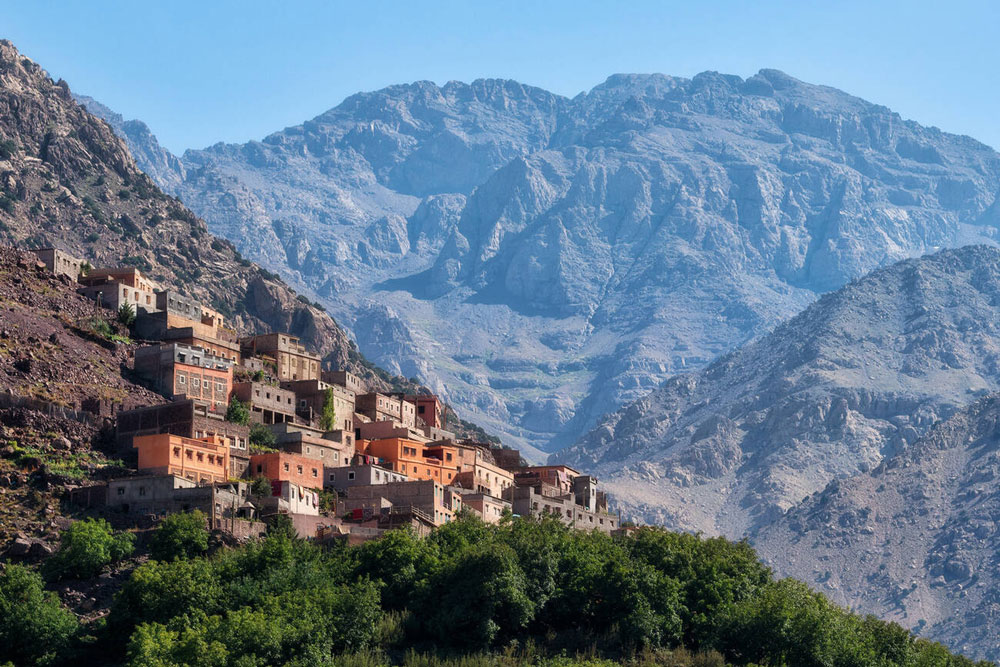
Mount Toubkal

Best Time to Travel

Morocco is a country of diverse climates—coastal breezes, desert heat, and snowy mountain peaks—so the timing of your campervan trip makes a big difference.

Spring (March – May)

One of the best times for campervan travel. The landscapes are lush and green, the weather is mild, and desert temperatures are pleasant.

Summer (June – August)

Challenging in the Sahara and south (above 40°C/104°F), but perfect along the Atlantic coast in places like Essaouira and Agadir.

Autumn (September – November)

Another ideal season—warm days, cool nights, and great conditions for both the desert and the mountains.

Winter (December – February)

Cooler temperatures, snow in the Atlas, and cold nights in the Sahara. Coastal areas remain mild and comfortable.

Best Overall Months: March to May, and September to November.

Essential Preparations

Before setting off on your campervan adventure through Morocco, a bit of planning goes a long way.

Renting vs. Bringing Your Own

  • Renting in Morocco: Convenient if you’re flying in. Campervan rentals often come fully equipped.

  • Bringing Your Own: Common for Europeans traveling by ferry to Tangier or Ceuta. Make sure your vehicle is road-ready.

Driving Requirements

  • License: A valid driver’s license (plus International Driving Permit recommended).

  • Insurance: Ensure your policy covers Morocco; if not, buy temporary coverage at the border.

  • Road Rules: Drive on the right, seatbelts are required, and police speed checks are frequent.

Navigation Tools

  • GPS or Campervan Sat Nav for large vehicles.

  • Offline maps (Google Maps offline, Maps.me).

  • Local knowledge—Moroccans are welcoming and helpful with directions.

Budget Considerations

  • Fuel: Affordable compared to Europe, but long distances add up.

  • Tolls: Major highways charge small fees.

  • Campsites: €5–€15 per night at official camper parks.

  • Food: Street food and markets are cheap; restaurants vary in price.

Essentials Checklist

  • Check water, gas, and electrical systems.

  • Carry spare parts (tires, fuses, tools).

  • Pack a solid first-aid kit.

Top Campervan Routes in Morocco

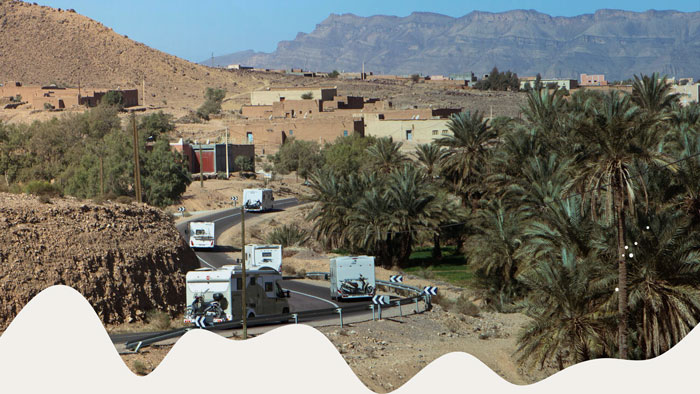
One of the greatest joys of a campervan journey through Morocco is the incredible variety of landscapes you can explore. From the bustling streets and historic medinas of ancient cities to the vast golden dunes of the Sahara, every turn of the road offers a new adventure. The towering peaks of the Atlas Mountains provide breathtaking scenery and hiking opportunities, while the serene Atlantic coastline invites relaxation and fresh ocean breezes. Traveling by campervan allows you to experience these diverse environments at your own pace, stopping wherever and whenever you like. You can wake up to a sunrise over the desert, enjoy a quiet evening in a mountain village, or explore hidden beaches far from the crowds. Each route has its own charm, culture, and challenges, making every journey unique. With a campervan, Morocco truly becomes a country you can live and explore, not just visit.

Campervan Travel Guide to Morocco

The Imperial Cities Route

Travel through Morocco’s historic heart, exploring some of its most iconic cities:

  • Rabat – Morocco’s capital, a blend of modern life and historic sites like the Kasbah of the Udayas.

  • Meknes – Known for grand gates, palaces, and a quieter medina compared to Fes and Marrakech.

  • Fes – Home to one of the world’s oldest medinas, traditional tanneries, and vibrant souks.

  • Marrakech – A city full of life, famous for Jemaa el-Fnaa square, colorful souks, and beautiful gardens.

The Atlantic Coast Route

Perfect for travelers who love the sea, fresh breezes, and relaxed coastal vibes:

  • Tangier – A gateway city with a mix of European and Moroccan culture.

  • Casablanca – Iconic for its Hassan II Mosque and cosmopolitan feel.

  • Essaouira – A laid-back artsy town, great for windsurfing and seaside strolls.

  • Agadir – Modern beach city ideal for sunbathing and enjoying long sandy shores.

The Sahara Desert Route

For adventure seekers and stargazers looking for the iconic Moroccan desert experience:

  • Merzouga – Famous for the Erg Chebbi dunes and unforgettable camel treks.

  • Zagora – A quieter desert town surrounded by palm groves and scenic desert roads.

  • Ouarzazate – Known as the “Hollywood of Africa,” featuring kasbahs, movie studios, and desert scenery.

The Atlas Mountains Route

Ideal for those seeking breathtaking mountain landscapes and authentic cultural experiences:

  • High Atlas – Dramatic mountain passes, perfect for scenic drives and photography.

  • Berber Villages – Experience local life, traditions, and warm hospitality in remote villages.

  • Ourika Valley – Lush green valleys near Marrakech, with waterfalls and excellent hiking trails.

Suggested Itineraries

  • 7-Day Trip: Marrakech → High Atlas → Merzouga (Sahara) → Fes

  • 14-Day Trip: Tangier → Rabat → Marrakech → Sahara → Atlas → Essaouira → Casablanca

Campervan-Friendly Campsites & Parking Spots

Finding the right place to park your campervan is essential for a comfortable journey. Morocco offers a mix of official campsites and safe wild camping spots.

Official Campervan Parks

  • Merzouga Desert Campsites – Equipped with electricity, water, and often guided desert tours.

  • Atlas Mountains Campsites – Located near trekking routes, these offer showers, toilets, and sometimes Wi-Fi.

  • Coastal Caravan Parks – Around Essaouira and Agadir, you’ll find beachside parking with facilities.

Wild Camping

  • Morocco allows wild camping in many remote areas, but always check local rules and safety.

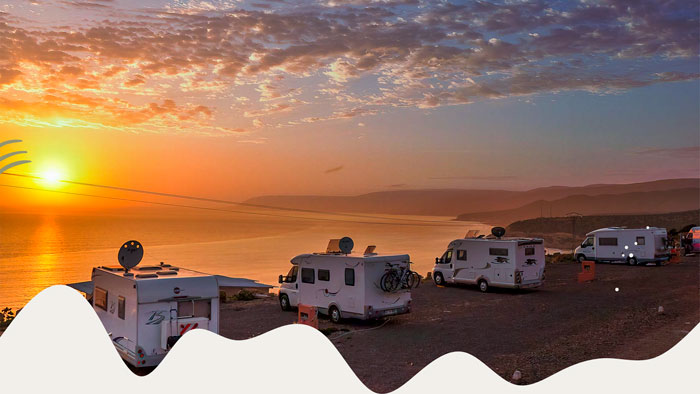
  • Desert dunes, mountain valleys, and coastal cliffs can provide stunning, private spots.

  • Tips: Camp away from private land, leave no trace, and be cautious at night.

Facilities to Expect

  • Water and electricity (mostly in official campsites).

  • Toilets and showers (not guaranteed in wild camping).

  • Security: Some campsites have staff, while remote areas require self-sufficiency.

Recommended Regions

  • Sahara Desert – Erg Chebbi near Merzouga, Erg Chigaga near M’hamid.

  • Atlas Mountains – Imlil, Tizi n’Tichka, Ourika Valley.

  • Coastline – Essaouira, Agadir, Legzira Beach.

  • Imperial Cities – Close to Marrakech, Fes, and Rabat, you’ll find urban-friendly campervan parks.

Ready to Hit the Road? 🚐

Your Moroccan campervan adventure is waiting! Don’t just dream about golden deserts, vibrant medinas, and breathtaking mountains—experience them for yourself. Plan your route to explore the perfect combination of cities, deserts, mountains, and coastline. Pack smart using our campervan checklist to ensure a smooth and comfortable journey. Book your campervan, whether renting or bringing your own, and get ready for adventure. Travel responsibly, respecting local culture, nature, and communities as you explore Morocco.

Start your Moroccan campervan journey today and create memories that will last a lifetime!

Must-See Experiences Along the Way

Morocco is packed with unforgettable experiences that make a campervan journey truly special. Here are some highlights you won’t want to miss:

Camel Trekking in the Sahara

Riding a camel through the golden dunes of Merzouga or Zagora is a magical experience. Watch the sunrise or sunset over the desert, enjoy quiet nights under a sky full of stars, and immerse yourself in the silence and vastness of the Sahara.

Exploring Local Souks and Medinas

Wander through the medinas of Fes, Marrakech, or Essaouira. These bustling marketplaces are full of vibrant colors, aromatic spices, traditional crafts, and the energy of Moroccan daily life. A campervan lets you explore nearby towns at your own pace.

Hiking in the Atlas Mountains

The High Atlas Mountains are perfect for trekking and scenic drives. Hike to waterfalls in the Ourika Valley, explore Berber villages, and enjoy panoramic views of mountain peaks that seem to stretch forever.

Coastal Relaxation

Stop along the Atlantic coast in Essaouira or Agadir. Enjoy fresh seafood, long walks on the beach, and the relaxing sound of the ocean. Campervans allow you to park close to the coast and wake up to the sea breeze.

Moroccan Cuisine Experiences

Taste the flavors of Morocco wherever you go. Try traditional tagines, couscous, pastilla, and freshly brewed mint tea. Markets and street vendors offer authentic meals that are both delicious and budget-friendly.

Cultural Festivals and Events

If your travel dates align, don’t miss cultural events like the Gnaoua Music Festival in Essaouira or local harvest celebrations in mountain villages. These festivals showcase Morocco’s rich heritage and provide unique memories for your journey.

Safety & Practical Tips

Traveling through Morocco by campervan is an incredible adventure, but a few precautions can ensure your trip is smooth and worry-free.

Road Safety

  • Drive cautiously, especially on mountain passes and rural roads, which can be narrow or winding.

  • Be aware of local driving habits and always follow speed limits.

  • Watch for animals or pedestrians, particularly in small towns and villages.

Health & Hygiene

  • Carry bottled or filtered water, especially in remote desert areas.

  • Bring a first-aid kit with basic medicines, bandages, and any personal prescriptions.

  • Wash hands frequently and be careful with street food if you have a sensitive stomach.

Dealing with Language Barriers

  • Moroccan Arabic (Darija) and French are widely spoken. Learning a few key phrases can be very helpful.

  • Smartphone translation apps are useful in markets and remote areas.

Security & Valuables

  • Avoid leaving valuables in plain sight in your campervan.

  • Use locks for doors and compartments.

  • In cities, park in well-lit, secure areas or official campervan parks.

Local Etiquette

  • Dress modestly, especially in rural areas and religious sites.

  • Always ask permission before photographing locals.

  • Respect local customs and traditions, particularly during Ramadan or festivals.

Emergency Contacts

  • Keep a list of local emergency numbers (police, medical, roadside assistance).

  • Note nearby hospitals or clinics along your route.

Following these tips will help you enjoy a safer, more enjoyable Moroccan campervan adventure while respecting the country and its people.

Packing Checklist

Being well-prepared makes your campervan journey smoother and more enjoyable. Here’s a comprehensive list of essentials:

Campervan Essentials

  • Check water, gas, and electrical systems before departure.

  • Spare tires, fuses, basic tools, and repair kits.

  • Leveling blocks for uneven parking spots.

Clothing & Personal Items

  • Light layers for hot days and warm layers for chilly nights, especially in the desert or mountains.

  • Comfortable walking shoes and sandals.

  • Hat, sunglasses, and sunscreen.

Cooking & Food Supplies

  • Portable stove or campervan kitchen setup.

  • Cooking utensils, pots, pans, and reusable plates/cutlery.

  • Non-perishable food items and spices for Moroccan cooking.

Electronics & Navigation

  • Smartphone, power banks, and charger cables.

  • GPS device or navigation apps with offline maps.

  • Camera or GoPro to capture the landscapes.

Health & Safety

  • First-aid kit with medicines, bandages, and personal prescriptions.

  • Mosquito repellent and hand sanitizer.

  • Travel insurance documents and emergency contacts.

Optional Comfort Items

  • Camping chairs and portable table.

  • Hammock for relaxing in scenic spots.

  • Books, games, or music for downtime.

Packing thoughtfully ensures that your campervan trip through Morocco is comfortable, safe, and full of adventure.

Budgeting for Your Campervan Trip

Planning your budget in advance helps you enjoy Morocco without unexpected financial stress. Here’s what to consider:

Fuel Costs

  • Fuel in Morocco is relatively affordable compared to Europe, but long distances between destinations can add up.

  • Plan your route efficiently to minimize unnecessary driving.

Campsites & Parking

  • Official campervan parks typically cost €5–€15 per night depending on facilities.

  • Wild camping is usually free but requires self-sufficiency.

Food & Dining

  • Local markets and street food offer cheap and delicious options.

  • Dining in tourist areas or restaurants in major cities will cost more.

  • Cooking in your campervan can save a lot over long trips.

Attractions & Activities

  • Some sites, like desert tours, museums, or guided hikes, may have entrance fees.

  • Plan a mix of free and paid activities to balance your budget.

Miscellaneous Costs

  • Toll roads are inexpensive but should be accounted for.

  • Souvenirs, crafts, and unexpected expenses.

Money Tips

  • Carry some cash in Moroccan Dirhams for remote areas, but cards are widely accepted in cities.

  • ATMs are common in major towns, less so in rural areas.

With careful planning, a campervan trip in Morocco can be affordable, flexible, and full of adventure without overspending.

Sustainable Campervan Travel in Morocco

Traveling responsibly ensures that Morocco’s landscapes, culture, and communities remain vibrant for future travelers. Here’s how to make your campervan journey eco-friendly and respectful:

Eco-Friendly Practices

  • Waste Management: Always dispose of trash properly and recycle where possible. Avoid leaving any waste in natural areas.

  • Water Conservation: Limit water usage, especially in desert regions where it’s scarce.

  • Energy Use: Turn off lights, heating, and cooling when not needed to conserve power.

Supporting Local Communities

  • Buy food, crafts, and souvenirs from local markets and artisans.

  • Participate in guided tours led by local guides, which helps support the community economically.

  • Respect local traditions, dress modestly in rural areas, and ask permission before taking photos.

Choosing Sustainable Activities

  • Opt for walking, hiking, or cycling tours when possible.

  • Avoid disturbing wildlife or fragile natural habitats.

  • Use refillable bottles and eco-friendly products to reduce plastic waste.

By traveling sustainably, you not only protect Morocco’s natural beauty but also create a more meaningful connection with its culture and people.

Conclusion

A campervan journey through Morocco is more than just a road trip—it’s an adventure that combines freedom, culture, and breathtaking landscapes. From the bustling medinas of the imperial cities to the golden dunes of the Sahara, the rugged Atlas Mountains, and the tranquil Atlantic coast, every mile offers a new discovery.

Traveling by campervan gives you the flexibility to explore at your own pace, wake up to stunning sunrises, and immerse yourself in authentic Moroccan life. With careful planning, the right preparations, and a spirit of adventure, your journey can be safe, comfortable, and unforgettable.

Whether it’s sharing tea with a Berber family, stargazing in the desert, hiking in the mountains, or relaxing by the ocean, Morocco invites you to experience its beauty in your own unique way. Pack your campervan, hit the road, and let the adventure begin—you’ll return with memories that last a lifetime.

Best Moroccan Cities to Soak Up the Sun in Winter

Best Moroccan Cities to Soak Up the Sun in Winter

Best Moroccan Cities to Soak Up the Sun in Winter

Moroccan Cities for Winter Sun offer the perfect escape from cold weather, combining warmth, culture, and unforgettable experiences. From the vibrant streets of Marrakech and the golden beaches of Agadir to the coastal charm of Essaouira, the desert landscapes of Ouarzazate, and the historic medinas of Fes, Morocco provides sunny winter getaways for every type of traveler.

Whether you’re seeking relaxing beach days, cultural immersion, or desert adventures, these sun-soaked cities make Morocco an ideal winter destination. In this guide, we’ll explore the best Moroccan cities for winter sun, so you can plan a trip full of warmth, exploration, and unforgettable memories.

Marrakech – The Winter Sun Oasis

Marrakech is often the first city that comes to mind when thinking about Morocco, and for good reason. Even in winter, this vibrant city basks in abundant sunshine, with average daytime temperatures ranging between 18°C and 22°C (64°F–72°F). It’s warm enough to enjoy outdoor adventures without the intense summer heat.

Family City Guide to Marrakech

Top Winter Activities

  • Explore Jemaa el-Fnaa: The city’s famous square is a lively hub of street performers, food stalls, and artisans. Winter is the perfect time to wander without the overwhelming crowds of peak season.

  • Stroll Through Majorelle Garden: Owned by Yves Saint Laurent, this oasis of exotic plants, fountains, and vivid blue structures offers a tranquil escape from the bustling city streets.

  • Visit Bahia Palace and Saadian Tombs: Sunny winter days make it ideal to explore Marrakech’s historic landmarks, where intricate architecture and gardens are bathed in warm light.

Local Experiences

  • Hammams and Spas: Winter is ideal for indulging in a traditional Moroccan hammam, enjoying the soothing warmth, steam, and signature treatments.

  • Rooftop Cafés: Sip mint tea or Moroccan coffee while taking in panoramic views of the city and the Atlas Mountains in the distance.

Why Marrakech is Ideal in Winter

Visiting Marrakech during winter means avoiding the scorching summer temperatures while still enjoying long sunny days. It’s the perfect season for exploring the medina, wandering through colorful souks, or taking day trips to nearby Atlas Mountain villages. The combination of warmth, culture, and adventure makes Marrakech an unmatched winter sun destination in Morocco.

Agadir – Beach Bliss in Winter

If your winter getaway dreams include sun-soaked beaches and the gentle sound of waves, Agadir is the place to be. Located on Morocco’s Atlantic coast, this modern city enjoys mild winter temperatures averaging 19°C–23°C (66°F–73°F) and more than 300 days of sunshine per year, making it an ideal seaside escape.

Moroccan Cities for Winter Sun

Top Attractions

  • Agadir Beach: Stretching for 10 kilometers, the wide sandy beach is perfect for walking, sunbathing, or trying out water sports. Winter winds are generally mild, allowing comfortable beach days.

  • Agadir Marina: A vibrant area with upscale restaurants, cafés, and shops, perfect for an afternoon stroll or sunset views over the water.

  • Souk El Had: One of the largest markets in southern Morocco, where you can shop for local crafts, spices, and fresh produce while enjoying the sunny atmosphere.

Activities

  • Surfing and Water Sports: Agadir’s mild winter waves attract surfers, while beginners can also enjoy kite surfing or paddleboarding.

  • Camel Rides on the Beach: For a truly Moroccan experience, ride along the shoreline while soaking up the winter sun.

  • Coastal Dining: Fresh seafood and local Moroccan dishes can be enjoyed at beachfront restaurants with panoramic ocean views.

Winter Appeal

Agadir in winter offers a rare combination: sunny skies, comfortable temperatures, and a less crowded atmosphere compared to the summer season. It’s the perfect destination for relaxation, outdoor activities, and enjoying Morocco’s coastline without the heat or hustle of peak tourist season.

Ready to Soak Up the Moroccan Sun This Winter?

Don’t wait for summer—experience Morocco’s vibrant cities, golden beaches, and sun-drenched deserts now!

Plan Your Trip Today: Discover Marrakech, Agadir, Essaouira, Ouarzazate, and Fes in the perfect winter sunshine.
Explore Culture & Adventure: Wander medinas, visit kasbahs, ride camels, and savor authentic Moroccan cuisine.
Create Unforgettable Memories: Winter in Morocco means fewer crowds, sunny skies, and unique experiences at every turn.

Book your Moroccan adventure now and let the winter sun guide your journey!

Essaouira – Windswept Charm

For travelers seeking a blend of coastal beauty, culture, and a relaxed pace, Essaouira is a winter sun gem. Located on Morocco’s Atlantic coast, this charming city enjoys mild winter temperatures averaging 17°C–20°C (63°F–68°F) with plenty of sunny days, making it perfect for exploring outdoors. Its breezy atmosphere gives it a unique character, ideal for those who enjoy fresh air and scenic views.

Moroccan Cuisine for Your Wedding

Top Attractions

  • Skala de la Ville: This historic sea bastion offers panoramic views of the Atlantic Ocean and is perfect for photography or a leisurely winter walk.

  • Medina of Essaouira: A UNESCO World Heritage site, the medina’s narrow streets are lined with art galleries, shops, and traditional Moroccan architecture.

  • Port and Fish Market: Watch the local fishermen at work and enjoy fresh seafood in nearby restaurants.

Activities

  • Kitesurfing and Windsurfing: Essaouira’s consistent winter winds attract adventure enthusiasts to try kitesurfing along the coast.

  • Art and Culture: The city is known for its music and art scene, with galleries, street art, and occasional winter festivals.

  • Beach Walks and Relaxation: Stroll along wide, sandy beaches without the summer crowds, and enjoy the soothing sound of waves and seabirds.

Winter Appeal

Essaouira in winter is quieter than in the summer months, offering a serene coastal retreat with sunny days perfect for outdoor adventures. Whether you’re exploring historic sites, indulging in fresh seafood, or trying your hand at watersports, Essaouira combines cultural richness with winter sunshine, making it an ideal Moroccan escape.

Ouarzazate – Desert Sun & Film Magic

Ouarzazate, often called the “Gateway to the Sahara,” is a city that combines desert landscapes with cinematic history. Winter in Ouarzazate is dry and sunny, with daytime temperatures ranging from 18°C to 22°C (64°F–72°F), making it perfect for exploring the desert without the intense summer heat. Clear skies and bright sunshine dominate the season, creating ideal conditions for sightseeing and photography.

Moroccan Cuisine for Your Wedding

Top Attractions

  • Aït Benhaddou: This iconic UNESCO World Heritage kasbah has been featured in films like Ouarzazate y Aït Ben Haddou son famosos escenarios de películas como Gladiator, La Momia y Juego de Tronos. Los amantes de la historia y el cine disfrutarán especialmente de estas paradas. y Ouarzazate y Aït Ben Haddou son famosos escenarios de películas como Gladiator, La Momia y Juego de Tronos. Los amantes de la historia y el cine disfrutarán especialmente de estas paradas.. Sunny winter days highlight the red clay architecture beautifully.

  • Atlas Studios: One of the world’s largest film studios, offering guided tours to see movie sets and behind-the-scenes magic.

  • Kasbah Taourirt: A historic fortress in Ouarzazate city center, showcasing traditional Moroccan architecture and stunning desert views.

Activities

  • Desert Excursions: Take a 4×4 tour or camel trek to explore nearby dunes and Berber villages, enjoying winter sun without the summer’s scorching temperatures.

  • Cultural Experiences: Visit local markets, meet artisans, and sample traditional Moroccan cuisine in a sunny, open-air setting.

  • Photography Tours: Winter light provides perfect conditions for capturing Ouarzazate’s landscapes, kasbahs, and desert panoramas.

Winter Appeal

Winter is an ideal time to experience Ouarzazate’s sunny desert landscapes comfortably. The mild temperatures and clear skies allow travelers to explore kasbahs, film locations, and desert scenery at a relaxed pace. For those seeking adventure, culture, and sun, Ouarzazate offers a unique Moroccan winter escape.

Fes – Cultural Sun-Drenched Escape

Fes is Morocco’s spiritual and cultural heart, offering a winter escape filled with history, architecture, and sunlight. Although slightly cooler than southern cities, Fes enjoys plenty of sunny days in winter, with average temperatures ranging from 13°C to 18°C (55°F–64°F). The crisp, clear winter light is perfect for exploring the city’s intricate medina streets and historic landmarks.

Moroccan Cuisine for Your Wedding

Top Attractions

  • Fes el-Bali: This UNESCO-listed old medina is a maze of narrow streets, bustling souks, and stunning architecture. Sunny winter days make wandering the medina a pleasant experience.

  • Chouara Tannery: One of the oldest tanneries in the world, where sunlight highlights the vibrant dye pits—a photographer’s dream.

  • Bou Inania Madrasa: Admire intricate tile work and architectural details under the soft winter sun.

Activities

  • Guided Medina Tours: Learn about Fes’ rich history, artisan crafts, and religious heritage while walking comfortably in winter sunshine.

  • Artisan Workshops: Visit pottery, leather, and textile workshops to watch craftspeople at work and shop for unique souvenirs.

  • Culinary Experiences: Enjoy traditional Moroccan meals in sunny courtyards or rooftop terraces overlooking the medina.

Winter Appeal

Fes in winter combines cultural richness with pleasant outdoor conditions. The mild sun allows for comfortable exploration of the city’s historical sites and vibrant streets. For travelers seeking an authentic Moroccan experience with a touch of winter sunshine, Fes is an ideal destination.

Tips for Enjoying Moroccan Sun in Winter

Winter in Morocco offers a wonderful mix of sunny skies, mild temperatures, and fewer crowds—but a little planning ensures you make the most of your trip. Here are some essential tips:

1. Pack Smart for Layered Weather

  • Bring light clothing for daytime sun and warmer layers for cooler mornings and evenings.

  • A hat, sunglasses, and sunscreen are essential to protect against strong winter sun, especially in desert regions.

2. Plan Around Daylight Hours

  • Days are shorter in winter, so schedule outdoor activities like city tours, hikes, and beach visits during peak daylight hours.

  • Early mornings and late afternoons are perfect for photography, as the winter light creates soft, golden tones.

3. Choose the Right Cities for Your Interests

  • Beaches & Relaxation: Agadir and Essaouira for sun, sand, and coastal leisure.

  • Culture & History: Fes and Marrakech for medinas, palaces, and artisan crafts.

  • Desert & Adventure: Ouarzazate for desert excursions and kasbah exploration.

4. Combine Cities for a Winter Itinerary

  • Consider a route that includes a mix of coast, desert, and cultural hubs to maximize sunshine and experiences.

  • Example: Start in Marrakech, take a day trip to the Atlas Mountains, continue to Agadir or Essaouira, then explore Ouarzazate or Fes.

5. Enjoy Seasonal Festivals & Local Cuisine

  • Winter brings smaller, local festivals and markets that offer authentic Moroccan experiences without the crowds.

  • Savor hearty Moroccan dishes like tagine and couscous, which are especially comforting in cooler winter evenings.

Conclusion: Experience Moroccan Cities for Winter Sun This Winter

Winter in Morocco is a hidden gem for travelers seeking sunshine, culture, and adventure. From the bustling medinas of Marrakech and Fes to the serene beaches of Agadir and Essaouira, and the sun-drenched deserts of Ouarzazate, each city offers a unique way to enjoy the winter sun.

Visiting Morocco in winter means avoiding the summer crowds while still enjoying mild temperatures and abundant sunlight. Whether you’re strolling through historic streets, lounging on golden beaches, exploring desert landscapes, or indulging in Moroccan cuisine, the country provides a perfect balance of relaxation and exploration.

So, if you’re looking for a winter escape that combines warmth, culture, and unforgettable experiences, pack your bags and let Morocco’s sunny cities welcome you. With thoughtful planning and a mix of destinations, your winter trip can become an unforgettable sun-soaked adventure.

How to Spend 48 Hours in Casablanca Like a Local

How to Spend 48 Hours in Casablanca Like a Local

How to Spend 48 Hours in Casablanca Like a Local

Discover Casablanca Like a Local

48 hours in Casablanca is all you need to experience the city like a local. Often overlooked in favor of Marrakech or Fes, Casablanca is a vibrant metropolis where modern life meets rich Moroccan tradition. In this guide, you’ll explore bustling markets, iconic landmarks, coastal promenades, and hidden gems that only locals know.

Whether you’re wandering the Art Deco streets, tasting fresh seafood at the Central Market, or enjoying the ocean breeze along the Corniche, this itinerary ensures you make the most of your 48 hours in Casablanca.

Day One – Morning: Start with Local Flavors and Architecture

1. Breakfast at a Neighborhood Café

  • Where to go: Seek out a small local café in the Habous Quarter or near Boulevard Mohammed V. These cafés are usually family-run and serve fresh, homemade pastries.

  • What to eat:

    • Msmen – a flaky Moroccan flatbread, often served with honey or butter.

    • Baghrir – the “thousand-hole pancake,” soft and spongy, perfect with butter and honey.

    • Hrira – a light, savory Moroccan soup if you prefer something warm.

  • Drink: Fresh mint tea, sweet and aromatic, or café au lait for a European twist.

  • Tip: Sit outside if possible—you’ll get a feel for the morning rhythm of Casablanca locals, with people stopping by for quick breakfast and conversation.

2. Boulevard Mohammed V – Art Deco Walk

  • What to see:

    • Stunning Art Deco and Mauresque buildings dating back to French colonial times.

    • Ornate façades, carved stonework, wrought-iron balconies, and decorative tiles.

  • Experience like a local: Take your time strolling, notice the little cafés and bakeries along the boulevard, and watch local office workers start their day.

  • Photo opportunity: Capture the interplay of old architecture with modern traffic—a unique Casablanca vibe.

3. Central Market (Marché Central)

  • Why go: It’s one of Casablanca’s liveliest markets and a true window into everyday local life.

  • What to do:

    • Browse stalls selling fresh seafood, spices, fruits, and vegetables.

    • Watch the vendors skillfully fillet fish or display colorful produce.

    • Interact politely with locals—it’s a great way to practice a few words in French or Moroccan Arabic.

  • Tip: Pick up some snacks or dried fruits to carry with you while exploring the city.

48 hours in Casablanca

Day One – Afternoon: Cultural Landmarks and Ocean Views

1. Lunch Like a Local

  • Where to eat: Near the Central Market or in the Habous Quarter, small family-run eateries serve fresh, traditional Moroccan dishes.

  • What to try:

    • Grilled sardines – a local specialty, often served with lemon and fresh bread.

    • Tajine – slow-cooked Moroccan stew, available in chicken, beef, or vegetable varieties.

    • Couscous – traditional and hearty, often accompanied by seasonal vegetables.

  • Experience tip: Casablancans usually eat lunch leisurely, enjoying conversation. Take your time and observe the daily flow of life around you.

2. Hassan II Mosque

  • Why visit: One of the world’s largest mosques, and a stunning symbol of Casablanca’s heritage.

  • Highlights:

    • Location: Built partly over the Atlantic Ocean—views are breathtaking.

    • Architecture: Elaborate mosaics, marble floors, cedar ceilings, and an intricately carved minaret.

    • Guided tours: Learn about Moroccan craftsmanship and Islamic art.

  • Local tip: Dress modestly (cover shoulders and knees), and remember that photography is often welcome but ask before taking close-up shots of worshippers.

3. Stroll Along the Corniche

  • What it is: Casablanca’s famous seaside promenade, popular with locals for walking, jogging, or relaxing.

  • What to do:

    • Sip coffee or mint tea at a seaside café.

    • Enjoy ice cream while watching children play or fishermen at work.

    • Walk all the way to the Ain Diab district, where locals gather in the evenings for socializing.

  • Pro tip: Bring comfortable shoes—you’ll want to walk and take in the ocean breeze.

4. Optional Afternoon Activity

  • La Sqala: A historic fortress-turned-café near the old port. Perfect for a light snack or coffee while enjoying the gardens and traditional architecture.

  • Tip: It’s a quiet spot that many tourists miss but locals love for a peaceful pause.

Brief History about Agadir

Day One – Evening: Dinner and Nightlife Like a Local

1. Dinner at Casablanca Marina

  • Why go: The marina offers a modern, lively atmosphere with views of yachts and the ocean.

  • Where to eat: Choose a restaurant that serves a mix of Moroccan and international cuisine. Options include fresh seafood, pasta, or Moroccan classics like tagine y couscous.

  • Local tip: Sit outside to enjoy the evening breeze and watch locals stroll along the promenade.

2. Rooftop Bars and Cafés

  • Why visit: Casablanca locals love evening cafés and rooftop bars for socializing and enjoying panoramic city views.

  • Recommended spots:

    • Sky 28 – modern rooftop bar with stunning views of the Hassan II Mosque.

    • Le Cabestan – a blend of Moroccan and Mediterranean vibes, right by the ocean.

  • Experience like a local: Order a mint tea or cocktail, soak in the atmosphere, and watch the city lights shimmer over the Atlantic.

3. Optional Nightlife

  • Live music venues: Some cafés and bars host live jazz, traditional Moroccan music, or fusion performances.

  • Casual evening walks: Many locals enjoy walking along the Corniche at night, especially near the Ain Diab area.

Tips for the Evening

  • Casablanca is generally safe at night, but stick to well-lit areas and main streets.

  • Dress comfortably but neatly—locals tend to dress smart-casual for evening outings.

Day Two – Morning: Hidden Corners and Local Breakfast

1. Breakfast at a Neighborhood Bakery

  • Where to go: Explore small bakeries in the Habous Quarter or residential neighborhoods.

  • What to try:

    • Fresh Moroccan pastries such as kaab el ghazal (gazelle horns) or briouats (sweet or savory stuffed pastries).

    • Croissants or pain au chocolat for a French-inspired touch.

  • Drink: Traditional mint tea, or Moroccan-style coffee for a caffeine boost.

  • Local tip: Sit outside if possible—watch locals start their day, children heading to school, and shopkeepers opening their stores.

2. Explore the Habous Quarter (New Medina)

  • Why visit: Built during the French colonial era, it’s a quieter, more traditional area compared to the bustling old Medina.

  • What to see and do:

    • Bookshops and artisan shops: browse traditional Moroccan leather goods, pottery, and textiles.

    • Olive and spice souks: locals shop here for daily cooking ingredients.

    • Bennis Habous Patisserie: famous for Moroccan pastries and sweets since the 1930s—stop for a quick treat.

  • Experience like a local: Take your time wandering the narrow streets, haggle politely with shopkeepers, and enjoy the calm, authentic atmosphere.

3. Optional Morning Stop

  • Place Mohammed V Square: If you have time, a short stroll from Habous brings you to the square, surrounded by government buildings and Art Deco architecture. It’s less touristy in the morning and often frequented by locals going about their day.

Ready to Explore Casablanca Like a Local?

Don’t just visit—experience Casablanca! Book your next Moroccan adventure and immerse yourself in local markets, stunning architecture, and coastal charm.

  • 🏨 Find the perfect hotel or riad in the heart of the city

  • 🍴 Discover authentic restaurants and street food loved by locals

  • 🎨 Plan cultural experiences, from art galleries to historic neighborhoods

Start planning your 48-hour Casablanca itinerary today!

Day Two – Afternoon: Art, Lunch, and Local Leisure

1. Lunch at a Popular Local Spot

  • Where to eat: Head to a nearby street food vendor or casual café in the Habous Quarter or city center.

  • What to try:

    • Bissara – warm fava bean soup, often drizzled with olive oil and cumin.

    • Street sandwiches – filled with grilled meat, vegetables, or traditional Moroccan flavors.

  • Local tip: Eating street food is part of the Casablanca experience; watch how locals queue and enjoy their meals on small plastic tables.

2. Villa des Arts

  • Why visit: Casablanca’s contemporary art museum showcases Moroccan modern art and temporary exhibitions.

  • What to see: Paintings, sculptures, and photography that reflect Moroccan culture and daily life.

  • Local tip: The museum is less crowded than tourist spots, offering a peaceful, inspiring experience. Take time to read the descriptions and understand the context of Moroccan art movements.

3. Parc de la Ligue Arabe

  • Why visit: Casablanca’s largest green space, ideal for relaxing like a local.

  • Activities:

    • Stroll along tree-lined paths.

    • Watch families, joggers, and street performers.

    • Grab a mint tea from nearby vendors and enjoy a peaceful break.

  • Local tip: Early afternoon is perfect for observing everyday city life—locals often come here to rest, socialize, or exercise.

4. Optional Cultural Stop

  • Mahkama du Pacha: A nearby historic courthouse with intricate Moorish architecture.

  • Why go: Less touristy, offers a glimpse of Moroccan administrative history and architectural craftsmanship.

Moroccan Cuisine for Your Wedding

Day Two – Evening: Dinner and a Local Farewell

1. Dinner at Rick’s Café or a Local Alternative

  • Rick’s Café:

    • Inspired by the iconic movie Casablanca, it offers a romantic, cinematic atmosphere.

    • Try Moroccan classics like tagine or couscous, paired with a glass of Moroccan wine or fresh juice.

    • Fun tip: Even though it’s popular with tourists, locals occasionally visit for the ambiance and music.

  • Local alternative:

    • Head to the port area or Ain Diab district for fresh seafood at family-run restaurants.

    • Dishes like grilled fish, calamari, or seafood pastilla are served in a casual, authentic environment.

2. Nightlife and Local Hangouts

  • Cafés and lounges: Casablanca locals enjoy ending the day in relaxed cafés or rooftop bars.

    • Sky 28 or Le Cabestan for panoramic city views.

    • Small live music venues for jazz or Moroccan fusion music.

  • Evening stroll: Walk along the Corniche, watching the city lights reflect on the Atlantic and observing locals enjoying the night.

3. Tips for the Evening

  • Casablanca is generally safe, but stick to well-lit areas and main streets.

  • Evening dress code: smart-casual is preferred, especially for rooftop bars or nicer restaurants.

  • Capture the final moments of your visit with photos of the city skyline or oceanfront, creating lasting memories of your 48-hour adventure.

Conclusion

Casablanca is more than a transit city—it’s a blend of modernity, tradition, and coastal charm. In 48 hours, you can experience the heartbeat of local life, from bustling markets and architectural marvels to seaside walks and cultural gems. By exploring both the well-known landmarks and hidden corners, you’ll leave with an authentic taste of Casablanca, feeling like you’ve truly experienced the city through the eyes of its residents.

Loading...
/*** Collapse the mobile menu - WPress Doctor ****/