M

+212 673 266 849

saharacameltours1@gmail.com

Hiking Mount Toubkal: A Complete Guide to Morocco’s Highest Mountain

Hiking Mount Toubkal: A Complete Guide to Morocco’s Highest Mountain

Hiking Mount Toubkal: A Complete Guide to Morocco’s Highest Mountain

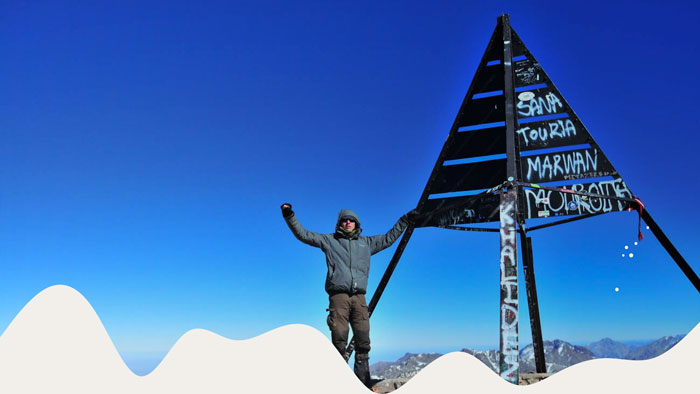
Rising proudly at 4,167 meters (13,671 feet) above sea level, Mount Toubkal is not only the highest mountain in Morocco but also the tallest peak in all of North Africa. Nestled in the heart of the Montañas del Alto Atlas, just a short trip from Marrakech, it offers hikers an unforgettable blend of adventure, breathtaking landscapes, and cultural immersion.

For many travelers, conquering Toubkal is more than just a hike—it’s a journey through Berber villages, rugged valleys, and dramatic rocky paths that culminates in standing on the “roof of North Africa.” Whether you’re an experienced mountaineer or a passionate adventurer looking for your next challenge, hiking Mount Toubkal is a rewarding experience that combines natural beauty, physical challenge, and cultural discovery.

In this guide, we’ll cover everything you need to know: from preparation and routes to what to expect on the trail, so you can plan the perfect trek to the summit of Morocco’s highest mountain.

About Mount Toubkal

Mount Toubkal (Jebel Toubkal in Arabic) stands at an impressive 4,167 meters (13,671 feet), making it the highest peak in Morocco and North Africa. Located in the Montañas del Alto Atlas, it sits within the Toubkal National Park, an area known for its rugged landscapes, deep valleys, and traditional Berber villages.

The mountain’s proximity to Marrakech—just a two-hour drive—makes it one of the most accessible high-altitude hikes in the world. Despite its height, Mount Toubkal does not require advanced technical climbing skills in summer, making it a popular choice for trekkers of varying experience levels.

Best Time to Hike

  • Spring (April–June): Lush valleys, mild weather, and fewer crowds.

  • Summer (July–September): Warm conditions, clear trails, and the most popular season.

  • Autumn (October–November): Cooler temperatures and beautiful scenery, but shorter days.

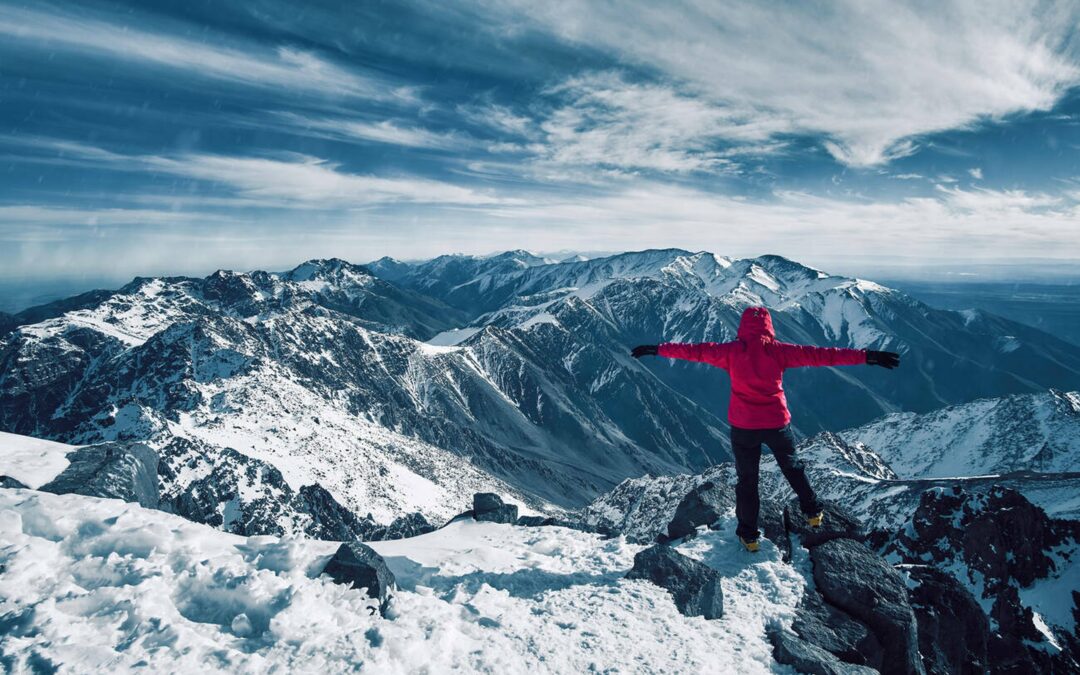
  • Winter (December–March): Snow covers the mountain, turning the trek into a serious alpine challenge requiring crampons, ice axes, and mountaineering experience.

Hiking Mount Toubkal is not just about reaching the summit; it’s about immersing yourself in the unique landscapes and cultures of the High Atlas. From mule tracks to panoramic ridges, every step offers a glimpse into Morocco’s natural and cultural treasures.

Mount Toubkal

Preparing for the Hike

While climbing Mount Toubkal doesn’t require advanced mountaineering skills in summer, proper preparation is essential to ensure a safe and enjoyable experience. Here are the key things you need to know before starting your trek.

Fitness Level

The hike to Toubkal is considered moderate to challenging, depending on your fitness level and the season. You’ll be trekking 6–8 hours a day with steep ascents, rocky paths, and high altitude. A reasonable level of stamina, leg strength, and cardio fitness will make the journey much easier.

Essential Gear Checklist

  • Sturdy hiking boots with good ankle support

  • Layered clothing (temperatures can range from hot in the valleys to freezing at the summit)

  • Warm jacket, gloves, and hat (even in summer, mornings at the summit are cold)

  • Trekking poles for stability on steep ascents and descents

  • Sleeping bag if you’re staying in a refuge (some provide blankets, but extra warmth is useful)

  • Headlamp for early morning summit pushes

  • Reusable water bottle or hydration pack

  • Snacks and energy bars

Guides & Permits

Hiring a local guide is highly recommended, especially for first-time visitors. Not only do guides provide safety and route knowledge, but they also share insights into Berber culture and the region’s history. Some treks can also include muleteers to carry luggage.

As of recent years, a licensed guide is required for trekking Mount Toubkal for safety reasons. You can easily arrange one in Marrakech or in the village of Imlil.

Travel Insurance

Because of the altitude and terrain, it’s important to have travel insurance that covers trekking above 4,000 meters. This ensures peace of mind in case of accidents or altitude-related issues.

Getting to the Starting Point (Imlil)

Most treks to Mount Toubkal begin in the picturesque village of Imlil, located at the base of the High Atlas Mountains. Imlil serves as the main hub for hikers, offering accommodations, guides, and access to the trails that lead to the summit.

How to Reach Imlil from Marrakech

  • By Car or Taxi: The drive takes about 1.5–2 hours along well-paved roads with stunning mountain scenery. Private taxis are readily available and can be hired for a round trip or as part of a guided trek package.

  • By Bus or Shared Transport: Shared minibusses leave from Marrakech and are a more budget-friendly option, but schedules can be less flexible.

Overview of Imlil Village

Imlil is a small Berber village with a welcoming atmosphere. Here, you’ll find:

  • Guesthouses and Riads: Affordable and comfortable options for staying before and after your trek.

  • Trekking Shops: For renting gear or purchasing last-minute supplies.

  • Local Cafés and Restaurants: Offering traditional Moroccan meals like tagine y couscous.

  • Guides and Mule Services: Easily arranged in the village; guides provide local knowledge and safety support, while mules help carry heavy luggage to the mountain refuge.

Imlil’s charming streets, surrounded by terraced fields and peaks, give a taste of the High Atlas lifestyle and make it the perfect place to acclimatize before starting your hike.

Hiking Routes to Mount Toubkal

There are several ways to reach the summit of Mount Toubkal, depending on your schedule, fitness level, and experience. Most hikers choose between the classic 2-day ascent, a more relaxed 3-day trek, or the challenging winter climb.

1. Classic 2-Day Ascent

This is the most popular route for first-time hikers.

Day 1: Imlil → Refuge du Toubkal

  • Distance: ~11 km (7 miles)

  • Duration: 5–7 hours

  • Elevation gain: ~1,500 meters (4,920 ft)

  • Description: The trail passes through terraced fields, small Berber villages, and dramatic valleys before reaching the Refuge du Toubkal, the primary mountain hut for overnight stays.

Day 2: Refuge → Summit → Return to Imlil

  • Distance: ~13 km (8 miles)

  • Duration: 7–9 hours

  • Description: A pre-dawn start is common to reach the summit by sunrise. The final ascent is steep and rocky, but the panoramic views from the top are unforgettable. After summiting, you descend back to the refuge and continue down to Imlil.

2. 3-Day Itinerary (Slower Pace)

Ideal for those wanting more time to acclimatize or enjoy the scenery.

  • Dia 1: Imlil → Aroumd or Tizi n’Ouano → Refuge du Toubkal

  • Dia 2: Summit attempt → Back to refuge

  • Dia 3: Descend to Imlil

  • Benefits: Less strain on your body, better experience of the High Atlas villages, and time to rest between ascents.

3. Winter Trek

  • Requires mountaineering skills and equipment like crampons and ice axes.

  • The mountain is covered in snow and ice, making the route much more technical and dangerous.

  • Often done with experienced guides and sometimes local rescue support.

No matter the route, all hikes reward trekkers with breathtaking landscapes, panoramic views, and a sense of achievement at reaching the highest point in North Africa.

What to Expect on the Trail

Hiking Mount Toubkal is an adventure filled with stunning landscapes, cultural encounters, and physical challenges. Knowing what to expect can help you prepare mentally and physically for the trek.

Trail Terrain

  • Rocky Paths: The route includes steep, uneven, and rocky sections, especially near the summit.

  • Steep Ascents: Be prepared for long climbs that require consistent pacing.

  • Mule Tracks and Dirt Trails: Lower sections often pass through terraced fields and traditional Berber villages.

Scenic Highlights

  • Valleys and Gorges: The trail winds through picturesque valleys like Ourika y Azzaden.

  • Berber Villages: Experience traditional village life and hospitality along the way.

  • Panoramic Views: From the summit, enjoy sweeping vistas of the High Atlas Mountains stretching across Morocco.

Wildlife & Flora

  • Watch for mountain goats, marmots, and birds along the trail.

  • Spring and summer treks showcase wildflowers, oak forests, and almond trees, adding color to the rocky landscape.

Challenges on the Trail

  • Altitude: The summit is over 4,000 meters, so take time to acclimatize.

  • Weather Changes: Temperatures can swing dramatically; sudden storms are possible.

  • Steep Final Ascent: The last stretch to the summit is rocky and exposed, requiring careful footing.

Despite the challenges, the trail rewards hikers with spectacular landscapes, cultural encounters, and the unforgettable feeling of standing atop North Africa’s highest peak.

Ready to Conquer Mount Toubkal

Don’t just dream about standing atop North Africa’s highest peak—make it a reality!

Plan your trek today: Choose your route, hire a local guide, and prepare your gear.
Discover the High Atlas: Immerse yourself in breathtaking landscapes and Berber culture.
Create unforgettable memories: Experience the thrill of reaching the summit and capturing panoramic views.

Book your Mount Toubkal adventure now and take the first step toward the ultimate Moroccan trekking experience!

Accommodation Options

When hiking Mount Toubkal, where you stay can greatly affect your experience. From basic mountain refuges to charming guesthouses in Imlil, there are options for every preference and budget.

1. Mountain Refuges

  • Refuge du Toubkal: The most popular mountain hut, located at 3,200 meters.

    • Offers basic dormitory-style rooms and meals.

    • Perfect for breaking up the ascent and making an early summit attempt.

  • Refuge Les Mouflons: Smaller and less crowded alternative.

  • Advantages: Warm meals, a bed, and access to guides.

  • Tip: Book in advance during peak season (spring and summer).

2. Camping Options

  • Some trekkers prefer camping near the refuges or along the trail.

  • Requires carrying your own gear and food.

  • Provides more privacy and a closer connection with the mountain environment.

3. Staying in Imlil

  • Imlil offers a range of guesthouses, riads, and small hotels.

  • Ideal for preparing before the trek or relaxing after your descent.

  • Local accommodations often provide meals, guide arrangements, and luggage storage.

Choosing the right accommodation depends on your comfort level, trekking pace, and desire for adventure. Many hikers combine a night in Imlil with a night in a mountain refuge for the classic 2-day summit experience.

Essential Tips for Success

Successfully hiking Mount Toubkal requires preparation, awareness, and respect for the mountain environment. These tips will help ensure a safe and enjoyable trek.

1. Acclimatization

  • Spend a day or two in Imlil or nearby valleys to adjust to the altitude.

  • Ascend slowly and listen to your body to prevent altitude sickness.

  • Symptoms include headache, nausea, and fatigue; descend immediately if severe.

2. Hydration & Nutrition

  • Drink plenty of water throughout the trek to avoid dehydration.

  • Bring high-energy snacks like nuts, dried fruit, and energy bars.

  • Mountain refuges provide meals, but having your own snacks is essential for long summit days.

3. Safety Tips

  • Start early for the summit to avoid afternoon weather changes.

  • Use trekking poles for stability on rocky and steep sections.

  • Always check weather forecasts and adjust plans accordingly.

  • Hire a local guide if you are unfamiliar with the trail.

4. Eco-Friendly Trekking

  • Leave no trace: Carry out all trash and minimize impact.

  • Respect local communities and traditions in Berber villages.

  • Stick to established trails to protect fragile mountain ecosystems.

Following these tips will not only improve your chances of reaching the summit but also help you enjoy every step of this incredible adventure safely and responsibly.

Beyond the Hike

While reaching the summit of Mount Toubkal is a major achievement, the High Atlas region offers plenty more to explore, both for adventure seekers and culture enthusiasts.

1. Other Treks in the High Atlas

  • Oukaimeden: Known for skiing in winter and stunning trekking routes in summer.

  • Azzaden Valley: A scenic trek through terraced fields, traditional villages, and river valleys.

  • M’Goun Massif: Offers longer, multi-day treks for experienced hikers seeking solitude and wild landscapes.

2. Exploring Berber Culture

  • The High Atlas is home to Berber communities with a rich history and traditions.

  • Visit villages to experience handmade crafts, local cuisine, and warm hospitality.

  • Learn about the unique lifestyle and architecture of the mountain villages.

3. Relaxing in Marrakech After the Trek

  • After days on the trail, Marrakech offers a perfect contrast with its bustling souks, gardens, and riads.

  • Enjoy traditional Moroccan dishes, hammams (bathhouses), and cultural performances.

  • Marrakech makes an ideal base for your trek and a relaxing endpoint after your adventure.

Exploring beyond the Toubkal summit adds depth to your journey, connecting the physical challenge of the hike with the rich culture and landscapes of Morocco.

Conclusion

Conquering Mount Toubkal, the highest peak in Morocco and North Africa, is an adventure that combines physical challenge, breathtaking scenery, and cultural immersion. From the charming village of Imlil to the rugged trails of the High Atlas, every step of the journey offers unforgettable experiences.

With proper preparation—choosing the right gear, acclimatizing to the altitude, and hiring a knowledgeable local guide—reaching the summit is entirely achievable for moderately fit hikers. The reward is standing atop the “roof of North Africa,” taking in panoramic views that stretch as far as the eye can see, and creating memories that last a lifetime.

Whether you’re an experienced trekker or a first-time adventurer, hiking Mount Toubkal is more than just a hike—it’s a journey into the heart of Morocco’s mountains, culture, and natural beauty. Prepare well, embrace the challenge, and enjoy the thrill of reaching new heights.

The Ultimate Guide to Organizing a Magical Wedding in Morocco

The Ultimate Guide to Organizing a Magical Wedding in Morocco

The Ultimate Guide to Organizing a Magical Wedding in Morocco

Why Morocco is the Perfect Wedding Destination

Imagine exchanging vows in a land of timeless beauty, where golden desert dunes meet majestic mountains, vibrant medinas bustle with life, and palaces and riads overflow with intricate artistry. Morocco offers a unique blend of exotic landscapes, rich culture, and luxurious venues that make it one of the most enchanting destinations for weddings in the world.

Whether you dream of an intimate ceremony in a traditional riad courtyard, a grand celebration in a Moroccan palace, or a sunset wedding in the heart of the Sahara Desert, Morocco can turn your wedding vision into a breathtaking reality. The country’s diversity ensures that every couple can find a setting that perfectly matches their style, whether it’s romantic, adventurous, or steeped in cultural elegance.

Planning a wedding abroad might feel overwhelming, but with the right guidance, it becomes an exciting journey filled with discovery and creativity. This guide to organizing a magical wedding in Morocco will walk you through everything from selecting the ideal venue to incorporating Moroccan traditions, ensuring that your celebration is not only unforgettable but also seamless and stress-free.

In the following sections, we’ll explore why Morocco is a top choice for destination weddings, how to set your budget, pick the perfect venue, plan your décor, food, and entertainment, and ensure every moment is flawlessly executed. By the end, you’ll have all the insights needed to create a wedding that truly reflects your love story amid Morocco’s breathtaking landscapes and vibrant culture.

Why Choose Morocco for Your Wedding

Morocco is a land of contrasts and colors, offering an extraordinary backdrop that makes any wedding truly unforgettable. From the sun-drenched dunes of the Sahara Desert to the bustling souks of Marrakech, the serene beaches of Essaouira, and the snow-capped peaks of the Atlas Mountains, the country’s diverse landscapes provide countless options for every couple’s dream wedding.

One of the most appealing aspects of Morocco is its variety of venues. Luxurious riads with lush courtyards, opulent palaces with intricate mosaics, charming desert camps under star-filled skies, and elegant resorts along the coastline, each location offers a unique charm that can turn a wedding into a one-of-a-kind experience. Couples can choose a traditional Moroccan setting for cultural authenticity or a modern, stylish venue for contemporary elegance.

Moroccan culture itself adds an extra layer of magic to your celebration. Imagine live traditional music, henna ceremonies, and vibrant local décor blending seamlessly with your personal wedding theme. This cultural richness not only makes your event unique but also offers a deeply immersive experience for your guests, allowing them to enjoy the beauty of Morocco while celebrating your special day.

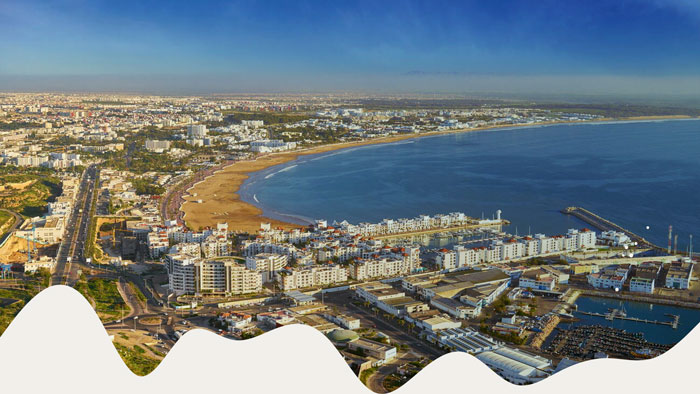
Timing is also an important consideration when planning a wedding in Morocco. The country enjoys generally pleasant weather throughout the year, with spring and autumn being particularly ideal for outdoor ceremonies. Whether it’s a sunny beach wedding in Agadir or a cozy mountain celebration in Imlil, choosing the right season ensures your wedding is comfortable and picturesque.

By choosing Morocco, you’re not just picking a wedding location; you’re selecting a destination that combines adventure, romance, and cultural richness. This makes it an exceptional choice for couples seeking a truly magical and memorable celebration.

Brief History about Agadir

Setting Your Wedding Budget in Morocco

Planning a destination wedding in Morocco begins with establishing a clear and realistic budget. Costs can vary widely depending on the type of venue, the number of guests, and the level of luxury you desire. From intimate courtyard ceremonies in Marrakech riads to grand celebrations in desert luxury camps, understanding how to allocate your budget is key to organizing a magical wedding in Morocco.

1. Average Costs for Moroccan Weddings

  • Intimate Weddings: For smaller gatherings of 20–50 guests, a riad or boutique venue with Moroccan décor and catering can range from $5,000 to $15,000, depending on the location and services included.

  • Medium-Sized Weddings: For 50–100 guests, costs can rise to $15,000–$30,000, including a full-service venue, Moroccan catering, entertainment, and décor.

  • Luxury Weddings: Large weddings of 100+ guests in palaces, desert camps, or high-end resorts can easily exceed $40,000–$60,000, especially if you include luxury touches like private transportation, custom décor, and top-tier entertainment.

2. Key Budget Allocation

  • Venue: Typically the largest portion of your budget (30–40%). Consider factors such as location, size, and included services.

  • Catering: Moroccan cuisine is a highlight of any wedding, so allocate around 20–25% for meals, drinks, and desserts.

  • Decor and Floral Arrangements: Expect to spend 15–20% on décor, lighting, and traditional Moroccan elements like lanterns, rugs, and vibrant fabrics.

  • Entertainment: Music, performers, and cultural experiences can take up 10–15% of the budget.

  • Photography and Videography: Essential for capturing memories, typically 5–10% of the budget.

  • Miscellaneous Expenses: Invitations, transportation, attire, and wedding favors should be planned at 5–10%.

3. Tips for Budget Management

  • Book venues and vendors well in advance to secure the best rates, especially during peak wedding seasons (spring and autumn).

  • Consider a smaller guest list to focus on quality experiences rather than quantity.

  • Use local Moroccan vendors for catering, entertainment, and décor—they often provide authentic services at more affordable prices than international options.

By carefully planning and allocating your funds, you can ensure that every element of your wedding is covered without compromising on your dream vision. A well-structured budget is the foundation of a successful celebration and will make organizing a magical wedding in Morocco much smoother and more enjoyable.

The Rif Mountains

Less visited than the High Atlas, the Rif Mountains in northern Morocco offer quieter trails and equally captivating wildlife experiences. These mountains are known for their lush greenery, limestone cliffs, and high biodiversity.

Wildlife Highlights:

  • Barbary macaques – Especially around Talassemtane National Park.
  • Various species of raptors, owlsy songbirds.
  • Endemic reptiles and amphibians found in damp forest floors.

Where to Go:

  • Talassemtane National Park – Near Chefchaouen, this park is perfect for hiking and wildlife-spotting.
  • Forest trails around Akchour – Waterfalls and scenic walks with chances to see monkeys and birds.

Tip: The Rif region is best explored with a local guide who understands the delicate mountain ecosystems and can help spot elusive species.

Setting Your Wedding Budget in Morocco

Planning a destination wedding in Morocco begins with establishing a clear and realistic budget. Costs can vary widely depending on the type of venue, the number of guests, and the level of luxury you desire. From intimate courtyard ceremonies in Marrakech riads to grand celebrations in desert luxury camps, understanding how to allocate your budget is key to organizing a magical wedding in Morocco.

1. Average Costs for Moroccan Weddings

  • Intimate Weddings: For smaller gatherings of 20–50 guests, a riad or boutique venue with Moroccan décor and catering can range from $5,000 to $15,000, depending on the location and services included.

  • Medium-Sized Weddings: For 50–100 guests, costs can rise to $15,000–$30,000, including a full-service venue, Moroccan catering, entertainment, and décor.

  • Luxury Weddings: Large weddings of 100+ guests in palaces, desert camps, or high-end resorts can easily exceed $40,000–$60,000, especially if you include luxury touches like private transportation, custom décor, and top-tier entertainment.

2. Key Budget Allocation

  • Venue: Typically the largest portion of your budget (30–40%). Consider factors such as location, size, and included services.

  • Catering: Moroccan cuisine is a highlight of any wedding, so allocate around 20–25% for meals, drinks, and desserts.

  • Decor and Floral Arrangements: Expect to spend 15–20% on décor, lighting, and traditional Moroccan elements like lanterns, rugs, and vibrant fabrics.

  • Entertainment: Music, performers, and cultural experiences can take up 10–15% of the budget.

  • Photography and Videography: Essential for capturing memories, typically 5–10% of the budget.

  • Miscellaneous Expenses: Invitations, transportation, attire, and wedding favors should be planned at 5–10%.

3. Tips for Budget Management

  • Book venues and vendors well in advance to secure the best rates, especially during peak wedding seasons (spring and autumn).

  • Consider a smaller guest list to focus on quality experiences rather than quantity.

  • Use local Moroccan vendors for catering, entertainment, and décor—they often provide authentic services at more affordable prices than international options.

By carefully planning and allocating your funds, you can ensure that every element of your wedding is covered without compromising on your dream vision. A well-structured budget is the foundation of a successful celebration and will make organizing a magical wedding in Morocco much smoother and more enjoyable.

Moroccan Wedding Planning Essentials

Planning a wedding in Morocco involves more than selecting a beautiful venue—it requires careful attention to logistics, legal requirements, and cultural traditions. Whether you’re planning from abroad or residing locally, understanding these essentials will help you organize a magical wedding in Morocco with ease.

1. Hiring a Local Wedding Planner

Destination weddings can be complex, and a professional Moroccan wedding planner can make the process seamless. Planners have local knowledge of venues, vendors, caterers, and regulations, ensuring your vision comes to life without stress. They can also help with:

  • Coordinating vendor contracts and payments.

  • Managing logistics for guests traveling from abroad.

  • Incorporating Moroccan cultural touches, décor, and entertainment.

2. Legal Requirements for Foreign Couples

For couples coming from abroad, understanding Moroccan marriage laws is crucial:

  • Required documents typically include passports, birth certificates, certificates of no impediment, and proof of marital status.

  • All documents may need to be translated into Arabic or French and authenticated by Moroccan authorities.

  • Couples should confirm requirements with their local embassy or consulate to avoid delays.
    Planning in advance ensures a smooth and legally recognized ceremony.

3. Cultural Considerations

Moroccan weddings are rich in traditions, and incorporating these elements can enhance your celebration:

  • Henna Ceremonies: A pre-wedding tradition for the bride, often accompanied by music and dancing.

  • Traditional Music and Dance: Live Moroccan music, Gnawa bands, and belly dancers can add vibrancy to your event.

  • Decor & Dress Codes: Moroccan décor is ornate and colorful, and dressing in traditional attire can make your wedding even more immersive.
    Understanding and respecting these cultural aspects will enrich your wedding experience while delighting your guests.

4. Recommended Timeline for Planning

A well-structured timeline is essential for a destination wedding in Morocco:

  • 12–18 Months Before: Secure your venue and wedding planner, define your budget, and draft a guest list.

  • 9–12 Months Before: Book vendors, catering, entertainment, and accommodations for guests.

  • 6–9 Months Before: Finalize décor, menu, and wedding attire.

  • 3–6 Months Before: Confirm legal documents, send invitations, and coordinate travel logistics.

  • 1–3 Months Before: Conduct final walkthroughs with vendors, plan rehearsal events, and ensure all details are aligned.

By carefully planning each step, couples can reduce stress and focus on the joy of their celebration. A well-prepared approach ensures that every aspect of your wedding is handled professionally, allowing you to fully enjoy your special day in Morocco.

Catering and Moroccan Cuisine for Your Wedding

One of the most memorable aspects of a Moroccan wedding is the food. Moroccan cuisine is a rich tapestry of flavors, colors, and aromas, offering a unique and luxurious experience for you and your guests. From savory tagines to delicate pastries, catering plays a central role in creating a magical wedding in Morocco.

Moroccan Cuisine for Your Wedding

1. Traditional Moroccan Dishes for Weddings

  • Tagine: Slow-cooked stews with meat, poultry, or vegetables, flavored with saffron, preserved lemons, and spices.

  • Couscous: A classic Moroccan dish often served with vegetables, meat, or seafood.

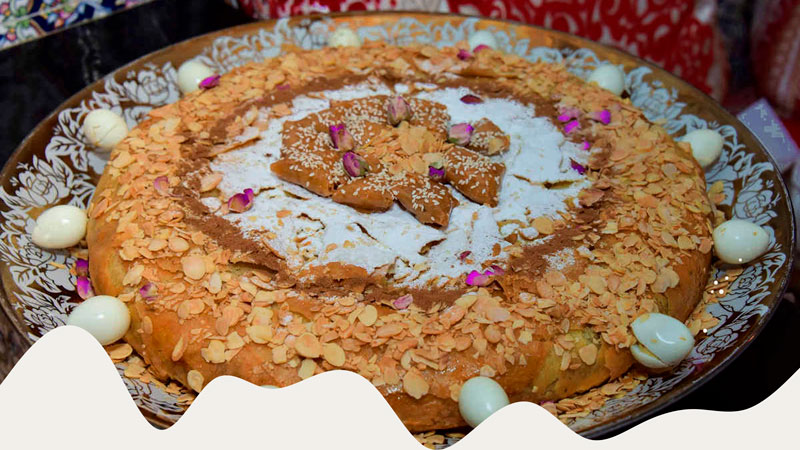
  • Pastilla: A savory-sweet pie, typically with pigeon or chicken, almonds, and a delicate cinnamon sugar crust.

  • Moroccan Salads: A variety of fresh salads using seasonal vegetables, herbs, and olive oil.

2. Incorporating Moroccan Flavors

Moroccan weddings often feature menus that highlight regional specialties. You can work with your caterer to:

  • Include a tasting menu for guests featuring signature dishes.

  • Blend traditional Moroccan flavors with international cuisine for a fusion-style wedding.

  • Offer Moroccan teas, mint drinks, and traditional beverages during the reception.

3. Desserts and Sweets

Moroccan weddings are renowned for their sweet treats:

  • Chebakia: Sesame cookies fried and coated with honey.

  • Ghriba: Soft almond or coconut cookies.

  • Makrout: Date-filled semolina pastries.
    Desserts are not only delicious but also beautifully decorative, adding elegance to your wedding table.

4. Catering Tips for a Magical Wedding

  • Hire a local catering team familiar with Moroccan cuisine—they understand flavors, presentation, and portion sizes.

  • Plan for dietary restrictions and preferences, offering vegetarian, vegan, or gluten-free options.

  • Consider live cooking stations for tagines or couscous, creating interactive experiences for guests.

  • Schedule menu tastings in advance to ensure flavors and presentation meet your expectations.

By embracing Moroccan cuisine, your wedding will not only delight the senses but also immerse your guests in the country’s rich culture and culinary heritage. Food is a central part of celebrating love in Morocco, making your wedding a truly unforgettable feast.

Create Memories of a Lifetime in Morocco

Embark on a journey designed just for two, whether it’s your honeymoon or a romantic escape, Morocco offers the perfect blend of passion, adventure, and timeless charm. Wander through Marrakech’s enchanting streets, ride camels across golden dunes, and share a magical night under the starry Sahara sky.

💖 Book your romantic or honeymoon tour today and let Morocco be the beginning of your forever story.

Décor, Themes, and Moroccan Wedding Style

A wedding in Morocco is as much about visual splendor as it is about the celebration itself. Moroccan décor is vibrant, intricate, and full of character, offering endless opportunities to create a magical atmosphere. Choosing the right style and theme ensures that your wedding reflects both your personality and the rich culture of Morocco.

Wildlife-Watching in Morocco

1. Moroccan Décor Elements

  • Lanterns and Lighting: Ornate metal lanterns and hanging lights create a warm, romantic glow, perfect for evening ceremonies.

  • Textiles and Fabrics: Luxurious rugs, embroidered cushions, and colorful drapes add texture, depth, and cultural authenticity.

  • Floral Arrangements: Bouquets of native flowers, mixed with lush greenery, complement the vibrant fabrics and architectural details of Moroccan venues.

  • Traditional Accessories: Brass trays, tea sets, and Moroccan ceramics can be used as decorative accents, enhancing the cultural feel.

2. Popular Wedding Themes in Morocco

  • Desert Elegance: Ceremonies set against the Sahara dunes, with golden tones, candles, and luxurious tents for evening receptions.

  • Moroccan Palace: A royal-inspired celebration with opulent décor, gold accents, and traditional Moroccan patterns.

  • Bohemian Chic: Incorporating earthy tones, natural fabrics, and relaxed seating arrangements for a more intimate, whimsical feel.

  • Coastal Charm: Beach weddings in Essaouira or Agadir with soft colors, seashell décor, and sunset-inspired palettes.

3. Creating an Unforgettable Ambiance

  • Lighting: Moroccan weddings often use dramatic lighting to enhance architecture and décor. Soft uplights, lanterns, and candles can transform any space into a romantic wonderland.

  • Table Settings: Use vibrant table linens, intricate dishware, and decorative centerpieces to reflect Moroccan elegance.

  • Seating and Layout: Courtyards, terraces, and desert camps provide unique layouts. Comfortable seating and lounge areas allow guests to mingle while enjoying the ambiance.

  • Cultural Touches: Incorporating henna ceremonies, traditional music, and Moroccan-inspired favors adds authenticity and a personal touch.

By thoughtfully blending Moroccan décor, themes, and cultural elements, your wedding can transport guests into a world of exotic elegance. Every detail, from lighting to textiles, contributes to creating a truly magical wedding in Morocco that will be remembered for years to come.

Entertainment and Music

Entertainment is a vital component of a magical wedding in Morocco. Beyond traditional music, Moroccan weddings offer a wide array of performances and cultural experiences that can engage your guests and create an unforgettable atmosphere.

1. Traditional Moroccan Music and Dance

  • Gnawa Music: Known for its hypnotic rhythms and spiritual energy, Gnawa performances are a unique way to immerse guests in Moroccan culture.

  • Andalusian Music: Perfect for elegant receptions, Andalusian ensembles provide soft, melodic tunes that enhance the romantic ambiance.

  • Belly Dancing: A popular addition to Moroccan weddings, belly dancers bring energy, color, and entertainment to evening celebrations.

2. Modern and Fusion Entertainment

  • DJs can incorporate Moroccan instruments and rhythms into modern playlists, blending tradition with contemporary music.

  • Live bands can perform international hits while integrating Moroccan percussion or string instruments.

  • Interactive performances, such as henna painting or storytelling sessions, engage guests and provide memorable cultural experiences.

3. Cultural Experiences for Guests

  • Henna Ceremonies: In addition to the bride’s pre-wedding henna, offering mini henna sessions for female guests can be a fun, immersive activity.

  • Moroccan Tea Ceremony: Traditional tea preparation and serving can be both an educational and social experience.

  • Local Crafts and Souvenirs: Live demonstrations of Moroccan crafts or calligraphy can add a unique touch to the wedding day.

4. Planning Tips for Entertainment

  • Coordinate performances according to the wedding schedule, ensuring there is a balance between lively and relaxing moments.

  • Hire professional performers experienced with weddings to maintain smooth transitions and engaging experiences.

  • Consider the cultural background of your guests, blending Moroccan traditions with elements they will enjoy and appreciate.

By incorporating traditional music, modern entertainment, and immersive cultural experiences, your wedding will not only celebrate love but also offer guests a vibrant taste of Morocco’s rich heritage. Entertainment ensures that every moment, from ceremony to reception, is lively, memorable, and perfectly aligned with the magical atmosphere of your Moroccan wedding.

Entertainment and Music

Entertainment is a vital component of a magical wedding in Morocco. Beyond traditional music, Moroccan weddings offer a wide array of performances and cultural experiences that can engage your guests and create an unforgettable atmosphere.

1. Traditional Moroccan Music and Dance

  • Gnawa Music: Known for its hypnotic rhythms and spiritual energy, Gnawa performances are a unique way to immerse guests in Moroccan culture.

  • Andalusian Music: Perfect for elegant receptions, Andalusian ensembles provide soft, melodic tunes that enhance the romantic ambiance.

  • Belly Dancing: A popular addition to Moroccan weddings, belly dancers bring energy, color, and entertainment to evening celebrations.

2. Modern and Fusion Entertainment

  • DJs can incorporate Moroccan instruments and rhythms into modern playlists, blending tradition with contemporary music.

  • Live bands can perform international hits while integrating Moroccan percussion or string instruments.

  • Interactive performances, such as henna painting or storytelling sessions, engage guests and provide memorable cultural experiences.

3. Cultural Experiences for Guests

  • Henna Ceremonies: In addition to the bride’s pre-wedding henna, offering mini henna sessions for female guests can be a fun, immersive activity.

  • Moroccan Tea Ceremony: Traditional tea preparation and serving can be both an educational and social experience.

  • Local Crafts and Souvenirs: Live demonstrations of Moroccan crafts or calligraphy can add a unique touch to the wedding day.

4. Planning Tips for Entertainment

  • Coordinate performances according to the wedding schedule, ensuring there is a balance between lively and relaxing moments.

  • Hire professional performers experienced with weddings to maintain smooth transitions and engaging experiences.

  • Consider the cultural background of your guests, blending Moroccan traditions with elements they will enjoy and appreciate.

By incorporating traditional music, modern entertainment, and immersive cultural experiences, your wedding will not only celebrate love but also offer guests a vibrant taste of Morocco’s rich heritage. Entertainment ensures that every moment—from ceremony to reception—is lively, memorable, and perfectly aligned with the magical atmosphere of your Moroccan wedding.

Photography and Videography Tips

Capturing the beauty of your wedding is essential, and Morocco offers a wealth of breathtaking backdrops for unforgettable photos and videos. From golden desert dunes to ornate palace interiors, thoughtful planning ensures your memories are as magical as the day itself.

1. Choosing the Right Photographer and Videographer

  • Select professionals experienced in destination weddings and familiar with Moroccan lighting and scenery.

  • Review portfolios to ensure they can capture both candid moments and staged shots with artistic flair.

  • Consider hiring a team that can handle both photography and videography to maintain a consistent style.

2. Best Locations for Wedding Photos

  • Desert Dunes: Sunrise or sunset in the Sahara provides dramatic lighting and stunning natural scenery.

  • Riad Courtyards: Intricate tiles, lush gardens, and traditional architecture make for intimate and colorful shots.

  • Palaces and Kasbahs: Elegant interiors, grand staircases, and ornate halls offer regal backdrops.

  • Medina Streets: Vibrant markets, colorful doors, and historic alleys capture the authentic Moroccan atmosphere.

3. Timing and Lighting Considerations

  • Plan outdoor sessions during the golden hours—shortly after sunrise or before sunset—for soft, flattering light.

  • Indoor venues may require additional lighting to highlight architectural details and decor.

  • Discuss lighting plans with your photographer to ensure they can handle both day and evening shots effectively.

4. Capturing Cultural Experiences

  • Document traditional elements such as henna ceremonies, Moroccan music, and dances to preserve cultural authenticity.

  • Include details of décor, table settings, and floral arrangements for a complete visual record of your wedding.

  • Consider drone photography for sweeping views of desert, mountain, or coastal venues.

5. Tips for a Smooth Photography Experience

  • Schedule photo sessions in advance to avoid conflicts with ceremony or reception timing.

  • Provide your photographer with a shot list of must-have moments, including family portraits and key cultural elements.

  • Allow time for spontaneous, candid shots that capture the emotion and atmosphere of the day.

By carefully selecting your photography and videography team and planning sessions around Morocco’s stunning locations, you can ensure that your wedding memories are beautifully preserved. Every smile, every detail, and every magical moment will be captured, letting you relive your Moroccan wedding for years to come.

Accommodation and Guest Logistics

Ensuring your guests are comfortable and have a seamless experience is essential when planning a wedding in Morocco. From nearby accommodations to transportation and itineraries, careful logistics make a destination wedding stress-free and enjoyable for everyone.

1. Recommended Accommodation Options

  • Riads: Traditional Moroccan houses with inner courtyards, offering intimate and authentic stays for smaller groups.

  • Hotels and Resorts: Perfect for larger parties, especially in cities like Marrakech, Agadir, and Essaouira, providing modern amenities, pools, and on-site event spaces.

  • Desert Camps: Luxury tents in Merzouga or the Sahara Desert provide a unique, immersive experience for adventurous guests.

  • Palaces and Kasbahs: Some venues offer on-site accommodation, combining convenience with an unforgettable setting.

2. Transport and Accessibility

  • Arrange airport transfers for international guests to ensure smooth arrivals and departures.

  • Consider shuttle services between accommodations and the wedding venue to avoid confusion.

  • For desert or remote locations, 4×4 vehicles may be necessary for comfort and safety.

3. Planning Guest Itineraries

  • Provide a detailed schedule with ceremony, reception, and optional activities, allowing guests to explore Morocco.

  • Include recommendations for sightseeing, cultural experiences, and dining to enhance their stay.

  • Offer information about local customs, dress codes, and weather considerations to help guests prepare.

4. Additional Tips for Guest Comfort

  • Prepare welcome bags with essentials like maps, snacks, local treats, and information about the wedding venue.

  • Include guidance for language, currency, and local etiquette to make travel smoother.

  • Keep in mind special needs or accessibility requirements for certain guests to ensure everyone enjoys the celebration.

By thoughtfully managing accommodation and guest logistics, you create a smooth, enjoyable experience that complements your magical Moroccan wedding. Your guests will appreciate the attention to detail, allowing everyone to focus on celebrating your special day in comfort and style.

Planning a Destination Wedding Timeline

A well-structured timeline is crucial for organizing a magical wedding in Morocco. By breaking down tasks month by month, you can reduce stress, coordinate vendors efficiently, and ensure every detail is perfectly executed.

1. 12–18 Months Before the Wedding

  • Select your wedding venue and secure bookings.

  • Hire a Moroccan wedding planner to assist with logistics, vendor recommendations, and local guidance.

  • Define your budget and draft a preliminary guest list.

  • Research Moroccan wedding traditions and themes to incorporate cultural elements.

2. 9–12 Months Before

  • Book vendors, including caterers, photographers, videographers, florists, and entertainment.

  • Reserve accommodations for guests and arrange preliminary transport logistics.

  • Begin shopping for wedding attire, considering Moroccan climate and venue type.

3. 6–9 Months Before

  • Finalize your décor, themes, and table settings.

  • Plan detailed menu tastings with your caterer to ensure a perfect dining experience.

  • Confirm entertainment, music, and cultural experiences for your wedding.

  • Obtain any necessary legal documents and start the authentication process if you are a foreign couple.

4. 3–6 Months Before

  • Send out wedding invitations and provide guests with travel information.

  • Arrange transportation logistics for guests, including airport transfers and shuttles to venues.

  • Confirm photography and videography schedules, including locations and lighting plans.

5. 1–3 Months Before

  • Conduct final walkthroughs with vendors and the wedding planner.

  • Plan rehearsal events, such as a welcome dinner or pre-wedding henna ceremony.

  • Ensure all legal documents are in order and ready for submission.

  • Create a final checklist of tasks for the wedding day to avoid last-minute stress.

6. Final Week

  • Confirm all bookings, deliveries, and schedules with vendors.

  • Pack wedding attire and essentials, especially for destination locations like the desert or mountains.

  • Enjoy pre-wedding celebrations, relax, and mentally prepare for your magical Moroccan wedding day.

Following this detailed timeline ensures that every element of your wedding is organized, from the initial planning stages to the final celebration. By staying on schedule and coordinating with experienced local vendors, your wedding in Morocco can be a seamless and unforgettable experience.

Tips for a Stress-Free Wedding Experience

Planning a wedding abroad can feel overwhelming, but with the right approach, organizing a magical wedding in Morocco can be smooth and enjoyable. These tips focus on minimizing stress while maximizing the joy of your celebration.

1. Hire Trusted Local Vendors

  • Work with experienced Moroccan vendors for catering, décor, entertainment, and photography.

  • Local professionals understand logistics, cultural norms, and the best practices for Moroccan venues.

  • Ensure contracts are clear, outlining services, payments, and contingency plans.

2. Use a Wedding Planner

  • A local wedding planner can coordinate all aspects of your celebration, saving you time and reducing stress.

  • Planners handle negotiations, troubleshoot issues, and provide insider knowledge about venues, traditions, and timing.

  • Even if you plan much of the wedding yourself, a planner’s guidance ensures nothing is overlooked.

3. Respect Cultural Etiquette

  • Morocco has rich cultural traditions. Learn about local customs regarding attire, behavior, and wedding ceremonies.

  • Respect for local practices enhances your guests’ experience and ensures harmonious interactions with vendors and locals.

  • Incorporate Moroccan elements thoughtfully while keeping your personal style intact.

4. Prepare Backup Plans

  • Weather and unforeseen circumstances can impact outdoor ceremonies, especially in desert or mountain locations.

  • Arrange tents, alternative indoor spaces, or portable cooling/heating options depending on the season.

  • Confirm all vendor arrangements and have contacts for last-minute adjustments.

5. Focus on Key Priorities

  • Identify what aspects of the wedding are most important to you and your partner.

  • Allocate time and resources accordingly, rather than trying to control every minor detail.

  • Trust your vendors and wedding planner to handle logistics, so you can enjoy the celebration.

By following these tips, couples can minimize stress, embrace the beauty of Morocco, and fully immerse themselves in the joy of their wedding day. Proper preparation, trusted local support, and cultural respect make organizing a magical wedding in Morocco both smooth and unforgettable.

Conclusion: Make Your Moroccan Wedding Dreams a Reality

Morocco offers an extraordinary setting for couples seeking a wedding that is truly unforgettable. From the golden dunes of the Sahara to the vibrant streets of Marrakech, luxurious riads, and historic palaces, every corner of the country provides a magical backdrop for your special day. The rich culture, exotic cuisine, and warm hospitality ensure that your celebration is not only visually stunning but also deeply immersive and memorable for you and your guests.

By carefully planning your wedding, following a detailed timeline, and incorporating Moroccan traditions and décor, you can create a celebration that perfectly reflects your love story. Hiring trusted local vendors, respecting cultural etiquette, and organizing accommodations and logistics for your guests will help make the experience seamless and stress-free.

With this guide to organizing a magical wedding in Morocco, you now have the insights needed to turn your dream destination wedding into a reality. Embrace the beauty, culture, and romance of Morocco, and let your wedding day be an enchanting beginning to your journey together.

Where to Go Wildlife-Watching in Morocco: Mountains, Deserts, and Coasts

Where to Go Wildlife-Watching in Morocco: Mountains, Deserts, and Coasts

Where to Go Wildlife-Watching in Morocco: Mountains, Deserts, and Coasts

Wildlife-Watching in Morocco: What Makes It Special?


When people think of Morocco, images of bustling souks, colorful medinas, and sweeping desert dunes often come to mind. But beyond the cultural treasures lies a side of Morocco that remains a well-kept secret its diverse and fascinating wildlife. From snow-capped mountains to golden deserts and lush coastlines, Morocco’s varied landscapes provide sanctuary for an astonishing array of animals, birds, and reptiles.
Whether you’re hoping to spot Barbary macaques in the forests of the Atlas Mountains, watch flamingos wading in Atlantic lagoons, or catch a glimpse of the elusive fennec fox under the desert stars, Morocco offers something for every nature lover. And thanks to its growing eco-tourism scene, wildlife-watching here is becoming easier, more sustainable, and more rewarding than ever.
In this guide, we’ll take you on a journey through Morocco’s three main ecosystems the mountains, the deserts, and the coasts highlighting the best places for wildlife encounters, what you can expect to see, and how to experience it all responsibly.

Wildlife-Watching in the Mountains

Morocco’s mountain ranges the High Atlas and the Rif Mountains are not just dramatic backdrops to scenic hikes. They are also teeming with unique wildlife, much of it endemic to North Africa. These regions offer some of the most rewarding nature-watching experiences in the country, especially for those interested in mammals, birds of prey, and forest ecosystems.

Brief History about Agadir

The High Atlas Mountains

The High Atlas, home to North Africa’s highest peak (Mount Toubkal), is a hotspot for biodiversity. Dense cedar and oak forests, rocky cliffs, and alpine meadows create a diverse habitat that supports a wide range of species.

Wildlife You May Encounter:

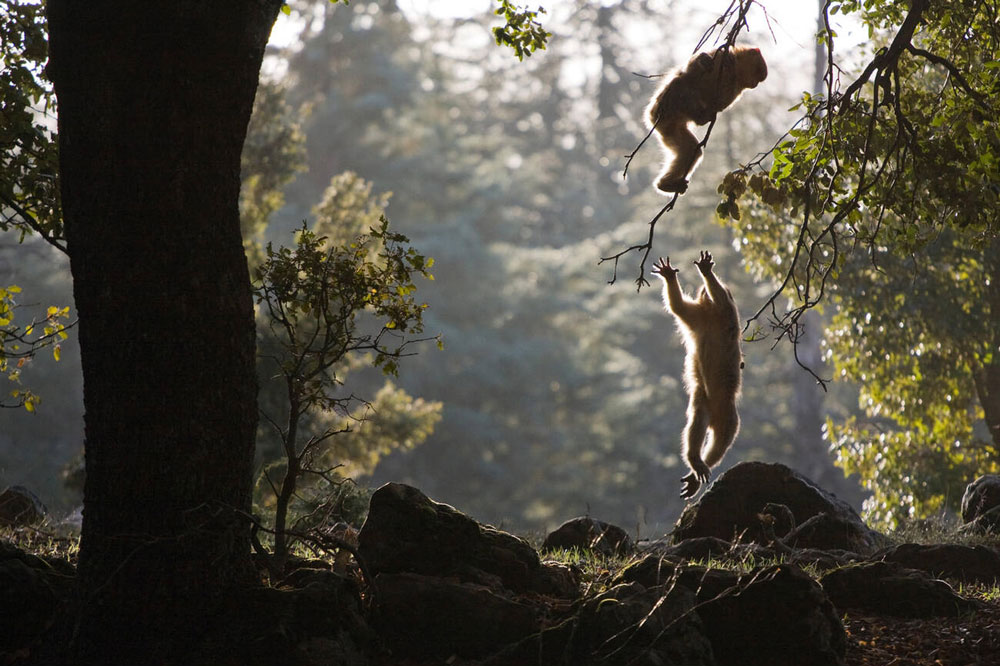
  • Barbary macaques – One of Morocco’s most iconic animals, often seen in forested areas.
  • Cuvier’s gazelle – A rare and shy antelope species found in more remote zones.
  • Golden eagles y Bonelli’s eagles – Soaring above the cliffs.
  • Wild boars, genets, and small rodents.
  • Reptiles like the Atlas mountain viper and various lizards.

Top Locations to Visit:

  • Toubkal National Park – Rich in flora and fauna, best explored with a guide.
  • Oukaimeden – Great for birdwatchers; species vary by season.
  • Ifrane National Park (Middle Atlas) – Known as “Little Switzerland,” it’s home to Barbary macaques and vast cedar forests.

Best Time to Visit:

  • Spring (March–May) y autumn (September–November) for mild weather and active wildlife.
  • Winter for snowy landscapes, though accessibility may be limited.

The Rif Mountains

Less visited than the High Atlas, the Rif Mountains in northern Morocco offer quieter trails and equally captivating wildlife experiences. These mountains are known for their lush greenery, limestone cliffs, and high biodiversity.

Wildlife Highlights:

  • Barbary macaques – Especially around Talassemtane National Park.
  • Various species of raptors, owlsy songbirds.
  • Endemic reptiles and amphibians found in damp forest floors.

Where to Go:

  • Talassemtane National Park – Near Chefchaouen, this park is perfect for hiking and wildlife-spotting.
  • Forest trails around Akchour – Waterfalls and scenic walks with chances to see monkeys and birds.

Tip: The Rif region is best explored with a local guide who understands the delicate mountain ecosystems and can help spot elusive species.

Wildlife-Watching in the Deserts

At first glance, Morocco’s desert landscapes may seem barren and lifeless—but look closer, and you’ll discover an ecosystem full of highly adapted creatures that thrive in extreme conditions. From the golden dunes of the Sahara to the stony plains of the Agafay Desert, Morocco’s arid regions are home to some of the country’s most elusive and fascinating wildlife.

Wildlife-Watching in Morocco

The Sahara Desert

The vast Sahara is one of Morocco’s most iconic natural wonders, offering not only breathtaking scenery but also rare desert wildlife. Animals here are experts in survival, emerging at dusk or dawn to avoid the searing heat.

Wildlife You May Encounter:

  • Fennec foxes – With their large ears and nocturnal habits, they’re a true desert symbol.
  • Desert hedgehogs y jerboas – Tiny mammals adapted to dry climates.
  • Scarabs y desert beetles – Common among the dunes.
  • Horned vipers and other desert reptiles.
  • Migratory birds of prey, larksy sandgrouse in spring and autumn.

Top Locations:

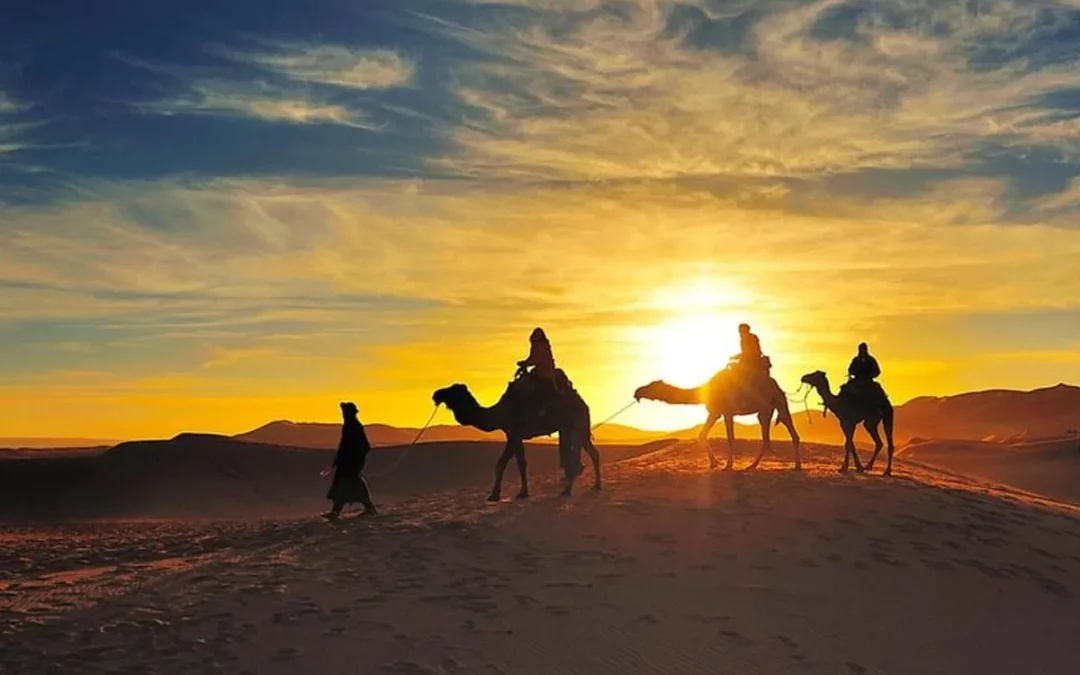
  • Erg Chebbi (Merzouga) – Rolling sand dunes perfect for camel treks and wildlife sightings at dawn or dusk.
  • Erg Chigaga (Zagora region) – More remote and less touristy, ideal for quiet observation.
  • Valle del Draa – A mix of palm groves and rocky desert, home to foxes, owls, and reptiles.

Experience Tips:

  • Go on a guided night safari or early morning walk with a knowledgeable local.
  • Stay in eco-friendly desert camps that focus on minimal impact and nature appreciation.

The Agafay Desert

Located just 45 minutes from Marrakech, the Agafay Desert is a rocky, lunar-like landscape. While it lacks the sweeping sand dunes of the Sahara, it offers a convenient and beautiful introduction to Morocco’s desert ecosystems.

Wildlife You May Encounter:

  • Desert foxes and small rodents.
  • Birds of prey such as kestrels y eagles.
  • Occasionally, hares y reptiles among the scattered shrubs.

Why Visit:

  • It’s perfect for a short desert escape from Marrakech.
  • Many luxury camps now offer nature walks y stargazing sessions that highlight local wildlife.

Ready to Explore Morocco’s Wild Side?

Plan your next adventure with purpose. Choose eco-friendly tours, travel with local guides, and immerse yourself in the country’s rich natural beauty—from mountains to coasts to desert.

Start your wildlife journey in Morocco today!

Wildlife-Watching on the Coasts

Morocco’s coastline stretches for over 3,500 kilometers, hugging both the Atlantic Ocean and the Mediterranean Sea. These coastal regions are not only rich in cultural history and scenic beauty but also serve as crucial habitats for marine life, migratory birds, and rare species. From saltwater lagoons to cliffside nesting grounds, Morocco’s coasts offer some of the best birdwatching and marine wildlife experiences in North Africa.

Wildlife-Watching in Morocco

The Atlantic Coast

The Atlantic shoreline is a paradise for birdwatchers, especially in the wetlands, estuaries, and protected lagoons where migratory and resident bird species thrive. The cooler, nutrient-rich waters also support a variety of marine life.

Wildlife You May Encounter:

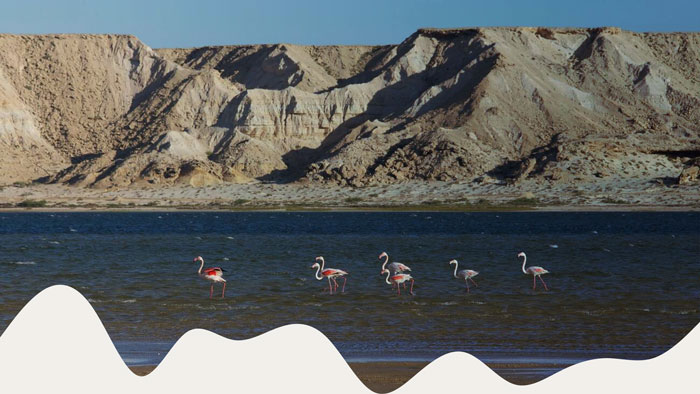
  • Flamingos, herons, egretsy storks in coastal lagoons.
  • Rare and endangered Northern Bald Ibises around Souss-Massa.
  • Dolphins and occasionally whales offshore.
  • Seabirds like Audouin’s gull, ternsy cormorants.

Top Locations:

  • Oualidia – Known for its calm lagoon and flamingo populations; ideal for kayaking and birdwatching.
  • Essaouira – Offers both cultural charm and sightings of seabirds, especially around Mogador Island.
  • Souss-Massa National Park – A critical sanctuary for endangered species and coastal wildlife.
  • Dakhla Bay – A remote but spectacular area for marine life, including dolphins, rays, and migratory birds.

Activities:

  • Boat-based birdwatching tours.
  • Coastal eco-hikes.
  • Sustainable kayaking or paddleboarding through bird habitats.

The Mediterranean Coast

The Mediterranean coast, though less developed for tourism, is rich in natural beauty and biodiversity. Rocky coves, protected bays, and marine reserves make it a quiet haven for wildlife lovers.

Wildlife You May Encounter:

  • Loggerhead sea turtles y small cetaceans.
  • Migratory birds crossing between Europe and Africa.
  • Coastal mammals such as mongoose y wild cats in forested areas.

Top Locations:

  • Al Hoceima National Park – A protected land-and-sea park ideal for snorkeling, hiking, and birdwatching.
  • Cap des Trois Fourches – Rugged cliffs and hidden beaches with great opportunities to spot seabirds and rare reptiles.

Why Visit:

  • The Mediterranean coast offers a more off-the-beaten-path experience.
  • It’s ideal for travelers seeking tranquility and untouched nature.

Top National Parks and Protected Areas

Morocco has made significant efforts to preserve its unique biodiversity through a growing network of national parks, biosphere reservesy protected wetlands. These areas are ideal destinations for wildlife-watching, offering guided trails, visitor centers, and habitats that support rare and endangered species. Here are some of the most rewarding parks and reserves for nature lovers:

Toubkal National Park (High Atlas)

  • Highlights: Alpine ecosystems, rugged peaks, and forested valleys.
  • Wildlife: Barbary macaques, wild boars, mountain birds of prey.
  • Activities: Hiking trails, cultural visits to Berber villages, nature photography.

Ifrane National Park (Middle Atlas)

  • Highlights: Cedar forests, lakes, and snow in winter.
  • Wildlife: Large populations of Barbary macaques, wild boars, and over 100 bird species.
  • Activities: Forest walks, birdwatching, winter wildlife tracking.

Souss-Massa National Park (Atlantic Coast)

  • Highlights: Coastal cliffs, sand dunes, and river estuaries.
  • Wildlife: Endangered Northern Bald Ibis, flamingos, gazelles, jackals.
  • Activities: Birdwatching trails, guided tours, educational eco-centers.

Al Hoceima National Park (Mediterranean Coast)

  • Highlights: Combined marine and terrestrial protected zones.
  • Wildlife: Seabirds, reptiles, marine turtles, and dolphins.
  • Activities: Hiking, snorkeling, boat trips for marine wildlife observation.

Merja Zerga Lagoon (Near Moulay Bousselham)

  • Highlights: Wetland of international importance under the Ramsar Convention.
  • Wildlife: Flamingos, herons, egrets, and thousands of migratory birds.
  • Activities: Boat-based birdwatching with local guides.

Talassemtane National Park (Rif Mountains)

  • Highlights: Dense pine forests, limestone cliffs, and waterfalls.
  • Wildlife: Barbary macaques, raptors, endemic amphibians and reptiles.
  • Activities: Hiking trails near Chefchaouen, eco-guided wildlife walks.

These protected areas provide the best chance to spot Morocco’s wildlife in its natural habitat while supporting sustainable tourism and conservation efforts.

Responsible Wildlife-Watching Tips

As interest in wildlife tourism grows, so does the responsibility to ensure that our encounters with nature do no harm. Morocco’s ecosystems are beautiful but fragile, and many species especially the Barbary macaque and Northern Bald Ibis face real threats from habitat loss and human disturbance. Whether you’re trekking through the mountains or observing birds by the coast, these tips will help you enjoy ethical, low-impact wildlife experiences:

Travel with a Certified Local Guide

  • Choose eco-certified guides or local nature experts who understand the environment and wildlife behavior.
  • Many local guides also help monitor and protect wildlife populations—your support helps fund their work.

Keep a Respectful Distance

  • Use binoculars or zoom lenses to observe animals without intruding on their space.
  • Never approach, touch, or attempt to feed wild animals.

Stay Quiet and Move Slowly

  • Sudden movements or loud noises can stress animals and disrupt natural behavior.
  • Silence increases your chances of spotting shy or nocturnal creatures.

Leave No Trace

  • Stick to marked trails to avoid damaging fragile vegetation or disturbing nests.
  • Take all litter with you and avoid using plastic where possible.

Don’t Feed Wildlife

  • Feeding animals may seem harmless, but it alters natural behavior and can make them dependent or aggressive.
  • Human food can also be harmful to their digestive systems.

Support Conservation Projects

  • Consider donating to or visiting local conservation centers.
  • Buy souvenirs or book tours from eco-conscious operators that reinvest in wildlife protection.

Be Mindful of Photography

  • Avoid flash photography near animals, especially birds and nocturnal species.
  • Focus on capturing respectful moments rather than provoking a reaction.

Practicing responsible wildlife-watching ensures that Morocco’s incredible biodiversity remains intact for future generations and makes your own experience more authentic and rewarding.

When to Go: Best Seasons for Wildlife-Watching

Morocco’s diverse climate and geography mean that wildlife-watching is possible year-round, but the experience varies greatly depending on the season and the region. From spring migrations along the coast to snow-dusted forests in winter, each season offers something special. The table below highlights the best times and places to enjoy Morocco’s rich wildlife, so you can plan your nature adventure accordingly.

Season Highlights Ideal Regions Best Wildlife Experiences
Spring(March–May) Lush landscapes, active animals, bird migration High Atlas, Middle Atlas, Atlantic Coast Barbary macaques, eagles, flamingos, ibis, forest hikes
Autumn(Sept–Nov) Cooler temps, bird migration, desert animals more active Sahara (Merzouga, Draa), Souss-Massa, Rif Mountains Fennec foxes, sandgrouse, bald ibis, coastal birds
Summer(June–Aug) Best for high-altitude and coastal areas; avoid desert mid-day heat Ifrane, Chefchaouen, Essaouira, Dakhla Morning hikes, coastal birdwatching, sea life, reptiles
Winter(Dec–Feb) Quiet season, snow in Atlas, overwintering birds in wetlands Ifrane, Souss-Massa, Oualidia Snow tracking macaques, flamingos, herons, forest wildlife

Conclusion

From the snowy peaks of the High Atlas to the windswept Atlantic shores and the silent dunes of the Sahara, Morocco is a country of breathtaking natural contrasts and incredible wildlife. Few travelers realize the richness of Morocco’s ecosystems, or how accessible they are to explore. Whether you’re tracking the playful Barbary macaques through cedar forests, marveling at migratory flamingos along tranquil lagoons, or spotting a fennec fox under a starlit desert sky, each region offers its own unforgettable encounters with the wild.
By stepping off the usual tourist trail and embracing Morocco’s natural side, you’re not only opening yourself up to extraordinary experiences you’re also helping support local conservation efforts and sustainable tourism. With the right timing, responsible practices, and a sense of curiosity, wildlife-watching in Morocco can be one of the most rewarding journeys of your life.

Why Fes is the best Moroccan city for architecture fans

Why Fes is the best Moroccan city for architecture fans

Why Fes is the best Moroccan city for architecture fans

Best Moroccan City for Architecture Fans

Best Moroccan city for architecture fans — that title undoubtedly belongs to Fes. In the heart of Morocco lies a city where every alleyway, doorway, and minaret seems to speak of centuries past. Fes, often overshadowed by the flashier Marrakech or the modern Casablanca, stands as the country’s true architectural soul. For fans of history, design, and intricate craftsmanship, Fes is not just a city it’s an immersive architectural experience.

Founded in the 8th century and home to one of the world’s oldest continuously inhabited medieval cities, Fes offers a living timeline of Islamic, Moorish, and Andalusian architectural evolution. From the richly decorated madrasas to the winding medina streets framed by hand-carved doors and mosaic fountains, every step in Fes reveals a layer of architectural storytelling.

This article explores why Fes is unmatched in Morocco for lovers of architecture. Whether you’re drawn to majestic mosques, fascinated by ornamental tilework, or simply crave walking through a city where design and history merge seamlessly, Fes delivers a visual and emotional experience like no other.

A City Frozen in Time: The Architectural Legacy of Fes

Fes is not just Morocco’s oldest imperial city it’s a living testament to over a thousand years of architectural evolution. Walking through its narrow, maze-like alleys feels like stepping into another era, untouched by modernity. Here, time hasn’t merely stood still; it has been preserved in stone, wood, and tile.

Founded in 789 AD by Idris I, Fes quickly rose to prominence as a spiritual, cultural, and intellectual capital of the Islamic world. Its strategic location between the Atlas Mountains and the fertile Saïss plain made it a crossroads for trade, scholars, and artisans. As a result, architecture in Fes reflects layers of history each dynasty, from the Idrisids to the Marinids and beyond, leaving its own distinct mark.

The city’s heartbeat is the Fes el Bali, the largest car-free urban area in the world and a UNESCO patrimonio de la humanidad since 1981. Within its fortified walls lie thousands of buildings that date back centuries: madrasas, palaces, mosques, riads, caravanserais, and public fountains, each boasting masterful detailing and craftsmanship.

What makes Fes extraordinary is how these architectural treasures remain part of daily life. Locals still shop at ancient souks, pray in centuries-old mosques, and live in homes with intricately carved cedar ceilings and zellige-covered courtyards. It’s not a museum—it’s a city that breathes history with every call to prayer and echoing footstep.

Fes is also one of the few cities in the world where restoration doesn’t mean reconstruction. Thanks to strict preservation laws and UNESCO oversight, traditional techniques are used to restore crumbling tiles, re-carve cedar beams, and replace mosaics—ensuring that Fes retains its authentic architectural soul.

Iconic Architectural Styles Found in Fes


The beauty of Fes lies not just in its age, but in its extraordinary blend of architectural styles, each layered upon the next like the intricate patterns of a zellige mosaic. For the architecture enthusiast, the city offers a living catalogue of design traditions that span Islamic, Andalusian, Berber, and Moorish aesthetics. These styles are not isolated they intertwine to form a uniquely Fassi identity.

Islamic Architecture

At the heart of Fes’s architectural landscape is classical Islamic design. Characterized by symmetry, geometry, and spiritual symbolism, Islamic architecture manifests in the city’s many mosques, madrasas, and fountains. Key features include:

  • Horseshoe arches y keyhole doorways
  • Courtyards (riads) with central fountains representing paradise
  • Ornate muqarnas (honeycomb vaulting) in prayer halls and entrances
  • Use of calligraphy and Quranic verses as decorative elements

This architecture is meant to inspire reflection and humility, using beauty as a path to spirituality.

Andalusian Influence

Fes has strong ties to Al-Andalus (medieval Islamic Spain), especially after the arrival of Muslim and Jewish refugees expelled from Córdoba and Granada. This influence brought:

  • Intricate carved plasterwork and cedar wood ceilings
  • Use of green tiles (symbolizing paradise)
  • Emphasis on interior privacy with inward-facing homes
  • Elevated balconies overlooking private patios

The result is elegance without ostentation, focused on inner beauty rather than outward display.

Zellige Tilework

No architectural feature defines Fes more than zellige, the art of hand-cut, geometric mosaic tiles. These tiles decorate everything from fountains and floors to walls and columns. The precision and symmetry involved are a marvel tiles are cut by hand and assembled piece by piece like a puzzle, often forming star patterns, arabesques, and kufic script.

Zellige isn’t just decorative; it’s symbolic, representing infinity and the divine through endless repetition and complexity.

Marinid Architecture

La Marinid dynasty (13th–15th centuries) ushered in what many consider the golden age of Fassi architecture. Their buildings often feature:

  • Massive wooden doors with wrought iron
  • Lavish madrasas adorned with mosaics, carved wood, and stucco
  • Use of polylobed arches and domes
  • Symmetrical floor plans emphasizing harmony

Their legacy is most visible in Fes’s religious and educational buildings, where every surface is a canvas of devotion and artistry.

Traditional Riads and Urban Homes

La riad, a traditional Moroccan home built around a central courtyard, is both an architectural and cultural hallmark of Fes. These homes are designed for family life and climate control:

  • High walls with minimal exterior openings (for privacy and insulation)
  • Cool, shaded courtyards with fountains or citrus trees
  • Thick walls made of mud brick or stone, ideal for both heat and cold
  • Decorative elements focused inward beauty hidden from the street

These homes embody the philosophy that true luxury is private, peaceful, and harmonious with nature.

Plan Your Architectural Journey to Fes

Ready to explore the world’s most captivating medieval city?

✅ Book a guided architecture tour through the Fes medina
✅ Stay in a restored riad and live inside centuries-old design
✅ Learn traditional techniques with a zellige or woodcarving workshop

→ Don’t just visit Morocco. Experience its architectural soul in Fes.

Start planning your trip today and step into living history.

Must-See Architectural Masterpieces in Fes

Fes is home to some of the most breathtaking structures in the Islamic world. Each building tells a story of dynasties, devotion, learning, or craftsmanship and together they create an open-air museum for the architecture enthusiast. Below are the must-visit monuments that no design lover should miss.

Al-Qarawiyyin Mosque and University

  • Founded: 859 AD by Fatima al-Fihri, a woman visionary.

  • Significance: Recognized by UNESCO and the Guinness World Records as the oldest continuously operating degree-granting university in the world.

  • Architectural Highlights: Horseshoe arches, green tiled roofs, exquisitely carved mihrab, and a vast prayer hall.

  • Style: Classical Islamic with later Almoravid and Marinid expansions.

  • Note: Non-Muslims cannot enter the mosque itself but can glimpse inside from neighboring rooftops or doorways.

Best Moroccan City for Architecture Fans

Bou Inania Madrasa

  • Built: 1351–1357 under Sultan Abu Inan Faris (Marinid Dynasty).

  • Function: A religious school and mosque, still functioning today.

  • Why It Stands Out: This is one of the few religious buildings in Fes open to non-Muslims.

  • Architectural Details:

    • Carved cedar ceilings.

    • Glazed zellige mosaics in geometric patterns.

    • Marble columns, stucco walls, and bronze doors.

  • Atmosphere: Quiet, intimate, and ideal for studying the layering of Islamic design techniques in a single space.

Moulay Idriss II Mausoleum

  • Who Was He?: The founder of Fes and considered a saint in Moroccan Islam.

  • Built: 9th century, expanded and refurbished many times.

  • Cultural Importance: One of Morocco’s most revered pilgrimage sites.

  • Architectural Features:

    • Green-tiled dome.

    • Intricate woodwork and plaster carvings.

    • Lush marble and mosaic floors.

  • Note: Non-Muslims cannot enter but can admire the stunning exterior and surrounding streets of the Zawiya

Nejjarine Museum of Wooden Arts and Crafts

  • Ubicación: In a beautifully restored funduq (caravanserai) in the heart of the medina.

  • Purpose: Showcases traditional woodcrafts, tools, and furniture from across Morocco.

  • Architectural Significance:

    • Elegant courtyard with a fountain.

    • Cedarwood balconies and balustrades.

    • Zellige tiles and carved plasterwork.

  • Bonus: The rooftop café offers panoramic views of the medina’s rooftops and minarets.

Best Moroccan City for Architecture Fans

Bab Boujloud (The Blue Gate)

  • Built: 1913 by the French, but in traditional Moroccan style.

  • Function: Main ceremonial entrance to Fes el Bali.

  • Architectural Features:

    • Exterior covered in blue zellige (symbolizing Fes).

    • Interior side covered in green (symbol of Islam).

    • Horseshoe arch with three symmetrical openings.

  • Photographer’s Tip: Best photographed at golden hour when the tiles glow in the warm light.

Dar Batha Museum

  • Originally: A royal palace from the late 19th century.

  • Now: A museum housing traditional Moroccan arts — ceramics, textiles, manuscripts.

  • Architecture:

    • Elegant courtyard gardens (Andalusian style).

    • Cedarwood detailing and tiled fountains.

    • Mix of Arab-Andalusian and late 19th-century palace architecture.

Each of these landmarks is more than a building it’s a physical expression of Morocco’s intellectual, religious, and artistic heritage. Together, they offer one of the most concentrated and authentic architectural experiences in the Islamic world.

Fes Medina: An Urban Labyrinth of Architectural Marvels

Fes el Bali, the city’s ancient medina, is more than just a historical district it’s a living, breathing architectural wonder. Declared a UNESCO patrimonio de la humanidad in 1981, it is widely considered one of the world’s best-preserved medieval Islamic cities. It’s not simply a place to visit it’s a place to get wonderfully lost in.

A City Designed Like a Maze

The layout of the medina is intentionally complex, with over 9,000 narrow alleys and passageways winding like veins through a dense urban core. Designed long before cars existed, the medina is completely pedestrianized — the largest car-free urban area in the world.

Its seemingly chaotic structure is rooted in logic:

  • Main arteries lead to mosques, markets, and madrasas.

  • Cul-de-sacs end at homes, offering quiet and privacy.

  • Water channels and public fountains are woven throughout for utility and aesthetics.

Functional and Symbolic Design

Every architectural element in the medina serves a purpose:

  • High walls and covered streets offer relief from the sun.

  • Latticework windows allow air circulation while maintaining privacy.

  • Riads and dar homes face inward with open courtyards — a hallmark of Islamic domestic architecture.

  • Fountains and hammams are not only useful but beautifully ornamented, reinforcing the Islamic principle that cleanliness is sacred.

Themed Quarters and Hidden Artistry

The medina is divided into quarters, many of which are still organized by historical trades — dyers, tanners, metalworkers, and weavers. Each souk has its own character and its own visual identity:

  • Souk el Henna: Arched passageways with ornate alcoves selling natural beauty products.

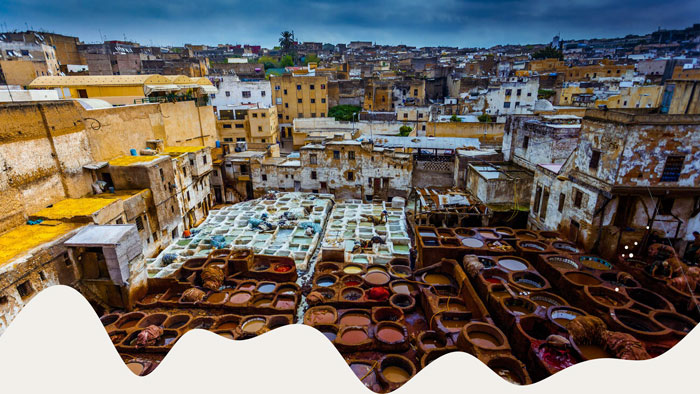
  • Chouara Tannery: Iconic honeycomb of stone vats and surrounding buildings with rooftop views.

  • Place Seffarine: A sonic and visual treat where copper artisans shape pots by hand amid Moorish facades.

Even everyday spaces bakeries, fountains, workshops feature carved wooden lintels, hand-laid mosaic borders, and ancient wooden doors with symbolic iron knockers.

Integration of Sacred and Secular

In Fes, religious and civic life are woven together through architecture. Mosques sit beside workshops, madrasas open to crowded alleys, and homes include quiet spaces for prayer. This integration reflects the city’s historical role as a center for both learning and commerce — and it’s mirrored in the city’s layout, where spiritual elevation and worldly activity are side by side.

Pro Tip for Visitors:
The medina is overwhelming in the best way. Hiring a local guide not only helps you navigate but also unlocks hidden courtyards, scholarly anecdotes, and architectural gems invisible to the untrained eye.

Restoration and Preservation Efforts

Fes is one of the few cities in the world where ancient architecture is not only protected but lovingly restored using traditional methods. While many historic cities struggle to balance tourism with authenticity, Fes has taken a different route: preservation that prioritizes heritage over modernization.

UNESCO and Government Support

Fes was declared a UNESCO patrimonio de la humanidad in 1981, a recognition that brought global attention—and responsibility—to safeguard its architectural legacy. In collaboration with Moroccan authorities, UNESCO has supported projects that:

  • Restore crumbling walls, medersas, and fountains using authentic materials and techniques.

  • Revive key artisan skills like zellige tiling, wood carvingy plaster carving (gebs).

  • Ensure that restoration doesn’t sterilize the space, but keeps the living, working medina intact.

The Moroccan government, through programs like INDH (National Initiative for Human Development), has also invested in infrastructure and housing renovations without disrupting architectural heritage.

Traditional Techniques, Not Modern Substitutes

What makes Fes special is its commitment to preserving how things were built, not just what they looked like. Restoration projects employ:

  • Hand-cut cedarwood for ceilings and balconies.

  • Natural pigments for painted tiles and stucco.

  • Lime plaster for walls rather than cement.

  • Skilled local artisans trained in centuries-old methods, often passed down through family lineages.

This hands-on, slow approach means buildings are brought back to life with the same soul they were originally built with.

Training the Next Generation of Craftsmen

Preservation in Fes goes beyond buildings—it’s about preserving the knowledge that made them. Institutions like the Centre de Formation et de Qualification dans les Métiers de l’Artisanat in Fes train young Moroccans in traditional crafts, ensuring that zellige masters, woodworkers, and metal artisans don’t vanish with time.

This connection between architectural heritage and human heritage is what makes Fes unique: it’s a city restored not just in bricks and tiles, but in memory and skill.

Restored Riads and Palaces

The clearest examples of preservation success can be found in Fes’s many restored riads, now operating as guesthouses or museums. These homes, once abandoned or deteriorating, have been meticulously revived to their former glory:

  • Riad Fes, Riad Laaroussay Palais Amani are just a few examples.

  • Many showcase their restoration process, offering visitors a look at before-and-after transformations.

These spaces allow guests to sleep in a piece of living history, surrounded by hand-carved cedar, mosaic fountains, and painted ceilings.

Why It Matters for Architecture Fans
For lovers of design and craftsmanship, Fes offers something rare: a chance to witness how architecture evolves and survives not in glass cases, but in daily life. Restoration here is not a cosmetic process—it’s a cultural one.

Experience Architecture Firsthand: What Visitors Can Do

In Fes, architecture isn’t locked behind velvet ropes — it’s all around you, part of the everyday rhythm of life. For architecture fans, this city offers countless ways to engage directly with its spaces, craftsmanship, and heritage. Whether through staying in historic homes, exploring hidden monuments, or getting hands-on with traditional design, Fes turns passive admiration into active appreciation.

Stay in a Restored Riad

One of the most immersive experiences you can have is sleeping in a traditional riad — a historic home restored with care and converted into a boutique guesthouse. These homes typically feature:

  • An inward-facing courtyard with a fountain or garden.

  • Richly decorated mosaic walls, carved cedar ceilingsy stained-glass windows.

  • Rooftop terraces offering panoramic views of the medina’s sea of minarets.

Some notable examples:

  • Riad Fes – Elegant and luxurious, with original zellige and arabesque plasterwork.

  • Dar Seffarine – One of the oldest riads in the city, beautifully restored by artisans.

  • Palais Amani – A blend of Art Deco and traditional Andalusian-Moorish design.

Pro Tip: Ask your riad host for a tour — many are proud to share the story of their restoration.

Take a Guided Architectural Walking Tour

Navigating the medina alone is magical, but going with a licensed local guide adds depth. Architectural tours often include:

  • Insights into construction techniques and symbolism.

  • Visits to lesser-known madrasas and historic homes.

  • Access to hidden courtyards or rooftops not open to the general public.

Many guides are historians or architects themselves, and can explain the difference between Almoravid and Marinid architecture, or how Fassi artisans achieve geometric precision.

Join a Zellige or Plaster Carving Workshop

Want to get your hands dirty (literally)? Sign up for a craft workshop to learn how Fes’s architecture is made.

  • Zellige mosaic workshops teach you how to cut and assemble traditional tile patterns.

  • Plaster carving or woodcraft classes allow you to try the tools and skills used to decorate madrasas and riads.

  • Many are held in historic buildings by master artisans.

You’ll walk away with not just a souvenir, but a true understanding of Moroccan decorative arts.

Visit Architecture-Focused Museums and Sites

For a deeper appreciation, spend time in buildings that celebrate design itself:

  • Nejjarine Museum of Wooden Arts – Incredible cedarwork in a restored funduq.

  • Dar Batha Museum – A royal palace turned museum of Moroccan decorative arts.

  • Medersa Bou Inania – A masterpiece of symmetry and material harmony.

Each of these sites gives you the time and space to study elements up close: tile patterns, muqarnas, mashrabiya windows, and more.

Shop for Artisan Materials

Architecture fans can bring a piece of Fes home by exploring traditional craft shops. Look for:

  • Hand-painted tiles.

  • Ornate wooden panels.

  • Brass lanterns and geometric ironwork.

Many workshops will even show you how items are made and explain their architectural significance.

Fes doesn’t just ask you to admire its architecture — it invites you to live in it, learn from it, and take part in its ongoing story. Whether you’re sketching a minaret at sunset or laying your own piece of mosaic, you’ll connect with Fes in a way few cities allow.

How Fes Compares to Other Moroccan Cities Architecturally

Morocco is a country of stunning contrasts — red-walled imperial cities, coastal fortresses, Berber kasbahs, and Art Deco boulevards. But when it comes to historical depth and architectural integrity, Fes holds a special place. Here’s how it compares to other major Moroccan cities from an architectural perspective:

Fes vs. Marrakech

  • Marrakech is known for its red sandstone walls, lavish palaces, and massive open squares like Jemaa el-Fnaa. It’s bold, bustling, and highly theatrical in design.

  • Fes, by contrast, is more intimate and intricate. Its charm lies in subtlety and detail — ornate doorframes, hidden courtyards, and centuries-old schools and shrines nestled in narrow alleys.

  • While Marrakech’s architecture feels imperial and dramatic, Fes’s feels scholarly and sacred.

Verdict: Marrakech impresses, but Fes educates and envelops you in its timeless soul.

Fes vs. Casablanca

  • Casablanca is Morocco’s modern face. It’s home to wide boulevards, colonial-era buildings, and the massive Hassan II Mosque, which is a feat of modern Islamic architecture.

  • Fes, on the other hand, offers authentic medieval design, untouched by French urban planning or modern expansions.

  • Casablanca’s architecture is best appreciated in its 20th-century Art Deco and Neo-Moorish forms, while Fes is a portal to the 8th–15th centuries.

Verdict: Casablanca is fascinating for modernist design fans, but lacks the historical density of Fes.

Fes vs. Chefchaouen

  • Chefchaouen, with its iconic blue-painted streets, offers a dreamy, photogenic escape. It has Andalusian-style homes and hillside alleys, perfect for casual exploration.

  • But Chefchaouen is more about color and atmosphere than architectural complexity.

  • Fes, by contrast, is about intricate structure, religious geometry, and historic function — it’s not just pretty; it’s purposeful.

Verdict: Chefchaouen is charming and colorful, but Fes offers architectural substance and scale.

Fes vs. Meknes

  • Meknes, another imperial city, features massive royal walls, gates like Bab Mansour, and the grandiose ruins of Sultan Moulay Ismail’s palaces.

  • Its architecture is monumental, but limited to specific areas.

  • Fes, in contrast, spreads its architectural richness across the entire medina — every corner holds heritage, not just royal compounds.

Verdict: Meknes is stately and majestic in parts, but Fes is immersive throughout.

Fes vs. Southern Kasbah Cities (e.g., Ouarzazate, Aït Benhaddou)

  • The south is famous for mud-brick kasbahs, fortified Berber villages, and desert-inspired simplicity.

  • While beautiful in their earthy minimalism, these structures are functional rather than decorative.

  • Fes, in contrast, excels in ornamentation, complexity, and craftsmanship.

Verdict: Southern cities show the resilience of Berber design; Fes shows the elegance of Islamic high art.

In short, while Morocco offers many architectural styles worth exploring, Fes is unmatched in depth, density, and cultural continuity. It’s a city where you don’t just visit architecture — you live inside it.

Practical Tips for Architecture Lovers Visiting Fes

To truly appreciate the architectural marvels of Fes, you need more than just a camera—you need time, context, and a little local knowledge. Here are some essential tips for travelers who want to experience the city’s design heritage with depth and ease.

Best Time to Visit for Architectural Exploration

  • Spring (March–May) y autumn (September–November) are ideal. The weather is pleasant, and the light is perfect for photography, especially during golden hour.

  • Summer can be very hot, especially inside the medina’s narrow alleys. Winter is cooler but occasionally rainy, which can limit outdoor visits.

Hire a Licensed Local Guide

  • While getting lost in the medina has its charm, a guide helps you decode the hidden layers of Fes’s architecture.

  • They’ll take you to secret riads, explain historical contexts, and ensure you don’t miss significant details — like inscriptions, astrological motifs, or the meaning behind door knockers.

Pro Tip: Look for guides with a background in history or architecture.

Photography Tips

  • Bring a wide-angle lens to capture tight alleyways and full facades.

  • Respect local customs — always ask before photographing people, especially around religious sites.

  • La early morning and late afternoon offer the best natural lighting and fewer crowds.

  • Don’t miss rooftop shots: many riads and cafés offer panoramic views over domes, minarets, and tiled rooftops.

Understand Religious Site Etiquette

  • Many architectural gems in Fes are mosques or zawiyas, and entry is restricted to Muslims.

  • However, you can often view interiors from open doorways or through guided tours in adjacent buildings (like madrasas or museums).

  • Dress modestly, especially when visiting spiritual or historical sites — shoulders and knees covered.

Getting Around

  • La medina is pedestrian-only, and its maze-like layout can be disorienting.

  • Use offline maps apps (like Maps.me or Google Maps downloaded in advance).

  • Comfortable walking shoes are essential — expect uneven cobblestone paths and steep stairs.

  • Don’t rely on taxis to drop you directly at a location inside the medina — you’ll often walk the final stretch.

What to Bring as an Architecture Enthusiast

  • Notebook or sketchpad if you enjoy drawing details.

  • Architecture guidebooks or mobile apps with historical overlays.

  • Binoculars to observe ceiling decorations or high-up tilework.

  • Small flashlight or phone light for dim interiors (like old madrasas or museums).

Support Local Artisans

  • Buy handmade tiles, wood carvings, or lanterns — often crafted using the same techniques found in the buildings you’re admiring.

  • Many artisans are happy to explain the design behind their work — it’s a cultural exchange as much as a purchase.

By planning thoughtfully and moving slowly, you’ll find that Fes isn’t just a place you look at — it’s a place you begin to understand, one finely carved detail at a time.

Conclusion: Why Fes Is a Pilgrimage for Architecture Fans

In a world where ancient buildings are often reduced to lifeless monuments or tourist photo ops, Fes is a rare exception — a city where architecture remains alive, functional, and deeply intertwined with the rhythm of everyday life. Here, the past isn’t just remembered; it’s lived.

For architecture lovers, Fes is not simply a destination. It’s a pilgrimage, a journey into the very soul of Islamic, Andalusian, and Moroccan design. The city invites you to slow down, look closer, and walk with intention. Whether it’s tracing your hand across a carved cedar door, standing in awe beneath the honeycomb vaults of a madrasa, or observing a zellige master piece together a geometric mosaic, you are always connected to something greater — a legacy of craftsmanship, culture, and devotion.

While other Moroccan cities may dazzle with their color, chaos, or coastal charm, Fes captivates through complexity, integrity, and authenticity. It doesn’t scream for attention; it whispers secrets through walls, arches, and tiles that have stood for centuries.

So if architecture is your passion if you believe buildings are stories carved in stone then Fes is the Moroccan city that will speak directly to your soul.

Ready to visit? Don’t forget to explore our Fes travel guides, book a walking tour with a local expert, or check out the best riads to stay in while you’re surrounded by centuries of living design.

The Inside Guide to Tangier: What to See, Eat, and Experience

The Inside Guide to Tangier: What to See, Eat, and Experience

The Inside Guide to Tangier: What to See, Eat, and Experience

Tangier Travel Guide: Discover Morocco’s Northern Gem


Tangier, often called the “Gateway to Africa,” is a vibrant port city located on the northern tip of Morocco where the Mediterranean Sea meets the Atlantic Ocean. With its rich history influenced by Phoenicians, Romans, Arabs, Europeans, and more, Tangier offers a unique blend of cultures, architecture, and traditions. Once a magnet for artists, writers, and spies, this city is full of stories waiting to be discovered. From bustling medinas and historic kasbahs to modern cafes and serene beaches, Tangier provides a fascinating mix of old and new that enchants every traveler.
Whether you’re a history buff, a foodie, or someone just looking to explore a lively Moroccan city off the beaten path, Tangier has something special for everyone. This guide will take you inside the best of Tangier covering practical tips, hidden gems, and must-see sights to help you experience the city like a local.

Getting to Tangier

Tangier is well connected and accessible by various modes of transport, making it an easy destination to reach whether you’re coming from Europe, other parts of Morocco, or beyond.

By Air:

Tangier Ibn Battouta Airport is the main airport serving the city, with direct flights from major European cities such as Madrid, Paris, London, and Brussels. The airport is located about 15 km east of the city center, and you can easily take a taxi or shuttle bus to reach your accommodation.

By Ferry:

Thanks to its strategic location on the Strait of Gibraltar, Tangier has regular ferry services connecting Morocco to southern Spain, especially the ports of Tarifa and Algeciras. The ferry ride takes about 1 to 1.5 hours, making it a popular and scenic entry point for travelers coming from Europe.

By Train:

Tangier is connected to Morocco’s national rail network. The high-speed Al Boraq train runs between Tangier and Casablanca, cutting travel time dramatically to around 2 hours, which is perfect if you plan to explore multiple Moroccan cities.

By Road:

If you’re traveling by car or bus, Tangier is accessible via the modern highways linking it to Rabat, Casablanca, and other major cities. Several private and public bus companies operate routes to Tangier, offering affordable options.

Tips:

  • Plan your arrival during daylight if possible, to easily navigate to your accommodation.
  • Taxis are plentiful but agree on a price before starting your trip to avoid surprises.
  • Consider booking ferry tickets in advance during peak seasons to secure your spot.

Top Attractions and Landmarks

Tangier is full of captivating sites that reflect its rich cultural tapestry and strategic geographic location. From ancient forts to vibrant markets, here are the must-see attractions that bring the city’s history and character to life:

The Kasbah and Kasbah Museum (Dar el-Makhzen)

Located atop the hill overlooking the Medina and the port, the Kasbah is one of Tangier’s most iconic landmarks. This ancient fortress was once the seat of power and offers a fascinating glimpse into the city’s history.

  • Kasbah Museum: Housed in the former Sultan’s palace, the museum displays a diverse collection of artifacts — including archaeological finds, traditional Moroccan arts and crafts, and contemporary paintings. The museum’s courtyard is adorned with intricate zellij (Moroccan mosaic tilework), and its Andalusian-style gardens provide a tranquil escape from the bustling city below.
  • Kasbah Mosque: With its striking minaret and whitewashed walls, the mosque is an architectural gem. Though non-Muslims cannot enter, the mosque’s exterior and surrounding courtyards are well worth a visit.
  • The Ramparts: Walk along the Kasbah’s fortified walls for breathtaking panoramic views of the Strait of Gibraltar and the cityscape.
Tangier Travel Guide

The Medina

The heart of Tangier’s old town, the Medina is a lively maze filled with history, culture, and commerce. Beyond its narrow alleyways lie some of the city’s best shopping and cultural experiences.

  • Grand Socco: Serving as the main entrance to the Medina, this large square is a vibrant gathering place. It’s the perfect spot to soak in the city’s energy, enjoy street performances, or relax at a café while watching the world go by.
  • Petit Socco: Smaller and more intimate, this square has been a popular meeting place for centuries, frequented by writers, diplomats, and locals alike. It’s lined with traditional tea houses and restaurants where you can enjoy Moroccan mint tea or freshly brewed coffee.
  • Souks: Tangier’s markets sell everything from fragrant spices and vibrant textiles to leather goods and intricate ceramics. Haggling is part of the fun, so be prepared to bargain for souvenirs.

Caves of Hercules (Grotte d’Hercule)

Located about 14 kilometers west of Tangier, this natural sea cave is shrouded in myth and legend. According to ancient stories, the Greek hero Hercules rested here during his twelve labors.

  • The cave’s opening faces the Atlantic Ocean, and its shape is said to resemble the continent of Africa. Visitors can explore inside the cave and enjoy the rugged coastline and nearby beaches. It’s a popular day-trip destination for those wanting to combine history with nature.
Tangier Travel Guide

American Legation Museum

Situated in the Marshan neighborhood, this museum is housed in a historic 18th-century building gifted to the United States by Morocco — the first country to recognize American independence.

  • The museum chronicles the long-standing diplomatic relationship between Morocco and the U.S. and features exhibitions on art, history, and diplomacy. It also serves as a cultural center hosting lectures, concerts, and temporary exhibitions.

Tangier Beaches and Corniche

Tangier’s coastline is dotted with sandy beaches and seaside promenades (corniches) that offer a relaxing contrast to the city’s historic core.

  • Plage Municipale: The main city beach, popular with locals and tourists alike, great for swimming and sunbathing during the warmer months.
  • Malabata Beach: Known for its fine sand and calmer waters, this beach is ideal for families and water sports enthusiasts. Nearby, the Malabata Castle (a historic fortress) adds a touch of medieval charm.
  • The Corniche: Stretching along the coastline, the corniche is perfect for leisurely strolls with cafes and restaurants offering stunning views of the sea and nearby Spanish coast.

Tangier’s attractions offer a well-rounded experience blending history, culture, nature, and local life. Whether wandering ancient streets, exploring museums, or relaxing by the sea, these landmarks showcase the city’s diverse allure.

Ready to Explore Tangier?

Discover the magic of Tangier for yourself! Whether you’re planning a cultural adventure through the Medina, relaxing on the sunny beaches, or taking a day trip to nearby treasures like Chefchaouen, Tangier offers an unforgettable Moroccan experience.

Book your trip today, dive into the city’s vibrant culture, and let Tangier’s timeless charm captivate you!

Local Markets and Shopping

Shopping in Tangier is a vibrant, sensory-filled experience where traditional craftsmanship meets lively bargaining culture. The city’s markets, or souks, are not only places to find unique souvenirs but also hubs of daily life where locals shop, socialize, and work. Here’s a detailed look at the best markets and shopping areas to explore:

The Grand Socco Market

Situated at the edge of the Medina, the Grand Socco is both a lively square and a bustling market area. Here you can find a wide range of goods including fresh produce, spices, textiles, and everyday household items. The market spills out into the surrounding streets with vendors selling everything from olives and dates to leather goods and traditional clothing.

  • Tip: Visit in the morning for the freshest produce and the most energetic atmosphere. Don’t hesitate to try local snacks like freshly baked msemen (Moroccan pancakes) or olives from street vendors.

The Medina Souks

Inside the Medina, narrow streets are lined with specialized souks dedicated to specific products:

  • Souk el Attarine (Spice Market): Aromatic and colorful, this souk is perfect for picking up traditional Moroccan spices like saffron, cumin, and ras el hanout. The scents alone are intoxicating.
  • Souk des Tapis (Carpet Market): For lovers of Moroccan rugs, this area offers an array of handwoven carpets, from Berber to kilim styles.
  • Leather Souk: Tangier is famous for its leather products, particularly bags, jackets, and slippers. Here you can watch artisans crafting items and negotiate prices directly with sellers.

Bargaining is expected in all the souks — start by offering about half the asking price and negotiate to a fair middle ground. Always be polite and enjoy the interaction as part of the shopping experience.

Rue de la Liberté and Ville Nouvelle Boutiques

For a more modern shopping experience, head to Rue de la Liberté in the Ville Nouvelle (New Town). This wide avenue features international brands, local boutiques, and artisan shops. Here you’ll find contemporary fashion, handmade jewelry, and stylish home décor.

  • Craft Galleries: Several galleries showcase modern Moroccan art and crafts, perfect for unique souvenirs or gifts.
  • Cafes and Bakeries: Take breaks between shopping at nearby cafes serving Moroccan pastries and mint tea.

Artisan Workshops and Cooperatives

For a deeper cultural experience, consider visiting artisan workshops and cooperatives around the city. These places offer handmade goods such as pottery, woodwork, and textiles, often made by women’s cooperatives supporting local communities.

  • Where to find them: Ask locals or your accommodation for recommendations, or explore the Medina’s less busy alleys where these hidden gems are tucked away.
  • Buying Direct: Purchasing directly supports the artisans and ensures authentic craftsmanship.

Shopping Tips for Tangier:

  • Carry small change for purchases.
  • Dress modestly to respect local customs, especially when visiting traditional markets.
  • Keep an eye on your belongings in crowded areas.
  • Don’t rush—take time to enjoy the atmosphere and engage with sellers.

Dining: Must-Try Foods and Restaurants

Tangier’s culinary scene is a flavorful journey that reflects the city’s multicultural heritage and coastal location. From traditional Moroccan dishes to fresh seafood and international influences, there’s something to satisfy every palate. Here’s a detailed guide to what you should try and where to eat:

Must-Try Traditional Dishes

  • Tagine: This slow-cooked stew is a Moroccan classic, made with tender meat (often lamb or chicken), vegetables, dried fruits, and fragrant spices like saffron, cinnamon, and preserved lemon. Each tagine has a unique blend depending on the region.
  • Couscous: Another staple, couscous is steamed semolina grains served with meat and vegetable stew, often enjoyed on Fridays as a special family meal.
  • Pastilla (Bastilla): A rich, flaky pie typically filled with pigeon or chicken, almonds, and spices, topped with powdered sugar and cinnamon — an exquisite blend of sweet and savory.
  • Harira: A hearty soup made with tomatoes, lentils, chickpeas, and fresh herbs, commonly eaten during Ramadan but delicious year-round.
  • Seafood: Given Tangier’s coastal location, fresh fish and shellfish are abundant. Popular dishes include grilled sardines, calamari, and shrimp tagine.

Recommended Restaurants and Cafes

  • El Morocco Club: Located near the Kasbah, this elegant restaurant offers a refined take on Moroccan cuisine with a cozy ambiance and live music on select evenings. Try their signature tagines and traditional pastries.
  • Le Saveur du Poisson: A favorite for seafood lovers, this casual spot serves freshly caught fish prepared simply to highlight natural flavors. The grilled sardines here are a must-try.
  • Café Hafa: Famous for its stunning sea views, this historic café overlooking the Strait of Gibraltar has been a meeting place for artists and writers since the 1920s. Enjoy a glass of Moroccan mint tea while watching the sunset.
  • Restaurant Rif Kebdani: For an authentic local experience, this family-run restaurant in the Medina serves generous portions of classic Moroccan dishes at reasonable prices.
  • Bistro Tafarnout: Combining Moroccan flavors with French bistro style, this trendy restaurant in Ville Nouvelle offers a fresh and creative menu in a stylish setting.

Street Food and Snacks

  • Msemen: A flaky Moroccan flatbread often eaten for breakfast or as a snack, usually served with honey or olive oil.
  • Sfenj: Moroccan doughnuts, crispy on the outside and soft inside, perfect with a cup of coffee or tea.
  • Briouats: Small fried pastries filled with meat, cheese, or vegetables, perfect for nibbling on the go.
  • Fresh Juices and Smoothies: Stalls around the Medina offer freshly squeezed orange or pomegranate juice — refreshing and energizing.

Dining Tips:

  • Try to eat at local establishments for the most authentic flavors.
  • Moroccan meals are often communal, so be ready to share and enjoy a variety of dishes.
  • When ordering tagine, note that preparation can take up to an hour, so plan accordingly.
  • Don’t miss out on mint tea, Morocco’s signature drink, often served sweet and poured from a height to create foam.

Beaches and Outdoor Activities

Tangier’s location on the edge of both the Mediterranean Sea and the Atlantic Ocean gives it a unique coastal charm, offering visitors plenty of opportunities to relax by the water or enjoy outdoor adventures. Here’s a detailed look at the best beaches and activities around the city:

Beaches in and Around Tangier

  • Plage Municipale (Municipal Beach):
    Located close to the city center, this sandy beach is popular with locals and tourists alike. It’s perfect for swimming, sunbathing, or enjoying a casual day by the sea. Facilities such as cafes and snack bars are available nearby, making it an easy and convenient spot to unwind.
  • Malabata Beach:
    A more tranquil option, Malabata Beach is known for its clean sand and calm waters. It’s great for families or those wanting a peaceful seaside escape. Nearby, you can visit Malabata Castle, a historic fortress that adds a picturesque backdrop to the beach.
  • Achakkar Beach:
    Situated a bit further from the city, Achakkar Beach offers a more rugged coastline, ideal for beach walks and nature lovers. The less crowded atmosphere provides a relaxing retreat away from the urban bustle.

Outdoor Activities

  • Hiking and Nature Walks:
    The hills surrounding Tangier provide excellent hiking opportunities with panoramic views of the city and sea. Trails around the Rif Mountains and Cap Spartel allow you to explore Morocco’s natural beauty just a short distance from the city.
  • Horseback Riding:
    Several stables near Tangier offer horseback riding tours along the beach or countryside, a fun way to experience the scenic coastline and rural landscapes.
  • Watersports:
    Tangier’s beaches are suitable for a variety of water activities:
    • Surfing: The Atlantic coast near Tangier is popular with surfers, especially at spots like Achakkar and the nearby coastline.
    • Kite Surfing and Windsurfing: The steady winds make this an ideal location for kite and windsurfing enthusiasts, with schools offering lessons for beginners.
    • Boat Trips: Take a boat tour from Tangier’s port to enjoy views of the city from the water, or arrange trips to nearby coastal villages and beaches.
  • Golf:
    Tangier has a few golf courses that attract players looking to combine sport with spectacular sea views. The Royal Golf de Tanger is a historic course located just outside the city.

Tips for Outdoor Fun:

  • Wear sunscreen and bring water, especially during summer months.
  • Check local weather and sea conditions before heading out for watersports.
  • Consider booking guided tours for hiking or horseback riding to ensure safety and local insights.

Tips for Travelers (Safety, Transportation, Culture)

To make the most of your visit to Tangier, it’s helpful to be prepared with practical tips about safety, getting around, and local customs. Here’s what every traveler should know:

Safety

  • General Safety: Tangier is generally safe for tourists, but like any busy city, petty theft such as pickpocketing can occur, especially in crowded areas like the Medina and markets. Always keep an eye on your belongings and avoid carrying large amounts of cash.
  • Scams: Be cautious of overly friendly strangers offering unsolicited help or tours. Politely decline if you’re not interested. Agree on prices upfront when taking taxis or hiring guides.
  • Women Travelers: Female solo travelers report generally positive experiences but are advised to dress modestly, especially when visiting religious or traditional areas, to respect local culture and avoid unwanted attention.

Transportation

  • Taxis: Petit taxis (small red cars) are the most common way to get around. They have meters, but it’s good practice to confirm the fare before starting your journey. For longer trips, grand taxis (usually shared larger vehicles) operate between Tangier and nearby towns.
  • Walking: Tangier’s Medina and Ville Nouvelle are best explored on foot. Wear comfortable shoes due to uneven streets and cobblestones.
  • Buses: Public buses run through the city but can be crowded and confusing for tourists. Taxis are usually more convenient.
  • Car Rentals: Renting a car gives you freedom to explore surrounding areas, but traffic can be hectic, and parking challenging in the city center.

Local Culture and Etiquette

  • Language: Arabic and Berber are Morocco’s official languages, but French and Spanish are widely spoken in Tangier. Basic English is understood in tourist areas. Learning a few simple Arabic or French phrases will be appreciated.
  • Greetings: Handshakes are common, but physical contact between unrelated men and women is usually avoided. Use your right hand for greetings and eating.
  • Dress Code: Dress modestly, especially in religious sites and rural areas. Women might prefer to cover shoulders and knees.
  • Ramadan: If visiting during Ramadan, be respectful of fasting locals—avoid eating, drinking, or smoking in public during daylight hours. Many restaurants may be closed or have limited hours.
  • Photography: Always ask permission before photographing people, especially women, and be cautious when photographing government buildings or military sites.

Extra Tips:

  • Carry a small pack of tissues or hand sanitizer—public restrooms may lack supplies.
  • Stay hydrated and protect yourself from the sun, especially in summer.
  • Use bottled water for drinking.
  • Keep copies of your passport and important documents separate from the originals.

Day Trips from Tangier

Tangier’s location makes it an excellent base for exploring some of northern Morocco’s most beautiful and culturally rich destinations. Here are the top day trips you can take to enhance your visit:

1. Chefchaouen – The Blue City

About a 2-hour drive from Tangier, Chefchaouen is famous for its stunning blue-painted streets and buildings nestled in the Rif Mountains. This charming town offers a peaceful atmosphere, traditional crafts, and excellent hiking trails in the surrounding hills. Wander the narrow alleys, visit the Kasbah museum, and enjoy panoramic views from the Spanish Mosque.

2. Asilah – Coastal Art Town

Just an hour south of Tangier, Asilah is a laid-back seaside town known for its whitewashed medina walls and vibrant street art. The town hosts an annual art festival that transforms its walls into colorful murals. Explore the quiet beaches, sample fresh seafood, and stroll along the historic ramparts.

3. The Caves of Hercules and Cap Spartel

Located about 14 km west of Tangier, the Caves of Hercules are natural sea caves steeped in mythology. Nearby Cap Spartel is a scenic headland where the Atlantic Ocean meets the Mediterranean Sea. Enjoy hiking trails, lighthouse views, and picturesque beaches.

4. Tetouan – Andalusian Heritage

About 1.5 hours east of Tangier, Tetouan is known for its well-preserved Andalusian medina, a UNESCO patrimonio de la humanidad. The city’s architecture reflects strong Spanish influences, and its souks offer exquisite crafts and textiles. Tetouan provides a quieter alternative to Tangier’s bustle, perfect for cultural immersion.

5. Larache – Historical Port City

Around 1.5 hours south of Tangier, Larache combines coastal beauty with rich history. Visit archaeological sites like Lixus, an ancient Phoenician and Roman city, and explore Larache’s old medina and Spanish architecture.

Tips for Day Trips:

  • Start early to maximize your time.
  • Hire a private driver or join organized tours for convenience.
  • Carry water, snacks, and comfortable shoes.
  • Check opening hours of museums or sites in advance.

Conclusion

Tangier is a city that effortlessly blends history, culture, and natural beauty, making it a fascinating destination for every type of traveler. From the maze-like Medina and historic Kasbah to vibrant markets, delicious cuisine, and stunning coastal views, Tangier offers an authentic Moroccan experience with a cosmopolitan flair. Whether you’re wandering its winding alleys, savoring fresh seafood by the sea, or exploring nearby UNESCO sites like Chefchaouen, this city invites you to discover its many layers at your own pace.

With its welcoming locals, rich cultural heritage, and strategic location bridging Africa and Europe, Tangier remains a captivating gateway to Morocco’s northern treasures. This inside guide aims to help you navigate the city’s highlights and hidden gems so you can enjoy a memorable and enriching visit.

No matter how long you stay, Tangier promises stories, flavors, and sights that will linger long after you leave.


Loading...
/*** Collapse the mobile menu - WPress Doctor ****/