M

+212 673 266 849

saharacameltours1@gmail.com

Merzouga Travel Guide: To Do, Where to Eat and Sleep

Merzouga Travel Guide: To Do, Where to Eat and Sleep

Merzouga Travel Guide: To Do, Where to Eat and Sleep

Welcome to the ultimate Merzouga Travel Guide — your go-to resource for exploring one of Morocco’s most magical desert destinations. Nestled on the edge of the Sahara, Merzouga is famed for its golden sand dunes, Berber culture, and unforgettable desert experiences. Whether you’re planning a short getaway or a longer expedition, this guide will help you navigate what to do, where to eat, and where to stay in Merzouga.

Why Visit Merzouga?

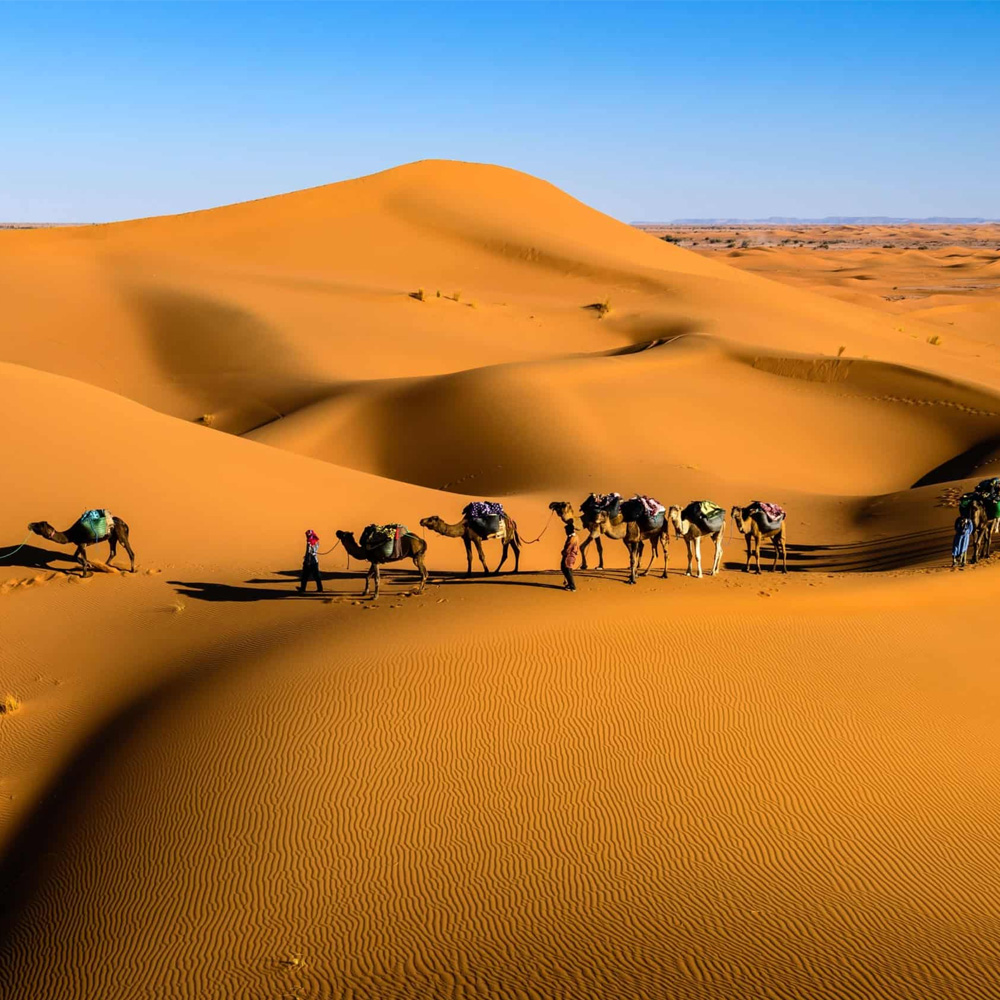
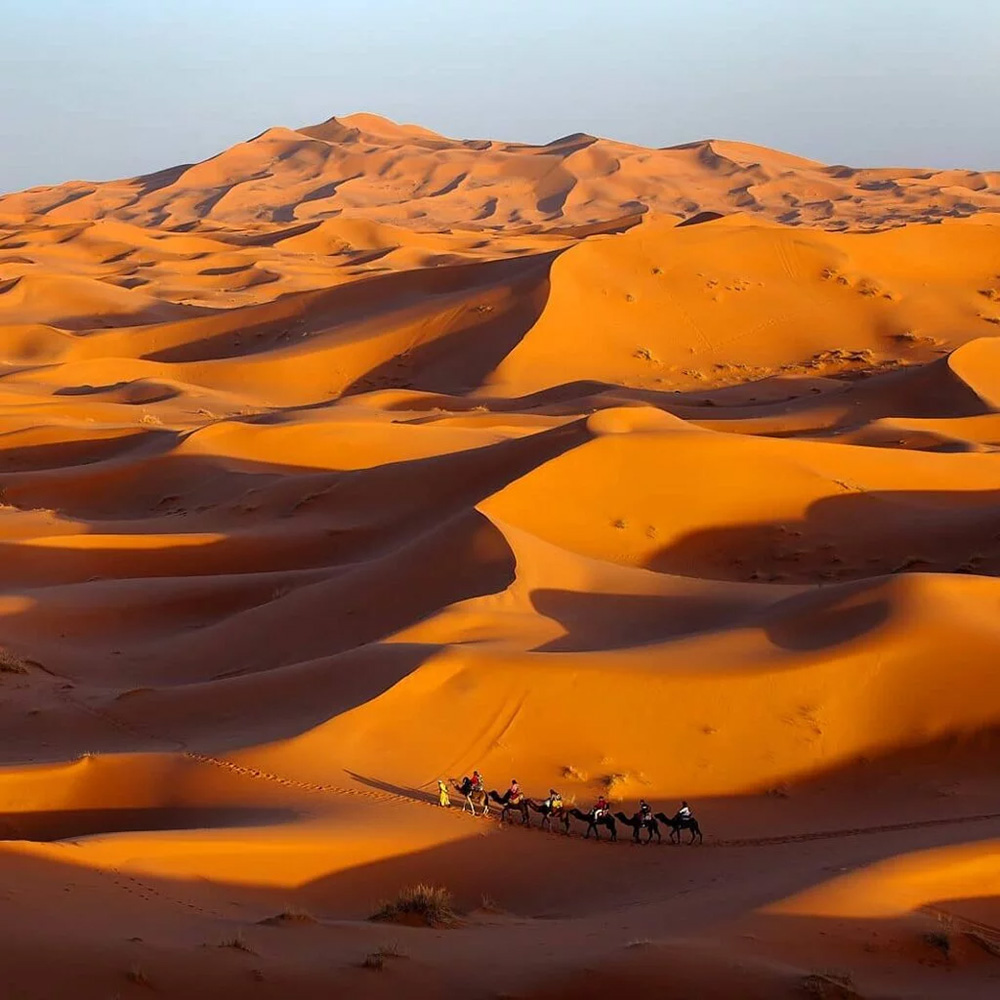
Merzouga is a small village in southeastern Morocco, just 50 kilometers from the Algerian border. It’s best known for Erg Chebbi, a sweeping expanse of 150-meter-high sand dunes. Unlike other Moroccan desert locations, Merzouga offers easy access to some of the largest dunes in the Sahara, making it a top destination for adventure seekers and cultural explorers alike.

Top Things To Do in Merzouga

1. Camel Trekking into the Sahara

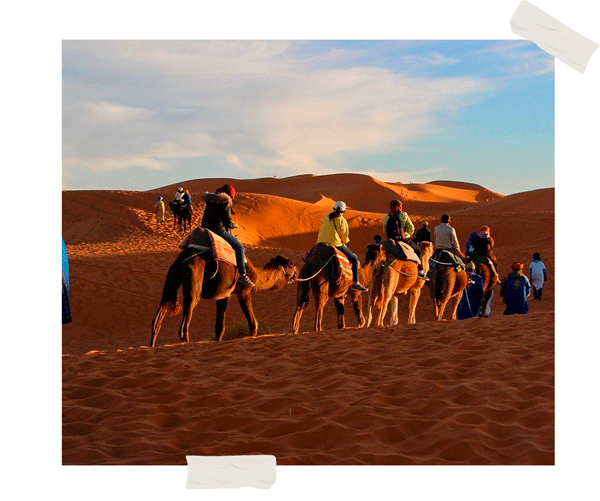
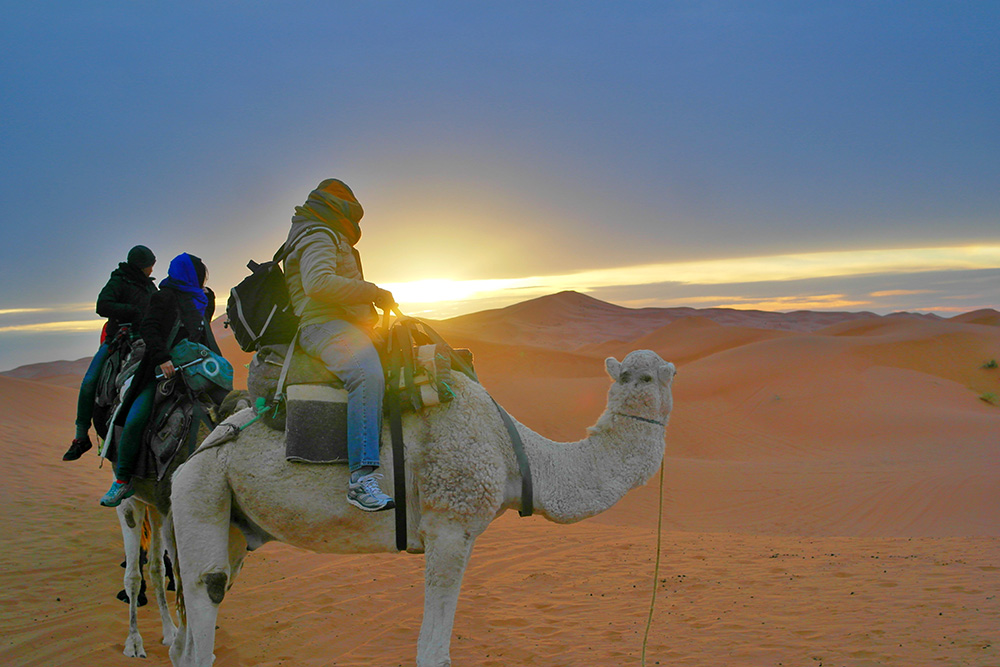
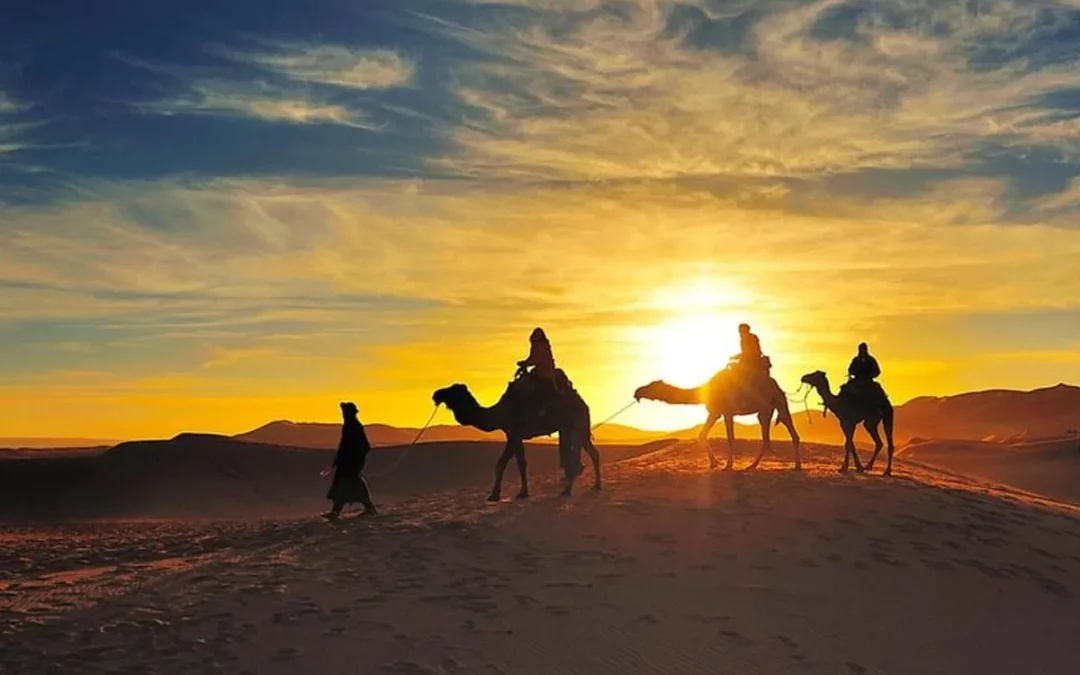
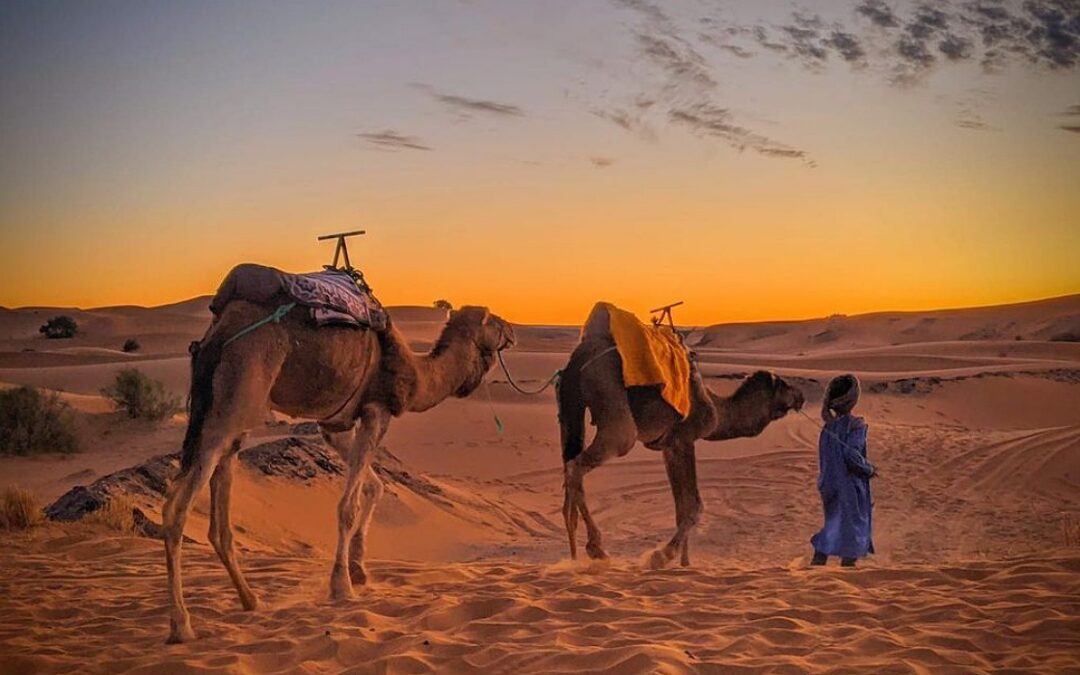
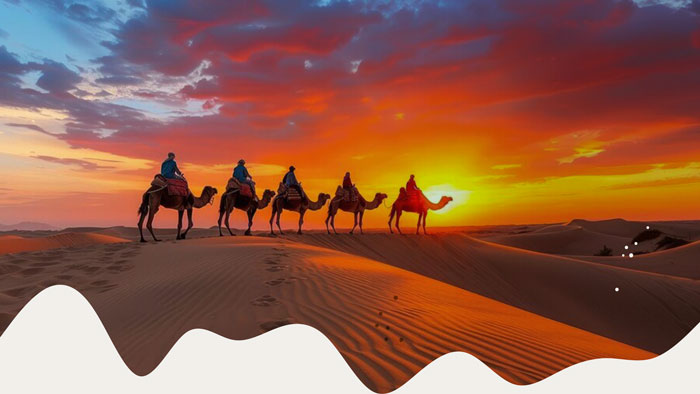
Camel trekking is the most iconic activity in Merzouga and an essential part of any desert adventure. Riding a camel across the endless golden dunes is not just a fun way to explore the Sahara — it’s also a journey back in time. These treks can last from an hour to several days, depending on your itinerary and interest. The most popular options are sunset and sunrise rides, which offer breathtaking views as the sky changes color over the vast sand sea.

If you opt for an overnight camel trek, you’ll travel deep into the dunes and stay at a desert camp where you can enjoy traditional Moroccan meals, music, and storytelling by the campfire. The silence of the desert, broken only by the sounds of crackling firewood and Berber drums, creates an atmosphere you won’t soon forget. Many agencies also provide additional services like sandboarding and guided walks during the trek, so it’s worth discussing your options beforehand.

Tip: If you’re booking through a travel agency like Sahara Camel Tours, it’s highly recommended to follow their suggested itineraries, as they’re designed to maximize your experience and safety while respecting local customs and environmental conditions.
2. Desert Camping Experience

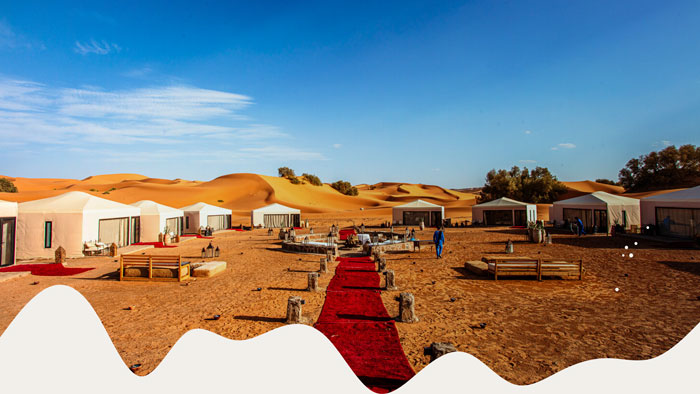
Staying overnight in a desert camp is one of the highlights of any trip to Merzouga. There are two main types of camps: standard y luxury. Standard camps offer a more rustic and authentic experience — think shared facilities, traditional Moroccan tents, and basic bedding. It’s a great way to connect with Berber traditions and enjoy the starry night sky without too many frills.

On the other hand, luxury camps provide more comfort without sacrificing authenticity. These feature en-suite bathrooms, king-size beds, electricity (often solar-powered), and gourmet meals served under beautifully decorated tents. Some even offer hot showers, Wi-Fi, and lounge areas. Whether you’re a backpacker or a honeymooner, there’s a camp that suits your style — and if you’re unsure, travel agencies like Sahara Camel Tours can guide you based on your preferences.
3. 4×4 Off-Roading and Quad Biking

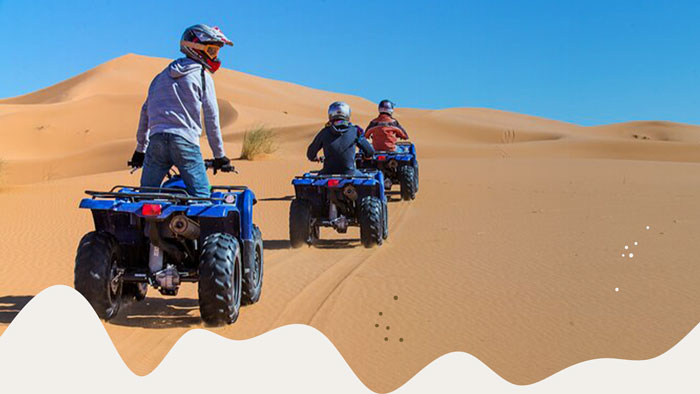
If you’re craving excitement, hop into a 4×4 or onto a quad bike for a thrilling ride across the dunes and the surrounding desert plains. A 4×4 tour allows you to access remote areas like fossil beds, nomadic settlements, and oases that you wouldn’t reach on foot or camel. It’s a unique way to understand the harsh beauty and geographic diversity of the region.

Quad biking, on the other hand, gives you the freedom to ride solo or with a guide, carving tracks across the soft dunes. While exhilarating, it’s also important to go with responsible operators who provide safety gear and respect the fragile desert ecosystem.
4. Visit Lake Dayet Srij (Flamingo Lake)

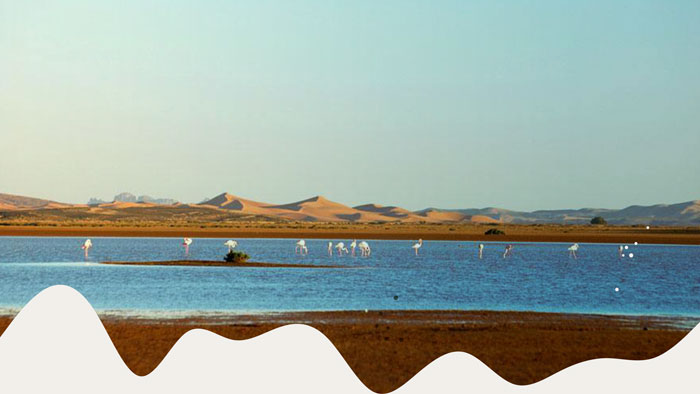
When it’s full, usually between November and March, Lake Dayet Srij becomes a serene desert oasis that attracts a variety of wildlife — most notably, flamingos. It’s an unexpected sight in the middle of such an arid landscape and a must-visit for bird watchers and photographers. You can also spot desert foxes, lizards, and a wide range of migratory birds.

The lake is easily accessible by vehicle, and it’s best visited in the early morning or late afternoon when the light is perfect for photography. If you’re traveling with a tour group, they’ll often include this stop in a full-day desert excursion.
5. Cultural Experience in Khamlia Village

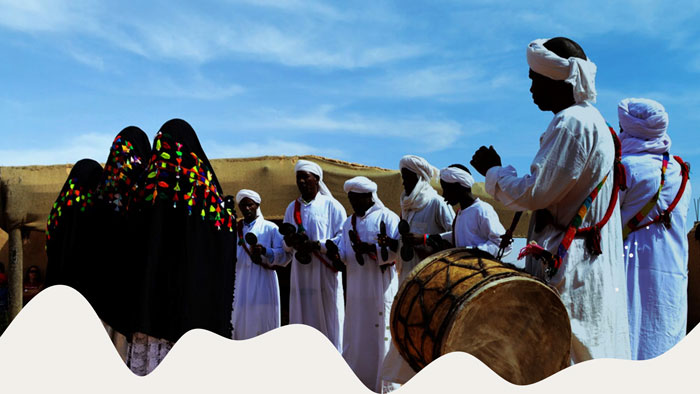
The village of Khamlia, a short drive from Merzouga, offers a rich cultural encounter with the Gnawa people — descendants of sub-Saharan Africans who have lived in Morocco for centuries. Visiting Khamlia is not just about sightseeing; it’s about experiencing a different rhythm of life.

You’ll be welcomed with tea and have the chance to enjoy a live performance of Gnawa music, a spiritual and deeply rooted art form that combines singing, drumming, and the use of traditional instruments like the krakebs (metal castanets). It’s a mesmerizing experience that offers insight into a unique Moroccan subculture.
6. Sandboarding Down the Dunes

If you’re up for some fun and adrenaline, grab a sandboard and hit the slopes of Erg Chebbi. Unlike snowboarding, sandboarding is a bit slower and gentler, but no less entertaining — especially when you’re cruising down one of the taller dunes.

Boards are often available at desert camps or through local tour guides. It’s a great way to break up the quiet of the desert with some lighthearted excitement, and it’s suitable for all ages.
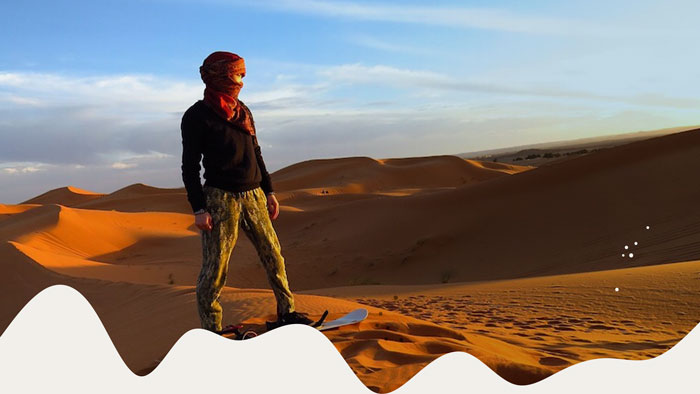
7. Watch the Sunrise and Sunset from the Dunes

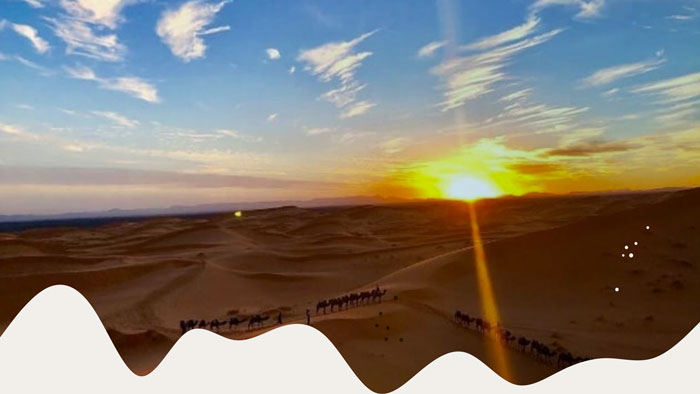
Something is humbling about watching the sun rise or set over the vastness of the Sahara. The sky turns into a canvas of gold, orange, pink, and deep purple as shadows dance across the dunes. Climbing up a tall dune may be a bit of a challenge, but the reward is an unforgettable view and a feeling of absolute peace.

Many tours and camel treks are timed to coincide with these magical moments, but if you’re staying in Merzouga or a nearby camp, you can also set out on your own (with proper orientation) to catch the show.
Ready to Experience the Magic of Merzouga?

Whether you’re chasing golden sunrises over towering dunes, sharing mint tea with locals, or sleeping under a sky full of stars — Merzouga is waiting to steal your heart. Don’t just read about the Sahara. Live it.

Let your desert adventure begin today.

Where to Sleep in Merzouga

Whether you’re seeking luxurious comfort, a cozy budget-friendly stay, or the unforgettable magic of sleeping under the stars in the Sahara, Merzouga offers a wide range of accommodation options to suit every type of traveler.

Luxury Desert Camps

For those looking to experience the desert without giving up comfort, luxury camps in Merzouga provide an exceptional experience. These camps are typically located deep in the dunes and feature spacious private tents with en-suite bathrooms, king-sized beds, traditional Berber decor, and fine dining under the stars. Some even offer solar-powered electricity, Wi-Fi, and comfortable lounge areas.

This is an ideal option for honeymooners, families, or anyone who wants to enjoy the beauty of the Sahara in style. If you’re traveling with a tour company such as Sahara Camel Tours, they can recommend the most reputable and well-equipped luxury camps, ensuring your comfort, safety, and an authentic cultural experience.

Standard Desert Camps

If you prefer a more traditional and adventurous stay, standard desert camps offer a simpler yet equally memorable experience. Accommodations usually consist of shared tents with basic bedding and communal bathroom facilities. Meals are cooked over the fire, and evenings are filled with Berber music, storytelling, and stargazing.

This is a great choice for backpackers, solo travelers, or those who want to connect more closely with local culture and fellow adventurers. Standard camps are generally more budget-friendly, and agencies like Sahara Camel Tours often include them in multi-day desert packages with camel treks and other activities.

Guesthouses and Riads in Merzouga Village

If sleeping in the dunes isn’t your thing, Merzouga village and nearby settlements offer a variety of guesthouses, kasbah-style hotels, and riads. These range from mid-range comfort to simple family-run inns. Many of these places feature traditional Moroccan architecture, home-cooked meals, rooftop terraces, and views of the surrounding dunes.

Staying in the village gives you easy access to restaurants, local shops, and cultural sites like Khamlia village and Lake Dayet Srij. It’s also a convenient base for organizing desert excursions if you prefer to return to a fixed accommodation each night.

Homestays and Local Experiences

For a truly immersive experience, consider a homestay with a Berber family. Some local families open their homes to visitors, offering a glimpse into daily life in the desert. You’ll enjoy traditional meals, help bake bread in clay ovens, and perhaps even learn a few words of Tamazight, the local Berber language.

This type of stay is perfect for cultural travelers who value authenticity and human connection over modern luxuries. Your travel agency can help arrange these stays in a way that benefits the local community and ensures a respectful exchange.

Travel Tips for Merzouga

  • Best Time to Visit: October to April. Summers (June–August) can be extremely hot.

  • Getting There: The closest airport is in Errachidia, about 2 hours away by car. Many visitors arrive via Marrakech or Fes with organized desert tours.

  • Currency: Moroccan Dirham (MAD). ATMs are limited, so carry cash.

  • Dress Code: Respect local customs by dressing modestly. Light, breathable clothes are ideal for daytime; bring layers for cooler desert nights.

  • Local Guides: Hiring a local guide enriches your experience and supports the community.

Final Thoughts

Merzouga is more than just a destination — it’s an experience that stirs the soul. From its majestic dunes to the warm hospitality of the Berber people, every moment spent here becomes a memory etched in sand and starlight. Let this Merzouga Travel Guide be your compass to adventure, tranquility, and cultural richness in the heart of the Moroccan Sahara.
Where to Eat Authentic Moroccan Food Recipes

Where to Eat Authentic Moroccan Food Recipes

Where to Eat Authentic Moroccan Food Recipes

Moroccan cuisine is a vibrant blend of flavors, spices, and centuries-old culinary traditions. Whether you’re looking to experience Moroccan food in traditional restaurants, local street markets, or even recreate it at home, this guide highlights where to eat and the most famous Moroccan dishes you must try.

Where to Eat Authentic Moroccan Food

1. Traditional Moroccan Restaurants (Riads & Local Eateries)

For an authentic experience, dining in a riad (a traditional Moroccan house) or a family-run eatery is a must. These places often serve home-cooked meals using age-old recipes. Some of the best cities for traditional Moroccan food include:

  • Marrakech: Try Le Jardin, Café Clock, or Al Fassia for a mix of authentic flavors in a stunning setting.
  • Fes: Experience the refined dishes of Dar Roumana or the cozy, garden ambiance of The Ruined Garden.
  • Casablanca: Visit La Sqala, a charming seaside restaurant offering Moroccan classics.
  • Chefchaouen: Enjoy the unique flavors of the blue city at Casa Aladdin or Beldi Bab Ssour.

2. Moroccan Street Food Markets

The bustling souks and food stalls in Morocco offer an array of local delicacies. Some must-visit street food hubs include:

  • Jamaa El Fna Square (Marrakech): Try grilled meats, snail soup, and Msemen (flaky Moroccan pancakes stuffed with honey or cheese).
  • Fes Medina: Savor Maakouda (crispy potato fritters) and Harira (a hearty tomato and lentil soup, often enjoyed during Ramadan).
  • Essaouira Fish Market: Choose fresh seafood and have it grilled on the spot with Moroccan spices.

3. Cooking Classes & Home Dining Experiences

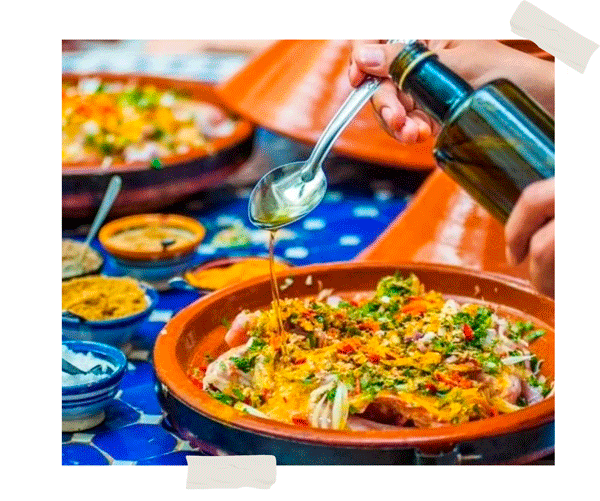
For those who want to learn the art of Moroccan cooking, taking a local cooking class is an immersive experience. Some great options include:

  • La Maison Arabe (Marrakech): Offers hands-on cooking classes led by expert Moroccan chefs.

  • Clock Kitchen (Fes & Marrakech): Learn to prepare traditional dishes like tagines y pastilla in a fun and interactive setting.

  • Berber Family Experiences (Atlas Mountains): Join a local family, cook over an open fire, and taste home-cooked meals in a traditional setting.

Ready to Experience Moroccan Cuisine?

Embark on a flavorful journey and indulge in the magic of Moroccan food! Whether you want to savor authentic dishes at a local eatery, explore the lively souks, or recreate these traditional recipes in your own kitchen, now is the perfect time to dive into this culinary adventure. Try a recipe today, visit a Moroccan restaurant, or book a cooking class to bring these delicious flavors to life!

Must-Try Moroccan Recipes

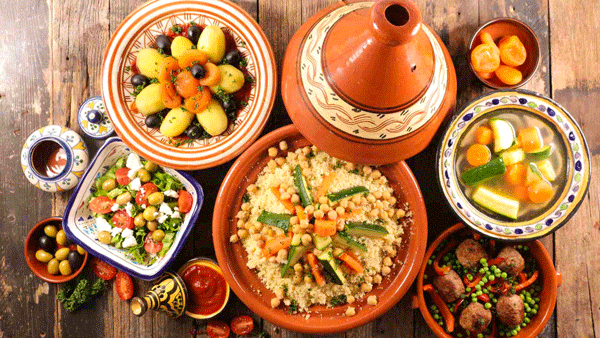
Moroccan food is rich in spices like Ras el Hanout, saffron, cinnamon, and cumin. Here are some of the most famous dishes you must try or recreate at home.

Classic Moroccan Starters & Salads

  • Zaalouk Dip: A smoky eggplant and tomato dip that is a staple in Moroccan cuisine. The eggplants are grilled or roasted to achieve a deep, smoky flavor, then mashed with tomatoes, garlic, olive oil, and aromatic spices like paprika and cumin. This dish is typically served as a cold appetizer alongside warm Moroccan bread, making it a perfect accompaniment to any meal.
  • Peach and Tomato Salad with Orange Blossom and Honey Dressing: This refreshing Moroccan salad blends the sweetness of ripe peaches with the acidity of fresh tomatoes. The dressing, made with orange blossom water, honey, and a touch of olive oil, adds a fragrant floral note that enhances the contrast between sweet and savory flavors. It is often garnished with fresh mint leaves for a burst of freshness.
  • Artichoke, Green Peas, and Preserved Lemon Salad: A vibrant dish that highlights the bold flavors of Moroccan ingredients. The artichokes and peas are cooked until tender, then mixed with preserved lemons, which add a tangy, salty depth to the salad. Tossed with olive oil, garlic, and fresh herbs, this dish is both nutritious and delicious.
  • Bakoula Salad with Spinach and Kale: A flavorful Moroccan salad made with blanched spinach, kale, and mallow leaves, seasoned with garlic, preserved lemons, and a mix of warm spices. This dish is typically enjoyed as a side or starter and is often served with a drizzle of extra virgin olive oil and a sprinkle of sesame seeds for added texture.

Moroccan Tagines & Main Dishes

  • Chicken Tagine with Chickpeas and Fresh Figs: A rich and aromatic dish featuring tender chicken slow-cooked in a fragrant sauce made with saffron, ginger, and cinnamon. The addition of chickpeas provides a hearty texture, while fresh figs offer a natural sweetness that balances the savory spices. Traditionally cooked in a clay tagine, this dish is best served with couscous or crusty bread to soak up the flavorful sauce.

  • Lamb Tagine with Prunes: A classic Moroccan dish that combines the succulent taste of slow-cooked lamb with the sweetness of prunes. The lamb is simmered for hours with cinnamon, ginger, and honey, creating a luscious sauce that is both savory and sweet. Garnished with toasted almonds and sesame seeds, this dish is often served on special occasions.

  • Moroccan Spiced Fish Fillets with Bell Peppers in Tomato Sauce: Fresh fish fillets are marinated in a blend of cumin, paprika, garlic, and lemon juice before being gently cooked in a thick, spiced tomato sauce with bell peppers. This dish is a seafood lover’s delight, bursting with the vibrant flavors of Moroccan spices.

Moroccan Street Food & Breads

  • Msemen (Stuffed Moroccan Flatbread): A crispy, flaky, layered bread made by folding and rolling dough with butter and semolina. Often stuffed with spiced onions and herbs, it is a popular breakfast or snack served with honey or cheese.

  • Batbout (Moroccan Pita Bread): A soft and pillowy bread that puffs up when cooked, making it perfect for stuffing with savory fillings like grilled meats or vegetables.

Moroccan Desserts & Sweets

  • Chebakia: A deep-fried sesame cookie coated in honey and sprinkled with sesame seeds. These sweet, crunchy treats are traditionally served during Ramadan and pair perfectly with a cup of Moroccan mint tea.

  • Almond Mhencha: A spiral-shaped pastry filled with almond paste, sugar, and cinnamon, then baked until golden and flaky. It is often dusted with powdered sugar and served with a drizzle of honey.

Beverages & Infusions

  • Moroccan Mint Tea: The national drink of Morocco, made by brewing green tea leaves with fresh mint and sweetening with sugar. This refreshing tea is poured from a height to create a light froth and is served in small glasses.

Conclusion

Whether you’re dining in a traditional Moroccan restaurant, exploring the vibrant street food scene, or cooking at home, Moroccan cuisine is full of rich flavors and exciting dishes. Try these authentic Moroccan recipes and experience the country’s culinary heritage from anywhere in the world!

Why Choose a Moroccan Sahara Tour with Berber?

Why Choose a Moroccan Sahara Tour with Berber?

Why Choose a Moroccan Sahara Tour with Berber?

If you’re dreaming of an unforgettable desert adventure, a Moroccan Sahara Tour with Berber guides is the best way to experience the magic of the dunes. Berber guides have lived in the Sahara for generations, offering unparalleled knowledge, authentic cultural experiences, and warm hospitality that make your journey truly special.

Who Are Berbers?

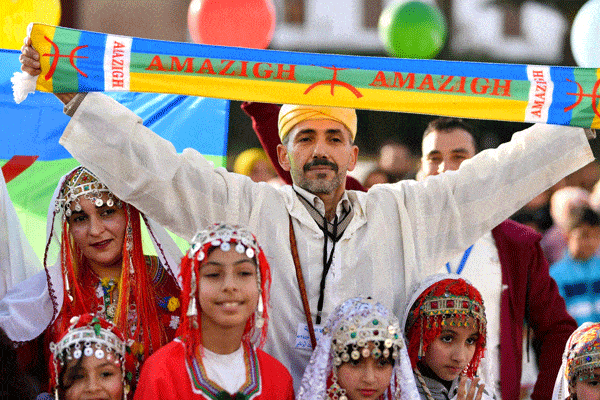
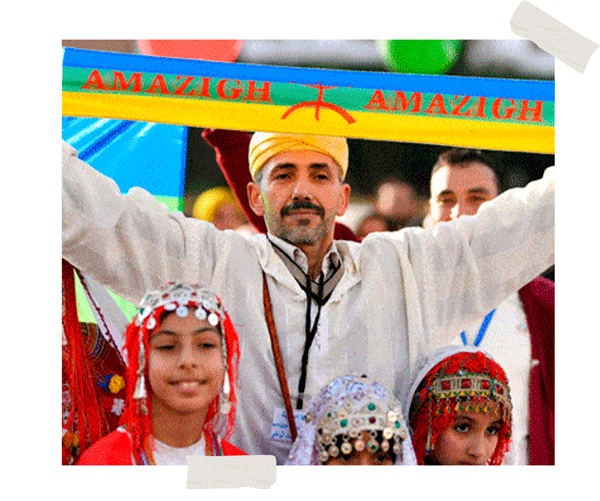
La Berbers, or Amazigh people, are the indigenous inhabitants of North Africa, with a history dating back thousands of years. They have preserved their language, customs, and nomadic lifestyle despite centuries of external influences. The Berber identity is deeply rooted in the desert, making them the perfect guides for your Moroccan Sahara Tour with Berber. Their knowledge of the land, traditions, and survival skills make your desert journey not only safe but also culturally enriching.

1. A Rich History as Nomads

For centuries, Berbers have lived as nomads, moving across the vast Sahara Desert in search of water, grazing land, and trade opportunities. They played a crucial role in the ancient trans-Saharan trade routes, connecting Morocco to West Africa. This nomadic heritage is still evident today, as many Berber families continue to live in the desert, herding camels and goats. Experiencing the desert with Berbers means traveling with those who have an ancestral connection to the land.

2. Authentic Local Experience

When you embark on a Moroccan Sahara Tour with Berber, you get an immersive cultural experience. Berbers, the indigenous people of North Africa, have lived in the desert for centuries, maintaining their rich traditions and nomadic lifestyle. Traveling with Berber guides allows you to:

  • Learn about their customs, music, and storytelling traditions.

  • Enjoy traditional Berber tea ceremonies.

  • Experience authentic desert cuisine, such as Berber tajine and freshly baked sand bread.

  • Interact with local families and learn about their daily lives.

Book Your Unforgettable Moroccan Sahara Tour with Berber Guides

Embark on a once-in-a-lifetime adventure with expert Berber guides who know the Sahara like no one else. Experience the golden dunes, authentic nomadic culture, and breathtaking desert landscapes in the most immersive way possible.

3. Expert Knowledge of the Sahara Desert

Navigating the vast and unpredictable Sahara requires deep expertise. Berber guides have an intimate understanding of the landscape, weather patterns, and hidden gems of the desert. They can take you off the beaten path to:

  • Secret oases and breathtaking viewpoints.
  • Unique rock formations and fossil fields.
  • The best spots to watch the sunrise and sunset over the dunes.

4. Sustainable and Responsible Tourism

A Moroccan Sahara Tour with Berber supports local communities and promotes eco-friendly tourism. Many Berber tour operators focus on:

  • Using locally sourced materials for camps and accommodations.
  • Hiring local staff, ensuring economic benefits for Berber families.
  • Practicing minimal environmental impact by reducing plastic waste and conserving water.

5. Authentic Desert Accommodation

One of the highlights of a Moroccan Sahara Tour with Berber is the chance to stay in traditional desert camps. Whether you choose a standard or luxury camp, expect:

  • Cozy Berber tents made of camel hair or traditional fabrics.

  • Nights under a sky filled with countless stars.

  • Evenings around the fire with live Berber music and storytelling.

6. Camel Trekking and Adventure Activities

No Moroccan Sahara Tour with Berber is complete without an authentic camel trekking experience. These gentle animals have been the lifeline of desert travel for centuries. In addition to camel rides, you can also enjoy:

  • 4×4 desert safaris across the golden dunes.

  • Sandboarding down the tallest dunes.

  • Visiting nomadic families to learn about their way of life.

7. A Deep Connection with Nature

The Sahara offers a unique opportunity to disconnect from modern life and reconnect with nature. With a Moroccan Sahara Tour with Berber, you will:

  • Experience the silence and tranquility of the desert.

  • Witness the breathtaking contrast of golden dunes and deep blue skies.

  • Feel the spiritual and meditative power of the vast Sahara.

Final Thoughts

Choosing a Moroccan Sahara Tour with Berber means embarking on a once-in-a-lifetime adventure with guides who have deep-rooted connections to the land. From cultural immersion and breathtaking landscapes to eco-friendly travel and unforgettable experiences, a Berber-led tour offers the most authentic way to explore Morocco’s Sahara Desert.

If you’re ready to discover the magic of the Sahara with the people who know it best, book your Moroccan Sahara Tour with Berber today and create memories that will last a lifetime!

Camel Trekking in the Sahara: What to Know & How to Prepare

Camel Trekking in the Sahara: What to Know & How to Prepare

Camel Trekking in the Sahara: What to Know & How to Prepare

Camel trekking in the Sahara Desert is one of the most iconic and unforgettable experiences in Morocco. Traversing the golden dunes of the Sahara on camelback offers an unparalleled connection to the vast, serene beauty of the desert. Whether you’re planning a short trek or a multi-day adventure, this guide covers everything you need to know about what to expect and how to prepare for your journey.

What to Expect During Camel Trekking

The Camel Trekking Experience

Riding a camel is a unique and rhythmic experience. As your camel moves, you’ll feel a gentle sway, providing an almost meditative connection to the desert environment. Treks typically last 1-2 hours each way, making stops at key points of interest, such as dunes with spectacular views and nomadic settlements.

The Scenery

The Sahara’s landscape is breathtaking, characterized by vast dunes, endless horizons, and dramatic sunsets. During your trek, you’ll witness shifting patterns in the sand and may encounter unique desert flora and fauna, such as the resilient acacia tree or desert foxes.

Arrival at the Desert Camp

Most camel treks lead to a desert camp nestled among the dunes. Camps vary in style, ranging from rustic Berber setups to luxurious accommodations with en-suite bathrooms. At the camp, you’ll enjoy traditional Moroccan meals, music by the campfire, and an incredible view of the star-filled sky.

Sunrise and Sunset

Two highlights of camel trekking are the sunrise and sunset over the dunes. The golden hues of the setting sun and the tranquil morning light make for unforgettable moments and picture-perfect memories.

How to Prepare for Camel Trekking

Physical Preparation

Camel trekking doesn’t require significant physical fitness, but sitting on a camel for extended periods can be slightly challenging for beginners. Light stretching before and after the trek can help ease any discomfort.

QUÉ VESTIRSE

  • Comfortable Clothing: Loose, breathable fabrics are ideal for staying cool during the day. Avoid tight jeans or skirts that restrict movement.
  • Layers: Evenings in the desert can get chilly, so bring a warm jacket or sweater.
  • Footwear: Closed-toe shoes or sandals with a good grip are recommended for walking on the dunes.
  • Headwear and Sunglasses: A wide-brimmed hat or scarf to protect against the sun, and sunglasses to shield your eyes from the glare.

What to Bring

  • Sunscreen and Lip Balm: Protect your skin and lips from the harsh desert sun.
  • Reusable Water Bottle: Staying hydrated is crucial; bring a bottle to refill at the camp.
  • Camera or Smartphone: Capture the stunning desert landscapes.
  • Small Backpack: Carry your essentials without adding too much weight.

Booking a Trek

Camel trekking experiences can be booked through local travel agencies, online platforms, or directly at the starting point in towns like Merzouga. When booking, ensure the package includes:

  • Transportation to and from the desert.
  • Meals and beverages at the camp.
  • Experienced guides for the trek.

Tips for a Memorable Trek

  1. Embrace the Experience: The desert offers a slower pace of life. Use the time to disconnect and fully immerse yourself in the surroundings.
  2. Communicate with Your Guide: Guides are knowledgeable about the desert and its culture. Feel free to ask questions or request stops for photos.
  3. Pace Yourself: If you feel uncomfortable on the camel, let your guide know. They can adjust the pace or provide breaks.

Why Choose Camel Trekking?

Camel trekking is more than just a ride; it’s a journey into the heart of the Sahara’s timeless beauty and a chance to experience traditional Berber hospitality. It’s an adventure that blends physical activity, cultural discovery, and breathtaking natural scenery.

Conclusion

Camel trekking in the Sahara Desert is a once-in-a-lifetime adventure that promises unforgettable memories. From the mesmerizing landscapes to the cultural immersion, every aspect of the experience leaves a lasting impression. With the right preparation and an open mind, your trek across the golden dunes will become a cherished highlight of your Moroccan journey. Start planning your Sahara adventure today and let the magic of the desert captivate your soul!

The Ultimate Guide to 2 Nights in Merzouga Desert

The Ultimate Guide to 2 Nights in Merzouga Desert

The Ultimate Guide to 2 Nights in Merzouga Desert

The Merzouga Desert, with its sweeping dunes of golden sand and enchanting Berber culture, is one of Morocco’s most magical destinations. Spending 2 nights in the heart of the Erg Chebbi dunes offers an unforgettable experience that blends adventure, tranquility, and cultural immersion. Whether you’re looking for the thrill of camel trekking or the peace of stargazing in the desert at night, this ultimate guide will help you plan your perfect getaway.

Why Choose 2 Nights in Merzouga Desert?

Two nights in the Merzouga Desert allows you to fully immerse yourself in the Sahara’s serene beauty. You’ll have time to explore the dunes, experience traditional Moroccan hospitality, and engage in unique desert activities without feeling rushed. With a two-night stay, you can:

  • Enjoy both sunrise and sunset camel treks.
  • Spend a full day exploring the dunes and nearby attractions.
  • Relax and soak in the silence of the desert.

Day 1: Arrival and Camel Trekking Adventure

Your journey begins with an arrival in Merzouga, where the towering dunes of Erg Chebbi greet you. Most visitors arrive via private transfer or tour from cities like Marrakech, Fes, or Ouarzazate. Upon arrival, enjoy a warm welcome with traditional Moroccan tea.

Highlights of Day 1:

  • Camel Trekking at Sunset: Begin your adventure with a camel trek into the desert. As you ride through the undulating dunes, the sky transforms into a canvas of warm hues, offering breathtaking views.
  • Overnight in a Desert Camp: After the trek, settle into your desert camp, a blend of traditional Berber charm and modern comfort. Enjoy a hearty Moroccan dinner under the stars, followed by live music and storytelling around the campfire.

Day 2: Explore the Sahara Desert

The second day is all about immersing yourself in the desert’s beauty and culture. After a hearty breakfast at your camp, you’ll have the entire day to explore and participate in various activities.

Activities for Day 2:

  1. 4×4 Desert Excursion: Take a thrilling 4×4 ride across the dunes to visit nearby attractions, such as:
    • The Gnawa village of Khamlia, is known for its traditional music.
    • Nomadic families who live in the desert.
    • Seasonal salt lakes like Dayet Srji, where flamingos often gather.
  2. Sandboarding: Glide down the dunes on a sandboard for an adrenaline-filled experience.
  3. Relaxation and Reflection: Spend quiet moments soaking in the serene desert atmosphere or exploring the dunes on foot.
  4. Stargazing: End your day with unrivaled stargazing, as the Sahara’s clear skies offer a spectacular view of the Milky Way.

Optional Experiences:

  • Quad biking for a faster-paced adventure.
  • Henna painting or traditional Berber cooking lessons at the camp.

Day 3: Sunrise and Farewell

Your final day begins early with a sunrise camel trek. Watching the first light of day illuminate the desert is an awe-inspiring experience. Afterward, return to camp for breakfast before packing up.

Highlights of Day 3:

  • Camel Trekking at Sunrise: Experience the tranquility of the desert as the day begins.
  • Departure: Depending on your itinerary, head back to Merzouga village for your onward journey. Many tours include transportation to cities like Marrakech or Fes, making it a convenient conclusion to your adventure.

Where to Stay in Merzouga

Merzouga offers a range of accommodations, from luxury desert camps to budget-friendly options. Here are some top choices:

  • Luxury Desert Camps: These camps provide private tents with en-suite bathrooms, gourmet dining, and modern amenities. 
  • Standard Camps: These camps offer comfortable Berber-style tents with shared facilities, perfect for budget-conscious travelers.
  • Eco-Friendly Camps: For those seeking a sustainable experience, eco-camps use solar energy and local materials while offering a genuine connection to nature.

What to Pack for Your Desert Stay

To ensure a comfortable stay, pack the following essentials:

  • Comfortable clothing for daytime and warm layers for the evening.
  • Sturdy shoes for walking on the dunes.
  • Sunscreen, sunglasses, and a hat to protect against the sun.
  • A reusable water bottle to stay hydrated.
  • A camera or smartphone to capture the stunning landscapes.

Best Time to Visit Merzouga Desert

The best time to visit is during spring (March to May) and autumn (September to November) when temperatures are moderate. Summers can be extremely hot, while winters are cold at night but pleasant during the day.

How to Book Your 2 Nights in Merzouga Desert

Booking your desert experience is easy. Many tour operators offer packages that include transportation, activities, and accommodation. For a hassle-free and memorable adventure, consider booking with Sahara Camel Tours, renowned for its exceptional service and authentic desert experiences.

Conclusion

Spending 2 nights in the Merzouga Desert is a once-in-a-lifetime experience that combines natural beauty, cultural immersion, and adventure. Whether you’re trekking across the dunes, enjoying Berber hospitality, or simply marveling at the star-filled sky, the memories you make will stay with you forever. Start planning your desert escape today and discover the magic of the Sahara!

Loading...
/*** Collapse the mobile menu - WPress Doctor ****/ bahiscasino betgaranti meritking jojobet betwoon kingroyal lunabet betcio lunabet holiganbet radissonbet cratosroyalbet spinco grandpashabet grandpashabet holiganbet Lunabet Giriş Lunabet lunabet grandpashabet betwoon meritking meritking Kavbet Giriş Kavbet Grandpashabet Giriş Grandpashabet Grandpashabet Giriş grandpashabet vaycasino kavbet Lunabet Giriş grandpashabet Lunabet Grandpashabet Giriş Grandpashabet Grandpashabet Grandpashabet Giriş Grandpashabet Grandpashabet Giriş Grandpashabet jojobet giriş jojobet mavibet mavibet