
M

+212 673 266 849

saharacameltours1@gmail.com

Top Street Food Spots & Best Restaurant in Casablanca

Top Street Food Spots & Best Restaurant in Casablanca

Top Street Food Spots & Best Restaurant in Casablanca

Best restaurant in Casablanca and street food adventures await every traveler with a craving for bold flavors and cultural richness. Casablanca, the beating heart of Morocco, offers an exquisite blend of modernity and tradition, where culinary experiences are as diverse as the city itself. From elegant seaside dining to bustling food stalls tucked away in the medina, Casablanca’s food scene is a vibrant tapestry of tastes and aromas. Whether you’re indulging in a fragrant tagine at a high-end eatery or grabbing a steaming bocadillo from a street vendor, this guide will lead you through the must-visit spots to satisfy every palate.

1. Marche Central

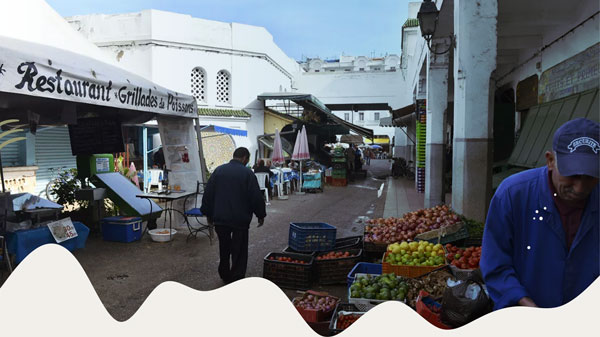
Nestled in the heart of the city, Marche Central is a paradise for food lovers seeking authentic Moroccan street food. Here, you’ll find:

  • Grilled Seafood: Freshly caught fish, shrimp, and calamari grilled to perfection. Pair it with a side of zesty chermoula sauce.

  • Moroccan Sandwiches: A popular option is the seafood sandwich packed with grilled fish, veggies, and a touch of spicy harissa.

2. Ain Diab Corniche

The coastal promenade of Ain Diab isn’t just a spot for breathtaking sunsets. It’s also a hub for mouthwatering snacks such as:

  • Briouates: These crispy pastries stuffed with meat or cheese are a must-try.
  • Harcha and Msemen: Traditional Moroccan flatbreads, often served with honey or soft cheese, are perfect for a quick bite.

3. Street Vendors in Derb Ghallef

This bustling neighborhood offers an array of street food stalls:

  • Makouda: Deep-fried potato fritters served with spicy tomato sauce.

  • Snail Soup (Bébouch): A warming and aromatic dish made with snails and flavorful broth.

Don’t Miss Casablanca’s Street Food Magic!

Follow the irresistible scent of grilled kebabs, sizzling msemen, and spicy harira through the city’s lively alleys. Dive into the heart of local flavor where every bite tells a story. From juicy brochettes to crispy sardine sandwiches, Casablanca’s street food isn’t just a snack, it’s an experience. Grab your appetite and hit the streets!

Must-Try Moroccan Dishes in Casablanca

1. Tagine

No visit to Casablanca is complete without savoring this quintessential Moroccan dish. Try different varieties, such as:

  • Lamb with Prunes: Sweet and savory, cooked with almonds and spices.

  • Chicken with Preserved Lemon and Olives: A zesty and aromatic favorite.

2. Couscous

Typically served on Fridays, this dish is a celebration in itself. Enjoy it with:

  • Seven Vegetables: A mix of seasonal vegetables and tender meat or chicken.

  • Sweet Couscous: Made with caramelized onions and raisins.

3. Harira

A comforting soup made with lentils, tomatoes, and spices, often accompanied by chebakia (a honey-drenched pastry).

4. Pastilla

This flaky pastry combines sweet and savory flavors, typically stuffed with pigeon meat, almonds, and cinnamon. Seafood variations are also popular in coastal Casablanca.

Top Restaurants in Casablanca for Local Cuisine

1. Rick’s Café

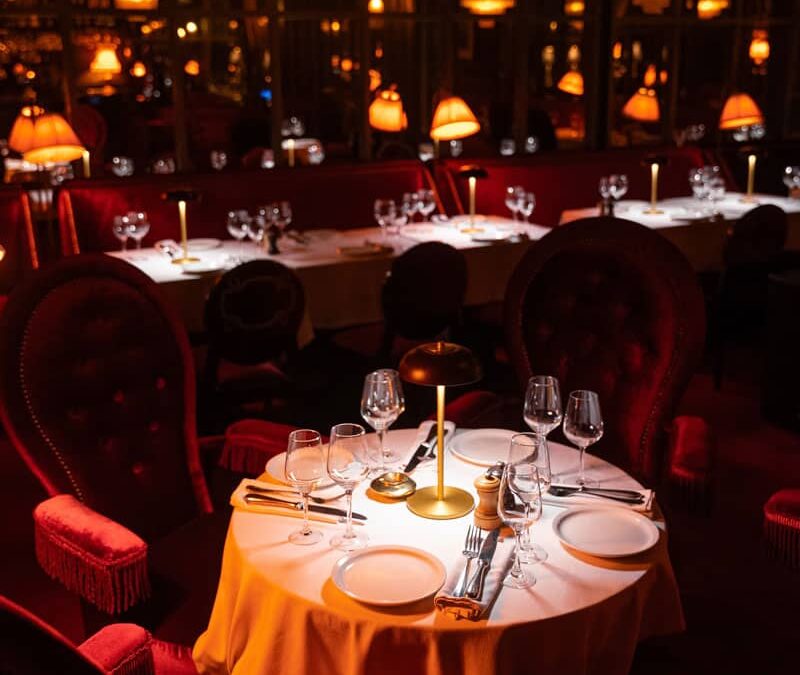
Inspired by the classic film “Casablanca,” Rick’s Café offers a romantic ambiance and a menu rich in Moroccan and Mediterranean flavors. Signature dishes include:

  • Lamb tagine

  • Seared seafood platters

2. Dar Beida

Located in the Hyatt Regency, this restaurant is perfect for those seeking a luxurious dining experience. Highlights include:

  • Traditional couscous

  • Mezze platters

3. Al-Mounia

For a more authentic Moroccan atmosphere, Al-Mounia is a go-to. The courtyard seating and flavorful dishes like chicken tagine make it a favorite.

Top Luxury Restaurants in Casablanca

1. Rick’s Café

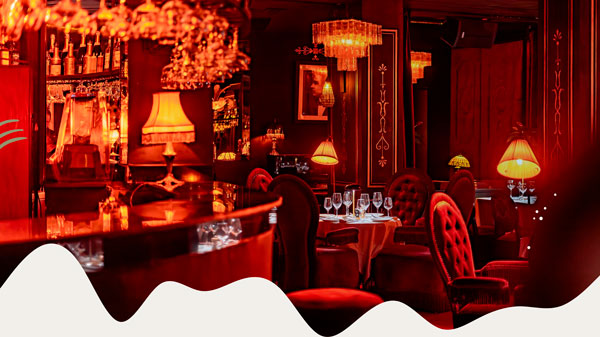
  • Why go: Inspired by the iconic movie Casablanca, Rick’s Café offers a romantic, old-Hollywood vibe with a Moroccan twist.

  • What to try: Seafood pastilla, lamb tagine, or a glass of Moroccan wine with live jazz in the background.

  • Vibe: Elegant, cinematic, and atmospheric.

2. La Sqala

  • Why go: A beautifully restored fortress-turned-restaurant near the port, serving authentic Moroccan cuisine in a lush garden setting.

  • What to try: Royal couscous, chicken with preserved lemon, and Moroccan pastries.

  • Vibe: Traditional luxury meets historical charm.

3. Le Cabestan – Ocean View

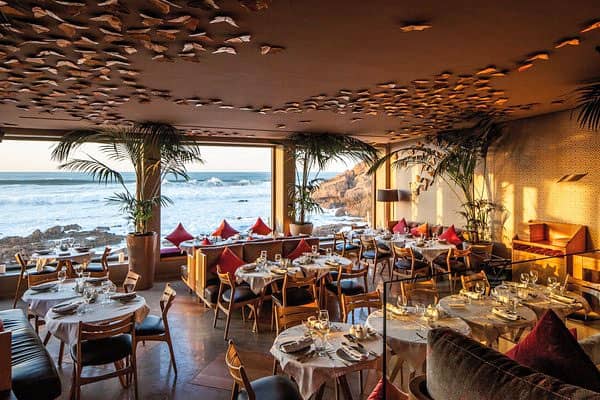
  • Why go: Overlooking the Atlantic, this sleek, modern restaurant is a go-to for high-end Mediterranean and seafood dishes.

  • What to try: Oysters, grilled lobster, and gourmet cocktails.

  • Vibe: Chic, contemporary, and perfect for sunset dinners.

4. La Table du Rétro

  • Why go: A refined setting with vintage décor, French-Moroccan fusion cuisine, and a curated wine list.

  • What to try: Duck confit with Moroccan spices or the filet mignon in argan oil sauce.

  • Vibe: Sophisticated and intimate.

5. Le Rouget de l’Isle

  • Why go: One of Casablanca’s finest for French haute cuisine, nestled in the city center with attentive, white-glove service.

  • What to try: Foie gras, lobster bisque, or their signature soufflé.

  • Vibe: Classic French elegance with Moroccan finesse.

Is Pork Available in Casablanca?

Pork is not commonly available in Casablanca or the rest of Morocco due to the country’s Islamic dietary laws, which prohibit its consumption. However, pork products can occasionally be found in certain international supermarkets or restaurants catering to non-Muslim expatriates and tourists. If you are looking for pork, it is best to check specialty stores or high-end establishments.

Conclusion

Casablanca’s food scene is as diverse and vibrant as the city itself. From savory street eats to exquisite traditional dishes, there’s something to satisfy every palate. Whether you’re wandering through the lively Marche Central or dining at an elegant restaurant, each bite will bring you closer to the heart of Moroccan culture. So pack your appetite and embark on a culinary journey you’ll never forget!

First Time in Casablanca Activities: A Guide to Vibrant Metropolis

First Time in Casablanca Activities: A Guide to Vibrant Metropolis

First Time in Casablanca Activities: A Guide to Vibrant Metropolis

Welcome to Casablanca: Morocco’s Coastal Gem

If you’re planning your first time in Casablanca, you’re in for a treat. This bustling Moroccan city blends modern sophistication with cultural richness, offering travelers a vibrant experience like no other. From iconic mosques to art deco architecture, Casablanca is full of unique activities that make it a must-visit destination. In this guide, we’ll explore the best First Time in Casablanca Activities so you can make the most of your trip.

1. Visit the Iconic Hassan II Mosque

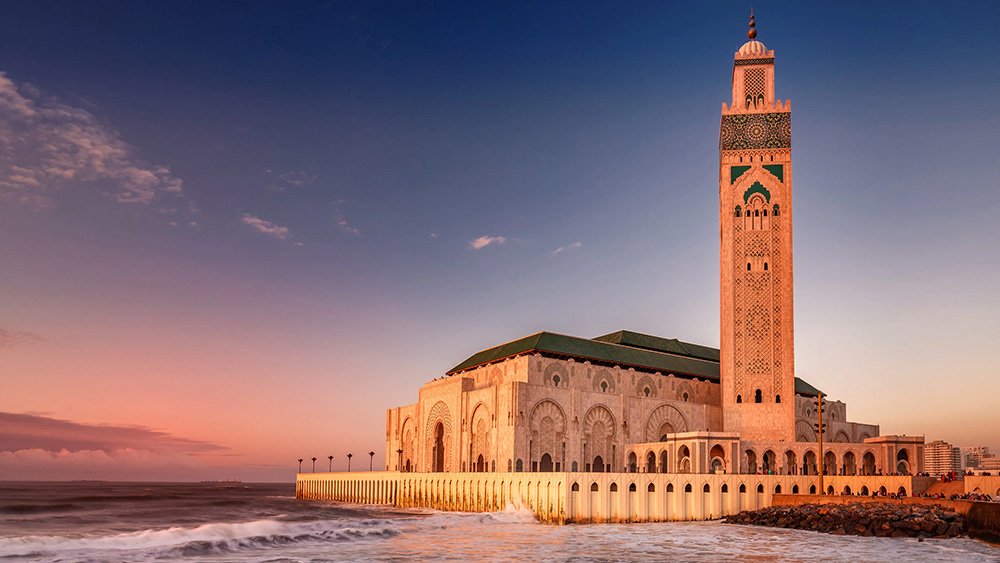
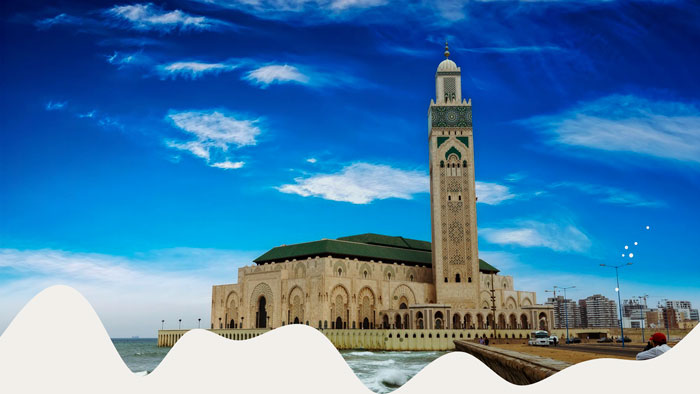
No trip to Casablanca is complete without visiting the Hassan II Mosque, one of the largest mosques in the world. It’s perched right on the Atlantic coast, with part of its floor made of glass, allowing worshippers to see the ocean beneath. The intricate tilework, hand-carved marble, and towering minaret make it a top highlight for any first-timer.

Tip: Non-Muslims can take guided tours during select hours — a rare opportunity in Morocco.

2. Stroll the Corniche in Ain Diab

La Corniche is Casablanca’s lively seaside promenade located in the Ain Diab neighborhood. Perfect for sunset walks, people-watching, or grabbing a coffee with a view, it offers a refreshing escape from the city center.

For those craving more excitement, the area is also home to beach clubs, upscale restaurants, and nightlife venues. A walk along the Corniche is easily one of the best First Time in Casablanca Activities for blending relaxation with local life.

3. Explore the Old Medina

While Casablanca’s Old Medina isn’t as large as those in Fes or Marrakech, it’s still a worthwhile stop. Wander through its narrow alleys, discover traditional shops, and sip mint tea at a local café. It’s a chance to see the everyday life of locals and soak up authentic Moroccan charm.

4. Discover Art Deco Architecture in Downtown Casablanca

Casablanca is unique among Moroccan cities for its Art Deco architecture, a legacy of the French colonial era. Walk through downtown neighborhoods like Boulevard Mohammed V to see stunning facades, ornate balconies, and historic cinemas. For architecture lovers, this is one of the more underrated yet unforgettable First Time in Casablanca Activities.

Ready to Discover Casablanca for the First Time?

Don’t just dream about Morocco—make it your next adventure! Whether you’re drawn by the call to prayer echoing from the Hassan II Mosque or the vibrant energy of the Old Medina, Casablanca is waiting to be explored.

5. Shop at the Marché Central

La Marché Central, or Central Market, is a fantastic place for first-timers to explore local produce, seafood, spices, and souvenirs. You’ll find everything from fragrant Moroccan olives to artisan-crafted gifts. Plus, the market has plenty of small eateries where you can try local street food.

Must-Try: A plate of grilled sardines or a classic Moroccan tagine.

6. Experience Moroccan Cuisine at Rick’s Café

Inspired by the classic film Casablanca, Rick’s Café is more than a movie homage — it’s an atmospheric dining experience. With its arched doorways, vintage décor, and piano music, it captures the romanticism of 1940s Morocco while serving up excellent fusion cuisine.

It’s one of the most iconic First Time in Casablanca Activities for movie buffs and food lovers alike.

7. Take a Day Trip to El Jadida or Rabat

If your schedule allows, plan a quick day trip from Casablanca to nearby cities like:

  • El Jadida: A charming coastal town with a Portuguese cistern and fortified walls.

  • Rabat: Morocco’s capital, offering royal palaces, gardens, and a slower pace compared to Casablanca.

These day trips give you a broader view of Moroccan culture and history while staying close to Casablanca.

8. Unwind in Local Hammams (Bathhouses)

After a long day of exploring, relax like a local in a traditional hammam. These steam-filled bathhouses are a cornerstone of Moroccan life, offering everything from DIY scrubs to luxury spa services.

Whether you choose a neighborhood hammam or a five-star spa, it’s a revitalizing and culturally immersive experience.

Final Thoughts: Enjoy Your First Time in Casablanca to the Fullest

With its blend of coastal beauty, historical richness, and contemporary flair, Casablanca offers something for every traveler. Whether you’re admiring the grandeur of Hassan II Mosque or sipping tea in the Old Medina, these First Time in Casablanca Activities will leave you with unforgettable memories and a deeper appreciation for Morocco’s diversity.

Ready to explore Casablanca? Pack your camera, bring an open heart, and let this city surprise you at every turn.

What You Should Know Before Visiting Fes, Morocco

What You Should Know Before Visiting Fes, Morocco

What You Should Know Before Visiting Fes, Morocco

Fes (or Fez), Morocco’s cultural and spiritual heart, is a city unlike any other. With its labyrinthine medina, ancient traditions, and sensory overload of sights, sounds, and smells, Fes is an unforgettable destination that rewards travelers with an authentic Moroccan experience. But before you dive into its maze of alleys and vibrant souks, there are a few key things you should know to make your trip smooth, respectful, and enriching.

1. Fes el-Bali: The Heartbeat of the City

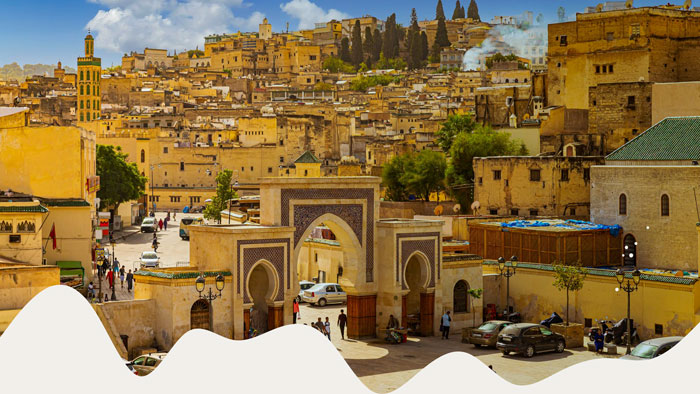
The old medina of Fes, known as Fes el-Bali, is one of the largest car-free urban areas in the world and a UNESCO World Heritage site. It’s easy to get lost in its more than 9,000 narrow, winding alleyways — and that’s part of the magic.

Pro Tips:

  • Hire a local guide for at least one day. Not only will they help you navigate, but they’ll give you cultural and historical context that’s hard to grasp on your own.

  • Use offline maps (like Maps.me) or Google Maps with downloaded areas for basic orientation.

  • Always carry the name and address of your riad/hotel — many places are tucked away and hard to find.

2. Dress Modestly and Respect Local Customs

Morocco is a Muslim-majority country, and while it’s relatively liberal compared to some, Fes is one of its more conservative cities.

What to Wear:

  • Women: Long skirts, loose pants, tops with sleeves. A scarf isn’t required but might be appreciated in certain areas.

  • Men: Long pants and t-shirts or shirts are ideal.

Avoid public displays of affection and try not to photograph people — especially women and children — without asking for permission.

3. Prepare for Sensory Overload (In the Best Way)

Fes is a feast for the senses — the smell of spices, leather from the tanneries, calls to prayer echoing through the medina, y el vibrant colors of hand-woven textiles.

But this intensity can be overwhelming if you’re not prepared.

Be Ready For:

  • Strong odors in places like the Chouara Tannery — locals offer sprigs of mint to mask the smell!

  • Aggressive sales tactics in some markets. A firm but polite “No, thank you” goes a long way.

  • A LOT of walking — often uphill or on uneven cobblestone streets. Comfortable shoes are a must.

4. The Food is an Experience in Itself

Moroccan cuisine in Fes is rich, flavorful, and steeped in centuries-old traditions.

Don’t Miss:

  • Tagine: Slow-cooked stews in clay pots, often with lamb, chicken, or vegetables.

  • Couscous Fridays: A traditional meal in Moroccan households after Friday prayers.

  • B’stilla (pastilla): A sweet and savory pastry typically filled with pigeon or chicken.

  • Mint tea: The national drink, served with flair and overflowing hospitality.

Many riads offer cooking classes — a great way to learn and eat what you create.

Planning your Moroccan adventure?

Fes is a great place to start your deeper cultural journey.

Let your Moroccan adventure begin today.

5. Know the Difference Between a Riad and a Hotel

A riad is a traditional Moroccan house or palace with an interior garden or courtyard, often converted into boutique guesthouses. Staying in a riad in Fes is part of the experience.

Benefits:

  • Personalized service

  • Authentic architecture

  • Peaceful escapes from the medina madness

Just make sure your riad offers clear arrival instructions — many are deep within the medina and hard to find.

6. Cash is King

While some larger establishments accept credit cards, most places in Fes operate on cash. ATMs are available but may be limited inside the medina.

Money Tips:

  • Carry small bills for tips, street food, and small purchases.

  • Bargaining is expected in the souks — don’t accept the first price offered!

  • Tipping (called “baksheesh”) is customary — for porters, guides, and servers.

7. Language and Communication

The primary languages in Fes are Arabic and French. English is spoken in tourist areas, but not as widely as in Marrakech or Casablanca.

Helpful Phrases:

  • Salam Alaikum – Hello (Peace be upon you)

  • Shukran – Thank you

  • La shukran – No, thank you

  • Bshal hada? – How much is this?

A few polite words in Arabic or French go a long way in earning goodwill.

8. Safety and Etiquette

Fes is generally safe for tourists, but like any bustling city, petty theft can happen. Be aware of your surroundings, especially in crowded markets.

Street Smarts:

  • Watch out for unofficial guides or “helpful” strangers — they may ask for money.

  • Trust your instincts — if something feels off, walk away.

  • Use Google Translate or a phrasebook to bridge communication gaps in stressful moments.

9. Best Time to Visit

The best seasons are spring (March–May) y fall (September–November) when the weather is mild and pleasant. Summers can be scorching, and winters surprisingly cold at night due to limited indoor heating.

Planning your Morocco Adventure?

Fes is a great place to start your deeper cultural journey.

Let your Moroccan adventure begin today.

10. Must-See Highlights in Fes (Expanded)

1. Chouara Tannery

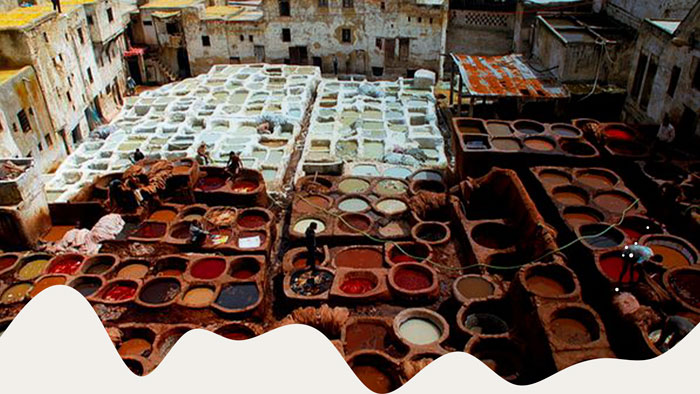
Nestled deep within the medina, Chouara Tannery is a visceral experience and one of Fes’s most iconic sights. This centuries-old leather tannery is believed to date back to the 11th century and still operates using traditional techniques passed down through generations.

What to Expect:

  • A panoramic view from a nearby leather shop balcony (they’ll usually let you up for free or after a brief showroom visit).

  • Workers standing waist-deep in stone vats filled with vibrant dyes and pungent pigeon droppings used for softening hides.

  • La strong smell is real — but part of the authenticity. You’ll often be given a sprig of mint to help mask it.

Tip: Visit in the morning when the dyeing process is in full swing, and the colors are at their most vivid.

2. Al-Qarawiyyin University

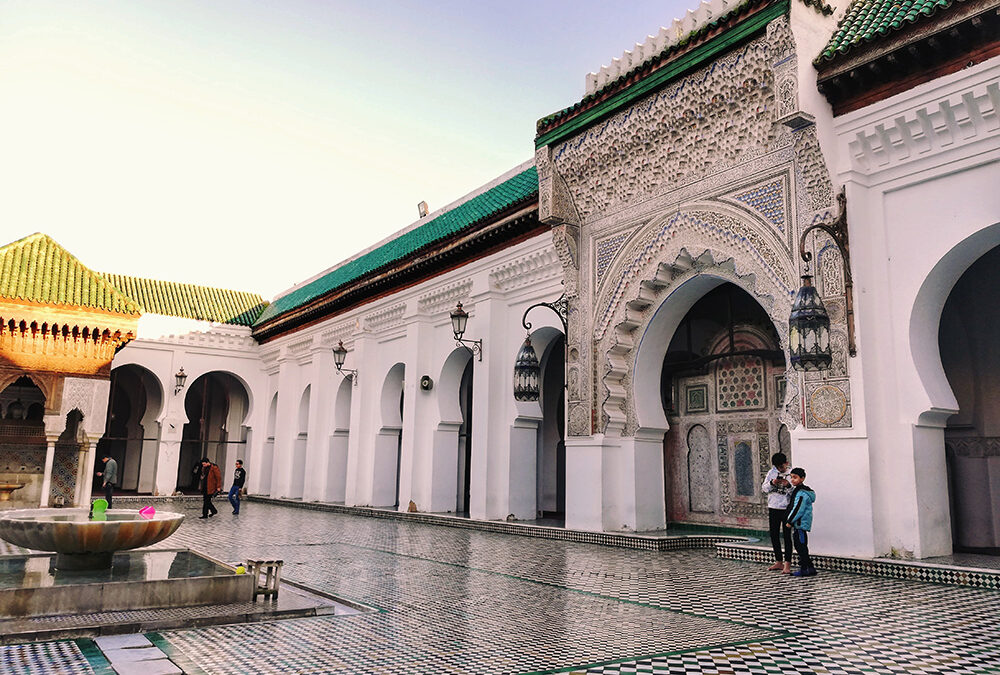
Founded in 859 AD by Fatima al-Fihri, this is officially recognized by UNESCO and the Guinness World Records as the oldest continually operating university in the world.

Why Visit:

  • While non-Muslims cannot enter the prayer hall, you can admire parts of the complex, including the stunning library (recently renovated and partially open to visitors).

  • La Andalusian-style architecture, delicate calligraphy, and intricate zellij tilework are breathtaking.

  • It’s more than a monument — it’s a symbol of female empowerment, intellectual history, and Islamic scholarship.

Fun Fact: This university predates Oxford and the Sorbonne!

3. Bou Inania Madrasa

This 14th-century madrasa (Islamic school) was commissioned by Sultan Abu Inan Faris and is one of the few religious sites in Morocco open to non-Muslims.

What Makes It Special:

  • Features exquisite examples of Marinid architecture, including carved cedar wood, marble columns, and elaborate stucco.

  • A serene courtyard with a central fountain, perfect for moments of quiet reflection amid the chaos of the medina.

  • Its minaret, visible from various parts of the medina, marks it as a functioning mosque as well as a historic school.

Don’t Miss: The tiny student rooms on the second level, which hint at what life might’ve been like centuries ago for scholars.

4. Dar Batha Museum

Originally a royal palace from the late 19th century, Dar Batha has been transformed into a museum of traditional Moroccan arts and is a haven for those interested in culture and craftsmanship.

Highlights:

  • Displays of ceramics, wood carvings, antique instruments, embroidered textiles, and illuminated manuscripts.

  • The peaceful Andalusian garden in the center offers a breath of fresh air, filled with orange trees, fountains, and birdsong.

  • An intimate way to understand Moroccan artistry and heritage beyond the souks and street performances.

Traveler Tip: Great spot for those who want a calm, educational break from the bustling medina.

5. Bab Bou Jeloud (The Blue Gate)

This magnificent triple-arched gate is one of the most photographed landmarks in Fes and marks the main western entrance to Fes el-Bali.

Why It’s Unmissable:

  • Built in 1913, Bab Bou Jeloud is relatively modern by Fassi standards but features classic Moroccan architecture with blue tilework on the outside (symbolizing Fes) and green on the inside (symbolizing Islam).

  • It acts as a gateway to many important souks, restaurants, and cultural experiences.

  • At night, the gate is beautifully lit, and nearby cafes are buzzing with locals and tourists alike.

Start Here: It’s the perfect launching point for your medina adventures — and a great place to regroup or people-watch.

Final Thoughts

Fes is raw, real, and rich with history. It’s not always easy — it’s a city that demands your attention and respect — but that’s exactly what makes it so memorable. Come with an open mind, a curious heart, and a willingness to embrace the unknown, and Fes will reward you tenfold.

Merzouga Travel Guide: To Do, Where to Eat and Sleep

Merzouga Travel Guide: To Do, Where to Eat and Sleep

Merzouga Travel Guide: To Do, Where to Eat and Sleep

Welcome to the ultimate Merzouga Travel Guide — your go-to resource for exploring one of Morocco’s most magical desert destinations. Nestled on the edge of the Sahara, Merzouga is famed for its golden sand dunes, Berber culture, and unforgettable desert experiences. Whether you’re planning a short getaway or a longer expedition, this guide will help you navigate what to do, where to eat, and where to stay in Merzouga.

Why Visit Merzouga?

Merzouga is a small village in southeastern Morocco, just 50 kilometers from the Algerian border. It’s best known for Erg Chebbi, a sweeping expanse of 150-meter-high sand dunes. Unlike other Moroccan desert locations, Merzouga offers easy access to some of the largest dunes in the Sahara, making it a top destination for adventure seekers and cultural explorers alike.

Top Things To Do in Merzouga

1. Camel Trekking into the Sahara

Camel trekking is the most iconic activity in Merzouga and an essential part of any desert adventure. Riding a camel across the endless golden dunes is not just a fun way to explore the Sahara — it’s also a journey back in time. These treks can last from an hour to several days, depending on your itinerary and interest. The most popular options are sunset and sunrise rides, which offer breathtaking views as the sky changes color over the vast sand sea.

If you opt for an overnight camel trek, you’ll travel deep into the dunes and stay at a desert camp where you can enjoy traditional Moroccan meals, music, and storytelling by the campfire. The silence of the desert, broken only by the sounds of crackling firewood and Berber drums, creates an atmosphere you won’t soon forget. Many agencies also provide additional services like sandboarding and guided walks during the trek, so it’s worth discussing your options beforehand.

Tip: If you’re booking through a travel agency like Sahara Camel Tours, it’s highly recommended to follow their suggested itineraries, as they’re designed to maximize your experience and safety while respecting local customs and environmental conditions.

2. Desert Camping Experience

Staying overnight in a desert camp is one of the highlights of any trip to Merzouga. There are two main types of camps: standard y luxury. Standard camps offer a more rustic and authentic experience — think shared facilities, traditional Moroccan tents, and basic bedding. It’s a great way to connect with Berber traditions and enjoy the starry night sky without too many frills.

On the other hand, luxury camps provide more comfort without sacrificing authenticity. These feature en-suite bathrooms, king-size beds, electricity (often solar-powered), and gourmet meals served under beautifully decorated tents. Some even offer hot showers, Wi-Fi, and lounge areas. Whether you’re a backpacker or a honeymooner, there’s a camp that suits your style — and if you’re unsure, travel agencies like Sahara Camel Tours can guide you based on your preferences.

3. 4×4 Off-Roading and Quad Biking

If you’re craving excitement, hop into a 4×4 or onto a quad bike for a thrilling ride across the dunes and the surrounding desert plains. A 4×4 tour allows you to access remote areas like fossil beds, nomadic settlements, and oases that you wouldn’t reach on foot or camel. It’s a unique way to understand the harsh beauty and geographic diversity of the region.

Quad biking, on the other hand, gives you the freedom to ride solo or with a guide, carving tracks across the soft dunes. While exhilarating, it’s also important to go with responsible operators who provide safety gear and respect the fragile desert ecosystem.

4. Visit Lake Dayet Srij (Flamingo Lake)

When it’s full, usually between November and March, Lake Dayet Srij becomes a serene desert oasis that attracts a variety of wildlife — most notably, flamingos. It’s an unexpected sight in the middle of such an arid landscape and a must-visit for bird watchers and photographers. You can also spot desert foxes, lizards, and a wide range of migratory birds.

The lake is easily accessible by vehicle, and it’s best visited in the early morning or late afternoon when the light is perfect for photography. If you’re traveling with a tour group, they’ll often include this stop in a full-day desert excursion.

5. Cultural Experience in Khamlia Village

The village of Khamlia, a short drive from Merzouga, offers a rich cultural encounter with the Gnawa people — descendants of sub-Saharan Africans who have lived in Morocco for centuries. Visiting Khamlia is not just about sightseeing; it’s about experiencing a different rhythm of life.

You’ll be welcomed with tea and have the chance to enjoy a live performance of Gnawa music, a spiritual and deeply rooted art form that combines singing, drumming, and the use of traditional instruments like the krakebs (metal castanets). It’s a mesmerizing experience that offers insight into a unique Moroccan subculture.

6. Sandboarding Down the Dunes

If you’re up for some fun and adrenaline, grab a sandboard and hit the slopes of Erg Chebbi. Unlike snowboarding, sandboarding is a bit slower and gentler, but no less entertaining — especially when you’re cruising down one of the taller dunes.

Boards are often available at desert camps or through local tour guides. It’s a great way to break up the quiet of the desert with some lighthearted excitement, and it’s suitable for all ages.

7. Watch the Sunrise and Sunset from the Dunes

Something is humbling about watching the sun rise or set over the vastness of the Sahara. The sky turns into a canvas of gold, orange, pink, and deep purple as shadows dance across the dunes. Climbing up a tall dune may be a bit of a challenge, but the reward is an unforgettable view and a feeling of absolute peace.

Many tours and camel treks are timed to coincide with these magical moments, but if you’re staying in Merzouga or a nearby camp, you can also set out on your own (with proper orientation) to catch the show.

Ready to Experience the Magic of Merzouga?

Whether you’re chasing golden sunrises over towering dunes, sharing mint tea with locals, or sleeping under a sky full of stars — Merzouga is waiting to steal your heart. Don’t just read about the Sahara. Live it.

Let your desert adventure begin today.

Where to Sleep in Merzouga

Whether you’re seeking luxurious comfort, a cozy budget-friendly stay, or the unforgettable magic of sleeping under the stars in the Sahara, Merzouga offers a wide range of accommodation options to suit every type of traveler.

Luxury Desert Camps

For those looking to experience the desert without giving up comfort, luxury camps in Merzouga provide an exceptional experience. These camps are typically located deep in the dunes and feature spacious private tents with en-suite bathrooms, king-sized beds, traditional Berber decor, and fine dining under the stars. Some even offer solar-powered electricity, Wi-Fi, and comfortable lounge areas.

This is an ideal option for honeymooners, families, or anyone who wants to enjoy the beauty of the Sahara in style. If you’re traveling with a tour company such as Sahara Camel Tours, they can recommend the most reputable and well-equipped luxury camps, ensuring your comfort, safety, and an authentic cultural experience.

Standard Desert Camps

If you prefer a more traditional and adventurous stay, standard desert camps offer a simpler yet equally memorable experience. Accommodations usually consist of shared tents with basic bedding and communal bathroom facilities. Meals are cooked over the fire, and evenings are filled with Berber music, storytelling, and stargazing.

This is a great choice for backpackers, solo travelers, or those who want to connect more closely with local culture and fellow adventurers. Standard camps are generally more budget-friendly, and agencies like Sahara Camel Tours often include them in multi-day desert packages with camel treks and other activities.

Guesthouses and Riads in Merzouga Village

If sleeping in the dunes isn’t your thing, Merzouga village and nearby settlements offer a variety of guesthouses, kasbah-style hotels, and riads. These range from mid-range comfort to simple family-run inns. Many of these places feature traditional Moroccan architecture, home-cooked meals, rooftop terraces, and views of the surrounding dunes.

Staying in the village gives you easy access to restaurants, local shops, and cultural sites like Khamlia village and Lake Dayet Srij. It’s also a convenient base for organizing desert excursions if you prefer to return to a fixed accommodation each night.

Homestays and Local Experiences

For a truly immersive experience, consider a homestay with a Berber family. Some local families open their homes to visitors, offering a glimpse into daily life in the desert. You’ll enjoy traditional meals, help bake bread in clay ovens, and perhaps even learn a few words of Tamazight, the local Berber language.

This type of stay is perfect for cultural travelers who value authenticity and human connection over modern luxuries. Your travel agency can help arrange these stays in a way that benefits the local community and ensures a respectful exchange.

Travel Tips for Merzouga

  • Best Time to Visit: October to April. Summers (June–August) can be extremely hot.

  • Getting There: The closest airport is in Errachidia, about 2 hours away by car. Many visitors arrive via Marrakech or Fes with organized desert tours.

  • Currency: Moroccan Dirham (MAD). ATMs are limited, so carry cash.

  • Dress Code: Respect local customs by dressing modestly. Light, breathable clothes are ideal for daytime; bring layers for cooler desert nights.

  • Local Guides: Hiring a local guide enriches your experience and supports the community.

Final Thoughts

Merzouga is more than just a destination — it’s an experience that stirs the soul. From its majestic dunes to the warm hospitality of the Berber people, every moment spent here becomes a memory etched in sand and starlight. Let this Merzouga Travel Guide be your compass to adventure, tranquility, and cultural richness in the heart of the Moroccan Sahara.

Where to Eat Authentic Moroccan Food Recipes

Where to Eat Authentic Moroccan Food Recipes

Where to Eat Authentic Moroccan Food Recipes

Moroccan cuisine is a vibrant blend of flavors, spices, and centuries-old culinary traditions. Whether you’re looking to experience Moroccan food in traditional restaurants, local street markets, or even recreate it at home, this guide highlights where to eat and the most famous Moroccan dishes you must try.

Where to Eat Authentic Moroccan Food

1. Traditional Moroccan Restaurants (Riads & Local Eateries)

For an authentic experience, dining in a riad (a traditional Moroccan house) or a family-run eatery is a must. These places often serve home-cooked meals using age-old recipes. Some of the best cities for traditional Moroccan food include:

  • Marrakech: Try Le Jardin, Café Clock, or Al Fassia for a mix of authentic flavors in a stunning setting.
  • Fes: Experience the refined dishes of Dar Roumana or the cozy, garden ambiance of The Ruined Garden.
  • Casablanca: Visit La Sqala, a charming seaside restaurant offering Moroccan classics.
  • Chefchaouen: Enjoy the unique flavors of the blue city at Casa Aladdin or Beldi Bab Ssour.

2. Moroccan Street Food Markets

The bustling souks and food stalls in Morocco offer an array of local delicacies. Some must-visit street food hubs include:

  • Jamaa El Fna Square (Marrakech): Try grilled meats, snail soup, and Msemen (flaky Moroccan pancakes stuffed with honey or cheese).
  • Fes Medina: Savor Maakouda (crispy potato fritters) and Harira (a hearty tomato and lentil soup, often enjoyed during Ramadan).
  • Essaouira Fish Market: Choose fresh seafood and have it grilled on the spot with Moroccan spices.

3. Cooking Classes & Home Dining Experiences

For those who want to learn the art of Moroccan cooking, taking a local cooking class is an immersive experience. Some great options include:

  • La Maison Arabe (Marrakech): Offers hands-on cooking classes led by expert Moroccan chefs.

  • Clock Kitchen (Fes & Marrakech): Learn to prepare traditional dishes like tagines y pastilla in a fun and interactive setting.

  • Berber Family Experiences (Atlas Mountains): Join a local family, cook over an open fire, and taste home-cooked meals in a traditional setting.

Ready to Experience Moroccan Cuisine?

Embark on a flavorful journey and indulge in the magic of Moroccan food! Whether you want to savor authentic dishes at a local eatery, explore the lively souks, or recreate these traditional recipes in your own kitchen, now is the perfect time to dive into this culinary adventure. Try a recipe today, visit a Moroccan restaurant, or book a cooking class to bring these delicious flavors to life!

Must-Try Moroccan Recipes

Moroccan food is rich in spices like Ras el Hanout, saffron, cinnamon, and cumin. Here are some of the most famous dishes you must try or recreate at home.

Classic Moroccan Starters & Salads

  • Zaalouk Dip: A smoky eggplant and tomato dip that is a staple in Moroccan cuisine. The eggplants are grilled or roasted to achieve a deep, smoky flavor, then mashed with tomatoes, garlic, olive oil, and aromatic spices like paprika and cumin. This dish is typically served as a cold appetizer alongside warm Moroccan bread, making it a perfect accompaniment to any meal.
  • Peach and Tomato Salad with Orange Blossom and Honey Dressing: This refreshing Moroccan salad blends the sweetness of ripe peaches with the acidity of fresh tomatoes. The dressing, made with orange blossom water, honey, and a touch of olive oil, adds a fragrant floral note that enhances the contrast between sweet and savory flavors. It is often garnished with fresh mint leaves for a burst of freshness.
  • Artichoke, Green Peas, and Preserved Lemon Salad: A vibrant dish that highlights the bold flavors of Moroccan ingredients. The artichokes and peas are cooked until tender, then mixed with preserved lemons, which add a tangy, salty depth to the salad. Tossed with olive oil, garlic, and fresh herbs, this dish is both nutritious and delicious.
  • Bakoula Salad with Spinach and Kale: A flavorful Moroccan salad made with blanched spinach, kale, and mallow leaves, seasoned with garlic, preserved lemons, and a mix of warm spices. This dish is typically enjoyed as a side or starter and is often served with a drizzle of extra virgin olive oil and a sprinkle of sesame seeds for added texture.

Moroccan Tagines & Main Dishes

  • Chicken Tagine with Chickpeas and Fresh Figs: A rich and aromatic dish featuring tender chicken slow-cooked in a fragrant sauce made with saffron, ginger, and cinnamon. The addition of chickpeas provides a hearty texture, while fresh figs offer a natural sweetness that balances the savory spices. Traditionally cooked in a clay tagine, this dish is best served with couscous or crusty bread to soak up the flavorful sauce.

  • Lamb Tagine with Prunes: A classic Moroccan dish that combines the succulent taste of slow-cooked lamb with the sweetness of prunes. The lamb is simmered for hours with cinnamon, ginger, and honey, creating a luscious sauce that is both savory and sweet. Garnished with toasted almonds and sesame seeds, this dish is often served on special occasions.

  • Moroccan Spiced Fish Fillets with Bell Peppers in Tomato Sauce: Fresh fish fillets are marinated in a blend of cumin, paprika, garlic, and lemon juice before being gently cooked in a thick, spiced tomato sauce with bell peppers. This dish is a seafood lover’s delight, bursting with the vibrant flavors of Moroccan spices.

Moroccan Street Food & Breads

  • Msemen (Stuffed Moroccan Flatbread): A crispy, flaky, layered bread made by folding and rolling dough with butter and semolina. Often stuffed with spiced onions and herbs, it is a popular breakfast or snack served with honey or cheese.

  • Batbout (Moroccan Pita Bread): A soft and pillowy bread that puffs up when cooked, making it perfect for stuffing with savory fillings like grilled meats or vegetables.

Moroccan Desserts & Sweets

  • Chebakia: A deep-fried sesame cookie coated in honey and sprinkled with sesame seeds. These sweet, crunchy treats are traditionally served during Ramadan and pair perfectly with a cup of Moroccan mint tea.

  • Almond Mhencha: A spiral-shaped pastry filled with almond paste, sugar, and cinnamon, then baked until golden and flaky. It is often dusted with powdered sugar and served with a drizzle of honey.

Beverages & Infusions

  • Moroccan Mint Tea: The national drink of Morocco, made by brewing green tea leaves with fresh mint and sweetening with sugar. This refreshing tea is poured from a height to create a light froth and is served in small glasses.

Conclusion

Whether you’re dining in a traditional Moroccan restaurant, exploring the vibrant street food scene, or cooking at home, Moroccan cuisine is full of rich flavors and exciting dishes. Try these authentic Moroccan recipes and experience the country’s culinary heritage from anywhere in the world!

Loading...
/*** Collapse the mobile menu - WPress Doctor ****/