M

+212 673 266 849

saharacameltours1@gmail.com

Unforgettable Sahara Desert Activities in Morocco You Must Try

Unforgettable Sahara Desert Activities in Morocco You Must Try

Unforgettable Sahara Desert Activities in Morocco You Must Try

The Sahara Desert is one of the most iconic landscapes in Morocco, offering travelers a world of adventure, culture, and natural beauty. From camel rides to stargazing, Sahara desert activities provide unforgettable experiences that appeal to solo travelers, couples, and families alike.

Whether you are visiting Merzouga, Zagora, or other desert towns, there is no shortage of thrilling and relaxing ways to explore this vast golden landscape.

Camel Trekking

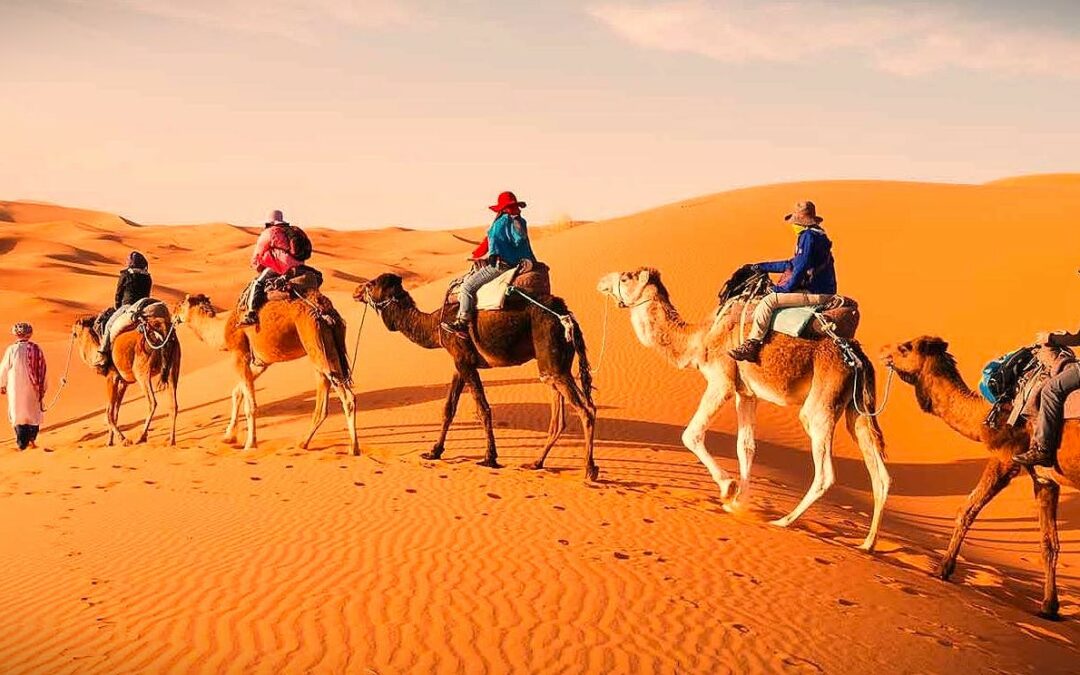
Camel trekking is the quintessential desert experience. Riding a camel allows you to explore the Sahara just as travelers and nomads have for centuries.

  • Sunset Tours: Perfect for photography and romantic moments

  • Multi-Day Treks: Explore deeper into the desert, sleeping in Berber tents

  • Day Tours: Ideal for short visits or travelers on a tight schedule

Camel rides are gentle, safe for beginners, and provide a unique perspective of the sweeping dunes and golden landscapes.

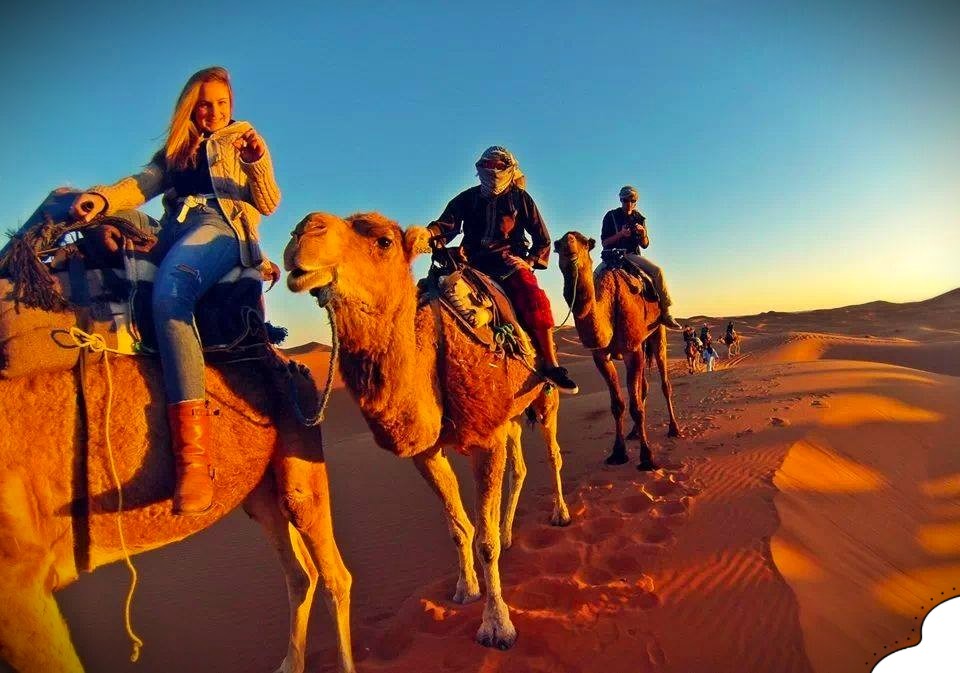
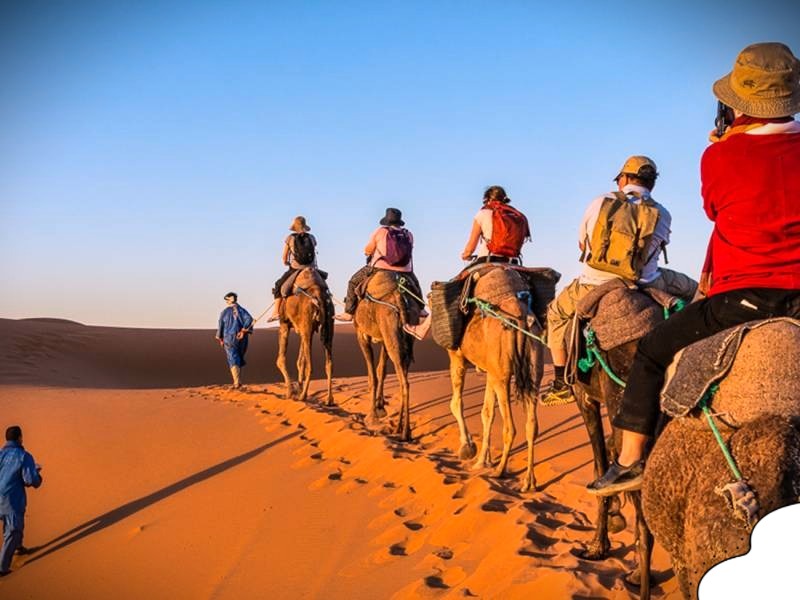
Camel trekking in the Sahara Desert, Morocco, as part of Sahara Desert Activities

Sandboarding and Adventure Sports

For thrill-seekers, the Sahara offers a variety of adventure activities:

  • Sandboarding: Glide down tall dunes like Erg Chebbi for an adrenaline rush

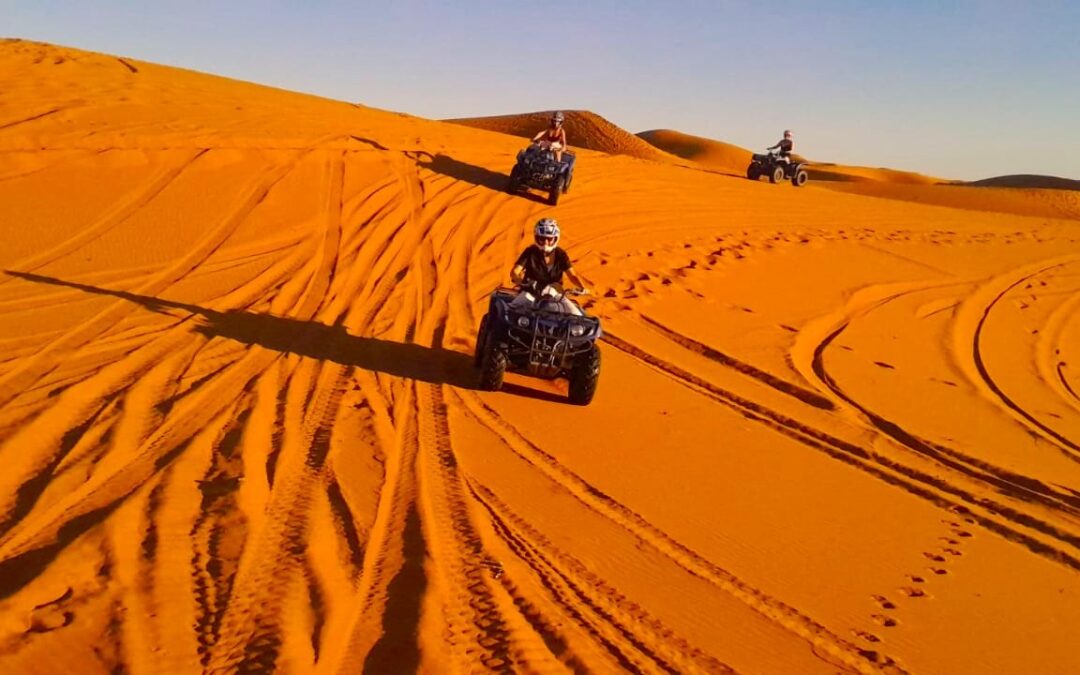
  • Quad Biking: Explore the desert on a guided ATV tour

  • 4×4 Desert Tours: Visit remote dunes and hidden desert villages

These activities are perfect for combining adventure with sightseeing, offering a different way to experience the desert’s vastness.

Sahara Desert Activities with 4x4 desert tours exploring Morocco’s dunes and remote desert landscapes

Overnight Berber Camps

Spending a night in a traditional Berber desert camp is an unforgettable experience:

  • Enjoy Moroccan cuisine around a campfire

  • Listen to traditional Berber music under the stars

  • Sleep in comfortable tents, surrounded by the serenity of the desert

  • Watch a breathtaking sunrise over the dunes

Many tours include cultural activities like storytelling, local tea ceremonies, and visits to nomadic families.

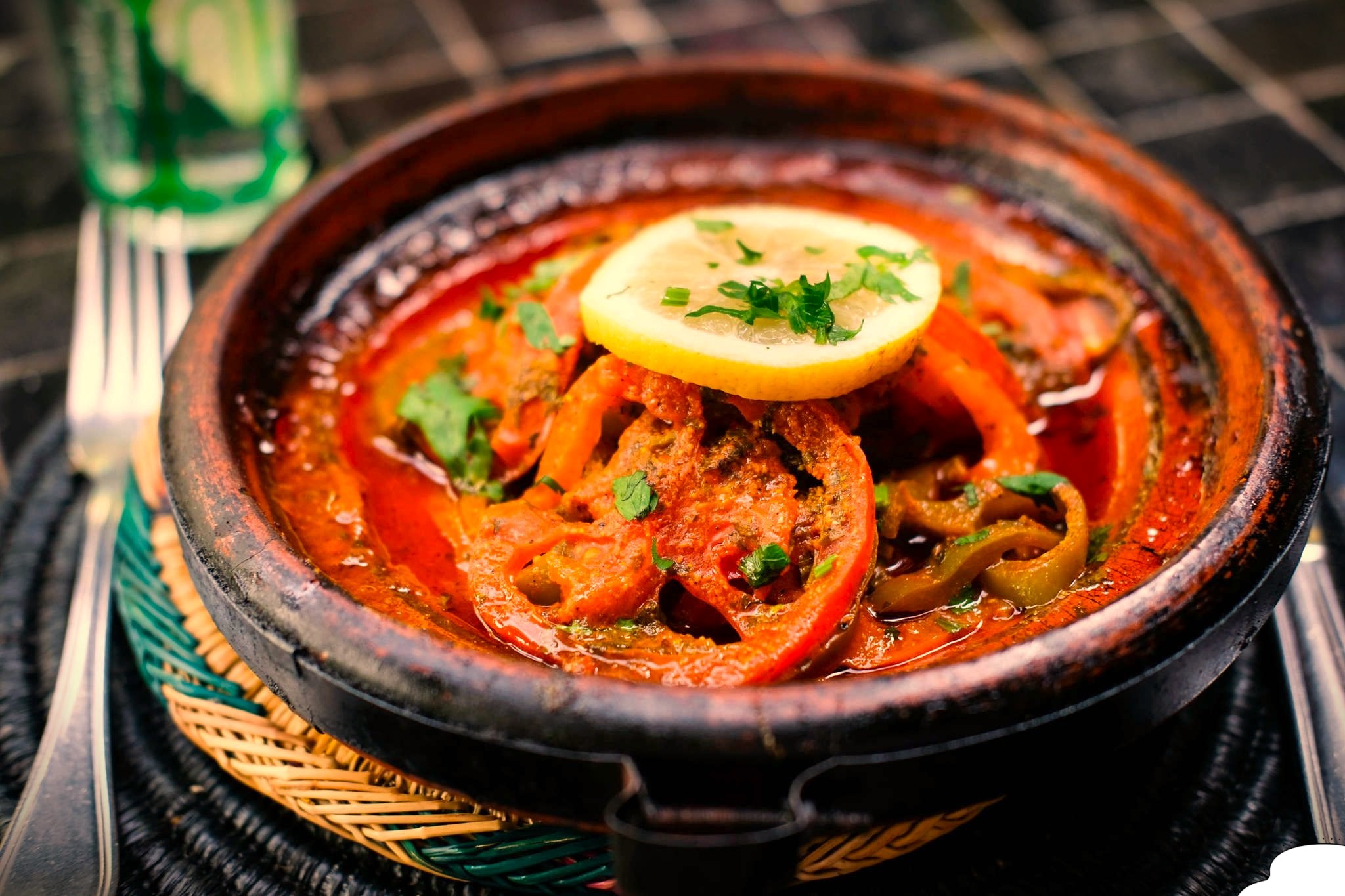
Sahara Desert Activities featuring traditional Moroccan cuisine at a Berber desert camp

Stargazing in the Sahara

The Sahara Desert offers some of the clearest night skies in the world. Stargazing is a highlight for many visitors:

  • See constellations, planets, and the Milky Way in incredible detail

  • Capture long-exposure photographs of the night sky

  • Experience the peacefulness and silence of the desert at night

Even short desert tours often include a stargazing segment, adding a magical dimension to your Sahara experience.

Don’t miss our article about Hiking Mount Toubkal

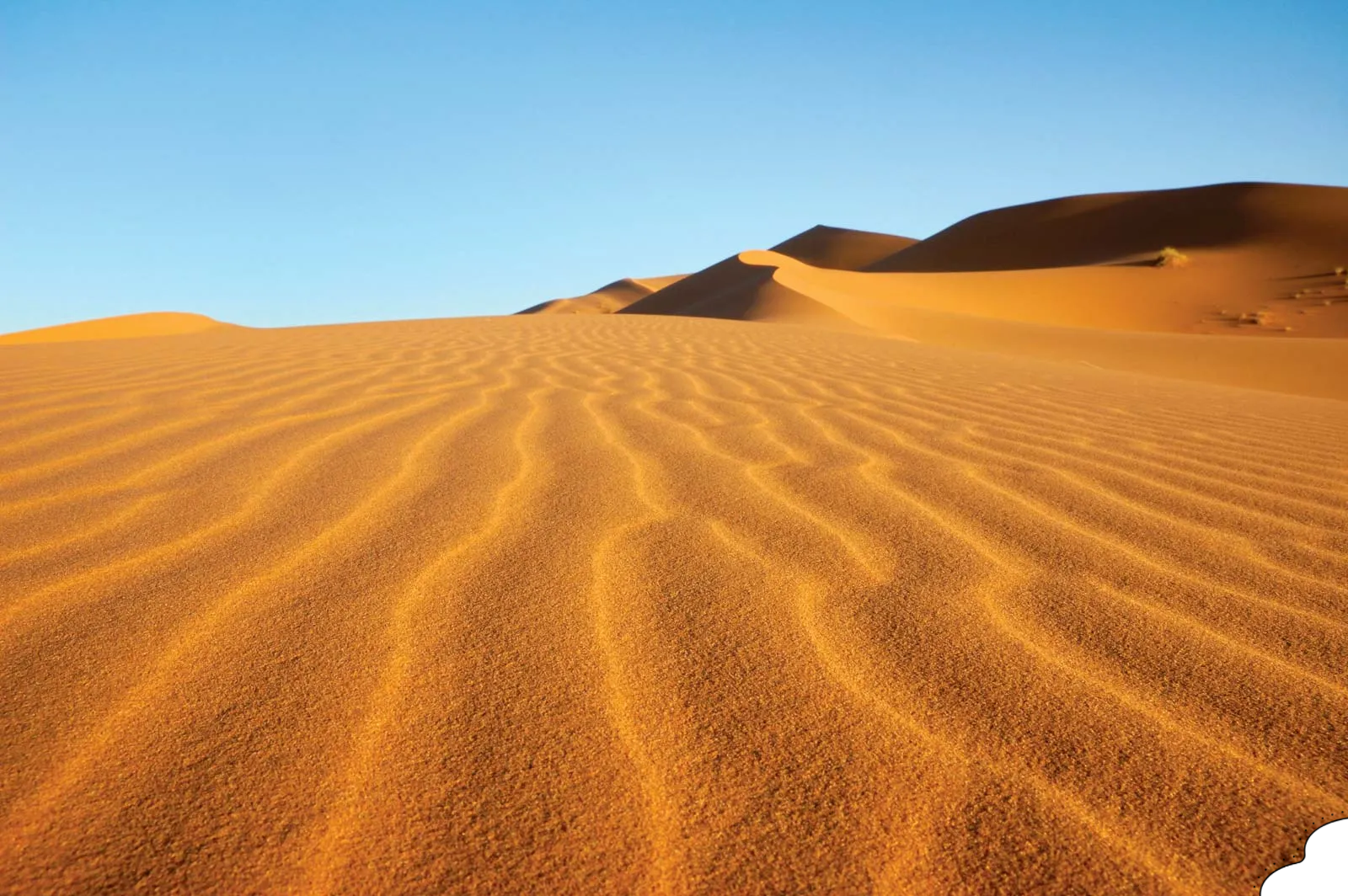
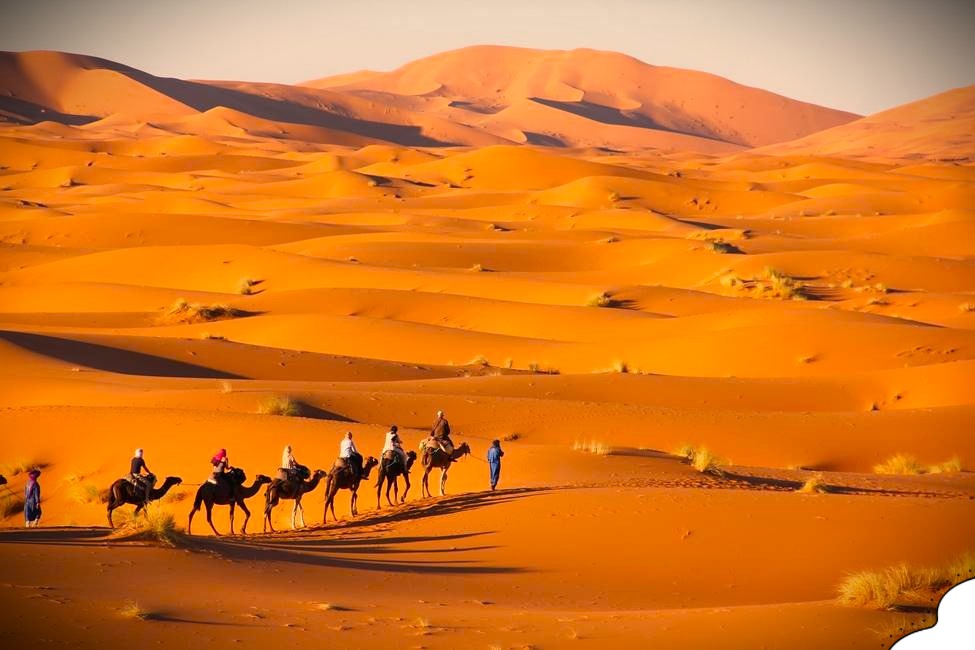
Sahara Desert Activities showcasing the vast golden dunes and landscapes of Morocco’s Sahara Desert

Experience the Thrill of Sahara Desert Activities!

Step into Morocco’s vast Sahara Desert and discover unforgettable adventures. From camel trekking and 4×4 desert tours to sandboarding, stargazing, and immersive Berber cultural experiences, Sahara Desert Activities offer something for every traveler. Explore golden dunes, witness breathtaking sunsets, and enjoy authentic Moroccan traditions in the heart of the desert. Capture stunning photos, relax under star-filled skies, and create memories that will last a lifetime.

Cultural Experiences

Beyond adventure, the Sahara is a place of rich cultural immersion:

  • Visit Berber villages and learn about traditional crafts and daily life

  • Attend music performances featuring Gnawa or Berber songs

  • Explore nomadic traditions that have been preserved for centuries

These experiences allow travelers to connect with local communities while gaining a deeper understanding of desert life.

Tips for Sahara Desert Activities

    • Dress Appropriately: Lightweight, breathable clothing during the day and warm layers at night

    • Sun Protection: Sunglasses, hat, and sunscreen are essential

    • Hydration: Carry water at all times, especially during adventure activities

    • Book Tours in Advance: Popular activities can fill quickly, especially during spring and autumn
    • Respect Local Culture: Follow your guide’s instructions and be mindful of customs

FAQ: Sahara Desert Activities

Q: What are the most popular activities in the Sahara?
A: Camel trekking, sandboarding, quad biking, overnight Berber camps, and stargazing are the most popular.

Q: Are Sahara desert activities safe for families?
A: Yes, most activities, including camel rides and overnight camps, are family-friendly.

Q: When is the best time to visit the Sahara Desert?
A: Spring (March–May) and autumn (September–November) offer mild temperatures and clear skies.

Q: Can I do a multi-day desert tour?
A: Absolutely. Many operators offer 2–3 day desert tours with camel treks, camping, and cultural experiences.

Conclusion

Sahara desert activities in Morocco provide a unique combination of adventure, culture, and natural beauty. From camel trekking and sandboarding to stargazing and Berber camp experiences, there’s something for every traveler. Whether you choose a short desert excursion or a multi-day adventure, the Sahara promises unforgettable memories and magical landscapes that will stay with you forever.

Sunset Camel Tour Merzouga: A Magical Sahara Experience

Sunset Camel Tour Merzouga: A Magical Sahara Experience

Sunset Camel Tour Merzouga: A Magical Sahara Experience

Merzouga, on the edge of Morocco’s vast Sahara Desert, is a destination that promises unforgettable experiences. A sunset camel tour Merzouga is one of the most popular ways to explore this mesmerizing landscape. Riding a camel across golden dunes as the sun sets over the horizon is a magical moment, offering both adventure and tranquility.

Whether you are traveling solo, as a couple, or with family, a sunset camel tour in Merzouga combines natural beauty, cultural immersion, and unforgettable memories.

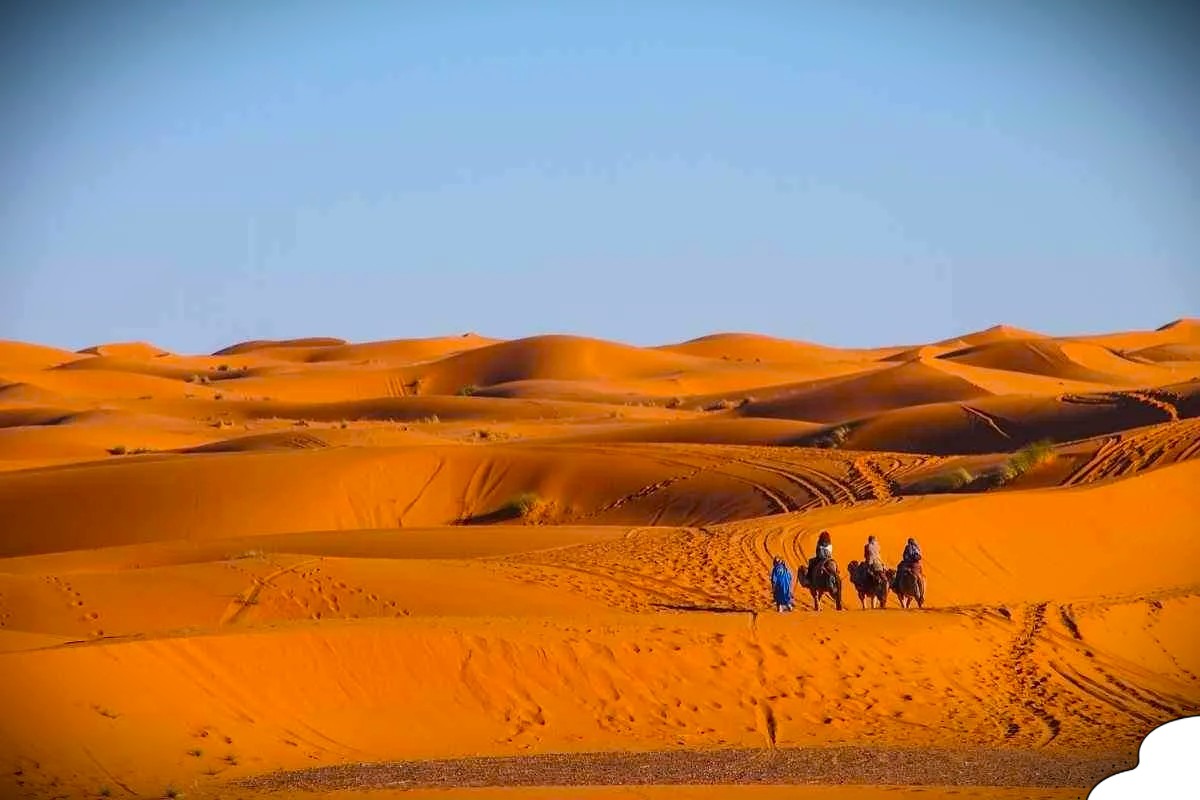
Sunset Camel Tour Merzouga and Zagora desert with camels walking over the golden dunes at sunset

Why Choose a Sunset Camel Tour in Merzouga?

Merzouga is famous for its Erg Chebbi dunes, some of the tallest in Morocco. A sunset camel tour here offers:

  • Breathtaking Views: Watch the desert transform with vibrant sunset colors
  • Cultural Insights: Interact with Berber guides and learn about desert life
  • Peaceful Escape: Enjoy the quiet, vast desert landscapes
  • Photographic Opportunities: Capture stunning photos of dunes, camels, and sunset

The best time to enjoy a sunset camel tour is March to May and September to November, when the weather is pleasant.

Travelers enjoying a Sunset Camel Tour in Zagora Morocco with golden desert dunes and a colorful sky

What to Expect on the Tour

Camel Ride Adventure

The tour usually begins in the late afternoon. You’ll meet your camel and experienced guide at a lodge or desert camp. After a short orientation, you’ll embark on a calm camel ride over the Erg Chebbi dunes, following winding paths with breathtaking views at every turn.

Watching the Sunset

As the sun begins to descend, the desert sky lights up with shades of orange, pink, and gold. This is the perfect moment to:

  • Take stunning photographs

  • Relax and soak in the natural beauty

  • Enjoy a peaceful pause in the vastness of the desert

Desert Camp Experience

Many sunset tours include a visit to a Berber desert camp, where travelers can:

  • Enjoy traditional mint tea and local snacks

  • Listen to Berber music around a campfire

  • Learn about desert life and local traditions

Some tours offer overnight stays in tents for those who want to experience a star-filled desert night and sunrise over the dunes.

Don’t miss our blog  about Imperial Cities of Morocco

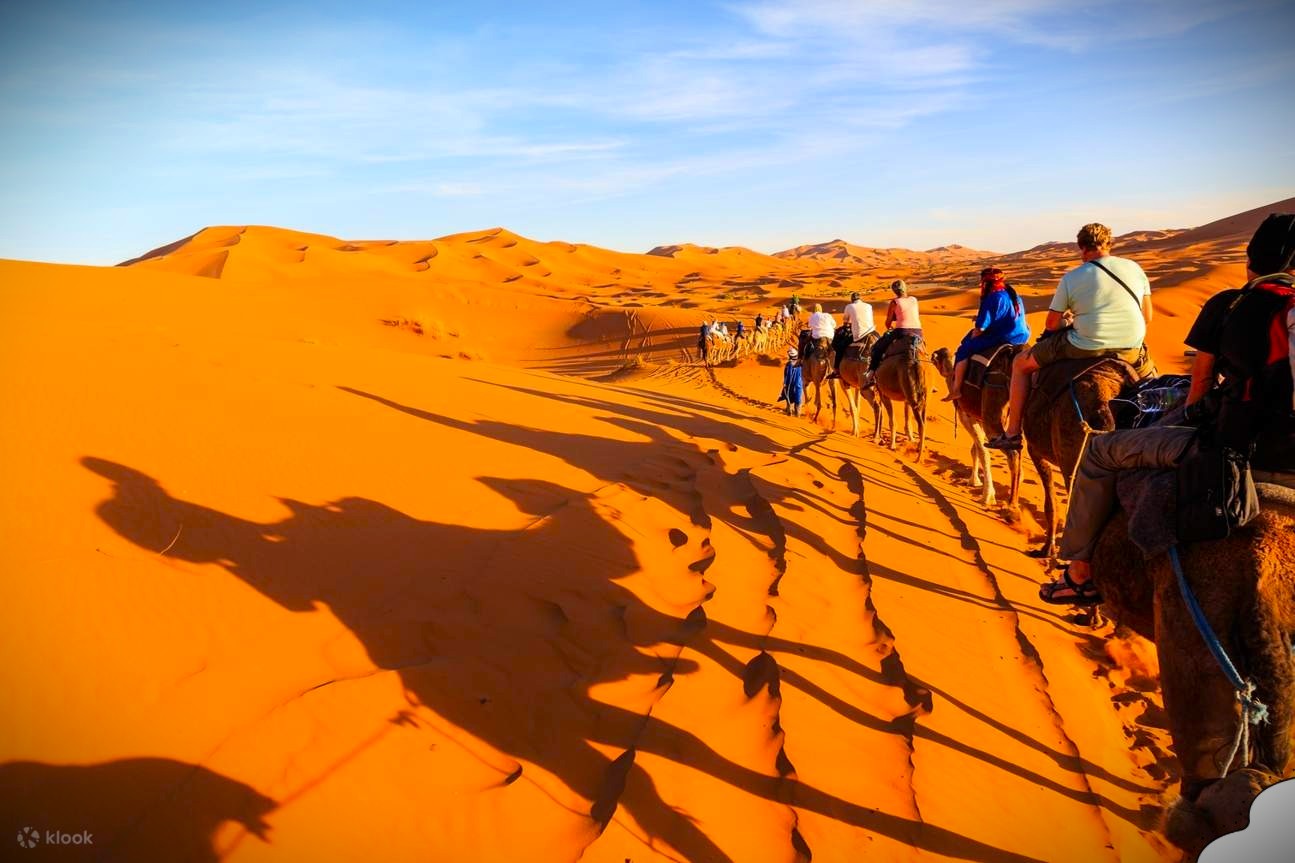
Sunset Camel Tour Merzouga with camels walking through the golden Sahara dunes

Tips for a Sunset Camel Tour

  • Dress Comfortably: Loose clothing and a scarf to protect from sand
  • Sun Protection: Sunglasses and sunscreen are recommended
  • Stay Hydrated: Bring water, especially if planning a longer tour
  • Camera Ready: Sunset in the desert offers perfect photo opportunities
  • Book in Advance: Sunset camel tours are popular, so early booking is recommended

Experience the Magic of the Sahara on a Sunset Camel Tour Merzouga!

Step into the golden dunes of Merzouga and witness the Sahara come alive at sunset. Ride camels across majestic Erg Chebbi dunes, enjoy the serene desert landscapes, and immerse yourself in authentic Berber culture at a traditional desert camp. Capture unforgettable moments, relax under the vast desert sky, and let the enchanting beauty of Merzouga inspire your next Moroccan adventure.

Discover the full experience now!

Nearby Attractions in Merzouga

While the camel tour is the main attraction, there are other experiences worth exploring:

  • Khamlia Village: Known for traditional Gnawa music performances

  • Dayet Srji Lake: A saltwater lake home to flamingos during certain months

  • Merzouga Village: Explore local life and Berber crafts

Erg Chebbi Adventure Activities: Sandboarding and quad biking

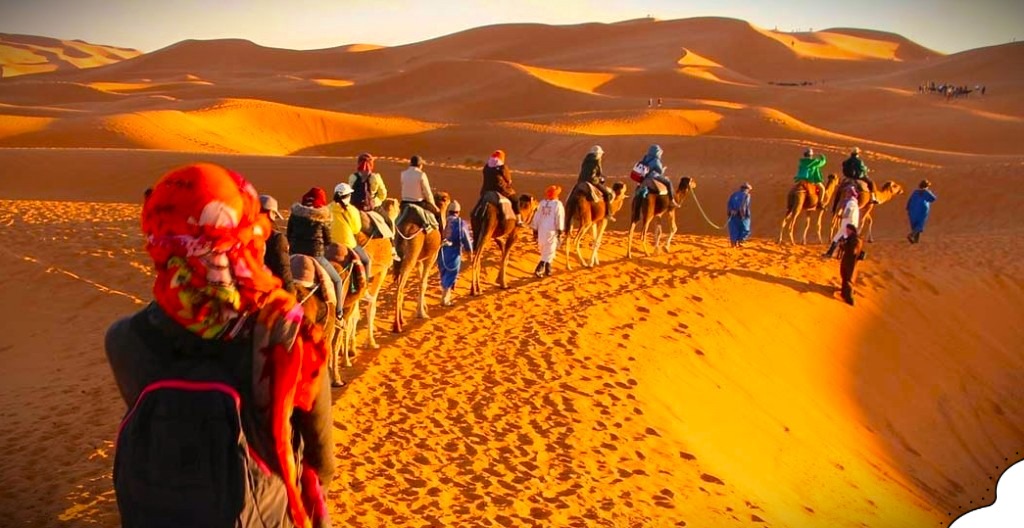
Travelers riding camels across the golden dunes during Sunset Camel Tour Merzouga

FAQ: Sunset Camel Tour Merzouga

Q: How long is a sunset camel tour?
A: Usually 2–3 hours, including camel ride, sunset viewing, and a visit to a desert camp.

Q: Is it safe for beginners?
A: Yes, camel rides are gentle and guided by experienced Berber guides.

Q: Can I stay overnight in the desert?
A: Many tours offer optional overnight stays in traditional Berber tents.

Q: When is the best time for a sunset camel tour?
A: Late afternoon, 1–2 hours before sunset, ensures the best light and cooler temperatures.

Conclusion

A sunset camel tour Merzouga is a must-do experience in Morocco. From riding camels across golden dunes to enjoying Berber hospitality at desert camps, the tour combines adventure, culture, and natural beauty. Whether you choose a short 2–3 hour tour or a longer overnight adventure, the Merzouga desert promises magical memories that last a lifetime.

Cultural Tours Morocco: A Journey Through History, Tradition, and Heritage

Cultural Tours Morocco: A Journey Through History, Tradition, and Heritage

Cultural Tours Morocco: A Journey Through History, Tradition, and Heritage

Morocco is a land of vibrant colors, ancient traditions, and mesmerizing landscapes. For travelers seeking an authentic experience, cultural tours Morocco offer the perfect way to explore the country’s rich history, diverse architecture, and unique local customs. From the bustling souks of Marrakech to the serene Berber villages in the Atlas Mountains, every corner of Morocco tells a story waiting to be discovered.

Whether you’re fascinated by medieval medinas, traditional Moroccan cuisine, or UNESCO World Heritage sites, cultural tours provide a deep insight into Morocco’s soul, making your visit unforgettable

Cultural Tours Morocco

Imperial Cities: Where History Meets Modernity

Casablanca: The Modern Heart with Historical Roots

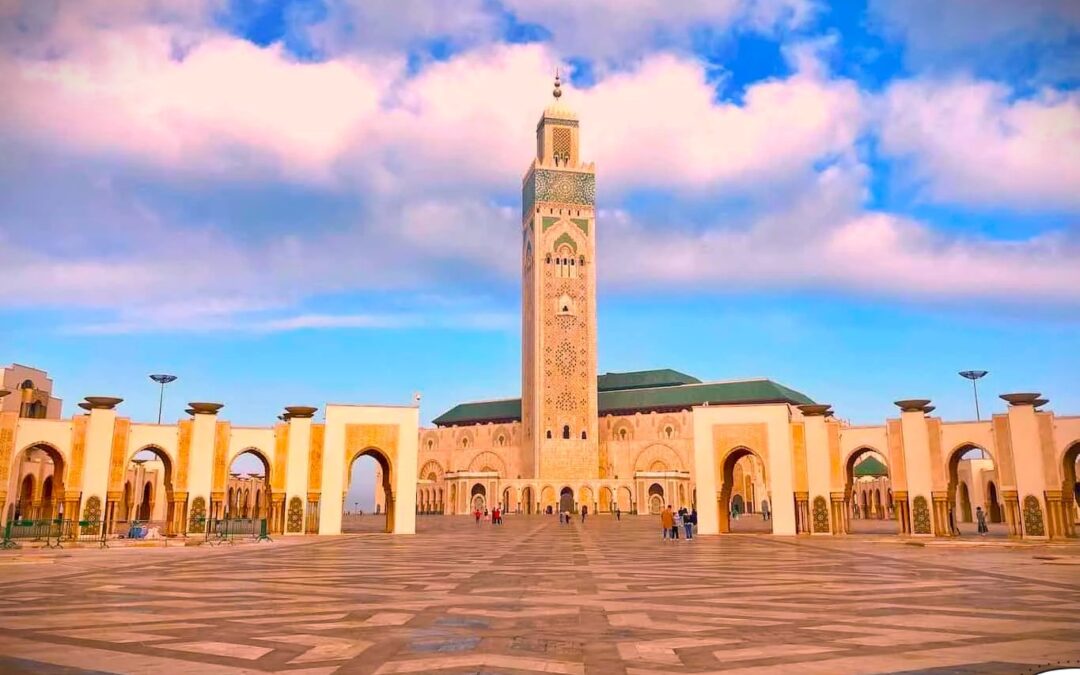
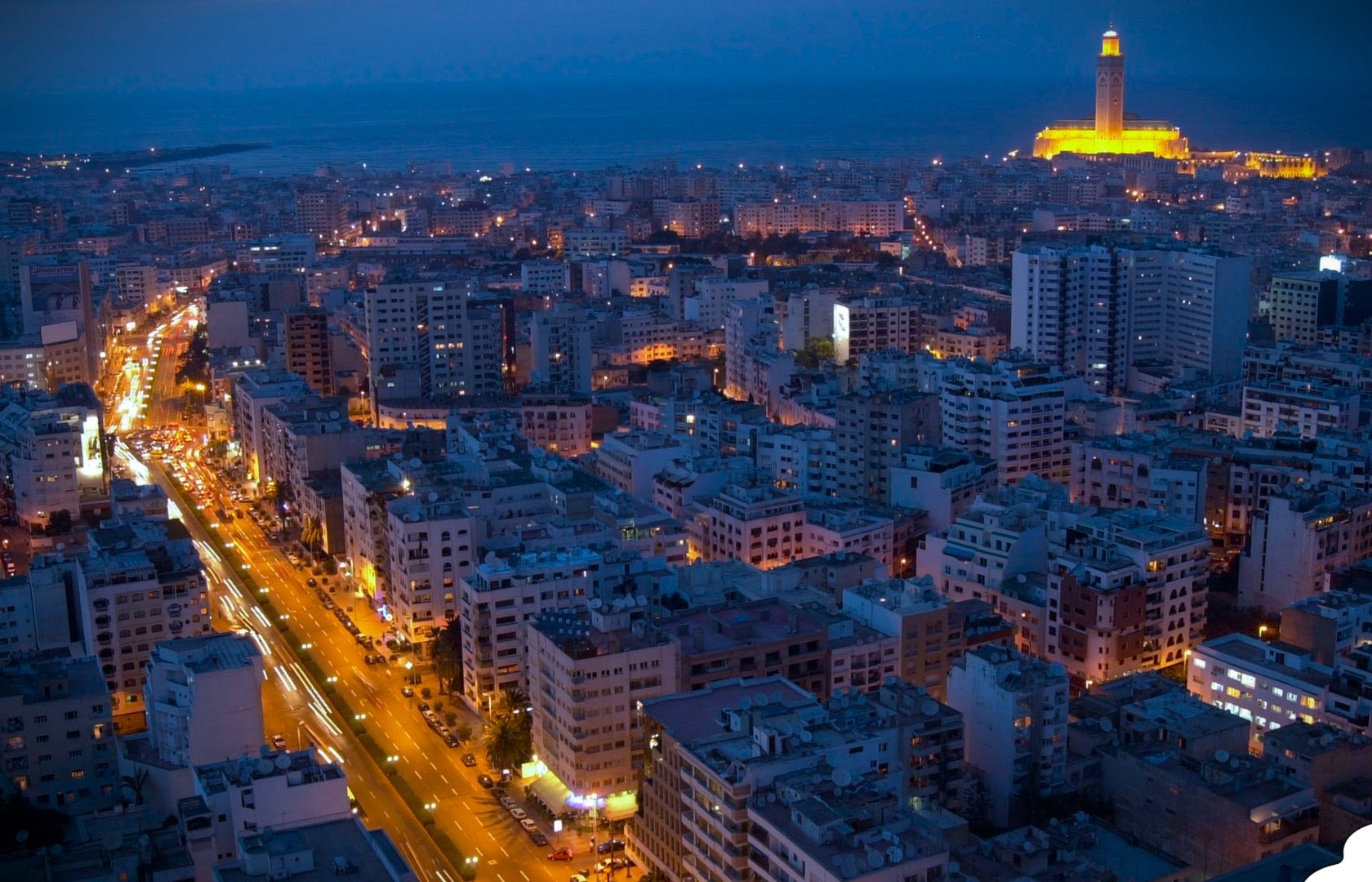
Casablanca, Morocco’s largest city, is famous for the Hassan II Mosque, the third-largest mosque in the world. Beyond its stunning architecture, the city blends modernity with tradition through its coastal Corniche, lively markets, and art deco buildings. Cultural tours often include guided walks to explore Casablanca’s hidden gems and local neighborhoods.

View of Casablanca city and Hassan II Mosque during Cultural Tours Morocco

Rabat: The Royal Capital

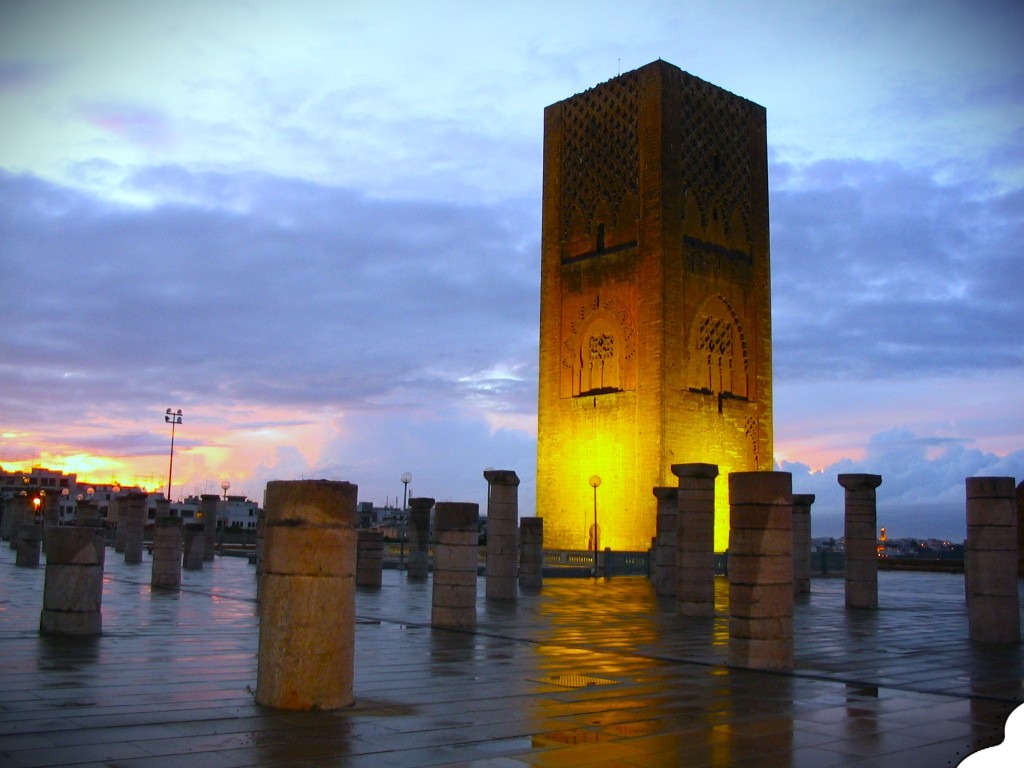
Rabat is not just the political capital of Morocco but also a cultural treasure. Visit the Royal Palace, Chellah ruins, and the Kasbah of the Udayas, which showcase Morocco’s rich Islamic and Andalusian heritage. Rabat’s calm streets and historical monuments make it a must-see on any cultural tour.

View of Rabat city and historical landmarks during Cultural Tours Morocco

Fes: Step Back in Time

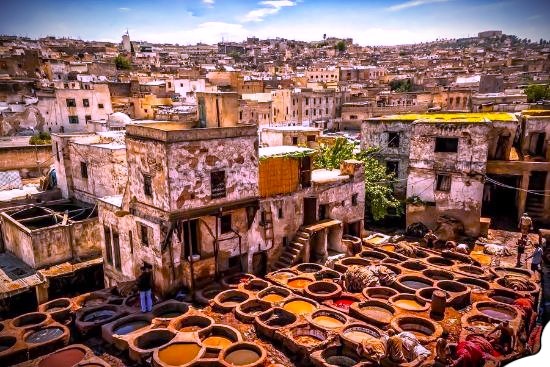
Fes is Morocco’s spiritual and cultural heart. The medieval Fes el-Bali medina is a UNESCO World Heritage site filled with narrow alleys, colorful markets, and centuries-old mosques. Cultural tours here often include visits to the Al Quaraouiyine University, the oldest operating university in the world, and traditional workshops where artisans craft pottery, leather goods, and textiles.

Don’t miss our article about Campervan Travel Guide to Morocco
View of Fès medina and historical streets during Cultural Tours Morocco

Marrakech: The Red City

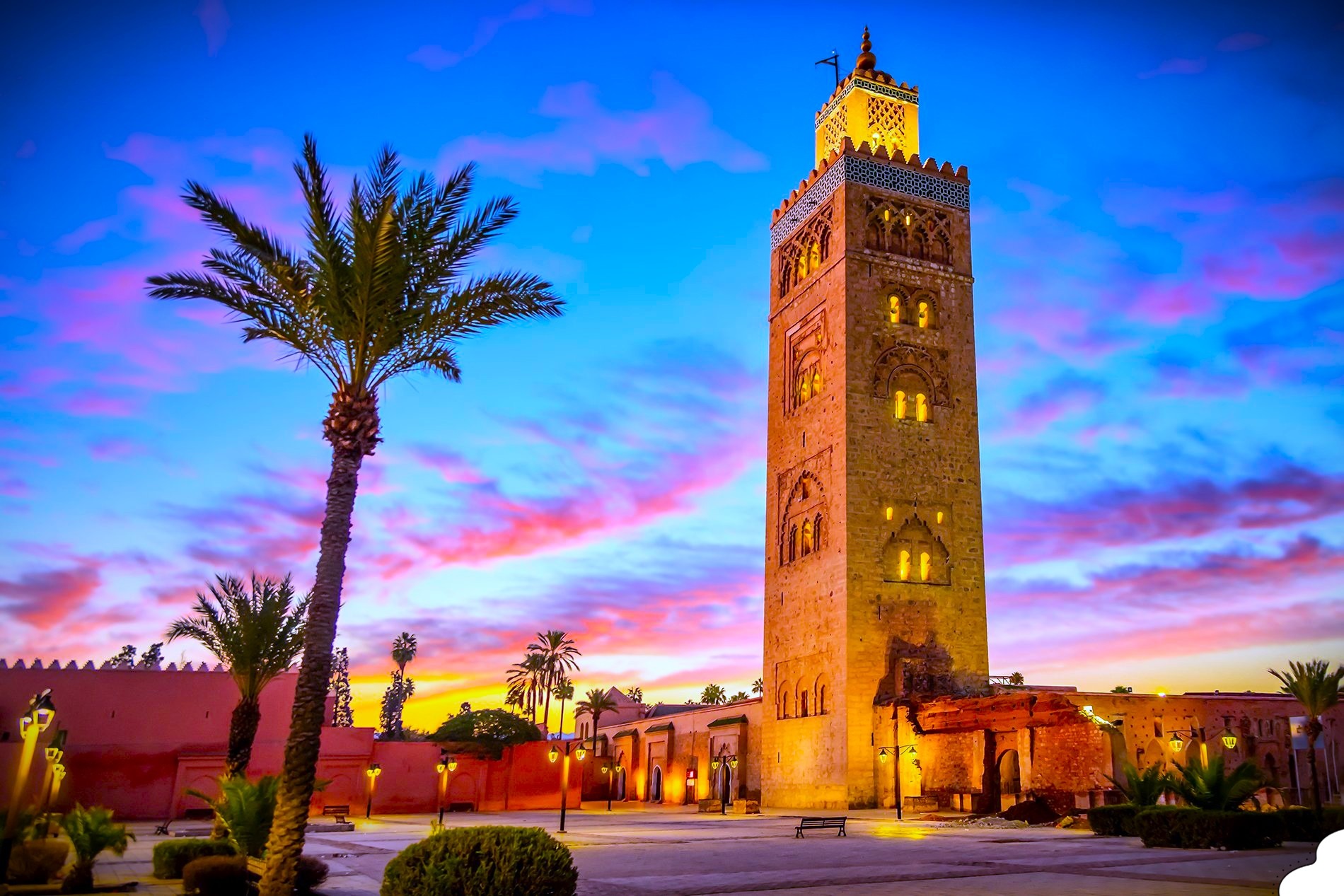
Marrakech is vibrant, chaotic, and full of life. From the Jemaa el-Fnaa square to the Bahia Palace and Majorelle Garden, the city blends history, art, and modern Moroccan lifestyle. Cultural tours in Marrakech often include traditional music and dance performances, spice market tours, and cooking classes.

Walking through Marrakech medina and colorful souks during Cultural Tours Morocco

Traditional Moroccan Cuisine

Food is central to Moroccan culture. During cultural tours Morocco, travelers can indulge in:

  • Tagine: Slow-cooked stews made with meat, vegetables, and aromatic spices

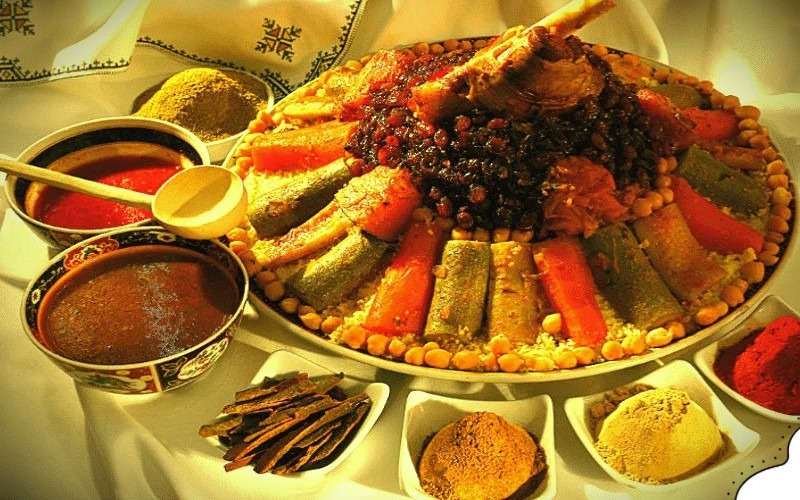
  • Couscous: A traditional dish often served with meat and seasonal vegetables

  • Pastilla: A sweet and savory pastry filled with pigeon or chicken

  • Street Food: Sample Moroccan snacks like msemen, harira soup, and fresh mint tea

Visitors can also attend cooking classes in local riads, learning how to recreate authentic Moroccan flavors at home.

Traditional Moroccan couscous served during Cultural Tours Morocco

Berber Villages and Desert Experiences

Exploring rural Morocco gives travelers a glimpse into traditional life:

  • Stay in Berber guesthouses in the Atlas Mountains or Sahara Desert

  • Ride camels through sand dunes at Erg Chebbi or Erg Chigaga

  • Learn about ancient customs, music, and crafts unique to Berber communities

These experiences offer cultural immersion and memorable interactions with locals, providing a richer understanding of Morocco beyond the cities.

Traditional Berber village in Morocco during Cultural Tours Morocco

Historical Monuments and UNESCO Sites

Morocco boasts an impressive array of historical sites:

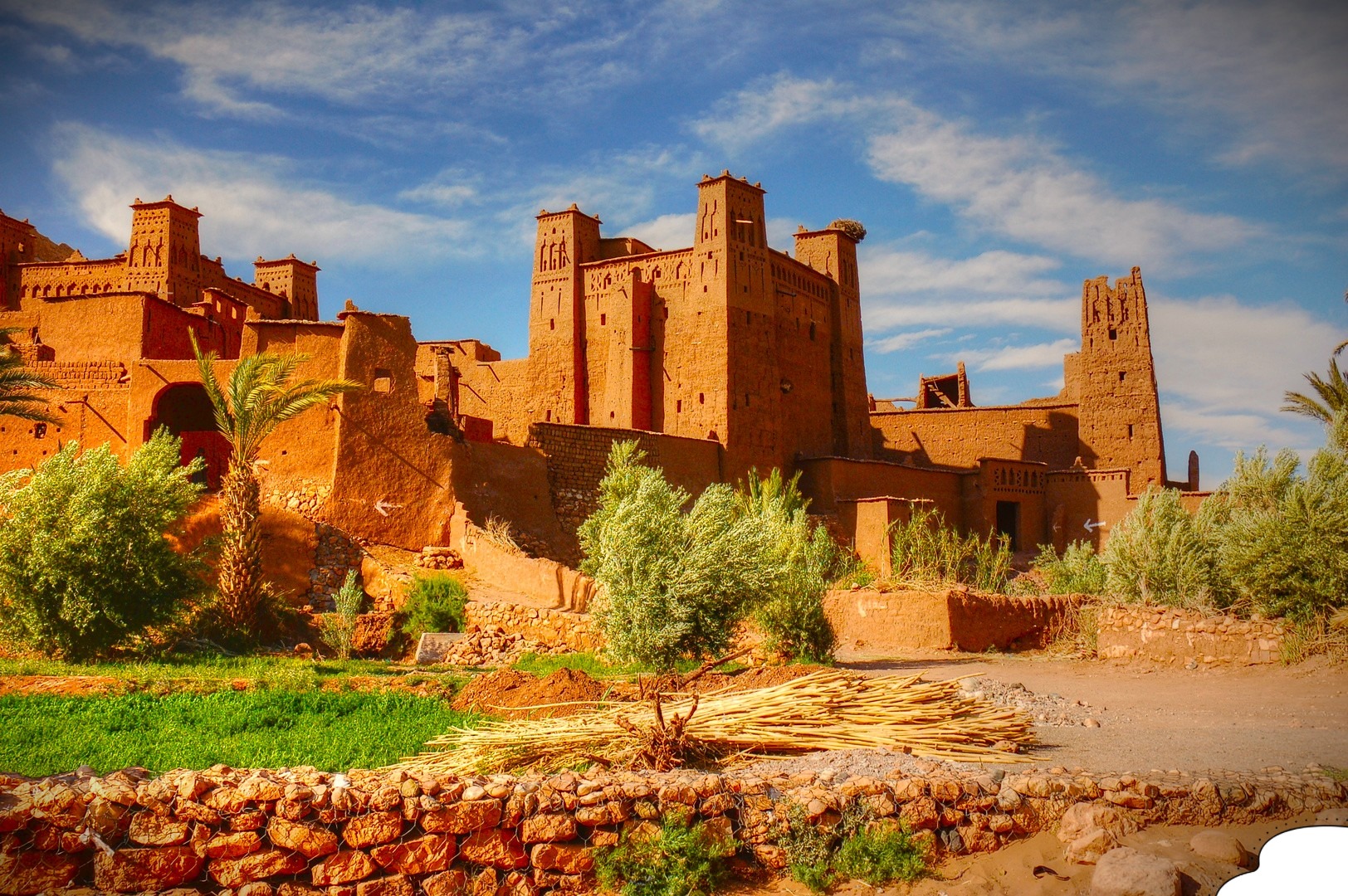
  • Ait Benhaddou: A UNESCO World Heritage site famous for its earthen architecture and film appearances

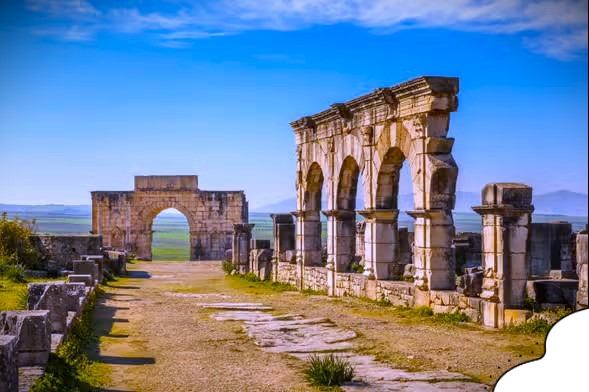
  • Volubilis: Roman ruins showcasing the region’s ancient history

  • Medina of Fes and Marrakech: Dense historical quarters filled with palaces, mosques, and artisan workshops

  • Kasbahs of the Atlas Mountains: Traditional fortresses offering scenic views and insight into Morocco’s defensive history

Cultural tours often include expert guides who bring these landmarks to life, sharing fascinating stories of Morocco’s past.

Ancient Roman ruins of Volubilis visited during Cultural Tours Morocco

Experience Morocco’s Rich Culture for Yourself!

Step into the heart of Morocco and explore its vibrant traditions — from the bustling medinas of Marrakech to the ancient Roman ruins of Volubilis, the Berber villages of the Atlas Mountains, and the rich culinary delights of Moroccan cuisine. Visit historic landmarks, meet local artisans, and immerse yourself in authentic Moroccan life. Let these unforgettable experiences inspire your next adventure!Step beyond the souk

Festivals and Cultural Events

Attending local festivals enhances your cultural experience:

  • Marrakech International Film Festival: Celebrating cinema and culture

  • Fes Festival of World Sacred Music: A unique blend of global music and Moroccan traditions

  • Imilchil Marriage Festival: A Berber cultural event in the High Atlas Mountains

Participating in festivals provides travelers with authentic insights into Moroccan traditions, music, and social life.

Tips for Cultural Tours in Morocco

  • Dress modestly to respect local customs
  • Hire local guides to enhance your understanding of historical and cultural sites
  • Visit in spring or autumn for pleasant weather
  • Sample meals at family-run restaurants for authentic flavors
  • Take a guided tour of the medinas to navigate narrow alleys safely
Tourists exploring Moroccan landmarks during Cultural Tours Morocco

FAQ: Cultural Tours Morocco

Q: What are the best cities for cultural tours in Morocco?
A: Casablanca, Rabat, Fes, and Marrakech are ideal for cultural exploration, each offering unique experiences and landmarks.

Q: Can I join cultural tours as a solo traveler?
A: Yes, many tour operators offer small group tours or private guides suitable for solo travelers.

Q: Are cultural tours in Morocco family-friendly?
A: Absolutely! Many tours are suitable for families, offering engaging activities like cooking classes, camel rides, and artisan workshops.

Q: What is the best time to visit Morocco for cultural tours?
A: Spring (March–May) and autumn (September–November) are ideal, offering comfortable temperatures and fewer crowds.

Conclusion

Cultural tours Morocco provide an immersive journey into the kingdom’s rich heritage, offering unforgettable experiences in history, architecture, cuisine, and traditions. Whether wandering ancient medinas, tasting local delicacies, or exploring Berber villages, travelers gain a deep appreciation for Morocco’s diverse culture. Start planning your Moroccan adventure today and discover a land where every corner has a story to tell.

Exploring the Hidden Villages of the Atlas Mountains

Exploring the Hidden Villages of the Atlas Mountains

Exploring the Hidden Villages of the Atlas Mountains

Introduction: Discovering the Heart of the Atlas Mountains

Stretching majestically across Morocco, the Atlas Mountains are more than just a breathtaking natural wonder — they are the living heart of the country’s cultural and spiritual heritage. While most travelers are drawn to popular destinations like Marrakech or Ouarzazate, those who venture deeper into the mountains find something far more magical: the hidden villages of the Atlas Mountains.

Tucked away in rugged valleys and perched on terraced hillsides, these villages offer an authentic glimpse into traditional Berber (Amazigh) life, where time seems to move at a gentler pace. Stone-built homes blend seamlessly with the landscape, women weave colorful carpets by hand, and the scent of freshly baked bread drifts from clay ovens. Here, centuries-old customs, dialects, and craftsmanship remain beautifully preserved, untouched by the rush of modernity.

Beyond their charm, these secluded communities reveal the incredible adaptability of the mountain people, who have carved out livelihoods in some of Morocco’s most challenging yet stunning terrain. From the snow-capped High Atlas peaks to the fertile valleys of the Middle Atlas and the desert-edge settlements of the Anti-Atlas, each hidden village tells a story of resilience, harmony with nature, and cultural pride.

In this journey through the hidden villages of the Atlas Mountains, we’ll uncover some of Morocco’s best-kept secrets — from Imlil and Aroumd to Imilchil and Amtoudi — exploring not only their breathtaking beauty but also the traditions, hospitality, and timeless spirit that make them so special.

The Magic of Morocco’s Hidden Mountain Life

Life in the hidden villages of the Atlas Mountains unfolds at a rhythm shaped by nature and tradition. Here, surrounded by dramatic landscapes of rocky cliffs, green valleys, and snow-dusted peaks, Morocco’s mountain communities have thrived for centuries in quiet harmony with their environment. These villages are not simply places on a map — they are living museums of Amazigh (Berber) culture, where each day follows the timeless patterns of rural mountain life.

In these remote corners, villagers rise early to tend to terraced fields of barley and maize, guiding mules along narrow stone paths that weave through the slopes. Women gather herbs, bake bread in outdoor clay ovens, and weave vibrant carpets that tell stories through their geometric patterns. The air is filled with the sound of goats’ bells, children’s laughter, and the gentle rush of mountain streams that bring life to the valleys below.

Unlike Morocco’s bustling cities, these villages offer a deep sense of peace and simplicity. There are no neon signs or busy traffic — only the earthy tones of mud-brick homes and the glow of firelight after sunset. Hospitality is sacred here: visitors are often welcomed into homes with steaming glasses of mint tea and heartfelt smiles, even from those who have little to spare.

What makes these hidden villages truly magical is their ability to preserve an ancient way of life in a changing world. Isolation, once a challenge, has become a blessing — protecting their language, customs, and community spirit. Whether perched high above the clouds in the High Atlas or nestled in fertile valleys dotted with almond and walnut trees, each village reflects a unique bond between people and the land they call home.

The High Atlas: Villages Among Peaks and Valleys

The High Atlas Mountains, often called the “Roof of North Africa,” stretch across central Morocco with dramatic peaks, deep valleys, and hidden trails that reveal some of the region’s most enchanting villages. These are places where rugged nature meets genuine hospitality — where snow-capped summits tower over terraced fields and the rhythm of life follows the seasons.
Among these peaks lie villages that feel untouched by time, each offering a window into the soul of mountain life.

Hidden villages of the Atlas Mountains

Imlil – The Gateway to Toubkal

Nestled at the foot of Mount Toubkal, North Africa’s highest peak, Imlil is one of the most accessible yet authentic hidden villages of the Atlas Mountains. Surrounded by apple orchards, walnut groves, and snow-fed streams, Imlil serves as the last major settlement before trekkers begin their ascent to Toubkal.

But beyond its role as a trekking hub, Imlil offers something deeper — a glimpse into traditional Berber life. The village is home to family-run guesthouses and cozy riads where visitors can experience home-cooked tagines and the warm hospitality of local hosts. From Imlil, scenic trails lead to neighboring hamlets, waterfalls, and panoramic viewpoints that capture the breathtaking spirit of the High Atlas.

Aroumd – A Peaceful Retreat Above Imlil

Perched high above Imlil and accessible only by foot or mule, Aroumd (also spelled Armed) is a small, secluded village that feels worlds away from modern civilization. Its stone-built homes blend seamlessly into the mountainside, and its narrow paths wind between terraced fields and orchards.

Life in Aroumd is beautifully simple — villagers grow their own food, herd livestock, and live in close-knit families that share everything from meals to celebrations. For visitors, it offers a tranquil escape and the chance to truly disconnect. The silence here is broken only by the sound of wind sweeping through the valley and the distant call to prayer echoing from a small mosque.

Staying in Aroumd means stepping into a world where tradition still reigns and the mountain’s rhythm dictates the day.

Tizi Oussem – Hidden in the Azzaden Valley

Deep within the Azzaden Valley, one of the most picturesque corners of the High Atlas, lies Tizi Oussem — a hidden gem often overlooked by travelers. The journey here passes through lush valleys, cascading waterfalls, and chestnut trees that shimmer under the sun.

Tizi Oussem is a peaceful Berber village known for its terraced farms, friendly locals, and breathtaking views of the surrounding peaks. Many trekkers pass through on their way between Imlil and the Toubkal refuge, but few stop long enough to appreciate its quiet beauty. Those who do are rewarded with genuine connections and unforgettable sunsets over the valley.

It’s a place where life feels timeless — where every sunrise over the red mountains reminds you that beauty often hides off the beaten path.

The Middle Atlas: Verdant Villages and Cedar Forests

While the High Atlas is known for its dramatic peaks and challenging treks, the Middle Atlas offers a softer, greener landscape — filled with cedar forests, crystal lakes, and peaceful villages that seem to float amid rolling hills. This region, stretching between Fes and Beni Mellal, is home to some of Morocco’s most culturally rich and isolated communities.
The hidden villages of the Atlas Mountains here are less about altitude and more about tranquility — places where time slows down, nature thrives, and traditions remain pure.

Hidden villages of the Atlas Mountains

Imilchil – The Legendary Village of Love

High in the Middle Atlas, surrounded by sweeping plains and mountain lakes, lies Imilchil, one of Morocco’s most fascinating villages. Known as the “Village of Love,” Imilchil is famous for its annual Marriage Festival, a celebration rooted in ancient Amazigh (Berber) legend. According to local lore, two star-crossed lovers from rival tribes were forbidden to marry, and their tears formed the twin lakes of Isli and Tislit nearby. To honor their memory, families now gather each year so young men and women from different tribes can meet and choose their partners freely.

Beyond the romance, Imilchil offers a glimpse into an authentic way of life shaped by harsh winters and communal spirit. The village’s earthen homes rise from the rocky plateau, markets overflow with colorful rugs and handwoven blankets, and visitors are greeted with genuine warmth and curiosity. For those seeking a truly cultural encounter, few places match the spirit and symbolism of Imilchil.

Zaouiat Ahansal – A Remote Gem for Adventure Seekers

Tucked deep within a dramatic valley carved by the Assif Melloul River, Zaouiat Ahansal is one of the Middle Atlas’s most remote and captivating villages. Surrounded by towering cliffs and hidden gorges, it was once an important religious center, founded centuries ago by the revered scholar Sidi Said Ahansal. His spiritual influence remains strong today, with ancient zawiyas (religious schools) and shrines scattered throughout the area.

But Zaouiat Ahansal is not just about history — it’s also a paradise for adventurers. The village is a base for rock climbing, canyoning, and hiking through untouched landscapes. Yet despite its rugged surroundings, life here flows with quiet dignity. Villagers depend on small-scale farming and pastoral traditions, maintaining a deep respect for the land and its resources.

Traveling to Zaouiat Ahansal feels like stepping back in time — a place where spirituality, community, and the raw beauty of nature meet in perfect harmony.

The Anti-Atlas: The Desert’s Edge Villages

As the Atlas Mountains descend toward the Sahara, the landscape shifts dramatically. The Anti-Atlas region reveals a raw, untamed beauty — pink granite cliffs, winding oases, and valleys dotted with ancient argan trees. Life here feels shaped by both the mountains and the desert, with villages that seem carved from the rock itself. These are some of the most striking hidden villages of the Atlas Mountains, where history, craftsmanship, and endurance come together in remarkable harmony.

Hidden villages of the Atlas Mountains

Tafraoute – Pink Granite and Amazigh Heritage

Surrounded by surreal rock formations that glow in shades of pink and orange at sunset, Tafraoute is the cultural heart of the Anti-Atlas. The village sits in the Ameln Valley, framed by towering cliffs and palm groves, and offers one of the most photogenic landscapes in southern Morocco.

Tafraoute is known for its unique blend of mountain and desert culture. The Amazigh people here have preserved their distinct language, dress, and traditions. Visitors can explore lively weekly souks filled with argan oil, almond products, and silver jewelry crafted by local artisans. Spring brings a magical transformation when the valley’s almond trees burst into blossom, painting the landscape with delicate shades of pink and white.

Beyond its beauty, Tafraoute offers excellent hiking and biking trails through nearby gorges and rock formations, including the famous “Painted Rocks” — a surreal outdoor art installation that has become a symbol of the region’s creative spirit.

Amtoudi – The Fortress Village

Hidden in a remote valley surrounded by rugged cliffs lies Amtoudi, a breathtaking village that feels like a living time capsule. Its defining feature is the agadir — an ancient collective granary perched dramatically on a rocky outcrop above the village. These fortified structures once protected the community’s grain, valuables, and documents, and are among the best-preserved examples of traditional Berber architecture in Morocco.

Exploring Amtoudi means walking through narrow stone alleys, passing terraced gardens, and watching villagers go about their daily lives much as they have for generations. The sound of running water from nearby springs fills the air, and the cool shade of palm trees offers respite from the desert heat.

For travelers seeking authenticity, Amtoudi is a true gem — remote, resilient, and steeped in heritage. Staying here in a local guesthouse allows visitors to experience the quiet rhythm of village life and the profound sense of community that defines these hidden mountain settlements.

Experiencing Berber Hospitality and Traditions

One of the most unforgettable aspects of visiting the hidden villages of the Atlas Mountains is the chance to experience Berber (Amazigh) hospitality, an age-old tradition rooted in generosity, respect, and community. In these remote mountain settlements, where life is shaped by the seasons and sustained by cooperation, every guest is welcomed as family.

Hospitality in the Atlas Mountains goes beyond offering food or shelter — it is a sincere cultural ritual. Visitors are often greeted with a warm smile and the famous Moroccan mint tea, served in delicate glasses and poured high to release its aroma. Meals are shared communally, often consisting of slow-cooked tagines, homemade bread, and fresh ingredients harvested from nearby gardens. Even in the humblest of homes, hosts take pride in offering their best to travelers, a reflection of the deep-rooted Amazigh belief in kindness and honor.

Traditions also thrive through craftsmanship and storytelling. Women weave richly patterned rugs and blankets using techniques passed down for generations, while men work with wood, leather, or metal to create tools and ornaments that serve both practical and artistic purposes. In the evenings, families gather around open fires to share stories — ancient folktales about spirits, heroes, and the power of nature.

Festivals and community gatherings are equally important. Many villages celebrate harvest seasons or local saints (moussem) with music, dance, and spiritual rituals. The rhythmic beat of the bendir drum, the haunting notes of the flute, and the high-pitched ululations of women fill the valleys with life and joy.

Through these experiences, visitors begin to understand that the true beauty of the hidden villages of the Atlas Mountains lies not just in their landscapes but in the people who inhabit them — resilient, welcoming, and deeply connected to their ancestral roots.

Discover Morocco’s Hidden Heart!

Discover Morocco’s hidden heart, where ancient traditions meet untold stories and breathtaking landscapes. Venture beyond the usual paths to explore timeless villages, vibrant souks, and warm local hospitality. Experience the true soul of Morocco—authentic, welcoming, and unforgettable.

✨ Don’t just visit Morocco — live its hidden magic. Start planning your Atlas Mountain escape today!

Responsible and Sustainable Travel Tips

Exploring the hidden villages of the Atlas Mountains is a privilege — a chance to witness a way of life that has endured for centuries, far removed from the noise of modern tourism. But with that privilege comes responsibility. To protect these fragile communities and their pristine environments, travelers should approach their visit with care, respect, and mindfulness.

1. Support Local Communities

Choose to stay in locally owned guesthouses, riads, or homestays rather than large hotel chains. Your stay directly benefits families in the village and helps sustain traditional livelihoods. When hiring guides, look for certified local Amazigh guides — their knowledge of the land, culture, and language adds depth to your experience while supporting the local economy.

2. Respect Traditions and Privacy

The mountain villages are deeply traditional. Always ask before taking photos, especially of people or inside homes. Dress modestly and be mindful of local customs, particularly during religious events or Ramadan. A respectful attitude opens doors to genuine cultural exchanges and lasting friendships.

3. Travel Lightly and Leave No Trace

The natural environment of the Atlas Mountains is both stunning and delicate. Bring a reusable water bottle, avoid single-use plastics, and carry out all trash. Stick to marked trails to protect vegetation and farmland, and avoid disturbing wildlife or livestock.

4. Learn and Engage

Take time to learn a few words of Tamazight, the Amazigh language — even simple greetings like “Azul” (hello) or “Tanmirt” (thank you) bring smiles. Engage with artisans by visiting cooperatives where women make argan oil, pottery, or carpets. Buying directly from locals ensures fair trade and helps preserve traditional crafts.

5. Travel Slowly

These villages are best experienced without rushing. Slow travel allows you to connect with locals, understand their daily routines, and appreciate the peaceful rhythm of mountain life. Spend a few nights instead of just a quick visit — the longer you stay, the more meaningful your journey becomes.

By traveling responsibly, you help ensure that the hidden villages of the Atlas Mountains remain as authentic, welcoming, and beautiful for future generations as they are today. Sustainable tourism not only protects the environment but also honors the people who make this region so extraordinary.

Practical Information for Travelers

Before setting out to explore the hidden villages of the Atlas Mountains, it’s important to plan your journey carefully. These areas are remote, and while the adventure is rewarding, being prepared will make your experience safer, smoother, and more enjoyable.

Here’s everything you need to know before you go:

Best Time to Visit

The ideal time to visit the Atlas Mountains depends on the season and the altitude:

  • Spring (March–May): Arguably the best time — valleys bloom with wildflowers, snow melts into flowing streams, and temperatures are mild and pleasant.
  • Autumn (September–November): Another great window, offering cool air, golden landscapes, and fewer tourists.
  • Winter (December–February): Snow blankets the High Atlas, making it perfect for those seeking a more rugged adventure — but be prepared for cold nights and possible road closures.
  • Summer (June–August): Can be hot at lower altitudes, though mountain villages remain cooler than the plains.

How to Get There

Most travelers start their journey from Marrakech, which serves as the main gateway to the Atlas Mountains. From there:

  • To the High Atlas (Imlil, Aroumd, Tizi Oussem): It’s about a 1.5–2.5 hour drive south of Marrakech via Asni. Shared taxis and private transfers are available, or you can book a guided trek.
  • To the Middle Atlas (Imilchil, Zaouiat Ahansal): Best accessed via Beni Mellal or Midelt. The routes are longer but offer stunning scenery.
  • To the Anti-Atlas (Tafraoute, Amtoudi): Reachable from Agadir or Tiznit — expect a scenic but winding journey through arid landscapes and granite formations.

Accommodation Options

The hidden villages of the Atlas Mountains offer charming and authentic places to stay:

  • Family-run guesthouses and riads: Found in most villages, offering home-cooked meals and insight into daily life.
  • Eco-lodges and mountain refuges: Ideal for trekkers seeking sustainable and comfortable stays close to nature.
  • Homestays: Available in smaller villages, perfect for travelers who want to connect deeply with local families.

What to Pack

  • Footwear: Comfortable hiking boots or sturdy walking shoes.
  • Clothing: Layers are key — warm clothing for evenings, lighter wear for daytime hikes.
  • Essentials: Sunscreen, hat, reusable water bottle, small first-aid kit, and power bank.
  • Gifts for locals: Small tokens like notebooks or pens for children (avoid giving money directly).

Safety and Connectivity

The Atlas Mountains are generally very safe, but always inform someone of your travel plans, especially if hiking independently. Mobile coverage is limited in some remote areas, so consider downloading offline maps. Locals are friendly and often willing to help with directions or logistics if needed.

With thoughtful planning and an open heart, your journey through the hidden villages of the Atlas Mountains will be more than a trip — it will be an unforgettable cultural encounter with Morocco’s most genuine soul.

Conclusion: A Journey Beyond the Beaten Path

Exploring the hidden villages of the Atlas Mountains is more than just a scenic adventure — it’s an immersion into a world where tradition, nature, and human connection converge. Each village, from the bustling gateway of Imlil to the remote heights of Amtoudi, offers a unique story: of resilience, creativity, and the timeless rhythm of mountain life.

These villages remind travelers that Morocco’s true magic is not only in its bustling medinas or sun-soaked deserts but also in the quiet, secluded corners where centuries-old customs remain alive. Walking along terraced fields, sipping mint tea with a local family, or listening to the distant call to prayer echoing across the valleys — these moments create memories that linger long after the journey ends.

By venturing off the beaten path, travelers gain not only breathtaking views and authentic experiences but also a profound understanding of Morocco’s rich Amazigh heritage. They leave with a deeper appreciation for the delicate balance between people, culture, and the majestic landscapes that have shaped their lives.

In the hidden villages of the Atlas Mountains, every stone, every path, and every smile tells a story — one that invites you to slow down, connect, and discover a side of Morocco that few ever see.

Calligraphy, Metalwork, and Ceramics: Morocco’s Living Art Forms

Calligraphy, Metalwork, and Ceramics: Morocco’s Living Art Forms

Calligraphy, Metalwork, and Ceramics: Morocco’s Living Art Forms

Introduction: The Soul of Moroccan Art

Traditional Moroccan Art is alive in every corner of Morocco, from the winding alleys of Fez to the sun-drenched souks of Marrakech. In this country, creativity is woven into daily life, and craftsmanship is more than an occupation — it is an inheritance, a spiritual dialogue between the artisan and the material. Every brushstroke, hammer tap, or glaze reflects centuries of tradition, patience, and devotion.

At the heart of this enduring legacy are the country’s most celebrated forms of traditional Moroccan art — calligraphy, metalwork, and ceramics. These crafts form the soul of Morocco’s aesthetic identity, echoing Arab, Berber, and Andalusian influences that have shaped the nation for over a millennium. They speak of faith and geometry, rhythm and repetition, and a deep respect for beauty in the everyday.

Calligraphy transforms words into visual poetry, infusing spiritual meaning into architectural spaces and sacred manuscripts. Metalwork gives form to light itself — from intricately pierced lanterns that dance with shadows to elegant trays and teapots that symbolize Moroccan hospitality. Ceramics, born of earth and fire, adorn homes, mosques, and palaces with mesmerizing color and pattern, uniting artistry and function in every piece.

What makes these arts truly remarkable is that they are living traditions. The skills and secrets of each craft are passed from master (maalem) to apprentice, generation after generation. While rooted in ancient techniques, today’s artisans continue to innovate, blending classic motifs with contemporary design. This balance between preservation and creativity ensures that traditional Moroccan art remains vibrant and relevant in the modern world.

In this journey through traditional Moroccan art, we’ll explore how calligraphy, metalwork, and ceramics reflect Morocco’s history, spirituality, and craftsmanship — and how these timeless arts continue to shape the country’s cultural identity today.

The Sacred Beauty of Moroccan Calligraphy

1. Origins and Spiritual Meaning

Calligraphy holds a sacred place in Moroccan art — a visual embodiment of faith, intellect, and beauty. Rooted in the Islamic tradition where depicting human figures was discouraged in religious contexts, calligraphy became the highest form of artistic expression, transforming divine words into mesmerizing patterns of ink and rhythm.

In Morocco, this art form blossomed into a distinctive style known as Maghrebi script — a rounded, flowing variation of Arabic calligraphy that developed in the western Islamic world (North Africa and Andalusia). Unlike the angular Kufic or elongated Thuluth scripts found in the Middle East, the Maghrebi style reflects Morocco’s fluid sense of form and balance, often marked by bold loops, deep curves, and harmonious spacing.

Calligraphy was not merely decorative; it was devotional. Each stroke of the pen was considered an act of worship, a meditative practice that required patience and spiritual focus. From Qur’anic manuscripts to architectural inscriptions, calligraphy infused Moroccan spaces with both meaning and beauty — reminding viewers of the divine through artistry.

Traditional Moroccan Art

2. Tools and Techniques

The art of calligraphy demands both precision and grace. Traditional Moroccan calligraphers use a reed pen (qalam) carefully cut to control the flow of ink, and they prepare their own pigments from natural materials such as soot, walnut shells, or minerals. Writing surfaces range from smooth parchment to handmade paper, each chosen for its ability to absorb ink evenly.

Training is rigorous and often spiritual in nature. Apprentices study under a master (maalem), learning to balance composition, proportion, and rhythm. Each letter and curve must be perfectly aligned — not just technically, but emotionally. The goal is harmony: a written form that pleases the eye and nourishes the soul.

3. Modern Applications

While deeply traditional, Moroccan calligraphy has gracefully entered the modern age. Its influence extends beyond manuscripts into architecture, design, and contemporary art. Visitors can admire exquisite inscriptions adorning the walls of mosques like the Koutoubia Mosque in Marrakech or the Al-Qarawiyyin Mosque in Fez, where verses from the Qur’an appear in stone and tile, framing sacred spaces with visual poetry.

Today, Moroccan artists and designers are breathing new life into the craft. Calligraphic motifs appear on ceramics, textiles, jewelry, and digital art, merging centuries-old techniques with contemporary aesthetics. Young calligraphers experiment with vibrant colors, abstract compositions, and even street murals, reimagining the script as a form of cultural expression in the modern world.

Through this evolving dialogue between past and present, Moroccan calligraphy remains a living art form — one that continues to honor its sacred origins while speaking to new generations in fresh and inspiring ways.

Metalwork: Crafting Light and Legacy

1. Ancient Roots and Regional Styles

Few crafts capture the Moroccan sense of precision and poetry quite like metalwork. Its origins date back centuries — to the Almoravid and Almohad dynasties — when Morocco became a crossroads of trade, skill, and design between Africa, Europe, and the Arab world. Over time, Moroccan artisans developed unique regional styles that reflected both local identity and global influence.

  • Fez became renowned for fine brass and copper engravings — intricate trays, teapots, and lamps that shimmered with delicate patterns.

  • Marrakech specialized in ornate lanterns and decorative metal screens that filled riads and palaces with light and shadow.

  • Essaouira, with its coastal roots, became known for silver jewelry and filigree work inspired by both Berber and Andalusian motifs.

Each city contributed a distinctive artistic signature, but all shared one principle: beauty born from craftsmanship and patience.

Traditional Moroccan Art

2. Techniques and Materials

Metalworking in Morocco is a symphony of sound and precision — the rhythmic tapping of hammers echoing through medinas as artisans bring lifeless metal to life. Traditional craftsmen, known as maalems, work with brass, copper, silver, and bronze, shaping each piece by hand in small, family-run workshops.

The process is entirely manual. Sheets of metal are cut, heated, and hammered into form before being engraved with complex geometric or floral patterns. Designs are often guided by Islamic art principles — repetition, symmetry, and infinite pattern — reflecting divine perfection.

Techniques such as:

  • Engraving (naqch) — carving intricate motifs into the surface.

  • Hammering (taktir) — creating texture and depth.

  • Filigree — twisting thin metal wires into lace-like designs, especially for jewelry and ornaments.

Each finished piece carries the craftsman’s personal touch — small variations that distinguish handmade Moroccan metalwork from mass production.

3. Iconic Creations

Moroccan metalwork has given rise to timeless icons of design:

  • Lanterns and lamps: Perhaps the most recognizable, these luminous artworks cast delicate shadows across riad courtyards and medina streets. Their pierced patterns turn light into magic, transforming a simple flame into a dance of geometry.

  • Teapots and trays: Essential symbols of Moroccan hospitality, often made from polished brass or silver, engraved with arabesques or calligraphic inscriptions.

  • Decorative mirrors, doors, and furniture accents: Combining functionality with elegance, blending art seamlessly into daily life.

Each item, no matter how humble, carries a story — of lineage, skill, and devotion.

4. Metalwork in the Modern Era

Though rooted in history, Moroccan metalwork continues to evolve and thrive. Modern artisans are finding ways to balance tradition with innovation — adapting age-old motifs to contemporary interiors, hotels, and international markets.

In cities like Fez and Marrakech, craft cooperatives and design studios collaborate to preserve the craft while opening it to new audiences. Contemporary designers incorporate Moroccan metalwork into minimalist décor — merging raw brass with modern geometry, or pairing traditional lanterns with sleek architecture.

Beyond aesthetics, this revival sustains local economies and preserves cultural identity. Each piece of handcrafted metalwork connects Morocco’s past to its future, proving that artistry, when nurtured, never fades — it simply transforms with time.

Ceramics: Earth, Fire, and Color

1. Ancient Art, Ever-Evolving

Among all Moroccan crafts, ceramics may best reflect the country’s deep connection to the earth itself. Born from clay, shaped by hand, and transformed by fire, Moroccan pottery embodies the union of nature and creativity. Its origins trace back to Berber traditions long before Islam arrived in North Africa, later enriched by Andalusian and Arab influences during centuries of cultural exchange.

By the medieval period, Moroccan ceramics had developed into a refined art form, celebrated for its beauty and practicality. Across the country, different regions became famous for their distinctive styles:

  • Fez — known for its elegant blue-and-white pottery, inspired by Andalusian design and Chinese porcelain.

  • Safi — the vibrant coastal city that became Morocco’s leading ceramic hub, producing colorful earthenware with intricate geometric and floral motifs.

  • Meknes and Marrakech — centers of tile and mosaic (zellij) craftsmanship, where clay meets architecture in dazzling displays of geometry.

Each region tells its own story through color, shape, and pattern — a story that continues to evolve today.

Traditional Moroccan Art

2. The Crafting Process

Creating Moroccan ceramics is a labor of patience, precision, and rhythm. It begins with selecting the right clay, often gathered from local riverbeds. The artisan kneads it to remove air pockets, then shapes it by hand or on a traditional potter’s wheel (roue de potier). Once shaped, the piece is left to dry in the sun, sometimes for days, before undergoing its first firing in a kiln.

After cooling, the piece is glazed and hand-painted, often using mineral-based pigments that produce rich blues, greens, yellows, and browns. The final firing fuses color and glaze, creating that distinctive Moroccan sheen.

Patterns are not chosen at random — they carry deep symbolic meaning. Geometric designs represent unity and infinity, floral motifs symbolize growth and beauty, while arabesques evoke divine harmony. Every curve and line reflects a cultural dialogue between faith, mathematics, and imagination.

3. Iconic Designs and Motifs

  • Fez Blue: The city’s signature cobalt blue is the hallmark of its pottery — elegant, restrained, and instantly recognizable. Fez artisans often combine this blue with white backgrounds and fine arabesques.

  • Safi Ceramics: Characterized by bold colors, circular patterns, and floral inspirations, Safi’s pottery brings warmth and vibrancy to Moroccan homes.

  • Zellij Tilework: Perhaps Morocco’s most intricate ceramic expression, zellij mosaics adorn fountains, palace walls, and mosques. Each tile (ferka) is hand-cut and arranged to form stunning geometric compositions that symbolize the infinite nature of creation.

These designs have transcended centuries, influencing global art and design while retaining their Moroccan soul.

4. Preservation and Innovation

While many artisans still follow traditional techniques, modern Moroccan ceramics have found a new life in contemporary design. Today’s artists blend tradition with creativity — experimenting with new color palettes, shapes, and applications that appeal to both local and international audiences.

In Safi, cooperatives support young potters and women artisans, ensuring that ancestral skills continue to thrive. In Fez, workshops such as those near the Bab Ftouh Gate welcome visitors to witness the process firsthand — from raw clay to finished masterpiece.

Meanwhile, designers and architects integrate Moroccan ceramics into modern spaces — from riad courtyards to luxury hotels — proving that this ancient art remains as functional as it is timeless.

Ultimately, Moroccan ceramics are not just objects of beauty; they are vessels of heritage. Each bowl, vase, or tile carries centuries of knowledge, belief, and craftsmanship — a reminder that Morocco’s artistic legacy is molded from both earth and spirit.

Experience Morocco’s Living Art Forms for Yourself!

Step beyond the souks and discover Morocco through its living crafts — from hand-painted ceramics in Fez to glowing metal lanterns in Marrakech and elegant calligraphy in Rabat. Visit artisan workshops, meet master craftsmen, and even try your hand at creating your own Moroccan keepsake. Let these timeless arts inspire your next adventure!

The Role of Moroccan Artisans in Cultural Identity

1. The Guardians of Heritage

In Morocco, artisans are more than skilled workers — they are guardians of cultural memory. Each maalem (master craftsman) holds centuries of inherited knowledge, passed down from teacher to apprentice in an unbroken chain of tradition. These masters preserve not just techniques, but values: patience, respect for materials, and a deep sense of pride in creating beauty by hand.

This reverence for craftsmanship defines Moroccan identity. In medinas across Fez, Marrakech, and Meknes, the rhythmic sounds of hammering metal, painting ceramics, or inscribing calligraphy remind visitors that Morocco’s artistic heart is still beating. Every crafted object, whether a lantern or a teapot, carries with it the fingerprints of its maker — a connection between past and present that mass production can never replicate.

2. The Socio-Economic Importance of Artisanship

Artisanal crafts are also the economic lifeblood of many Moroccan communities. The craft sector employs hundreds of thousands of people, particularly in rural areas where access to other industries is limited. Cooperatives, often run by families or women’s groups, play a crucial role in preserving these traditions while empowering artisans to earn a sustainable living.

Cities like Fez, Marrakech, and Safi have developed artisan cooperatives where craftspeople share resources, access fair trade markets, and attract visitors interested in authentic Moroccan craftsmanship. Through these initiatives, traditional arts are not only surviving — they are thriving, adapting to global demand while maintaining their cultural essence.

3. Recognition and Preservation Efforts

The Moroccan government and international organizations have long recognized the importance of preserving these artistic traditions. UNESCO has included elements of Moroccan craftsmanship — such as the Medina of Fez — and the Marrakech Medina as World Heritage Sites, celebrating their artistic and cultural value.

The Maison de l’Artisan (House of the Artisan) in Rabat works to promote crafts globally, offering training, exhibitions, and international exposure for local artists. Cultural festivals like the Festival of Traditional Arts in Marrakech showcase the diversity and creativity of Moroccan artisans, helping to keep their skills visible and relevant.

Such recognition not only validates centuries of work but also inspires younger generations to see craftsmanship as a source of pride and opportunity.

4. Tradition Meets Modernity

What keeps Morocco’s artistic identity so dynamic is its ability to blend heritage with innovation. Younger artisans are experimenting with new materials, minimalist aesthetics, and sustainable production techniques — all while maintaining the soul of their traditions.

Modern Moroccan designers collaborate with global brands, introducing the world to the elegance of handmade lanterns, mosaic tiles, and calligraphic art. These creations are no longer confined to Morocco’s borders — they adorn homes, hotels, and galleries around the world, spreading the beauty of Moroccan craftsmanship internationally.

Yet, despite modernization, the essence remains unchanged: craftsmanship as a spiritual and cultural act. For Moroccan artisans, to create is to honor their ancestors — and to ensure their legacy continues to shine.

Where to Experience Morocco’s Living Art Forms

For travelers, Morocco is not just a destination — it’s a living museum of artistry. Beyond admiring souvenirs in the souks, visitors can step into workshops, meet artisans, and even try their hand at traditional crafts. Each region offers a unique encounter with the country’s living art forms — from sacred calligraphy to glowing metalwork and vibrant ceramics.

1. Fez: The Timeless Capital of Craftsmanship

Fez is the spiritual and artistic heart of Morocco — a city where every alley whispers the language of tradition. In its medina, one of the oldest in the world, calligraphers, potters, and metalworkers keep centuries-old skills alive.

  • Calligraphy Workshops: Visit the Dar Batha Museum or local art studios near the Al-Qarawiyyin Mosque to see Maghrebi script demonstrations. Some artists offer short courses for visitors who wish to learn the basics of Arabic calligraphy.

  • Metalwork Souks: The Seffarine Square is filled with the melodic clang of copper and brass. Here, you can watch craftsmen shaping teapots, trays, and lanterns using ancient hand tools — a scene that has barely changed for hundreds of years.

  • Fez Ceramics Cooperative: Located just outside the medina, this cooperative shows the full pottery-making process, from clay preparation to hand-painting. Visitors can buy directly from artisans, ensuring fair trade and authenticity.

Fez is, in essence, the living classroom of Moroccan craftsmanship.

2. Marrakech: The Artistic Crossroads

Marrakech is a feast for the senses — and a paradise for art lovers. The souks of the Medina are a labyrinth of workshops where metal glows, clay turns, and calligraphy adorns wood and leather.

  • Souk Semmarine and Souk Haddadine: These bustling quarters showcase traditional metal lanterns, brass mirrors, and hand-engraved trays. Many artisans will let you watch as they work, offering insight into the techniques that make each piece unique.

  • Maison de l’Artisan (House of the Artisan): Located in Gueliz, this government-run institution promotes Moroccan craftsmanship through exhibitions, artisan meetups, and design collaborations.

  • Art Galleries and Boutiques: Modern Marrakech also embraces the contemporary side of Moroccan art. Galleries like David Bloch Gallery or Galerie 127 display how calligraphy and pattern inspire new generations of Moroccan artists.

Here, the traditional and the modern dance in perfect harmony — much like the city itself.

3. Safi: The Ceramics Capital

Perched on Morocco’s Atlantic coast, Safi is the country’s pottery capital, home to hundreds of artisans who have turned clay into beauty for generations.

  • National Ceramic Museum (Dar Sultan): Housed in an old fortress, this museum showcases the evolution of Moroccan ceramics from the Middle Ages to today.

  • Pottery Hill (Colline des Potiers): This area offers a fascinating view of ceramic production — dozens of kilns line the streets, and visitors can observe potters throwing clay, glazing, and firing their work.

  • Workshops and Souvenirs: Many workshops in Safi welcome visitors for hands-on experiences. You can learn to shape your own pottery or paint a tile using traditional geometric patterns.

Safi’s ceramics are a symbol of Moroccan earth transformed — colorful, durable, and filled with spirit.

4. Rabat and Other Modern Art Hubs

Rabat, Morocco’s capital, bridges the gap between heritage and innovation. It is home to institutions and galleries that honor the country’s artistic past while supporting modern interpretations.

  • Mohammed VI Museum of Modern and Contemporary Art: This stunning museum often features exhibitions highlighting traditional Moroccan crafts reimagined through modern design.

  • Galerie Bab Rouah: A historical gallery known for showcasing the best of Moroccan visual arts, including works inspired by calligraphy and traditional motifs.

  • Artisan Cooperatives: Across Rabat and nearby Salé, several cooperatives focus on training artisans, promoting women-led craft projects, and encouraging sustainable art production.

Beyond Rabat, cities like Essaouira, Meknes, and Chefchaouen also offer artistic treasures — from silver jewelry and wood carving to painted ceramics and zellij workshops.

5. Experiencing Moroccan Art Beyond the Workshop

For a deeper appreciation, travelers can join artisan tours or craft residencies, many of which combine cultural immersion with hands-on creativity. Programs in Marrakech, Fez, and Safi allow visitors to work side by side with maalems, learning not only techniques but also the philosophy behind them — humility, patience, and respect for craft.

Even staying in a traditional riad offers an artistic experience — with hand-carved plasterwork, zellij mosaics, and calligraphic details adorning walls and fountains. Every element is a celebration of Moroccan artistry and a reminder that in Morocco, art isn’t observed — it’s lived.

Conclusion: The Eternal Dialogue Between Past and Present

Morocco’s artistic heritage is not frozen in time — it moves, breathes, and evolves. From the rhythmic strokes of a calligrapher’s pen to the glowing lanterns of a metalworker and the painted curves of a Safi ceramic bowl, each creation tells a story of continuity. These are not just crafts; they are living art forms — expressions of identity, spirituality, and resilience that bridge centuries of history.

What makes Morocco’s living art forms so captivating is their ability to balance tradition with transformation. Every generation of artisans honors ancestral techniques while daring to innovate — blending the sacred and the modern, the local and the global. This harmony ensures that Moroccan artistry remains timeless, rooted in the past yet reaching boldly into the future.

Beyond aesthetics, these crafts embody a way of life — one that values mindfulness, patience, and connection to the material world. They remind us that art is not just about creation, but about preservation of soul and story. When you hold a hand-painted bowl from Fez or watch a craftsman etch brass under the Marrakech sun, you are not just witnessing skill — you are touching history, faith, and human spirit.

In the end, Morocco’s calligraphy, metalwork, and ceramics do more than decorate spaces — they illuminate the heart of Moroccan culture. Each pattern, each brushstroke, and each glimmer of light tells a tale of devotion to beauty, heritage, and craftsmanship. And as long as artisans continue to pass their knowledge from hand to hand and heart to heart, Morocco’s living art forms will continue to thrive — forever shaping the soul of the nation and inspiring all who encounter them.

Loading...
/*** Collapse the mobile menu - WPress Doctor ****/