

Moroccan Souks Shopping Guide: Your Ultimate Market Adventure
Exploring Morocco isn’t complete without wandering through its vibrant and bustling souks. These traditional markets are the heart of Moroccan culture, offering everything from handcrafted ceramics and colorful textiles to aromatic spices and intricate jewelry. Whether you’re in Marrakech, Fes, or Essaouira, a Moroccan Souks Shopping Guide will help you navigate these lively marketplaces, find authentic treasures, and enjoy a memorable shopping experience.
In this guide, we’ll cover everything you need to know: how to shop like a local, what to buy, tips for bargaining, and the best souks to visit. Whether you’re a first-time visitor or a seasoned traveler, this guide ensures your Moroccan shopping adventure is both fun and rewarding.
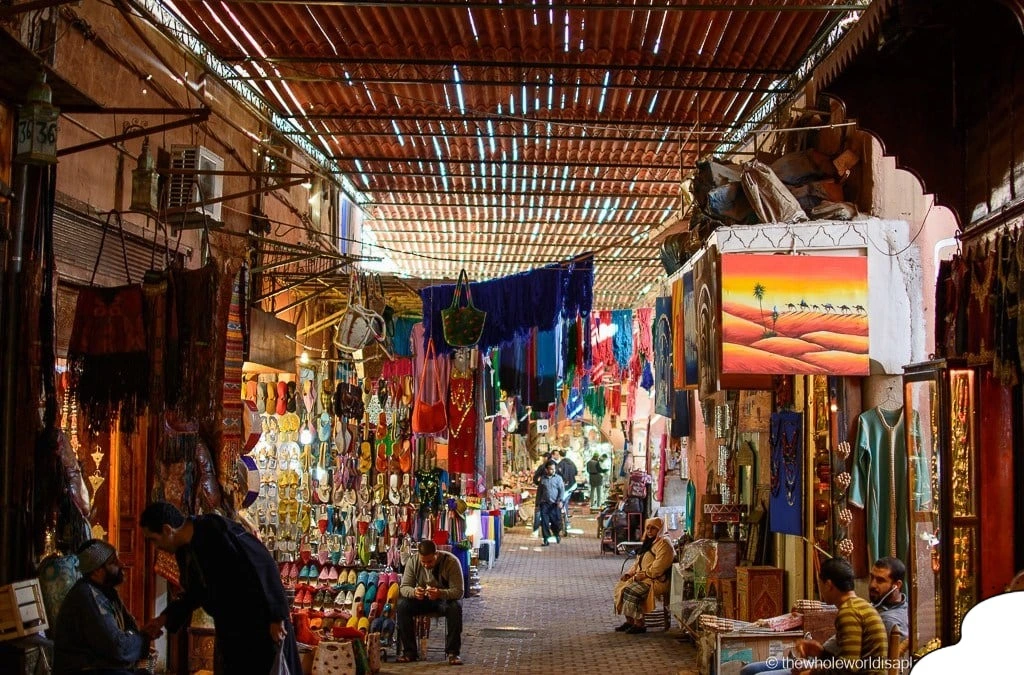
Why Explore Moroccan Souks?
Moroccan souks are more than just shopping destinations; they are cultural experiences. Visiting a souk allows you to:
Immerse yourself in Moroccan traditions and crafts
Discover hand-made goods passed down through generations
Savor the aromas of spices, teas, and local delicacies
Experience vibrant colors, sounds, and lively interactions with locals
A Moroccan Souks Shopping Guide helps you understand the organization of these markets, so you can shop efficiently and discover hidden gems without feeling overwhelmed.
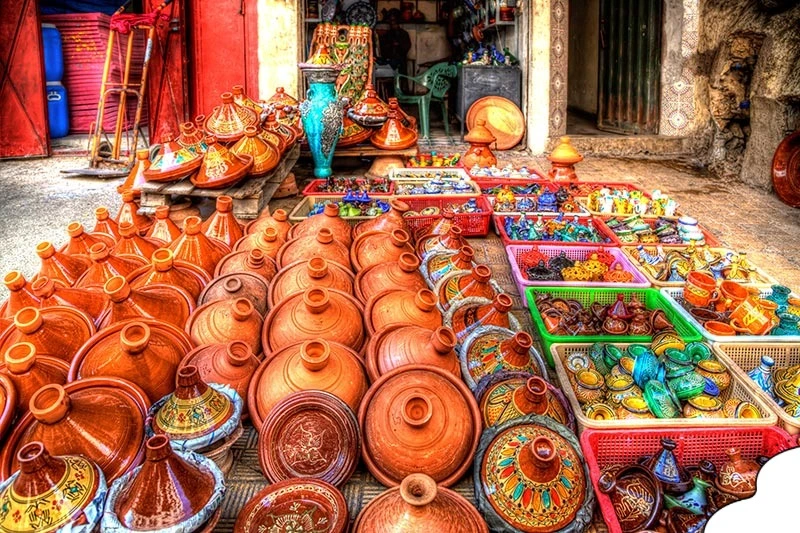
Top Moroccan Souks to Visit
Each city offers unique souks with specialties that reflect local culture. Here are some must-visit markets:
1. Marrakech Souks
Souk Semmarine: Known for textiles, leather goods, and carpets.
Souk Ableuh: Famous for citrus fruits, olives, and spices.
Souk des Bijoutiers: Jewelry and silver accessories.
Marrakech souks are a maze of alleyways, so take your time and follow a Moroccan Souks Shopping Guide to navigate efficiently.
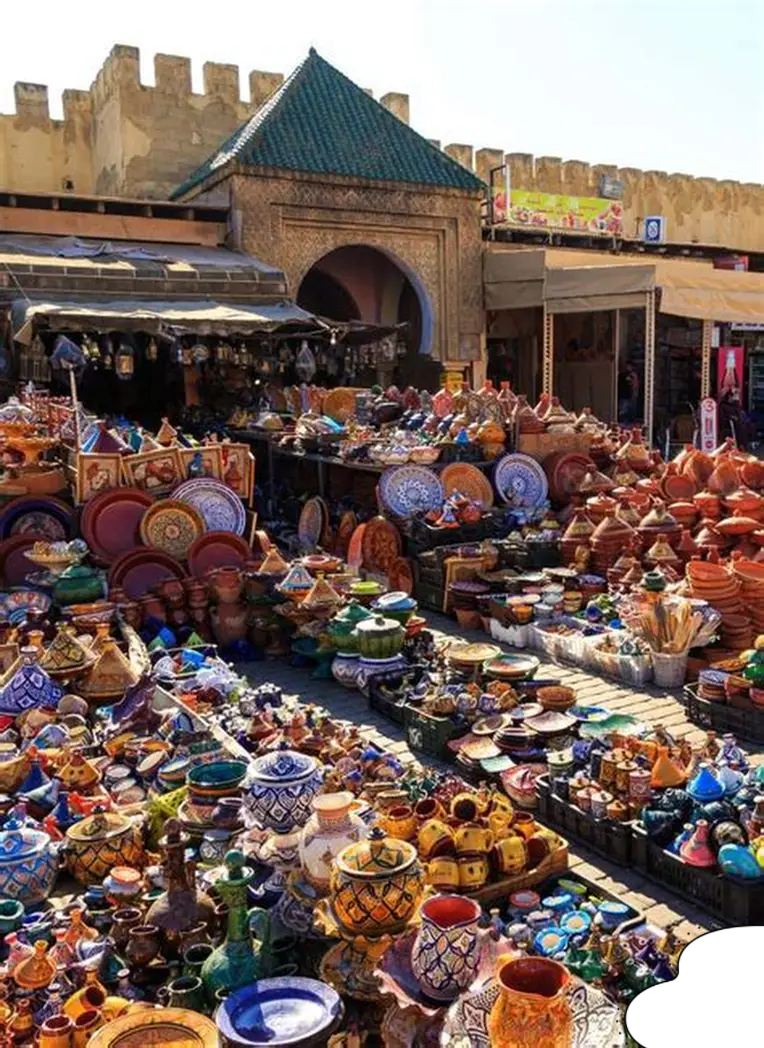
2. Fes Souks
Souk el Henna: Henna, perfumes, and natural dyes.
Souk el Attarine: Spices, teas, and traditional Moroccan medicines.
Tanneries of Fes: Leather goods dyed with natural pigments.
Fes is renowned for its traditional crafts, making it perfect for those seeking authentic Moroccan souvenirs.
3. Essaouira Souks
Fish Market Souk: Fresh seafood and local delicacies.
Souk Jdid: Textiles, jewelry, and local handicrafts.
Artisan Workshops: Famous for carved wood and thuya wood products.
What to Buy in Moroccan Souks
A Moroccan Souks Shopping Guide is incomplete without knowing what treasures to hunt for. Some must-buy items include:
1. Moroccan Rugs and Carpets
Handwoven from wool or silk
Patterns and colors vary by region
Great souvenirs or home décor
2. Leather Goods
Bags, slippers (babouches), jackets
High-quality leather from Fes or Marrakech
Look for tanneries to buy directly from artisans
3. Spices and Teas
Saffron, cumin, cinnamon, paprika
Mint tea leaves or herbal blends
Perfect for culinary enthusiasts
4. Ceramics and Pottery
Colorful tagines, bowls, and plates
Hand-painted with traditional Moroccan patterns
Ideal gifts or kitchen décor
5. Jewelry and Metalwork
Silver, gold, and brass items
Traditional Amazigh (Berber) designs
Earrings, necklaces, trays, and lamps
6. Textiles and Clothing
Kaftans, scarves, shawls
Hand-embroidered or woven fabrics
Great for souvenirs or gifts
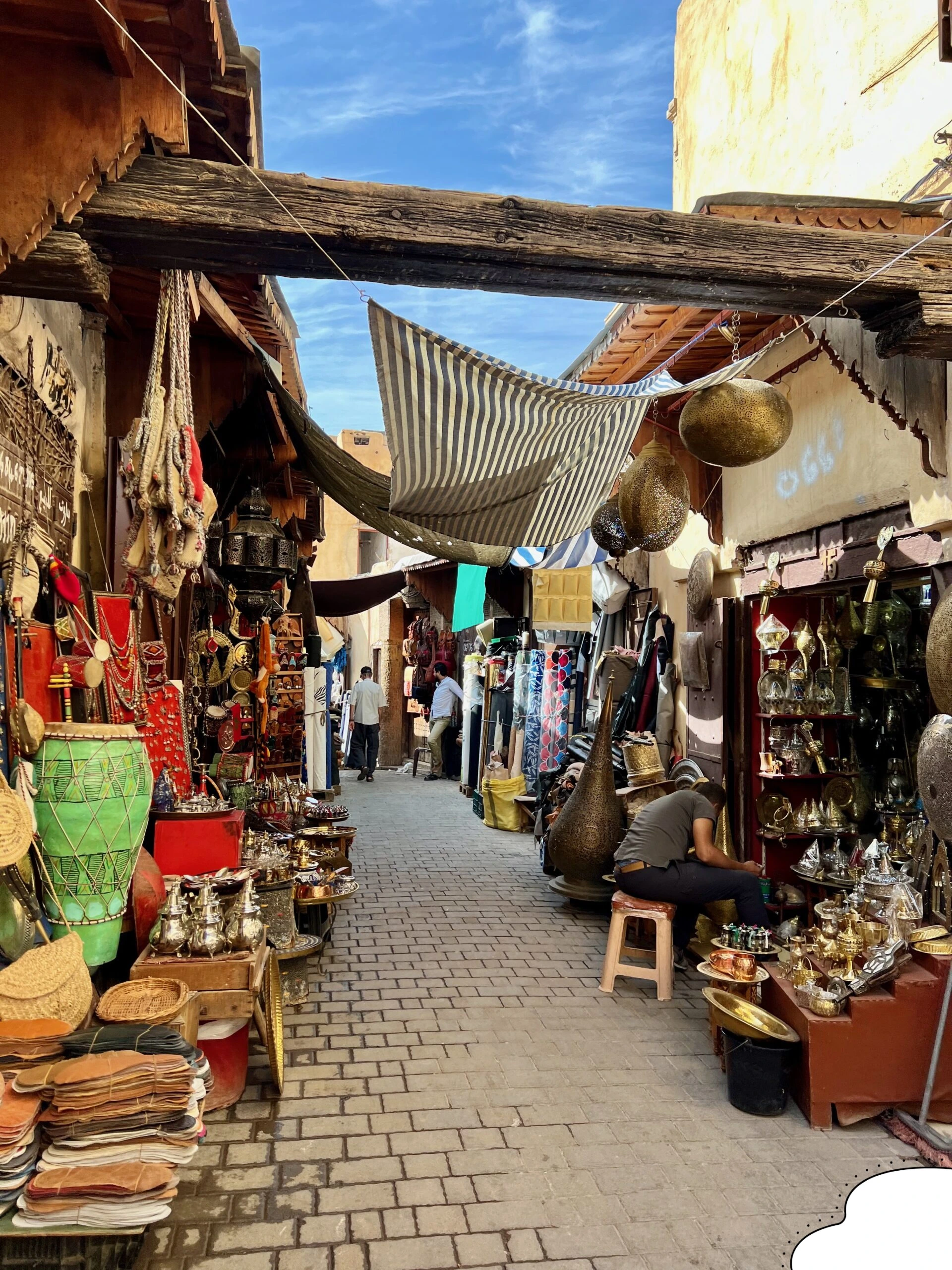
How to Navigate Moroccan Souks
Moroccan souks can be overwhelming due to their size and bustling activity. Here’s how to make the most of your shopping adventure:
Step 1: Know the Layout
Souks are usually organized by product type
Use a Moroccan Souks Shopping Guide to plan your visit
Step 2: Observe and Explore
Walk through the alleys to see different options
Compare prices before making purchases
Look for authentic handmade goods rather than mass-produced items
Step 3: Bargaining Tips
Bargaining is a cultural norm in Moroccan souks. Some tips include:
Smile and be polite — it’s part of the experience
Start at half the asking price and negotiate
Be prepared to walk away if the price is too high
Remember, the goal is a fair price for both parties
Step 4: Stay Safe and Organized
Keep an eye on your belongings
Carry cash in small denominations
Wear comfortable shoes and clothing
Cultural Etiquette in Moroccan Markets
When exploring Moroccan souks, respecting local customs enhances your experience:
Dress modestly and respectfully
Ask permission before taking photos of people
Greet shopkeepers politely with “Salam”
Be patient — interactions and negotiations are part of the charm
Understanding local etiquette helps you build positive relationships and enjoy authentic interactions.
Ready to explore the vibrant alleys and colorful treasures of Moroccan markets?
Let us help you plan an unforgettable experience with our Moroccan Souks Shopping Guide. From traditional rugs to spices and jewelry, discover authentic souvenirs and cultural experiences in every souk.
Conclusion
A trip to Morocco is incomplete without visiting its legendary souks. This Moroccan Souks Shopping Guide ensures you make the most of your market adventure — finding authentic treasures, experiencing local culture, and learning the art of bargaining.
From Marrakech to Fes and Essaouira, each market offers unique souvenirs, lively interactions, and unforgettable memories. With the tips, itineraries, and insights in this guide, you’re ready to explore Moroccan souks like a local and bring home pieces of Morocco’s vibrant culture.

