M

+212 673 266 849

saharacameltours1@gmail.com

First Time in Casablanca Activities: A Guide to Vibrant Metropolis

First Time in Casablanca Activities: A Guide to Vibrant Metropolis

First Time in Casablanca Activities: A Guide to Vibrant Metropolis

Welcome to Casablanca: Morocco’s Coastal Gem

If you’re planning your first time in Casablanca, you’re in for a treat. This bustling Moroccan city blends modern sophistication with cultural richness, offering travelers a vibrant experience like no other. From iconic mosques to art deco architecture, Casablanca is full of unique activities that make it a must-visit destination. In this guide, we’ll explore the best First Time in Casablanca Activities so you can make the most of your trip.
1. Visit the Iconic Hassan II Mosque

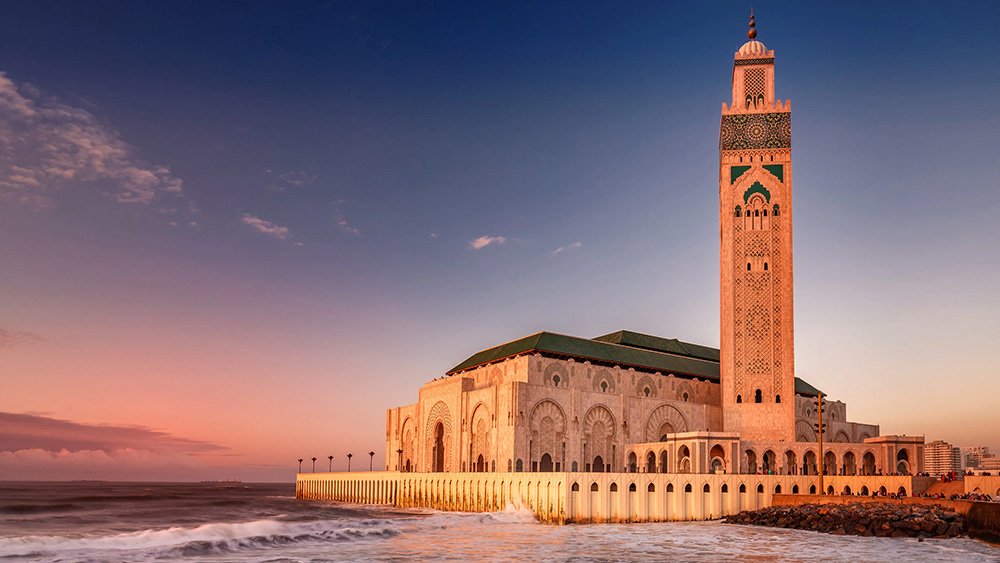
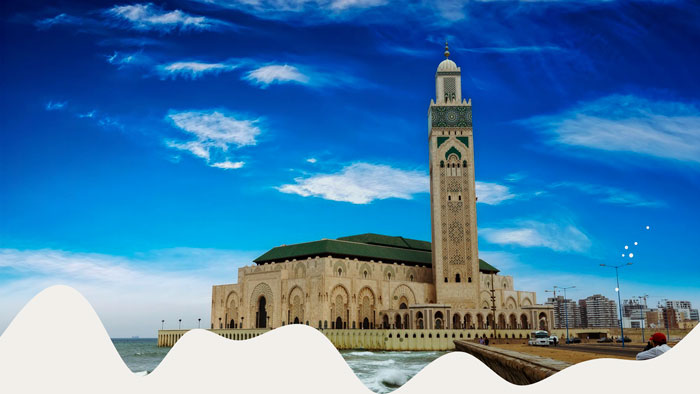
No trip to Casablanca is complete without visiting the Hassan II Mosque, one of the largest mosques in the world. It’s perched right on the Atlantic coast, with part of its floor made of glass, allowing worshippers to see the ocean beneath. The intricate tilework, hand-carved marble, and towering minaret make it a top highlight for any first-timer.

Tip: Non-Muslims can take guided tours during select hours — a rare opportunity in Morocco.

2. Stroll the Corniche in Ain Diab

La Corniche is Casablanca’s lively seaside promenade located in the Ain Diab neighborhood. Perfect for sunset walks, people-watching, or grabbing a coffee with a view, it offers a refreshing escape from the city center.

For those craving more excitement, the area is also home to beach clubs, upscale restaurants, and nightlife venues. A walk along the Corniche is easily one of the best First Time in Casablanca Activities for blending relaxation with local life.

3. Explore the Old Medina

While Casablanca’s Old Medina isn’t as large as those in Fes or Marrakech, it’s still a worthwhile stop. Wander through its narrow alleys, discover traditional shops, and sip mint tea at a local café. It’s a chance to see the everyday life of locals and soak up authentic Moroccan charm.

4. Discover Art Deco Architecture in Downtown Casablanca

Casablanca is unique among Moroccan cities for its Art Deco architecture, a legacy of the French colonial era. Walk through downtown neighborhoods like Boulevard Mohammed V to see stunning facades, ornate balconies, and historic cinemas. For architecture lovers, this is one of the more underrated yet unforgettable First Time in Casablanca Activities.

Ready to Discover Casablanca for the First Time?

Don’t just dream about Morocco—make it your next adventure! Whether you’re drawn by the call to prayer echoing from the Hassan II Mosque or the vibrant energy of the Old Medina, Casablanca is waiting to be explored.

5. Shop at the Marché Central

La Marché Central, or Central Market, is a fantastic place for first-timers to explore local produce, seafood, spices, and souvenirs. You’ll find everything from fragrant Moroccan olives to artisan-crafted gifts. Plus, the market has plenty of small eateries where you can try local street food.

Must-Try: A plate of grilled sardines or a classic Moroccan tagine.

6. Experience Moroccan Cuisine at Rick’s Café

Inspired by the classic film Casablanca, Rick’s Café is more than a movie homage — it’s an atmospheric dining experience. With its arched doorways, vintage décor, and piano music, it captures the romanticism of 1940s Morocco while serving up excellent fusion cuisine.

It’s one of the most iconic First Time in Casablanca Activities for movie buffs and food lovers alike.

7. Take a Day Trip to El Jadida or Rabat

If your schedule allows, plan a quick day trip from Casablanca to nearby cities like:

  • El Jadida: A charming coastal town with a Portuguese cistern and fortified walls.

  • Rabat: Morocco’s capital, offering royal palaces, gardens, and a slower pace compared to Casablanca.

These day trips give you a broader view of Moroccan culture and history while staying close to Casablanca.

8. Unwind in Local Hammams (Bathhouses)

After a long day of exploring, relax like a local in a traditional hammam. These steam-filled bathhouses are a cornerstone of Moroccan life, offering everything from DIY scrubs to luxury spa services.

Whether you choose a neighborhood hammam or a five-star spa, it’s a revitalizing and culturally immersive experience.

Final Thoughts: Enjoy Your First Time in Casablanca to the Fullest

With its blend of coastal beauty, historical richness, and contemporary flair, Casablanca offers something for every traveler. Whether you’re admiring the grandeur of Hassan II Mosque or sipping tea in the Old Medina, these First Time in Casablanca Activities will leave you with unforgettable memories and a deeper appreciation for Morocco’s diversity.

Ready to explore Casablanca? Pack your camera, bring an open heart, and let this city surprise you at every turn.
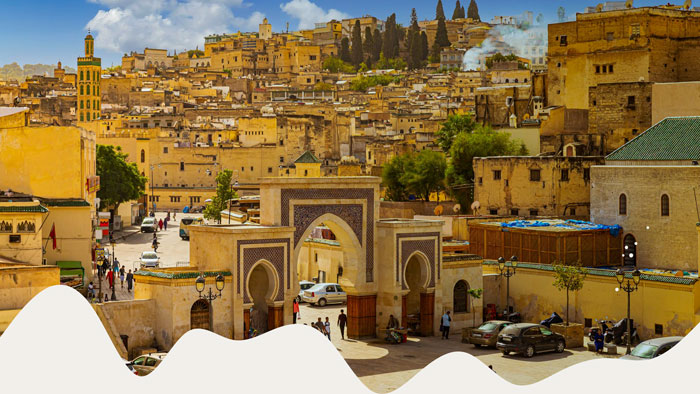
What You Should Know Before Visiting Fes, Morocco

What You Should Know Before Visiting Fes, Morocco

What You Should Know Before Visiting Fes, Morocco

Fes (or Fez), Morocco’s cultural and spiritual heart, is a city unlike any other. With its labyrinthine medina, ancient traditions, and sensory overload of sights, sounds, and smells, Fes is an unforgettable destination that rewards travelers with an authentic Moroccan experience. But before you dive into its maze of alleys and vibrant souks, there are a few key things you should know to make your trip smooth, respectful, and enriching.

1. Fes el-Bali: The Heartbeat of the City

The old medina of Fes, known as Fes el-Bali, is one of the largest car-free urban areas in the world and a UNESCO World Heritage site. It’s easy to get lost in its more than 9,000 narrow, winding alleyways — and that’s part of the magic.

Pro Tips:

  • Hire a local guide for at least one day. Not only will they help you navigate, but they’ll give you cultural and historical context that’s hard to grasp on your own.

  • Use offline maps (like Maps.me) or Google Maps with downloaded areas for basic orientation.

  • Always carry the name and address of your riad/hotel — many places are tucked away and hard to find.

2. Dress Modestly and Respect Local Customs

Morocco is a Muslim-majority country, and while it’s relatively liberal compared to some, Fes is one of its more conservative cities.

What to Wear:

  • Women: Long skirts, loose pants, tops with sleeves. A scarf isn’t required but might be appreciated in certain areas.

  • Men: Long pants and t-shirts or shirts are ideal.

Avoid public displays of affection and try not to photograph people — especially women and children — without asking for permission.

3. Prepare for Sensory Overload (In the Best Way)

Fes is a feast for the senses — the smell of spices, leather from the tanneries, calls to prayer echoing through the medina, y el vibrant colors of hand-woven textiles.

But this intensity can be overwhelming if you’re not prepared.

Be Ready For:

  • Strong odors in places like the Chouara Tannery — locals offer sprigs of mint to mask the smell!

  • Aggressive sales tactics in some markets. A firm but polite “No, thank you” goes a long way.

  • A LOT of walking — often uphill or on uneven cobblestone streets. Comfortable shoes are a must.

4. The Food is an Experience in Itself

Moroccan cuisine in Fes is rich, flavorful, and steeped in centuries-old traditions.

Don’t Miss:

  • Tagine: Slow-cooked stews in clay pots, often with lamb, chicken, or vegetables.

  • Couscous Fridays: A traditional meal in Moroccan households after Friday prayers.

  • B’stilla (pastilla): A sweet and savory pastry typically filled with pigeon or chicken.

  • Mint tea: The national drink, served with flair and overflowing hospitality.

Many riads offer cooking classes — a great way to learn and eat what you create.

Planning your Moroccan adventure?

Fes is a great place to start your deeper cultural journey.

Let your Moroccan adventure begin today.

5. Know the Difference Between a Riad and a Hotel

A riad is a traditional Moroccan house or palace with an interior garden or courtyard, often converted into boutique guesthouses. Staying in a riad in Fes is part of the experience.

Benefits:

  • Personalized service

  • Authentic architecture

  • Peaceful escapes from the medina madness

Just make sure your riad offers clear arrival instructions — many are deep within the medina and hard to find.

6. Cash is King

While some larger establishments accept credit cards, most places in Fes operate on cash. ATMs are available but may be limited inside the medina.

Money Tips:

  • Carry small bills for tips, street food, and small purchases.

  • Bargaining is expected in the souks — don’t accept the first price offered!

  • Tipping (called “baksheesh”) is customary — for porters, guides, and servers.

7. Language and Communication

The primary languages in Fes are Arabic and French. English is spoken in tourist areas, but not as widely as in Marrakech or Casablanca.

Helpful Phrases:

  • Salam Alaikum – Hello (Peace be upon you)

  • Shukran – Thank you

  • La shukran – No, thank you

  • Bshal hada? – How much is this?

A few polite words in Arabic or French go a long way in earning goodwill.

8. Safety and Etiquette

Fes is generally safe for tourists, but like any bustling city, petty theft can happen. Be aware of your surroundings, especially in crowded markets.

Street Smarts:

  • Watch out for unofficial guides or “helpful” strangers — they may ask for money.

  • Trust your instincts — if something feels off, walk away.

  • Use Google Translate or a phrasebook to bridge communication gaps in stressful moments.

9. Best Time to Visit

The best seasons are spring (March–May) y fall (September–November) when the weather is mild and pleasant. Summers can be scorching, and winters surprisingly cold at night due to limited indoor heating.

Planning your Morocco Adventure?

Fes is a great place to start your deeper cultural journey.

Let your Moroccan adventure begin today.

10. Must-See Highlights in Fes (Expanded)

1. Chouara Tannery

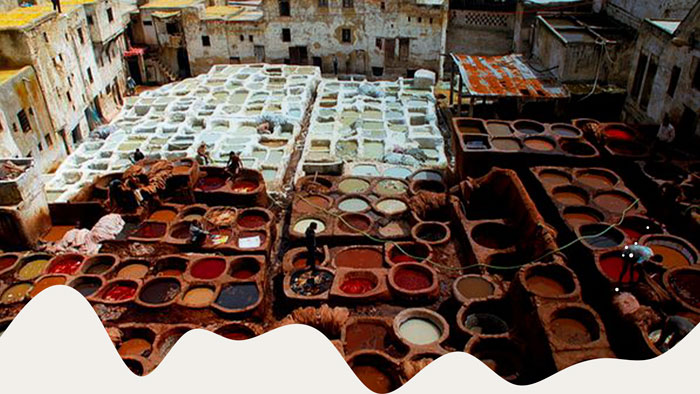
Nestled deep within the medina, Chouara Tannery is a visceral experience and one of Fes’s most iconic sights. This centuries-old leather tannery is believed to date back to the 11th century and still operates using traditional techniques passed down through generations.

What to Expect:

  • A panoramic view from a nearby leather shop balcony (they’ll usually let you up for free or after a brief showroom visit).

  • Workers standing waist-deep in stone vats filled with vibrant dyes and pungent pigeon droppings used for softening hides.

  • La strong smell is real — but part of the authenticity. You’ll often be given a sprig of mint to help mask it.

Tip: Visit in the morning when the dyeing process is in full swing, and the colors are at their most vivid.

2. Al-Qarawiyyin University

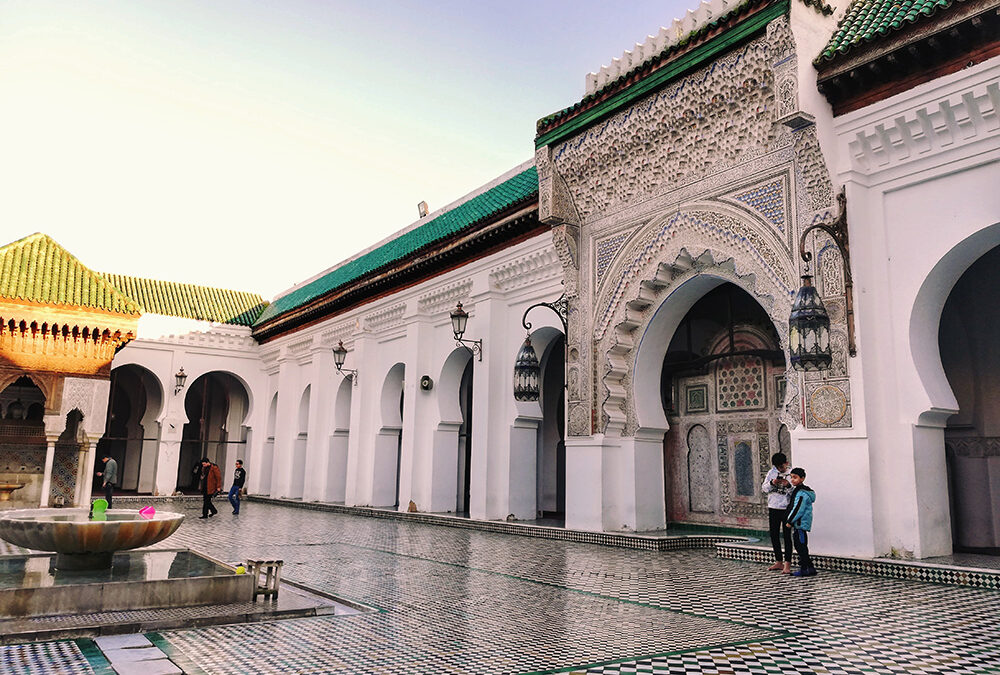
Founded in 859 AD by Fatima al-Fihri, this is officially recognized by UNESCO and the Guinness World Records as the oldest continually operating university in the world.

Why Visit:

  • While non-Muslims cannot enter the prayer hall, you can admire parts of the complex, including the stunning library (recently renovated and partially open to visitors).

  • La Andalusian-style architecture, delicate calligraphy, and intricate zellij tilework are breathtaking.

  • It’s more than a monument — it’s a symbol of female empowerment, intellectual history, and Islamic scholarship.

Fun Fact: This university predates Oxford and the Sorbonne!

3. Bou Inania Madrasa

This 14th-century madrasa (Islamic school) was commissioned by Sultan Abu Inan Faris and is one of the few religious sites in Morocco open to non-Muslims.

What Makes It Special:

  • Features exquisite examples of Marinid architecture, including carved cedar wood, marble columns, and elaborate stucco.

  • A serene courtyard with a central fountain, perfect for moments of quiet reflection amid the chaos of the medina.

  • Its minaret, visible from various parts of the medina, marks it as a functioning mosque as well as a historic school.

Don’t Miss: The tiny student rooms on the second level, which hint at what life might’ve been like centuries ago for scholars.

4. Dar Batha Museum

Originally a royal palace from the late 19th century, Dar Batha has been transformed into a museum of traditional Moroccan arts and is a haven for those interested in culture and craftsmanship.

Highlights:

  • Displays of ceramics, wood carvings, antique instruments, embroidered textiles, and illuminated manuscripts.

  • The peaceful Andalusian garden in the center offers a breath of fresh air, filled with orange trees, fountains, and birdsong.

  • An intimate way to understand Moroccan artistry and heritage beyond the souks and street performances.

Traveler Tip: Great spot for those who want a calm, educational break from the bustling medina.

5. Bab Bou Jeloud (The Blue Gate)

This magnificent triple-arched gate is one of the most photographed landmarks in Fes and marks the main western entrance to Fes el-Bali.

Why It’s Unmissable:

  • Built in 1913, Bab Bou Jeloud is relatively modern by Fassi standards but features classic Moroccan architecture with blue tilework on the outside (symbolizing Fes) and green on the inside (symbolizing Islam).

  • It acts as a gateway to many important souks, restaurants, and cultural experiences.

  • At night, the gate is beautifully lit, and nearby cafes are buzzing with locals and tourists alike.

Start Here: It’s the perfect launching point for your medina adventures — and a great place to regroup or people-watch.

Final Thoughts

Fes is raw, real, and rich with history. It’s not always easy — it’s a city that demands your attention and respect — but that’s exactly what makes it so memorable. Come with an open mind, a curious heart, and a willingness to embrace the unknown, and Fes will reward you tenfold.

Loading...
/*** Collapse the mobile menu - WPress Doctor ****/