M

+212 673 266 849

saharacameltours1@gmail.com

Agadir, Agadir Oufella & Taghazout Beach & Stunning Sun

Agadir, Agadir Oufella & Taghazout Beach & Stunning Sun

Agadir, Agadir Oufella & Taghazout Beach & Stunning Sun

Basking in the glow of the Atlantic sun, Morocco’s southwestern coastline offers a refreshing escape that blends beachside relaxation with cultural richness. Stretching along the Atlantic Ocean, this region is home to some of the country’s most beautiful seaside towns, golden beaches, and mild, sunshine-filled weather all year round. Unlike the hustle of Marrakech or the maze-like medinas of Fes, Morocco’s Atlantic coast welcomes you with a slower rhythm, salty air, and a deep breath of freedom.

At the heart of this sun-drenched coastline lies Agadir, a city that has reinvented itself as Morocco’s premier beach destination. Rebuilt with a modern flair after the devastating 1960 earthquake, Agadir combines clean, wide boulevards and luxury beachfront resorts with the lingering spirit of Amazigh culture. For travelers chasing warmth, wellness, and waves, Agadir is a sun-kissed sanctuary.

And that’s just the beginning. Just above the city, the ancient Agadir Oufella Kasbah offers sweeping views over the bay, while a short drive north brings you to Taghazout Beach, a laid-back surf town that has evolved into a haven for bohemians, digital nomads, and adventure seekers.

From golden beaches to panoramic hilltop ruins, discover the Moroccan Riviera at its best.

Agadir: Morocco’s Modern Coastal Gem

Brief History and Rebirth After the 1960 Earthquake

Agadir’s story is one of resilience and rebirth. In 1960, a catastrophic earthquake destroyed much of the original city, claiming thousands of lives and flattening nearly every building. But rather than fade into history, Agadir was rebuilt with a new vision. The reconstruction introduced modern urban planning, wide boulevards, earthquake-resistant structures, and a clean layout that contrasts with the winding streets of Morocco’s older cities. Despite the modernization, the city never lost its soul—its Amazigh (Berber) roots are still proudly celebrated in its art, music, and everyday life.
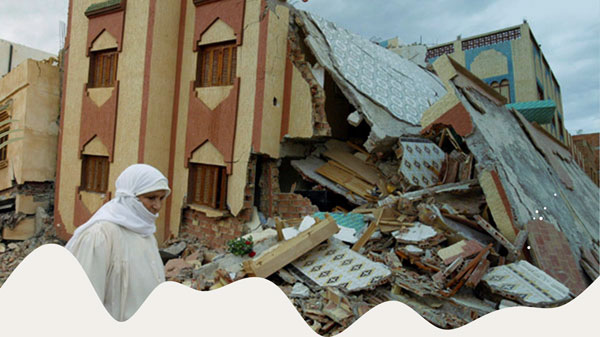
Brief History about Agadir

Promenade & Marina Life

Today, Agadir thrives as a coastal resort city, offering a stunning blend of leisure and luxury. The city’s seafront promenade is one of the longest and most inviting in Morocco, stretching along a wide crescent bay lined with golden sand. As you stroll along this scenic walkway, you’ll find cafes with ocean views, souvenir stalls, and benches to relax and people-watch. The nearby Marina d’Agadir is a highlight for visitors—home to upscale restaurants, boutiques, and luxury yachts. Whether you’re sipping mint tea at a waterfront café or dining on fresh Atlantic seafood under the stars, the marina captures the easygoing elegance that defines Agadir.

Local Culture and Souks

While Agadir feels modern in structure, its cultural heartbeat remains authentically Moroccan. A visit to Souk El Had, the city’s bustling central market, reveals this beautifully. With over 3,000 stalls, the souk is alive with the scent of spices, the colors of handmade rugs, and the rhythm of daily life. Locals shop for fresh produce, while artisans sell leather goods, pottery, and silver jewelry. This is where you can see the everyday side of Agadir—friendly, proud, and deeply connected to its traditions. Nearby, the Amazigh Heritage Museum adds depth to the experience, showcasing the rich legacy of the indigenous Berber population through jewelry, tools, and textiles.

Agadir Oufella: The Hill That Watches the Sea

Historical Significance of the Kasbah

Perched on a hill high above the city, Agadir Oufella is more than just a viewpoint, it’s a window into Agadir’s past. The name “Oufella” means “upper” or “on the top” in the Amazigh language, and it refers to the 16th-century kasbah (fortified citadel) that once guarded the city from pirates and foreign invaders. Built in 1572 by Sultan Mohammed Ech-Cheikh of the Saadian dynasty, the fortress was a key military and trading post thanks to its commanding view over the Atlantic and the port below.

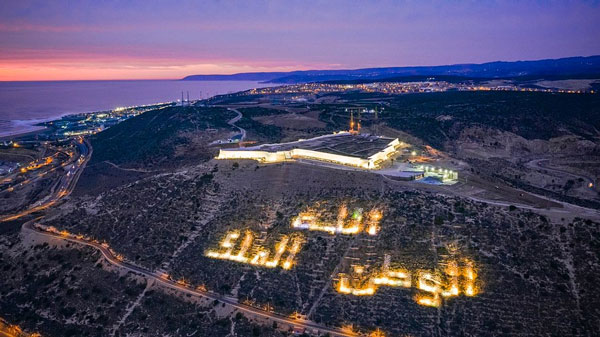
Though much of the structure was destroyed in the 1960 earthquake, the outer walls and entrance remain, standing as silent witnesses to history. At the entrance, you’ll find the iconic Arabic inscription: “الله، الوطن، الملك”God, Homeland, King – a national motto etched into the identity of the Moroccan people.
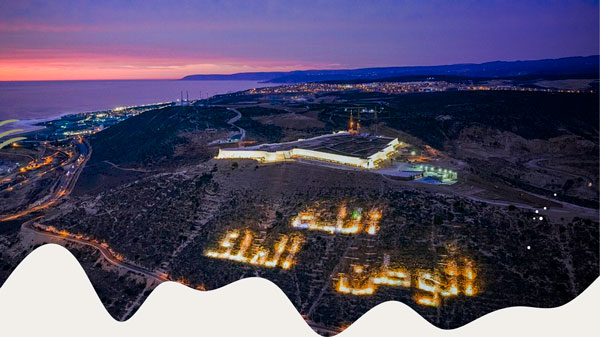
Breathtaking Panoramic Views

One of the biggest draws of Agadir Oufella is its spectacular panoramic views. As you ascend to the top, whether by car, on foot, or via the newly installed cable car, the scenery transforms. From the summit, you’re rewarded with sweeping views of the entire city, the crescent-shaped beach, the bustling port, and the endless Atlantic horizon. It’s especially magical at sunset, when the sky is painted in hues of gold and orange, casting a warm glow over the coastline. It’s no wonder this spot is one of the most photographed locations in Agadir.

Accessibility & New Developments

In recent years, Agadir Oufella has undergone thoughtful restoration and modernization. The city has invested in enhancing access to the site while preserving its historical charm. A modern cable car system now offers a unique and comfortable ride from the city up to the kasbah, making the experience accessible even to those who might not be up for a steep climb. The site has also been fitted with atmospheric lighting at night, turning the hill into a glowing beacon visible from miles away. Interpretive panels, guided tours, and digital kiosks are being developed to enrich visitors’ understanding of the site’s importance.

Ready to Chase the Sun? Discover Agadir Today!

From golden beaches and historic kasbahs to vibrant souks and laid-back surf towns, Agadir is Morocco’s coastal jewel waiting to be explored. Whether you’re dreaming of sun-filled days, cultural adventures, or tranquil ocean sunsets, Agadir has it all.

Book your journey now and let the Moroccan Riviera sweep you off your feet.

Taghazout Beach: The Surfer’s Paradise

Charm of Taghazout Village

Just a 25-minute drive north of Agadir lies Taghazout, a once-sleepy fishing village that has become one of Morocco’s most beloved coastal getaways. Despite its growing popularity, Taghazout has managed to retain its rustic charm and laid-back spirit. Brightly painted boats still line the shore, fishermen mend their nets beside the waves, and narrow streets wind between whitewashed houses with ocean-facing balconies. But now, you’ll also find surfboards propped against cafés, yoga mats unrolled on rooftops, and travelers from all over the world sipping smoothies in beachside lounges. It’s the perfect blend of tradition and trend.
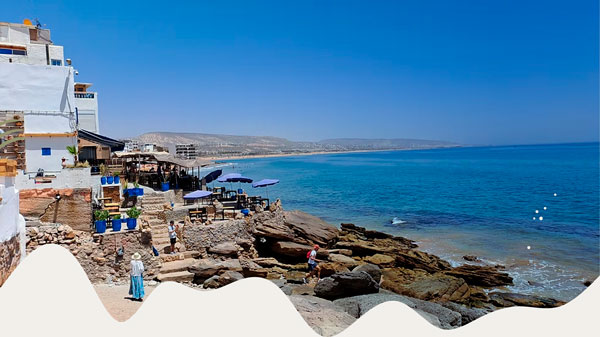
Water Sports and Beach Culture

Taghazout’s reputation as a surfing mecca is well-earned. With consistent Atlantic swells and a variety of surf breaks, the area caters to everyone, from total beginners to experienced pros. Iconic spots like Anchor Point, Panoramasy Killer Point have put Taghazout on the global surfing map, especially in winter when waves are at their peak. Local surf schools and camps offer lessons, gear rentals, and week-long retreats that combine surfing, yoga, and wellness.

Beyond surfing, Taghazout offers a relaxed beach culture where life flows with the tide. Travelers can kayak along the coast, paddleboard at sunrise, or simply lounge on the soft sand and watch the sun melt into the ocean. Beach bonfires, open-air movie nights, and impromptu drum circles give the town a youthful, communal energy that feels both inspiring and inclusive.

Laid-back Luxury

While the village vibe is casual, Taghazout is no stranger to style. In recent years, it has seen the rise of boutique hotels, chic surf hostels, and eco-resorts that offer luxury with a conscience. Places like Taghazout Bay blend minimalist design with Moroccan accents and provide easy access to both nature and comfort. Rooftop yoga sessions, organic cafes, and spa treatments are part of the daily rhythm here.

Dining in Taghazout is a treat in itself. You can feast on fresh grilled sardines by the shore or indulge in creative Moroccan-fusion cuisine at modern bistros. And as the sun dips low, beach clubs and cliffside terraces become the perfect place to unwind with a mint tea, a cocktail, or simply the soothing soundtrack of the waves.

The Stunning Sun: Why Agadir is a Year-Round Destination

Sunshine Statistics & Climate

If there’s one thing Agadir and its surrounding coast are famous for, it’s the guaranteed sunshine. This region boasts more than 300 days of sun per year, making it one of the sunniest spots not only in Morocco but across all of North Africa. Thanks to the Atlantic breeze, Agadir enjoys a mild coastal climate that avoids the extremes found in inland cities like Marrakech or Fes. Even in the peak of summer, temperatures remain pleasant, while winters are warm enough for beach days—a rarity that makes Agadir a true four-season destination.
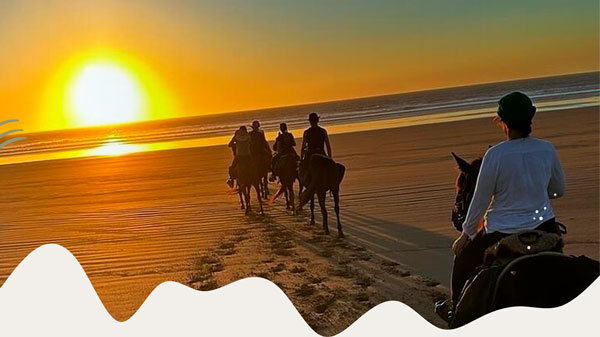
Best Times to Visit

Although Agadir is great year-round, the ideal times to visit depend on what you’re seeking. For sunbathing and relaxed beach holidays, April to June y September to November offer warm temperatures without the crowds. If you’re a surfer, winter (November to February) brings the best waves along the coast, especially at Taghazout and nearby breaks.

The summer months (July and August) are the busiest, with Moroccan families and international travelers flocking to the coast. During this time, the city is alive with festivals, nightlife, and bustling markets. But thanks to Agadir’s clean, spacious layout and many kilometers of beachfront, it never feels overwhelming.

Health & Wellness Under the Sun

The combination of sun, sea air, and natural beauty makes Agadir a magnet for wellness travelers. Whether it’s a beachfront yoga retreat in Taghazout, a traditional Moroccan hammam experience, or a thalassotherapy session in a coastal spa, the region offers countless ways to relax, heal, and rejuvenate. The high levels of sunshine also provide a natural source of vitamin D, which contributes to improved mood, stronger immunity, and overall vitality—especially welcome for travelers coming from colder or cloudier parts of the world.

Agadir has also embraced the global wellness movement, with a growing number of eco-lodges, detox retreats, and vegan-friendly cafes appearing along the coast. Whether you’re looking to disconnect, reconnect, or simply unwind, the sun-soaked Moroccan Atlantic coast offers the perfect natural remedy.

Practical Tips for Travelers

Getting There and Around

Agadir Al Massira Airport (AGA) is the main gateway to Morocco’s Atlantic coast, welcoming both domestic and international flights from Europe, North Africa, and the Middle East. From the airport, it’s a smooth 25–30 minute drive to central Agadir. You can take a taxi, rent a car, or arrange a transfer through your hotel.

Once in Agadir, getting around is easy. The city is pedestrian-friendly, especially along the beach promenade. Taxis are affordable, and public buses connect Agadir to Taghazout and other nearby towns. For more flexibility and scenic road trips, renting a car is highly recommended, especially if you want to explore the coast at your own pace.

Where to Stay

Agadir and Taghazout offer a wide range of accommodations to suit all styles and budgets:

  • Agadir: Choose from large beachfront resorts with pools and spas, modern mid-range hotels near the marina, or budget-friendly guesthouses tucked into local neighborhoods.

  • Taghazout: Ideal for those seeking a more relaxed, bohemian vibe. You’ll find surf hostels, boutique eco-hotels, wellness retreats, and beach bungalows offering rustic charm with stunning ocean views.

If you’re combining both cities, consider spending a few nights in Agadir for comfort and culture, then heading to Taghazout for a slower, surf-and-sunset lifestyle.

What to Pack

Thanks to the region’s mild, sunny climate, packing for Agadir and Taghazout is relatively straightforward:

  • Essentials: Light clothing, swimwear, sunglasses, a hat, and sunscreen (the sun can be strong, even in winter).

  • Layers: A light jacket or sweater for cooler evenings, especially between November and March.

  • Footwear: Sandals for the beach and comfortable shoes for exploring or hiking.

  • Activity-specific items: If you plan to surf, you can rent gear locally, but you may want to bring your own rash guard. Yoga lovers should pack their mat, although many retreats provide them.

Also, don’t forget a camera—you’ll want to capture the sunsets, panoramic views from Agadir Oufella, and the endless golden coastline.

Embrace the Golden Coast of Morocco

From the sunlit beaches of Agadir to the scenic heights of Agadir Oufella, and the laid-back surf culture of Taghazout, Morocco’s Atlantic coast delivers a coastal escape unlike any other. Whether you’re chasing waves, soaking up winter sunshine, exploring ancient ruins, or simply unwinding with fresh seafood by the sea, this region offers an unforgettable balance of nature, culture, and tranquility.

Agadir’s modern comforts and sunny skies make it an ideal base for first-time visitors, while nearby Taghazout offers the charm of a bohemian surf village still in touch with its roots. Add to that the breathtaking views from the historic kasbah and the healing energy of constant sunshine, and you’ve found a destination that speaks to beach lovers, history buffs, wellness travelers, and adventurers alike.

So pack your sunscreen and let the Moroccan sun lead you to a coastline where golden days turn into unforgettable memories.
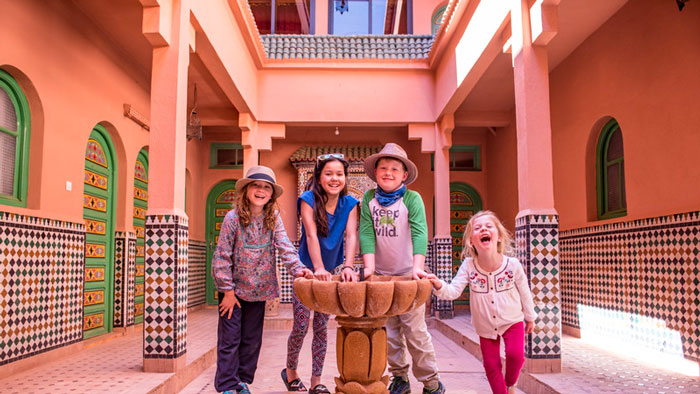
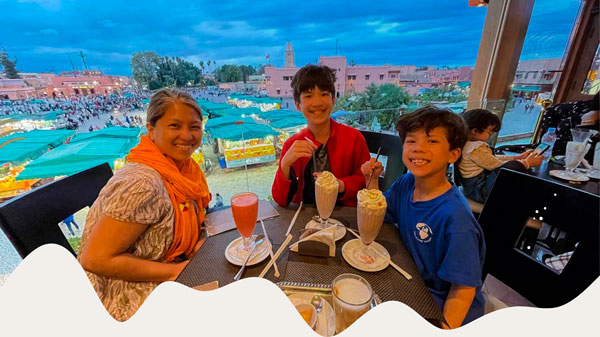
Budget-Friendly Morocco Travel Guide for Families

Budget-Friendly Morocco Travel Guide for Families

Budget-Friendly Morocco Travel Guide for Families

Morocco, a land of mesmerizing colors, vibrant souks, and enchanting landscapes, offers an unforgettable experience for families seeking both adventure and cultural discovery. From the bustling medinas of Marrakech to the peaceful sands of the Sahara, this North African gem is brimming with sights and sounds that captivate travelers of all ages. Whether you’re planning a week-long escape or an extended holiday, Morocco welcomes families with warm hospitality, a variety of kid-friendly activities, and, most importantly, excellent affordability.

Exploring Morocco on a budget doesn’t mean compromising on comfort or excitement. In fact, it’s one of the best destinations for families wanting to stretch their travel funds without sacrificing experiences. In this Budget-Friendly Morocco Travel guide, we’ll explore why Morocco is a top choice for traveling families, when to go for the best value, and how to make the most of your journey with kids.

Why Choose Morocco for a Family Holiday?

Diverse Landscapes

Morocco is a geographic wonderland. Families can hike the scenic Atlas Mountains, build sandcastles along the Atlantic coast, or experience camel rides through the golden dunes of the Sahara Desert, all within a single trip. These diverse landscapes offer countless opportunities for outdoor adventure and educational exploration, especially appealing to curious young minds.

Cultural Richness and Friendly Locals

Morocco’s rich cultural tapestry is woven from Arab, Berber, and European influences. Family travel in Morocco is particularly rewarding thanks to the country’s strong emphasis on hospitality. Locals are famously welcoming toward children, and it’s common for families to be greeted warmly in markets, restaurants, and hotels. Your kids won’t just observe Moroccan culture, they’ll be embraced by it.

Kid-Friendly Attractions

Morocco offers an array of attractions that cater to children and teens. From interactive visits to ancient kasbahs and palaces to hands-on workshops in pottery and traditional crafts, there’s no shortage of engaging activities. Cities like Marrakech and Fez feature fun family-friendly spots such as Majorelle Garden, camel treks, and even cooking classes designed for young chefs.

Excellent Value for Money

Compared to many European destinations, Morocco offers remarkable value. Accommodations, meals, and transportation are budget-friendly, especially when traveling as a family. Riads and guesthouses often have family suites, and traditional Moroccan meals are both affordable and large enough to share. Whether you’re staying in a coastal town or a mountain village, your money goes further, making Morocco a smart choice for a family adventure that won’t break the bank.

Best Time to Visit Morocco on a Budget

Spring (March–May) and Fall (September–November): The Ideal Seasons
To experience Budget-Friendly Morocco Travel with optimal weather and lower prices, plan your trip during the shoulder seasons. Spring and fall strike the perfect balance between comfortable temperatures and fewer tourists, which means better deals on flights and accommodations. Springtime also brings blooming wildflowers and lush landscapes, making it a visually delightful season for exploring Morocco with kids.

Avoiding Peak Travel Costs
High summer (June–August) is Morocco’s peak tourist season, particularly in popular cities and beach destinations. Prices tend to soar during this time, and the intense heat—especially inland—can be challenging for families with younger children. Similarly, traveling during major Moroccan holidays such as Eid can increase costs and limit service availability.

Weather Considerations for Families
Traveling with children means keeping weather in mind. Morocco’s climate varies greatly by region, but in general, spring and autumn offer mild, pleasant weather ideal for sightseeing and outdoor activities. The cooler temperatures in the Atlas Mountains during these seasons also provide a great escape if you plan to include hiking or nature excursions in your itinerary. Coastal areas like Essaouira and Agadir remain temperate year-round, offering family-friendly beach days without the sweltering heat.

Family-Friendly Destinations in Morocco

Morocco offers a colorful mix of cities and landscapes that are perfect for a family getaway. Whether you’re looking to explore ancient medinas, relax on the beach, or take scenic walks through blue-washed streets, these destinations deliver memorable experiences while staying within a family budget. Here are some of the best places to explore during your Family Travel Morocco adventure:

Marrakech: Culture, Color, and Kid-Friendly Sights

Marrakech is one of the most iconic destinations in Morocco and a fantastic starting point for any family holiday. Known for its vibrant souks, beautiful gardens, and historic palaces, Marrakech offers a sensory-rich environment that’s both fun and educational for children. Visit the Jardin Majorelle, a peaceful garden filled with exotic plants and vibrant colors that spark curiosity in young minds. Kids will also love exploring the Bahia Palace with its grand courtyards and intricate tilework, offering a glimpse into royal Moroccan life. For an interactive experience, take your family to the Palais de la Bahia or the Marrakech Museum. Although camel rides are available near Marrakech, we recommend saving that adventure for the desert regions like Merzouga for a more authentic experience. Marrakech is also home to lively street performers in Jemaa el-Fnaa, where kids can see musicians, dancers, and even storytellers sharing Moroccan folktales.

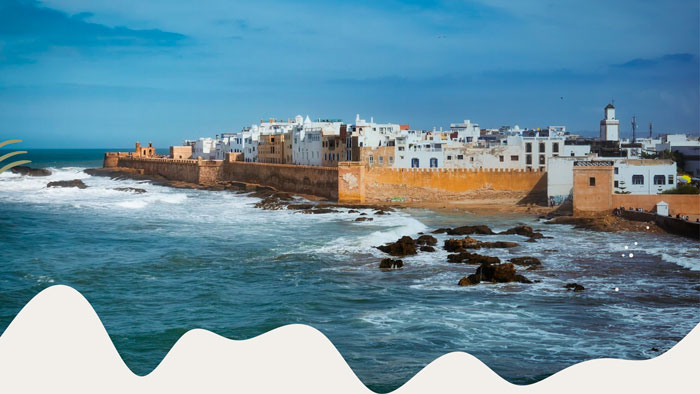
Essaouira: Beach Fun with a Bohemian Twist

For families seeking a more relaxed coastal vibe, Essaouira is the perfect destination. This charming port city on Morocco’s Atlantic coast is famous for its cool sea breeze, laid-back atmosphere, and wide sandy beaches that are ideal for kids to play freely. Unlike busier Moroccan cities, Essaouira’s medina is calm and easy to navigate, making it safe for families to explore on foot. You can enjoy a peaceful walk along the Skala de la Ville, a historic sea bastion offering panoramic views of the ocean and city. The beach is clean and rarely overcrowded, great for sandcastle building, splashing in the waves, and even camel or horseback rides along the shore. Don’t miss the chance to visit the lively harbor, where kids can watch fishermen at work and see colorful boats up close. Affordable seafood eateries and friendly locals make Essaouira a must-visit for budget-conscious families.

Fez: Step Back in Time and Explore Morocco’s Cultural Heart

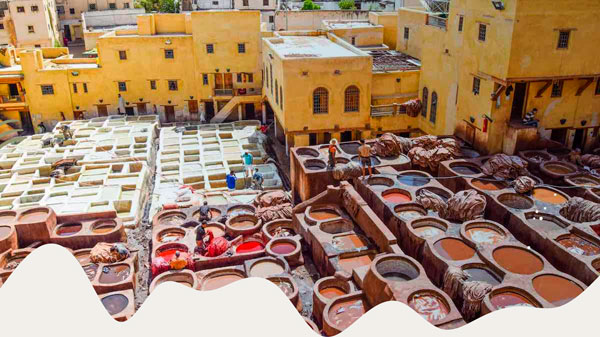
Fez, often referred to as Morocco’s cultural capital, is a city where history comes alive. Families traveling to Fez will find themselves immersed in a medieval world of winding alleyways, ancient schools, and traditional craftsmanship. Exploring the Fes el-Bali medina, a UNESCO World Heritage site, is like walking through a living museum. Older children will enjoy watching artisans hand-dye leather at the famous Chouara Tannery or mold clay into beautiful ceramics in the pottery district. Many local workshops offer family-friendly demonstrations where kids can learn about Moroccan crafts. The city is also home to the Al Quaraouiyine University, one of the world’s oldest universities, which can be a fascinating educational stop. While Fez is more culturally intense than other cities, it provides an incredible learning opportunity for kids and is a budget-friendly destination with plenty of affordable accommodations and authentic eateries.

Agadir: Sun, Sand, and Waterpark Adventures

If your family prefers modern comforts and a resort-like vibe, Agadir is the top choice. Located along the southern Atlantic coast, Agadir is known for its spacious beaches, clean streets, and family-oriented infrastructure. Families can enjoy a relaxing stay at budget resorts with pools and kid-focused amenities, all while staying close to the city’s attractions. The Agadir Crocoparc is a huge hit with children, featuring hundreds of crocodiles in a tropical garden setting, along with reptiles and a kid-friendly play area. For water-loving families, Atlantica Parc and Souss Massa Water Park offer water slides, splash zones, and pools perfect for all ages. With its pleasant year-round climate, Agadir is ideal for beach days and outdoor fun. It also has well-connected transport options, making it easy to include in a multi-city family itinerary across Morocco.

Chefchaouen: Morocco’s Magical Blue Town

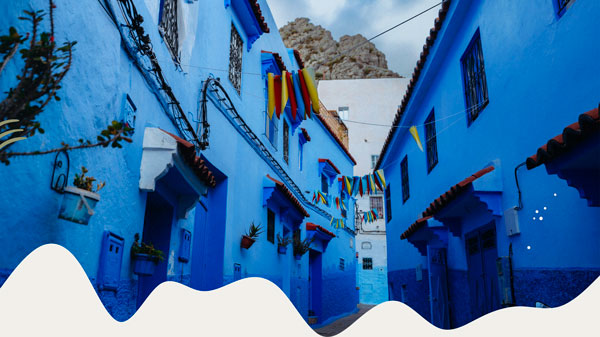
Nestled in the Rif Mountains, Chefchaouen is a dream destination for families seeking a slower pace and stunning visuals. Known for its picturesque blue-painted streets, Chefchaouen feels like stepping into a fairy tale. This small town is incredibly walkable, safe, and full of photogenic corners that kids will love exploring. Parents appreciate the relaxed pace and clean mountain air, while kids enjoy wandering alleyways and spotting cats, colorful doors, and local street art. For active families, nearby trails offer gentle hikes with panoramic views over the town and surrounding hills. Chefchaouen is also a great place to introduce children to Moroccan food in a peaceful setting—many cafes cater to tourists and serve kid-friendly versions of traditional meals like tagines and brochettes. Its charm and tranquility make Chefchaouen a favorite among traveling families looking for a more authentic, off-the-beaten-path experience.

Merzouga: Camel Treks and Desert Magic in the Sahara

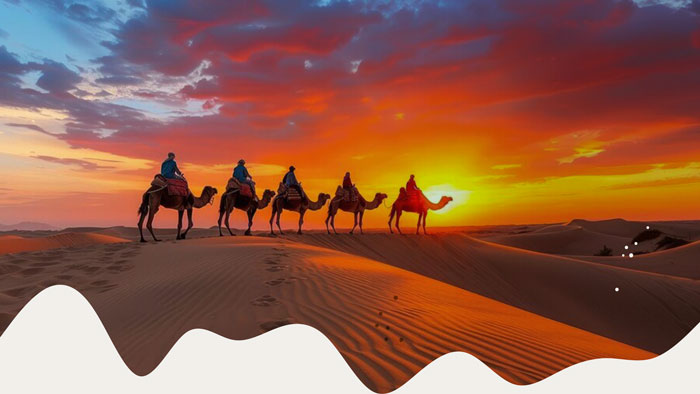
No family trip to Morocco is complete without a journey to the Desierto de Merzouga, where the golden dunes of Erg Chebbi stretch endlessly across the horizon. Merzouga offers the ultimate family adventure, riding camels into the sunset, sandboarding down dunes, and sleeping under the stars in a traditional Berber tent. Children are usually enchanted by the surreal landscape and the excitement of camping in the desert. Many tour providers cater specifically to families, offering private tents, child-sized camels, and kid-safe sand activities. Families can also visit a nearby Gnawa music village, where traditional music and dance performances are both educational and entertaining. Despite its remote location, Merzouga is accessible by bus or private car, and the experience it offers is well worth the effort. It’s truly one of the highlights of family travel in Morocco, and it’s surprisingly budget-friendly when booked as part of a group or directly with local guides.

Ready to Camp Under the Moroccan Stars? Let’s Make It Happen!

Sleep under Sahara stars, wake up in the Atlas, and unwind by the Atlantic.
Join us for a guided Moroccan camping adventure, wild, authentic, and unforgettable.
Book your trip today and explore Morocco like never before!

Budget Accommodation Options for Families

Finding comfortable, family-friendly accommodation without stretching your budget is a key part of planning a successful trip to Morocco. Luckily, Morocco offers a wide range of lodging options that combine affordability with authentic experiences, making it easier than ever to enjoy your Family Travel Morocco adventure without overspending.

Affordable Riads with Family Rooms

Riads—traditional Moroccan homes built around a central courtyard- are among the most charming places to stay. Many riads offer spacious family rooms or interconnected suites, allowing your family to stay together in comfort while enjoying the authentic Moroccan atmosphere. These riads often include breakfast and provide helpful local tips, making them great value. Booking a riad in cities like Marrakech, Fez, or Chefchaouen can immerse your family in local culture without breaking the bank.

Hostels with Private Family Suites

For families who want to save even more, Morocco’s growing number of hostels is worth considering. Many hostels now feature private family suites with ensuite bathrooms, offering privacy alongside budget-friendly prices. These accommodations often have communal spaces where kids can meet other young travelers, and parents can enjoy a relaxed social atmosphere. Hostels in coastal towns like Essaouira and cities such as Marrakech provide a great balance of economy and comfort.

Airbnb and Vacation Rentals

Airbnb and other vacation rental platforms have become popular for families seeking extra space, kitchen facilities, and a home-like environment. Renting an apartment or house can be particularly cost-effective for longer stays or for families who prefer self-catering options. Vacation rentals in cities and coastal areas often come with amenities like washing machines, multiple bedrooms, and easy access to local markets, perfect for families who want flexibility and convenience on a budget.

Tips for Booking in Advance and Off-Season Deals

To get the best prices on family accommodation, plan and book as early as possible, especially if traveling during shoulder seasons (spring and fall). Booking well in advance often unlocks early bird discounts and secures availability in popular riads or family suites. Additionally, consider traveling during off-peak times, such as weekdays or less busy months, to find lower rates and special promotions. Don’t hesitate to reach out directly to hosts or riads for family deals or longer-stay discounts—many are willing to offer reduced rates for guests traveling with children.

Getting Around Morocco on a Budget

Traveling around Morocco with your family can be an exciting part of the adventure—and it doesn’t have to be expensive. With several transportation options that suit different budgets and comfort levels, you can easily navigate between cities and explore regions while keeping costs low.

Trains and Buses (ONCF and CTM) for Long Distances

Morocco’s national train service, ONCF, is a reliable and comfortable way to cover long distances between major cities like Casablanca, Marrakech, Rabat, and Fez. Trains are affordable, safe, and often faster than road travel, making them an excellent option for families. For destinations not served by train, CTM buses offer extensive routes with reasonably priced tickets and good comfort. Booking tickets in advance, especially for popular routes, can secure lower fares and reserved seats for your family.

Shared Taxis (Grand Taxis) and Local Buses

For shorter trips, shared grand taxis are a quintessential Moroccan experience. These are usually older cars that ferry multiple passengers along set routes. While not the most spacious, they are an inexpensive way to get between smaller towns or within cities. Local buses also operate in most cities and towns, offering the cheapest option for short distances. However, these can be crowded and may not be ideal for very young children or during peak hours.

Renting a Car: Pros, Cons, and Cost Breakdown for Families

Renting a car offers flexibility, especially for families wanting to explore rural areas or travel at their own pace. It’s great for trips to the Atlas Mountains, desert excursions, or coastal drives. On the downside, navigating Moroccan traffic can be challenging, and parking may be limited in busy cities. The cost includes rental fees, insurance, fuel, and potential tolls. For families, renting a larger vehicle or SUV to accommodate luggage and comfort might increase costs but can be worthwhile for convenience. Comparing rental prices online and booking early can help find the best deals.

Apps and Tools to Find Cheap Transport

Several apps make getting around Morocco easier and budget-friendly. The ONCF app allows you to check train schedules and book tickets in advance. CTM also offers online bookings for buses. For taxis and rideshares, apps like Careem operate in major cities, providing fixed fares and easier payment methods. Using Google Maps and local transport websites can help you plan routes and estimate travel times. Researching and booking ahead is key to ensuring smooth, affordable family travel.

Affordable and Delicious Moroccan Food for Families

One of Morocco’s greatest delights is its food, a flavorful fusion that appeals to all ages and budgets. Eating well on a budget with kids is easy, thanks to the abundance of affordable, fresh, and tasty options across the country.

What Kids Will Love: Tagines, Couscous, Msemen Pancakes, and Fresh Juice

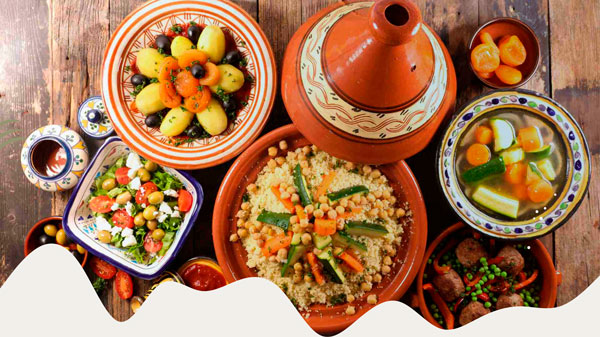
Moroccan cuisine offers many kid-friendly dishes. Tagines, slow-cooked stews with meat and vegetables, are mild, hearty, and often served with fluffy bread, perfect for little hands. Couscous, a staple dish, is lightly seasoned and pairs well with vegetables and tender meat. Msemen pancakes, a flaky, slightly sweet flatbread, make a great snack or breakfast. Freshly squeezed orange juice and other fruit juices are abundant and refreshing, ideal for keeping kids hydrated and energized.

Best Places to Eat Affordably: Local Souks, Food Stalls, Snack Bars

For authentic and budget-friendly meals, head to local souks and street food stalls, where you can sample Moroccan specialties at very low prices. Snack bars and small cafés often serve tagines and sandwiches, offering a quick and affordable option for families on the go. Many riads also provide traditional meals at reasonable prices if you prefer to dine in a cozy setting. Avoiding tourist-heavy restaurants usually means better prices and a more genuine taste of Moroccan cuisine.

Hygiene Tips When Eating Street Food with Children

When eating street food with kids, it’s important to choose stalls that look busy and popular with locals, as high turnover often means fresher food. Opt for cooked dishes like tagines or grilled meats rather than raw salads or uncooked items. Carry hand sanitizer and encourage children to wash their hands before eating. Drinking bottled water is advisable, and avoid ice unless you’re certain it’s made from purified water. Following these simple precautions helps ensure a safe and enjoyable culinary experience for your whole family.

Free and Low-Cost Activities with Kids

Traveling to Morocco with children doesn’t have to be expensive to be memorable. Many of the country’s best experiences are either free or very affordable, making it easy to create a fun, enriching itinerary while sticking to your budget. Here are some of the top budget-friendly activities that families can enjoy together:

Visiting Gardens and Public Squares

Majorelle Garden in Marrakech is a beautifully maintained botanical garden filled with vibrant plants, fountains, and shaded paths—perfect for a leisurely family stroll. While there is a small entrance fee, it’s a great value considering the peaceful oasis it provides amid the city bustle. Nearby Jemaa el-Fnaa, the famous public square, offers a lively atmosphere with street performers, storytellers, and food stalls that captivate kids and adults alike. Spending time in such public spaces is an excellent way to soak up Moroccan culture without spending much.

Exploring Medinas and Souks

Wandering through Morocco’s medinas and souks is like stepping into a living museum. Many areas are family-friendly and safe, especially when you stick to well-traveled streets in cities like Fez, Marrakech, and Chefchaouen. Children enjoy the colorful displays of spices, textiles, pottery, and lanterns, and the sensory overload keeps their curiosity alive. Walking through these markets costs nothing, and you can set your own pace while discovering hidden corners and small artisan shops.

Beach Days and Nature Walks

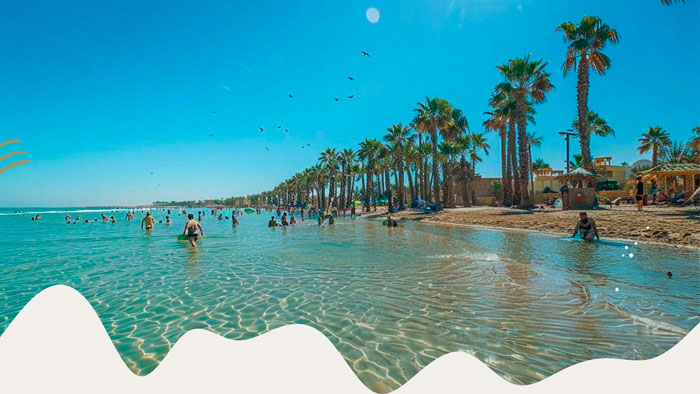
Morocco’s coastline boasts family-friendly beaches such as those in Essaouira and Agadir, where kids can build sandcastles, splash in the waves, or simply relax under the sun. Best of all, many beaches are free to access. For nature lovers, the Atlas Mountains offer scenic trails suitable for families, where you can enjoy fresh air and spectacular views without the expense of organized tours. Picnics in these natural settings make for affordable and healthy family outings.

Zoo and Animal Parks

Morocco has some nice zoos and animal parks perfect for kids who love animals. The Marrakech Menara Zoo y Casablanca’s Parc Zoologique offer opportunities to see native and exotic animals, while the Agadir Crocoparc combines reptiles and other wildlife in a fun, safe environment for kids to explore. These places are educational, affordable, and a big hit with younger travelers.

Cultural Experiences: Henna Tattoos, Music, Artisan Workshops

Many medinas have artists and artisans who welcome visitors to experience traditional crafts firsthand. Getting a simple henna tattoo can be a fun, interactive experience for older kids, while music performances in squares or riads introduce children to Morocco’s rich artistic heritage. Some workshops, especially in less touristy towns, offer low-cost lessons in pottery, weaving, or calligraphy, which can be a rewarding hands-on cultural activity that also supports local communities.

Travel Tips for Saving Money as a Family

Traveling in Morocco with kids on a budget is easier when you adopt a few savvy habits that help stretch your money further without compromising comfort or fun. Here are practical tips to save while enjoying your family holiday:

Bargaining in Markets

Haggling is part of the shopping culture in Morocco’s souks and markets. Teach your children about polite bargaining—it can be a fun way to engage with locals and get better prices on souvenirs, snacks, or everyday items. Start by offering about half the asking price and negotiate respectfully until you reach a fair deal.

Carrying Reusable Water Bottles and Snacks

Staying hydrated and fueled during long days of sightseeing is crucial, especially for kids. Bringing refillable water bottles helps reduce plastic waste and saves money on buying bottled water repeatedly. Packing snacks like nuts, fruit, or biscuits from local markets means fewer expensive restaurant stops and keeps kids happy between meals.

Booking Tours in Groups or Directly with Locals

Group tours are often more affordable than private ones, and booking directly through local guides or riads can avoid middleman fees. Look for family-friendly tours or experiences that offer discounts for children. This not only saves money but also supports local communities directly.

Using Local SIM Cards for Navigation and Communication

Purchasing a local SIM card upon arrival is a cost-effective way to stay connected for maps, translations, and calls. This avoids expensive roaming charges and helps you access apps for transportation, food delivery, or last-minute itinerary changes, especially useful for busy families on the go.

Safety and Health Tips for Families

Ensuring the health and safety of your children while traveling in Morocco is essential to a worry-free holiday. With a bit of preparation and awareness, you can keep your family comfortable and safe throughout your journey.

Keeping Children Safe in Crowded Areas

Markets, festivals, and public squares like Jemaa el-Fnaa can be bustling. Keep kids close, hold hands, or use child safety harnesses if needed. Establish a meeting point in case anyone gets separated, and teach children what to do if they can’t find you.

Kid-Friendly Medication and Travel Insurance

Pack a travel first aid kit with common children’s medicines for headaches, fever, allergies, or upset stomachs. It’s wise to have travel insurance that covers medical care abroad, including emergency evacuation. Research hospitals and clinics near your accommodation ahead of time.

Sunscreen, Hydration, and Heat Safety

Morocco’s sun can be intense, especially in summer. Use broad-spectrum sunscreen suitable for children, apply it regularly, and dress kids in lightweight, breathable clothing and hats. Encourage frequent water breaks to prevent dehydration, especially when exploring outdoor sites.

Emergency Numbers and Hospital Access

Familiarize yourself with Morocco’s emergency numbers, 112 is the general emergency number. Know the location and contact details of the nearest hospital or clinic to where you are staying. Many tourist areas have medical facilities accustomed to helping travelers and families.

Conclusion

Morocco stands out as an ideal destination for budget-conscious families seeking a vibrant mix of culture, adventure, and relaxation. From exploring colorful medinas and scenic landscapes to enjoying affordable, family-friendly activities, Morocco offers exceptional value compared to many other travel spots. Its warm hospitality and diverse experiences make it a smart and memorable choice for families traveling with kids.

With careful planning and the right tips, you can confidently craft a trip that balances exciting adventures with plenty of downtime, all while keeping expenses manageable. Whether wandering ancient souks, riding camels in the desert, or simply relaxing by the beach, Morocco welcomes families with open arms and unforgettable moments.

Best Camping Places in Morocco | A Complete Guide to Nature Escapes

Best Camping Places in Morocco | A Complete Guide to Nature Escapes

Best Camping Places in Morocco | A Complete Guide to Nature Escapes

Morocco, a land of mesmerizing contrasts, is a paradise for nature lovers and adventure seekers. From the soaring peaks of the Atlas Mountains to the vast golden dunes of the Sahara Desert, from pristine Atlantic coastlines to cedar-scented forests in the Middle Atlas, Morocco’s diverse geography offers a stunning backdrop for outdoor exploration. With such natural variety, it’s no surprise that camping has become one of the most immersive and authentic ways to experience the country’s wild beauty.

In recent years, Morocco has witnessed a steady rise in eco-tourism. Travelers from around the world are seeking more meaningful connections with nature, and camping is leading this movement. Whether you prefer pitching a tent under the stars, enjoying the comfort of a luxury desert camp, or sleeping to the sound of crashing waves by the ocean, Morocco caters to every kind of camper.

Camping in Morocco is more than just a night outdoors, it’s a journey into culture, history, and nature. Expect breathtaking vistas, vibrant Berber hospitality, and unforgettable moments under a blanket of stars. This complete guide to nature escapes will walk you through why camping in Morocco is a must, what to know before you go, and the best places to experience it all.

Why Go Camping in Morocco?

Camping in Morocco offers an unrivaled way to dive deep into the country’s rich natural and cultural tapestry. Whether you’re venturing into the desert with nomadic guides, hiking through alpine valleys, or relaxing along the coast, each experience is unique and deeply rewarding.

Morocco’s diverse ecosystems allow for camping year-round. In spring and autumn, the Atlas Mountains bloom with wildflowers and the temperatures are ideal for trekking and pitching tents at altitude. Winter is perfect for coastal and desert escapes, where mild days and cool nights make for comfortable stays. And in summer, the cooler high-altitude areas like Ifrane and the High Atlas offer refreshing retreats from the heat.

Camping is also an affordable and flexible alternative to traditional accommodation. It gives travelers the freedom to discover off-the-beaten-path destinations and to connect with locals in more remote areas. From family-friendly campgrounds to wild camping in remote valleys, Morocco’s camping scene is as varied as the landscape itself.

Moreover, cultural richness enhances every camping trip. Sleep in a Berber tent, share mint tea with Amazigh hosts, or listen to traditional music by the fire. Camping in Morocco is not just about being close to nature, it’s about being close to its people and their stories.

Essential Tips Before You Camp in Morocco

Best Seasons and Weather Considerations

Morocco’s climate varies widely across regions, making it crucial to plan your camping trip based on the season and geography:

  • Spring (March to May): Ideal for mountain and forest camping. Wildflowers are in bloom, and temperatures are pleasant.

  • Summer (June to August): Best for higher elevations. Desert and southern areas can be scorching during the day but offer clear skies at night.

  • Autumn (September to November): Excellent for desert adventures and coastal camping. Landscapes are vibrant, and temperatures are moderate.

  • Winter (December to February): Head to the coast or low desert areas. Snowfall in the mountains creates opportunities for snow camping but requires proper gear.

Legal Guidelines and Wild Camping Restrictions

While camping is generally welcomed in Morocco, especially in rural and remote areas, it’s essential to understand the rules:

  • Wild camping is tolerated but not officially regulated. It’s safest to ask for permission if near private property or villages.

  • In national parks and protected areas, wild camping may be restricted or require special permits.

  • For added safety and support, consider camping near designated campgrounds or with local tour operators.

Always follow Leave No Trace principles and respect local customs and privacy.

What to Pack: Essentials by Region

  • Desert: Breathable clothing for hot days, warm layers for cold nights, a sleeping bag rated for low temperatures, plenty of water, sun protection, and sand-proof gear.

  • Mountains: Layered clothing, waterproof tent and gear, sturdy hiking boots, map or GPS, and snacks high in energy.

  • Coastline: Wind-resistant tent, light and waterproof layers, beachwear, mosquito repellent, and a compact stove for seaside cooking.

Safety and Cultural Etiquette

  • Stay hydrated and protect yourself from sun exposure.

  • Inform someone of your plans if venturing into remote areas.

  • Dress modestly, especially in rural regions. Women campers may find long sleeves and scarves helpful.

  • Respect local customs, avoid camping too close to villages without consent, and always greet locals warmly.

By planning ahead and camping responsibly, you’ll ensure a safe and enriching Moroccan adventure.

Best Camping Spots in Morocco (by Region)

Morocco’s geographical richness provides countless opportunities for nature escapes. Whether you’re seeking silent dunes, snowy peaks, coastal breezes, or forested valleys, there’s a perfect camping spot waiting for you. Here’s a regional guide to the best places to pitch your tent or indulge in luxurious glamping across Morocco.

Ready to Camp Under the Moroccan Stars? Let’s Make It Happen!

Sleep under Sahara stars, wake up in the Atlas, and unwind by the Atlantic.
Join us for a guided Moroccan camping adventure, wild, authentic, and unforgettable.
Book your trip today and explore Morocco like never before!

Desert Camping

Sahara Desert (Merzouga & Erg Chebbi)

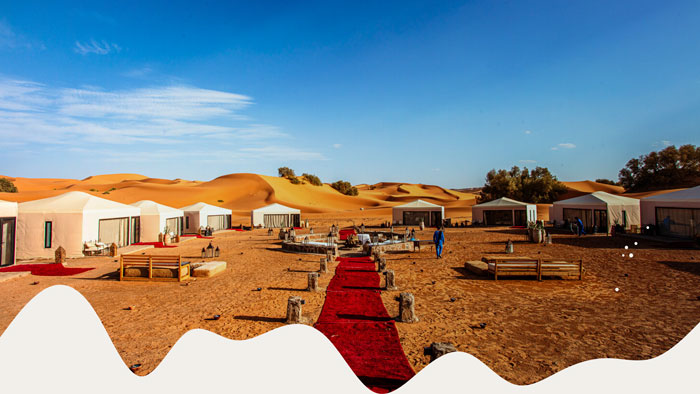
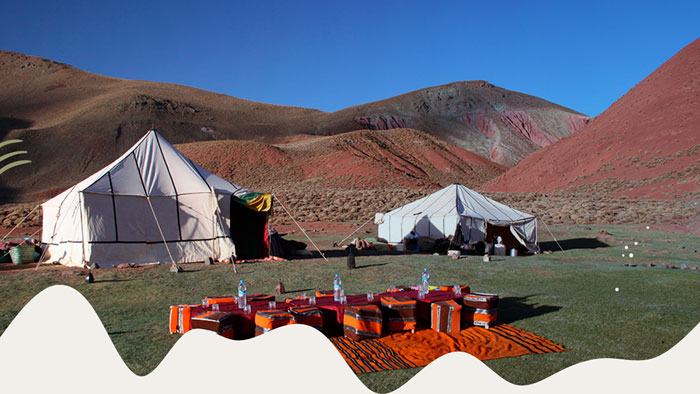
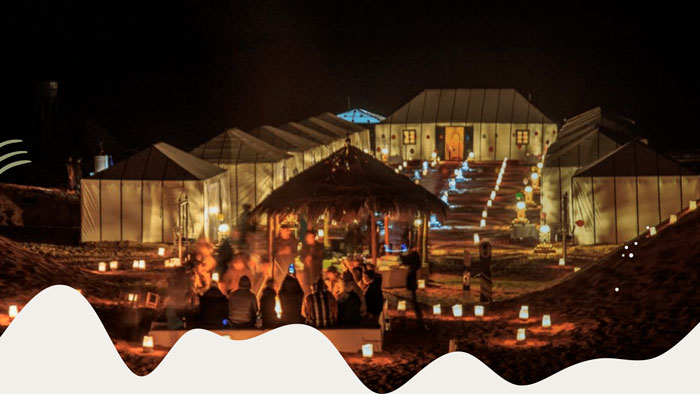
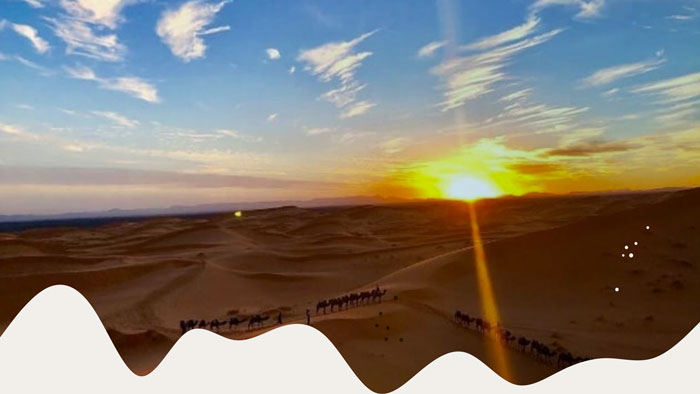
Camping in the Sahara Desert is an iconic Moroccan experience. Merzouga, the gateway to the towering dunes of Erg Chebbi, offers unforgettable camel treks into a golden sea of sand. Visitors can stay in traditional Berber tents or opt for upscale desert camps complete with comfortable bedding, private bathrooms, and candlelit dinners under the stars. Sandboarding, 4×4 excursions, and sunset photography make this destination ideal for adventurous souls and romantic getaways alike.

Zagora & Erg Chigaga

For a quieter, more authentic desert experience, head to Erg Chigaga near Zagora. Less developed and harder to reach than Merzouga, this region rewards travelers with vast, untouched dunes and a true sense of remoteness. The journey to Erg Chigaga often involves a thrilling 4×4 drive across rocky plains and dry riverbeds. Campers can enjoy deep silence, stargazing far from artificial light, and insight into nomadic lifestyles.

Agafay Desert (near Marrakech)

Only a 45-minute drive from Marrakech, the Agafay Desert is a rocky, lunar-like landscape that provides a quick escape from city life. While not a sandy desert like the Sahara, Agafay has its own stark beauty and is home to several eco-luxury glamping sites. These desert lodges blend traditional Berber design with modern comfort, think lantern-lit lounges, Moroccan cuisine, and panoramic views. It’s ideal for short stays or those looking to combine city visits with nature.

Mountain Camping

Atlas Mountains (Imlil & Toubkal National Park)

The High Atlas Mountains offer some of Morocco’s most scenic and challenging camping experiences. Imlil, a picturesque mountain village, serves as the starting point for hikes into Toubkal National Park. Mount Toubkal, the highest peak in North Africa, attracts trekkers from around the world. Camping in this region rewards you with sweeping valley views, encounters with Berber villagers, and alpine air that’s crisp and rejuvenating. Spring and autumn are the best seasons to explore this region.

Middle Atlas (Azrou & Cedars Forest)

Nestled between Fez and the High Atlas, the Middle Atlas is known for its expansive cedar forests and rich biodiversity. Camping near Azrou or within the Ifrane region allows travelers to immerse themselves in cool, green landscapes dotted with ancient cedar trees and curious Barbary macaques. It’s a peaceful and family-friendly destination, great for birdwatching, forest hikes, and nights spent wrapped in cool mountain air.

Anti-Atlas Mountains (Tafraoute)

For those looking to camp in solitude amidst dramatic landscapes, the Anti-Atlas around Tafraoute offers striking pink granite formations and peaceful valleys. The region is particularly magical in February and March, during the almond blossom season, when the hillsides are painted with soft white and pink flowers. Remote and relatively untouched, Tafraoute is ideal for wild camping, photography, and meditative solitude under endless skies.

Coastal Camping

Legzira Beach (near Sidi Ifni)

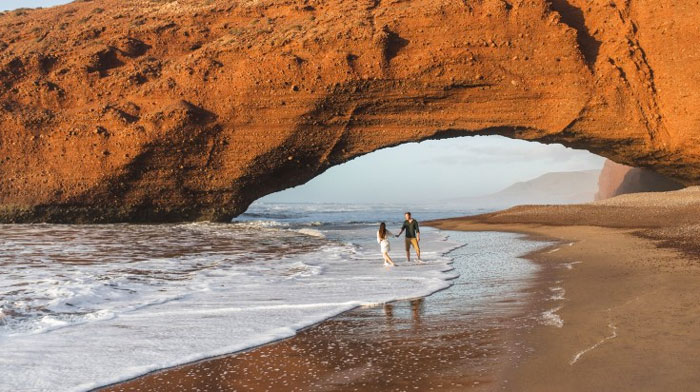
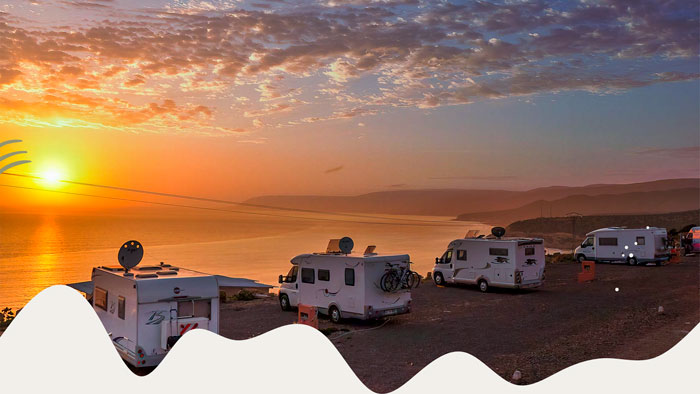
With its iconic natural stone arches and red sandstone cliffs, Legzira Beach is a spectacular setting for coastal camping. Located in southern Morocco near Sidi Ifni, it’s a haven for surfers, photographers, and free-spirited campers. The beach is perfect for bonfires at sunset, long walks along the shore, and nights lulled by the rhythm of the Atlantic. While facilities are basic, the raw beauty makes it worth the rustic stay.

Essaouira Coast

Essaouira’s bohemian charm extends beyond its medina and into its windy coastlines, making it a popular stop for campers traveling in vans or setting up by the beach. Known for its strong winds and laid-back atmosphere, it’s a top destination for kitesurfers and nature lovers alike. Several eco-camps and hostels with tent options are scattered along the coast, offering both comfort and community.

Oualidia Lagoon

Located between El Jadida and Safi, Oualidia is a hidden coastal gem known for its calm lagoon, birdlife, and oyster farms. Perfect for family camping, Oualidia offers a blend of sandy beaches, shallow swimmable waters, and tranquil surroundings. It’s especially popular among birdwatchers, as the lagoon is a resting point for migratory species. Campsites and eco-lodges offer options for both budget and comfort seekers.

National Parks & Forests

Tazekka National Park (Taza)

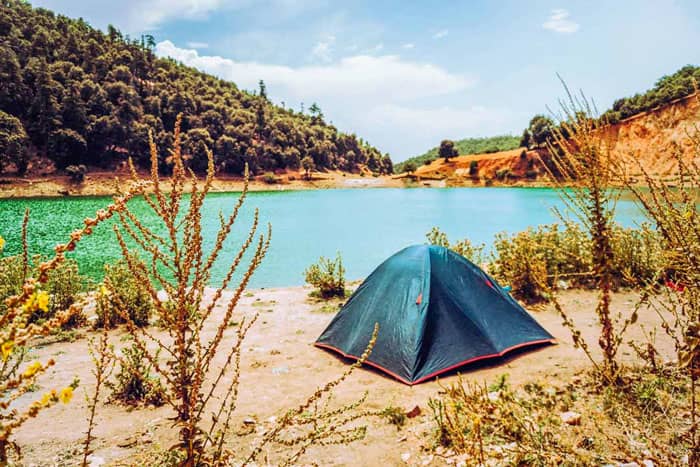
A lesser-known but incredibly rich natural area, Tazekka National Park near Taza boasts limestone caves, waterfalls, deep gorges, and thick cedar forests. Camping here allows travelers to connect with unspoiled nature and enjoy cool air even in the summer months. There are rustic camping spots available, or you can venture into the forest for wild camping, with proper preparation.

Talassemtane National Park (Chefchaouen)

Surrounding the famous blue city of Chefchaouen, Talassemtane National Park is a sanctuary of green valleys, pine forests, and river canyons in the Rif Mountains. The park is ideal for hikers and campers looking for tranquility away from the tourist crowds. Hidden campsites offer incredible mountain vistas, and you’ll often encounter goats, wild herbs, and serene hiking trails.

Ifrane National Park

Often dubbed “Little Switzerland,” Ifrane National Park is one of Morocco’s cleanest and most European-style natural areas. With high-altitude lakes, snow-covered forests in winter, and grassy meadows in spring, this park is a top choice for both summer and winter camping. The town of Ifrane is well-equipped with amenities, making it a great base for beginners or those camping with families.

Glamping in Morocco

For those who want to experience the wild beauty of Morocco without sacrificing comfort, glamping—or glamorous camping—has become an increasingly popular alternative. Combining the charm of traditional Berber hospitality with upscale amenities, Morocco’s glamping scene is thriving, particularly in desert and semi-desert regions.

The rise of eco-lodges and luxury tents across the country reflects a growing demand for sustainable tourism that doesn’t compromise on experience. These accommodations often include private tents outfitted with plush beds, en-suite bathrooms, solar-powered lighting, and gourmet Moroccan cuisine. Many are built with local materials and designed to blend seamlessly with the natural surroundings, making glamping an eco-conscious and stylish way to enjoy Morocco’s landscapes.

Top Glamping Destinations in Morocco

Sahara Desert (Merzouga & Erg Chebbi)

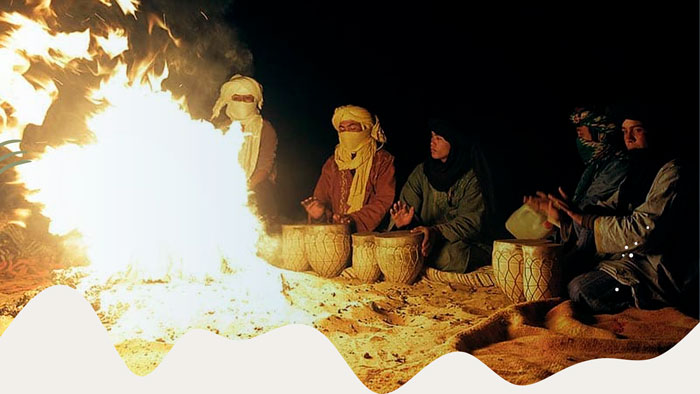
Luxury desert camps in Erg Chebbi are among the most iconic glamping experiences in the world. Nestled between sand dunes, these camps offer deluxe tents with fine linens, handcrafted furniture, and even hot showers in some cases. Guests can enjoy camel treks at sunset, private stargazing experiences, and traditional music performances around a campfire. Some camps cater specifically to couples, offering honeymoon packages and private dining setups under the stars.

Agafay Desert (Near Marrakech)

Closer to the city, the Agafay Desert has emerged as a premier destination for upscale camping. Unlike the Sahara’s rolling dunes, Agafay features a dramatic, rocky terrain that offers a unique desert ambiance. Glamping sites here often come with swimming pools, hammams, and yoga retreats, creating a tranquil oasis just an hour from Marrakech. It’s an ideal option for families or romantic getaways, blending accessibility with serenity.

Whether you’re looking for a romantic retreat, a family-friendly adventure, or a solo escape with a touch of luxury, Morocco’s glamping options provide an unforgettable mix of comfort and wilderness.

Family-Friendly Camping Spots

Camping in Morocco isn’t just for adventurers, it’s also a fantastic way for families to connect with nature, explore local culture, and enjoy outdoor activities together. Several regions across the country are perfectly suited for family-friendly camping, offering safety, amenities, and nearby attractions that both kids and adults will enjoy.

Top Areas for Family Camping in Morocco

Near Marrakech

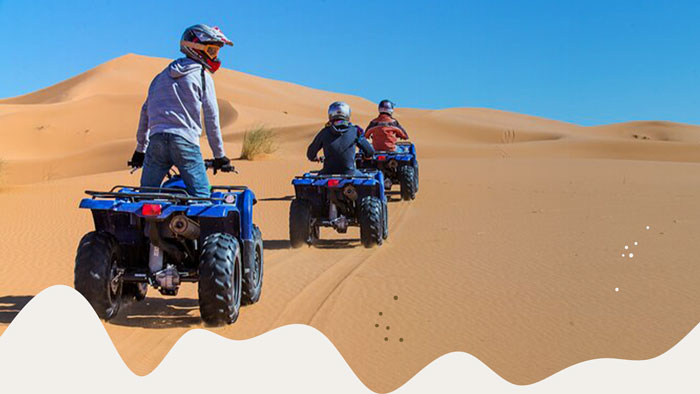
Just outside the hustle and bustle of Marrakech, the Agafay Desert and surrounding countryside host numerous campsites and eco-lodges tailored for families. These sites typically include shaded areas, clean toilets, and tents large enough for groups. Activities such as camel rides, quad biking, and guided nature walks make the experience fun and educational for children. Cultural evenings with Berber storytelling and drumming sessions provide engaging ways for kids to learn about Moroccan traditions.

Ifrane and the Middle Atlas

For families seeking cooler temperatures and forested landscapes, the region around Ifrane is perfect. Known for its clean air and Swiss-like charm, Ifrane offers several organized campsites with full facilities, picnic areas, and easy hiking trails suitable for kids. In nearby Azrou, families can spot Barbary macaques in the cedar forests and explore safe, scenic woodland paths.

Wild Camping in Morocco

For travelers craving solitude and adventure, wild camping in Morocco presents a unique way to connect deeply with the country’s untamed beauty. From stargazing in silent deserts to waking up in remote mountain valleys, wild camping offers freedom and an immersive nature experience. However, before setting up a tent off the beaten path, it’s essential to understand the legal landscape, safety concerns, and cultural etiquette involved.

Is Wild Camping Allowed in Morocco?

Wild camping in Morocco exists in a legal gray area. While there is no national law explicitly forbidding it, local regulations and sensitivities vary widely. In most remote and uninhabited areas, wild camping is tolerated, especially if campers act respectfully and leave no trace. However, it is forbidden in national parks without permission, and camping near towns, villages, or private property can lead to conflicts or intervention from authorities.

In urban or densely populated zones, pitching a tent without approval may be seen as suspicious or intrusive. Always ask for permission if you’re unsure, especially when camping near farms, rural dwellings, or protected sites. In sensitive areas like the Rif Mountains or border zones, wild camping is discouraged due to security risks.

Where Is Wild Camping Generally Accepted?

Certain regions in Morocco are more welcoming to wild campers due to their remoteness and tradition of nomadic living:

  • The Sahara Desert (especially near Erg Chebbi and Erg Chigaga): Beyond the established camps, it’s often possible to set up your own tent with guidance from local guides or nomads.

  • Montañas del Alto Atlas: Areas along hiking trails near Toubkal, Ait Bouguemez Valley, or M’goun offer serene spots where wild camping is common among trekkers.

  • Anti-Atlas and Tafraoute: The rocky valleys and plateaus around Tafraoute are favored by van lifers and solo campers due to their vast, quiet spaces.

  • Desert plateaus around Foum Zguid and Tata: These remote areas provide true wilderness experiences, best approached with a 4×4 vehicle and local knowledge.

When choosing a location, aim for flat, inconspicuous land far from roads and homes, and always avoid ecologically sensitive areas like wetlands, oases, or migratory bird zones.

Guidelines for Responsible Wild Camping

Wild camping in Morocco can be a respectful, low-impact way to enjoy nature, if done responsibly. Here are essential guidelines to follow:

  • Leave No Trace: Pack out all trash, minimize campfire use (or avoid it altogether), and leave natural features undisturbed.

  • Be Culturally Aware: Morocco is a conservative country. Dress modestly, avoid bathing in open water sources near villages, and refrain from loud music or parties.

  • Stay Safe: Wild areas lack cell service or assistance in case of emergency. Travel in pairs or groups, carry enough water, and inform someone of your route.

  • Use Local Guides When Needed: Hiring a local guide not only enhances your safety but also supports the local economy and ensures you’re camping in appropriate areas.

  • Don’t Camp Near Settlements Without Permission: Always ask locals before setting up camp close to their land—this simple act shows respect and often results in warm hospitality or even an invitation for tea.

Wild camping in Morocco is an exhilarating way to escape the crowds and experience the country’s raw beauty. By planning carefully and camping responsibly, you’ll not only have a memorable trip but also help preserve Morocco’s landscapes and traditions for future explorers.

Practical Camping Advice

Camping in Morocco can be as spontaneous or structured as you want it to be, but having the right gear and support can make all the difference between a challenging journey and an unforgettable adventure. Whether you’re an independent traveler or someone who prefers organized experiences, Morocco offers a full range of camping possibilities to suit every budget and style.

Where to Buy Camping Gear in Morocco

While Morocco isn’t yet a top global hub for outdoor retail, you can still find reliable camping gear in most major cities. In Marrakech, Casablanca, Rabat, and Fes, there are outdoor shops that sell essentials like tents, sleeping bags, backpacks, and portable stoves. Look for stores like Decathlon (a popular European chain with branches in major Moroccan cities), which offers quality gear at affordable prices.

For last-minute basics, like water bottles, flashlights, or cooking fuel, local markets and general hardware stores can be surprisingly resourceful. However, if you’re planning a more technical or remote expedition, it’s wise to bring specialty gear with you from abroad.

Local Camping Tour Operators and Guides

For travelers who prefer the convenience of a pre-arranged adventure, local tour operators offer excellent packages tailored to different levels of comfort and interests. From camel-guided Sahara treks Para guided hiking and camping routes in the Atlas Mountains, these tours often include transport, meals, gear, and even cultural activities like music nights or traditional cooking.

Licensed guides can enhance your experience with:

  • Local knowledge of weather, terrain, and customs.

  • Safety assurance, particularly in remote or mountainous areas.

  • Language support, especially in areas where only Arabic or Berber is spoken.

Tour companies based in Marrakech, Ouarzazate, and Merzouga frequently organize both budget and luxury camping trips. Be sure to read reviews and confirm that the operator follows eco-friendly and ethical practices.

Budget Options vs. Organized Experiences

Independent Camping (Budget-Friendly)

Perfect for backpackers and seasoned travelers, independent camping allows full control over your itinerary and expenses. You’ll save money, enjoy more flexibility, and experience the country on your own terms. However, this option requires solid planning, route knowledge, and self-sufficiency.

Organized Camping (Mid to High Budget)

Ideal for families, couples, or first-time visitors, organized camping trips remove logistical stress and offer a deeper cultural connection. You’ll gain access to remote areas, enjoy authentic meals, and often sleep more comfortably. These experiences tend to cost more but deliver peace of mind and added value.

Camping in Morocco

From the shifting dunes of the Sahara to the snowy peaks of the Atlas Mountains, Morocco is a land of astonishing contrasts and raw beauty. Camping here isn’t just about sleeping under the stars—it’s about discovering the rhythm of nature, the warmth of local hospitality, and the joy of a slower, more connected journey.

Whether you prefer glamping near Marrakech, hiking into the remote Rif Mountains, or building a campfire by a secluded beach, Morocco offers diverse opportunities for outdoor lovers of all kinds.

Chefchaouen The Blue Town of The World! Where Is Chefchaouen?

Chefchaouen The Blue Town of The World! Where Is Chefchaouen?

Chefchaouen The Blue Town of The World! Where Is Chefchaouen?

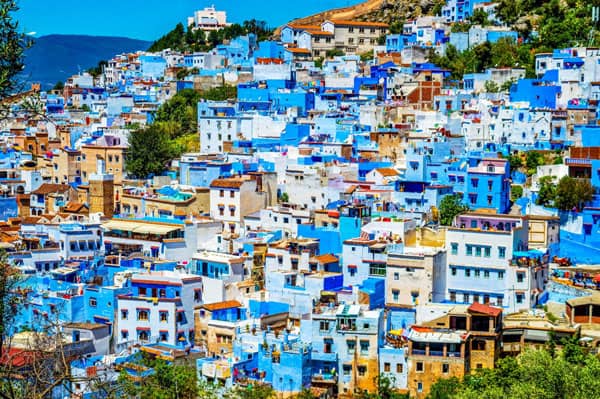
Chefchaouen, often nicknamed the Blue Pearl of Morocco, is a town so mesmerizing it feels like a dream painted in every shade of blue imaginable. Nestled in the Rif Mountains of northern Morocco, Chefchaouen enchants visitors with its serene ambiance, photogenic charm, and a mix of rich cultures that have shaped its identity for centuries.

But what makes this town more than just a pretty postcard?

In this guide, we go beyond the typical tourist trail. Not only will you discover must-see landmarks and experiences, but you’ll also uncover secret spots that only locals know—from mountain springs and artisan markets to hidden rooftop terraces with unforgettable views.

Whether you’re planning your first trip to Chefchaouen or looking to explore it more deeply, this guide gives you the ultimate travel experience, blending practical advice with authentic insights.

Where Is Chefchaouen?

Chefchaouen is located in northern Morocco, tucked into the dramatic terrain of the Rif Mountains. This strategic location gives the town its unique landscape of steep alleyways, scenic valleys, and cool mountain air—ideal for travelers seeking both beauty and tranquility.

How to Get to Chefchaouen

  • From Tangier: About 2–2.5 hours by road. Grand taxis and private transfers are readily available.

  • From Fez: Approx. 4 hours by car or bus. CTM buses operate daily routes.

  • From Casablanca: Around 5–6 hours by car. You may break the journey in Rabat or Fez for convenience.

Travel Tips:

  • Roads to Chefchaouen wind through the mountains, so pack motion sickness remedies if you’re sensitive.

  • Best time to visit: Spring (April–May) and Fall (September–October) offer ideal weather and fewer crowds.

  • Book accommodations early during peak months—Chefchaouen is small and fills up quickly.

Why Is Chefchaouen Blue?

The iconic blue walls of Chefchaouen aren’t just for show—they’re shrouded in history, culture, and mystery.

Popular Theories:

  • Religious significance: Some say the blue represents the sky and heaven, reminding residents of a spiritual life.

  • Historical roots: When Jewish refugees fled the Spanish Inquisition in the 15th century, they brought the tradition of painting buildings blue.

  • Practical reasons: Locals believe the blue repels mosquitoes and keeps homes cool during hot summers.

Today, the tradition continues through community upkeep, with residents regularly repainting walls. It’s both an act of pride and a way to maintain the town’s magical appearance.

A Brief History of Chefchaouen

Chefchaouen was founded in 1471 by Moulay Ali Ben Moussa Ben Rached El Alami as a fortress town to resist Portuguese expansion along Morocco’s northern coast.

Key Historical Highlights:

  • It became a refuge for Muslims and Jews fleeing persecution in Spain, leading to a melting pot of Andalusian, Berber, and Arab cultures.

  • During the Spanish and French colonial periods, Chefchaouen remained relatively isolated, preserving its unique traditions and architecture.

  • This isolation also helped the town retain its authentic, untouched character, which is part of its enduring charm today.

Things Tourists Love to Do in Chefchaouen

1. Wander the Blue Medina

Lose yourself in the narrow blue alleyways of the medina. Every corner is a photo opportunity—arched doors, flower pots, painted stairs, and vibrant tiles line the walls.

Instagram Tip: Go early in the morning for soft light and fewer crowds.

2. Visit the Kasbah Museum

Located in the heart of the medina, the Kasbah is a restored 15th-century fortress featuring:

  • Andalusian gardens

  • Old prison cells

  • Historical exhibits

  • Tower views overlooking the town and mountains

3. Chill at Plaza Uta el-Hammam

This central square is a great spot to rest, eat, and people-watch. It’s lined with cafes serving tagines, mint tea, and Moroccan pastries.

Local tip: Order a café nous-nous (half coffee, half milk) and enjoy the relaxed pace.

4. Hike to the Spanish Mosque

A short 30–40 minute hike leads to the Spanish Mosque, which offers a breathtaking panoramic view of Chefchaouen, especially during sunset.

Pro Tip: Bring water and go at golden hour for dreamy photos.

5. Explore Local Handicrafts

Chefchaouen is known for its woven blankets, woolen garmentsy handmade soaps. Many items are dyed with locally sourced blue pigments.

Souvenir idea: Buy directly from artisan workshops to support local families.

Lesser-Known Spots Only Locals Mention in Chefchaouen

While Chefchaouen’s blue-painted medina and scenic viewpoints are famous around the world, some of its most rewarding experiences lie beyond the typical tourist circuit. These hidden gems, known mostly to locals, offer an authentic look at daily life, regional flavors, and the serene nature that surrounds the town.

Ready to Discover the Blue Pearl of Morocco?

Step beyond the guidebooks and experience Chefchaouen like never before. Whether you crave peaceful mountain air, vibrant alleyways, or a genuine cultural escape, Chefchaouen offers a journey that soothes the soul and sparks the senses.

Ras El Ma Spring: Where Nature and Community Meet

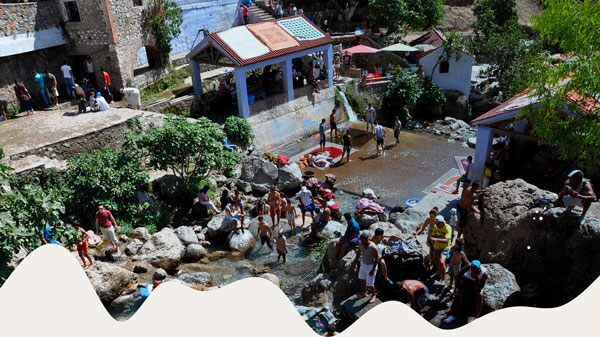
Just a short walk from the eastern edge of the medina, Ras El Ma Spring is a peaceful yet lively place where the community gathers around cold, rushing mountain water. This natural spring has long been a source of life for the town, not only for its fresh drinking water but also as a place where locals come to wash clothes, chat with neighborsy cool off during warm afternoons. You’ll often see women scrubbing garments on stone washboards and children splashing joyfully in the stream. It’s a raw, unfiltered slice of Moroccan life that offers a welcome escape from the bustle of the medina. For the most authentic atmosphere, visit in the morning when local activity is at its peak.

Akchour Waterfalls: A Hidden Oasis for Hikers

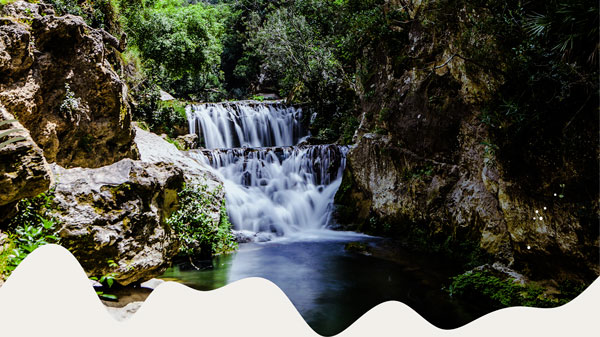
Located about 45 minutes by car or grand taxi from Chefchaouen, the Akchour Waterfalls are a well-kept secret among adventure lovers and nature enthusiasts. The journey takes you into the Talassemtane National Park, where you’ll find a series of hiking trails that weave through pine forests, past moss-covered rocks, and along crystal-clear streams. The main highlight is the waterfall itself, a stunning cascade that tumbles into a natural pool, ideal for a refreshing dip on hot days. Equally breathtaking is God’s Bridge, a massive natural rock arch that spans a gorge, perfect for adventurous photo ops. Whether you’re an experienced hiker or a casual nature lover, Akchour is one of the most magical day trips you can take from Chefchaouen.

Hidden Rooftop Terraces: The Best Views You’ve Never Heard Of

While many tourists enjoy the street-level charm of Chefchaouen, those in the know head upward—to unmarked rooftop terraces that offer unbeatable views of the medina, surrounding mountains, and sunset skies. These rooftops are often part of Riads or private homes, and they don’t always appear on Google Maps or travel apps. The secret? Ask your Riad host or a friendly shopkeeper—locals are usually more than happy to guide you to a quiet terrace where you can sip mint tea and soak in the tranquil atmosphere. With far fewer crowds than public viewpoints, these terraces give you a peaceful, panoramic experience that feels like your own little piece of Chefchaouen.

Goat Cheese Markets: A Taste of the Rif Mountains

One of Chefchaouen’s best-kept culinary secrets is its artisanal goat cheese, made in small batches by families living in the Rif Mountains. Unlike the standard cheeses found in supermarkets, this variety is creamy, tangy, and deeply flavorful, often served at local breakfasts with olives and fresh bread. You can find it in morning markets, especially in areas just outside the medina, or in small shops where vendors sell fresh rounds wrapped in leaves or paper. Some Riads also serve it during breakfast, so be sure to ask your host where it’s sourced. For food lovers, sampling this cheese is a simple yet unforgettable way to taste the region’s heritage.

Secret Blue Alleys: Hidden Corners With Timeless Charm

Beyond the heavily photographed spots in the center of the medina lie quiet, lesser-known blue alleyways that feel untouched by time. These secluded corners often have no shopfronts or crowds, just softly shaded steps, rustic doors, and ivy-covered walls. To find them, wander uphill past the Kasbah or explore the eastern side of the medina, where tourists rarely tread. Early morning is the best time to go—not only is the lighting ideal for photos, but you’ll also experience a rare silence that makes these alleyways feel even more special. It’s in these unmarked streets that Chefchaouen’s true spirit, peaceful, private, and deeply beautiful, really comes alive.

Where to Stay in Chefchaouen

Finding the perfect place to stay in Chefchaouen is all about blending charm, comfort, and authenticity. Whether you’re looking for a serene retreat or a lively social base, the Blue Pearl offers something for everyone.

Traditional Riads – Authentic Moroccan Hospitality

For an immersive Moroccan experience, book a stay in one of Chefchaouen’s traditional riads. These restored homes often feature intricate tilework, serene courtyards, and rooftop terraces with stunning views of the Rif Mountains. Staying in a riad means waking up to the smell of mint tea and fresh msemen while soaking in the warm hospitality of a local family.

Boutique Hotels – Charm and Comfort Combined

Chefchaouen’s boutique hotels offer a more modern take on Moroccan style. Many come with luxuries like spa services, panoramic rooftop lounges, and tastefully decorated rooms filled with artisanal touches. Ideal for couples or travelers who want comfort without sacrificing character.

Budget Options – Hostels with Personality

Backpackers and budget travelers will love Chefchaouen’s colorful hostels. These spots often have vibrant murals, shared kitchen spaces, and rooftop hangouts with sweeping views. Some of the best-rated options even host music nights or local cooking classes.

Insider Tip: Best Areas for Quiet Nights and Great Views

For peace and panoramic views, choose accommodations uphill near the Ras El Ma waterfall or along the edge of the medina. These spots are a bit of a climb, but you’ll be rewarded with quiet evenings, birdsong at dawn, and breathtaking sunsets over the mountains.

What & Where to Eat in Chefchaouen

Must-Try Dishes in Chefchaouen

Food here is full of soul, slow-cooked flavors, and ingredients from the surrounding mountains.

  • Tagine with Prunes and Almonds – A sweet and savory masterpiece often made with lamb.

  • Harira Soup – A hearty tomato-based soup with lentils, chickpeas, and spices; especially popular during Ramadan.

  • Fresh Goat Cheese – Often served with warm bread, olives, and honey for breakfast.

  • Ras el Hanout-Spiced Meals – This signature Moroccan spice blend gives dishes a deeply aromatic flavor you’ll crave long after you leave.

Best Local Restaurants (Tourist-Approved + Local Favorites)

  • Café Clock – Known for its rooftop views and creative fusion menu, including camel burgers and vegan options.

  • Bab Ssour – A cozy medina eatery with consistently delicious traditional meals and friendly service.

  • Chez Hicham – Located in a charming riad, this spot offers flavorful tagines and a relaxed vibe.

  • Hidden Family-Run Spots – Wander the side alleys and follow the scent of charcoal grills. Family-run restaurants serve some of the most authentic food in town, often at unbeatable prices.

Shopping Tips & What to Buy in Chefchaouen

Chefchaouen is a shopper’s paradise, especially for those looking for handmade Moroccan treasures. The medina is full of unique, locally made items you won’t find elsewhere.

  • Authentic Rugs and Textiles – Handwoven by local artisans, these vibrant fabrics reflect both Berber and Arab designs. Look for rugs made with natural wool dyes from the Rif Mountains.

  • Local Blue Pigments and Dyes – The city’s famous shades of blue come from a mix of natural indigo and regional minerals. You can buy small pouches as souvenirs or art supplies.

  • Natural Beauty Products – Argan oil, rose water, and black soap are widely available and often homemade by local cooperatives.

  • Bartering Tips – Bargaining is expected, but always keep it friendly. Start at about half the asking price and work your way up with a smile. Learning a few Darija phrases like “bzaf” (too much) or “shwiya” (a little) helps build rapport.

Ready to Discover the Blue Pearl of Morocco?

Step beyond the guidebooks and experience Chefchaouen like never before. Whether you crave peaceful mountain air, vibrant alleyways, or a genuine cultural escape, Chefchaouen offers a journey that soothes the soul and sparks the senses.

Cultural Etiquette & What Tourists Should Respect

Respect for local customs enriches your experience and shows appreciation for Moroccan hospitality.

  • Dress Modestly – Especially for women, covering shoulders and knees is respectful. Flowy trousers, scarves, and long skirts are great choices.

  • Photography Etiquette – Always ask before taking photos of locals, especially women and elders. Many prefer privacy.

  • Fridays are Holy Days – Some shops and cafés may close or open late after midday prayers.

  • Keep It Quiet at Night – The medina’s charm includes its peaceful evenings. Avoid loud conversations or playing music after dark.

  • Learn Basic Darija – Even a few words like “salam” (hello), “shukran” (thank you), and “la bes” (how are you?) can go a long way and are met with smiles.

Festivals & Events in Chefchaouen

Though quiet and laid-back, Chefchaouen has a rich calendar of cultural events tied to its spiritual and mountain heritage.

  • Moussem of Sidi Abdessalam – A traditional religious pilgrimage and celebration honoring the city’s patron saint. Expect music, communal meals, and rituals held in the surrounding hills.

  • Local Religious Gatherings – Especially during Ramadan and Eid, you can witness heartfelt expressions of faith and community gatherings.

  • Live Music in the Medina – On weekends or during holidays, local musicians often perform Andalusian or Amazigh tunes near the kasbah or in cozy cafés.

  • Best Times to Visit for Culture – Spring and early summer (April to June) are ideal for cultural immersion, as many traditional events and open-air celebrations take place in the mild mountain weather.

Best Times to Visit Chefchaouen

When planning your trip to Chefchaouen, timing is everything. This picturesque mountain town offers a different charm in each season, but for the most comfortable and visually stunning experience, spring (March to May) y fall (September to November) are ideal.

During these months, the weather is mild, sunny, and perfect for walking the medina, hiking to the Spanish Mosque, or exploring nearby nature spots like Akchour waterfalls. Springtime brings blooming flowers and a fresh burst of color that perfectly complements the town’s famous blue hues.

In contrast, summer (June to August) can be hot and crowded, especially in July and August when Moroccan families and tourists flock to the cooler mountain regions. If you’re not a fan of heat or packed alleyways, this season might be less enjoyable.

Winter (December to February) is the most overlooked season, but it has its own peaceful charm. However, prepare for chilly temperatures, especially at night, and occasional rainy days that can make mountain trails slippery. Pack layers, waterproof gear, and warm clothes if you choose to visit in winter.

👉 Pro tip: Early mornings and weekdays in shoulder seasons offer the quietest, most magical experience.

Photography Tips for the Blue Pearl

It’s no secret—Chefchaouen is a photographer’s dream. From its vivid indigo alleyways to mountain backdrops and handcrafted doorways, there’s no shortage of Instagram-worthy shots. But for the best photos, timing and location matter.

📷 Best Times for Lighting

  • Golden Hour (early morning or late afternoon) offers soft, flattering light that enhances the blue tones.

  • Avoid mid-day if you want to dodge harsh shadows and blown-out highlights in your shots.

🚁 Drone Rules

  • Drone use is restricted in most parts of Morocco, including Chefchaouen.

  • Some areas may allow it with prior permits, but always check with local authorities or your riad host to avoid fines or equipment confiscation.

📸 Top Photo Spots in Chefchaouen

  • La famous blue stairs near the Bab El Ain gate

  • Archways in the lower medina with pots and plants

  • Rooftop terraces overlooking the town and mountains

  • La Spanish Mosque hilltop for sweeping panoramic views

  • Hidden alleys off the beaten path—look for less polished, more authentic corners for originality

👉 Respect privacy—always ask locals before taking their photos, especially women and children.

Is Chefchaouen Safe for Travelers?

One of the best things about Chefchaouen is how safe and welcoming it feels for most visitors. The community thrives on tourism and offers a relaxed, respectful atmosphere that appeals to solo adventurers, families, and couples alike.

Solo Travel & Female Travelers

  • Women traveling alone generally feel safe here, especially during the day.

  • As with anywhere, dress modestly and avoid isolated areas after dark.

🚨 Crime & Scams

  • Crime rates are low, but petty scams can happen, especially around taxis, souvenirs, or unofficial guides.

  • Politely decline persistent vendors and agree on prices upfront when taking taxis or buying goods.

👮‍♀️ Local Hospitality

  • Police presence is discreet but noticeable, helping maintain a peaceful atmosphere.

  • Locals are known for being polite, helpful, and proud of their town—most will happily offer directions or tips without expecting anything in return.

👉 Bonus: Many locals speak basic English, French, or Spanish, making communication relatively easy.

Sustainable & Respectful Travel in Chefchaouen

As Chefchaouen’s popularity grows, so does the responsibility to protect its beauty and culture. Travelers play a key role in ensuring the town remains authentic and preserved for generations to come.

Support Local Businesses

  • Stay in locally owned riads, eat at family-run restaurantsy buy from artisan cooperatives rather than mass-produced tourist shops.

Reduce Plastic Use

  • Carry a reusable water bottle (filtered water is available in many riads).

  • Skip single-use bags and straws—many shops now offer eco-friendly alternatives.

Respect Nature

  • If you hike to Akchour or the Rif Mountains, pack out what you bring in, stick to trails, and avoid littering.

  • Don’t disturb wildlife or damage vegetation.

Say No to Animal Exploitation

  • Avoid photos with animals like monkeys or snakes—these animals are often kept in poor conditions.

  • Choose tour operators and guides that promote ethical, animal-friendly tourism.

👉 Your choices as a traveler matter. Leave only footprints, take only memories—and photos.

Why Chefchaouen is More Than Just Blue Walls

Chefchaouen may draw you in with its striking color palette, but what keeps travelers enchanted is something deeper, a genuine sense of calm, creativity, and connection.

This mountain town invites you to slow down, sip tea under sun-dappled trees, greet strangers with a smile, and admire handcrafted beauty around every corner. It’s a place where life moves to the rhythm of nature and community, not the digital clock.

You’ll come for the blue walls, but leave with stories, flavors, and feelings that stay with you long after your journey ends.

Conclusion

From its iconic medina to its spiritual mountain vistas, Chefchaouen is more than just a postcard-perfect destination—it’s an experience of authentic Moroccan hospitality, peaceful living, and timeless beauty.

Whether you’re a first-time visitor or returning for another round of mint tea and mountain views, Chefchaouen never fails to surprise. It rewards those who look beyond the camera lens and take the time to connect with people, culture, and the stunning simplicity of its surroundings.

👉 Have you been to Chefchaouen? Share your favorite memory in the comments, or ask us anything as you plan your visit!

How to Spend Your Summer Holiday in Morocco: Best Places & Experiences

How to Spend Your Summer Holiday in Morocco: Best Places & Experiences

How to Spend Your Summer Holiday in Morocco: Best Places & Experiences

When the summer season calls for adventure, relaxation, and cultural immersion, Morocco emerges as a top destination that offers all of this and more. Nestled between the Atlantic Ocean and the Mediterranean Sea, bordered by the majestic Atlas Mountains and the golden dunes of the Sahara Desert, Morocco is a country of contrasts and unforgettable beauty.

From bustling souks in ancient cities to tranquil coastal retreats and cool mountain hideaways, Morocco in the summer caters to every kind of traveler. Whether you’re a beach lover, a culture enthusiast, a foodie, or an explorer at heart, there’s no shortage of ways to enjoy your summer holiday here.

In this blog, we’ll guide you through everything you need to know about spending your summer in Morocco. From the best cities and off-the-beaten-path experiences to seasonal travel tips and activity ideas, get ready to plan the perfect Moroccan summer escape.

What’s Summer Like in Morocco?

Morocco experiences a diverse climate, and summer can feel different depending on where you go. This makes it an ideal country to explore in the warmer months, if you plan wisely.

Temperature Overview by Region

  • Coastal Areas (e.g., Essaouira, Agadir, Casablanca): Temperatures range from 22°C to 30°C (72°F to 86°F) with refreshing sea breezes. These areas are ideal for beach lovers and travelers looking for mild summer weather.

  • Inland Cities (e.g., Marrakech, Fes, Meknes): Expect heat! These cities can reach 38°C to 45°C (100°F to 113°F) during the peak of summer, especially in July and August. However, early mornings and evenings are pleasant for exploring.

  • Mountains (e.g., Ifrane, Atlas Mountains): Enjoy cool to mild weather, especially in higher altitudes. Daytime temperatures average 20°C to 28°C (68°F to 82°F)—perfect for hiking and nature escapes.

  • Sahara Desert (e.g., Merzouga, Zagora): Summer temperatures can soar beyond 45°C (113°F) during the day. That said, desert tours often occur at sunrise or sunset and include cool overnight stays in desert camps.

Best Time for a Summer Visit

While summer officially runs from June to September, the best travel window within this period is:

  • Late June to mid-July: Less crowded and manageable heat.

  • Late August to early September: Slightly cooler and great for mountain or coastal retreats.

What to Pack for Morocco in Summer

  • Lightweight, breathable clothing (linen, cotton)

  • Wide-brimmed hat and sunglasses

  • High SPF sunscreen and lip balm

  • Modest attire for cultural sites (cover shoulders and knees)

  • Comfortable walking sandals or closed shoes for city tours

  • Reusable water bottle with filter

  • Swimsuit for beach and riad pools

  • A light scarf (multi-purpose: sun, dust, modesty)

With the right preparation, summer in Morocco can be both comfortable and enriching.

Top Coastal Destinations to Cool Off

When temperatures rise inland, Morocco’s coastline offers a welcome escape. With over 1,200 miles of Atlantic and Mediterranean beaches, there’s no shortage of cool breezes, water sports, and laid-back seaside towns.

Essaouira – The Windy City by the Atlantic

Essaouira is a UNESCO-listed port city famous for its bohemian vibe and strong Atlantic winds, making it a hotspot for windsurfing and kitesurfing.

  • Things to do: Explore the old medina with its blue and white façades, enjoy fresh seafood at the harbor, relax on the wide sandy beaches, or take a camel ride along the coast.

  • Why it’s perfect in summer: The wind keeps it cool even in July and August, with temperatures rarely exceeding 27°C (81°F).

  • Tip: Visit the local art galleries and Gnaoua music shops for a cultural bonus.

Agadir – Morocco’s Premier Beach Resort City

Agadir offers a modern beach experience with a laid-back vibe, luxury resorts, and a clean, long beach perfect for families.

  • Things to do: Jet skiing, paddleboarding, golf, and lounging at beachfront cafes. Visit the Kasbah hill for panoramic views and explore the Souk El Had.

  • Why it’s perfect in summer: Constant sunshine, calm surf, and family-friendly infrastructure.

  • Tip: Book a stay in one of the resorts with beachfront pools for the ultimate summer indulgence.

Al Hoceima – A Hidden Mediterranean Gem

Located on the Mediterranean coast, Al Hoceima is less touristy and known for its clear waters, dramatic cliffs, and hidden coves.

  • Things to do: Go snorkeling in the marine reserve, sunbathe on Quemado Beach, or explore the surrounding Rif Mountains.

  • Why it’s perfect in summer: Warm days and cooler nights, away from the crowds.

  • Tip: Ideal for couples or travelers looking for a quieter, authentic beach experience.

Escape the Heat: Cool Summer Retreats in the Mountains

Morocco’s mountains are a sanctuary for those seeking fresh air and scenic beauty during the hot summer months.

1. Ifrane – The “Little Switzerland” of Morocco

Nestled in the Middle Atlas, Ifrane is known for its European-style chalets, alpine gardens, and clean air.

  • Things to do: Walk around Al Akhawayn University, picnic by Dayet Aoua Lake, or explore the cedar forests home to Barbary macaques.

  • Why it’s perfect in summer: Cool weather, tidy streets, and beautiful gardens.

  • Tip: Perfect for a relaxing family trip or romantic getaway.

2. Ourika Valley – Nature at Marrakech’s Doorstep

Just an hour from Marrakech, Ourika Valley offers a cool respite with riverside cafes, waterfalls, and Berber villages.

  • Things to do: Hike to Setti Fatma waterfalls, dip your feet in the river while sipping mint tea, or visit local pottery workshops.

  • Why it’s perfect in summer: Green scenery and cold water streams offer natural AC.

  • Tip: Go early in the day to avoid crowds and enjoy a peaceful hike.

3. Chefchaouen – The Blue Pearl of the Rif Mountains

This blue-washed town is one of the most picturesque places in Morocco, offering mild summer temperatures and stunning views.

  • Things to do: Wander the medina’s photogenic alleys, hike to the Spanish Mosque at sunset, and browse artisan shops.

  • Why it’s perfect in summer: High elevation and shaded streets make it comfortable for walking.

  • Tip: Spend at least two nights to soak in the town’s magic at a relaxed pace.

Ready to plan your summer holiday in Morocco?

Escape the ordinary and dive into the magic of Morocco this summer! From golden Sahara dunes and vibrant souks to coastal breezes and ancient medinas, Morocco is your perfect blend of adventure, culture, and relaxation. Book your summer getaway now and let Morocco awaken your senses. Your dream summer holiday starts here!

Desert Adventures: Sahara in Summer (Yes, It’s Possible!)

Many travelers tend to avoid the Sahara Desert in summer, wary of the extreme heat. But with the right approach, visiting the Sahara during this season can become one of the most rewarding and unforgettable experiences in Morocco. Desert tours are usually scheduled during the early morning or late evening to avoid peak temperatures, allowing you to enjoy the dramatic landscapes without discomfort. Camps are often set up in areas with natural breezes among the dunes and are equipped with shaded tents, cooling systems like fans, and open-air lounges. The temperature drops significantly after sunset, and the Sahara night offers a surprising sense of comfort—often breezy, peaceful, and filled with starlight.

Camel Trekking at Sunset

Riding a camel across the dunes at sunset is one of the most iconic and serene experiences you can have in the Moroccan Sahara. As the sun begins to dip, the dunes of Erg Chebbi or Erg Chigaga glow with rich golden hues, casting long shadows and creating a dreamlike atmosphere. The rhythmic motion of the camels, combined with the vast silence of the desert, provides a meditative experience unlike any other. It’s a moment to disconnect from modern life and connect deeply with nature’s grandeur. Many tours offer the opportunity to pause at panoramic viewpoints, where you can watch the final rays of sunlight disappear behind the horizon.

4×4 or quad bick Desert Safaris and Sandboarding

For those seeking a more adventurous approach to the desert, 4×4 off-road safaris offer an exhilarating ride across the shifting sands. These excursions allow you to cover large areas of the desert quickly, often visiting hidden oases, fossil beds, or remote Berber villages. The experience is both thrilling and insightful, combining speed with cultural discovery. Another fun option for thrill-seekers is sandboarding—sliding down the towering dunes on a board, much like snowboarding but on warm, fine sand. This activity is particularly popular among younger travelers and those looking to add a sporty element to their desert trip.

Berber Music and Campfire Evenings

Once the sun sets and the sky turns dark, the desert becomes a place of magic and tradition. Gathered around crackling campfires, travelers often enjoy live performances by local Berber musicians. The rhythmic drumming, traditional singing, and hypnotic melodies create an atmosphere of storytelling and celebration. These evenings are more than just entertainment; they’re a cultural exchange, offering a glimpse into the soul of Morocco’s nomadic heritage. Many guests find themselves clapping along or even joining in the songs, forming bonds with fellow travelers and hosts alike.

Overnight in Luxury Desert Camps

Staying overnight in a luxury desert camp elevates the entire Sahara experience. These camps offer private, beautifully decorated tents outfitted with comfortable bedding, ambient lighting, and often en-suite bathrooms. Moroccan hospitality is on full display with multi-course dinners served under the stars, featuring traditional dishes like tagine, couscous, and mint tea. Guests can relax in lounge areas adorned with Berber carpets and lanterns, enjoy quiet moments by the fire, or join a drumming circle late into the night. The silence of the desert combined with such attentive service creates a feeling of tranquility that is hard to find elsewhere.

Merzouga and the Erg Chebbi Dunes

Merzouga is the crown jewel of Morocco’s desert tourism, known for its proximity to the immense Erg Chebbi dunes. These towering waves of golden sand stretch as far as the eye can see, forming one of the most visually striking landscapes in the country. Merzouga offers a wide range of accommodations, from minimalist desert tents to high-end eco-lodges. Its accessibility and iconic scenery make it a top choice for travelers seeking the quintessential Sahara experience. Activities here are plentiful; sunset camel rides, quad biking, and guided stargazing tours are just a few of the popular options.

Zagora: A Quicker Gateway to the Desert

For travelers with limited time, Zagora presents a more accessible alternative to the deeper Sahara regions. Located closer to Marrakech, Zagora’s desert is more arid and flat, with smaller dunes than those of Merzouga, but it still offers an authentic taste of desert life. Visitors can enjoy similar activities such as camel rides, 4×4 excursions, and campfire dinners. The landscape here is dotted with palm groves and rocky plateaus, offering a different kind of beauty. Zagora is ideal for overnight or short two-day trips, especially for those who want to experience the desert without venturing too far from the city.

Cultural Events and Festivals in Summer

Morocco’s summer is more than just sun-soaked landscapes and desert adventures—it’s also a time of vibrant cultural expression. Across the country, music, tradition, and community come alive through a series of festivals that illuminate Morocco’s diverse heritage. Whether you’re walking through the medina of a bustling city or relaxing in a coastal town, the pulse of summer celebration is never far away.

Gnaoua World Music Festival – Essaouira

Set against the windswept Atlantic coastline, the Gnaoua World Music Festival transforms the laid-back town of Essaouira into a global stage every June. What began as a local tribute to the rich, spiritual rhythms of Gnaoua music has evolved into one of Morocco’s most celebrated international music festivals. Free and open to the public, the festival features performances that blend the hypnotic chants and heavy drumbeats of Gnaoua with jazz, reggae, blues, and other global sounds. Stages are set up throughout the town, along its historic ramparts, beaches, and plazas, creating an electrifying atmosphere that draws thousands of visitors. It’s a soulful, spiritual, and high-energy celebration that perfectly captures the fusion of African, Arab, and Western musical influences.

Timitar Festival – Agadir

In July, the coastal city of Agadir hosts the Timitar Festival, an event that champions Amazigh (Berber) culture while inviting international artists to share their musical traditions. The festival’s core mission is cultural dialogue through music, and over several days, the city becomes a lively arena of rhythm and harmony. Dozens of performers, from local folk bands to international stars—take to stages in open-air venues and public squares. With the sea breeze in the background and a welcoming, cosmopolitan crowd, Timitar is more than a concert series; it’s a multicultural experience that showcases Morocco’s openness and musical depth. The event also includes exhibitions, workshops, and community activities, making it a well-rounded cultural immersion.

Moussems – Traditional Rural Festivals

Away from the cities and tourist routes, Morocco’s countryside comes alive with traditional moussems—village festivals held in honor of saints, spiritual leaders, or significant cultural figures. These festivals are deeply rooted in local traditions and are marked by days of feasting, folkloric music, spiritual rituals, and elaborate equestrian performances. One of the most awe-inspiring elements of many moussems is the “fantasia”—a synchronized horseback charge where riders dressed in traditional attire fire rifles in perfect unison. Each Moussem has its own story, tied to the local history and community values. They are not widely advertised, so the best way to find one is by asking locals or travel guides. For those lucky enough to attend, a moussem offers an unfiltered and heartfelt look into Morocco’s rural soul.

Eid al-Adha – A Sacred Celebration

Should your travels coincide with Eid al-Adha, you’ll witness one of the most important events in the Islamic calendar. Known as the “Festival of Sacrifice,” this holy day commemorates the willingness of Prophet Ibrahim (Abraham) to sacrifice his son as an act of obedience to God. In Morocco, the celebration is both solemn and joyous. Families come together to pray, share elaborate meals, and offer meat to neighbors and those in need. Though it is primarily a private and family-oriented occasion, Moroccan hospitality often extends to curious travelers. Visitors might be invited to share a meal or take part in the preparations. The atmosphere in cities and villages alike is filled with warmth, generosity, and community spirit. While shops and tourist sites may close briefly, the cultural insight gained during Eid is a priceless addition to any Moroccan journey.

Travel Tips for a Smooth Summer Holiday

Staying Cool

  • Sightsee in the early morning or after 5 PM.

  • Stay in accommodations with AC or natural ventilation.

  • Drink bottled or filtered water and avoid dehydration.

Clothing & Cultural Etiquette

  • Light layers that cover shoulders and knees

  • Women: carry a scarf for religious sites

  • Respectful attire = better interactions with locals

Navigating Morocco

  • Trains: ONCF trains are reliable and have AC—ideal for long-distance travel.

  • Buses: Supratours and CTM are air-conditioned and tourist-friendly.

  • Taxis: Opt for petit taxis in cities and negotiate or request the meter.

Health & Safety

  • Use sunscreen and insect repellent.

  • Travel insurance is recommended.

  • Morocco is generally safe, but avoid deserted areas at night and keep valuables secure.

Where to Stay: Top Summer-Friendly Accommodations

  • Riads with courtyards and pools: Ideal for city stays (Marrakech, Fes)

  • Beachfront resorts in Agadir & Tangier: Perfect for families

  • Mountain lodges: Cool and cozy escapes in Imlil or Ouirgane

  • Luxury desert camps: With fans, open-air dining, and shaded tents

  • Eco-lodges: Sustainable options in the Atlas or Ourika Valley

Tip: Book early for July and August, especially along the coast.

Sample 10-Day Summer Itinerary in Morocco

Day 1-2: Arrive in Marrakech → Explore souks, Majorelle Garden
Día 3: Day trip to Ourika Valley
Day 4-5: Travel to Merzouga → Sunset camel trek, overnight in desert
Day 6: Travel to Fes → Explore medina, artisan workshops
Day 7: Day trip to Ifrane or Chefchaouen
Day 8-9: Train to Casablanca → Beach, Hassan II Mosque
Day 10: Fly home or add 2 days in Essaouira for a coastal finale

Why Morocco is the Perfect Summer Getaway

Morocco offers a rare combination of adventure, relaxation, and cultural depth all in one destination. With its varied geography, from sunny coasts and refreshing mountains to magical desert landscapes, summer doesn’t have to be about hiding from the heat. Instead, it’s an invitation to explore, connect, and fall in love with a country that’s as warm in spirit as it is in climate.

Whether you’re traveling solo, with family, or on a romantic getaway, Morocco in summer promises lasting memories, diverse experiences, and a refreshing take on seasonal travel.

11 Necessary Things You Can’t Find in Morocco – Bring Them with You

11 Necessary Things You Can’t Find in Morocco – Bring Them with You

11 Necessary Things You Can’t Find in Morocco – Bring Them with You

Morocco is a vibrant country full of culture, color, and charm, but like anywhere else, there are some things that travelers might miss or struggle to find. Whether it’s your first time visiting or you’re planning to stay longer, here’s a real talk guide to things that are hard to find in Morocco, with both the positives and the “wish I had known” moments!

11 Necessary Things You Can’t Find in Morocco

1. Clean Public Toilets – A Rare Luxury

Let’s start with the obvious: public toilets are not Morocco’s strong point. In most cities, you’ll struggle to find clean and well-maintained public restrooms. Even when you do find one, it might lack toilet paper, soap, or even proper hygiene standards.
Pro Tip: Always carry tissues and hand sanitizer, and when in doubt, find a café or restaurant and offer to buy a drink in exchange for toilet access.

2. Pork Products – Culturally Absent

As a Muslim country, Morocco does not commonly serve pork. You won’t find bacon or pork sausages in traditional restaurants or markets.
Good Side? Healthier eating, and a great opportunity to explore flavorful Moroccan dishes based on lamb, chicken, and fish.
But if you’re craving pork, some large supermarkets in big cities (like Carrefour or Marjane) have small “international” sections.

3. Alcohol in Public – Not Easily Available

Alcohol is legal but discreet in Morocco. You won’t see people drinking in public, and most restaurants (especially traditional ones) don’t serve alcohol.
The Upside: A more peaceful and respectful public atmosphere.
Heads up: If you want a drink, stick to high-end hotels, bars, or specialized liquor stores (often hidden or located outside the city center).

4. Street Signs in English – Don’t Count On It

Most street signs are in Arabic and French. English is not widely used in public signage, so navigating can be tricky if you don’t speak either.
Tip: Use offline maps and learn a few French or Arabic basics to make life easier!

Ready for a Real Adventure in Morocco?

Morocco may challenge you in small ways, but it rewards you with unforgettable beauty, culture, and experiences. Embrace the unexpected, your next great story starts here.
Book the trip. Morocco is worth it.

5. Reliable Wi-Fi Everywhere – Spotty at Best

While Morocco is making progress, not all accommodations or cafés offer high-speed, reliable Wi-Fi — especially outside major cities.
Silver lining: It’s a good excuse to unplug and enjoy the scenery!

6. Phone Charging Stations – Practically Nonexistent

Unlike many countries where you’ll find USB ports or charging stations in cafés, airports, malls, or public transport, Morocco rarely offers public phone charging spots. Even in some cafés or restaurants, electrical outlets are either not accessible or not available at all.

Travel Tip:

  • Bring a fully charged power bank before heading out for the day.

  • Invest in a universal adapter, as plug types may vary depending on your accommodation.

  • If you’re in a café and need to charge, politely ask the staff; they may help if they’re not too busy.

7. Credit Card Acceptance – Cash is King

In many places (souks, small restaurants, taxis), only cash is accepted. Don’t expect to swipe your card everywhere.
Good to know: ATMs are widely available in cities, so keep some dirhams on hand for day-to-day expenses.

8. Western-Style Breakfast – Rare and Expensive

If you’re dreaming of scrambled eggs, crispy bacon, or pancakes with maple syrup every morning, think again. Moroccan breakfasts are often sweet and light — think mint tea, bread, olives, jam, and sometimes eggs.
Tip: If you’re craving a Western breakfast, stick to cafés in tourist areas or international hotels.

9. Timely Public Transport – Hit or Miss

Morocco has decent public transport options, but strict timetables are not a thing — especially for buses and shared taxis.
Bright side: Private drivers and taxis are affordable compared to many countries.

10. Personal Space – Culturally Different

In crowded souks, markets, or during conversations, personal space might feel a bit tighter than you’re used to.
Positive: It’s all part of the lively, interactive culture, people are expressive and social!

11. Public Displays of Affection – Best Avoided

Especially outside of tourist-heavy areas, kissing or hugging in public is frowned upon.
It’s about respect: Save the affection for private moments and show respect for local values.

Conclusion

Morocco is a country of contrasts, beautiful, complex, and full of surprises. While some things may be harder to find, these differences are what make traveling here an adventure. If you come prepared, open-minded, and ready to adapt, Morocco will reward you with unforgettable experiences.


Loading...
/*** Collapse the mobile menu - WPress Doctor ****/