M

+212 673 266 849

saharacameltours1@gmail.com

Exploring the Different Types of Moroccan Couscous Across Regions

Exploring the Different Types of Moroccan Couscous Across Regions

Exploring the Different Types of Moroccan Couscous Across Regions

A Culinary Journey Through Moroccan Couscous

Couscous is more than just a dish in Morocco; it’s a symbol of culture, tradition, and community. Often served during family gatherings, celebrations, and religious festivals, this tiny steamed semolina grain has been a cornerstone of Moroccan cuisine for centuries.

What makes Moroccan couscous truly special is its incredible regional diversity. From the northern coastal cities to the southern desert regions, each area adds its own local ingredients, spices, and cooking techniques, creating a tapestry of flavors that reflect Morocco’s rich culinary heritage.

In this blog post, we’ll explore the different types of Moroccan couscous across the country, uncovering how geography, culture, and tradition shape this beloved dish. Whether it’s seafood from the Mediterranean, lamb from the Atlas Mountains, or sweet couscous desserts, there’s a version of couscous to delight every palate.

1. Couscous in Northern Morocco

The northern regions of Morocco, including the Rif Mountains and Mediterranean coast, offer some of the most distinctive couscous varieties in the country. Influenced by the proximity to the sea and the fertile lands of the north, these couscous dishes often feature fresh seafood, vibrant vegetables, and aromatic herbs.

Rif Mountains Style

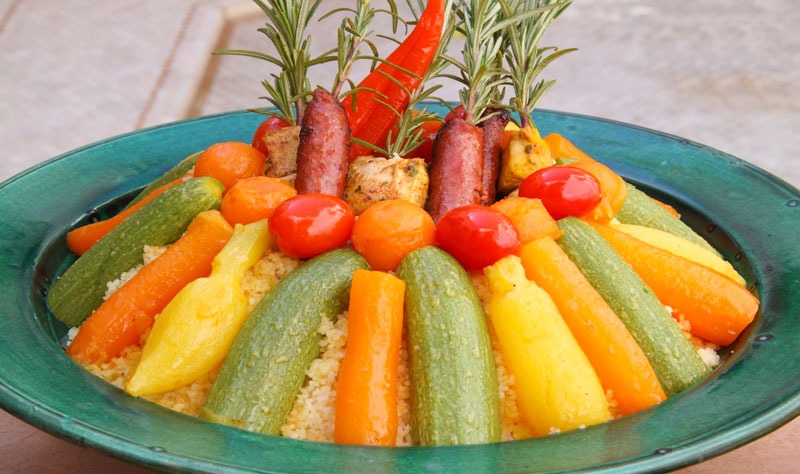
In the Rif Mountains, couscous is typically served with locally grown vegetables like carrots, zucchini, and pumpkin. Meat is less common here, with lamb or chicken sometimes added for special occasions. The dishes are lightly spiced, allowing the freshness of the ingredients to shine.

Tangier and Tetouan Influence

Coastal cities like Tangier and Tetouan bring a Mediterranean twist to couscous. Seafood couscous is a specialty, often including fish, shrimp, or calamari, steamed over aromatic broths. These dishes are infused with local herbs and spices, offering a lighter and more refreshing flavor compared to the heartier inland versions.

Northern Moroccan couscous exemplifies how geography shapes cuisine, blending the richness of the mountains with the freshness of the sea.
2. Couscous in Central Morocco

Central Morocco, particularly the imperial cities of Fez and Meknes, is known for its rich and hearty couscous dishes that reflect centuries of culinary tradition. These regions favor robust flavors, often combining tender meats with a medley of seasonal vegetables and carefully balanced spices.

Fez-Style Couscous

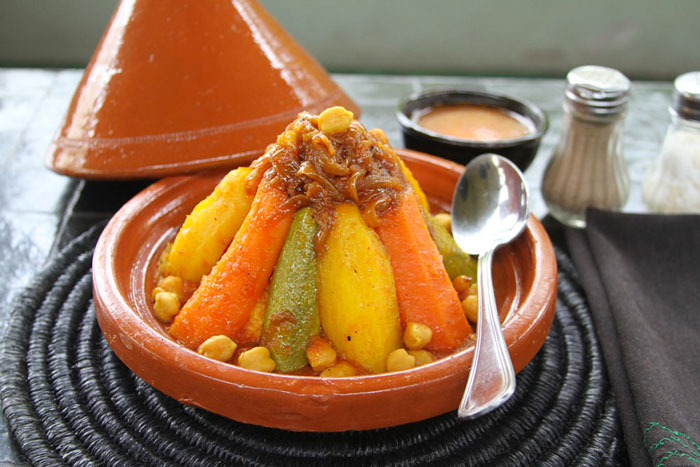
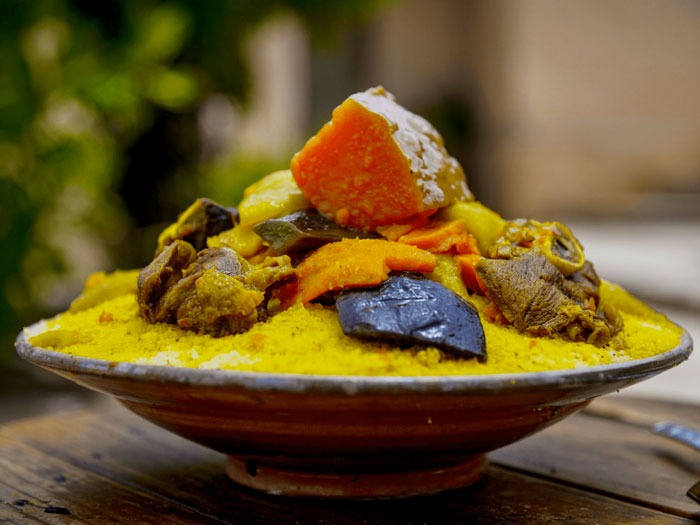
In Fez, couscous is often prepared with lamb or beef, slowly cooked to absorb the aromatic blend of spices like saffron, ginger, and cinnamon. Vegetables such as carrots, turnips, and zucchini are added, creating a comforting and filling dish. Fez-style couscous is a staple at family gatherings and festive occasions, symbolizing hospitality and tradition.

Meknes-Style Couscous

Meknes offers a slightly different take, with couscous often featuring a mix of meat and chickpeas, along with vegetables and a fragrant broth. The dish is rich but balanced, showcasing the region’s preference for harmony in flavors and textures.

Central Moroccan couscous is a testament to the region’s history as a cultural crossroads, blending influences from Berber, Arab, and Andalusian cuisines into dishes that are both hearty and sophisticated.
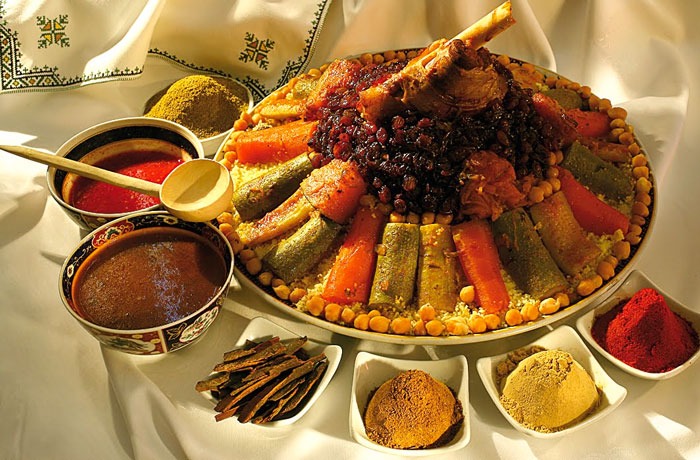
3. Couscous in Southern Morocco

Southern Morocco, including Marrakech and the Atlas Mountains, is renowned for its bold and flavorful couscous dishes. The cuisine here reflects the influence of Berber traditions, the desert climate, and the use of locally available ingredients, resulting in hearty meals that are both aromatic and satisfying.

Marrakech-Style Couscous

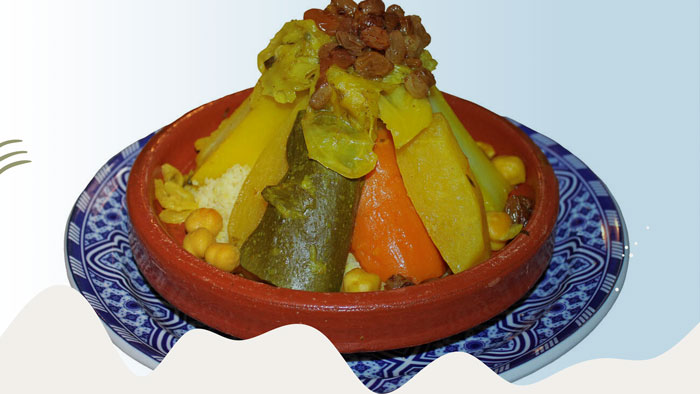
In Marrakech, couscous often features chicken, lamb, or even camel meat, cooked with a rich blend of spices such as saffron, cumin, and turmeric. Dried fruits like raisins or apricots are commonly added, giving the dish a subtle sweetness that balances the savory flavors. This version is frequently served during large family gatherings and festive celebrations.

Atlas Mountains and Berber Influence

In the Atlas Mountains, couscous is traditionally prepared in communal pots, steamed over simmering stews of meat and vegetables. The Berber influence is evident in the slow-cooked flavors and rustic presentation, emphasizing simplicity and natural ingredients. This style of couscous is not only a meal but a social experience, bringing families together around the dining table.

Southern Moroccan couscous stands out for its combination of aromatic spices, tender meats, and a touch of sweetness, making it one of the most memorable culinary experiences in Morocco.
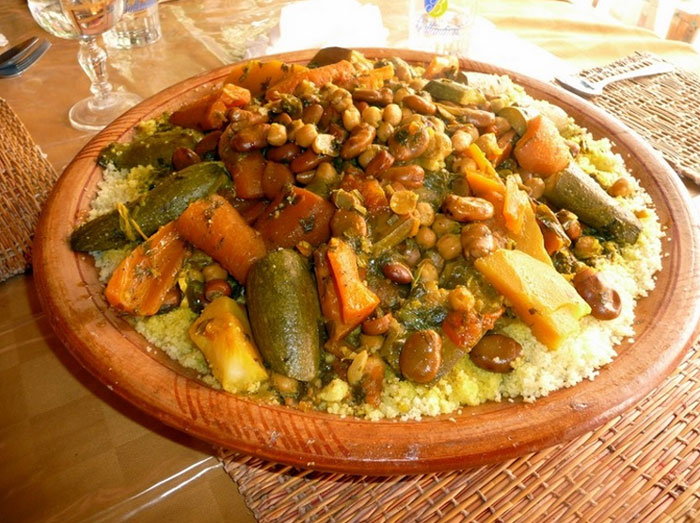
4. Coastal Moroccan Couscous

Morocco’s coastal cities, such as Essaouira and Agadir, offer a unique twist on couscous by highlighting the bounty of the Atlantic Ocean. These regions emphasize fresh seafood, light broths, and aromatic herbs, creating dishes that are refreshing yet deeply flavorful.

Essaouira-Style Couscous

Essaouira is famous for its fish couscous, which often includes a variety of local seafood such as fish fillets, shrimp, and squid. The couscous is steamed and served with a delicate broth infused with garlic, cilantro, and preserved lemons, giving it a bright and zesty flavor.

Agadir-Style Couscous

In Agadir, couscous also incorporates seafood but may include shellfish like mussels or clams. The dish is typically lighter than inland versions, focusing on the freshness of the ingredients and subtle seasoning that enhances rather than overpowers the seafood.

Coastal Moroccan couscous highlights the country’s diversity, showing how the proximity to the ocean can transform a traditional dish into something light, fresh, and uniquely regional.
Plan your Moroccan adventure with us!

Explore bustling souks, majestic deserts, and historic cities while traveling respectfully and confidently. Let us help you experience the best of Morocco without the cultural missteps.

5. Sweet Couscous Varieties

While savory couscous is the most common, Morocco also offers a variety of sweet couscous dishes that are enjoyed as desserts or special treats. These sweet versions highlight the versatility of couscous and the Moroccan flair for combining textures and flavors.

Couscous with Milk and Sugar

A simple yet comforting dessert, couscous is steamed and then mixed with warm milk, sugar, and a sprinkle of cinnamon. Sometimes, a touch of orange blossom water is added for a fragrant aroma, making it a perfect end to a meal.

Couscous with Raisins, Almonds, and Honey

In some regions, couscous is combined with dried fruits like raisins or apricots, toasted almonds, and a drizzle of honey. This version is particularly popular during festive occasions and religious celebrations, offering a sweet, nutty, and aromatic experience.

Regional Sweet Specialties

Different regions have their own unique twists on sweet couscous. For example, in the south, dried fruits like dates and figs are commonly used, while in the north, almonds and sesame seeds may take center stage. Each variation reflects local ingredients and cultural influences, turning couscous into a true Moroccan delicacy.

Sweet couscous shows that this humble grain is not only versatile in savory dishes but also capable of creating rich, satisfying desserts that are deeply rooted in Moroccan tradition.

Tips for Experiencing Moroccan Couscous

To truly appreciate the diversity and richness of Moroccan couscous, consider these tips when exploring the country:

Visit the Right Regions at the Right Time

  • Northern Morocco is best for seafood couscous, especially in spring and summer when fish is freshest.

  • Central Morocco offers hearty lamb and beef couscous, ideal to enjoy during cooler months.

  • Southern Morocco’s rich, spiced couscous is perfect for autumn and winter.

Dine at Local Restaurants and Family Homes

  • Traditional Moroccan homes often prepare couscous on Fridays, making it a special cultural experience.

  • Local restaurants in each region highlight authentic flavors, with recipes passed down through generations.

Pair Couscous with Moroccan Beverages

  • Mint tea is a classic companion to couscous, balancing the spices and enhancing the meal.

  • Freshly squeezed orange juice or local fruit juices can complement lighter coastal or sweet couscous dishes.

Observe Traditional Serving Practices

  • Couscous is often served communally on large platters, encouraging sharing and social connection.

  • Use your right hand to enjoy couscous in the traditional Moroccan way, respecting local customs.

Following these tips will enhance your culinary journey, allowing you to experience Moroccan couscous in its full cultural and gastronomic context.

Discover Morocco Through Its Couscous

Moroccan couscous is more than just a meal; it’s a journey through the country’s landscapes, cultures, and traditions. From the fresh seafood of the northern coast to the hearty lamb and vegetable dishes of the central regions, and the sweet, aromatic varieties of the south, each type of couscous tells a story about the people and places it comes from.

Exploring couscous across Morocco is a delicious way to experience the nation’s diversity, history, and hospitality. Whether you’re a food enthusiast, a traveler seeking cultural immersion, or simply curious about Moroccan cuisine, tasting the regional variations of couscous is an unforgettable adventure.

So, pack your appetite and set out on a culinary journey; Morocco’s couscous awaits.
What to Eat in Marrakech: A Delicious Guide to Moroccan Flavors

What to Eat in Marrakech: A Delicious Guide to Moroccan Flavors

What to Eat in Marrakech: A Delicious Guide to Moroccan Flavors

Marrakech is a city that awakens all the senses — from the vibrant souks filled with spices to the aroma of fresh bread baking in traditional ovens. If you’re planning a trip and wondering what to eat in Marrakech, get ready for a culinary journey that blends history, culture, and unforgettable flavors. Whether you’re exploring the bustling Jemaa el-Fna square, dining in a hidden riad, or sampling street food at night markets, this guide will help you discover the best dishes to try and where to find them.

Moroccan cuisine is one of the most diverse in the world, drawing influences from Amazigh (Berber), Andalusian, Arab, Mediterranean, and even sub-Saharan traditions. In Marrakech, this rich heritage comes to life with colorful plates, bold spices, and slow-cooked perfection. Let’s dive into the must-try dishes, long-tail variations like traditional Moroccan street food in Marrakech y best local dishes to try in Marrakech, and insider tips to enhance your food experience.

1. Start With the Basics: Traditional Moroccan Dishes You Must Try

When thinking about what to eat in Marrakech, traditional Moroccan meals are the perfect introduction. These dishes often combine savory, sweet, and aromatic elements in delicate balance.

Tagine: The Most Iconic Moroccan Dish

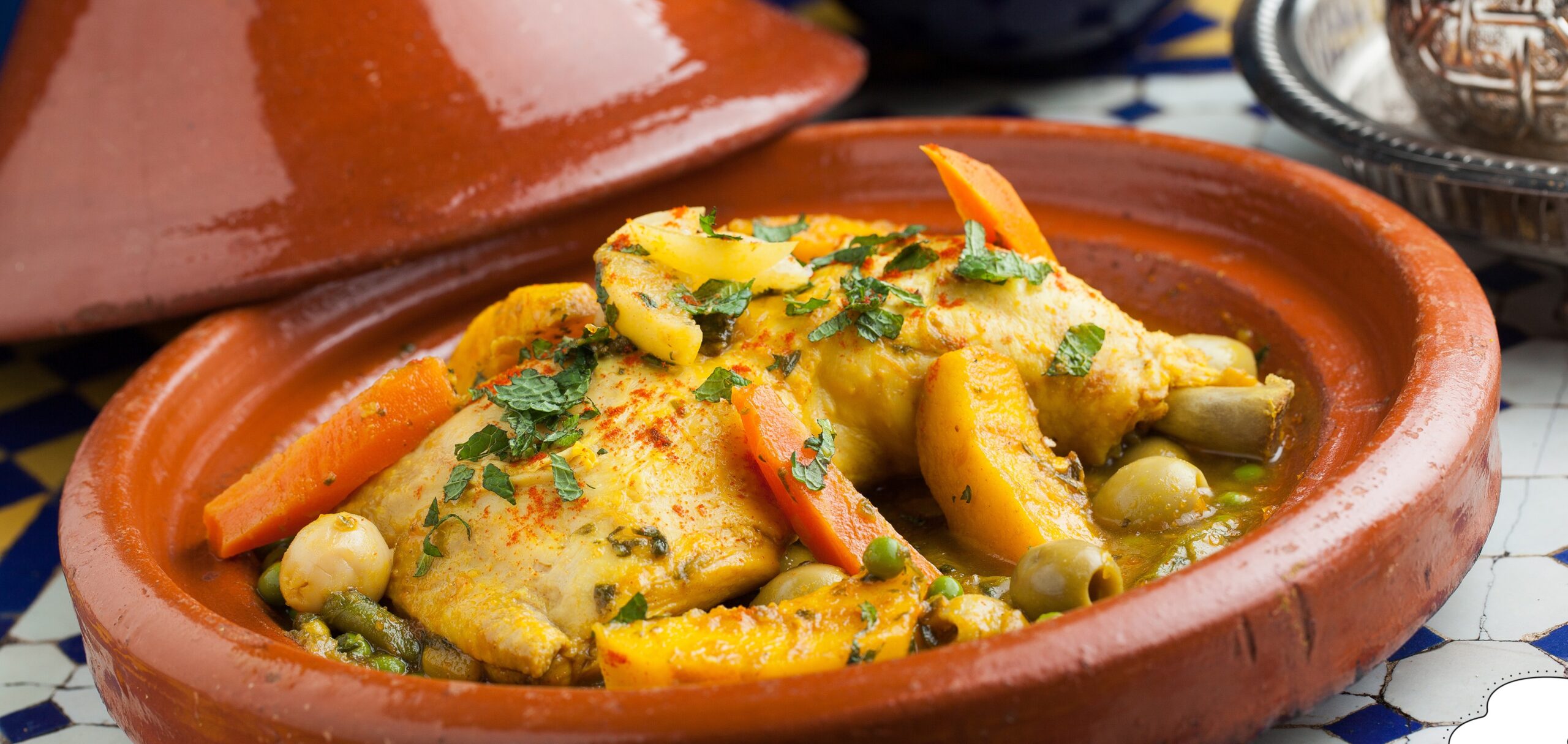
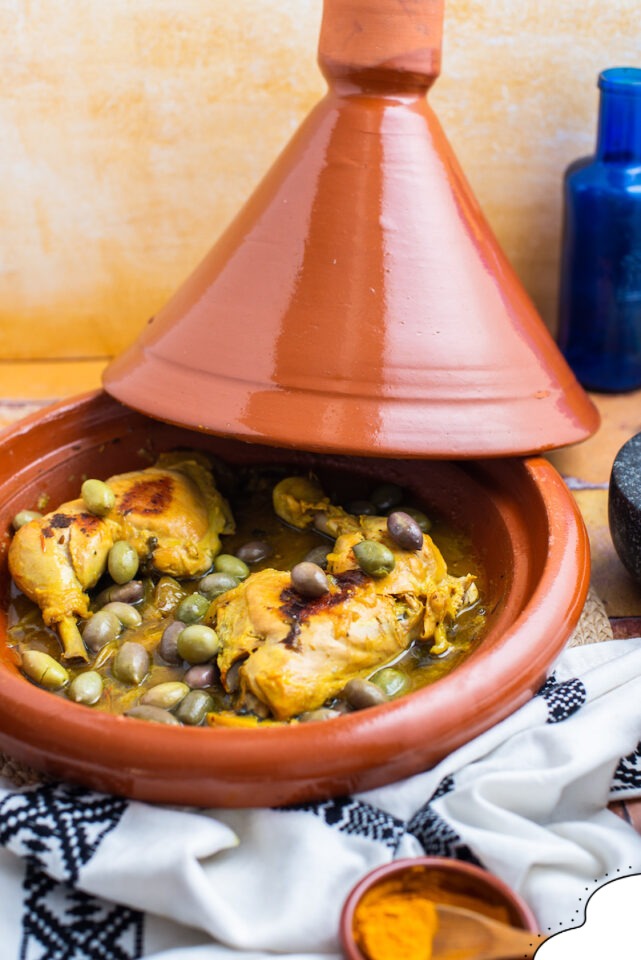
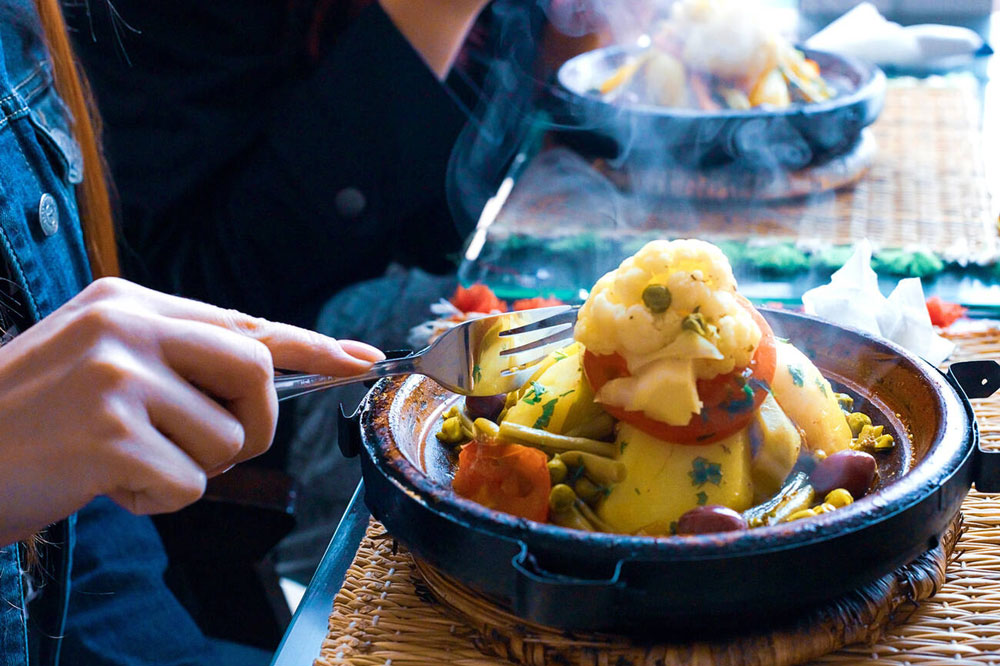
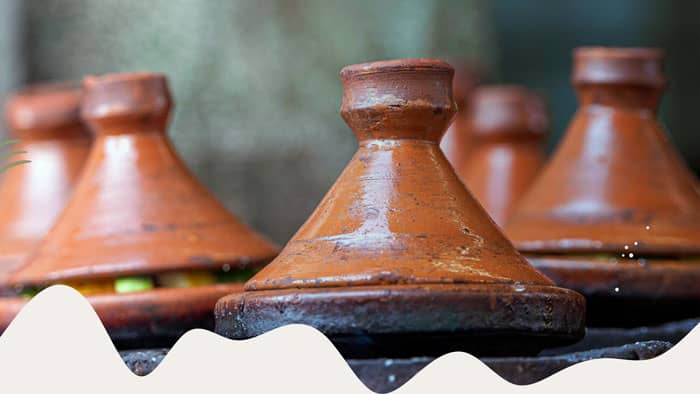
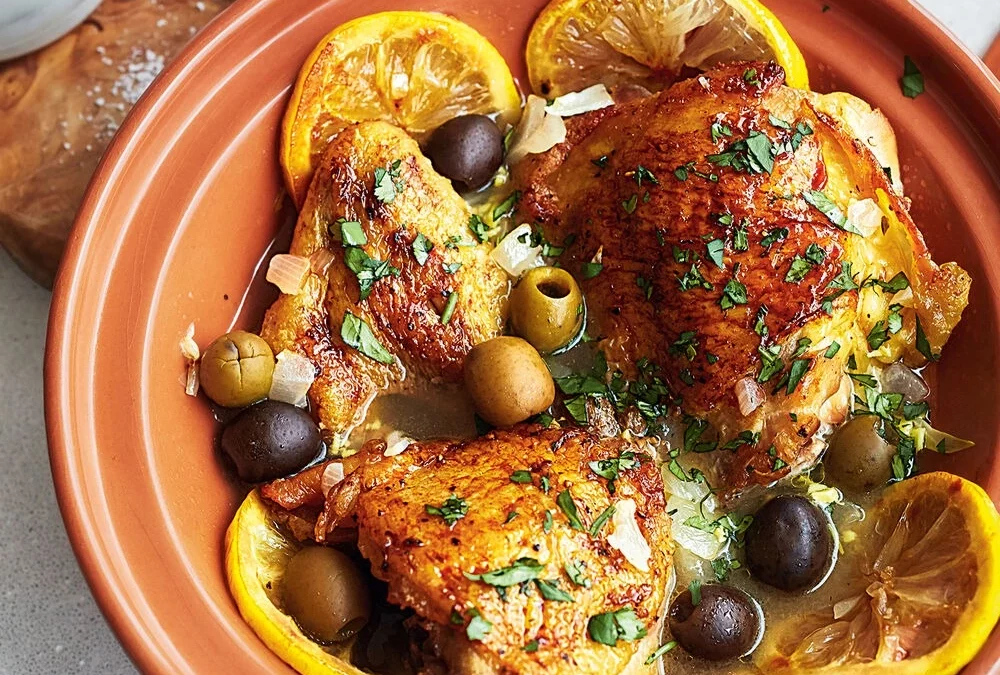
Tagine isn’t just a dish — it’s an experience. Slow-cooked in a conical clay pot, tagine variations include:

  • Chicken with preserved lemon and olives

  • Lamb with prunes and almonds

  • Vegetable tagine with seasonal produce

  • Kefta (meatball) tagine with tomato sauce and egg

Each tagine absorbs flavors slowly, resulting in tender, melt-in-your-mouth perfection. You can find tagines in almost every restaurant, but some of the best come from small local eateries known as “tighrass.”

Couscous: A Friday Tradition

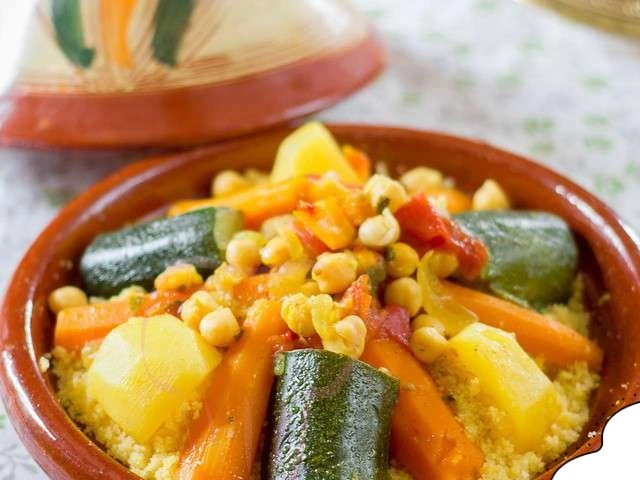
Couscous is typically served on Fridays — a meaningful weekly custom in Morocco. It features steamed semolina grains topped with:

  • Seven vegetables

  • Tender meat or chicken

  • Aromatic broth

If you’re in Marrakech on a Friday, don’t miss the chance to enjoy authentic, homemade couscous prepared with love and tradition.

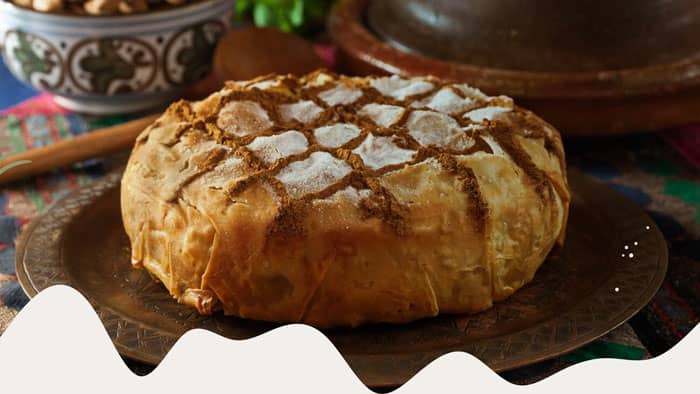
Pastilla (Bastilla): Sweet and Savory Perfection

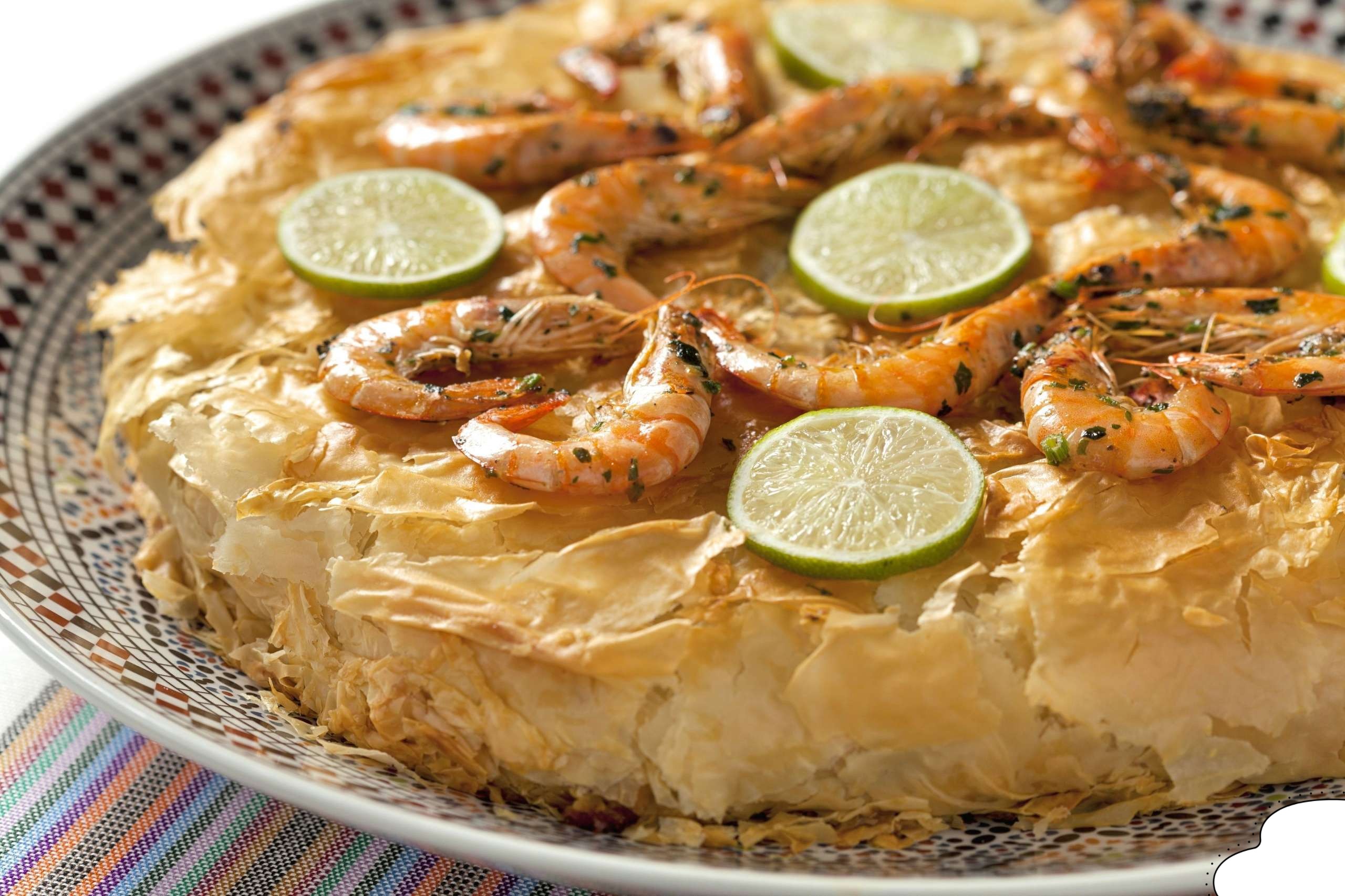
Originally from Fez but now loved across Morocco, pastilla is a delicate pie made with:

  • Shredded chicken or pigeon

  • Caramelized onions

  • Almonds

  • Warm spices

  • Wrapped in thin warka pastry

  • Finished with powdered sugar and cinnamon

It’s a must-try for travelers looking to combine sweet and salty in one delicious bite.

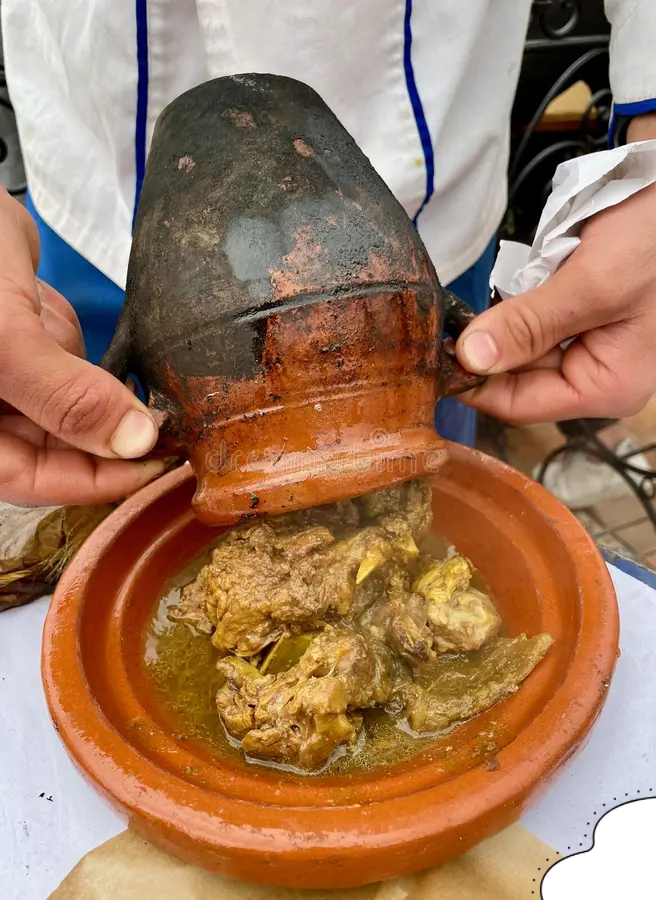
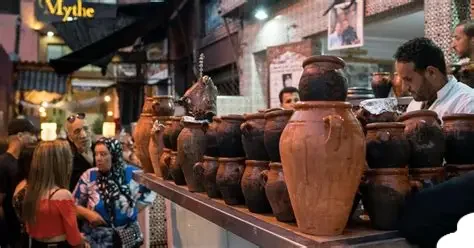
What to eat in Marrakech: traditional tanjia Marrakchia cooked in clay pot
What to eat in Marrakech: Moroccan couscous with seven vegetables

2. What to Eat in Marrakech: Street Food Edition

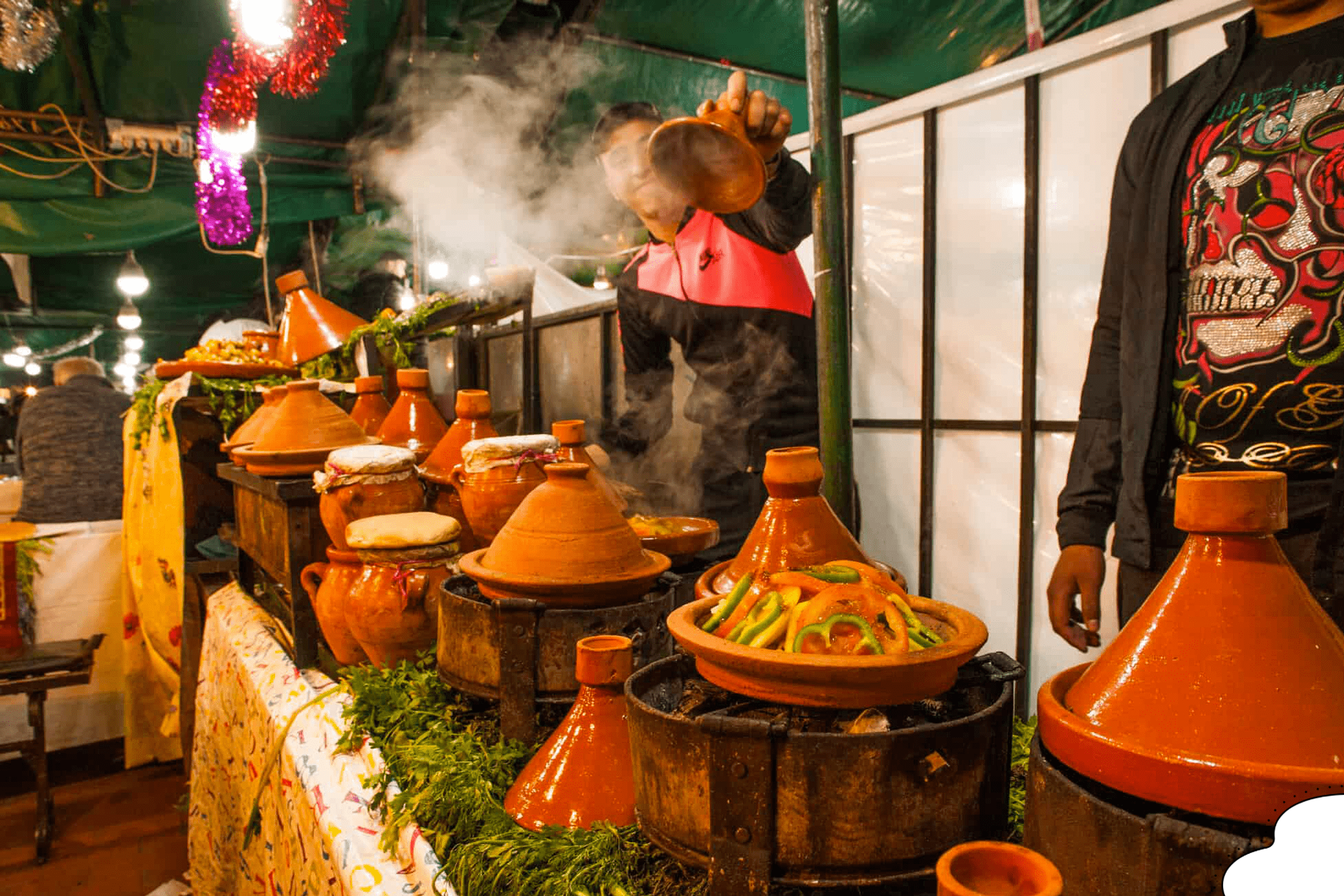
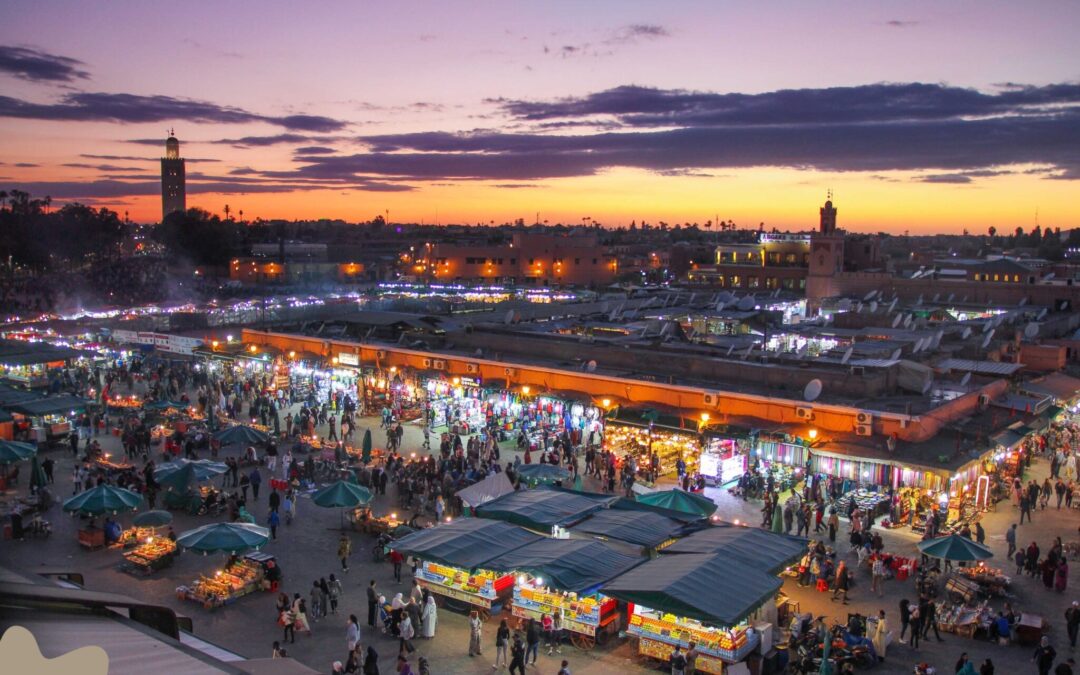
One of the best ways to explore local life is through traditional Moroccan street food in Marrakech. The Jamaa el-Fna night market, food stalls in the medina, and neighborhood bakeries offer some of the city’s most authentic flavors.

Moroccan Bread (Khobz)

Moroccans take bread seriously — and you’ll understand why after one bite. Whether it’s:

  • Khobz (round country bread)

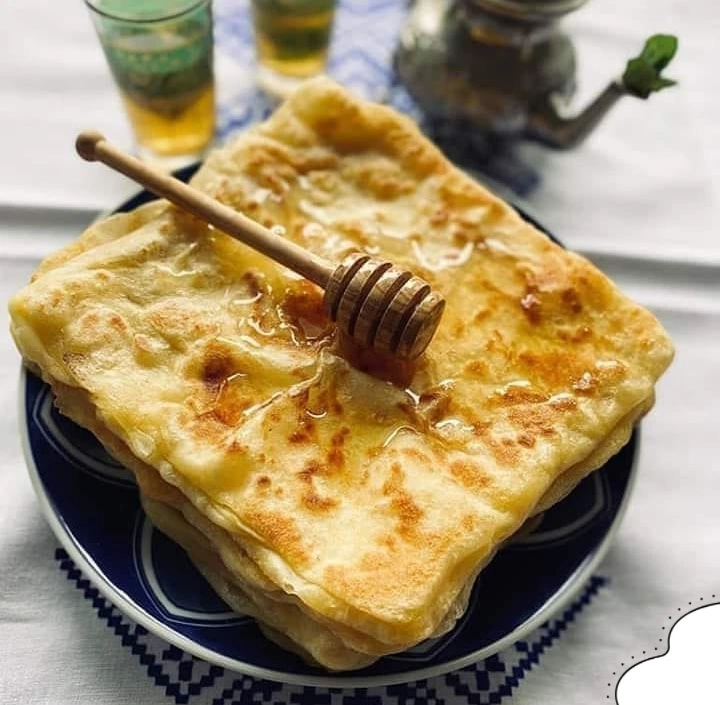
  • Msemen (layered square pancake)

  • Baghrir (spongy semolina crepe)

  • Harcha (semolina pan bread)

You’ll find bread served at every meal, often accompanied by honey, olive oil, or cheese.

Brochettes (Grilled Skewers)

At night markets, sizzling grills fill the air with irresistible smells. Brochettes include:

  • Beef skewers

  • Chicken skewers

  • Lamb liver wrapped in caul fat

  • Spiced minced meat

Pair them with grilled tomatoes, peppers, and fresh bread for a quick and tasty street meal.

Harira Soup

A comforting tomato-based soup with lentils, chickpeas, herbs, and spices. In Marrakech, harira is often enjoyed in the evening with dates and chebakia (a sesame honey pastry), especially during Ramadan.

Snails (Babbouche)

For adventurous foodies, try babbouche — slow-cooked snails in a spiced broth infused with anise, thyme, and pepper. It’s a popular Moroccan street classic.

3. Marrakech Specialties and Hidden Culinary Gems

Marrakech has its own local specialties that highlight the city’s unique history and traditions.

Tanjia: The Signature Dish of Marrakech

If you truly want to discover what to eat in Marrakech that’s unique to the city, tanjia is at the top of the list. Unlike tagine, tanjia is slow-cooked in amphora-shaped clay pots and prepared traditionally by:

  • Seasoning meat (usually beef or lamb) with cumin, garlic, salt, preserved lemon, and olive oil

  • Sealing the pot with parchment and string

  • Taking it to the local hammam, where it cooks gently in the warm ashes for hours

The result? Tender, smoky, flavorful meat that falls apart effortlessly.

Mechoui: Melt-in-Your-Mouth Roasted Lamb

Mechoui is roasted whole lamb cooked in underground clay ovens — a method that creates extremely tender meat. Visit the “mechoui alley” near Jamaa el-Fna to try this traditional delicacy.

Rfissa

A festive dish made with lentils, fenugreek, and chicken, served over shredded msemen. It’s aromatic, comforting, and often served on special occasions.

What to eat in Marrakech: Moroccan msemen pancake served as street food

4. Sweet Treats and Desserts You Can’t Miss

Moroccan sweets are often made with almonds, honey, sesame, and delicate pastries.

Chebakia

A flower-shaped fried pastry soaked in honey and sprinkled with sesame seeds.

Kaab el Ghazal (Gazelle Horns)

Soft almond paste wrapped in thin pastry with orange blossom water.

Sellou or Sfouf

A nutritious, crumbly mixture of roasted flour, nuts, and honey — often enjoyed with mint tea.

Mint Tea (Atay)

No food guide is complete without Moroccan mint tea, known as “Berber whisky.” Sweet, fragrant, and refreshing, it’s a symbol of hospitality and a must-try at any café or riad.

5. Where to Eat in Marrakech: Tips for Travelers

To make your culinary experience even better, here are some helpful suggestions:

Choose local eateries for authentic flavors

Small restaurants and family-owned kitchens often serve the most delicious traditional meals.

Try both street food and sit-down dining

Marrakech offers a mix of casual street eats and high-end Moroccan gastronomy — both worth experiencing.

Explore food markets

Visit:

  • Mellah Market

  • Rahba Kedima Spice Market

  • Souk El Bahja

You’ll find fresh produce, spices, and local snacks.

Respect local customs

Some dishes are seasonal or tied to traditions, like couscous on Fridays. Asking locals is always a great way to find the best spots.

6. Final Thoughts: What to Eat in Marrakech for the Ultimate Food Experience

If you’re still asking what to eat in Marrakech, the answer is simple: everything you can. From aromatic tagines to smoky tanjia, from flaky msemen to sweet chebakia, the Red City is a paradise for anyone who loves food. This guide highlights the must-try dishes, street foods, specialties, and desserts that make Marrakech one of the most exciting culinary destinations in the world.

Whether you’re a first-time visitor or returning traveler, exploring Marrakech through its cuisine will connect you deeply to Moroccan culture, traditions, and everyday life.

And if you’re planning your trip and want help organizing the perfect food adventure or desert experience, contact us here for more information and personalized assistance.

What to eat in Marrakech: food stalls in Jemaa el-Fna square at night

Plan Your Desert Adventure Today!

Experience Morocco like never before — from discovering what to eat in Marrakech to exploring the breathtaking dunes of the Sahara. After enjoying the city’s vibrant food scene, continue your journey into the desert for a magical experience under the stars. Whether you choose the glowing dunes of Erg Chebbi or the wild, untouched beauty of Erg Chigaga, your unforgettable desert adventure is waiting.

Moroccan Street Food Guide: Your Ultimate Culinary Adventure

Moroccan Street Food Guide: Your Ultimate Culinary Adventure

Moroccan Street Food Guide: Your Ultimate Culinary Adventure

Morocco is not only a country of breathtaking landscapes and rich culture but also a paradise for food lovers. If you want to truly experience Moroccan flavors, a Moroccan Street Food Guide is essential. From bustling medinas to lively night markets, street food in Morocco offers a mix of vibrant aromas, bold spices, and traditional recipes passed down through generations.

This guide will take you through the best street food experiences in Morocco, what dishes to try, tips for eating safely, and how to enjoy authentic Moroccan street cuisine like a local. Whether you’re in Marrakech, Fes, or Casablanca, this Moroccan Street Food Guide ensures an unforgettable culinary adventure.

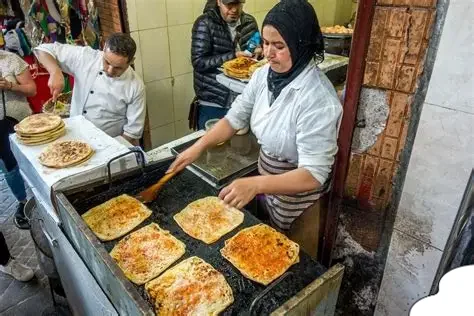
Freshly prepared Msemen pancakes at a Moroccan street food stall for Moroccan Street Food Guide.

Why Explore Moroccan Street Food?

Street food in Morocco is more than a way to satisfy your hunger — it’s a cultural experience. Here’s why:

  • Authenticity: Street vendors often prepare recipes unchanged for decades.

  • Variety: From savory to sweet, there’s something for every palate.

  • Affordability: Tasty meals at a fraction of restaurant prices.

  • Social experience: Eat among locals and experience Moroccan hospitality.

Following a Moroccan Street Food Guide helps you find the best spots, avoid tourist traps, and enjoy the food safely.

Top Moroccan Street Food Dishes You Must Try

Morocco’s street food offers incredible variety. Here’s a breakdown of must-try dishes:

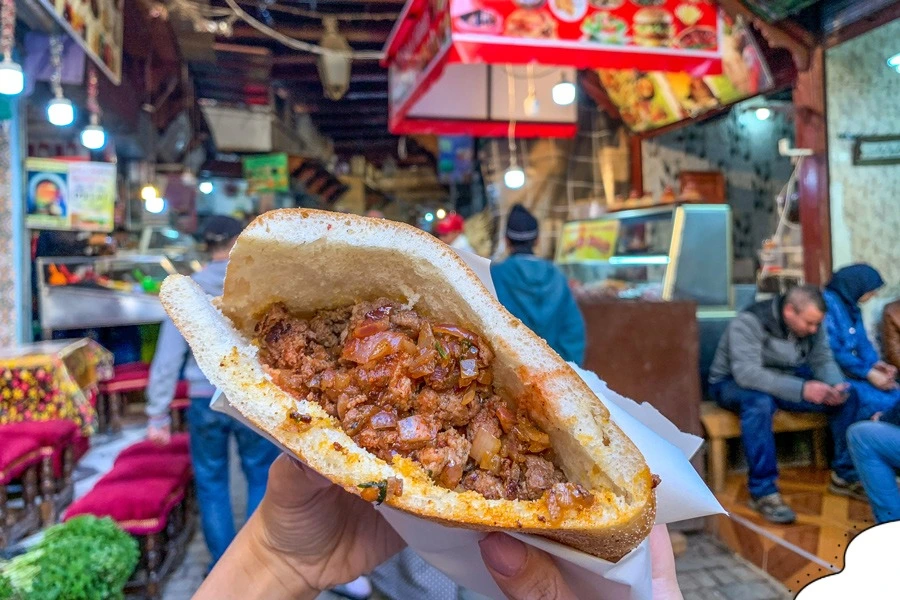
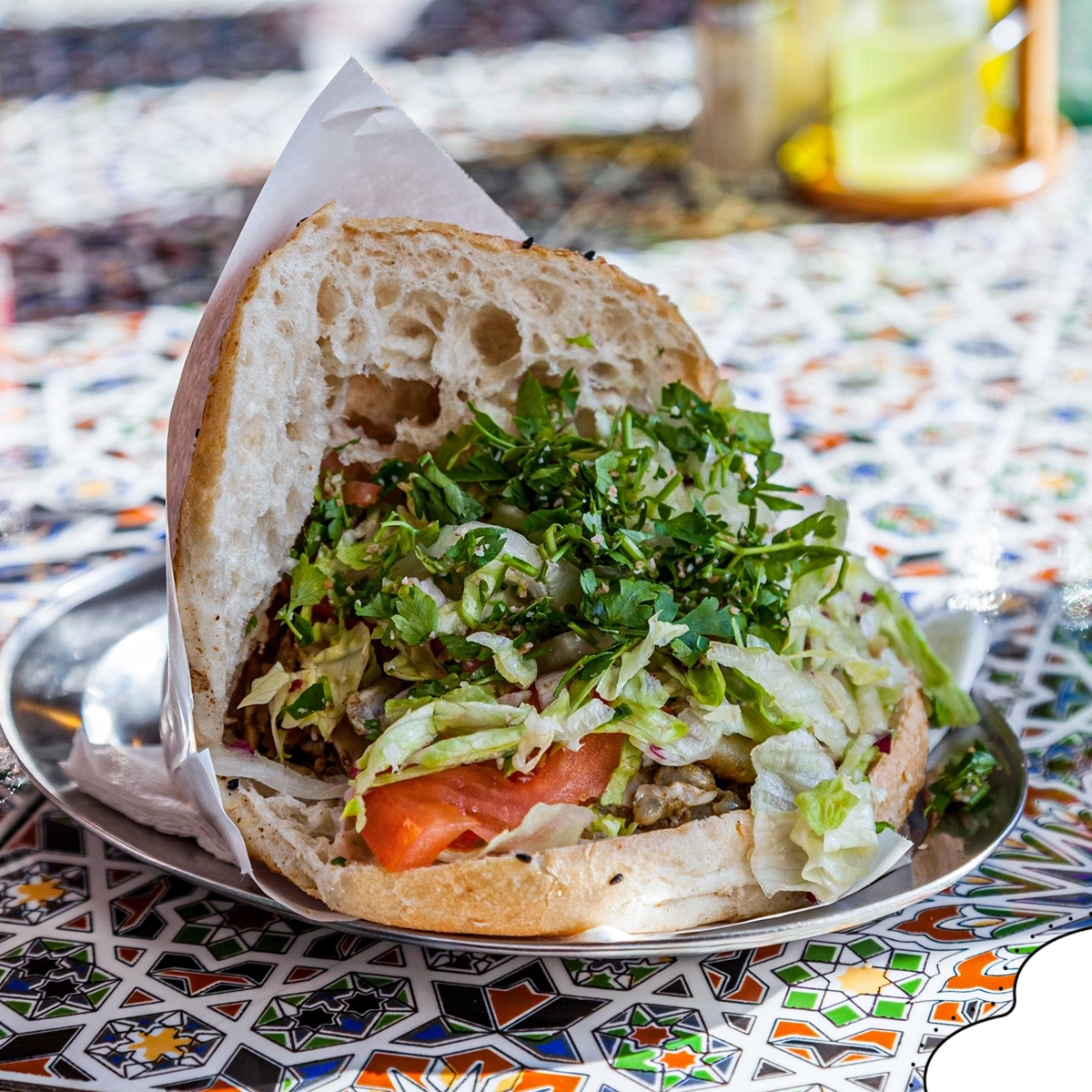
1. Moroccan Sandwiches (Bocadillos and Khobz)

  • Bocadillos: Often filled with merguez (spicy sausage), vegetables, and harissa.

  • Khobz sandwiches: Fresh bread filled with tagine leftovers, fried eggs, or cheese.

  • Tip: Try them in markets or near mosques for the most authentic flavors.

2. Harira Soup

  • Traditional tomato and lentil soup, often served during Ramadan.

  • Topped with herbs and lemon, it’s a warming, flavorful snack.

  • A street favorite in evening food stalls.

Fresh Moroccan sandwiches sold in a market for Moroccan Street Food Guide.

3. Moroccan Pancakes (Msemen and Baghrir)

  • Msemen: Flaky square pancakes served with honey or butter.

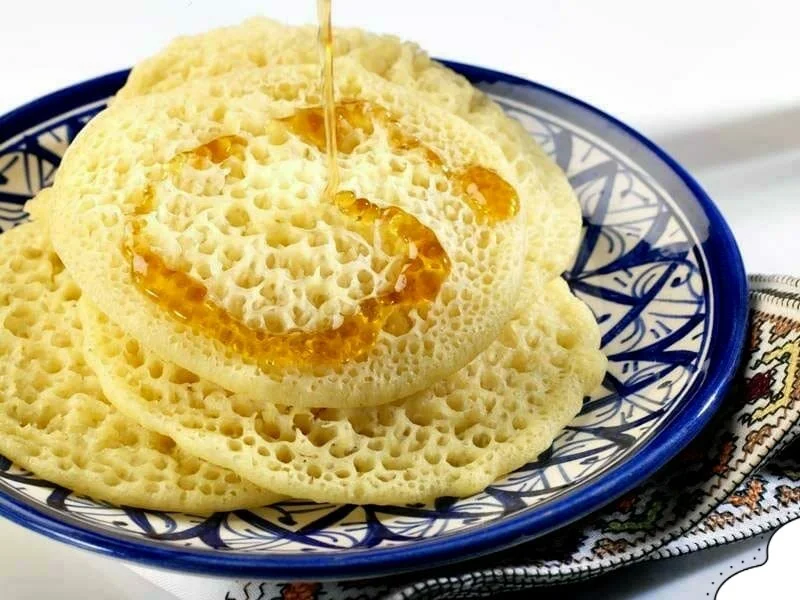
  • Baghrir: Spongy semolina pancakes with tiny holes for soaking syrup.

  • Best enjoyed fresh from street vendors in the morning or late afternoon.

4. Moroccan Grilled Meats

  • Merguez sausages: Spicy, red-colored sausages cooked over charcoal.

  • Kefta skewers: Minced meat seasoned with cumin, paprika, and coriander.

  • Often served with fresh bread or wrapped in flatbreads.

5. Sweets and Desserts

  • Chebakia: Sesame cookies shaped like flowers, soaked in honey.

  • Sellou: Nutty, spiced powder eaten during celebrations.

  • Corn on the cob (Maïs grillé): Grilled with butter, salt, and spices.

Traditional Baghrir pancakes served on a street food stall for Moroccan Street Food Guide.

Where to Find the Best Street Food in Morocco

Street food varies by city. Here’s a quick city guide based on this Moroccan Street Food Guide:

1. Marrakech

  • Jemaa el-Fnaa Square: Legendary for night-time food stalls.

  • Souk streets: Msemen, grilled meats, and fresh juices.

  • Tip: Arrive hungry in the evening for a full culinary tour.

2. Fes

  • Medina of Fes: Narrow alleyways packed with harira, sandwiches, and pastries.

  • Place Seffarine: Try traditional grilled meats and fresh mint tea.

3. Casablanca

  • Central Market (Marche Central): Fresh seafood, sandwiches, and sweets.

  • Anfa Boulevard food stalls: Great for trying local fast foods and snacks.

4. Essaouira

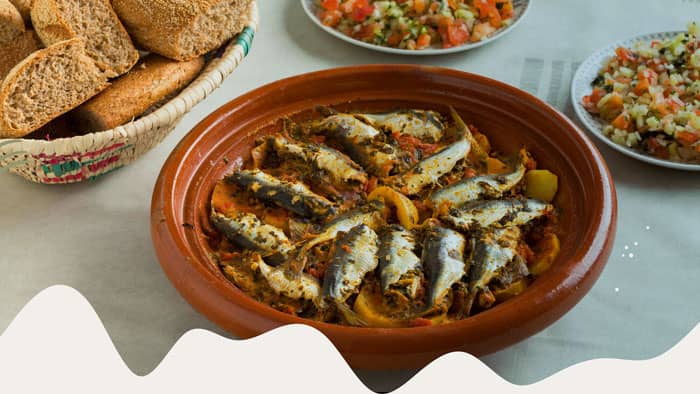
  • Port area: Freshly grilled seafood like sardines, calamari, and shrimp.

  • Main medina streets: Moroccan pancakes and sweets.

Marrakech street food scene with lively stalls for Moroccan Street Food Guide.

Tips for Enjoying Moroccan Street Food Safely

Eating street food is exciting, but safety is important. Follow these tips from this Moroccan Street Food Guide:

  • Watch food preparation: Choose stalls where food is freshly cooked.

  • Check hygiene: Observe how vendors handle ingredients.

  • Drink bottled water: Avoid ice unless you’re sure it’s clean.

  • Start small: Sample a few bites to see how your stomach reacts.

  • Avoid crowded hours for raw foods: Freshly cooked is always safer.

A Sample Moroccan Street Food Day Itinerary

If you want to taste as much as possible in one day, here’s a Moroccan Street Food Guide itinerary:

8:00 AM – Breakfast

  • Msemen with honey or baghrir pancakes at a local street stall.

10:00 AM – Mid-morning snack

  • Freshly squeezed orange juice or seasonal fruits from market stalls.

12:30 PM – Lunch

  • Kefta skewers, merguez sandwiches, and fresh bread in a busy souk.

3:00 PM – Sweet treats

  • Chebakia, almond pastries, or Moroccan donuts with mint tea.

6:00 PM – Evening feast

  • Jemaa el-Fnaa food stalls in Marrakech or Fes for harira, snails, and grilled meats.

8:00 PM – Dessert or late snack

  • Fresh fruit juices, roasted corn, or Moroccan pancakes.

Ready to embark on a culinary adventure through Morocco?

Let our Moroccan Street Food Guide show you the best places, dishes, and tips to enjoy the country’s incredible street food.

Conclusion

Moroccan street food is a feast for the senses — colorful, aromatic, and full of history. This Moroccan Street Food Guide ensures you discover the best dishes, navigate bustling markets, and savor every bite safely. From spicy grilled meats and traditional soups to sweet pastries and fresh juices, Morocco’s streets offer a culinary journey like no other.

Whether you’re wandering the medinas of Marrakech, exploring Fes, or enjoying coastal Essaouira, this guide equips you to eat, explore, and enjoy Moroccan street food like a true local. Don’t just visit Morocco — taste it!

Moroccan Cooking Class in Marrakech: Master the Flavors of Traditional Cuisine

Moroccan Cooking Class in Marrakech: Master the Flavors of Traditional Cuisine

Moroccan Cooking Class in Marrakech: Master the Flavors of Traditional Cuisine

If you’re planning a visit to Marrakech and want to dive deeply into Moroccan culture, a Moroccan Cooking Class in Marrakech is an experience you shouldn’t miss. Beyond the medina’s bustling souks and the call to prayer echoing through the old city, the kitchens of Marrakech offer a genuine taste of Morocco — and few ways are more immersive than participating in a Moroccan Cooking Class in Marrakech with a local chef. In this article, we’ll explore why such a class is a must, what to expect, how to choose the right one, what you’ll learn, and how to make the most of your culinary adventure.

Why choose a traditional Moroccan cooking class in Marrakech?

Taking a cooking class in Marrakech is not just about learning to make a dish—it’s about connecting with Moroccan culture, flavours and traditions.

Immerse yourself in Moroccan flavours

Moroccan cuisine is rich, colourful and aromatic. Think of tagines simmering with spices like cinnamon, cumin, saffron and ginger; the delicate sway of pastilla’s flaky pastry filled with meat and almonds; and the ever-present mint tea served with hospitality. A cooking class lets you touch, smell y taste these elements firsthand, rather than just ordering them at a restaurant.

Learn from local experts

In a traditional cooking class in Marrakech, you’ll often be guided by a local chef or home-cook who knows the rhythms of Moroccan home kitchens. They share not only recipes but stories, family traditions and kitchen secrets that you won’t find in a recipe book.

Enjoy an unforgettable experience

Beyond the food, the atmosphere matters. Many classes take place in charming riads (traditional Moroccan houses), or in markets where you go shopping for fresh produce. This multilayered experience enriches your stay in Marrakech and gives you a great story to tell.

Take home skills and memories

Once you’ve learned how to cook Moroccan dishes, you can bring those skills home. Friends and family will love the stories, the aromas and the results of a tagine or a couscous you learned to prepare.

Don’t miss our article about Campervan Travel Guide to Morocco

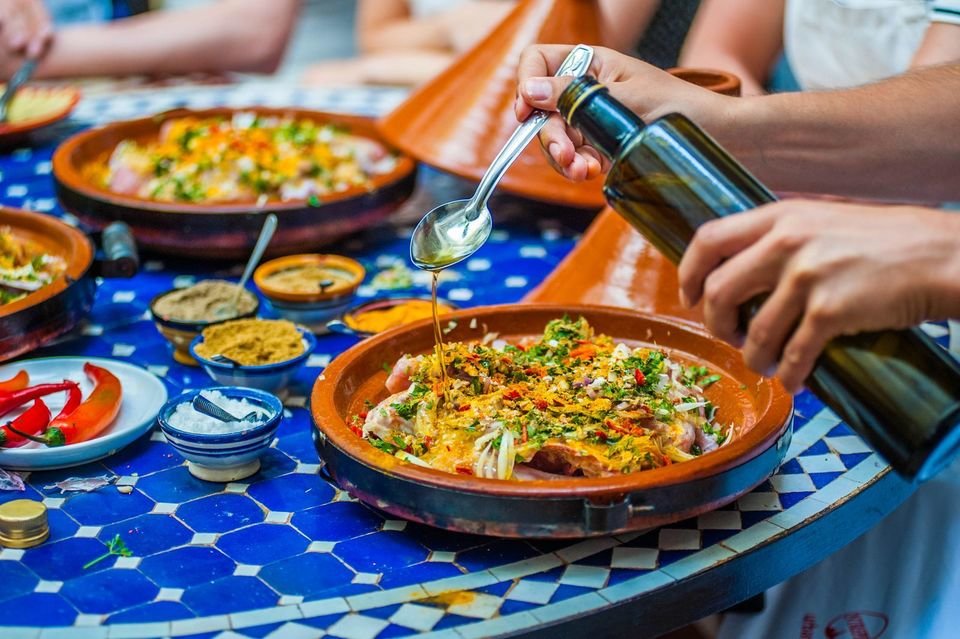
Preparing a traditional Moroccan tagine during a cooking class in Marrakech

What you can expect from the class

Here’s a general breakdown of how a typical traditional Moroccan cooking class in Marrakech will unfold.

Market visit

Often the day begins in the medina, where you’ll meet your instructor and visit a local market. Here you’ll pick fresh ingredients: seasonal vegetables, spices, herbs and perhaps a cut of meat or seafood depending on the menu. It’s a chance to engage with local vendors, ask questions and choose authentic Moroccan produce.

Kitchen time

After shopping, you’ll return to the cooking space — this may be a riad courtyard, rooftop terrace or a home-style kitchen. The instructor will walk you through the dishes, share techniques such as layering spices, slow-cooking the tagine, or assembling a pastilla. Then it’s hands-on: you’ll chop, stir, season and cook alongside the instructor.

Lunch or dinner feast

Once the cooking is done, you’ll sit down to enjoy your creations. Often, you’ll get to relax with other participants, share the meal, and savour the flavours you helped create. Many classes include mint tea, dessert or fresh fruit to finish the experience.

Recipes and tips to take home

Most good classes give you a printed recipe (or digital copy) with instructions and tips you can recreate back home. The instructor may also share where to buy Moroccan spices, what substitutions work and how to adapt dishes to your kitchen.

Close-up of a traditional Moroccan tagine being prepared in a cooking class in Marrakech

How to choose the right cooking class

With so many options in Marrakech, here are some tips to pick the best traditional Moroccan cooking class for you.

Check group size & setting

Smaller groups (6-12 people) give a more personal experience and allow more interaction with the instructor. Larger groups may feel less hands-on. Also check whether the class is in a private home, rooftop terrace or commercial kitchen—each has its own charm.

Look at the menu

Different classes offer different menus. Some focus on vegetarian dishes, others on meat or seafood, or even baking Moroccan pastries. Choose one that fits your dietary preferences and your curiosity.

Market visit inclusion

A class that includes a market visit adds another dimension. It gives you insight into buying spices, selecting produce and experiencing the marketplace culture of Marrakech.

Reviews & instructor credentials

Read reviews from past participants. Look for mentions of the instructor’s friendliness, the clarity of instruction, cleanliness, and the overall atmosphere. A well-regarded instructor who makes you feel comfortable will make the experience memorable.

Price & what’s included

Ensure the price includes everything: ingredients, tea or drinks, printed recipes, and ideally transport (if needed). Some premium classes include a visit to a local spice house or tea tasting.

Timing and location

Check start times (morning vs afternoon vs evening) and where the class is held. A rooftop terrace during sunset might be particularly magical. Also ensure the meeting point is convenient from your riad or hotel in Marrakech.

Participants enjoying the dishes they cooked during a Moroccan cooking class in Marrakech

Discover the Flavors of Marrakech!

Step into the vibrant world of Moroccan cuisine with a hands-on cooking class in Marrakech. Learn to prepare authentic tagines, couscous, pastilla, and more with a local chef. Explore the bustling medina, shop for fresh spices, and enjoy the dishes you create in a traditional Moroccan setting. Perfect for food lovers, cultural explorers, and anyone looking for a memorable Marrakech experience.

Typical menu items you’ll learn

In a traditional Moroccan cooking class in Marrakech you may learn to prepare one or more of the following:

  • Tagine: The iconic Moroccan slow-cooked dish made in a conical clay pot. You’ll learn how to layer meat (lamb, chicken, or even vegetarian), vegetables, dried fruits and spices for that characteristic aroma and texture.
  • Couscous: Traditionally steamed and served with seasonal vegetables and meat or chickpeas. You’ll learn how to make the semolina granules light and fluffy, and how to pair it with the right sauce and toppings.
  • Pastilla (Bastilla): A delicate pastry often filled with pigeon or chicken, almonds, cinnamon and sugar. You’ll learn the folding technique and how to balance sweet and savoury flavours.
  • Salads and starters: Dishes like zaalouk (roasted eggplant and tomato), taktouka (roasted peppers and tomatoes) or refreshing salads with preserved lemons and olives.

Mint tea and dessert: No Moroccan meal is complete without the ritual of pouring mint tea from height. Some classes also include a small dessert such as msemen (flaky flatbread) or chebakia (honey-sweet pastries, especially during Ramadan).

Preparing a traditional Moroccan pastilla during a Moroccan Cooking Class in Marrakech

Conclusion

A Moroccan Cooking Class in Marrakech offers so much more than just learning a recipe—it’s an invitation to live a little like a local, to explore flavours, stories, and kitchens that aren’t always on the tourist trail. Whether you’re a culinary enthusiast, a cultural explorer, or somebody just looking for a memorable activity in Marrakech, a Moroccan Cooking Class in Marrakech is a delightful way to connect, taste, and remember.

If you’re ready to roll up your sleeves, shop in the medina, stir tagines, and laugh with a Moroccan chef, you’re in for a treat. Book a Moroccan Cooking Class in Marrakech that suits you, go hungry, ask lots of questions, and get ready to taste Marrakech in a truly memorable way.

A Culinary Journey Through Morocco’s Regional Flavors

A Culinary Journey Through Morocco’s Regional Flavors

A Culinary Journey Through Morocco’s Regional Flavors

Introduction: Discovering Morocco’s Regional Culinary Diversity

Few countries in the world can rival the depth, aroma, and color of Moroccan regional cuisine. Every corner of Morocco tells a story through its food — from the bustling spice-scented souks of Marrakech to the quiet mountain villages of the Atlas, from the seafood-rich coasts of Essaouira to the date-filled oases of the Sahara. The country’s cuisine is not just a reflection of its geography, but a living archive of its history, culture, and the generations who have shaped it.

What makes Moroccan food truly special is its diversity of influences. The foundation of Moroccan cooking was laid by indigenous Amazigh (Berber) traditions, then enriched by Arab spices, Andalusian refinement, sub-Saharan tradey French techniques during the colonial era. Each region absorbed these cultural threads in its own way, creating distinct yet interconnected culinary identities.

In Fez and Meknes, ancient imperial cities, dishes carry an air of ceremony — layered with sweet and savory notes, and prepared with time-honored precision. In Marrakech and the southern plains, earthy Berber recipes meet the fiery touch of desert spices, while in northern towns like Tangier and Tetouan, Mediterranean breezes influence light, olive-rich seafood plates reminiscent of Andalusian kitchens. Along the Atlantic coast, markets overflow with freshly caught fish seasoned with chermoula, while deep in the Sahara, simple yet soulful meals are shared under the stars.

Every meal in Morocco is more than nourishment — it’s an act of hospitality, a symbol of identity, and a bridge between generations. Whether it’s a fragrant tagine simmering slowly over coals, a plate of couscous served on Fridays, or a cup of mint tea poured with elegance, Moroccan food invites travelers to slow down, connect, and savor every bite.

This journey through Morocco’s regions reveals not only how geography shapes taste, but also how food unites people across diverse landscapes. So prepare your senses — we’re about to explore the regional flavors of Morocco, one dish at a time.

Northern Morocco: Tangier, Tetouan, and Chefchaouen

La northern region of Morocco — stretching from Tangier on the Atlantic to Tetouan and Chefchaouen nestled in the Rif Mountains — is a feast for both the eyes and the palate. Here, the cuisine bears a deep Andalusian and Mediterranean influence, shaped by centuries of migration, trade, and cultural exchange across the Strait of Gibraltar. The result is a style of cooking that is fresh, fragrant, and deeply tied to the rhythms of the sea.

Moroccan regional cuisine

A Blend of Andalusian Elegance and Mediterranean Simplicity

When Andalusian Muslims and Jews fled Spain after the Reconquista, they brought with them a refined culinary tradition — delicate pastries, marinated fish, and sophisticated spice blends — that merged seamlessly with local Berber recipes. Northern Moroccan dishes thus carry a sense of nostalgia and refinement, with subtle layers of sweetness and tang balanced by olive oil, herbs, and citrus.

In cities like Tangier, once known as an international melting pot, you’ll find dishes that reflect this cosmopolitan heritage. Street stalls serve grilled sardines seasoned with chermoula — a marinade of parsley, garlic, paprika, cumin, and lemon — while elegant cafés offer seafood pastilla, a savory pie combining the sweetness of almonds and cinnamon with the brininess of shrimp and calamari.

Meanwhile, in Tetouan, home to one of Morocco’s most distinct Andalusian communities, the cuisine tends toward comfort and warmth. Local favorites include tagine zitoun — tender chicken cooked with preserved lemons and green olives — and bissara, a thick fava bean soup often enjoyed with olive oil and warm bread. Both reflect the region’s appreciation for simple, nourishing ingredients transformed by patience and care.

Chefchaouen: The Blue City with a Green Kitchen

Perched in the Rif Mountains, Chefchaouen may be known for its blue-washed walls, but its cuisine paints a picture of green — olive oil, fresh herbs, and locally grown vegetables. The area’s cuisine embodies the rural Berber spirit, with dishes rooted in the earth and cooked slowly over wood fires.
Popular meals include vegetable tagines infused with mountain herbs, hand-rolled couscous topped with chickpeas and pumpkin, and goat cheese produced in small village farms.

Visitors often describe Chefchaouen’s food as “honest” — pure in flavor, deeply tied to the land, and always served with a smile. Whether you’re dining in a family-run guesthouse or a tiny café overlooking the medina, meals here feel like a homecoming.

Flavors That Define the North

  • Signature Dishes: Bastilla b’semk (seafood pie), tagine zitoun, grilled sardines, and bissara.
  • Key Ingredients: Olive oil, preserved lemons, almonds, parsley, and Mediterranean herbs.
  • Cultural Essence: A harmonious blend of Andalusian artistry and Berber authenticity, shaped by centuries of cross-cultural exchange.

Northern Morocco’s cuisine reminds travelers that food, like the sea, has no borders. Each bite tells the story of connection — between continents, cultures, and generations — making it a perfect beginning for our culinary journey through Morocco’s regional flavors.

The Imperial Cities: Fez and Meknes

If the north represents the meeting of sea and sky, the imperial cities of Fez and Meknes represent Morocco’s beating culinary heart — refined, historic, and deeply ceremonial. Known as the cradle of traditional Moroccan gastronomy, this region offers a cuisine that is both royal in heritage and soulful in execution. Every dish tells a story of ancient palaces, spice caravans, and family kitchens where recipes have been perfected over centuries.

Moroccan regional cuisine

Fez: The Gastronomic Capital of Morocco

Often called “the spiritual and culinary capital of Morocco,” Fez is where Moroccan cuisine reaches its highest expression of sophistication. The city’s labyrinthine medina — one of the oldest in the world — is filled with the scent of cinnamon, saffron, and simmering tagines. Fez’s cuisine has been shaped by centuries of royal patronage, Andalusian influencey meticulous craftsmanship passed down through generations of home cooks.

One of the most celebrated dishes from Fez is pastilla (b’stilla) — a masterpiece of sweet and savory contrast. Traditionally made with pigeon meat (now often replaced by chicken), almonds, eggs, and delicate layers of pastry dusted with powdered sugar and cinnamon, pastilla is a dish that perfectly embodies Fez’s love for balance and precision.

Another iconic dish is Rfissa, often served on special occasions such as the birth of a child. Made from chicken, lentils, and shredded msemen (layered pancakes), it’s slow-cooked with fenugreek and saffron, producing a dish that’s as aromatic as it is comforting. Fez is also famous for Seffa Medfouna, a sweet couscous or vermicelli dish topped with almonds, raisins, and cinnamon — a symbol of celebration and abundance.

Every meal in Fez carries an air of ritual and refinement. Even a simple plate of couscous on a Friday afternoon feels elevated — cooked slowly, steamed three times, and infused with the wisdom of generations.

Meknes: The Garden of Morocco

Just an hour west of Fez, Meknes offers a more rustic, agricultural take on traditional Moroccan flavors. Known as the “garden of Morocco,” Meknes is surrounded by olive groves, vineyards, and fertile plains that supply much of the country’s produce.
Here, food feels grounded and generous — hearty stews, fresh salads, and dishes that celebrate the land. Olive oil plays a starring role, used liberally in tagines and salads alike.

Meknes is also home to some of Morocco’s finest preserved lemons y green olives, which give local tagines their signature tang and depth. Meals are often accompanied by a glass of locally produced wine or a refreshing mint tea — a reminder of the region’s agricultural richness and relaxed pace of life.

Flavors That Define the Imperial Cities

  • Signature Dishes: Pastilla, Rfissa, Seffa Medfouna, and couscous with seven vegetables.
  • Key Ingredients: Saffron, almonds, cinnamon, preserved lemons, and olive oil.
  • Cultural Essence: Elegance, ritual, and a deep respect for culinary tradition.

In Fez and Meknes, food is art — prepared with patience, served with pride, and shared with reverence. These cities invite travelers to taste not just the flavors of Morocco, but its very soul.

The Atlantic Coast: Casablanca, Rabat, and Essaouira

Stretching from the modern metropolis of Casablanca to the laid-back charm of Essaouira, Morocco’s Atlantic coast offers a feast shaped by the ocean’s bounty and centuries of maritime trade. Here, the rhythm of the waves dictates the rhythm of the kitchen. Fish markets overflow with sardines, sea bream, and squid, while the scent of grilled seafood mingles with the sea breeze. This region’s cuisine reflects both Morocco’s coastal heritage and its openness to global flavors — fresh, bold, and beautifully simple.

Moroccan regional cuisine

Casablanca: Modern Flavors, Traditional Roots

As Morocco’s largest city and economic hub, Casablanca embodies the spirit of modern Morocco — cosmopolitan yet deeply connected to its roots. Its culinary scene blends traditional Moroccan dishes with contemporary influences, offering everything from fine dining to street food.
In the city’s vibrant markets, locals shop for fresh fish straight from the Atlantic, spices, and herbs that infuse their kitchens with aroma and color.

A typical Casablancan lunch might feature grilled sea bass with chermoula, spiced shrimp tagine, or a bowl of harira, a comforting tomato-based soup enriched with lentils and chickpeas. Cafés along the Corniche serve fried calamari, fish briouatesy salads seasoned with coriander and lemon juice, perfectly reflecting the city’s mix of coastal freshness and urban flair.

Rabat: Royal Tradition by the Sea

The capital city, Rabat, offers a quieter, more refined interpretation of coastal cuisine. Here, traditional dishes are often prepared with care and subtlety, highlighting quality over complexity. Locals enjoy grilled sardines, couscous with seafoody baked fish stuffed with herbs and olives — dishes that capture the essence of the Atlantic while maintaining a royal Moroccan touch.

Rabat’s medina, smaller and calmer than others in Morocco, hides a few culinary gems — family-run restaurants and seaside stalls where the day’s catch is cooked right before your eyes. The proximity to fertile farmlands ensures that vegetables, olive oil, and citrus fruits are always fresh, making the cuisine balanced and vibrant.

Essaouira: The Soul of the Sea

A few hours south lies Essaouira, the coastal gem beloved by travelers and locals alike. Once a Portuguese port and later a favorite of artists and musicians, Essaouira exudes an easygoing charm that extends to its food.

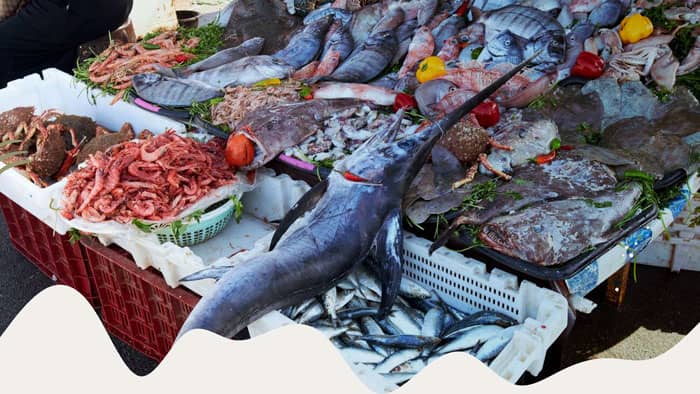
The city’s fish market is legendary — fishermen haul in baskets of sardines, mackerel, and lobster, which are immediately grilled and served with bread, olives, and lemon. The simplicity is the beauty here: fresh fish, olive oil, garlic, and salt — nothing more, nothing less.

Beyond seafood, Essaouira is known for Argan oil, produced in the nearby Souss region. Used in both savory dishes and desserts, it lends a nutty, earthy flavor that defines the area’s cuisine. A drizzle of argan oil over grilled vegetables or mixed with honey to make amlou (a local almond spread) captures the pure essence of southern coastal Morocco.

Flavors That Define the Atlantic Coast

  • Signature Dishes: Chermoula-grilled fish, seafood couscous, harira, and amlou.
  • Key Ingredients: Fresh fish, coriander, cumin, paprika, lemon, and argan oil.
  • Cultural Essence: Freshness, simplicity, and harmony between sea and land.

The Atlantic coast is where Moroccan regional cuisine meets the ocean — a celebration of natural flavors and timeless traditions. Whether it’s a seaside barbecue in Essaouira or a fine-dining experience in Casablanca, every meal along this coast reminds travelers that Morocco’s soul is as deep and ever-changing as the sea itself.

The South: Marrakech, Ouarzazate, and the Atlas Foothills

As the Atlantic breeze fades and the desert sun grows stronger, the cuisine of southern Morocco takes on a richer, earthier tone. This region — spanning Marrakech, Ouarzazate, y el Atlas Mountains — is the heartland of Berber cooking, where meals are slow-cooked, spice-laden, and full of warmth. The flavors here are bold but balanced, born from centuries of tradition and perfected through patience.

Moroccan regional cuisine

Marrakech: The City of Spices and Slow Cooking

Known as Morocco’s “Red City,” Marrakech is a living tapestry of aromas — cumin, paprika, ginger, saffron, and cinnamon — drifting from its famous food stalls and rooftop restaurants. The city’s cuisine reflects both its Berber roots and its status as a crossroads of trade and culture.

At the center of Marrakchi cooking is the tagine, the iconic clay pot that symbolizes Moroccan cuisine itself. But the most celebrated dish unique to Marrakech is tanjia marrakchia — a slow-cooked meat dish prepared in a clay urn-like pot and traditionally cooked by the embers of a hammam (public bathhouse). Made with beef or lamb, preserved lemon, saffron, garlic, and cumin, tanjia is rich, tender, and deeply aromatic — a true labor of love.

Wander through Jemaa el-Fna, the city’s legendary square, and you’ll encounter a feast of sights and smells: bubbling snail soup, grilled kebabs, and steaming tagines served under the open sky. This street food culture captures the essence of Marrakech — vibrant, communal, and irresistibly flavorful.

Ouarzazate: The Gateway to the Desert

Heading southeast, the red walls of Ouarzazate rise where the Atlas Mountains meet the Sahara. Known as the “Gateway to the Desert,” this city has long been a stop for caravans that once carried gold, salt, and — most importantly — spices from sub-Saharan Africa. The local cuisine reflects this heritage with hearty, spice-forward dishes that warm both body and spirit.

In Ouarzazate and nearby villages like Aït Benhaddou, meals are often simple but deeply satisfying. Berber tagines cooked with prunes, almonds, and tender lamb are a staple, balancing savory and sweet in perfect harmony. Locals also prepare couscous with root vegetables y camel meat stews, dishes that echo the region’s nomadic traditions.

One of the south’s most precious ingredients is saffron, grown in the nearby town of Taliouine, often referred to as the “Saffron Capital of Morocco.” This golden spice is used sparingly but adds depth and fragrance to sauces, tagines, and even tea.

The Atlas Foothills: Home of the Amazigh (Berber) Kitchen

The villages nestled in the Montañas del Alto Atlas preserve the purest forms of Berber cooking. Here, food is farm-to-table by nature — vegetables, herbs, and grains are grown in terraced fields, while meat and dairy come from local herds. Meals are cooked slowly over wood fires in clay pots, and every bite tells a story of simplicity and self-sufficiency.

Typical dishes include barley bread baked in communal ovens, vegetable tagines infused with wild thyme and rosemary, and Amlou, a paste made from roasted almonds, argan oil, and honey — often called Morocco’s “Berber Nutella.”
Mint tea, brewed strong and sweet, accompanies every meal, symbolizing warmth and welcome.

Flavors That Define the South

  • Signature Dishes: Tanjia Marrakchia, Berber tagine with prunes and almonds, couscous tfaya, and amlou.
  • Key Ingredients: Saffron, argan oil, almonds, prunes, and mountain herbs.
  • Cultural Essence: Warmth, hospitality, and a deep respect for nature and tradition.

The cuisine of southern Morocco captures the soul of Berber culture — generous, patient, and deeply connected to the land. Every dish here is an invitation to slow down, share, and savor life, one bite at a time.

The Sahara and Berber Villages

Vast, silent, and endlessly golden, the Sahara Desert holds a special place in Moroccan identity — not just as a landscape, but as a way of life. In the remote villages and nomadic camps that dot the dunes of Merzouga, Zagora, y el Valle del Draa, food is a reflection of resilience, simplicity, and hospitality. Every meal in the desert tells a story of resourcefulness and community, where limited ingredients are transformed into soulful, satisfying dishes shared under a canopy of stars.

Moroccan regional cuisine

Cooking in the Heart of the Desert

Life in the Sahara has always revolved around what the land provides — and what can be carried across it. Ingredients are humble but deeply flavorful: dates, barley, goat milk, semolina, and wild herbs. Cooking here is slow and communal, often done over open fires using clay pots or metal pans that have been blackened by years of use.

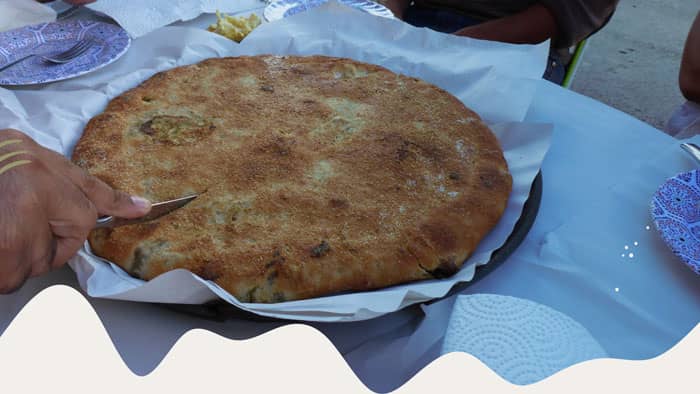
One of the most unique dishes born in the desert is Madfouna, often called the “Berber pizza.” This traditional meal is a stuffed flatbread baked directly in the sand beneath hot coals. The filling typically includes ground meat, onions, herbs, and spices — simple yet nourishing, designed to sustain travelers crossing long stretches of desert.

Another staple is Couscous Tfaya, a celebratory dish topped with caramelized onions, raisins, and chickpeas. Though couscous is eaten throughout Morocco, the desert version has a sweetness that mirrors the warmth of the people who prepare it. Meals often end with fresh dates — the “bread of the desert” — served with milk or a steaming glass of mint tea.

The Spirit of Sharing and Survival

In Berber culture, food is not merely sustenance; it is a gesture of welcome and solidarity. Even in the harshest conditions, travelers and strangers are greeted with tea and bread, no questions asked. This tradition, rooted in centuries of nomadic life, remains one of the most touching aspects of Saharan hospitality.

The ritual of tea preparation itself is a form of art — poured from a height to create foam, symbolizing generosity and friendship. The first glass is bitter like life, the second is strong like love, and the third is sweet like death — a poetic reminder of the desert’s wisdom.

In the evenings, as the sun sets over the dunes, families and travelers gather around fires for shared meals — tagines bubbling slowly, bread baking in embers, and the aroma of cumin and coriander filling the cool desert air. Here, food and companionship are inseparable; the act of eating together strengthens bonds and preserves traditions passed down through generations.

Flavors That Define the Sahara

  • Signature Dishes: Madfouna (Berber pizza), Couscous Tfaya, flatbreads baked in sand, and goat-milk yogurt.
  • Key Ingredients: Dates, barley, onions, chickpeas, and mint.
  • Cultural Essence: Simplicity, generosity, and harmony with the harsh yet beautiful desert environment.

The cuisine of the Sahara is proof that luxury lies not in abundance, but in meaning. Every meal — no matter how modest — carries the essence of Moroccan hospitality: a shared warmth that glows as brightly as the desert’s morning sun.

Experience Morocco Through Its Flavors!

Ready to embark on your own Moroccan culinary adventure? Taste regional tagines, explore colorful spice markets, and learn from local chefs who bring centuries of tradition to life. Book a food tour, cooking class, or guided journey to discover Morocco’s rich regional flavors firsthand—because every dish tells a story worth experiencing!

The Middle Atlas: Beni Mellal and Azrou

Tucked between the northern plains and the High Atlas lies a region of rolling hills, cedar forests, and fertile valleys — the Middle Atlas Mountains, home to towns like Beni Mellal y Azrou. This part of Morocco is less visited than Marrakech or Fez, but for those who make the journey, it offers a glimpse into the heart of rural life and authentic Moroccan regional cuisine at its purest.

Here, the air is crisp, the land green, and the meals hearty. The Middle Atlas is often called “Morocco’s orchard,” a place where apples, walnuts, olives, and honey thrive. Its cuisine is shaped by seasonal agriculture y Amazigh (Berber) traditions, where every ingredient is valued and nothing is wasted.

Moroccan regional cuisine

Beni Mellal: The Abundance of the Land

Set against the backdrop of Mount Tassemit, Beni Mellal is a city surrounded by fields and orchards that feed much of central Morocco. The local cuisine reflects this agricultural wealth. Meals often begin with fresh salads — tomatoes, peppers, and onions drizzled with olive oil — followed by vegetable tagines slow-cooked to perfection.

A beloved local dish is Tagine bel Khodra, a simple yet flavorful vegetable tagine made with zucchini, carrots, and potatoes, seasoned with turmeric and cumin. Lamb tagines with prunes and almonds are also common, especially during family gatherings or festivals. Local honey and almonds are frequently used in desserts, while fresh bread, often baked in clay ovens, accompanies every meal.

Beni Mellal’s residents take great pride in homemade olive oil, often pressed from family-owned groves. This oil, thick and aromatic, is drizzled over everything — from salads to bread — giving local dishes their distinctive richness.

Azrou: The Taste of the Mountains

Further north, Azrou, a charming mountain town known for its cedar forests and friendly macaques, offers a more rustic and cozy take on Moroccan cuisine. The colder climate here favors hearty, warming meals, often shared beside wood stoves during the long winter months.

Local specialties include barley soups, stews made with wild herbsy tajines featuring mountain mushrooms or local lamb. Fresh goat cheese y yogurt are common, thanks to the region’s thriving pastoral culture. Desserts are typically simple — honey-soaked pastries or fresh fruit paired with mint tea.

What truly defines Azrou’s food is its farm-to-table simplicity. Many ingredients come directly from nearby farms or home gardens, and recipes are passed down through families who take pride in preserving their heritage.

Flavors That Define the Middle Atlas

  • Signature Dishes: Tagine bel Khodra, lamb with prunes, barley soup, and almond pastries.
  • Key Ingredients: Apples, walnuts, olive oil, honey, and seasonal vegetables.
  • Cultural Essence: Simplicity, freshness, and the deep connection between food, family, and the land.

In the Middle Atlas, Moroccan regional cuisine returns to its roots — humble, wholesome, and guided by nature’s rhythms. Every bite reflects the generosity of the land and the quiet pride of the people who nurture it.

Sweet Endings: Desserts and Moroccan Pastries Across Regions

No culinary journey through Morocco’s regional flavors would be complete without exploring the country’s exquisite world of desserts and pastries. Moroccan sweets are more than just an afterthought — they are a celebration of craftsmanship, hospitality, and centuries-old tradition. Across the country, every region puts its own twist on classic treats, uniting flavors of honey, almonds, orange blossom water, and sesame in countless delightful combinations.

The Art of Moroccan Pastry

Moroccan pastries are a legacy of both Andalusian refinement y Berber ingenuity. What makes them truly special is the way they balance texture and aroma — crisp on the outside, tender or nutty within, and always fragrant with spices or floral waters. They are often served alongside mint tea, forming the heart of Moroccan social life.

Among the most beloved is Chebakia, a sesame-coated cookie fried to golden perfection and dipped in honey infused with orange blossom. It’s especially popular during Ramadan, when families enjoy it after sunset prayers with harira soup. Another classic is Kaab el Ghzal — “gazelle horns” — delicate crescent-shaped pastries filled with almond paste and perfumed with cinnamon and orange blossom water.

In Fez and Meknes, pastry-making is treated as an art form. Here, bakers spend hours crafting intricate briouates — thin pastry triangles stuffed with almonds or spiced meat — and ghriba, crumbly cookies made from almonds or semolina. The level of precision and beauty in these sweets speaks to the region’s royal culinary heritage.

Regional Sweetness: North to South

  • In northern Morocco, Andalusian influence shines through in pastries that pair nuts and citrus, often accompanied by sweet mint tea or fresh fruit.
  • La central regions, especially Fez, are known for almond-based sweets, where layers of filo pastry, honey, and crushed nuts echo flavors found in Middle Eastern desserts.
  • In southern Morocco, desserts often feature dates, honey, and argan oil, ingredients born from the desert and mountain environments. Amlou, the Berber spread made from almonds, honey, and argan oil, is a common breakfast and dessert treat — rich, nutty, and deeply satisfying.
  • In the Atlas Mountains, simplicity reigns: homemade bread drizzled with honey, fresh fruit, or walnut-stuffed pastries are favored after hearty meals.

Sweets in Moroccan Life

Beyond their flavors, Moroccan sweets hold deep cultural meaning. They are symbols of joy, celebration, and hospitality — prepared for weddings, religious holidays, and family gatherings. Offering a plate of sweets and tea to guests is a gesture of respect and welcome that transcends language and time.

Even in modern Morocco, these traditions endure. Pastry shops in Marrakech and Casablanca display towers of golden chebakia and rows of jewel-like almond cookies, while in small towns, families still gather to bake together before Eid or a wedding. Each cookie, each drizzle of honey, carries a sense of continuity — a bridge between past and present.

Flavors That Sweeten Morocco

  • Signature Desserts: Chebakia, Kaab el Ghzal, Briouates, Ghriba, and Amlou.
  • Key Ingredients: Almonds, honey, sesame, orange blossom water, and argan oil.
  • Cultural Essence: Celebration, generosity, and the art of sharing sweetness in every sense.

From the northern coasts to the desert dunes, Morocco’s sweets remind us that food is more than sustenance — it’s an expression of love, artistry, and heritage. Each region leaves its own trace of sweetness, ensuring that every meal in Morocco ends not just with flavor, but with a smile.

Where to Taste Morocco’s Regional Dishes

Experiencing Moroccan regional cuisine is not only about tasting delicious food — it’s about discovering the soul of each region through its people, traditions, and settings. From bustling medina food stalls to elegant riad restaurants, Morocco offers countless opportunities to immerse yourself in its culinary landscape. Whether you’re a foodie, a traveler, or a curious explorer, here’s where you can truly taste Morocco’s regional dishes.

1. Fez – The Heart of Morocco’s Gastronomic Tradition

Fez is widely regarded as the culinary capital of Morocco. The city’s old medina, a UNESCO World Heritage Site, is a maze of aromas and flavors that have remained unchanged for centuries.

Where to eat:

  • Dar Hatim – A family-run restaurant known for authentic pastilla and traditional couscous tfaya.
  • Riad Rcif – Offers a regal dining experience in a stunning riad setting, serving Fez-style lamb tagines and almond pastries.
  • Local tip: Visit Fez during religious or family celebrations to see how the locals prepare elaborate feasts that blend sweet and savory in true Fassi fashion.

2. Marrakech – The Street Food Capital

In Marrakech, food is an adventure in itself. The Jemaa el-Fnaa square transforms nightly into a feast of sizzling grills, aromatic tagines, and bubbling snail soups.

Where to eat:

  • Food Stalls at Jemaa el-Fnaa – Taste authentic tanjia marrakchia, slow-cooked lamb prepared in earthen pots.
  • Café Clock – Known for its creative fusion dishes like the camel burger, blending tradition and modernity.
  • Local tip: Join a Marrakech cooking class to learn how to balance spices and prepare your own tagine from scratch.

3. Tangier and Tetouan – Coastal Freshness with a Mediterranean Soul

Northern Morocco’s cuisine reflects its proximity to Spain and the Mediterranean, combining seafood with light, zesty ingredients.

Where to eat:

  • El Morocco Club (Tangier) – Offers refined Moroccan dishes like seafood tagine with lemon and olives.
  • Riad Blanco (Tetouan) – A hidden gem serving homemade northern specialties with Andalusian flair.
  • Local tip: Try street-side fish markets near Tangier’s port, where you can pick your catch and have it grilled fresh.

4. Essaouira – The Ocean’s Pantry

Essaouira’s laid-back charm extends to its food scene, famous for grilled seafood, fresh bread, and vibrant spices.

Where to eat:

  • Fish Stalls by the Port – Choose from shrimp, sardines, or lobster, grilled right before your eyes.
  • La Table by Madada – For a more upscale experience, enjoy seafood couscous and creative takes on Moroccan classics.
  • Local tip: Visit during the Gnawa Festival, when the city comes alive with music, food, and street celebrations.

5. Atlas Mountains and Berber Villages – Simple, Hearty, and Honest

The food of the Atlas Mountains embodies the authentic Berber spirit — rustic, wholesome, and deeply connected to the land.

Where to eat:

  • Local Berber Guesthouses (Imlil or Aït Benhaddou) – Experience communal meals with homemade bread, tagines cooked over wood fires, and mint tea shared at sunset.
  • Kasbah du Toubkal (Imlil) – Offers traditional dishes made from locally grown vegetables and herbs.
  • Local tip: Try taktouka (a warm pepper salad) or berkoukesh, a hand-rolled couscous dish rarely found outside Berber kitchens.

6. The Sahara and Southern Morocco – Food of the Desert

Desert cuisine tells a story of resilience and resourcefulness, using ingredients like dates, barley, and preserved meats.

Where to eat:

  • Desert Camps in Merzouga or M’Hamid – Savor slow-cooked mechoui (roasted lamb) and Berber flatbread baked in sand ovens under the stars.
  • Local tip: Don’t miss madfouna, often called “the Berber pizza,” a stuffed bread filled with meat, onions, and spices.

Tasting Morocco Beyond the Plate

To truly understand Moroccan cuisine, go beyond restaurants.

  • Join a local cooking class in Fez or Marrakech.
  • Explore traditional souks like Mellah Market in Fez or the spice market in Marrakech.
  • Visit cooperatives where women produce argan oil or almond paste by hand.

Each of these experiences offers a glimpse into Morocco’s living food traditions — where recipes are passed down, shared, and celebrated.

Conclusion: A Taste of Morocco’s Soul

Morocco is more than a destination — it’s a culinary journey that spans mountains, deserts, and coasts, connecting history, culture, and community through every bite. From the sea-inspired dishes of the Atlantic coast to the hearty, earthy tagines of the Atlas Mountains, and from the refined pastries of Fez to the simple, soulful meals of the Sahara, each region offers a window into the heart of Moroccan life.

Moroccan regional cuisine is not simply about food; it is an expression of identity, hospitality, and artistry. Every dish tells a story — of Berber traditions, Andalusian influence, desert survival, and royal culinary refinement. Through its diverse flavors, Morocco invites travelers to slow down, savor each bite, and understand the culture in a deeply personal way.

Whether you are wandering through bustling medinas, dining under the stars in the desert, or sampling street food along the coast, the experience of Morocco’s cuisine is unforgettable. It’s a journey that engages all your senses and leaves a lasting impression — one that goes far beyond taste.

I can’t Find European and International Food in Morocco! A Guide for Tourists

I can’t Find European and International Food in Morocco! A Guide for Tourists

I can’t Find European and International Food in Morocco! A Guide for Tourists

When visiting Morocco, you’ll undoubtedly be tempted by the rich, flavorful Moroccan cuisine, from tagines to couscous. However, for those craving familiar European and international dishes during their stay, Morocco’s vibrant restaurant scene has you covered. Whether you’re traveling with picky eaters, children, or simply want a taste of home, this guide will help you find your favorites in Morocco.

Common European and International Food in Morocco

Breakfast Options

European breakfasts are widely available in Morocco, especially in larger cities like Marrakech, Casablanca, Rabat, and Fes. Here’s what you can expect:

  • Continental Breakfast: Most hotels, cafes, and restaurants serve a continental breakfast, including croissants, baguettes, butter, jam, and freshly brewed coffee. Fresh orange juice, a Moroccan specialty, often complements the meal.
  • English Breakfast: Many international and British-style cafes serve a full English breakfast, complete with eggs, sausages, bacon (beef or turkey in some places due to dietary restrictions), baked beans, and toast.
  • Healthy Options: Yogurt, granola, and fresh fruit are popular at upscale hotels and health-conscious cafes.

Lunch Choices

Morocco is home to countless European and international restaurants, so finding a familiar dish for lunch is easy.

  • Italian Cuisine: Pizza, pasta, and risotto are staples in Moroccan Italian restaurants. Cities like Casablanca and Marrakech boast authentic Italian eateries with wood-fired pizzas and handmade pasta dishes.

  • French Cuisine: Thanks to Morocco’s historical ties with France, French bistros are widespread. Look for quiche, steak frites, ratatouille, or a classic croque-monsieur.

  • German and Central European Dishes: Schnitzels, sausages, and potato-based dishes are less common but can be found in select international restaurants and hotels.

  • Spanish Tapas: Spanish tapas bars are popular in northern Morocco, particularly in Tangier, Tetouan, and Chefchaouen. Expect paella, patatas bravas, and calamari on the menu.

Dinner Delights

For dinner, Morocco’s international food scene truly shines. Whether you’re dining at a five-star resort or a cozy bistro, you’ll find plenty of familiar options:

  • Mediterranean Cuisine: Grilled seafood, light salads, and Mediterranean-inspired dishes are widely available along Morocco’s coastline. Try the seafood paella in Casablanca or grilled fish in Agadir.

  • Steak and Roasts: European-style steak dishes and roasted meats are offered at upscale restaurants in urban areas.

  • Fusion Cuisine: Many chefs blend Moroccan flavors with European techniques, creating unique dishes that are both familiar and exotic.

Don’t Miss Casablanca’s Street Food Magic!

Follow the irresistible scent of grilled kebabs, sizzling msemen, and spicy harira through the city’s lively alleys. Dive into the heart of local flavor where every bite tells a story. From juicy brochettes to crispy sardine sandwiches, Casablanca’s street food isn’t just a snack, it’s an experience. Grab your appetite and hit the streets!

Family International Food in Morocco

Snacks and Beverages

European-style snacks and drinks are easy to come by in Morocco:

  • Pastries and Baked Goods: French bakeries (pâtisseries) are a highlight in Morocco, serving fresh croissants, pain au chocolat, eclairs, and tarts.

  • Cheese Platters: Some cafes and wine bars offer cheese boards featuring European cheeses like Brie, Camembert, and Gouda.

  • Beverages: Espresso, cappuccino, and European teas are staples in Moroccan cafes, alongside international sodas and juices.

Kid-Friendly Favorites

Traveling with kids? Morocco has plenty of options to satisfy young palates:

  • Pasta and Pizza: Italian dishes like spaghetti Bolognese and margherita pizza are universally loved and widely available.

  • Burgers and Fries: Many international chains and local cafes serve burgers, chicken nuggets, and crispy fries.

  • Desserts: Ice cream parlors and creperies are common, offering treats like waffles, crepes, and sundaes that kids will adore.

Where you can find European and International Food in Morocco

Availability Across Morocco

European and international dishes are particularly easy to find in tourist-heavy areas and major cities:

  • Marrakech: A hotspot for international cuisine, Marrakech boasts a wide range of European restaurants in areas like Gueliz and the Medina.
  • Casablanca: As Morocco’s largest city, Casablanca’s dining scene includes everything from French bistros to Italian trattorias.
  • Tangier: With its proximity to Spain, Tangier offers excellent Spanish tapas and Mediterranean cuisine.
  • Rabat and Fes: While smaller than Casablanca, these cities also feature a variety of European dining options.

Conclusion

While Morocco’s local cuisine is a must-try, the country’s vibrant restaurant scene ensures that European and international food is never far away. From breakfast pastries to kid-friendly meals and gourmet dinners, tourists can find all their favorites with ease. So whether you’re exploring the bustling streets of Marrakech or the serene coastline of Essaouira, rest assured that a taste of home is within reach.


European and International Food in Morocco
Loading...
/*** Collapse the mobile menu - WPress Doctor ****/