
No Results Found
The page you requested could not be found. Try refining your search, or use the navigation above to locate the post.

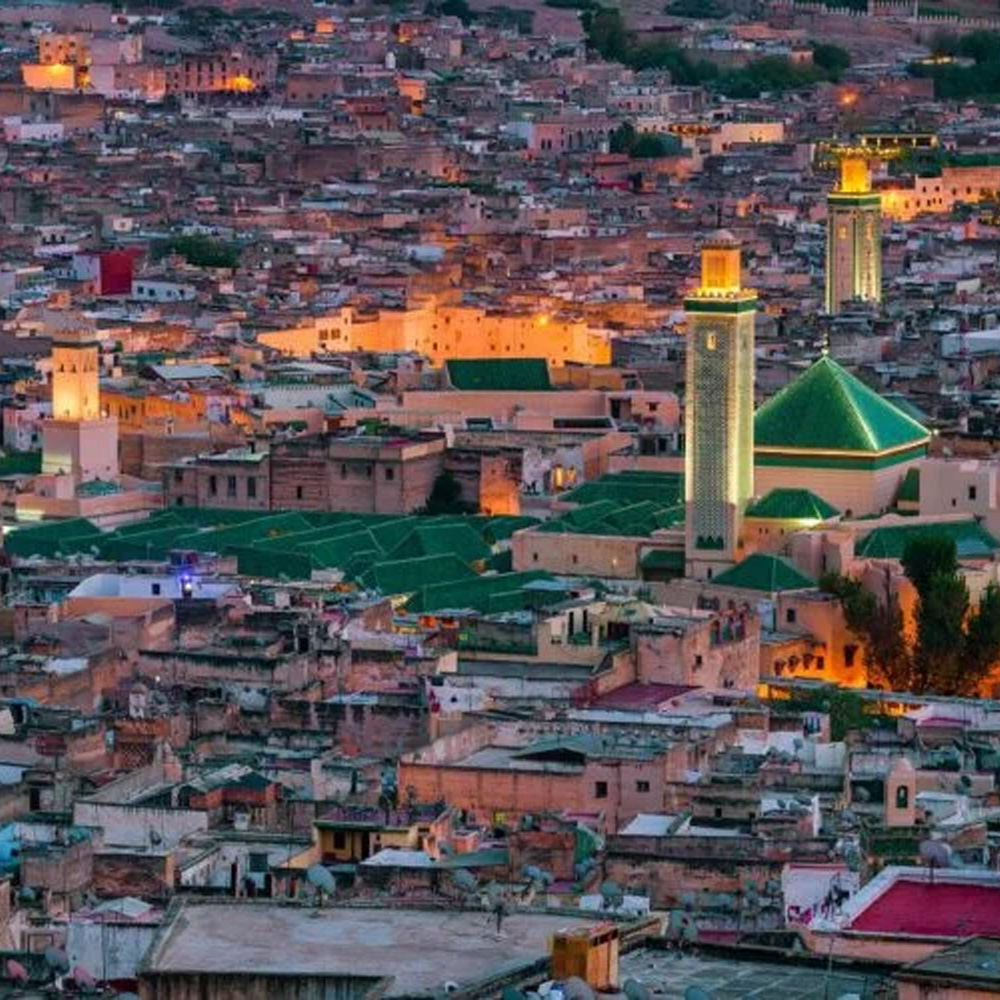
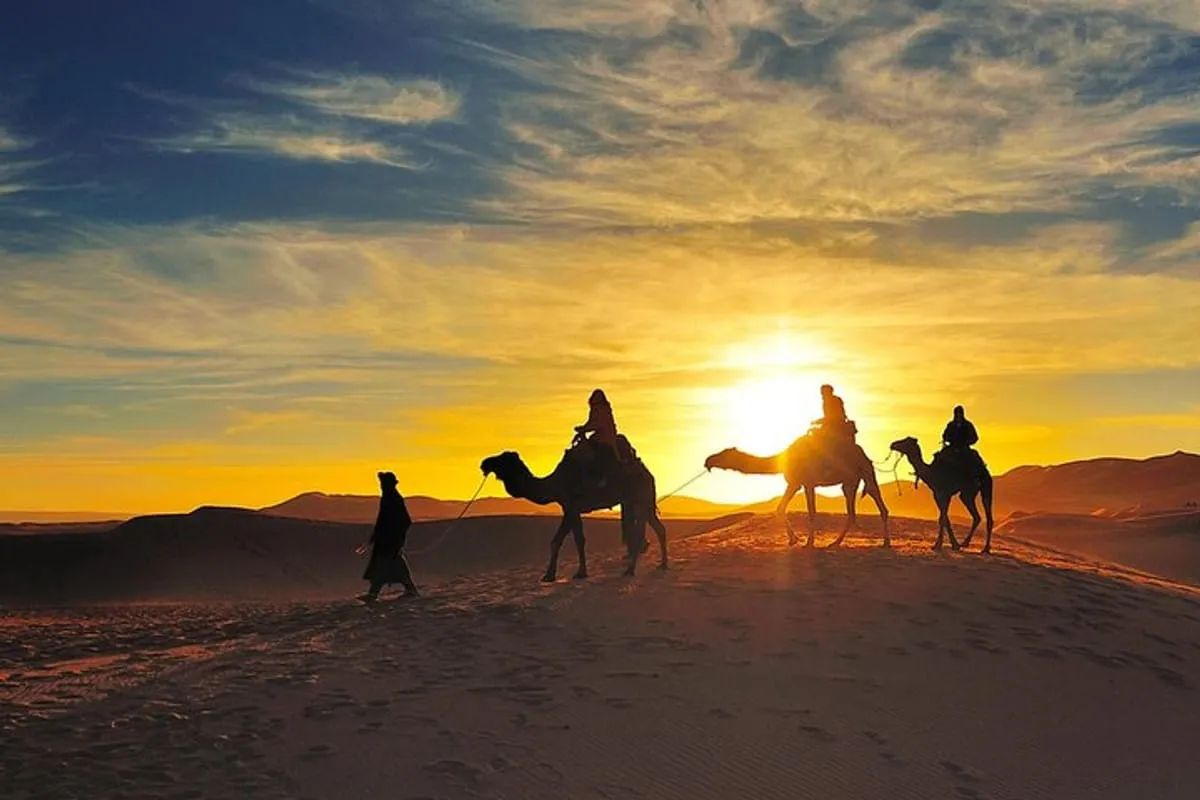
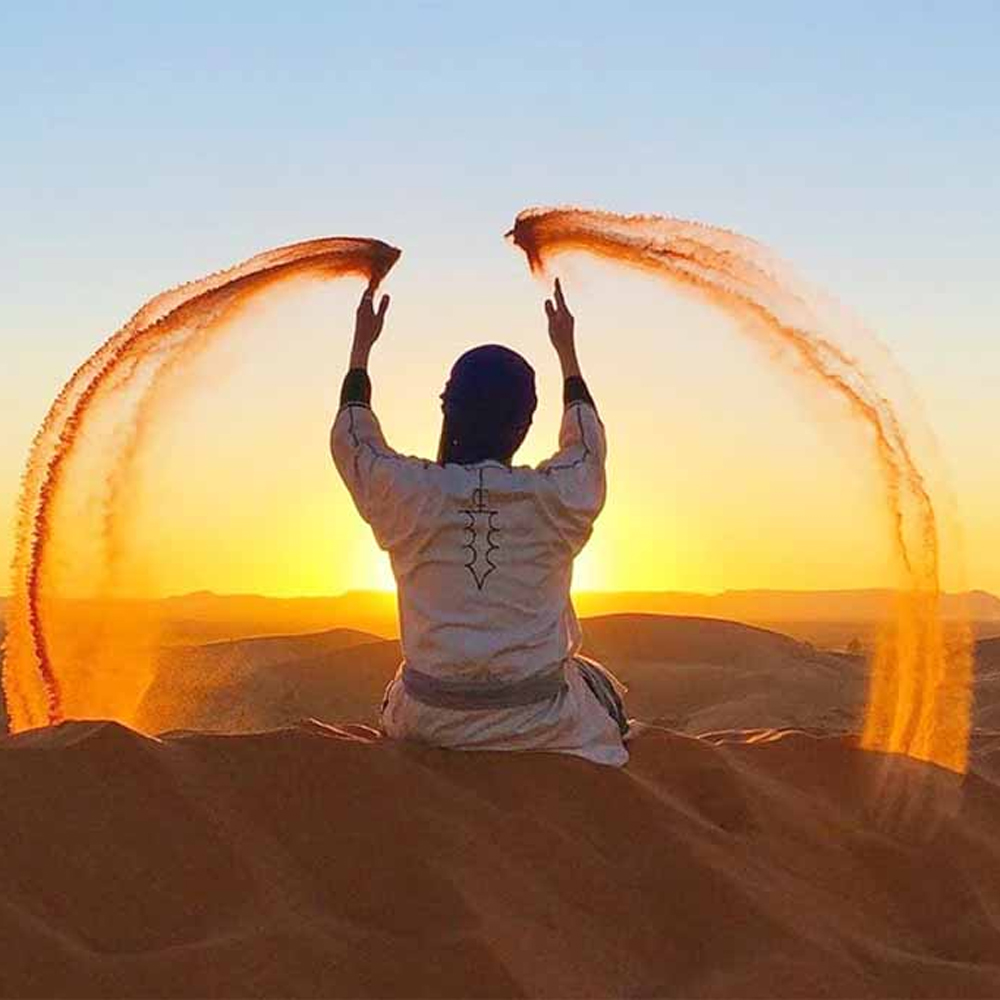
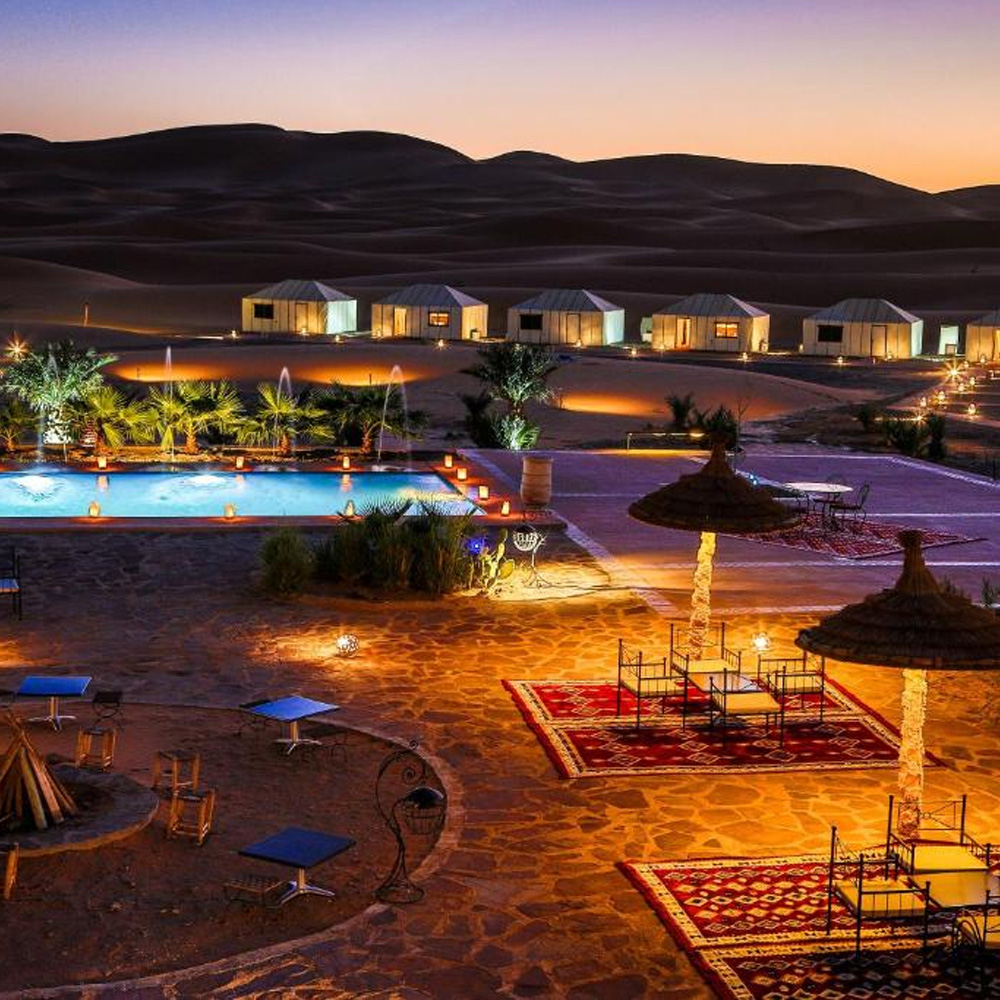
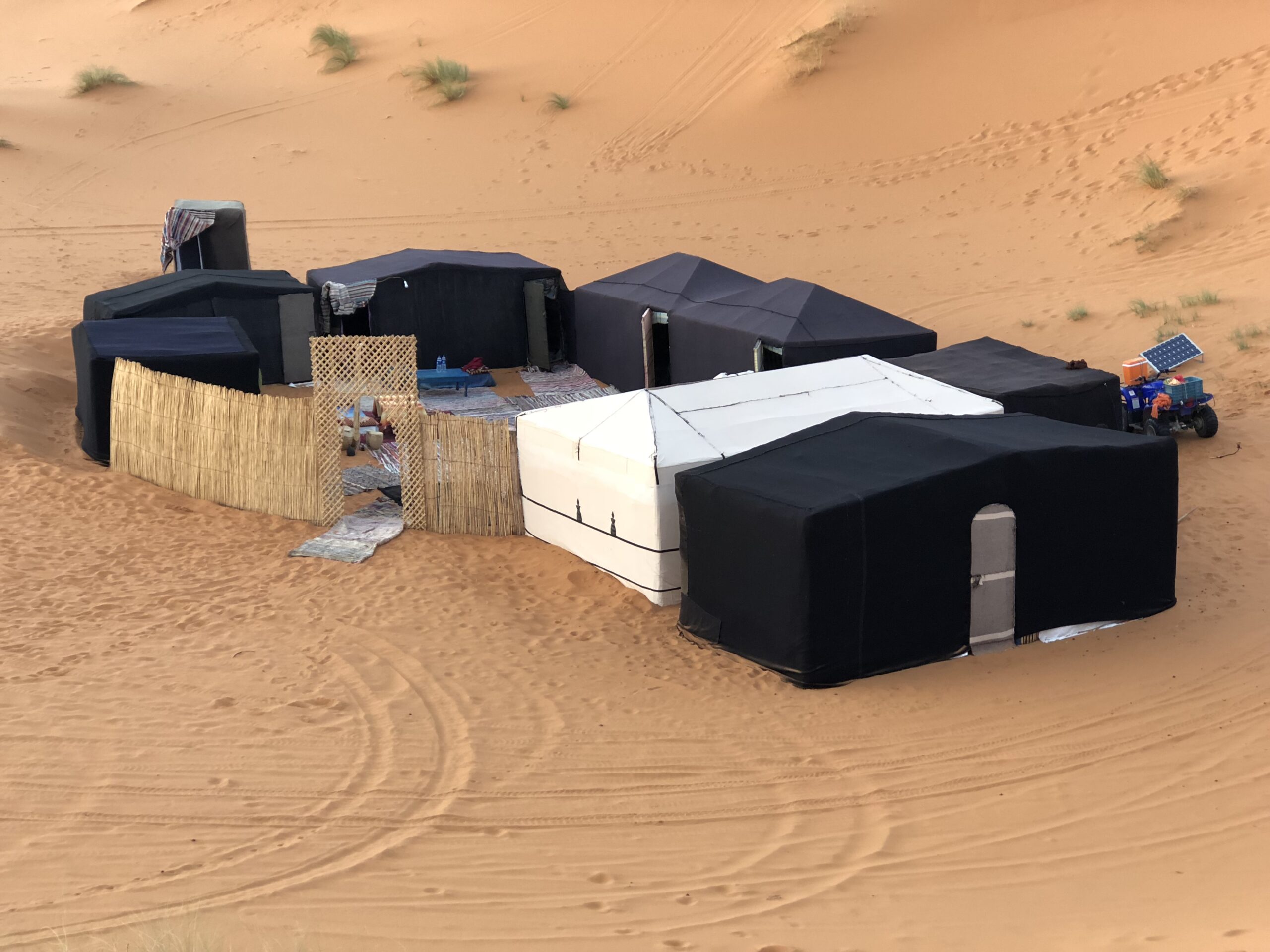
Start your unforgettable 3-day adventure from Fes to the Sahara Desert and back. On Day 1, your journey begins with a scenic drive through Ifrane and the cedar forests of Azrou, where you’ll encounter wild monkeys. Continue through the Atlas Mountains, enjoying breathtaking landscapes, before stopping for lunch in the Berber village of Zaida. Later, reach the Todra Gorges for an evening arrival. On Day 2, travel from Todra Gorges to Merzouga, passing through charming Berber villages and feeling the transition to the Sahara desert. In Merzouga, enjoy a camel ride into the Erg Chebbi Dunes, where you’ll witness a mesmerizing sunset before spending the night in a traditional desert camp. On Day 3, wake up early for the sunrise, then ride camels back to Merzouga. After breakfast, return to Fes through Ziz Valley and the Middle Atlas Mountains, with a late afternoon arrival in Fes.
This journey can be adjusted into a customized 4-day desert adventure from Fes to Marrakech upon request.
Pricing is calculated per traveler and varies based on the total number of participants in your group.
Estimated driving durations do not include stops for meals, sightseeing, photography, or café breaks.
During spring and summer months, pick-up times in Fes are flexible to better suit your travel needs.
Please note that local guides and entry tickets (if applicable) are not covered in the tour price — these should be settled directly with the respective providers.
In winter, departures from Fes must begin no later than 08:00 AM to ensure arrival in Merzouga before sunset.
There are several ways to travel between Fes and Marrakech. The most direct option is the 520 km highway route via Casablanca and Rabat. A more scenic alternative takes you through the Middle Atlas Mountains and Beni Mellal, stretching the distance to around 570 km. For those looking for a more immersive Moroccan experience, the route through Merzouga and the Sahara Desert covers approximately 1030 km and typically requires at least three days.
Yes, the Sahara desert camps in Merzouga are equipped with basic shower facilities, depending on whether you’re staying in a standard or luxury tent.
Absolutely. If camel riding isn’t your preference, we can arrange a 4×4 vehicle to take you directly to the camp.
Yes, quad biking is a popular activity in Merzouga. Rentals are available locally and can be booked on-site upon arrival.
To truly appreciate Fes, its ancient medina, cultural landmarks, and vibrant markets, we recommend spending at least two to three full days.
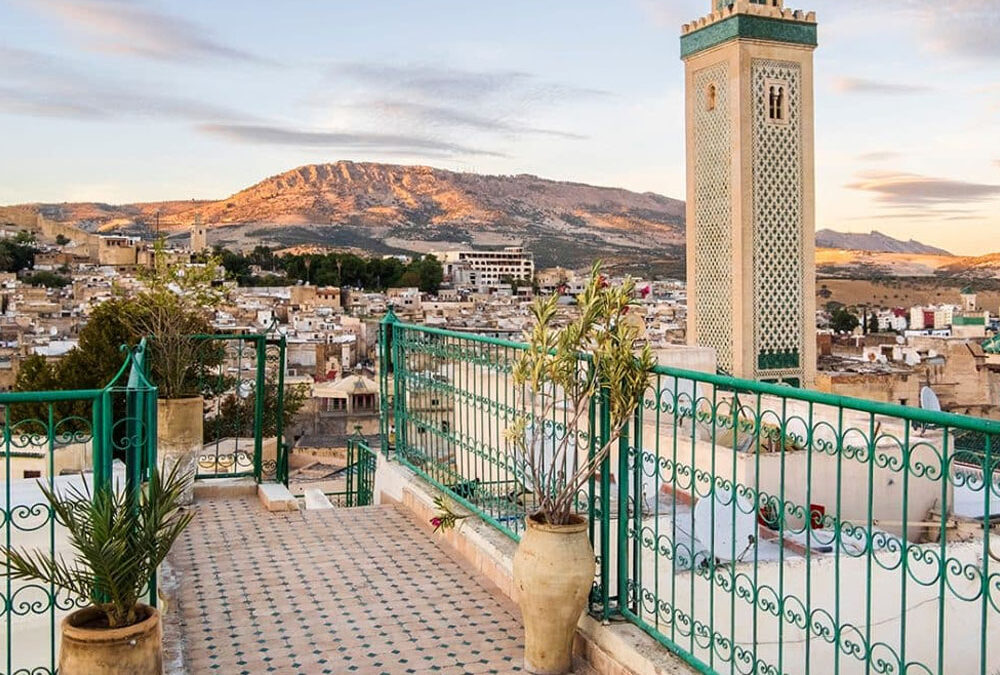
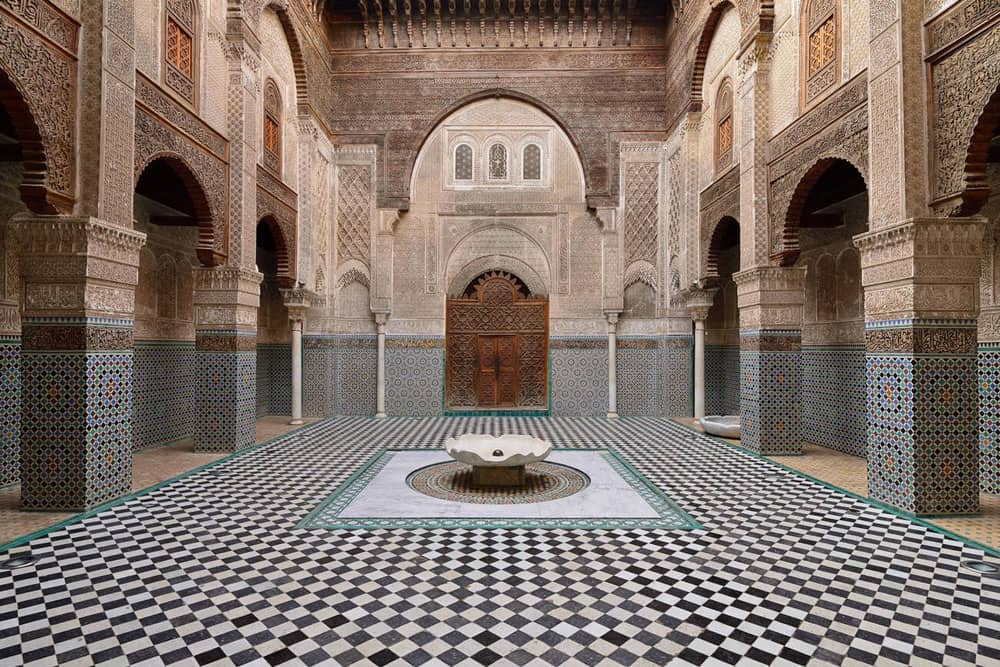
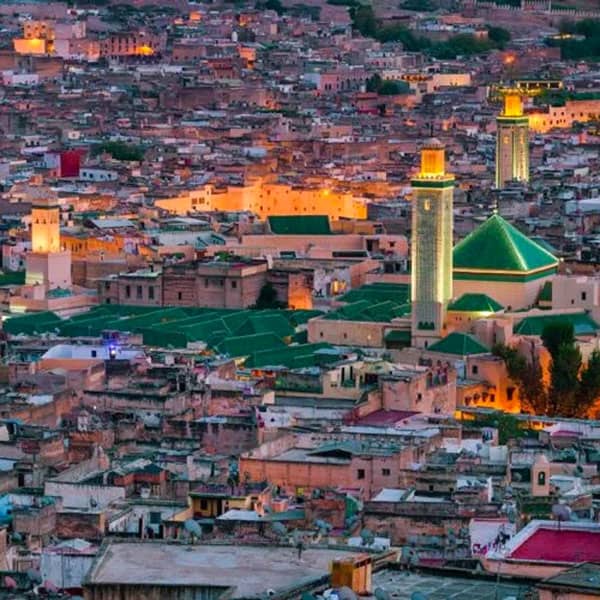
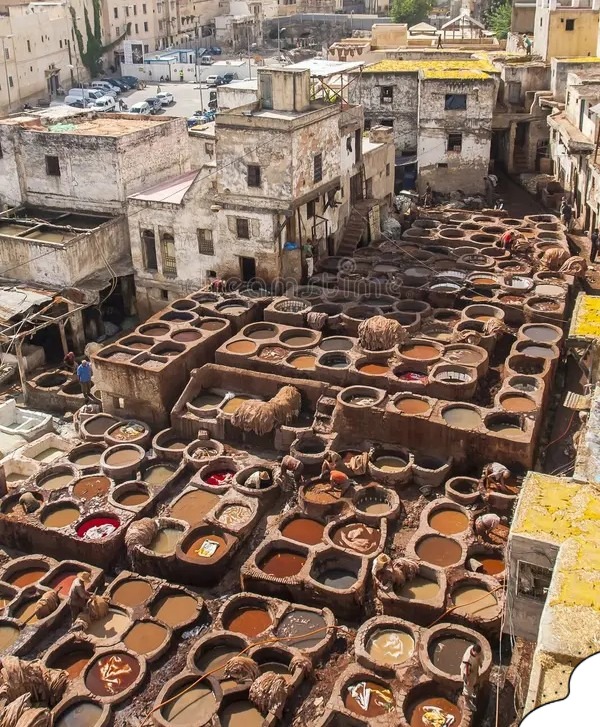
Fes is celebrated for its rich history, particularly its UNESCO-listed medina, traditional tanneries, centuries-old madrasas, and as a hub of Islamic culture and education in Morocco.
Yes, Fes is generally considered safe for travelers. Like any major city, it’s wise to stay alert, especially in crowded areas, and respect local customs.
Most desert camps in Merzouga offer limited electricity, usually powered by solar panels. Charging devices is possible in communal areas, especially in luxury camps.
The journey from Fes to the Erg Chebbi dunes in the Sahara Desert is approximately 470 km. The drive takes around 7 to 8 hours, not including scenic stops, and is typically done over the course of one day as part of a multi-day tour.
This 3 days tour from Fes to Merzouga and ends in Marrakech takes you on a scenic journey through Morocco’s stunning landscapes. On Day 1, depart Fes for the Middle Atlas Mountains, passing through Ifrane and Azrou, with a lunch stop in Midelt. Afterward, head towards the desert, where you’ll embark on a camel trek into the Erg Chebbi Dunes for a night in a traditional Berber camp. Enjoy a delicious dinner and spend the night in a nomadic tent. On Day 2, wake up to a mesmerizing desert sunrise before returning to your hotel and continuing your journey. Visit Todra Gorge, Dades Gorge, and the Rose Valley, arriving in Ouarzazate for the night. Day 3 takes you through the iconic Kasbah of Ait Benhaddou, a UNESCO World Heritage site, before traveling to Marrakech via the scenic Tizi N’Tichka pass.
we will pick you up at your Riad or your hotel around 8:00 a.m. We leave for Midelt through the Mountains and the cedar forests of the Middle Atlas. We pass by Ifrane, a charming ski resort, and Azrou, an important handicraft center specializing in the work of cedar wood. We arrive in Midelt for lunch. In the afternoon we will drive to Erfoud and into the desert. You will have a camel trek into the beautiful Erg Chebbi Dunes, where you will spend the evening in a bivouac (camp). There you will enjoy a Berber dinner, and sleep in a traditional nomadic camel hair tent.
Wake up for Sunrise lovely pictures, and Breakfast in the open air. We return by camel to the hotel for a Shower. Depart from Merzouga to Ouarzazate via Todra Gorge and Rose Valley. Transfer to Ouarzazate via Todra Gorge, Kelaa Mgouna (valley of the roses), the valley of one thousand kasbahs, and Skoura palmerie. Have a night in a nice Kasbah hotel in Ouarzazate.
After breakfast, the entire day is devoted to a visit to Ouarzazate: visit the Kasbah of Tifoultout and the cinema studio. Then you will drive to the Kasbah of Ait Ben Haddou (under Unesco protection); visit the Kasbah and the old village, afternoon departure to Marrakech via the Tizi-N-Ticha pass; arrive in Marrakech around 6:30 pm. End of your 3 Days Tour from Fes to Merzouga Desert and Marrakech.
Useful phrases:
• “Shukran” – Thank you
• “Safi” – Enough / okay
• “Besh-hal?” – How much?
Yes. Morocco is generally very safe, especially in major cities and tourist areas. Just stay aware of your belongings in busy markets.
Most travelers from Europe, the UK, USA, Canada, Australia, and many other countries can enter without a visa for up to 90 days. Check the latest rules for your nationality.
Spring (March–May) and autumn (September–November) offer the most comfortable weather. Desert nights can get very cold in winter.
A 3-day tour is the ideal minimum from Marrakech or Fes. It allows time for stops, landscapes, and a night in the Sahara.
Light clothing for the day, warm layers for the night, comfortable shoes, sunscreen, sunglasses, and a scarf for wind or sand.
Yes. Most desert camps offer proper beds, blankets, private or shared bathrooms, and traditional meals. Luxury camps provide hot showers and electricity.
Camel rides are safe but can feel bumpy. Wearing long pants and holding the saddle firmly helps. You can request a 4×4 transfer if preferred.
Yes. SIM cards are cheap and easy to get at the airport or in major cities. Maroc Telecom, Orange, and Inwi are the main operators.
It’s better to drink bottled water. It’s inexpensive and widely available.
Dress modestly in rural areas. Comfortable, breathable clothes work best. A light jacket is useful for cool evenings.
English is common in tourism. French is widely spoken in cities, and locals appreciate simple Arabic greetings.
Hotels, riads, and big restaurants accept cards. Markets, small cafés, and local shops usually prefer cash.
A small tip is appreciated. Around 10% in restaurants, a few dirhams for cafés, and small tips for drivers or guides.
Yes. The Sahara is far from major cities, but the journey includes scenic mountains, valleys, and Berber villages.
Hot during the day in summer, cold at night in winter. Expect strong sun year-round.
This 3-day journey from Fes to Marrakech was the highlight of our trip. The landscapes changed every hour, from cedar forests to palm valleys, and the night in Merzouga was magical. Our guide was fun, knowledgeable, and made the long drive enjoyable with great music and stories. Highly recommend!
Yes, the distances are long, but the scenery is stunning, and the stops are well planned. The desert camp exceeded expectations, with comfortable beds, delicious food, and the night sky full of stars. The drive through the Todra Gorge and the High Atlas was breathtaking. Fantastic experience for couples or families.
We loved every moment of this tour. The camel ride at sunset, the luxury desert camp, and the warm hospitality made it incredible. Our driver stopped for photos anytime we asked and showed us great local places to eat. We felt safe and well taken care of the whole way.
Everything was organized perfectly from start to finish. The car was clean, the guide was always on time, and the itinerary was exactly as described. We especially enjoyed the Berber music around the campfire and sunrise over the dunes. A truly memorable way to travel from Fes to Marrakech.
The page you requested could not be found. Try refining your search, or use the navigation above to locate the post.
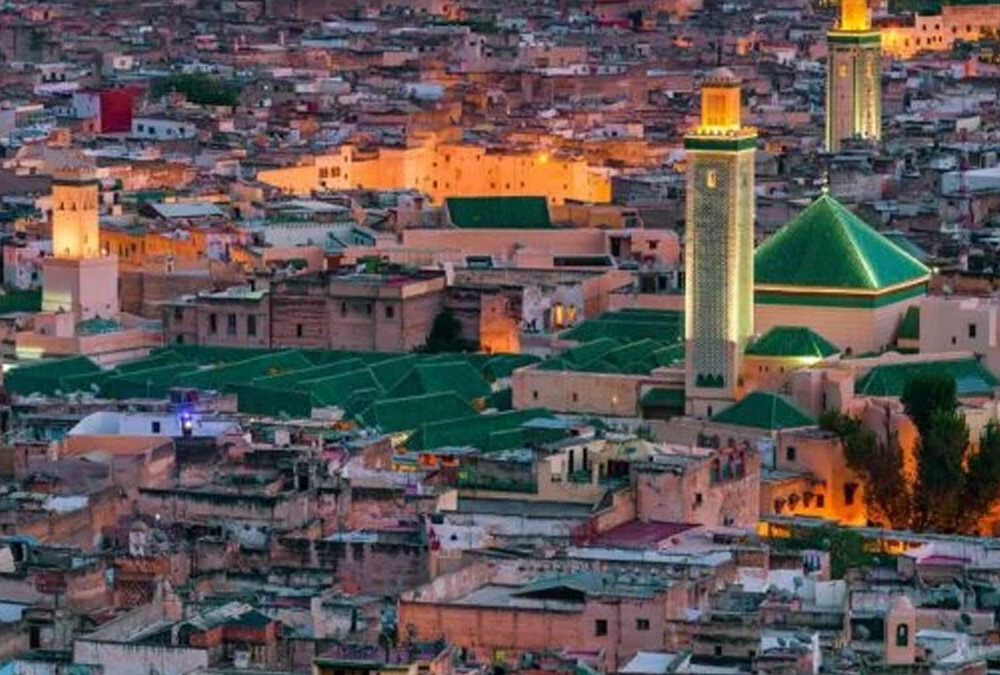
A captivating 2-day desert tour from Fes to the Erg Chebbi dunes. On Day 1, you’ll begin your journey early, passing through the scenic Swiss-like town of Ifrane and the cedar forests of Azrou, where you’ll see monkeys in their natural habitat. After a delicious lunch in Midelt, continue through the Tizi N’Talghamt pass and enjoy stunning views of the Ziz Valley. Your journey leads you to the famous Merzouga dunes, with stops in Erfoud, known for its fossils, and Aoufous. In the evening, take a camel trek to witness a magical desert sunset, followed by an overnight stay in a traditional desert camp under the stars. On Day 2, wake up early for a breathtaking desert sunrise before returning to Fes, with a stop for breakfast and a shower. The tour concludes with a drop-off in Fes.
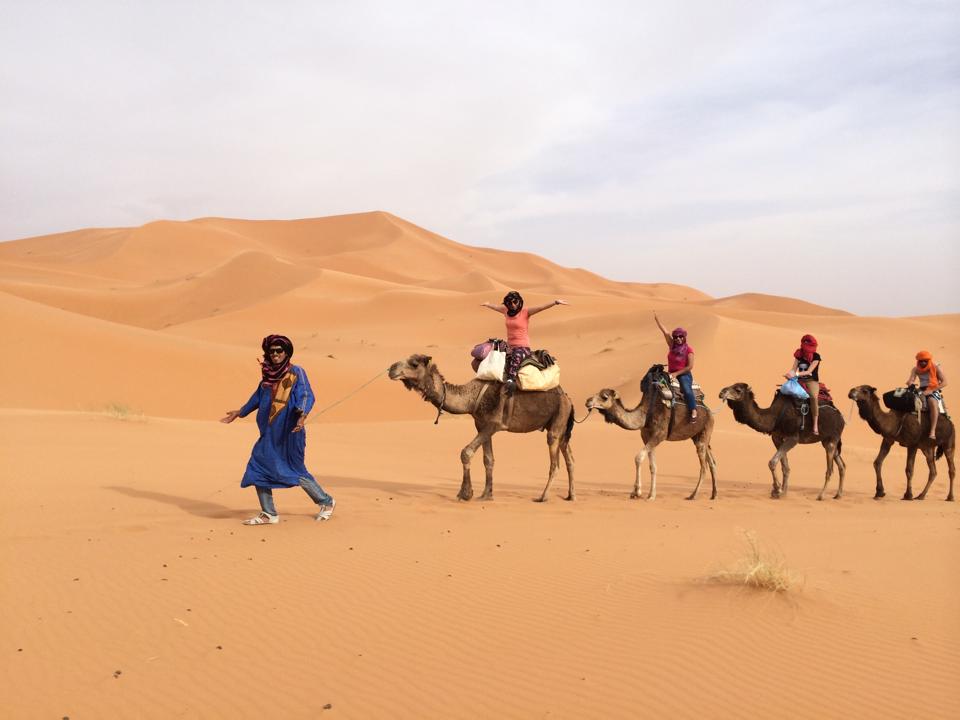
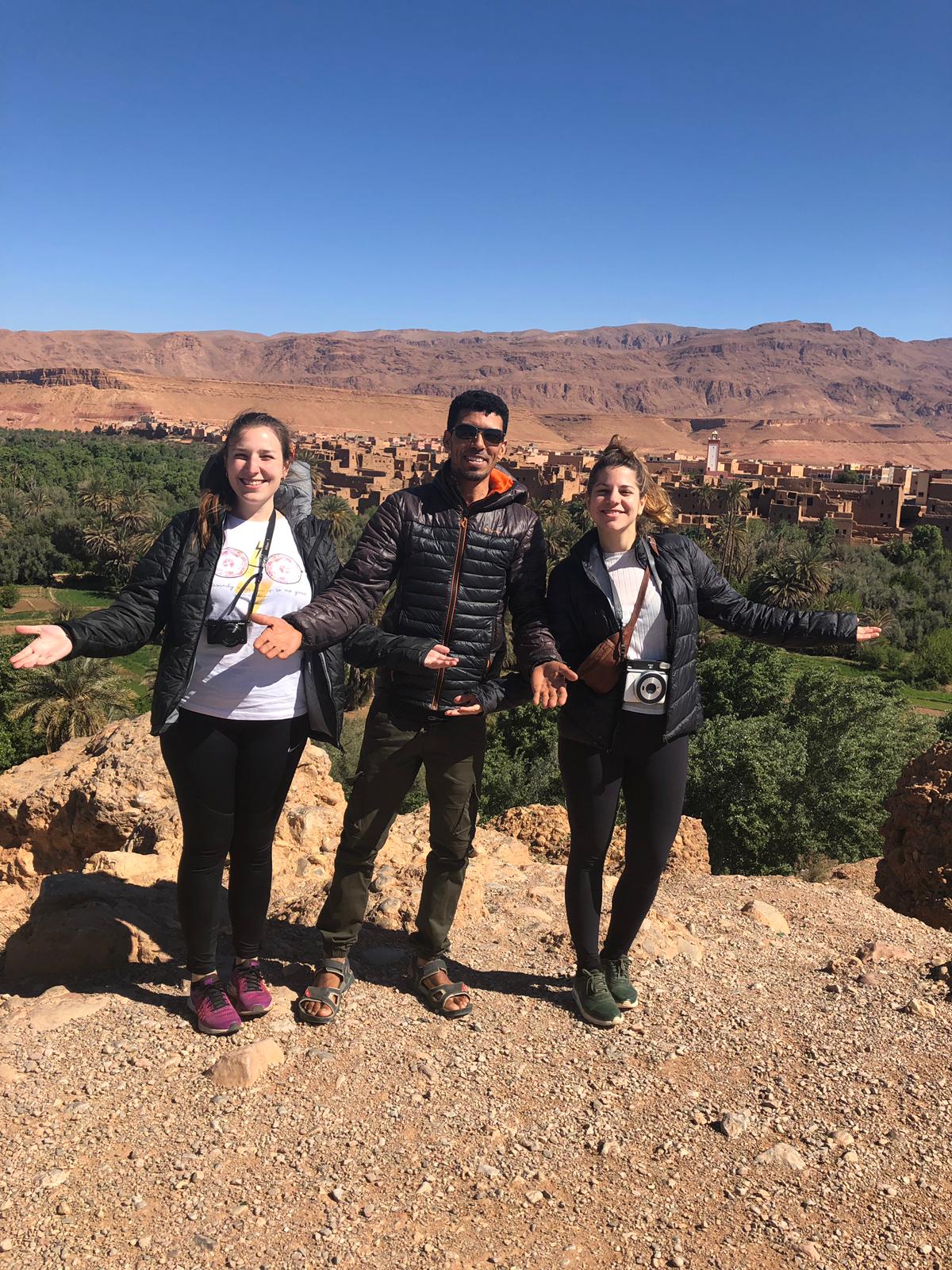
Embark on an unforgettable 5-day tour from Marrakech to Merzouga, exploring Morocco’s breathtaking landscapes and vibrant culture. On Day 1, journey through the High Atlas Mountains, stopping at Tizi N’Tichka for panoramic views, before visiting the UNESCO World Heritage site of Ait Benhaddou and continuing to Ouarzazate and Dades Valley. Day 2 takes you along the “Road of 1000 Kasbahs,” exploring the majestic Todra Gorges and the desert town of Erfoud before arriving in Merzouga. On Day 3, experience the golden dunes of Erg Chebbi on a 4×4 tour, meet nomadic families, and enjoy a camel ride to a desert camp, where you’ll be treated to traditional Berber music and a starry night under the desert sky. On Day 4, witness the desert sunrise, then trek back to Merzouga before heading to Ouarzazate, passing through Berber villages and the bustling market of Rissani. The final day (Day 5) takes you back to Marrakech via the High Atlas Mountains, with stops at the Atlas Studios and Tizi N’Tichka Pass, ending your adventure in the heart of Morocco.
Marrakech, Morocco’s vibrant “Red City,” is one of the country’s most iconic destinations and a former imperial capital. Founded in 1062 by Abubakar Ben Omar, cousin of Almoravid King Yusuf ibn Tashfin, the city quickly grew into a major religious, cultural, and trading hub. Its name and nickname come from the striking red sandstone ramparts built in the 12th century by Ali Ben Youssef.
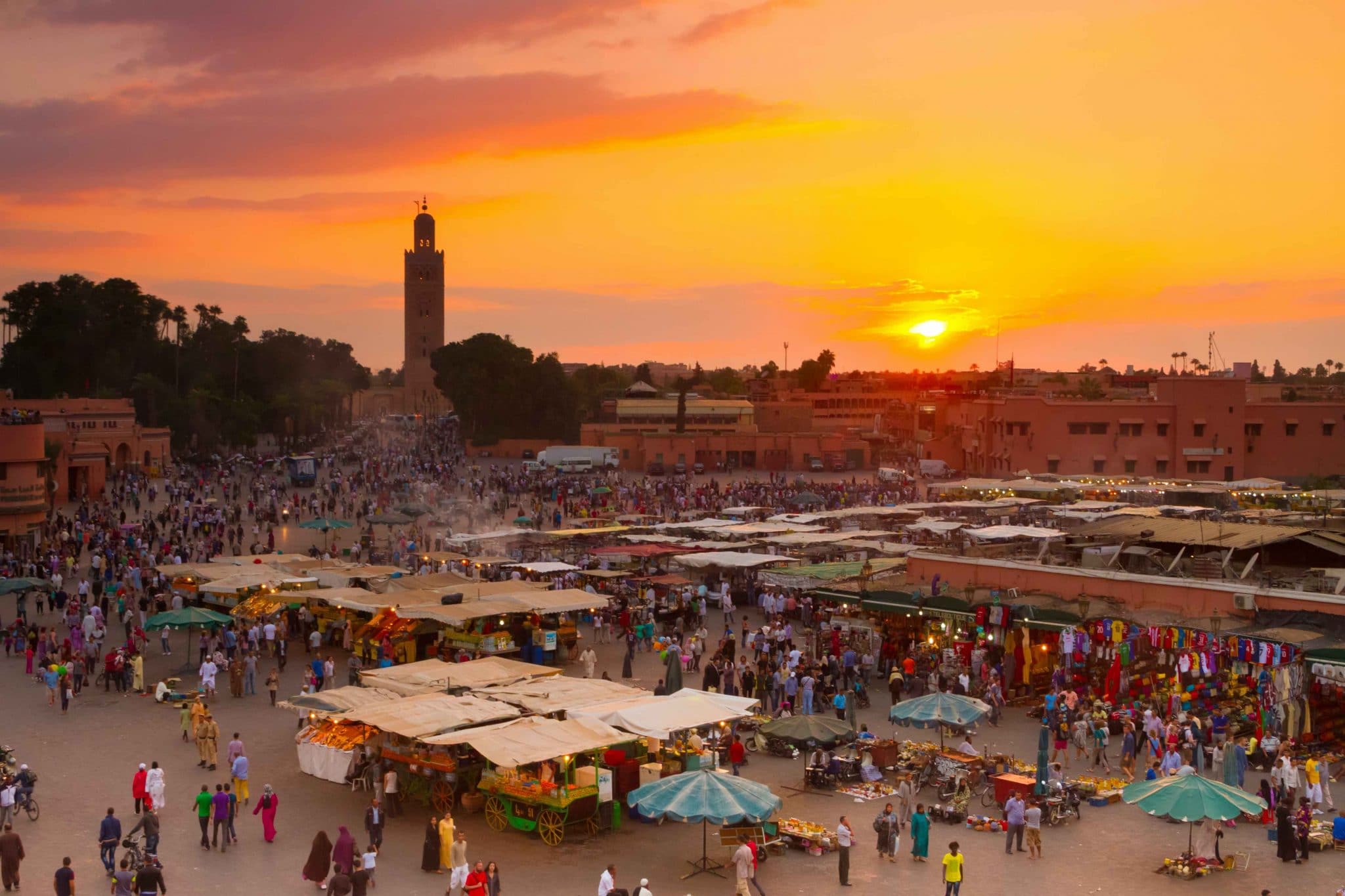
Today, Marrakech is famous for its bustling medina, colorful souks, ornate palaces, and lively squares like Jemaa el-Fnaa. Beyond history, it is also a modern city with an international airport, universities, and cultural institutions, blending tradition and modernity seamlessly.
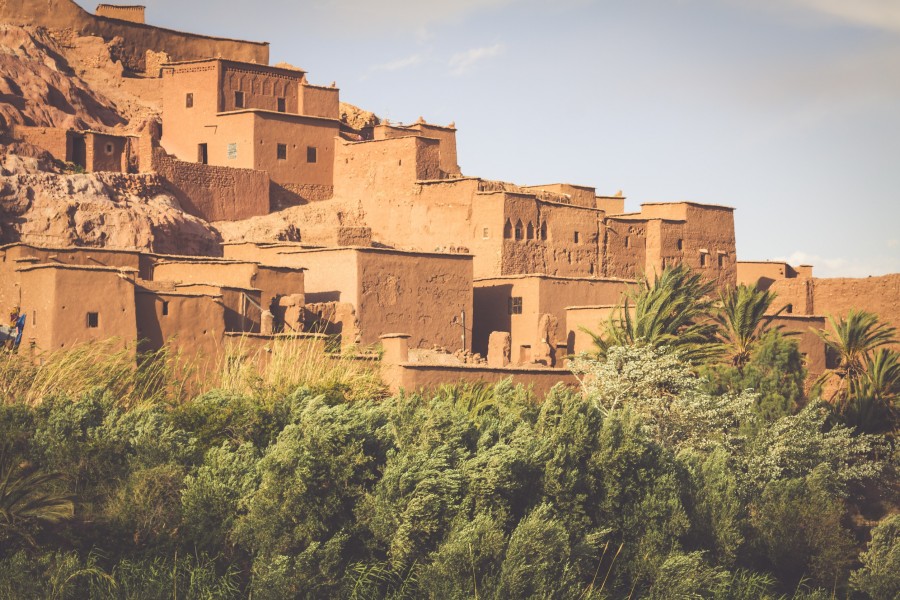
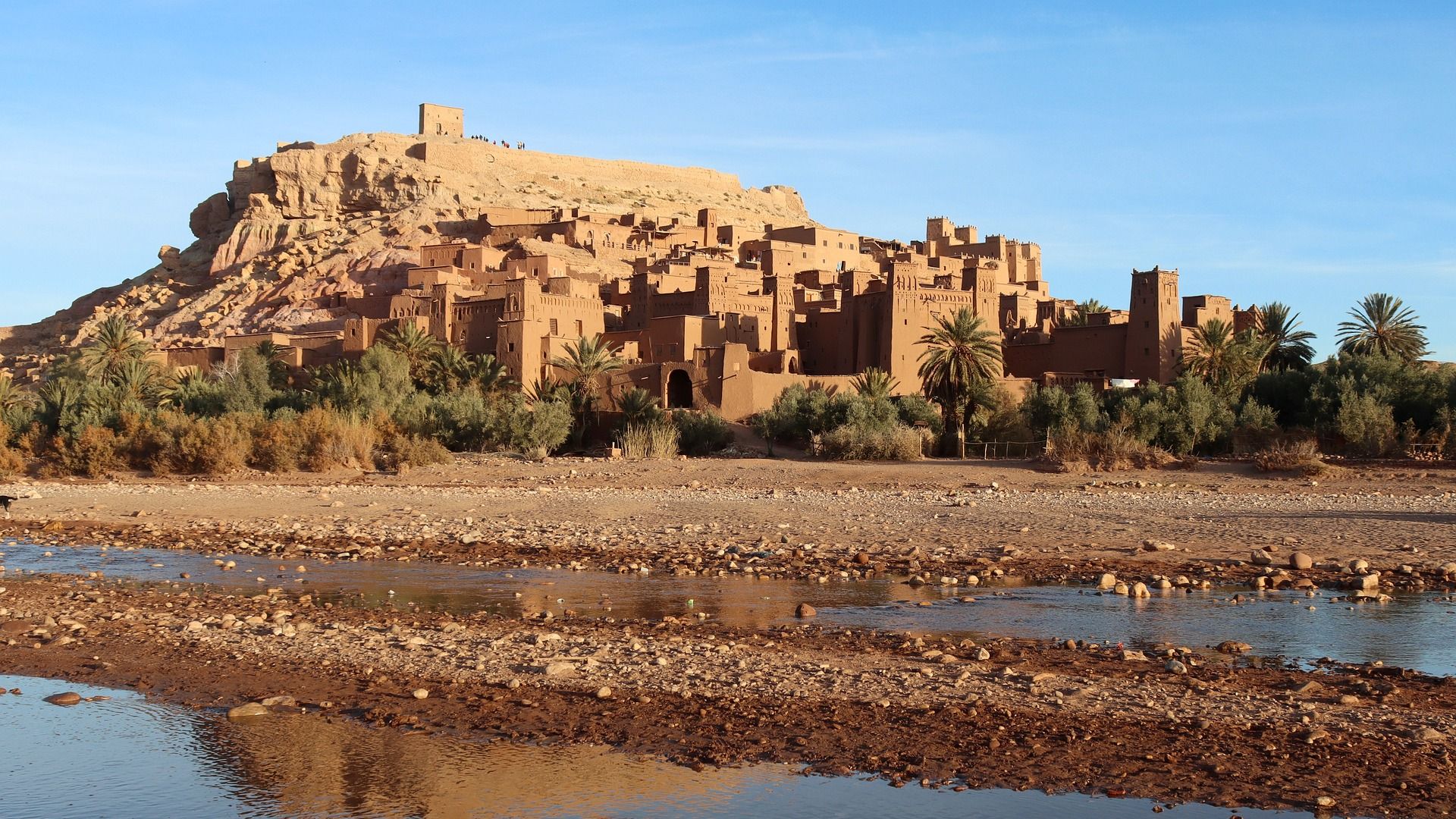
About 30 km from Ouarzazate lies the legendary Kasbah of Aït Benhaddou, a UNESCO World Heritage Site since 1987. This fortified ksar, with its clay walls and dramatic towers, stands as one of Morocco’s most impressive examples of traditional architecture. Over centuries, it has resisted both time and climate, making it a symbol of Morocco’s resilience.
The site has also gained fame as a backdrop for numerous films and series, including Gladiator and Game of Thrones. Visiting Aït Benhaddou feels like stepping into another era where history and landscape merge beautifully.
Known as the “doorway to the desert,” Ouarzazate sits at the crossroads between the Atlas Mountains and the Sahara. Its cinematic landscapes have earned it the nickname “Hollywood of Africa,” attracting major film productions from around the world.
The city offers much more than its film studios, visitors can explore centuries-old kasbahs, palm-lined valleys, and vibrant local markets. Ouarzazate is the perfect mix of history, culture, and desert adventure.
Located in the lush Todra Valley, Tinghir is a charming oasis town surrounded by dramatic cliffs and palm groves. Its name derives from the Amazigh word “Tinghir,” meaning “shoulder,” inspired by the surrounding mountain formations.
Nearby, the Todra Gorge is one of Morocco’s most spectacular natural wonders. Towering limestone walls rise nearly 300 meters high, making it a paradise for hikers, climbers, and photographers. Spending a night here allows you to soak in the peaceful atmosphere of oasis life.
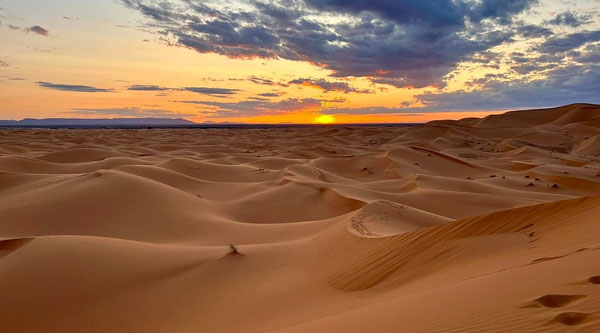
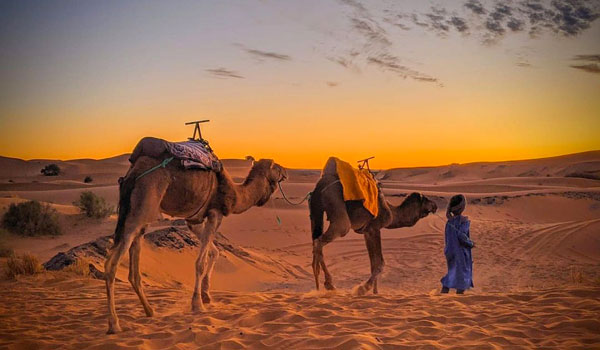
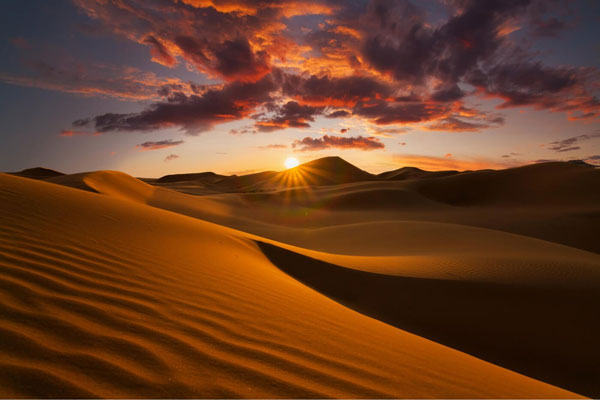
The small village of Merzouga is the gateway to the Erg Chebbi dunes, where endless golden sands stretch to the horizon. While the town itself is modest, its surroundings are breathtaking. Here you can ride camels across the dunes, watch magical sunsets, and spend a night under the stars in a traditional Berber desert camp.
The Sahara experience is often the highlight of the Marrakech to Fes journey, a blend of adventure, tranquility, and timeless beauty.
Nestled at the edge of the High Atlas Mountains, Boumalne Dades is a picturesque town that serves as the gateway to the Dades Valley, also known as the “Valley of a Thousand Kasbahs.” Surrounded by dramatic rock formations, lush oases, and traditional Berber villages, Boumalne is an authentic stop where travelers can soak up the beauty of Morocco’s mountain landscapes. Its strategic location makes it an ideal overnight stay on the road to the Sahara.
Just a short drive from Boumalne lies the Dades Gorges, one of Morocco’s most striking natural wonders. Towering cliffs carved by the Dades River create breathtaking scenery with winding roads and dramatic viewpoints. The area is also dotted with ancient kasbahs and terraced fields, offering plenty of opportunities for short hikes and photography. The famous “monkey fingers” rock formations and the hairpin bends of the road make this a memorable highlight of the journey.
Located near the edge of the Sahara, Rissani is a historic town and the cradle of Morocco’s current royal family, the Alaouite dynasty. Once a major caravan trading post, it remains an important cultural hub. Its bustling souk is especially famous for traditional goods such as dates, spices, and handicrafts. Travelers can also explore ancient ksars (fortified villages) and the Mausoleum of Moulay Ali Cherif. Rissani offers a fascinating glimpse into Morocco’s deep history and traditions.
Known as the “Gate of the Sahara,” Erfoud is a desert town famous for its fossil-rich land and date production. The surrounding desert is full of prehistoric marine fossils that are transformed into beautiful decorative items and souvenirs by local artisans. Erfoud is also the starting point for many expeditions into the dunes of Erg Chebbi in Merzouga. With its vibrant date festival, unique fossil workshops, and desert charm, Erfoud is a captivating stop before reaching the vast Sahara.
Most travelers reach the Sahara Desert in Merzouga by private car with a driver, though there are also bus and flight options.
By Car: From Marrakech, it usually takes two days to reach Merzouga. The first overnight stop is typically in Boumalne Dades, before continuing the journey to the desert the next morning.
By Bus: Supratours operates a daily bus leaving Marrakech at 7:30 AM and arriving in Merzouga around 8:00 PM.
By Plane: You can fly from Marrakech to Errachidia Airport, about 135 km from Merzouga. From there, a taxi or tourist transfer will take you to the desert.
Five days is actually an ideal amount of time in Marrakech. It allows you to explore the bustling medina, visit palaces and gardens, shop in the souks, and take day trips to nearby destinations like the Atlas Mountains or Essaouira.
Yes, five days is enough for a first taste of Morocco. With a well-planned itinerary, you can combine city sightseeing, desert adventures, and cultural experiences. Popular routes include Marrakech to Fes via the desert, giving you a balance of history, landscapes, and local encounters.
The main highlight is descovering the wonderful Kasbah of Ait Benhaddou. The overnight stay in a Sahara desert camp. Riding camels over the dunes at sunset and sleeping under a sky full of stars is often the most unforgettable part of the journey.
You’ll stay in a mix of comfortable riads, traditional guesthouses, and desert camps. Options range from standard to luxury, depending on your preference.
On average, you’ll be on the road for 4–6 hours a day, with plenty of scenic stops along the way to visit kasbahs, valleys, and viewpoints. The longest driving stretch is between Marrakech and the Dades Valley (about 6 hours).
Pack light but don’t forget:
Comfortable walking shoes
A hat, sunglasses, and sunscreen
Warm clothing for chilly desert nights
A small backpack for day essentials
Camera to capture the landscapes
Yes, camel rides are a traditional and safe way to experience the dunes. Most rides last about 1–2 hours. For those who prefer not to ride, 4×4 vehicles are available as an alternative.
Absolutely. This itinerary can be tailored with extra nights, luxury camp upgrades, or additional stops like the Todra Gorge or Aït Ben Haddou.
