M

+212 673 266 849

saharacameltours1@gmail.com

Why Fes is the best Moroccan city for architecture fans

Why Fes is the best Moroccan city for architecture fans

Why Fes is the best Moroccan city for architecture fans

Best Moroccan City for Architecture Fans

Best Moroccan city for architecture fans — that title undoubtedly belongs to Fes. In the heart of Morocco lies a city where every alleyway, doorway, and minaret seems to speak of centuries past. Fes, often overshadowed by the flashier Marrakech or the modern Casablanca, stands as the country’s true architectural soul. For fans of history, design, and intricate craftsmanship, Fes is not just a city it’s an immersive architectural experience.

Founded in the 8th century and home to one of the world’s oldest continuously inhabited medieval cities, Fes offers a living timeline of Islamic, Moorish, and Andalusian architectural evolution. From the richly decorated madrasas to the winding medina streets framed by hand-carved doors and mosaic fountains, every step in Fes reveals a layer of architectural storytelling.

This article explores why Fes is unmatched in Morocco for lovers of architecture. Whether you’re drawn to majestic mosques, fascinated by ornamental tilework, or simply crave walking through a city where design and history merge seamlessly, Fes delivers a visual and emotional experience like no other.

A City Frozen in Time: The Architectural Legacy of Fes

Fes is not just Morocco’s oldest imperial city it’s a living testament to over a thousand years of architectural evolution. Walking through its narrow, maze-like alleys feels like stepping into another era, untouched by modernity. Here, time hasn’t merely stood still; it has been preserved in stone, wood, and tile.

Founded in 789 AD by Idris I, Fes quickly rose to prominence as a spiritual, cultural, and intellectual capital of the Islamic world. Its strategic location between the Atlas Mountains and the fertile Saïss plain made it a crossroads for trade, scholars, and artisans. As a result, architecture in Fes reflects layers of history each dynasty, from the Idrisids to the Marinids and beyond, leaving its own distinct mark.

The city’s heartbeat is the Fes el Bali, the largest car-free urban area in the world and a UNESCO World Heritage Site since 1981. Within its fortified walls lie thousands of buildings that date back centuries: madrasas, palaces, mosques, riads, caravanserais, and public fountains, each boasting masterful detailing and craftsmanship.

What makes Fes extraordinary is how these architectural treasures remain part of daily life. Locals still shop at ancient souks, pray in centuries-old mosques, and live in homes with intricately carved cedar ceilings and zellige-covered courtyards. It’s not a museum—it’s a city that breathes history with every call to prayer and echoing footstep.

Fes is also one of the few cities in the world where restoration doesn’t mean reconstruction. Thanks to strict preservation laws and UNESCO oversight, traditional techniques are used to restore crumbling tiles, re-carve cedar beams, and replace mosaics—ensuring that Fes retains its authentic architectural soul.

Iconic Architectural Styles Found in Fes


The beauty of Fes lies not just in its age, but in its extraordinary blend of architectural styles, each layered upon the next like the intricate patterns of a zellige mosaic. For the architecture enthusiast, the city offers a living catalogue of design traditions that span Islamic, Andalusian, Berber, and Moorish aesthetics. These styles are not isolated they intertwine to form a uniquely Fassi identity.

Islamic Architecture

At the heart of Fes’s architectural landscape is classical Islamic design. Characterized by symmetry, geometry, and spiritual symbolism, Islamic architecture manifests in the city’s many mosques, madrasas, and fountains. Key features include:

  • Horseshoe arches and keyhole doorways
  • Courtyards (riads) with central fountains representing paradise
  • Ornate muqarnas (honeycomb vaulting) in prayer halls and entrances
  • Use of calligraphy and Quranic verses as decorative elements

This architecture is meant to inspire reflection and humility, using beauty as a path to spirituality.

Andalusian Influence

Fes has strong ties to Al-Andalus (medieval Islamic Spain), especially after the arrival of Muslim and Jewish refugees expelled from Córdoba and Granada. This influence brought:

  • Intricate carved plasterwork and cedar wood ceilings
  • Use of green tiles (symbolizing paradise)
  • Emphasis on interior privacy with inward-facing homes
  • Elevated balconies overlooking private patios

The result is elegance without ostentation, focused on inner beauty rather than outward display.

Zellige Tilework

No architectural feature defines Fes more than zellige, the art of hand-cut, geometric mosaic tiles. These tiles decorate everything from fountains and floors to walls and columns. The precision and symmetry involved are a marvel tiles are cut by hand and assembled piece by piece like a puzzle, often forming star patterns, arabesques, and kufic script.

Zellige isn’t just decorative; it’s symbolic, representing infinity and the divine through endless repetition and complexity.

Marinid Architecture

The Marinid dynasty (13th–15th centuries) ushered in what many consider the golden age of Fassi architecture. Their buildings often feature:

  • Massive wooden doors with wrought iron
  • Lavish madrasas adorned with mosaics, carved wood, and stucco
  • Use of polylobed arches and domes
  • Symmetrical floor plans emphasizing harmony

Their legacy is most visible in Fes’s religious and educational buildings, where every surface is a canvas of devotion and artistry.

Traditional Riads and Urban Homes

The riad, a traditional Moroccan home built around a central courtyard, is both an architectural and cultural hallmark of Fes. These homes are designed for family life and climate control:

  • High walls with minimal exterior openings (for privacy and insulation)
  • Cool, shaded courtyards with fountains or citrus trees
  • Thick walls made of mud brick or stone, ideal for both heat and cold
  • Decorative elements focused inward beauty hidden from the street

These homes embody the philosophy that true luxury is private, peaceful, and harmonious with nature.

Plan Your Architectural Journey to Fes

Ready to explore the world’s most captivating medieval city?

✅ Book a guided architecture tour through the Fes medina
✅ Stay in a restored riad and live inside centuries-old design
✅ Learn traditional techniques with a zellige or woodcarving workshop

→ Don’t just visit Morocco. Experience its architectural soul in Fes.

Start planning your trip today and step into living history.

Must-See Architectural Masterpieces in Fes

Fes is home to some of the most breathtaking structures in the Islamic world. Each building tells a story of dynasties, devotion, learning, or craftsmanship and together they create an open-air museum for the architecture enthusiast. Below are the must-visit monuments that no design lover should miss.

Al-Qarawiyyin Mosque and University

  • Founded: 859 AD by Fatima al-Fihri, a woman visionary.

  • Significance: Recognized by UNESCO and the Guinness World Records as the oldest continuously operating degree-granting university in the world.

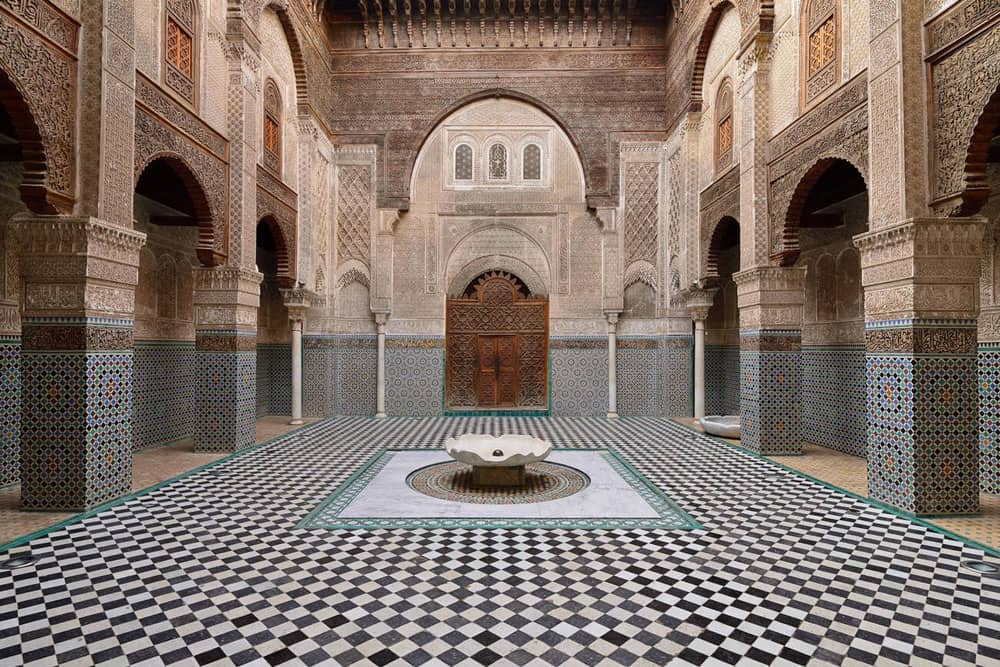
  • Architectural Highlights: Horseshoe arches, green tiled roofs, exquisitely carved mihrab, and a vast prayer hall.

  • Style: Classical Islamic with later Almoravid and Marinid expansions.

  • Note: Non-Muslims cannot enter the mosque itself but can glimpse inside from neighboring rooftops or doorways.
Best Moroccan City for Architecture Fans

Bou Inania Madrasa

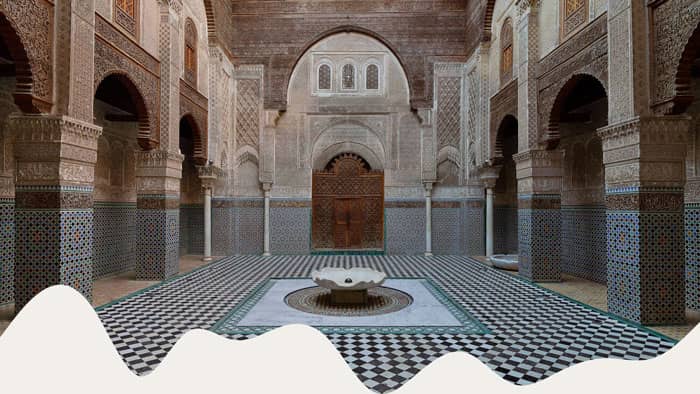
  • Built: 1351–1357 under Sultan Abu Inan Faris (Marinid Dynasty).

  • Function: A religious school and mosque, still functioning today.

  • Why It Stands Out: This is one of the few religious buildings in Fes open to non-Muslims.

  • Architectural Details:

    • Carved cedar ceilings.

    • Glazed zellige mosaics in geometric patterns.

    • Marble columns, stucco walls, and bronze doors.

  • Atmosphere: Quiet, intimate, and ideal for studying the layering of Islamic design techniques in a single space.
Moulay Idriss II Mausoleum

  • Who Was He?: The founder of Fes and considered a saint in Moroccan Islam.

  • Built: 9th century, expanded and refurbished many times.

  • Cultural Importance: One of Morocco’s most revered pilgrimage sites.

  • Architectural Features:

    • Green-tiled dome.

    • Intricate woodwork and plaster carvings.

    • Lush marble and mosaic floors.

  • Note: Non-Muslims cannot enter but can admire the stunning exterior and surrounding streets of the Zawiya
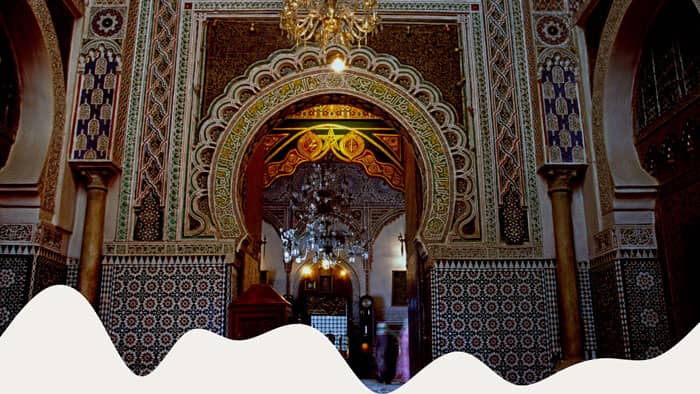
Nejjarine Museum of Wooden Arts and Crafts

  • Location: In a beautifully restored funduq (caravanserai) in the heart of the medina.

  • Purpose: Showcases traditional woodcrafts, tools, and furniture from across Morocco.

  • Architectural Significance:

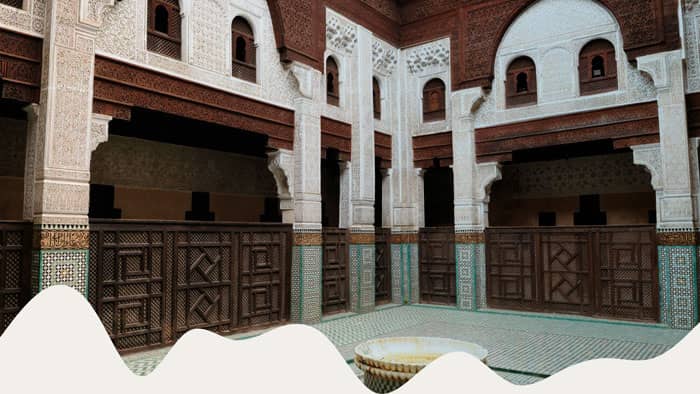
    • Elegant courtyard with a fountain.

    • Cedarwood balconies and balustrades.

    • Zellige tiles and carved plasterwork.

  • Bonus: The rooftop café offers panoramic views of the medina’s rooftops and minarets.
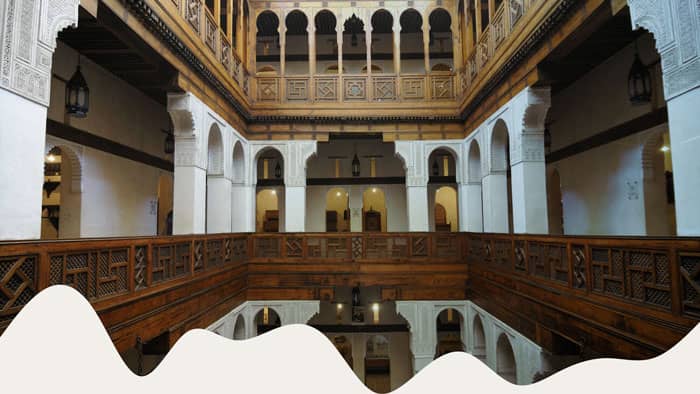
Best Moroccan City for Architecture Fans

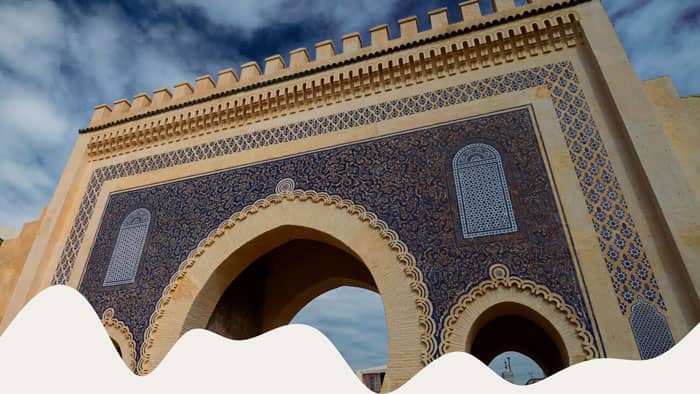
Bab Boujloud (The Blue Gate)

  • Built: 1913 by the French, but in traditional Moroccan style.

  • Function: Main ceremonial entrance to Fes el Bali.

  • Architectural Features:

    • Exterior covered in blue zellige (symbolizing Fes).

    • Interior side covered in green (symbol of Islam).

    • Horseshoe arch with three symmetrical openings.

  • Photographer’s Tip: Best photographed at golden hour when the tiles glow in the warm light.
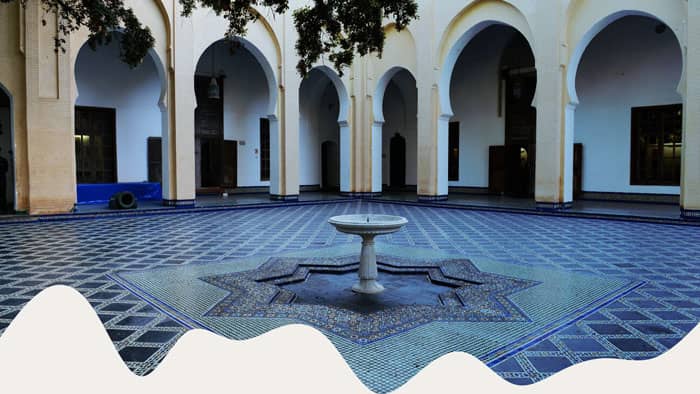
Dar Batha Museum

  • Originally: A royal palace from the late 19th century.

  • Now: A museum housing traditional Moroccan arts — ceramics, textiles, manuscripts.

  • Architecture:

    • Elegant courtyard gardens (Andalusian style).

    • Cedarwood detailing and tiled fountains.

    • Mix of Arab-Andalusian and late 19th-century palace architecture.

Each of these landmarks is more than a building it’s a physical expression of Morocco’s intellectual, religious, and artistic heritage. Together, they offer one of the most concentrated and authentic architectural experiences in the Islamic world.
Fes Medina: An Urban Labyrinth of Architectural Marvels

Fes el Bali, the city’s ancient medina, is more than just a historical district it’s a living, breathing architectural wonder. Declared a UNESCO World Heritage Site in 1981, it is widely considered one of the world’s best-preserved medieval Islamic cities. It’s not simply a place to visit it’s a place to get wonderfully lost in.

A City Designed Like a Maze

The layout of the medina is intentionally complex, with over 9,000 narrow alleys and passageways winding like veins through a dense urban core. Designed long before cars existed, the medina is completely pedestrianized — the largest car-free urban area in the world.

Its seemingly chaotic structure is rooted in logic:

  • Main arteries lead to mosques, markets, and madrasas.

  • Cul-de-sacs end at homes, offering quiet and privacy.

  • Water channels and public fountains are woven throughout for utility and aesthetics.

Functional and Symbolic Design

Every architectural element in the medina serves a purpose:

  • High walls and covered streets offer relief from the sun.

  • Latticework windows allow air circulation while maintaining privacy.

  • Riads and dar homes face inward with open courtyards — a hallmark of Islamic domestic architecture.

  • Fountains and hammams are not only useful but beautifully ornamented, reinforcing the Islamic principle that cleanliness is sacred.

Themed Quarters and Hidden Artistry

The medina is divided into quarters, many of which are still organized by historical trades — dyers, tanners, metalworkers, and weavers. Each souk has its own character and its own visual identity:

  • Souk el Henna: Arched passageways with ornate alcoves selling natural beauty products.

  • Chouara Tannery: Iconic honeycomb of stone vats and surrounding buildings with rooftop views.

  • Place Seffarine: A sonic and visual treat where copper artisans shape pots by hand amid Moorish facades.

Even everyday spaces bakeries, fountains, workshops feature carved wooden lintels, hand-laid mosaic borders, and ancient wooden doors with symbolic iron knockers.

Integration of Sacred and Secular

In Fes, religious and civic life are woven together through architecture. Mosques sit beside workshops, madrasas open to crowded alleys, and homes include quiet spaces for prayer. This integration reflects the city’s historical role as a center for both learning and commerce — and it’s mirrored in the city’s layout, where spiritual elevation and worldly activity are side by side.

Pro Tip for Visitors:
The medina is overwhelming in the best way. Hiring a local guide not only helps you navigate but also unlocks hidden courtyards, scholarly anecdotes, and architectural gems invisible to the untrained eye.

Restoration and Preservation Efforts

Fes is one of the few cities in the world where ancient architecture is not only protected but lovingly restored using traditional methods. While many historic cities struggle to balance tourism with authenticity, Fes has taken a different route: preservation that prioritizes heritage over modernization.

UNESCO and Government Support

Fes was declared a UNESCO World Heritage Site in 1981, a recognition that brought global attention—and responsibility—to safeguard its architectural legacy. In collaboration with Moroccan authorities, UNESCO has supported projects that:

  • Restore crumbling walls, medersas, and fountains using authentic materials and techniques.

  • Revive key artisan skills like zellige tiling, wood carving, and plaster carving (gebs).

  • Ensure that restoration doesn’t sterilize the space, but keeps the living, working medina intact.

The Moroccan government, through programs like INDH (National Initiative for Human Development), has also invested in infrastructure and housing renovations without disrupting architectural heritage.

Traditional Techniques, Not Modern Substitutes

What makes Fes special is its commitment to preserving how things were built, not just what they looked like. Restoration projects employ:

  • Hand-cut cedarwood for ceilings and balconies.

  • Natural pigments for painted tiles and stucco.

  • Lime plaster for walls rather than cement.

  • Skilled local artisans trained in centuries-old methods, often passed down through family lineages.

This hands-on, slow approach means buildings are brought back to life with the same soul they were originally built with.

Training the Next Generation of Craftsmen

Preservation in Fes goes beyond buildings—it’s about preserving the knowledge that made them. Institutions like the Centre de Formation et de Qualification dans les Métiers de l’Artisanat in Fes train young Moroccans in traditional crafts, ensuring that zellige masters, woodworkers, and metal artisans don’t vanish with time.

This connection between architectural heritage and human heritage is what makes Fes unique: it’s a city restored not just in bricks and tiles, but in memory and skill.

Restored Riads and Palaces

The clearest examples of preservation success can be found in Fes’s many restored riads, now operating as guesthouses or museums. These homes, once abandoned or deteriorating, have been meticulously revived to their former glory:

  • Riad Fes, Riad Laaroussa, and Palais Amani are just a few examples.

  • Many showcase their restoration process, offering visitors a look at before-and-after transformations.

These spaces allow guests to sleep in a piece of living history, surrounded by hand-carved cedar, mosaic fountains, and painted ceilings.

Why It Matters for Architecture Fans
For lovers of design and craftsmanship, Fes offers something rare: a chance to witness how architecture evolves and survives not in glass cases, but in daily life. Restoration here is not a cosmetic process—it’s a cultural one.

Experience Architecture Firsthand: What Visitors Can Do

In Fes, architecture isn’t locked behind velvet ropes — it’s all around you, part of the everyday rhythm of life. For architecture fans, this city offers countless ways to engage directly with its spaces, craftsmanship, and heritage. Whether through staying in historic homes, exploring hidden monuments, or getting hands-on with traditional design, Fes turns passive admiration into active appreciation.

Stay in a Restored Riad

One of the most immersive experiences you can have is sleeping in a traditional riad — a historic home restored with care and converted into a boutique guesthouse. These homes typically feature:

  • An inward-facing courtyard with a fountain or garden.

  • Richly decorated mosaic walls, carved cedar ceilings, and stained-glass windows.

  • Rooftop terraces offering panoramic views of the medina’s sea of minarets.

Some notable examples:

  • Riad Fes – Elegant and luxurious, with original zellige and arabesque plasterwork.

  • Dar Seffarine – One of the oldest riads in the city, beautifully restored by artisans.

  • Palais Amani – A blend of Art Deco and traditional Andalusian-Moorish design.

Pro Tip: Ask your riad host for a tour — many are proud to share the story of their restoration.

Take a Guided Architectural Walking Tour

Navigating the medina alone is magical, but going with a licensed local guide adds depth. Architectural tours often include:

  • Insights into construction techniques and symbolism.

  • Visits to lesser-known madrasas and historic homes.

  • Access to hidden courtyards or rooftops not open to the general public.

Many guides are historians or architects themselves, and can explain the difference between Almoravid and Marinid architecture, or how Fassi artisans achieve geometric precision.

Join a Zellige or Plaster Carving Workshop

Want to get your hands dirty (literally)? Sign up for a craft workshop to learn how Fes’s architecture is made.

  • Zellige mosaic workshops teach you how to cut and assemble traditional tile patterns.

  • Plaster carving or woodcraft classes allow you to try the tools and skills used to decorate madrasas and riads.

  • Many are held in historic buildings by master artisans.

You’ll walk away with not just a souvenir, but a true understanding of Moroccan decorative arts.

Visit Architecture-Focused Museums and Sites

For a deeper appreciation, spend time in buildings that celebrate design itself:

  • Nejjarine Museum of Wooden Arts – Incredible cedarwork in a restored funduq.

  • Dar Batha Museum – A royal palace turned museum of Moroccan decorative arts.

  • Medersa Bou Inania – A masterpiece of symmetry and material harmony.

Each of these sites gives you the time and space to study elements up close: tile patterns, muqarnas, mashrabiya windows, and more.

Shop for Artisan Materials

Architecture fans can bring a piece of Fes home by exploring traditional craft shops. Look for:

  • Hand-painted tiles.

  • Ornate wooden panels.

  • Brass lanterns and geometric ironwork.

Many workshops will even show you how items are made and explain their architectural significance.

Fes doesn’t just ask you to admire its architecture — it invites you to live in it, learn from it, and take part in its ongoing story. Whether you’re sketching a minaret at sunset or laying your own piece of mosaic, you’ll connect with Fes in a way few cities allow.

How Fes Compares to Other Moroccan Cities Architecturally

Morocco is a country of stunning contrasts — red-walled imperial cities, coastal fortresses, Berber kasbahs, and Art Deco boulevards. But when it comes to historical depth and architectural integrity, Fes holds a special place. Here’s how it compares to other major Moroccan cities from an architectural perspective:

Fes vs. Marrakech

  • Marrakech is known for its red sandstone walls, lavish palaces, and massive open squares like Jemaa el-Fnaa. It’s bold, bustling, and highly theatrical in design.

  • Fes, by contrast, is more intimate and intricate. Its charm lies in subtlety and detail — ornate doorframes, hidden courtyards, and centuries-old schools and shrines nestled in narrow alleys.

  • While Marrakech’s architecture feels imperial and dramatic, Fes’s feels scholarly and sacred.

Verdict: Marrakech impresses, but Fes educates and envelops you in its timeless soul.

Fes vs. Casablanca

  • Casablanca is Morocco’s modern face. It’s home to wide boulevards, colonial-era buildings, and the massive Hassan II Mosque, which is a feat of modern Islamic architecture.

  • Fes, on the other hand, offers authentic medieval design, untouched by French urban planning or modern expansions.

  • Casablanca’s architecture is best appreciated in its 20th-century Art Deco and Neo-Moorish forms, while Fes is a portal to the 8th–15th centuries.

Verdict: Casablanca is fascinating for modernist design fans, but lacks the historical density of Fes.

Fes vs. Chefchaouen

  • Chefchaouen, with its iconic blue-painted streets, offers a dreamy, photogenic escape. It has Andalusian-style homes and hillside alleys, perfect for casual exploration.

  • But Chefchaouen is more about color and atmosphere than architectural complexity.

  • Fes, by contrast, is about intricate structure, religious geometry, and historic function — it’s not just pretty; it’s purposeful.

Verdict: Chefchaouen is charming and colorful, but Fes offers architectural substance and scale.

Fes vs. Meknes

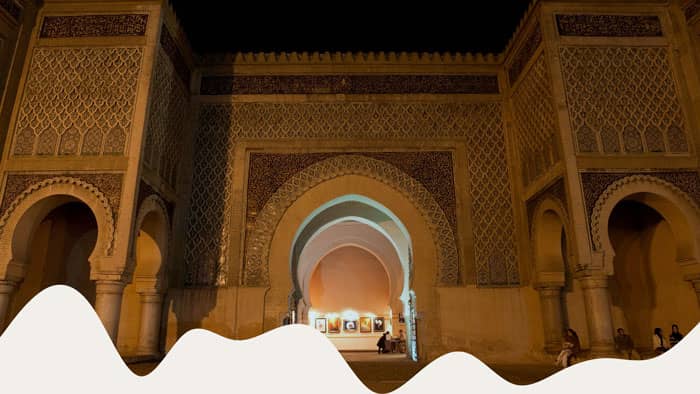
  • Meknes, another imperial city, features massive royal walls, gates like Bab Mansour, and the grandiose ruins of Sultan Moulay Ismail’s palaces.

  • Its architecture is monumental, but limited to specific areas.

  • Fes, in contrast, spreads its architectural richness across the entire medina — every corner holds heritage, not just royal compounds.

Verdict: Meknes is stately and majestic in parts, but Fes is immersive throughout.

Fes vs. Southern Kasbah Cities (e.g., Ouarzazate, Aït Benhaddou)

  • The south is famous for mud-brick kasbahs, fortified Berber villages, and desert-inspired simplicity.

  • While beautiful in their earthy minimalism, these structures are functional rather than decorative.

  • Fes, in contrast, excels in ornamentation, complexity, and craftsmanship.

Verdict: Southern cities show the resilience of Berber design; Fes shows the elegance of Islamic high art.

In short, while Morocco offers many architectural styles worth exploring, Fes is unmatched in depth, density, and cultural continuity. It’s a city where you don’t just visit architecture — you live inside it.

Practical Tips for Architecture Lovers Visiting Fes

To truly appreciate the architectural marvels of Fes, you need more than just a camera—you need time, context, and a little local knowledge. Here are some essential tips for travelers who want to experience the city’s design heritage with depth and ease.

Best Time to Visit for Architectural Exploration

  • Spring (March–May) and autumn (September–November) are ideal. The weather is pleasant, and the light is perfect for photography, especially during golden hour.

  • Summer can be very hot, especially inside the medina’s narrow alleys. Winter is cooler but occasionally rainy, which can limit outdoor visits.

Hire a Licensed Local Guide

  • While getting lost in the medina has its charm, a guide helps you decode the hidden layers of Fes’s architecture.

  • They’ll take you to secret riads, explain historical contexts, and ensure you don’t miss significant details — like inscriptions, astrological motifs, or the meaning behind door knockers.

Pro Tip: Look for guides with a background in history or architecture.

Photography Tips

  • Bring a wide-angle lens to capture tight alleyways and full facades.

  • Respect local customs — always ask before photographing people, especially around religious sites.

  • The early morning and late afternoon offer the best natural lighting and fewer crowds.

  • Don’t miss rooftop shots: many riads and cafés offer panoramic views over domes, minarets, and tiled rooftops.

Understand Religious Site Etiquette

  • Many architectural gems in Fes are mosques or zawiyas, and entry is restricted to Muslims.

  • However, you can often view interiors from open doorways or through guided tours in adjacent buildings (like madrasas or museums).

  • Dress modestly, especially when visiting spiritual or historical sites — shoulders and knees covered.

Getting Around

  • The medina is pedestrian-only, and its maze-like layout can be disorienting.

  • Use offline maps apps (like Maps.me or Google Maps downloaded in advance).

  • Comfortable walking shoes are essential — expect uneven cobblestone paths and steep stairs.

  • Don’t rely on taxis to drop you directly at a location inside the medina — you’ll often walk the final stretch.

What to Bring as an Architecture Enthusiast

  • Notebook or sketchpad if you enjoy drawing details.

  • Architecture guidebooks or mobile apps with historical overlays.

  • Binoculars to observe ceiling decorations or high-up tilework.

  • Small flashlight or phone light for dim interiors (like old madrasas or museums).

Support Local Artisans

  • Buy handmade tiles, wood carvings, or lanterns — often crafted using the same techniques found in the buildings you’re admiring.

  • Many artisans are happy to explain the design behind their work — it’s a cultural exchange as much as a purchase.

By planning thoughtfully and moving slowly, you’ll find that Fes isn’t just a place you look at — it’s a place you begin to understand, one finely carved detail at a time.

Conclusion: Why Fes Is a Pilgrimage for Architecture Fans

In a world where ancient buildings are often reduced to lifeless monuments or tourist photo ops, Fes is a rare exception — a city where architecture remains alive, functional, and deeply intertwined with the rhythm of everyday life. Here, the past isn’t just remembered; it’s lived.

For architecture lovers, Fes is not simply a destination. It’s a pilgrimage, a journey into the very soul of Islamic, Andalusian, and Moroccan design. The city invites you to slow down, look closer, and walk with intention. Whether it’s tracing your hand across a carved cedar door, standing in awe beneath the honeycomb vaults of a madrasa, or observing a zellige master piece together a geometric mosaic, you are always connected to something greater — a legacy of craftsmanship, culture, and devotion.

While other Moroccan cities may dazzle with their color, chaos, or coastal charm, Fes captivates through complexity, integrity, and authenticity. It doesn’t scream for attention; it whispers secrets through walls, arches, and tiles that have stood for centuries.

So if architecture is your passion if you believe buildings are stories carved in stone then Fes is the Moroccan city that will speak directly to your soul.

Ready to visit? Don’t forget to explore our Fes travel guides, book a walking tour with a local expert, or check out the best riads to stay in while you’re surrounded by centuries of living design.
The Inside Guide to Tangier: What to See, Eat, and Experience

The Inside Guide to Tangier: What to See, Eat, and Experience

The Inside Guide to Tangier: What to See, Eat, and Experience

Tangier Travel Guide: Discover Morocco’s Northern Gem


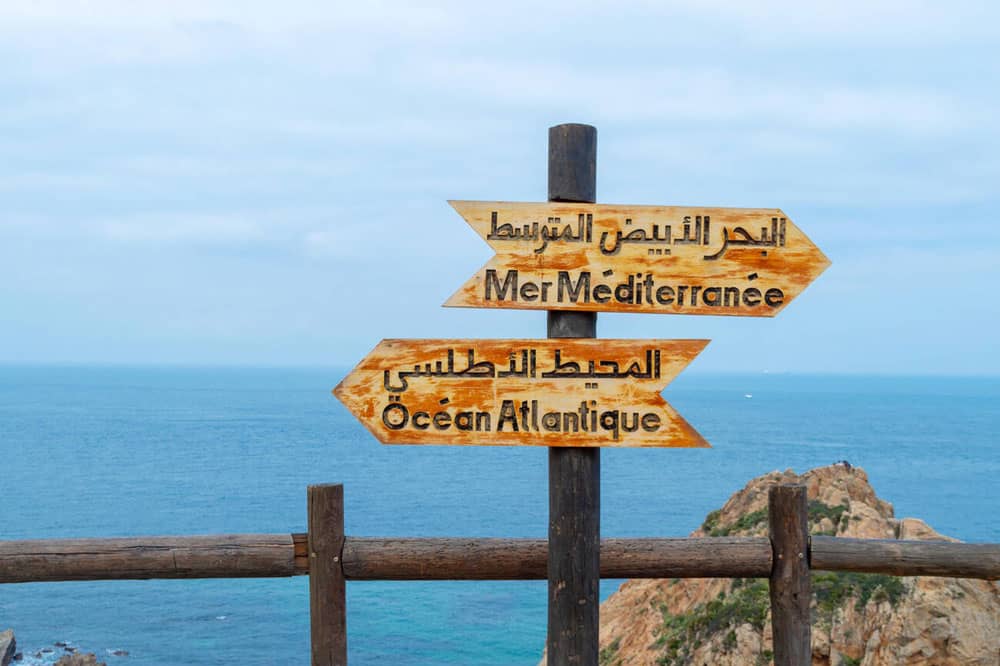
Tangier, often called the “Gateway to Africa,” is a vibrant port city located on the northern tip of Morocco where the Mediterranean Sea meets the Atlantic Ocean. With its rich history influenced by Phoenicians, Romans, Arabs, Europeans, and more, Tangier offers a unique blend of cultures, architecture, and traditions. Once a magnet for artists, writers, and spies, this city is full of stories waiting to be discovered. From bustling medinas and historic kasbahs to modern cafes and serene beaches, Tangier provides a fascinating mix of old and new that enchants every traveler.
Whether you’re a history buff, a foodie, or someone just looking to explore a lively Moroccan city off the beaten path, Tangier has something special for everyone. This guide will take you inside the best of Tangier covering practical tips, hidden gems, and must-see sights to help you experience the city like a local.

Getting to Tangier

Tangier is well connected and accessible by various modes of transport, making it an easy destination to reach whether you’re coming from Europe, other parts of Morocco, or beyond.

By Air:

Tangier Ibn Battouta Airport is the main airport serving the city, with direct flights from major European cities such as Madrid, Paris, London, and Brussels. The airport is located about 15 km east of the city center, and you can easily take a taxi or shuttle bus to reach your accommodation.

By Ferry:

Thanks to its strategic location on the Strait of Gibraltar, Tangier has regular ferry services connecting Morocco to southern Spain, especially the ports of Tarifa and Algeciras. The ferry ride takes about 1 to 1.5 hours, making it a popular and scenic entry point for travelers coming from Europe.

By Train:

Tangier is connected to Morocco’s national rail network. The high-speed Al Boraq train runs between Tangier and Casablanca, cutting travel time dramatically to around 2 hours, which is perfect if you plan to explore multiple Moroccan cities.

By Road:

If you’re traveling by car or bus, Tangier is accessible via the modern highways linking it to Rabat, Casablanca, and other major cities. Several private and public bus companies operate routes to Tangier, offering affordable options.

Tips:

  • Plan your arrival during daylight if possible, to easily navigate to your accommodation.
  • Taxis are plentiful but agree on a price before starting your trip to avoid surprises.
  • Consider booking ferry tickets in advance during peak seasons to secure your spot.

Top Attractions and Landmarks

Tangier is full of captivating sites that reflect its rich cultural tapestry and strategic geographic location. From ancient forts to vibrant markets, here are the must-see attractions that bring the city’s history and character to life:

The Kasbah and Kasbah Museum (Dar el-Makhzen)

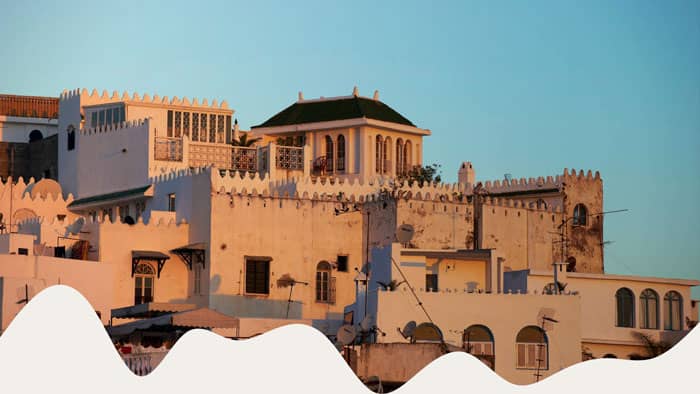
Located atop the hill overlooking the Medina and the port, the Kasbah is one of Tangier’s most iconic landmarks. This ancient fortress was once the seat of power and offers a fascinating glimpse into the city’s history.

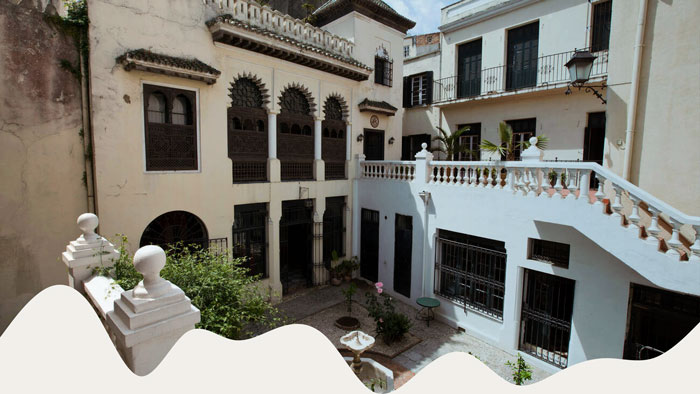
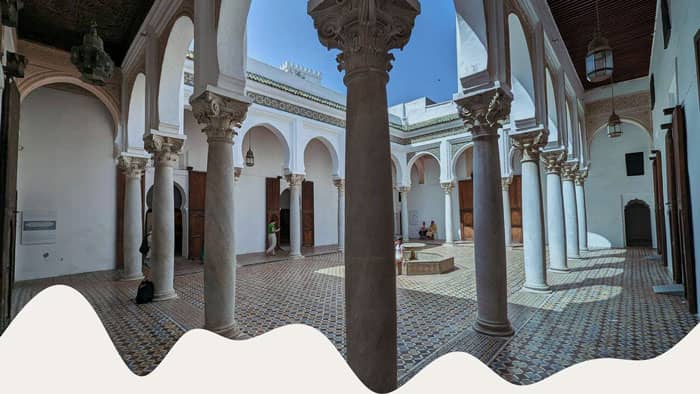
  • Kasbah Museum: Housed in the former Sultan’s palace, the museum displays a diverse collection of artifacts — including archaeological finds, traditional Moroccan arts and crafts, and contemporary paintings. The museum’s courtyard is adorned with intricate zellij (Moroccan mosaic tilework), and its Andalusian-style gardens provide a tranquil escape from the bustling city below.
  • Kasbah Mosque: With its striking minaret and whitewashed walls, the mosque is an architectural gem. Though non-Muslims cannot enter, the mosque’s exterior and surrounding courtyards are well worth a visit.
  • The Ramparts: Walk along the Kasbah’s fortified walls for breathtaking panoramic views of the Strait of Gibraltar and the cityscape.
Tangier Travel Guide

The Medina

The heart of Tangier’s old town, the Medina is a lively maze filled with history, culture, and commerce. Beyond its narrow alleyways lie some of the city’s best shopping and cultural experiences.

  • Grand Socco: Serving as the main entrance to the Medina, this large square is a vibrant gathering place. It’s the perfect spot to soak in the city’s energy, enjoy street performances, or relax at a café while watching the world go by.
  • Petit Socco: Smaller and more intimate, this square has been a popular meeting place for centuries, frequented by writers, diplomats, and locals alike. It’s lined with traditional tea houses and restaurants where you can enjoy Moroccan mint tea or freshly brewed coffee.
  • Souks: Tangier’s markets sell everything from fragrant spices and vibrant textiles to leather goods and intricate ceramics. Haggling is part of the fun, so be prepared to bargain for souvenirs.

Caves of Hercules (Grotte d’Hercule)

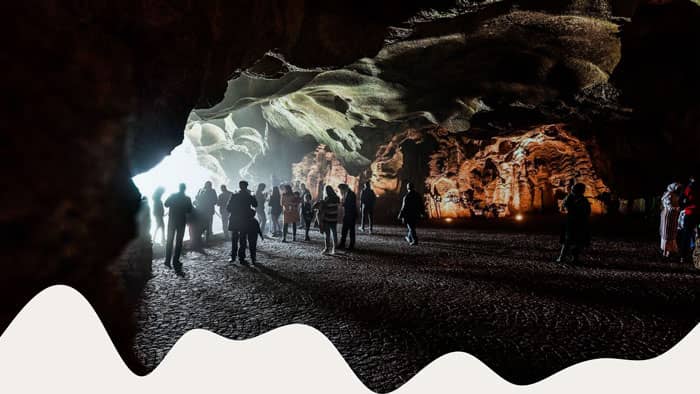
Located about 14 kilometers west of Tangier, this natural sea cave is shrouded in myth and legend. According to ancient stories, the Greek hero Hercules rested here during his twelve labors.

  • The cave’s opening faces the Atlantic Ocean, and its shape is said to resemble the continent of Africa. Visitors can explore inside the cave and enjoy the rugged coastline and nearby beaches. It’s a popular day-trip destination for those wanting to combine history with nature.
Tangier Travel Guide

American Legation Museum

Situated in the Marshan neighborhood, this museum is housed in a historic 18th-century building gifted to the United States by Morocco — the first country to recognize American independence.

  • The museum chronicles the long-standing diplomatic relationship between Morocco and the U.S. and features exhibitions on art, history, and diplomacy. It also serves as a cultural center hosting lectures, concerts, and temporary exhibitions.

Tangier Beaches and Corniche

Tangier’s coastline is dotted with sandy beaches and seaside promenades (corniches) that offer a relaxing contrast to the city’s historic core.

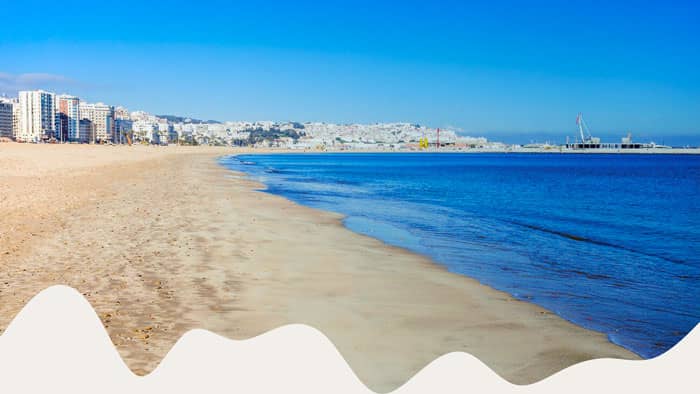
  • Plage Municipale: The main city beach, popular with locals and tourists alike, great for swimming and sunbathing during the warmer months.
  • Malabata Beach: Known for its fine sand and calmer waters, this beach is ideal for families and water sports enthusiasts. Nearby, the Malabata Castle (a historic fortress) adds a touch of medieval charm.
  • The Corniche: Stretching along the coastline, the corniche is perfect for leisurely strolls with cafes and restaurants offering stunning views of the sea and nearby Spanish coast.

Tangier’s attractions offer a well-rounded experience blending history, culture, nature, and local life. Whether wandering ancient streets, exploring museums, or relaxing by the sea, these landmarks showcase the city’s diverse allure.

Ready to Explore Tangier?

Discover the magic of Tangier for yourself! Whether you’re planning a cultural adventure through the Medina, relaxing on the sunny beaches, or taking a day trip to nearby treasures like Chefchaouen, Tangier offers an unforgettable Moroccan experience.

Book your trip today, dive into the city’s vibrant culture, and let Tangier’s timeless charm captivate you!

Local Markets and Shopping

Shopping in Tangier is a vibrant, sensory-filled experience where traditional craftsmanship meets lively bargaining culture. The city’s markets, or souks, are not only places to find unique souvenirs but also hubs of daily life where locals shop, socialize, and work. Here’s a detailed look at the best markets and shopping areas to explore:

The Grand Socco Market

Situated at the edge of the Medina, the Grand Socco is both a lively square and a bustling market area. Here you can find a wide range of goods including fresh produce, spices, textiles, and everyday household items. The market spills out into the surrounding streets with vendors selling everything from olives and dates to leather goods and traditional clothing.

  • Tip: Visit in the morning for the freshest produce and the most energetic atmosphere. Don’t hesitate to try local snacks like freshly baked msemen (Moroccan pancakes) or olives from street vendors.

The Medina Souks

Inside the Medina, narrow streets are lined with specialized souks dedicated to specific products:

  • Souk el Attarine (Spice Market): Aromatic and colorful, this souk is perfect for picking up traditional Moroccan spices like saffron, cumin, and ras el hanout. The scents alone are intoxicating.
  • Souk des Tapis (Carpet Market): For lovers of Moroccan rugs, this area offers an array of handwoven carpets, from Berber to kilim styles.
  • Leather Souk: Tangier is famous for its leather products, particularly bags, jackets, and slippers. Here you can watch artisans crafting items and negotiate prices directly with sellers.

Bargaining is expected in all the souks — start by offering about half the asking price and negotiate to a fair middle ground. Always be polite and enjoy the interaction as part of the shopping experience.

Rue de la Liberté and Ville Nouvelle Boutiques

For a more modern shopping experience, head to Rue de la Liberté in the Ville Nouvelle (New Town). This wide avenue features international brands, local boutiques, and artisan shops. Here you’ll find contemporary fashion, handmade jewelry, and stylish home décor.

  • Craft Galleries: Several galleries showcase modern Moroccan art and crafts, perfect for unique souvenirs or gifts.
  • Cafes and Bakeries: Take breaks between shopping at nearby cafes serving Moroccan pastries and mint tea.

Artisan Workshops and Cooperatives

For a deeper cultural experience, consider visiting artisan workshops and cooperatives around the city. These places offer handmade goods such as pottery, woodwork, and textiles, often made by women’s cooperatives supporting local communities.

  • Where to find them: Ask locals or your accommodation for recommendations, or explore the Medina’s less busy alleys where these hidden gems are tucked away.
  • Buying Direct: Purchasing directly supports the artisans and ensures authentic craftsmanship.

Shopping Tips for Tangier:

  • Carry small change for purchases.
  • Dress modestly to respect local customs, especially when visiting traditional markets.
  • Keep an eye on your belongings in crowded areas.
  • Don’t rush—take time to enjoy the atmosphere and engage with sellers.

Dining: Must-Try Foods and Restaurants

Tangier’s culinary scene is a flavorful journey that reflects the city’s multicultural heritage and coastal location. From traditional Moroccan dishes to fresh seafood and international influences, there’s something to satisfy every palate. Here’s a detailed guide to what you should try and where to eat:

Must-Try Traditional Dishes

  • Tagine: This slow-cooked stew is a Moroccan classic, made with tender meat (often lamb or chicken), vegetables, dried fruits, and fragrant spices like saffron, cinnamon, and preserved lemon. Each tagine has a unique blend depending on the region.
  • Couscous: Another staple, couscous is steamed semolina grains served with meat and vegetable stew, often enjoyed on Fridays as a special family meal.
  • Pastilla (Bastilla): A rich, flaky pie typically filled with pigeon or chicken, almonds, and spices, topped with powdered sugar and cinnamon — an exquisite blend of sweet and savory.
  • Harira: A hearty soup made with tomatoes, lentils, chickpeas, and fresh herbs, commonly eaten during Ramadan but delicious year-round.
  • Seafood: Given Tangier’s coastal location, fresh fish and shellfish are abundant. Popular dishes include grilled sardines, calamari, and shrimp tagine.

Recommended Restaurants and Cafes

  • El Morocco Club: Located near the Kasbah, this elegant restaurant offers a refined take on Moroccan cuisine with a cozy ambiance and live music on select evenings. Try their signature tagines and traditional pastries.
  • Le Saveur du Poisson: A favorite for seafood lovers, this casual spot serves freshly caught fish prepared simply to highlight natural flavors. The grilled sardines here are a must-try.
  • Café Hafa: Famous for its stunning sea views, this historic café overlooking the Strait of Gibraltar has been a meeting place for artists and writers since the 1920s. Enjoy a glass of Moroccan mint tea while watching the sunset.
  • Restaurant Rif Kebdani: For an authentic local experience, this family-run restaurant in the Medina serves generous portions of classic Moroccan dishes at reasonable prices.
  • Bistro Tafarnout: Combining Moroccan flavors with French bistro style, this trendy restaurant in Ville Nouvelle offers a fresh and creative menu in a stylish setting.

Street Food and Snacks

  • Msemen: A flaky Moroccan flatbread often eaten for breakfast or as a snack, usually served with honey or olive oil.
  • Sfenj: Moroccan doughnuts, crispy on the outside and soft inside, perfect with a cup of coffee or tea.
  • Briouats: Small fried pastries filled with meat, cheese, or vegetables, perfect for nibbling on the go.
  • Fresh Juices and Smoothies: Stalls around the Medina offer freshly squeezed orange or pomegranate juice — refreshing and energizing.

Dining Tips:

  • Try to eat at local establishments for the most authentic flavors.
  • Moroccan meals are often communal, so be ready to share and enjoy a variety of dishes.
  • When ordering tagine, note that preparation can take up to an hour, so plan accordingly.
  • Don’t miss out on mint tea, Morocco’s signature drink, often served sweet and poured from a height to create foam.

Beaches and Outdoor Activities

Tangier’s location on the edge of both the Mediterranean Sea and the Atlantic Ocean gives it a unique coastal charm, offering visitors plenty of opportunities to relax by the water or enjoy outdoor adventures. Here’s a detailed look at the best beaches and activities around the city:

Beaches in and Around Tangier

  • Plage Municipale (Municipal Beach):
    Located close to the city center, this sandy beach is popular with locals and tourists alike. It’s perfect for swimming, sunbathing, or enjoying a casual day by the sea. Facilities such as cafes and snack bars are available nearby, making it an easy and convenient spot to unwind.
  • Malabata Beach:
    A more tranquil option, Malabata Beach is known for its clean sand and calm waters. It’s great for families or those wanting a peaceful seaside escape. Nearby, you can visit Malabata Castle, a historic fortress that adds a picturesque backdrop to the beach.
  • Achakkar Beach:
    Situated a bit further from the city, Achakkar Beach offers a more rugged coastline, ideal for beach walks and nature lovers. The less crowded atmosphere provides a relaxing retreat away from the urban bustle.

Outdoor Activities

  • Hiking and Nature Walks:
    The hills surrounding Tangier provide excellent hiking opportunities with panoramic views of the city and sea. Trails around the Rif Mountains and Cap Spartel allow you to explore Morocco’s natural beauty just a short distance from the city.
  • Horseback Riding:
    Several stables near Tangier offer horseback riding tours along the beach or countryside, a fun way to experience the scenic coastline and rural landscapes.
  • Watersports:
    Tangier’s beaches are suitable for a variety of water activities:
    • Surfing: The Atlantic coast near Tangier is popular with surfers, especially at spots like Achakkar and the nearby coastline.
    • Kite Surfing and Windsurfing: The steady winds make this an ideal location for kite and windsurfing enthusiasts, with schools offering lessons for beginners.
    • Boat Trips: Take a boat tour from Tangier’s port to enjoy views of the city from the water, or arrange trips to nearby coastal villages and beaches.
  • Golf:
    Tangier has a few golf courses that attract players looking to combine sport with spectacular sea views. The Royal Golf de Tanger is a historic course located just outside the city.

Tips for Outdoor Fun:

  • Wear sunscreen and bring water, especially during summer months.
  • Check local weather and sea conditions before heading out for watersports.
  • Consider booking guided tours for hiking or horseback riding to ensure safety and local insights.

Tips for Travelers (Safety, Transportation, Culture)

To make the most of your visit to Tangier, it’s helpful to be prepared with practical tips about safety, getting around, and local customs. Here’s what every traveler should know:

Safety

  • General Safety: Tangier is generally safe for tourists, but like any busy city, petty theft such as pickpocketing can occur, especially in crowded areas like the Medina and markets. Always keep an eye on your belongings and avoid carrying large amounts of cash.
  • Scams: Be cautious of overly friendly strangers offering unsolicited help or tours. Politely decline if you’re not interested. Agree on prices upfront when taking taxis or hiring guides.
  • Women Travelers: Female solo travelers report generally positive experiences but are advised to dress modestly, especially when visiting religious or traditional areas, to respect local culture and avoid unwanted attention.

Transportation

  • Taxis: Petit taxis (small red cars) are the most common way to get around. They have meters, but it’s good practice to confirm the fare before starting your journey. For longer trips, grand taxis (usually shared larger vehicles) operate between Tangier and nearby towns.
  • Walking: Tangier’s Medina and Ville Nouvelle are best explored on foot. Wear comfortable shoes due to uneven streets and cobblestones.
  • Buses: Public buses run through the city but can be crowded and confusing for tourists. Taxis are usually more convenient.
  • Car Rentals: Renting a car gives you freedom to explore surrounding areas, but traffic can be hectic, and parking challenging in the city center.

Local Culture and Etiquette

  • Language: Arabic and Berber are Morocco’s official languages, but French and Spanish are widely spoken in Tangier. Basic English is understood in tourist areas. Learning a few simple Arabic or French phrases will be appreciated.
  • Greetings: Handshakes are common, but physical contact between unrelated men and women is usually avoided. Use your right hand for greetings and eating.
  • Dress Code: Dress modestly, especially in religious sites and rural areas. Women might prefer to cover shoulders and knees.
  • Ramadan: If visiting during Ramadan, be respectful of fasting locals—avoid eating, drinking, or smoking in public during daylight hours. Many restaurants may be closed or have limited hours.
  • Photography: Always ask permission before photographing people, especially women, and be cautious when photographing government buildings or military sites.

Extra Tips:

  • Carry a small pack of tissues or hand sanitizer—public restrooms may lack supplies.
  • Stay hydrated and protect yourself from the sun, especially in summer.
  • Use bottled water for drinking.
  • Keep copies of your passport and important documents separate from the originals.

Day Trips from Tangier

Tangier’s location makes it an excellent base for exploring some of northern Morocco’s most beautiful and culturally rich destinations. Here are the top day trips you can take to enhance your visit:

1. Chefchaouen – The Blue City

About a 2-hour drive from Tangier, Chefchaouen is famous for its stunning blue-painted streets and buildings nestled in the Rif Mountains. This charming town offers a peaceful atmosphere, traditional crafts, and excellent hiking trails in the surrounding hills. Wander the narrow alleys, visit the Kasbah museum, and enjoy panoramic views from the Spanish Mosque.

2. Asilah – Coastal Art Town

Just an hour south of Tangier, Asilah is a laid-back seaside town known for its whitewashed medina walls and vibrant street art. The town hosts an annual art festival that transforms its walls into colorful murals. Explore the quiet beaches, sample fresh seafood, and stroll along the historic ramparts.

3. The Caves of Hercules and Cap Spartel

Located about 14 km west of Tangier, the Caves of Hercules are natural sea caves steeped in mythology. Nearby Cap Spartel is a scenic headland where the Atlantic Ocean meets the Mediterranean Sea. Enjoy hiking trails, lighthouse views, and picturesque beaches.

4. Tetouan – Andalusian Heritage

About 1.5 hours east of Tangier, Tetouan is known for its well-preserved Andalusian medina, a UNESCO World Heritage Site. The city’s architecture reflects strong Spanish influences, and its souks offer exquisite crafts and textiles. Tetouan provides a quieter alternative to Tangier’s bustle, perfect for cultural immersion.

5. Larache – Historical Port City

Around 1.5 hours south of Tangier, Larache combines coastal beauty with rich history. Visit archaeological sites like Lixus, an ancient Phoenician and Roman city, and explore Larache’s old medina and Spanish architecture.

Tips for Day Trips:

  • Start early to maximize your time.
  • Hire a private driver or join organized tours for convenience.
  • Carry water, snacks, and comfortable shoes.
  • Check opening hours of museums or sites in advance.

Conclusion

Tangier is a city that effortlessly blends history, culture, and natural beauty, making it a fascinating destination for every type of traveler. From the maze-like Medina and historic Kasbah to vibrant markets, delicious cuisine, and stunning coastal views, Tangier offers an authentic Moroccan experience with a cosmopolitan flair. Whether you’re wandering its winding alleys, savoring fresh seafood by the sea, or exploring nearby UNESCO sites like Chefchaouen, this city invites you to discover its many layers at your own pace.

With its welcoming locals, rich cultural heritage, and strategic location bridging Africa and Europe, Tangier remains a captivating gateway to Morocco’s northern treasures. This inside guide aims to help you navigate the city’s highlights and hidden gems so you can enjoy a memorable and enriching visit.

No matter how long you stay, Tangier promises stories, flavors, and sights that will linger long after you leave.


A Family City Guide to Marrakech – Unforgettable Adventures with Kids

A Family City Guide to Marrakech – Unforgettable Adventures with Kids

A Family City Guide to Marrakech – Unforgettable Adventures with Kids

Why Marrakech Is a Great Destination for Families

Family City Guide to Marrakech: if you’re planning a getaway that combines culture, adventure, and unforgettable memories with your children, Marrakech delivers it all. This vibrant Moroccan city is bursting with color, history, and sensory delights that captivate travelers of all ages.

While Marrakech is often associated with romantic riads and exotic souks, it’s also an ideal destination for families. Children are warmly welcomed by locals, and the compact layout of the city makes it surprisingly easy to explore with little ones in tow. From camel rides in the desert to wandering palace courtyards, every day brings a new adventure.

In this guide, you’ll find everything you need to plan the perfect family trip — where to stay, what to see, how to get around, and tips to keep both kids and parents smiling every step of the way.

Where to Stay: Family-Friendly Accommodation Options

Finding the right place to stay is essential for a smooth family trip and Marrakech has plenty of options to suit different ages, budgets, and group sizes. Whether you prefer the charm of a traditional riad or the convenience of a modern resort, there’s something for every kind of traveler.

Riads with Family Appeal

Staying in a riad a traditional Moroccan house with an inner courtyard offers a truly local experience. Many riads are family-run and offer warm hospitality, with staff often going out of their way to help kids feel at home. Look for riads with:

  • Courtyards or small pools where kids can relax and play
  • Family suites or interconnecting rooms
  • Central locations inside the Medina for easy access to key attractions

Top Picks:

  • Riad Les Trois Palmiers El Bacha – great for families, central, and quiet
  • Riad Karmela – large rooms, friendly staff, and close to the souks

Hotels & Resorts with Kid-Friendly Amenities

If you’re looking for a hotel with more facilities, Marrakech has some fantastic family-focused resorts with pools, gardens, and kids’ clubs.

Top Picks:

  • Four Seasons Resort Marrakech – luxury meets family comfort, with a kids’ club and large grounds to explore
  • Aqua Mirage Club – waterpark fun and all-inclusive meals just outside the city
  • Es Saadi Resort – spacious suites and easy access to Gueliz (modern Marrakech)

Apartment Rentals & Riads for Larger Families

For longer stays or big families, consider renting an entire riad or apartment through platforms like Airbnb. This gives you space to spread out, cook meals, and settle into a neighborhood vibe.

Safety Tip

Make sure your accommodation offers good security, and check if rooms have window locks or stair gates if you’re traveling with younger children. It’s also worth choosing a stay close to main landmarks to cut down on walking or transport time.

Getting Around Marrakech with Kids

 Exploring Marrakech as a family can be both exciting and manageable — if you plan ahead. The city is walkable in many areas, but the heat, crowds, and narrow streets can make getting around a challenge with younger children. Luckily, there are several transport options that work well for families.

Walking: Best for Short Distances

Much of the Medina (old city) is pedestrian-friendly, especially the souks and around Jemaa el-Fnaa. Kids will enjoy the colorful stalls and street scenes just keep them close, as the streets can get busy and maze-like.

  • Tip: Use a baby carrier instead of a stroller for infants most streets are uneven or too crowded for wheels.
  • Landmark Trick: Teach older kids to look for the Koutoubia Mosque tower as a point of reference when walking.

Taxis: Quick and Convenient

Marrakech has two types of taxis:

  • Petit taxis (small, for up to 3 passengers): Best for short trips within the city.
  • Grand taxis (larger): Great for families and longer trips or day excursions.

Tips:

  • Always agree on a price before getting in or ask the driver to use the meter.
  • Bring a car seat if you’re traveling with toddlers’ taxis usually don’t provide them.

Caleche (Horse-Drawn Carriages): A Fun Ride for Kids

Caleches are a charming (and relaxing) way to tour the city, especially around the Medina walls, the Koutoubia Gardens, and Gueliz. It’s also a gentle break from walking and a great treat for children.

  • Tip: Settle the fare before the ride, and make sure the caleche looks clean and the horse is well cared for.

Beat the Heat

  • Explore early in the morning or later in the afternoon when it’s cooler.
  • Always carry water, hats, and sunscreen Marrakech sun can be intense, especially between 11 a.m. and 3 p.m.

Ready to Explore Marrakech with Your Family?

Start planning your unforgettable family adventure today! Book your family-friendly riad, schedule those exciting day trips, and prepare to immerse yourselves in the sights, sounds, and flavors of Marrakech.

Your next great family memory is just a flight away!

Top Family-Friendly Attractions in Marrakech

Marrakech is full of sensory-rich experiences that children and parents alike will love. From ancient palaces and colorful gardens to street performers and secret courtyards, the city feels like a real-life storybook. Here’s a guide to the must-visit spots that will keep your whole family entertained and engaged.

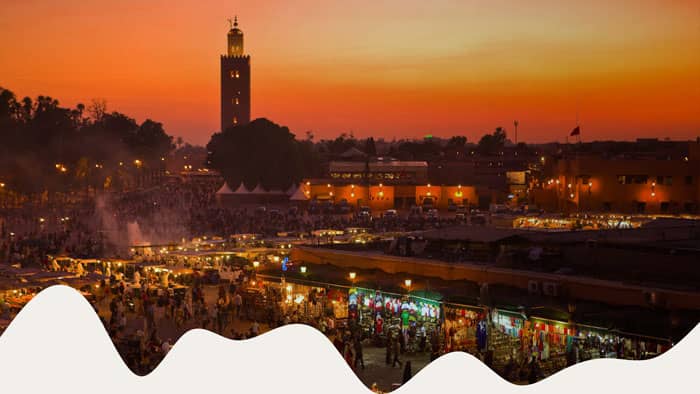
Jemaa el-Fnaa: Marrakech’s Magical Main Square

This iconic square is the beating heart of Marrakech and a place kids will never forget.

  • During the day: Watch snake charmers, acrobats, and musicians perform.
  • In the evening: The square transforms into a food market with glowing lanterns and sizzling grills.
  • Try fresh orange juice from the stalls or a sweet Moroccan pastry.

Parent Tips:

  • Keep small children close — it’s busy and noisy.
  • Watch performances from a distance to avoid pressure for tips.
  • Visit during golden hour for the best photos and a more relaxed vibe.
Family City Guide to Marrakech

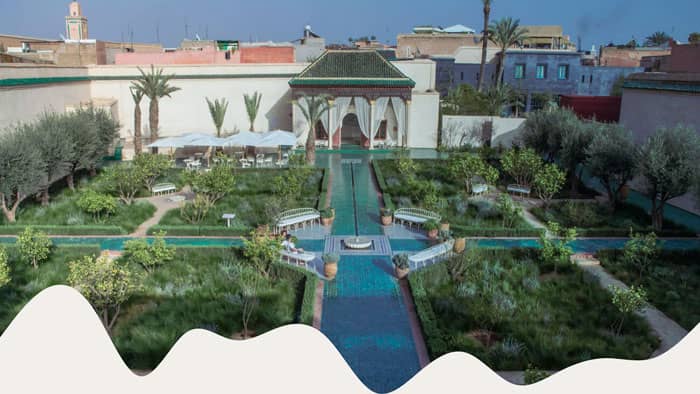
Le Jardin Secret (The Secret Garden)

Hidden inside the Medina, this peaceful garden is a welcome escape from the hustle.

  • Features fountains, exotic plants, and Islamic garden design.
  • Ideal for kids to explore safely while parents relax in the shade.
  • Offers a small café and panoramic rooftop views.

Why It’s Great for Families:
It’s calm, contained, and stroller-accessible — a rare Medina find!

Family City Guide to Marrakech

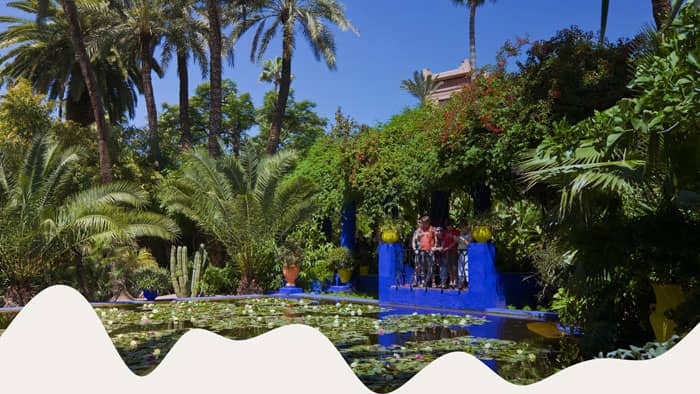
Majorelle Garden & Yves Saint Laurent Museum

A colorful botanical garden once owned by the famous designer.

  • Brilliant blue buildings, bamboo groves, koi fish ponds.
  • Small museum with Moroccan Berber artifacts inside the garden.
  • Adjacent YSL Museum is better suited to teens and adults.

Tip: Arrive early — it gets very crowded by mid-morning.

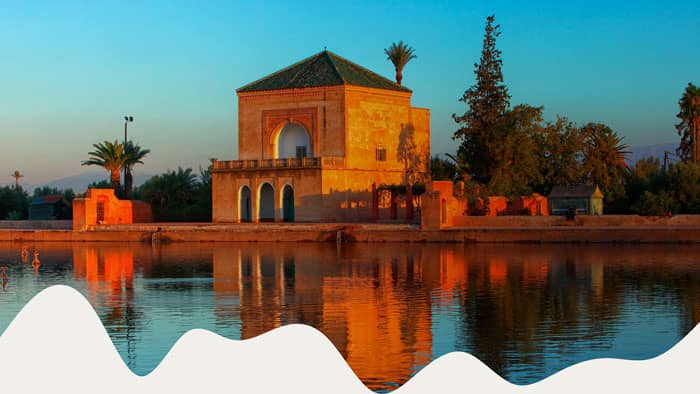
Menara Gardens

An open-air space perfect for a picnic or an afternoon walk.

  • Shallow pool with views of the Atlas Mountains in the background.
  • Olive groves and wide paths — great for letting kids run around.

Why Families Love It:
Free to enter, quiet, and easy to navigate with kids of any age.

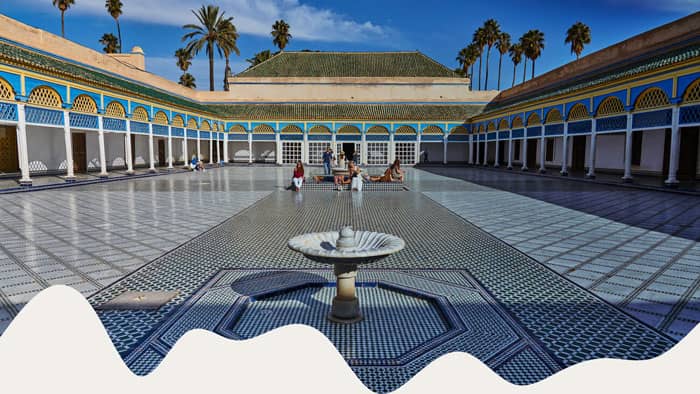
Palais Bahia (Bahia Palace)

A 19th-century palace filled with tilework, courtyards, and hidden nooks.

  • No furniture — just wide halls and open courtyards for kids to explore.
  • A great spot for family photos with intricate mosaics and arches.

Tip: Bring snacks and water — there are no cafés inside.

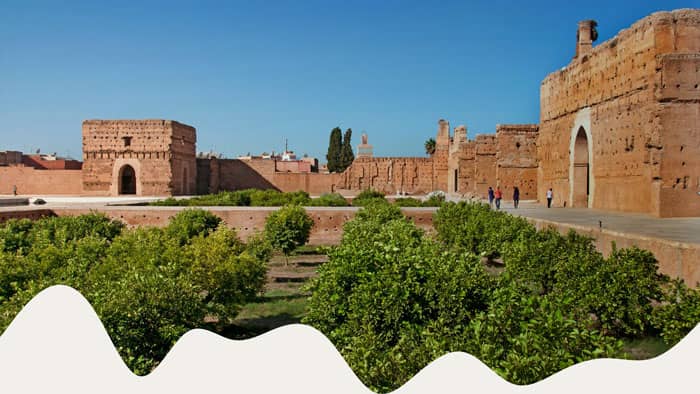
El Badi Palace Ruins

An adventurous spot where children can imagine ancient kings and explore at their own pace.

  • Huge open courtyards, underground tunnels, and crumbling towers.
  • Home to storks nesting on the walls a fun surprise for younger kids!

Note: Some parts have uneven steps supervise young children closely.

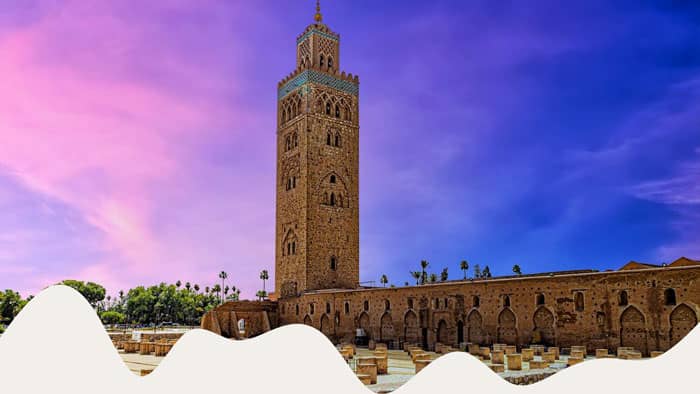
Koutoubia Mosque (Exterior Only)

While non-Muslims can’t enter, the mosque is still a landmark for orientation.

  • Ideal to use as a meeting point or a place to rest nearby in the gardens.
  • The minaret is visible from much of the city, helping kids keep their bearings.

BONUS: Smaller Hidden Gems

  • Cyber Park (Arsat Moulay Abdeslam): A modern park with free Wi-Fi, fountains, and grassy lawns
  • Dar Si Said Museum: Quiet museum of Moroccan arts — small and manageable
  • Tanneries: May interest older kids with a curious mind (though the smell is strong!)

Each of these spots offers something for different age groups — whether it’s running through palace ruins, spotting fish in a garden pond, or hearing live drumming in the main square. With good pacing and breaks in shaded areas, families can enjoy several of these attractions each day without stress.

Kid-Friendly Day Trips from Marrakech

While Marrakech offers plenty to keep your family busy, a short escape from the city can bring a whole new layer of fun and discovery. From gentle hikes in the mountains to camel rides in the desert, these day trips offer outdoor adventure, fresh air, and unforgettable moments — all within a couple of hours from the city.

Ourika Valley – Nature and Waterfalls

Just an hour’s drive from Marrakech, the lush Ourika Valley is perfect for families looking to connect with nature.

What to Do:

  • Walk along the river and enjoy lunch at a riverside café where tables are set in the shallow stream
  • Visit a Berber house to learn how locals live
  • Hike to the Setti Fatma waterfalls (best for older kids or active families)

Why Kids Love It:

  • Splashing in the river, spotting donkeys, and discovering little mountain trails
  • Cooler temperatures in summer

Travel Tip: Wear sturdy shoes and bring a change of clothes for kids — they will get wet!

Agafay Desert – Mini Sahara Experience

About 45 minutes from Marrakech lies the rocky but magical Agafay Desert, often called the “Marrakchi Sahara.”

What to Do:

  • Ride camels or quad bikes across the golden hills
  • Visit a luxury desert camp for lunch, swimming, or stargazing
  • Enjoy sunset over the dunes with mint tea and music

Why It’s Great for Families:

  • No long drive like to the real Sahara
  • Feels adventurous but very accessible
  • Many camps are family-friendly with activities and shaded areas

Visit a Traditional Argan Oil Cooperative

Along the road to the Atlas Mountains, you’ll find women-run cooperatives producing argan oil.

What to Do:

  • Watch how nuts are cracked and pressed into oil
  • Try cosmetic and culinary products (safe tastings available)
  • Say hello to goats — some may even be climbing trees!

Why It’s Fun for Kids:
Hands-on demonstrations, animal encounters, and shopping with purpose

Anima Garden – A Whimsical Art & Nature Park

About 30 minutes from Marrakech, this stunning garden created by artist André Heller combines sculpture, nature, and imagination.

Highlights:

  • Paths lined with towering plants and hidden art installations
  • Giant colorful statues, secret nooks, and mini bridges
  • On-site café with beautiful views of the mountains

Why It’s Perfect for Kids:
Feels like walking through a dream — artistic, safe, and full of surprises

Oasiria Water Park (Within the City Limits)

If you don’t want to leave Marrakech but need a break from the heat, this family water park is a great escape.

Features:

  • Wave pools, lazy rivers, and water slides
  • Shallow play areas for toddlers
  • Large shaded areas for relaxing

Tip: Go on a weekday to avoid local weekend crowds.

Day Trip Tips for Families

  • Start early to avoid the hottest part of the day
  • Pack snacks, sunscreen, hats, and water
  • If booking a tour, make sure it’s private or family-oriented (some group tours are not child-friendly)
  • Always ask if car seats are available or bring your own

With these kid-friendly excursions, your family can experience the incredible variety Morocco has to offer — from river valleys to desert sands — all in a single day from Marrakech.

Where to Eat with Children in Marrakech

Marrakech is a culinary treasure chest — and that includes plenty of flavors and settings that even the pickiest kids can enjoy. From open-air cafes to lively restaurants with traditional music, there are lots of places where families can relax, recharge, and experience Moroccan food together. Many spots are welcoming to children, and some even have special menus or cozy corners for little ones.


Traditional Moroccan Dishes Kids Often Enjoy

Even if your child isn’t adventurous with food, Moroccan cuisine has plenty of mild, flavorful dishes that kids usually love:

  • Chicken tagine with olives and lemon – soft, savory, and easy to eat
  • Brochettes (grilled meat skewers) – simple and satisfying
  • Msemen or baghrir – Moroccan pancakes perfect for breakfast or snacks
  • Couscous with vegetables – light, fluffy, and fun to eat with a spoon
  • Harira soup – tomato-based with lentils and vermicelli
  • Fresh fruit juices – orange, avocado, banana, and more

Family-Friendly Restaurants to Try

NOMAD

  • Location: Near the Spice Square in the Medina
  • Modern twist on Moroccan cuisine, high chairs available
  • Rooftop seating with views — reserve ahead for sunset
  • Menu includes simple dishes and veggie options

Dar Essalam

  • Location: Just off Jemaa el-Fnaa
  • Traditional Moroccan decor and evening entertainment (live music, belly dancing)
  • Feels like dining in a palace — fun atmosphere for kids who enjoy a bit of drama
  • Portions are generous, and the service is very welcoming to families

Café Clock

  • Location: Kasbah area, near the Saadian Tombs
  • Relaxed vibe, with camel burgers, milkshakes, and storytelling nights
  • Offers cooking classes and cultural events
  • Good for teens and older kids curious about culture

 Pâtisserie Amandine

  • Location: Gueliz (New Town)
  • A European-style café with pastries, cakes, and Moroccan sweets
  • Great for afternoon treats or breakfast with coffee for parents and cookies for kids

 Amaia Restaurant

  • Location: Gueliz
  • International menu with pasta, pizza, and kid-sized portions
  • A nice break if your kids need familiar comfort food

Street Food: Safe and Fun Options

Kids love to snack, and Marrakech street food can be a fun part of the adventure — with a few precautions.

Kid-approved picks:

  • Fresh orange juice from stalls in Jemaa el-Fnaa
  • Sfenj (Moroccan doughnuts) – sweet, chewy, and messy fun
  • Grilled corn or nuts for quick bites
  • Dates and dried fruits – available in markets and very nutritious

Safety Tips:

  • Choose busy stalls with high turnover
  • Avoid raw vegetables, ice from unknown sources, and undercooked meats
  • Bring hand sanitizer or wipes — street food can be sticky!

Tips for Eating Out with Kids in Marrakech

  • Most restaurants are very welcoming to children, but high chairs may be limited
  • Dinner time is late for locals (after 8:00 p.m.), so consider eating earlier or having snacks on hand
  • Many places don’t serve alcohol, but mint tea and fruit juices are family favorites
  • Bring coloring books or small games if you’re dining somewhere formal or with long waits

Dining in Marrakech is not just about food — it’s a full-on experience with scents, sounds, and sights. Let your kids pick a dish, try a spice, or just enjoy the sweet simplicity of a Moroccan pancake under the stars.

Practical Advice from a Family City Guide to Marrakech

Traveling with kids in a city like Marrakech can be a joyful experience, but it’s important to plan ahead and know what to expect. From weather and packing advice to language and health tips, this section will help your family stay safe, comfortable, and stress-free throughout your stay.


Best Time to Visit Marrakech with Kids

The climate in Marrakech can be extreme, especially in summer. Here’s what to consider:

Season Weather Family Travel Tips
Spring (Mar–May) Warm days, cool nights Ideal weather, gardens in bloom, fewer crowds
Summer (Jun–Aug) Very hot (up to 45°C / 113°F) Plan early outings; consider resorts with pools
Autumn (Sep–Nov) Pleasant and sunny Great for sightseeing and desert day trips
Winter (Dec–Feb) Cool and crisp Some nights are chilly, but days are sunny


What to Pack for a Family Trip to Marrakech

Bring gear that makes your days smoother and keeps the kids happy:

  • Sun hats, sunglasses, and high-SPF sunscreen
  • Light, breathable clothing with some modest options (shoulders/knees covered)
  • Comfortable walking shoes or sandals
  • Water bottles (you can refill at your hotel)
  • Wipes, hand sanitizer, tissues
  • Basic medical kit: pain relief, band-aids, motion sickness meds, rehydration salts
  • Baby supplies (diapers, formula) — available in supermarkets, but limited variety
  • Plug adapter (Morocco uses types C and E plugs – 220V)

Language & Communication

  • Moroccan Arabic (Darija) is the local language
  • French is widely spoken in hotels, restaurants, and shops
  • English is common in tourist areas
  • Teach kids a few simple words:
    • “Salam” (hello), “Shukran” (thank you), “La” (no), “Naam” (yes)

Bonus: Locals are often delighted when children try a few words in Arabic or French!

Health & Safety Tips

  • Tap water isn’t recommended — use bottled water for drinking and brushing teeth
  • Be cautious with street food (choose busy stalls)
  • Marrakech is generally safe, but keep valuables close and be aware in crowded areas
  • Teach kids to stay near you in busy places like Jemaa el-Fnaa or the souks
  • Pharmacies are well stocked and staff are usually helpful — look for the green cross sign

Emergency Numbers (for travelers in Morocco)

  • Police: 19 (landline) or 112 (mobile)
  • Ambulance/Fire: 15
  • Tourist Police in Marrakech: Located near Jemaa el-Fnaa
  • Major hospitals: Clinique Internationale Marrakech, Hôpital Ibn Tofail

Baby and Toddler Services

  • Supermarkets in Gueliz carry basic supplies like formula, snacks, and wipes
  • High chairs are rare in smaller restaurants, so consider bringing a travel booster seat
  • Most riads are happy to help warm bottles or arrange babysitting if requested in advance

These practical tips can make a big difference in how smoothly your trip goes. With a little planning and flexibility, you’ll be free to enjoy the magic of Marrakech while keeping your kids safe, happy, and curious.

Suggested 3-Day Family Itinerary in Marrakech

To help your family make the most of your time in Marrakech without feeling rushed, here’s a balanced and kid-friendly 3-day itinerary. It mixes iconic sights, interactive activities, and time to relax — all at a family-friendly pace.

Day 1: Discover the Heart of the Medina

  • Morning:
    Start at Jemaa el-Fnaa to watch street performers and try fresh orange juice. Explore the surrounding souks (markets), looking for colorful ceramics, spices, and lanterns.
    Tip: Keep younger kids close and encourage older ones to spot fun souvenirs on a “scavenger hunt.”
  • Late Morning:
    Visit Le Jardin Secret — a quiet garden perfect for a calm break and some photos.
  • Lunch:
    Head to a nearby riad or family-friendly café for tagine or couscous.
  • Afternoon:
    Take a henna art workshop or visit a traditional bakery to watch bread being made.
  • Evening:
    Early dinner at Dar Essalam with traditional music or storytelling to keep kids entertained.

Day 2: Gardens, Palaces, and Culture

  • Morning:
    Explore the vibrant Majorelle Garden, enjoying the colors and shade.
    Stop by the Yves Saint Laurent Museum if you have older kids interested in art and fashion.
  • Lunch:
    Eat at Café Clock where kids can try camel burgers or milkshakes.
  • Afternoon:
    Visit the stunning Palais Bahia, letting kids wander through the expansive courtyards and halls.
    Optionally, stroll around the Koutoubia Mosque gardens for some downtime.
  • Evening:
    Relax at your accommodation or visit a calm café in Gueliz with outdoor seating.

Day 3: Adventure Outside the City

  • Choose one of the following day trips based on your family’s interests and energy levels:
    • Ourika Valley: Easy hikes, river play, and a taste of Berber village life.
    • Agafay Desert: Camel rides and desert camp experiences without the long drive to the Sahara.
    • Anima Garden: Outdoor art and nature for imaginative play.
    • Oasiria Water Park: Splash day for the kids if you want a break from sightseeing.
  • Return to Marrakech in the evening for a relaxed dinner or a stroll through Jemaa el-Fnaa at night.

Tips for a Smooth Itinerary

  • Start early to avoid midday heat, especially when visiting outdoor sites.
  • Carry water, snacks, hats, and sunscreen.
  • Balance busy sightseeing with downtime at gardens or cafés.
  • Let kids lead sometimes — their curiosity will make the trip more memorable for everyone.

This itinerary offers a taste of Marrakech’s magic while keeping the whole family happy and engaged.

Conclusion: Create Unforgettable Family Memories in Marrakech

Marrakech is a city that truly sparkles for families — a place where culture, history, adventure, and warm hospitality come together to create unforgettable experiences for all ages. From wandering the lively souks and exploring peaceful gardens to embarking on desert adventures and savoring delicious Moroccan food, every moment is an opportunity for discovery and connection.

With thoughtful planning and the right balance of activity and rest, Marrakech welcomes families with open arms and offers a magical backdrop where children’s imaginations can run wild. Whether you’re sharing a rooftop sunset over the Medina or watching your kids’ eyes light up at a camel ride, this vibrant city will become a cherished chapter in your family’s travel story.

So pack your bags, bring your curiosity, and get ready to explore Marrakech — a city made for family memories that last a lifetime.


The Imperial Cities of Morocco – A Journey Through History and Culture

The Imperial Cities of Morocco – A Journey Through History and Culture

The Imperial Cities of Morocco – A Journey Through History and Culture

The Imperial Cities in Morocco — Fes, Marrakech, Meknes, and Rabat — offer a journey through the country’s most powerful dynasties, rich traditions, and architectural marvels. Each of these historic cities once served as the capital of a Moroccan empire, leaving behind grand palaces, fortified medinas, ornate mosques, and cultural legacies that still shape the nation today.

Whether you’re planning a cultural deep-dive, a heritage tour, or simply want to explore the best cities to visit in Morocco, these four destinations reveal the timeless soul of the country. From the spiritual heart of Fes to the vibrant energy of Marrakech, the regal charm of Meknes, and the coastal elegance of Rabat, this guide will help you uncover the unique character and highlights of each imperial city in Morocco.

Fes: The Spiritual and Cultural Heart

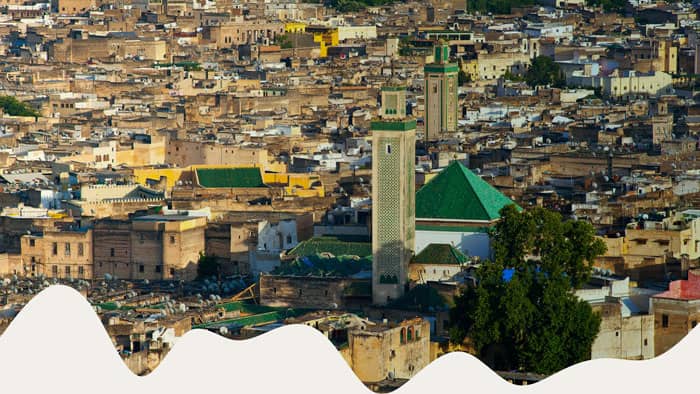
Fes, often called the “Athens of Africa,” is widely considered Morocco’s oldest and most spiritually significant imperial city. Founded in the late 8th and early 9th centuries by Idris I and Idris II, it quickly became a center for religion, education, and culture. The city’s historical medina, Fes el-Bali, is a UNESCO World Heritage site and one of the world’s largest car-free urban areas a living museum where medieval architecture and daily life intertwine.

imperial city in Morocco

The Medina of Fes

Walking through Fes’s medina feels like stepping back in time. Its labyrinthine streets are lined with traditional souks selling everything from vibrant textiles and intricate ceramics to spices and leather goods. Fes is particularly famous for its ancient tanneries, where leather is still dyed using centuries-old techniques, creating vivid pools of color that overlook the skyline.

Religious and Educational Heritage

Fes is home to the University of Al Quaraouiyine, founded in 859 AD and recognized by UNESCO and Guinness World Records as the world’s oldest continuously operating degree-granting university. The university, along with its associated mosque, has been a beacon of Islamic scholarship for over a millennium.

Another highlight is the Bou Inania Madrasa, an exquisite example of Marinid architecture with intricate zellij tilework, carved cedar wood, and stunning stucco decoration. It’s one of the few religious buildings in Morocco open to non-Muslim visitors.

Landmarks and Crafts

The Nejjarine Fountain, located near the Nejjarine Museum of Wooden Arts & Crafts, is an iconic photo spot with its ornate mosaic and traditional fountain design. The museum itself offers a fascinating insight into Morocco’s woodworking heritage.

Fes is also famous for its skilled artisans. You can watch craftsmen hand-dyeing textiles, creating delicate pottery, or hammering metalwork, keeping centuries-old traditions alive. The city’s vibrant artisanal culture makes it a haven for anyone interested in Moroccan crafts.

Cultural Significance

More than just a historic city, Fes remains a vibrant cultural hub, hosting annual festivals such as the Fes Festival of World Sacred Music, which attracts artists and visitors from around the globe.

Marrakech: The Red City and Tourist Magnet

Marrakech is Morocco’s most famous imperial city and arguably its most vibrant and colorful. Founded in 1070 by the Almoravid dynasty, Marrakech has grown into a bustling metropolis where tradition and modernity collide in spectacular fashion. Nicknamed the “Red City” because of the distinctive red sandstone walls and buildings that surround the old medina, Marrakech is a feast for the senses alive with colors, sounds, and aromas.

imperial city in Morocco

Jemaa el-Fnaa: The Beating Heart

At the core of Marrakech’s medina lies Jemaa el-Fnaa, one of the world’s most famous public squares. By day, it buzzes with street performers, snake charmers, henna artists, and market stalls. As evening falls, the square transforms into a lively open-air food market, with countless stalls serving Moroccan delicacies like spicy harira soup, grilled meats, and fresh orange juice. This pulsating hub is a UNESCO Intangible Cultural Heritage site and a must-experience for any visitor.

Majestic Palaces and Gardens

Marrakech boasts architectural marvels that speak to its imperial past. The Bahia Palace, with its stunning Andalusian and Moroccan design, offers lush gardens and ornate rooms that tell stories of Moroccan royalty and craftsmanship. The Saadian Tombs, rediscovered in 1917, showcase intricate mosaics and are the final resting place of Sultan Ahmed al-Mansour and his family.

For a peaceful retreat, the Majorelle Garden is a striking botanical garden filled with exotic plants, fountains, and the iconic cobalt-blue buildings that were once owned by French painter Jacques Majorelle and later restored by fashion designer Yves Saint Laurent.

Cultural Fusion and Modern Vibes

While deeply rooted in tradition, Marrakech also embraces contemporary Moroccan culture. The city is home to chic riads (traditional houses with interior gardens) turned boutique hotels, trendy cafes, and art galleries. The fusion of old and new makes Marrakech a dynamic destination offering everything from bustling souks to modern nightlife.

Shopping and Souks

The souks of Marrakech are legendary. Each quarter specializes in a different craft from carpets and jewelry to spices and leather goods. Haggling is expected, and the experience is as much about the atmosphere and interactions as it is about buying souvenirs.

Ready to Explore Morocco’s Imperial Cities?

Start planning your unforgettable Moroccan adventure today! Book your charming riads or hotels near the medinas, schedule exciting day trips, and prepare to immerse yourself in the history, culture, and vibrant life of Fes, Marrakech, Meknes, and Rabat.
Your next great travel story is just a flight away!

Meknes: The Imperial City of Sultan Moulay Ismail

Meknes, often called the “Versailles of Morocco,” is a grand imperial city with a distinct identity shaped by the powerful Sultan Moulay Ismail, who ruled from 1672 to 1727. Unlike the other imperial cities that evolved over centuries, Meknes owes much of its fame to Moulay Ismail’s ambitious vision to build a monumental capital that showcased his authority and power.

Historical Significance and Sultan Moulay Ismail’s Legacy

Moulay Ismail chose Meknes as his capital to cement his dynasty’s power and to rival other imperial cities like Fes and Marrakech. He launched an unprecedented construction project, commissioning vast palaces, military barracks, stables, and massive walls to protect his city. His reign is marked by both grandeur and strict rule, and his architectural legacy still defines Meknes today.

Architectural Highlights

The city’s monumental gates are among its most impressive sights. Bab Mansour, the main ceremonial entrance to the city, is one of Morocco’s most beautiful gates, adorned with intricate zellij tiles, carved cedar wood, and imposing stone columns. It exemplifies the blend of Andalusian and Moroccan design.

The Mausoleum of Moulay Ismail is a serene and sacred site, notable for its exquisite craftsmanship and for being one of the few mausoleums in Morocco open to non-Muslim visitors.

Heri es-Souani, the enormous granaries and stables, demonstrate the scale of Moulay Ismail’s projects. These vast structures housed thousands of horses and stored food supplies, symbolizing the sultan’s power and organizational skills.

Atmosphere and Charm

Meknes is quieter and less touristy compared to Marrakech or Fes, giving visitors a chance to explore an authentic Moroccan city with less crowds. Its medina is vibrant but more relaxed, offering a glimpse into everyday Moroccan life alongside imperial splendor.

Nearby Attraction: Volubilis

Just a short drive from Meknes lies Volubilis, the best-preserved Roman ruins in North Africa. This ancient city adds another layer to the imperial experience, connecting visitors to the deep historical roots of the region.

Rabat: The Modern Capital with Imperial Roots

Rabat, Morocco’s current capital, is a unique imperial city that beautifully blends its rich history with modern governmental and cultural life. Though it has evolved into a contemporary city, Rabat’s imperial past remains visible in its architecture, historic sites, and coastal charm.

imperial city in Morocco

From Imperial City to Modern Capital

Rabat was founded in the 12th century by the Almohad dynasty as a fortified military outpost, which later developed into an imperial capital. Its strategic location on the Atlantic coast gave it an important role in trade and defense. Unlike other imperial cities whose centers revolve around medinas, Rabat has expanded to include broad avenues, parks, and modern infrastructure reflecting its role as Morocco’s political heart.

Key Historical Sites

The Kasbah of the Udayas, perched at the mouth of the Bou Regreg River, is a picturesque fortress overlooking the ocean. This UNESCO World Heritage site features narrow alleys painted in traditional blue and white, Andalusian gardens, and stunning views of the Atlantic, providing a tranquil escape within the city.

The Hassan Tower, an unfinished minaret from the 12th century, stands as a monumental reminder of Rabat’s ambitious past. Intended to be the largest mosque in the world, the project was halted after the death of the Almohad caliph, leaving the tower and nearby incomplete structures as iconic ruins.

Nearby, the Mausoleum of Mohammed V houses the tombs of King Mohammed V and his sons, Kings Hassan II and Prince Abdallah. It is a masterpiece of modern Alaouite architecture, richly decorated with marble and intricate tilework.

Rabat’s Contemporary Role

Today, Rabat balances its imperial legacy with its role as a vibrant modern capital. The city hosts embassies, government offices, and cultural institutions like the Mohammed VI Museum of Modern and Contemporary Art. Its broad boulevards, gardens, and beaches make it a pleasant, livable city that is often overlooked by tourists but increasingly appreciated for its calm sophistication.

Cultural Events and Accessibility

Rabat also hosts festivals such as the Mawazine Music Festival, attracting international artists and audiences. Its proximity to Casablanca and good transport links make Rabat an easy addition to any Moroccan itinerary.

Imperial Cities in Morocco Compared: What Sets Each Apart?

While Fes, Marrakech, Meknes, and Rabat all share the prestigious title of imperial cities, each offers a distinct flavor and experience that reflects its unique history, geography, and cultural development.

Fes: The Spiritual and Cultural Hub

Fes stands apart as Morocco’s oldest imperial city and is deeply rooted in religious scholarship and traditional craftsmanship. Its medina is a UNESCO World Heritage treasure, known for preserving ancient artisan trades and Islamic architecture. Visitors seeking an authentic, historic atmosphere filled with centuries-old traditions will find Fes unmatched.

Marrakech: The Vibrant Tourist Magnet

Marrakech is the most internationally renowned of the imperial cities, famed for its bustling souks, dramatic architecture, and energetic street life. The city blends imperial grandeur with a lively, contemporary culture that attracts tourists worldwide. Its iconic Jemaa el-Fnaa square provides a nonstop spectacle of entertainment, food, and local life.

Meknes: The Quiet Grandiose

Meknes offers a quieter, more intimate experience, often overshadowed by the other cities but rewarding those who visit with magnificent imperial monuments like Bab Mansour and Moulay Ismail’s palaces. Its less-touristy vibe allows for a more relaxed exploration of Moroccan history and daily life.

Rabat: The Modern Capital with Historical Depth

Rabat uniquely combines the past and present. As the administrative and political heart of Morocco, it offers modern amenities alongside imperial-era landmarks. It’s less chaotic than the other cities and ideal for visitors interested in both history and a calmer urban environment.

Planning a Trip to the Imperial Cities

  • Time to Spend: Ideally, allocate at least 2-3 days in each city to fully absorb their atmosphere and explore key sites.
  • Travel Logistics: The imperial cities are well connected by road and train, making travel between them straightforward.
  • What to Expect: Each city offers different sights, sounds, and experiences, so mixing them in your itinerary provides a rich, multifaceted view of Morocco’s imperial legacy.

Together, these cities form the cornerstone of Morocco’s cultural identity and are essential destinations for anyone wanting to understand the country’s past and present.

Conclusion

Exploring Morocco’s imperial cities is like stepping into a living history book — each city tells a story of dynastic power, architectural brilliance, and rich cultural traditions that continue to thrive today. From the spiritual depth of Fes to the vibrant pulse of Marrakech, the grand vision of Meknes, and the modern sophistication of Rabat, these cities offer travelers an unparalleled window into Morocco’s soul.

Visiting the imperial cities is more than sightseeing; it’s an immersive experience that connects you to centuries of Moroccan heritage and daily life. Whether you’re wandering ancient medinas, admiring intricate mosaics, or savoring the lively street scenes, you’ll gain a deeper appreciation for Morocco’s diverse and enduring legacy.

For anyone planning a Moroccan adventure, the imperial cities should be at the top of your list each offers unique charms and unforgettable moments that bring the country’s history and culture vividly to life.

Discover Erg Chigaga Dunes in Zagora Desert, Morocco

Discover Erg Chigaga Dunes in Zagora Desert, Morocco

Discover Erg Chigaga Dunes in Zagora Desert, Morocco

Far from the crowds and commercialized desert circuits of Morocco lies a true gem of the Sahara, Erg Chigaga, a vast sea of golden dunes nestled in the remote reaches of the Zagora Desert. Unlike the more frequently visited Erg Chebbi near Merzouga, Erg Chigaga remains wild, untouched, and deeply authentic. It’s a destination for those seeking raw beauty, silence, and the deep spiritual calm that only the Sahara can offer.

Located near the small desert village of M’hamid El Ghizlane, Erg Chigaga stretches across more than 40 kilometers of sweeping dunes, some of which rise over 300 feet high. Visiting this part of Morocco is not just about seeing dunes; it’s about stepping into a timeless landscape where nomadic traditions endure, and where modern life fades away with the sunset behind the sand.

In this guide, we’ll take you on a journey to discover everything about Erg Chigaga: where it is, how to reach it, what to do, and why it should be on every traveler’s Moroccan bucket list.

Where is Erg Chigaga?

Erg Chigaga is located in the deep southeast of Morocco, near the Algerian border, in a remote area of the Zagora Province. The dunes lie roughly 60 kilometers west of the village of M’hamid El Ghizlane, which is considered the last outpost of civilization before the Sahara takes over. This region forms part of the greater Draa Valley, an area renowned for its palm groves, oases, and centuries-old kasbahs.

Unlike the more accessible dunes of Erg Chebbi near Merzouga, Erg Chigaga cannot be reached by standard vehicles. The last stretch of the journey, about 2–3 hours of off-road driving, must be done in a 4×4 or by camel. This added remoteness is part of what makes Erg Chigaga so special: fewer tourists venture here, giving visitors a more private and wild desert experience.

From major cities, the distances are as follows:

  • From Zagora: ~150 km (including the off-road segment)

  • From Ouarzazate: ~300 km, or about 6 hours by car

  • From Marrakech: ~460 km, taking around 8–9 hours including stops and mountain passes

Though it may seem far, the journey to Erg Chigaga is filled with incredible scenery, from the High Atlas mountains to the lush Draa River Valley, and offers a rewarding sense of adventure the moment you leave the pavement behind.

Brief History about Agadir

How to Get to Erg Chigaga

Reaching Erg Chigaga is a true desert adventure. Because of its remote location, getting there requires preparation and the right mode of transport, but the reward is an unforgettable journey through Morocco’s wild south.

By 4×4 Vehicle (Most Recommended)

The most popular and practical way to reach Erg Chigaga is via a 4×4 off-road vehicle, typically as part of an organized desert tour. From M’hamid El Ghizlane, the route becomes a rugged, sandy track through the desert, accessible only by experienced drivers familiar with the terrain. This drive takes approximately 2 to 3 hours and passes through dramatic landscapes including dry lake beds, acacia forests, and fossil fields before reaching the towering dunes of Erg Chigaga.

Many travelers book multi-day tours from Marrakech, Ouarzazate, or Zagora, which include stops in scenic towns, kasbahs, and valleys along the way. Reputable tour operators, such as Prime Morocco Tours, provide all-inclusive packages with transport, meals, guided excursions, and desert camp accommodations.

By Camel Trek

For a more traditional approach, some adventurers opt for a camel caravan trek from M’hamid. This journey takes about two days and allows you to experience the desert the way the nomads have for centuries. While more physically demanding and slower, it offers a deeper connection to the rhythm and silence of the Sahara.

Self-Drive (Only for Experienced Drivers)

It is technically possible to drive yourself to M’hamid and arrange a 4×4 pickup for the final off-road segment. However, attempting the full route to Erg Chigaga without a local guide is highly discouraged unless you have extensive experience navigating unmarked desert terrain and sand dunes.

Guided Tours vs. Independent Travel

While independent travelers might enjoy the freedom of driving to M’hamid, guided tours offer peace of mind, cultural insight, and logistical ease, especially given the desert’s challenging conditions and lack of clear signage.

Top Activities in Erg Chigaga

Exploring Erg Chigaga is not just about admiring the dunes, it’s about fully immersing yourself in the rhythm of the desert. From thrilling adventures to serene cultural experiences, here are the top things to do while visiting this untouched part of the Moroccan Sahara:

1. Camel Trekking Across the Dunes

Ride atop a camel and journey through the ever-shifting sands just like the nomads have done for centuries. Whether it’s a short trek at sunset or a full day excursion, this slow-paced, meditative ride offers a unique perspective of the vast desert landscape.

Brief History about Agadir

2. 4×4 Off-Road Adventures

Hop into a 4×4 and feel the adrenaline as you cross rocky desert plains, dried riverbeds, and towering dunes. Local guides expertly navigate the terrain, often stopping to show you hidden fossils, desert flora, or panoramic viewpoints along the way.

Brief History about Agadir

3. Sandboarding

Try your hand at sandboarding down the soft dunes of Erg Chigaga. It’s safe, fun, and a favorite among adventurous travelers. Boards are typically available at desert camps, and it’s suitable for both beginners and thrill-seekers.

Brief History about Agadir

4. Stargazing Under the Sahara Sky

With zero light pollution, Erg Chigaga offers one of the clearest night skies in the world. Lay back on a dune or by your camp and admire the dazzling stars, shooting comets, and the unmistakable arc of the Milky Way overhead. Many say this is the highlight of their desert trip.

Brief History about Agadir

5. Visit Nomadic Families

Some tours include visits to nearby nomad camps, where you can learn about Berber traditions, sip mint tea with desert dwellers, and hear stories passed down through generations. These cultural exchanges offer an authentic look at life in the Sahara.

Brief History about Agadir

Overnight in the Desert: Camp Options

Spending a night beneath the stars in Erg Chigaga is more than just a place to sleep; it’s the heart of the experience. Desert camps in this remote region range from rustic nomadic tents to luxurious eco-lodges, offering a range of accommodations to suit every style of traveler.

1. Standard Camps

These traditional-style camps offer a cozy, no-frills stay that immerses you in the authentic Saharan way of life. Expect hand-woven Berber tents, shared or private beds with thick blankets, Moroccan carpets underfoot, and hearty meals cooked over open fires. Toilets are usually basic but clean, and the warmth of your hosts will more than make up for the simplicity.

2. Luxury Camps

For those looking for comfort without sacrificing the magic of the desert, luxury camps deliver an elevated experience. These camps typically feature:

  • Spacious private tents with en-suite bathrooms

  • Comfortable bedding with real mattresses

  • Solar-powered lighting and warm showers

  • Gourmet Moroccan meals served in elegant dining tents

  • Optional yoga sessions, wellness treatments, or private dune dinners

Despite the amenities, luxury camps still honor the silence and serenity of the desert, ensuring a peaceful, unplugged stay.

3. What to Expect at Night

Once the sun sets, the desert cools quickly and the sky ignites with a canopy of stars. Evenings are often spent gathered around a campfire with mint tea in hand, enjoying traditional drumming and singing, exchanging stories, and simply soaking in the stillness that only a place like Erg Chigaga can offer.

Whether you’re in a simple nomadic tent or a luxury suite, sleeping in the dunes of Erg Chigaga is a memory that stays etched in your soul—a rare blend of nature, culture, and timeless beauty.

Ready to Experience the Magic of Erg Chigaga?

Leave the crowds behind and step into the heart of Morocco’s untouched Sahara. Whether you dream of riding camels across golden dunes, sleeping under a sky full of stars, or discovering the deep soul of Berber nomadic culture, Erg Chigaga is calling.

Let us help you craft the perfect desert escape. From private 4×4 tours to authentic desert camps and unforgettable cultural encounters, your journey to Erg Chigaga will be one you’ll never forget.

👉 Start planning your adventure today and experience the wild beauty of Morocco like never before.

Practical Travel Tips

A trip to Erg Chigaga is a once-in-a-lifetime experience—but it also requires some planning to ensure a smooth and comfortable journey. Here are essential tips to help you prepare for your desert adventure:

1. What to Pack

  • Clothing: Lightweight, breathable fabrics for daytime; warm layers for chilly desert nights. A scarf or cheche (traditional head wrap) is highly recommended for sun and sand protection.

  • Footwear: Comfortable walking shoes or sandals for camp; closed shoes for camel rides or trekking.

  • Sun Protection: Sunglasses, sunscreen (SPF 50+), and a wide-brimmed hat are a must.

  • Other Essentials: Refillable water bottle, flashlight or headlamp, lip balm, hand sanitizer, and tissues.

2. Health & Safety

  • Stay hydrated: The desert is dry and hot—drink water regularly.

  • Watch the temperature: While daytime can be hot, nighttime can be cold, especially from November to March.

  • Allergies/Medications: Bring necessary prescriptions, especially if you’re sensitive to dust, sun, or certain foods.

  • Travel Insurance: Always recommended for desert travel, especially in remote areas.

3. Connectivity

Don’t expect mobile service or internet once you leave M’hamid. Use this as an opportunity to disconnect and be fully present. Let friends and family know you’ll be offline for a day or two.

4. Cultural Etiquette

  • Respect local customs and dress modestly, even in the desert.

  • Always ask before taking photos of people, especially nomads or locals.

  • Tipping your guide and camp staff is appreciated and customary.

5. Booking Tips

  • Always book your Erg Chigaga experience through reputable tour operators or local agencies. Verify what’s included—transport, meals, activities, and accommodation—before confirming.

  • If traveling during Moroccan holidays or high season (spring and fall), book well in advance.

Proper planning allows you to focus on what truly matters: soaking in the vast silence, the stars, and the timeless rhythm of the Sahara.

Best Time to Visit Erg Chigaga

The beauty of Erg Chigaga is timeless, but timing your visit right can significantly enhance your experience. The desert’s climate is extreme, with scorching summers and chilly nights in winter, so understanding the seasonal changes is key to a comfortable journey.

Best Seasons: Spring and Autumn

  • March to May and September to early November are considered the best times to visit.

  • During these months, daytime temperatures are warm but bearable, while nights are cool and pleasant.

  • The dunes are easier to explore by foot or camel, and the clear skies make for stunning sunrises and starry nights.

Winter (Late November to February)

  • Days are cooler and ideal for outdoor activities, but nights can get very cold, often dropping close to freezing in the heart of the desert.

  • Camps provide warm blankets, but bringing thermal layers is advised.

  • The atmosphere is peaceful, and crowds are fewer, making it perfect for those seeking solitude.

Summer (June to August)

  • The summer heat in Erg Chigaga can be intense and unforgiving, with temperatures soaring above 45°C (113°F).

  • Travel during this time is not recommended, especially for families or travelers unaccustomed to extreme heat.

  • Many tour operators reduce operations in the peak of summer for safety reasons.

Special Occasions & Events

  • Consider aligning your visit with local cultural festivals or traditional events in nearby towns like M’hamid or Zagora, often held in spring or autumn.

  • Ramadan offers a quieter, more reflective time to visit, though some services may be limited.

By choosing the right season, you’ll not only enjoy Erg Chigaga’s majestic dunes in comfort but also ensure the best lighting, fewer tourists, and the most magical desert moments.

Extend Your Trip: Nearby Attractions

While Erg Chigaga is the highlight, the journey to and from the dunes is filled with incredible sites and cultural experiences that are worth exploring. If you have extra time, consider extending your trip to discover the hidden gems of southern Morocco.

1. M’hamid El Ghizlane

Often referred to as the “Gateway to the Desert,” this quiet village is the last point of civilization before the dunes begin. It offers a glimpse into traditional Saharan life, with mud-brick houses, small kasbahs, and a laid-back atmosphere. It’s also a place to meet local guides, stock up on supplies, or simply enjoy mint tea in a shaded café.

2. Draa Valley

On the road between Zagora and M’hamid, the Draa Valley is one of Morocco’s most scenic landscapes. Picture miles of lush palm groves, kasbah ruins, and ochre-colored villages nestled along the Draa River. It’s perfect for scenic drives, photo stops, and visits to traditional markets.

3. Zagora

This small Saharan town is famous for its iconic “Timbuktu – 52 Days” sign, once marking a historic caravan route across the desert. Zagora has a charming atmosphere, with a blend of desert architecture and modern amenities. It’s a great overnight stop or base before heading to M’hamid.

4. Tamegroute

Just south of Zagora, Tamegroute is a spiritual and cultural treasure. Visit the Tamegroute Library, home to rare manuscripts dating back centuries, or explore the famous green pottery workshops where artisans still use ancient techniques. The narrow alleyways of the village have a timeless feel and are a fascinating contrast to the open desert.

5. Off-the-Beaten-Path Kasbahs

Scattered throughout the region are old fortified villages (ksars) and kasbahs, some in ruins, others still inhabited. Many are open for exploration and offer insight into Morocco’s pre-colonial desert architecture.

These destinations add layers of depth to your Sahara adventure, combining natural beauty, cultural encounters, and historical richness that perfectly complement your time in Erg Chigaga.

Why Erg Chigaga is Worth the Journey

Erg Chigaga is not just another desert destination; it’s an invitation to discover one of Morocco’s most authentic and untouched landscapes. Its remote location means fewer tourists, offering a rare chance to experience the Sahara in its most natural and pristine form.

Unlike the more commercialized Erg Chebbi dunes, Erg Chigaga promises solitude and tranquility, where you can truly disconnect from the hustle and bustle of modern life. The vastness of the dunes encourages introspection and a deep connection with nature that few places in the world can provide.

The journey itself, the winding roads through the Draa Valley, the dramatic change in landscape, and the final off-road trek—adds a sense of adventure and accomplishment. Along the way, you meet welcoming nomads and Berber guides whose stories enrich your understanding of the desert’s history and culture.

Whether you are an adventure seeker craving thrilling 4×4 rides and camel treks, a nature lover yearning for breathtaking sunrises and starry nights, or a cultural enthusiast eager to explore Berber traditions, Erg Chigaga has something profound to offer.

Ultimately, Erg Chigaga leaves a lasting impression, a blend of awe-inspiring beauty, peaceful silence, and heartfelt human connection. It’s an experience that stays with you long after you leave, making every kilometer of the journey more than worth it.

Loading...
/*** Collapse the mobile menu - WPress Doctor ****/ bahiscasino betgaranti meritking jojobet betwoon kingroyal lunabet betcio lunabet holiganbet radissonbet cratosroyalbet spinco grandpashabet grandpashabet holiganbet Lunabet Giriş Lunabet lunabet grandpashabet betwoon meritking meritking Kavbet Giriş Kavbet Grandpashabet Giriş Grandpashabet Grandpashabet Giriş grandpashabet vaycasino kavbet Lunabet Giriş grandpashabet Lunabet Grandpashabet Giriş Grandpashabet Grandpashabet Grandpashabet Giriş Grandpashabet Grandpashabet Giriş Grandpashabet jojobet giriş jojobet mavibet mavibet