M

+212 673 266 849

saharacameltours1@gmail.com

What You Should Know Before a Cycling Tour in Morocco

What You Should Know Before a Cycling Tour in Morocco

What You Should Know Before a Cycling Tour in Morocco

Cycling through Morocco is more than just a sport; it’s a journey through a land of striking contrasts, from the golden sands of the Sahara to the snow-capped peaks of the Atlas Mountains, and from the bustling medinas of Marrakech to the serene coastal roads of Essaouira. For adventure seekers and culture lovers alike, a cycling tour offers a unique way to experience the country at your own pace, feeling every rise and turn while connecting with its vibrant culture.

But Morocco is not like any other cycling destination. Its diverse terrain, intense climate, and rich cultural tapestry require careful planning and preparation. Knowing what to expect before you set off can mean the difference between an unforgettable adventure and an exhausting struggle. In this guide, we’ll walk you through everything you need to know, from choosing the right route and preparing physically to packing the essential gear and navigating local customs, so you can pedal confidently and fully immerse yourself in the magic of Morocco.

Choosing the Right Route

One of the first steps in planning a cycling tour in Morocco is deciding where you want to go. The country offers an incredible variety of landscapes, each presenting its own level of challenge and unique experiences.
1. The Atlas Mountains:

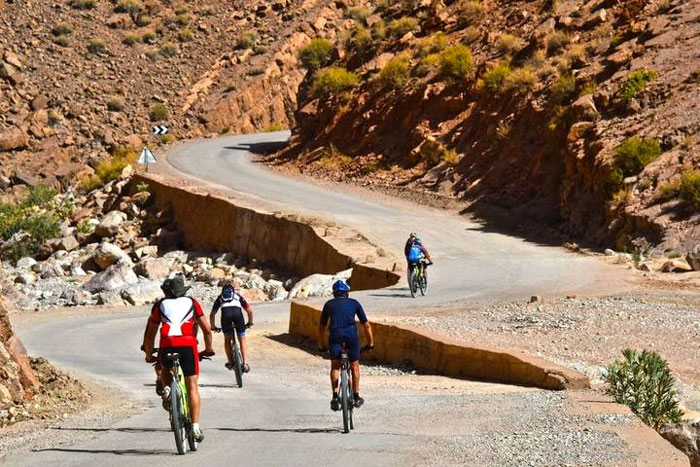
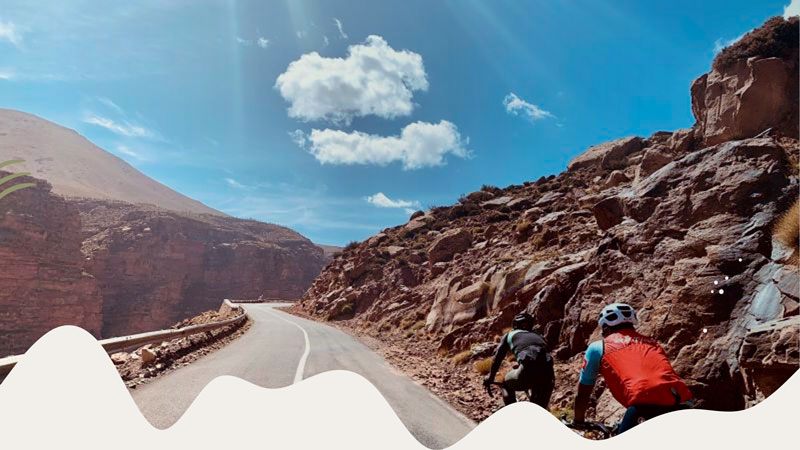
For cyclists seeking adventure and breathtaking scenery, the High Atlas Mountains are a must. Expect steep climbs, winding mountain passes, and views that will stay with you forever. Routes like the Tizi n’Tichka pass offer a mix of challenge and beauty, perfect for experienced riders.

2. The Sahara Desert:

Cycling through the desert is a surreal experience. Sandy tracks, wide-open horizons, and the mesmerizing dunes of Merzouga create a ride like no other. Keep in mind that daytime temperatures can be extreme, so plan early morning or late afternoon rides and stay well-hydrated.

3. Coastal Routes:

Morocco’s Atlantic coast offers flatter, more relaxed rides. Cities like Essaouira or Agadir provide scenic routes with ocean breezes, charming fishing villages, and opportunities to enjoy fresh seafood along the way.

4. Medina and Urban Tours:

For those who prefer shorter rides or want a cultural experience, cycling through Moroccan medinas (like Marrakech or Fes) is fascinating. Expect narrow streets, bustling markets, and vibrant street life. It’s slower-paced but rich in culture, perfect for photographers and explorers.

Difficulty and Timing:

Routes vary in difficulty, so it’s important to match your itinerary to your fitness level. Mountain passes are best for experienced cyclists, while coastal rides suit beginners or those looking for a leisurely experience. Season matters too: spring and autumn offer mild temperatures, while summer can be scorching, especially in desert regions.

By choosing the right route, you set the tone for your entire adventure. Whether it’s conquering mountain climbs, gliding along the coast, or exploring historic towns, Morocco has a route for every type of cyclist.

Fitness and Preparation

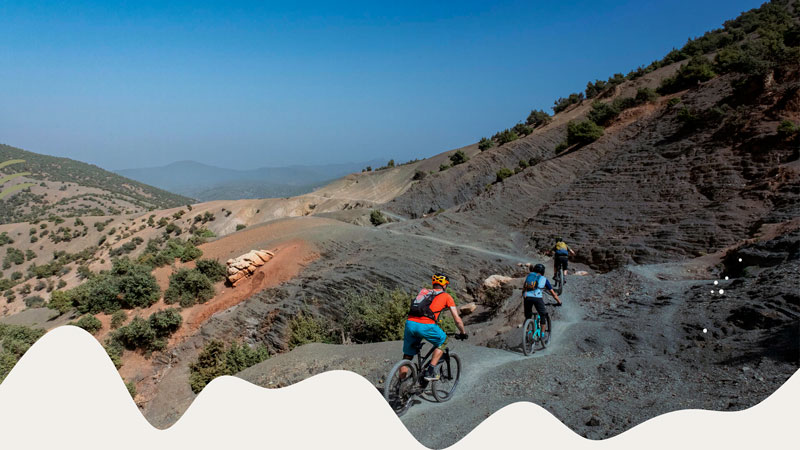
Cycling through Morocco’s diverse terrain can be exhilarating, but it can also be physically demanding if you’re not prepared. A little planning and training before your trip can make all the difference, ensuring that your adventure is challenging in a fun way, not exhausting.
1. Build Endurance:

Morocco’s routes often include long stretches of road, hilly climbs, or desert trails. Begin by gradually increasing your weekly riding distance. Mix in both flat rides and hill training to simulate the variety you’ll encounter on the trip.

2. Strength and Flexibility:

Mountain climbs and rough terrain require strong legs, core stability, and balance. Simple exercises like squats, lunges, planks, and stretching routines can improve your cycling performance and reduce the risk of injury.

3. Practice Riding With Gear:

If you plan to carry panniers or a fully loaded bike, practice riding with weight before your trip. Handling a heavier bike on steep climbs or winding roads can be surprisingly different from riding an empty bike.

4. Mental Preparation:

Some rides, especially in the mountains or desert, can be long and isolated. Mental stamina is just as important as physical fitness. Prepare yourself for quiet stretches and unexpected challenges, and remember to enjoy the journey.

5. Pre-Trip Test Rides:

If possible, schedule a few long rides in conditions similar to Morocco, hot weather, hilly terrain, or sandy paths, to identify any gear adjustments or training gaps before you leave.

Being physically and mentally prepared will help you fully enjoy Morocco’s landscapes and cultural encounters. With the right preparation, even challenging climbs or long desert stretches become unforgettable highlights of your journey.

Ready to Experience Morocco With Us?

Contact us today and let us create a journey tailored just for you, rich in culture, comfort, and unforgettable memories.

Essential Gear and Equipment

Having the right gear can make or break a cycling tour in Morocco. From tackling rugged mountain trails to cruising along coastal roads, preparation is key for both comfort and safety.

1. Choosing the Right Bike:

  • Road Bikes: Ideal for smooth, paved routes along cities and the coast.
  • Mountain Bikes: Perfect for rough terrain, gravel paths, and mountain climbs.
  • Hybrid Bikes: A versatile choice if you want a mix of both.

2. Safety Gear:

  • Helmet: Non-negotiable for every ride.
  • Gloves: Protect hands from vibration and improve grip.
  • Reflective clothing and lights: Essential for early mornings, late evenings, or urban areas with traffic.

3. Navigation Tools:

  • GPS devices or smartphone apps like Komoot or Strava.
  • Paper maps as a backup in areas with poor signal.
  • Compass or route notes if exploring off the beaten path.

4. Bike Maintenance Essentials:

  • Multi-tool, spare tubes, patch kit, and portable pump.
  • Chain oil and cleaning wipes for longer rides in dusty or muddy areas.
  • Familiarize yourself with basic bike repairs, like fixing a flat or adjusting brakes.

5. Hydration and Nutrition:

  • Hydration pack or water bottles—some desert or mountain routes may lack water stops.
  • Energy bars, snacks, or dried fruits for on-the-go refueling.

6. Optional but Useful Extras:

  • Panniers or saddle bags for carrying clothes, tools, and snacks.
  • Lightweight lock for urban stops.
  • Sunglasses and sunscreen to protect from Morocco’s strong sun.

Having the right equipment ensures that your ride is smooth, safe, and enjoyable, letting you focus on the scenery and culture rather than worrying about gear problems.

Understanding Local Conditions

Cycling in Morocco is an adventure, but understanding local conditions is essential for safety and enjoyment. From weather patterns to road types, being prepared will help you navigate the country with confidence.

1. Weather and Climate:

  • Morocco has diverse climates: hot deserts, cooler mountains, and temperate coastal areas.
  • Sahara Desert: Daytime temperatures can soar above 40°C (104°F), while nights are chilly. Early morning or late afternoon rides are safest.
  • Atlas Mountains: Expect cooler temperatures and sudden weather changes, especially at high altitudes.
  • Coastal Areas: Mild and breezy, perfect for easier rides.

2. Road Conditions:

  • Major cities have well-paved roads, but rural routes may be gravel, sand tracks, or uneven asphalt.
  • Watch for potholes, livestock, and unexpected road obstacles, especially outside urban areas.
  • Mountain passes can be steep with sharp curves; always ride cautiously and use brakes wisely.

3. Traffic Culture:

  • Moroccan drivers can be unpredictable. Urban areas may have honking, crowded streets, and narrow lanes.
  • In rural areas, expect fewer cars but occasional trucks, buses, or donkey carts.
  • Always signal your intentions, stay visible, and ride defensively.

4. Natural Hazards:

  • Desert winds can blow sand onto roads or trails, reducing visibility.
  • Mountain streams may overflow after rains, creating slippery paths.
  • Carry basic first aid and know the location of nearby towns or emergency contacts.

5. Cultural Awareness on the Road:

  • Some areas are more conservative; modest clothing and respectful behavior are appreciated.
  • Smile and greet locals; it often leads to friendly interactions and helpful directions.

By understanding Morocco’s conditions, you’ll not only stay safe but also gain a deeper appreciation for the country’s landscapes, culture, and unpredictably beautiful roads.

Cultural Tips and Etiquette

Cycling through Morocco isn’t just about the landscapes; it’s also about the people and traditions that make the country so unique. Understanding local customs will help you have a richer, more respectful experience.

1. Dress and Modesty:

  • In rural areas and smaller towns, modest clothing is appreciated. Avoid very short shorts or sleeveless tops. Lightweight, breathable layers are ideal for both comfort and cultural respect.
  • A scarf or shawl can be handy for covering shoulders in conservative areas or visiting religious sites.

2. Greetings and Interaction:

  • A simple “Salam Alaikum” (peace be upon you) goes a long way in showing respect.
  • Always smile and be polite—Moroccans are generally friendly and helpful to travelers.
  • Avoid loud behavior or public displays that might be considered disrespectful.

3. Photography Etiquette:

  • Ask permission before photographing people, especially in villages or markets.
  • Some religious or cultural sites may restrict photography. Look for signs or ask locals first.

4. Market and Street Etiquette:

  • Bartering is common in souks, but do so with a smile and respect.
  • Be mindful of where you walk or stop—narrow streets are busy, and pedestrians take priority.

5. Food and Hospitality:

  • Accepting tea or small snacks from locals is a gesture of goodwill.
  • Be respectful if offered food you cannot eat due to dietary restrictions—gracefully declining is acceptable.

6. Respecting Local Norms on the Road:

  • Avoid cycling through areas marked as private property.
  • Keep noise to a minimum when passing villages, and don’t litter. Moroccans value clean streets and desert landscapes.

By observing these simple cultural tips, you’ll not only stay respectful but also open the door to memorable interactions, invitations, and stories that will make your cycling tour truly unforgettable.

Health and Safety Considerations

Cycling in Morocco is an adventure, but staying healthy and safe is essential to fully enjoying the journey. From extreme weather to road hazards, a few precautions go a long way.

1. Hydration and Heat Management:

  • Morocco can be hot, especially in the desert or summer months. Carry enough water and drink regularly, even if you don’t feel thirsty.

  • Electrolyte tablets or sports drinks can help prevent dehydration during long rides.

  • Plan rides during cooler parts of the day—early morning or late afternoon—to avoid heat exhaustion.

2. Food Safety and Nutrition:

  • Enjoy local food, but stick to freshly cooked meals and bottled water to avoid stomach issues.

  • Carry energy bars, dried fruits, or nuts for quick refueling during long stretches without food stops.

  • Don’t skip meals before long rides—maintaining energy levels is crucial.

3. Medical Precautions:

  • Bring a basic first aid kit: bandages, antiseptic wipes, pain relievers, and any personal medications.

  • Know the location of local clinics or pharmacies along your route, especially in remote areas.

  • Consider travel insurance that covers cycling-related injuries.

4. Road Safety:

  • Always wear a helmet and reflective gear.

  • Be alert for traffic, animals, and uneven surfaces.

  • Use hand signals when turning and maintain a safe distance from vehicles.

5. Riding in Groups vs. Alone:

  • Riding with a group can increase safety, especially in remote areas or busy city streets.

  • If cycling alone, share your route and expected arrival times with someone, and carry a charged phone with emergency contacts.

6. Desert and Mountain Precautions:

  • In the desert, sandstorms and extreme heat can appear suddenly—carry protective eyewear and a scarf or bandana.

  • In the mountains, the weather can change quickly; bring layers, rain protection, and warm clothing for higher altitudes.

By taking these health and safety precautions seriously, you’ll reduce risks and make your cycling tour in Morocco a worry-free adventure full of memorable experiences.

Accommodation and Logistics

Planning where to stay and how to move your bike is an important part of a successful cycling tour in Morocco. Good logistics mean more time enjoying the ride and less time dealing with stress.

1. Types of Accommodation:

Riads: Traditional Moroccan guesthouses found in cities and medinas. They offer comfort, local charm, and often secure places to store bikes.

Guesthouses & Auberges: Common in rural areas and mountain regions. These are cyclist-friendly, affordable, and run by locals who understand travelers’ needs.

Hotels: Available in major cities and tourist hubs, offering more amenities and easy access after long riding days.

Camps & Desert Lodges: Ideal for Sahara routes, providing unforgettable nights under the stars—usually arranged with local operators.

2. Bike Storage and Security:

Always ask in advance if the accommodation has a safe place to store your bike.

Carry a lightweight lock for peace of mind, especially in cities or busy towns.

3. Transporting Your Bike:

Flights: Most international airlines allow bikes, but they must be packed properly. Check size and weight restrictions in advance.

Trains: Morocco’s trains can carry bikes on certain routes, but space is limited and rules vary.

Taxis & Transfers: Large taxis and private transfers are common and often flexible for transporting bikes between destinations.

4. Luggage Transfers:

On multi-day tours, luggage transfers can be arranged so you ride light while your bags move ahead.

This option is especially useful in mountain or desert regions.

5. Booking Tips:

Book accommodations in advance during peak seasons (spring and autumn).

Choose places near your route to avoid unnecessary detours after long cycling days.

Well-planned accommodation and logistics allow you to focus on the joy of cycling, waking up rested, riding comfortably, and ending each day in a welcoming place.

Costs and Budgeting

A cycling tour in Morocco can suit different budgets, from independent travelers to those seeking guided experiences. Understanding the main costs in advance helps you plan comfortably and avoid surprises.

1. Daily Budget Expectations:

  • Morocco is generally affordable compared to many cycling destinations in Europe or North America.
  • A moderate daily budget typically covers accommodation, meals, water, and small expenses, especially when staying in guesthouses or riads.
  • Prices increase slightly in popular tourist cities like Marrakech and Fes.

2. Bike-Related Costs:

  • Bike Rental: Available in major cities, but quality varies. Renting a well-maintained bike may cost more, but it is worth it for safety and comfort.
  • Repairs & Maintenance: Minor repairs are inexpensive, and local mechanics are resourceful, even in small towns.
  • Spare Parts: Bring essential parts from home, as specific components may not always be available in remote areas.

3. Food and Water:

  • Local meals are affordable and filling; tagines, sandwiches, and fresh bread are cyclist-friendly fuel.
  • Bottled water is inexpensive but essential, especially on long or hot rides.

4. Guides and Support Services:

  • Hiring a local guide or joining an organized cycling tour adds to the cost but greatly enhances safety, route planning, and cultural understanding.
  • Support vehicles, luggage transfers, and mechanical assistance are optional extras that increase comfort on longer tours.

5. Entrance Fees and Extras:

  • Some historical sites, national parks, or attractions charge small entrance fees.
  • Tips for guides, drivers, or hosts are appreciated and should be included in your budget.

6. Money Tips:

  • Carry cash in smaller towns and rural areas, as ATMs may be limited.
  • Use credit cards mainly in larger cities or hotels.

With smart budgeting, a cycling tour in Morocco offers exceptional value, rich experiences, warm hospitality, and unforgettable landscapes without breaking the bank.

Conclusion

A cycling tour in Morocco is not just a physical journey; it’s an emotional and cultural experience that stays with you long after the ride ends. From quiet desert roads and dramatic mountain passes to warm greetings in small villages, Morocco rewards cyclists who come prepared and open-minded.

The key to enjoying this adventure lies in smart planning: choosing the right route, preparing your body, packing the proper gear, and respecting local customs. Morocco’s landscapes can be challenging, but they are equally generous, offering moments of solitude, human connection, and breathtaking beauty that few destinations can match.

Final Tips Before You Go:

  • Start early in the day to avoid heat and traffic.
  • Ride at your own pace; this is not a race.
  • Stay flexible: weather, roads, and encounters may change your plans in the best possible way.
  • Engage with locals; a simple conversation or shared tea can become the highlight of your journey.
  • Most importantly, respect the land and culture; you are a guest, and Morocco welcomes those who travel with humility and curiosity.

Whether you’re an experienced cyclist or an adventurous traveler looking for a new way to explore, Morocco offers routes that challenge, inspire, and transform. Prepare well, ride mindfully, and let the road lead you to unforgettable stories.
How Your Visit to the Sahara Can Change a Nomad’s Life

How Your Visit to the Sahara Can Change a Nomad’s Life

How Your Visit to the Sahara Can Change a Nomad’s Life

The Sahara is more than endless dunes and golden sunsets; it is a world shaped by resilience, tradition, and the quiet rhythm of life that has endured for centuries. Here, in the heart of Morocco, the nomads of the desert move with the wind, living in harmony with the harsh yet breathtaking landscape.

When you visit, you might think you’re the one experiencing something extraordinary, but the truth is, your presence can touch lives in ways you might never imagine. A shared cup of mint tea under a tent, a respectful conversation with a guide, or choosing to support local crafts can ripple through a community that has long relied on its own strength and generosity.

Traveling through the Sahara isn’t just a journey across sand and sky; it’s an opportunity to connect, to give back, and to leave the desert a little brighter than you found it. This guide will show you how your visit to the Sahara can truly change a nomad’s life and create memories that last far beyond the dunes.

Who Are the Nomads of the Sahara?

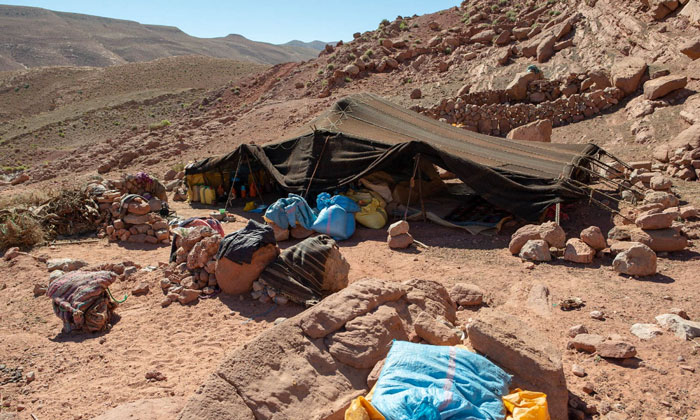
The nomads of the Sahara are the quiet keepers of the desert, moving with the sun and the seasons, their lives intertwined with the rhythm of the sand and wind. For centuries, families have traveled across Morocco’s vast dunes, relying on ancient knowledge passed down through generations. They know where to find water, how to navigate endless horizons, and how to survive in one of the harshest landscapes on Earth.

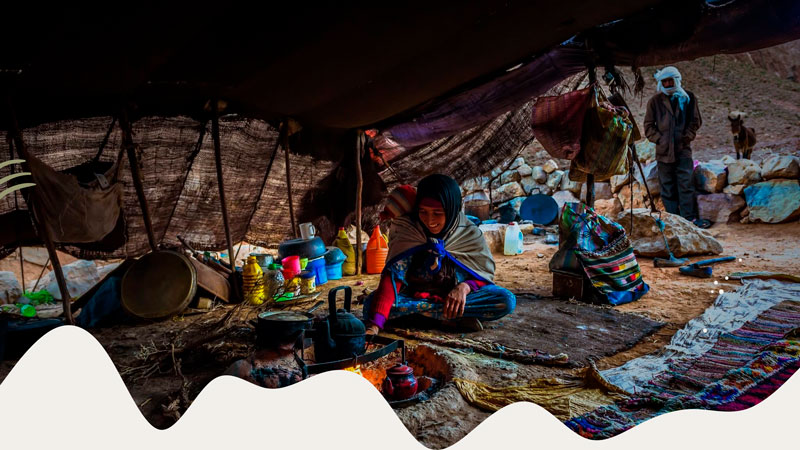
But their life is not only about survival; it is rich with culture, community, and generosity. Hospitality is at the heart of their world. A stranger, even a tourist, is often welcomed with a steaming cup of mint tea, a warm smile, and stories of the desert that can make you feel like you’ve stepped into another time. Music, poetry, and storytelling are woven into daily life, and every gesture carries meaning and respect.

Yet, this timeless way of life is changing. Modern pressures, climate challenges, and the influx of tourists have created both opportunities and challenges. Today, visitors have the rare chance to not only witness this extraordinary culture but to support it in meaningful ways, helping nomads maintain their dignity, traditions, and connection to the desert.

Tourism and the Desert: A Double-Edged Sword

Tourism can be a powerful force for good or, if done carelessly, it can unintentionally harm the very communities travelers come to admire. In the Sahara, nomads have always lived on the edge of nature, guided by knowledge of the land and deep respect for its limits. Now, as more visitors arrive, every interaction, every purchase, and every choice matters.

When approached respectfully, tourism can provide income for families, opportunities for children’s education, and support for traditional crafts. A guided desert trek led by a local nomad, a night spent in a family-run camp, or even choosing to buy handmade goods directly from the maker ensures that travelers leave a positive impact.

But the flip side is equally real. Exploitative practices, like overcrowded tours, disrespectful photography, or treating people as mere attractions, can erode trust and diminish the nomads’ way of life. Without mindfulness, the desert’s beauty becomes a backdrop for consumption rather than connection.

The key lies in traveling consciously. By making thoughtful choices, you become more than a visitor; you become a participant in a fragile, living culture. Every small action can echo far beyond the dunes, ensuring that the Sahara remains a place where both travelers and nomads can thrive together.

Small Actions That Create Big Impact

Visiting the Sahara doesn’t require grand gestures to make a difference. Sometimes, the smallest, most thoughtful choices are the ones that leave the deepest mark. Here’s how your journey can truly support the nomads and honor their way of life:

1. Support Local Nomads Directly

  • Choose desert tours led by nomads themselves. Instead of large commercial operators, opt for family-run camps and local guides. Every booking contributes directly to their livelihoods.
  • Hire local drivers or guides. These are often young nomads who balance tradition with modern skills. Your support keeps these opportunities alive.
  • Stay in nomadic-run camps. Even one night can help sustain a family, fund education, and preserve cultural heritage.

2. Buy With Purpose

  • Purchase handmade crafts directly. Rugs, jewelry, leather goods, and textiles carry stories woven into every thread.
  • Avoid bargaining too aggressively. Fair prices mean nomads can continue crafting and sustaining their families.
  • Remember quality over quantity. A single meaningful item often has a greater impact than dozens of cheap souvenirs.

3. Respect Traditions and Personal Space

  • Ask before photographing anyone. A simple “yes” transforms a photo from a snapshot into a shared moment.
  • Learn a few words in Tamazight or Arabic. Even a greeting shows respect and curiosity.
  • Dress modestly in desert communities. Respecting cultural norms is a form of kindness in itself.

4. Share Experiences, Not Just Social Media

Stories, conversations, and shared meals matter more than likes. Engage with the nomads personally; it’s an exchange that can leave a lasting memory for both sides.

By acting with thoughtfulness and respect, your visit transforms from a fleeting experience into a lifeline of support. The desert isn’t just sand and sky; it’s people, culture, and a resilient way of life that you can help protect.

What to Avoid (Even With Good Intentions)

Even the most well-meaning travelers can unintentionally cause harm if they aren’t aware of local customs and sensitivities. In the Sahara, small actions can carry big consequences, so it’s important to travel with mindfulness.

1. Don’t Treat Nomads as Tourist Attractions

  • Remember, these are real people with lives, families, and traditions, not performers for your camera.
  • Avoid asking children to pose or entertaining yourself at someone’s expense. Respect their dignity above all.

2. Avoid Giving Money or Sweets Directly to Children

  • While it may feel like kindness, direct handouts can create dependency or disrupt local community norms.
  • If you want to help children, consider contributing through local schools, NGOs, or family-run initiatives.

3. Don’t Assume Poverty Equals Unhappiness

  • Many nomads live simply, but their lives are rich in culture, connection, and resilience. Treat them as equals, not objects of pity.

4. Be Mindful of the Environment

  • Avoid leaving trash or disrupting natural habitats. Every plastic bottle or discarded item can harm the fragile desert ecosystem.
  • Stick to marked paths and tents, and always leave the sand and culture as you found it.

Traveling with awareness isn’t about restriction; it’s about respecting people and place. By knowing what to avoid, your presence becomes a gift rather than an intrusion, allowing you to build meaningful connections that last far beyond your time in the dunes.

Step into the heart of the Sahara and experience the desert like never before

Join us on a journey of discovery, culture, and connection, where every dune tells a story and every moment leaves a lasting impact. Book your Sahara adventure today, and travel with heart, respect, and unforgettable memories.

Simple Things You Can Bring That Truly Help

Sometimes the smallest gestures leave the biggest impact. When visiting the Sahara, thoughtful items can support nomads in ways that money alone cannot. The key is to bring things that are useful, culturally appropriate, and sustainable.

1. Practical Items for Daily Life

  • Solar lanterns or small rechargeable lights – a valuable resource for nomadic camps far from electricity.
  • Warm clothing, blankets, or sturdy shoes – especially for families enduring the desert’s cold nights.
  • School supplies – notebooks, pencils, and educational materials can help children pursue learning despite their remote location.

2. Support Local Crafts and Food

  • Bring ingredients or tools that complement their traditional crafts (like natural dyes, yarn, or sewing supplies).
  • Encourage self-sufficiency rather than temporary fixes—choose items that enhance their way of life without creating dependency.

3. Coordinate Through Local Guides

  • Always ask your desert guide or a local contact before giving items. This ensures your help meets actual needs rather than creating unintended problems.
  • Small acts of preparation—like checking what’s useful or culturally appropriate—show respect and thoughtfulness, which matter as much as the gift itself.

The beauty of these gestures is that they create a connection rooted in exchange, not charity. When travelers bring practical support, they strengthen the nomads’ resilience, celebrate their traditions, and leave a lasting, positive impact in the heart of the desert.

Stories of Exchange, Not Charity

The most powerful moments in the Sahara aren’t always captured in photos; they’re felt in the quiet exchanges between travelers and nomads, moments that leave both sides enriched.

Imagine sharing a meal in a desert tent, listening to the soft strum of a traditional string instrument as the sun sets behind the dunes. The nomads offer tea, stories, and laughter, while you bring curiosity, respect, and appreciation. No money changes hands, yet both lives are touched. These are exchanges of dignity, culture, and connection, not acts of charity.

Or picture a traveler who buys a handwoven carpet directly from its maker. The nomad’s eyes light up—not because of profit alone, but because someone has valued their skill, their tradition, and their effort. That moment transcends commerce; it becomes a bridge between worlds.

Travelers often leave the Sahara believing they gave something, but the truth is, they receive far more. Lessons in patience, humility, and human resilience. Stories that linger long after the sand has blown away. By approaching tourism as an exchange rather than a donation, your journey becomes meaningful for both you and the nomads, leaving a legacy of respect, understanding, and shared humanity.

Traveling the Sahara With Heart

Visiting the Sahara is more than ticking a destination off your bucket list; it’s an invitation to travel with empathy, awareness, and respect. Every interaction, every conversation, every choice you make shapes the lives of the nomads and the future of their culture. By moving slowly, listening deeply, and honoring their way of life, you become part of a journey that transcends sand and sky.

Travel with heart means choosing experiences that uplift rather than exploit, that connect rather than consume. It’s about understanding that your footsteps in the desert may fade quickly, but the kindness, respect, and care you leave behind can ripple through families and communities for generations.

Leaving the Desert Better Than You Found It

The Sahara teaches patience, humility, and the beauty of living in harmony with the land. As a traveler, you carry a responsibility: to leave no mark of harm, and to leave traces of respect, connection, and positive impact.

Simple gestures, supporting local guides, buying directly from nomads, listening to stories, or giving thoughtfully, can change lives. The desert will continue to awe and inspire, but through your conscious travel, the nomads’ culture and dignity will endure, too.

Your visit doesn’t have to be fleeting. It can be transformative, for you and for the people who call the Sahara home. Travel consciously, tread lightly, and let the desert remind you that the most lasting footprints are those made with kindness.

How to Be Moroccan in Morocco: Live Like a Local

How to Be Moroccan in Morocco: Live Like a Local

How to Be Moroccan in Morocco: Live Like a Local

Morocco is a country that captures the imagination, from the vibrant colors of its medinas to the aromatic spices in its markets, from the call to prayer echoing through ancient cities to the warmth of its people. But the true magic of Morocco isn’t just in sightseeing; it’s in experiencing life as a local does. Imagine wandering through a bustling souk, sipping mint tea in a sunlit café, or greeting neighbors with the same ease as a Moroccan; that’s when Morocco truly comes alive.

In this guide, we’ll show you how to blend in, act naturally, and embrace Moroccan customs, so you can travel beyond the tourist lens. Whether it’s how you dress, how you greet, or even how you enjoy your meals, small changes can transform your trip from ordinary to unforgettable. By the end, you’ll have the tools to live in Morocco like a local, making your experience richer, more authentic, and deeply rewarding.

Dress the Part: Respect Local Customs

One of the simplest, yet most powerful ways to start living like a Moroccan is through your clothing. Moroccans take pride in their traditional attire, and modesty is an important cultural value, especially in cities and religious areas. Dressing appropriately shows respect and helps you blend seamlessly into local life.

Tips for Dressing Like a Local:

  • For Women: Loose-fitting clothing that covers shoulders, cleavage, and knees is ideal. Maxi dresses, long skirts, or wide-legged pants paired with light blouses work well. A scarf can be handy for entering mosques or more conservative neighborhoods.
  • For Men: Lightweight trousers or long shorts with a modest shirt are practical and respectful. Avoid sleeveless tops or overly flashy clothing in medinas and religious sites.
  • Footwear: Comfortable shoes are essential — many streets are cobbled, and exploring souks often means walking a lot. Sandals or sneakers are practical choices.
  • Special Sites: When visiting mosques or religious areas, always cover arms and legs, and women may need to cover their hair.

Dressing like a local does more than just help you blend in; it also signals respect for Moroccan traditions. You’ll notice that locals respond more warmly, shopkeepers treat you courteously, and your interactions feel more natural. Remember, the goal isn’t to hide who you are, but to honor the culture and show that you’re here to participate, not just observe.

Master the Moroccan Greeting

In Morocco, greetings are more than just a polite formality; they are a way of showing respect, building trust, and connecting with people. Mastering the art of greeting like a local is one of the quickest ways to start living in Morocco authentically.

Key Tips for Moroccan Greetings:

Verbal Greetings: The most common greeting is “Salam Alaikum” (Peace be upon you), to which the response is “Wa Alaikum Salam” (And peace be upon you). Adding “Labas?” (How are you?) makes the exchange warmer and shows genuine interest.

Physical Gestures: Handshakes are common, often gentle, and sometimes followed by touching the heart. Among close friends or family, cheek kisses are normal, usually one on each side, but it depends on the region and context.

Use Local Language: Even learning a few words in Darija, the Moroccan Arabic dialect, goes a long way. Simple words like Shukran (Thank you) and Bslama (Goodbye) can earn smiles and respect.

Politeness Counts: Always greet shopkeepers, taxi drivers, and neighbors when entering a shop or home. A friendly greeting sets the tone for positive interactions.

By greeting others respectfully and sincerely, you start your day like a local, making interactions smoother and more enjoyable. It’s not just about the words you say, but the attitude you carry, patient, polite, and observant.

Ready to Experience Morocco Like a Local?

Don’t just visit, live Morocco authentically! Let us guide you through the medinas, deserts, mountains, and hidden gems with personalized tours designed to immerse you in local life.

Book your trip with us today and discover Morocco the way it was meant to be experienced: vibrant, unforgettable, and truly Moroccan. Your adventure awaits!

Navigate the Souks and Markets Like a Local

Morocco’s souks and markets are the heartbeat of its cities, bustling, colorful, and full of life. To experience Morocco like a local, it’s important to understand the rhythm of these spaces and how Moroccans shop, interact, and negotiate.

Tips for Moving Through the Souks:

  • Observe Before You Engage: Take a few minutes to watch how locals browse, bargain, and interact with shopkeepers. This helps you understand the unspoken rules.
  • Haggling Etiquette: Bargaining is expected, but it’s an art. Start with a smile, show genuine interest, and never appear desperate to buy. Locals enjoy a playful back-and-forth; keep it friendly and respectful.
  • Polite Interaction: Always greet the shopkeeper before asking prices. Saying “Salam Alaikum” or a simple “Hello” goes a long way. Avoid rushing through or pointing aggressively.
  • Watch Your Belongings: Souks are crowded, so carry a secure bag and stay mindful of your surroundings. Moroccans move confidently in these spaces, so blend in by staying calm and alert.
  • Take Your Time: Don’t try to see everything in one go. Part of the Moroccan market experience is lingering, tasting, smelling, and observing life around you.

By walking, observing, and interacting like a local, you’ll find that souks become more than just shopping destinations; they become a window into Moroccan culture and everyday life. Locals will respond warmly to respectful curiosity, and you’ll leave with a deeper appreciation of the traditions behind every spice, rug, or handcrafted item.

Embrace Moroccan Social Etiquette

Living like a Moroccan isn’t just about clothing or food; it’s about how you interact with people. Understanding Moroccan social norms will help you connect with locals naturally and avoid misunderstandings.

Key Aspects of Moroccan Social Etiquette:

  • Respect Personal Space and Gender Norms: Moroccans tend to be more conservative about physical contact between men and women in public. Observe how locals interact and follow suit.
  • Time Flexibility: Morocco runs on its own rhythm. “Soon” or “in a moment” might not mean immediately. Patience is part of blending in.
  • Public Behavior: Keep your voice moderate, don’t point aggressively, and avoid unnecessary confrontation. Showing calm and courtesy will make interactions smoother.
  • Gift-Giving and Hospitality: If invited to a Moroccan home, bring a small gift like sweets or pastries. Always accept tea or coffee when offered; it’s considered polite.
  • Respect Elders: Moroccans place a high value on elders. Stand when they enter a room, greet them first, and listen attentively.

By observing these social norms, you’ll start to move naturally within Moroccan society, whether in cafes, public transportation, or neighborhoods. The goal is to show respect, patience, and curiosity, which is how locals approach everyday life.

Explore Hidden Corners and Local Life

To truly live like a Moroccan, you need to go beyond the popular tourist sites and experience the everyday life that locals enjoy. Morocco is full of hidden gems, quiet streets, neighborhood cafés, hammams, and small markets that give you a genuine taste of Moroccan culture.

Tips for Experiencing Local Life:

Wander Neighborhoods: Step off the main streets and explore residential areas, artisan workshops, and local cafés. Observe daily routines, from people shopping at small markets to children playing in the streets.

Visit Hammams (Traditional Baths): Experiencing a hammam is a centuries-old Moroccan ritual. Join locals, follow the etiquette, and enjoy the communal and social atmosphere.

Attend Local Events: Festivals, weddings, and religious celebrations are vibrant and authentic. Participate respectfully, observe traditions, and ask politely before taking photos.

Café Culture: Moroccans love spending time in cafés. Sit down, sip mint tea, and watch life unfold; it’s a simple way to feel part of the rhythm of the city.

Observe Before Acting: Blending in is about subtlety. Watch how locals interact, dress, and move through spaces before jumping in.

By exploring beyond the tourist lens, you’ll discover a Morocco that most visitors never see. These experiences not only enrich your trip but also allow you to connect with people and culture on a deeper level, making you feel like you truly belong.

Adopt Moroccan Mindsets

Being Moroccan isn’t just about what you wear, eat, or how you greet people; it’s also about how you think, approach life, and interact with the world around you. Adopting local mindsets helps you experience Morocco authentically and move naturally through daily life.

Key Moroccan Mindsets to Embrace:

Hospitality: Moroccans are famous for their generosity. Accept invitations to homes, share tea, and engage in conversations. Reciprocity is subtle; even small gestures like thanking someone warmly are appreciated.

Patience and Flexibility: Life in Morocco flows at a different pace. Schedules are often fluid, and things don’t always happen “on time.” Embrace patience and enjoy the journey instead of rushing.

Community-Oriented Thinking: Family and community are central. Observing and respecting these relationships, whether in conversation or public spaces, helps you understand social dynamics.

Observational Learning: Moroccans are keen observers of behavior and nuance. Take your cues from locals, watch how they interact, negotiate, and handle daily life.

Appreciate Small Joys: From sharing tea to strolling through a market, Moroccans find joy in simple routines. Adopting this mindset makes your experience richer and more connected to local life.

By thinking like a Moroccan, you move from being a visitor to someone who can fully appreciate the culture. It’s less about imitation and more about understanding and aligning with the rhythm, values, and perspectives that shape everyday Moroccan life.

Safety and Awareness Like a Local

Part of living like a Moroccan is moving through the cities confidently, calmly, and respectfully. Locals know how to navigate crowded streets, busy markets, and tourist-heavy areas without drawing unwanted attention, and you can too.

Tips for Staying Safe and Aware:

Move Confidently: Walk with purpose and stay aware of your surroundings. Blending in isn’t just about clothing; it’s about carrying yourself naturally, as locals do.

Know Where to Go: Ask locals or hotel staff for trusted routes, markets, or neighborhoods. Avoid wandering into less familiar areas alone, especially at night.

Handle Scams Gracefully: Be aware of common tourist scams (overpriced taxis, pushy guides). Politely decline offers and stay calm; locals handle these situations without confrontation.

Use Common Sense: Keep your belongings secure, don’t flash valuables, and be mindful in crowded places. Moroccan cities are lively and safe when approached thoughtfully.

Observe Local Practices: Notice how locals cross streets, interact with taxis, or handle crowds. Following their lead helps you move seamlessly through urban life.

By adopting local awareness and caution, you’ll feel more secure, navigate cities smoothly, and enjoy a richer, more authentic experience. Safety isn’t just about avoiding risks; it’s about moving with the same confidence and ease as Moroccans do every day.

Conclusion:

Living like a Moroccan in Morocco is about more than blending in; it’s about immersing yourself in the culture, embracing local customs, and seeing the country through the eyes of those who call it home. From dressing respectfully and greeting people warmly, to exploring hidden corners, savoring traditional meals, and adopting local mindsets, every small step helps you experience Morocco authentically.

By observing, participating, and showing respect, you’ll move beyond the typical tourist experience. You’ll discover the rhythm of Moroccan life, connect with locals more meaningfully, and leave with memories that go far deeper than any sightseeing itinerary.

So, take a moment to slow down, observe, and engage. Sip the mint tea, wander the medinas, laugh with locals, and let yourself truly live in Morocco like a local. Your journey will be richer, more rewarding, and unforgettable.

What Europeans Should Bring to Morocco: Travel Essentials You’ll Miss

What Europeans Should Bring to Morocco: Travel Essentials You’ll Miss

What Europeans Should Bring to Morocco: Travel Essentials You’ll Miss

Traveling to Morocco from Europe is an exciting experience filled with new colors, flavors, and cultural discoveries. While Morocco is a well-developed country with modern cities, comfortable accommodations, and plenty of shops, some everyday items that Europeans use in their daily lives are not always easy to find, or may be different from what you’re used to.

This often surprises first-time visitors. It’s not that Morocco lacks essentials, but certain products, brands, habits, and travel conveniences simply work differently here. As a result, some travelers feel a bit frustrated when they can’t easily find familiar items, especially outside major cities.

To help you travel more comfortably and avoid unnecessary stress, this guide highlights the most important things Europeans should bring with them when visiting Morocco, practical items that can make a big difference during your trip and allow you to focus on enjoying the journey rather than searching for everyday essentials.

1. Personal Toiletries & Favorite Brands

One of the most common surprises for European travelers in Morocco is finding that their favorite toiletries and cosmetic brands are not always available, especially outside major cities like Marrakech, Casablanca, or Fes.

Morocco has plenty of pharmacies and shops, but the brands, formulas, and product types can be very different from what Europeans are used to. Travelers with sensitive skin, specific hair products, or preferred hygiene items often regret not packing them in advance.

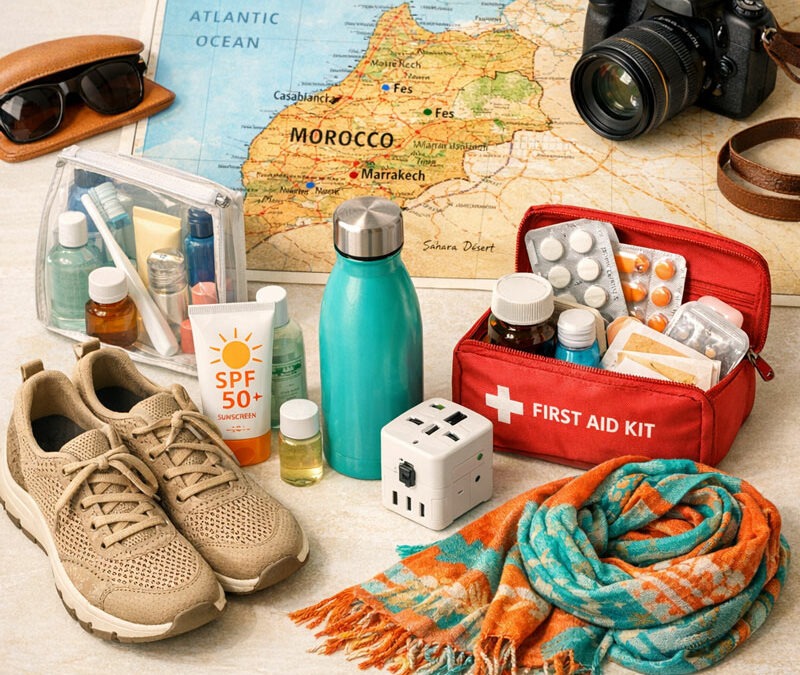
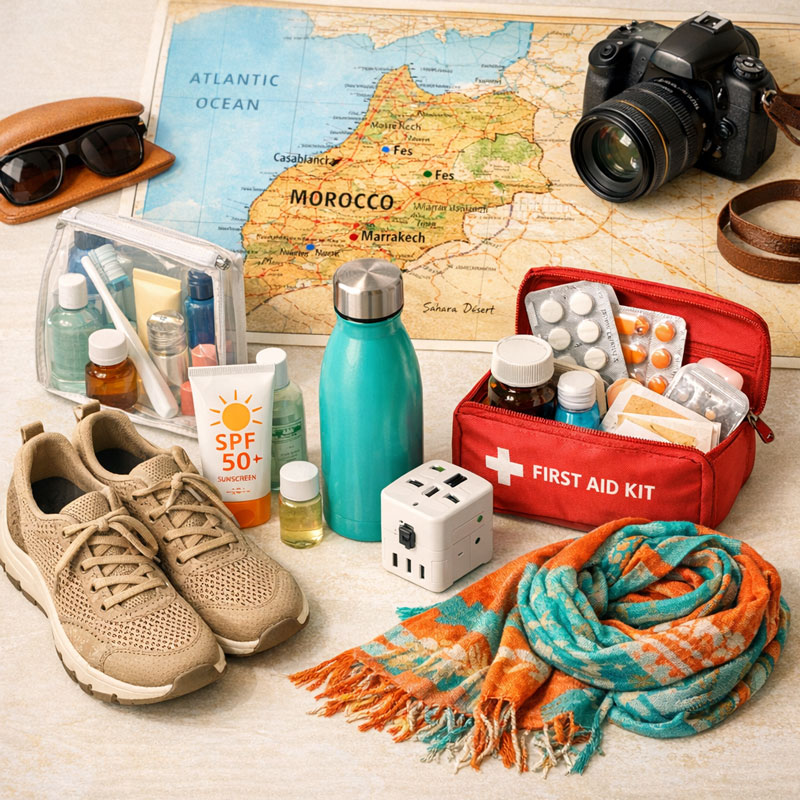
It’s recommended to bring:

  • Shampoo, conditioner, or skincare products you regularly use
  • Sunscreen (especially high-protection formulas)
  • Deodorant (spray and roll-on options are limited)
  • Feminine hygiene products, especially tampons
  • Contact lens solution and eye drops

While you can find basic alternatives locally, having your own trusted products will save time and make your trip more comfortable, particularly if you’re traveling to rural areas, the desert, or small towns.

2. A Small Personal Medicine Kit

Although pharmacies are widely available across Morocco, European travelers are often surprised to discover that medication brand names, dosages, and packaging can be quite different from what they are used to back home. Instructions are usually in French or Arabic, which can be confusing for some visitors.

For this reason, it’s a good idea to bring a small personal medicine kit with you, especially if you’re traveling for several days or visiting remote areas.

Consider packing:

  • Painkillers you normally use (paracetamol, ibuprofen, etc.)
  • Stomach and digestion medicine
  • Anti-diarrhea tablets
  • Motion sickness medication

Any prescription medication you take regularly (with a copy of the prescription)

Having your own basic medicines can save you time and stress and help you deal quickly with minor health issues, allowing you to continue enjoying your trip without interruptions.

3. Comfortable Walking Shoes (Already Broken In)

European travelers are used to walking a lot, and Morocco is no exception. In fact, exploring Moroccan cities often involves even more walking, especially in old medinas, historic quarters, and souks where cars cannot enter.

However, many streets are uneven, narrow, or paved with cobblestones, and desert or mountain areas require sturdy footwear. While shoes are widely sold in Morocco, finding comfortable walking shoes in European styles and sizes can be challenging, particularly outside large cities.

What to bring:

  • Comfortable walking or hiking shoes
  • Sandals with good support (not just fashion sandals)
  • Shoes you have already worn and broken in

Proper footwear will make a big difference in your daily comfort, whether you’re walking through the medina of Fes, exploring Marrakech, or spending time in the Sahara Desert.

4. Power Adapters & Charging Essentials

Although Morocco uses electricity sockets similar to most European countries (Type C and E), travelers are often surprised by the limited number of power outlets, especially in traditional riads, guesthouses, and older hotels.

It’s common to find only one or two sockets per room, which can quickly become inconvenient if you need to charge multiple devices such as phones, cameras, power banks, or smartwatches.

Recommended items to bring:

  • A universal travel adapter (just in case)
  • A small power strip or multi-plug
  • A power bank for long travel days

These simple items can save you a lot of frustration, particularly during road trips, desert tours, or overnight stays in remote areas where access to electricity may be limited.

5. Cash and Payment Options

In many parts of Europe, travelers are used to relying almost entirely on credit or debit cards. In Morocco, however, cash is king, especially in smaller towns, local markets, taxis, and rural areas. While ATMs are common in cities, they may be scarce outside urban centers, and some establishments only accept cash.

Tips for managing money in Morocco:

  • Carry a reasonable amount of cash in Moroccan Dirhams for daily expenses
  • Keep some euros as emergency backup (easily exchangeable in banks or currency shops)
  • Use debit or credit cards for hotels, large restaurants, or online bookings
  • Notify your bank of your travel plans to avoid card blocks

Having both cash and card options ensures a smooth travel experience without interruptions.

Ready to Experience Morocco?

Don’t just read about it, live it! Whether you dream of wandering vibrant medinas, riding camels in the Sahara, or exploring the majestic Atlas Mountains, we’ll make your Moroccan adventure unforgettable.

Book your tour with us today and let our expert guides show you the best of Morocco, hassle-free and full of memories that will last a lifetime.

6. Clothing Layers and Travel Comfort Items

Many European travelers assume Morocco is always hot, but the reality is more varied. Desert nights can be surprisingly chilly, mountain regions can be cold, and even in cities, air-conditioned riads, cafés, and taxis can make a light jacket or sweater necessary.

Clothing essentials to bring:

  • Lightweight jackets or sweaters for evenings and high-altitude areas
  • Scarves (useful for sun protection, wind, and cultural respect)
  • Comfortable, breathable clothes for walking and exploring

Travel comfort extras:

  • Reusable water bottle (stay hydrated in the heat)
  • Wet wipes or hand sanitizer (handy in markets or public places)
  • Tissues (toilets often don’t provide paper)
  • Earplugs (helpful in busy medinas or near streets)

Packing these items will help you feel comfortable, prepared, and relaxed, letting you focus on enjoying Morocco’s incredible sights, flavors, and culture rather than worrying about small inconveniences.

Conclusion:

Traveling to Morocco is an unforgettable experience, full of vibrant colors, rich culture, and incredible landscapes. While the country is well-equipped for travelers, Europeans often encounter small surprises when it comes to everyday items and conveniences they take for granted at home.

By bringing a few key essentials, from personal toiletries and favorite medicines to comfortable shoes, cash, adapters, and travel comfort items, you can avoid common frustrations and focus entirely on enjoying your trip.

Planning and packing thoughtfully not only makes your journey smoother but also allows you to immerse yourself fully in the Moroccan experience, whether wandering through bustling medinas, exploring the Sahara Desert, or relaxing in the Atlas Mountains.

Tip: Keep this list handy as you pack, and you’ll be ready for an unforgettable Moroccan adventure!

Exploring the Different Types of Moroccan Couscous Across Regions

Exploring the Different Types of Moroccan Couscous Across Regions

Exploring the Different Types of Moroccan Couscous Across Regions

A Culinary Journey Through Moroccan Couscous

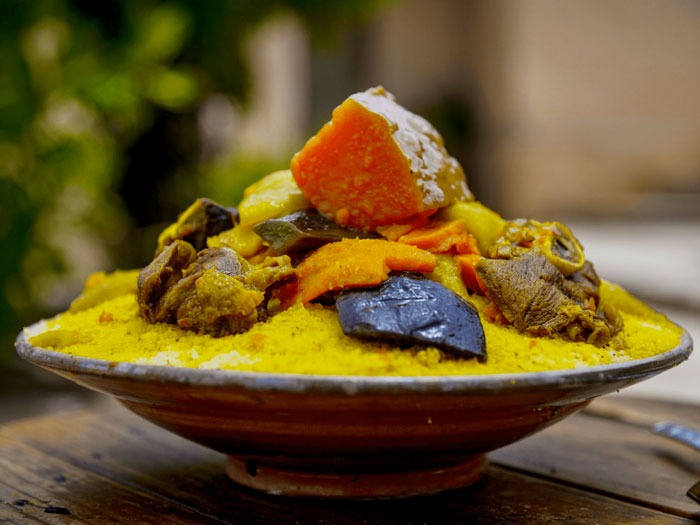
Couscous is more than just a dish in Morocco; it’s a symbol of culture, tradition, and community. Often served during family gatherings, celebrations, and religious festivals, this tiny steamed semolina grain has been a cornerstone of Moroccan cuisine for centuries.

What makes Moroccan couscous truly special is its incredible regional diversity. From the northern coastal cities to the southern desert regions, each area adds its own local ingredients, spices, and cooking techniques, creating a tapestry of flavors that reflect Morocco’s rich culinary heritage.

In this blog post, we’ll explore the different types of Moroccan couscous across the country, uncovering how geography, culture, and tradition shape this beloved dish. Whether it’s seafood from the Mediterranean, lamb from the Atlas Mountains, or sweet couscous desserts, there’s a version of couscous to delight every palate.

1. Couscous in Northern Morocco

The northern regions of Morocco, including the Rif Mountains and Mediterranean coast, offer some of the most distinctive couscous varieties in the country. Influenced by the proximity to the sea and the fertile lands of the north, these couscous dishes often feature fresh seafood, vibrant vegetables, and aromatic herbs.

Rif Mountains Style

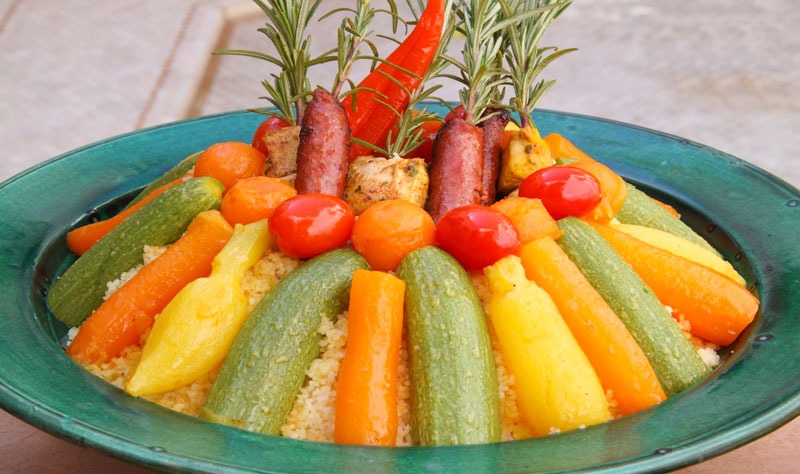
In the Rif Mountains, couscous is typically served with locally grown vegetables like carrots, zucchini, and pumpkin. Meat is less common here, with lamb or chicken sometimes added for special occasions. The dishes are lightly spiced, allowing the freshness of the ingredients to shine.

Tangier and Tetouan Influence

Coastal cities like Tangier and Tetouan bring a Mediterranean twist to couscous. Seafood couscous is a specialty, often including fish, shrimp, or calamari, steamed over aromatic broths. These dishes are infused with local herbs and spices, offering a lighter and more refreshing flavor compared to the heartier inland versions.

Northern Moroccan couscous exemplifies how geography shapes cuisine, blending the richness of the mountains with the freshness of the sea.

2. Couscous in Central Morocco

Central Morocco, particularly the imperial cities of Fez and Meknes, is known for its rich and hearty couscous dishes that reflect centuries of culinary tradition. These regions favor robust flavors, often combining tender meats with a medley of seasonal vegetables and carefully balanced spices.

Fez-Style Couscous

In Fez, couscous is often prepared with lamb or beef, slowly cooked to absorb the aromatic blend of spices like saffron, ginger, and cinnamon. Vegetables such as carrots, turnips, and zucchini are added, creating a comforting and filling dish. Fez-style couscous is a staple at family gatherings and festive occasions, symbolizing hospitality and tradition.

Meknes-Style Couscous

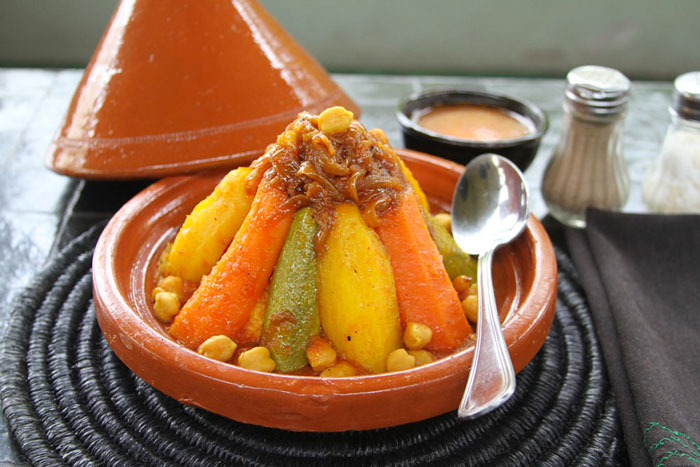
Meknes offers a slightly different take, with couscous often featuring a mix of meat and chickpeas, along with vegetables and a fragrant broth. The dish is rich but balanced, showcasing the region’s preference for harmony in flavors and textures.

Central Moroccan couscous is a testament to the region’s history as a cultural crossroads, blending influences from Berber, Arab, and Andalusian cuisines into dishes that are both hearty and sophisticated.

3. Couscous in Southern Morocco

Southern Morocco, including Marrakech and the Atlas Mountains, is renowned for its bold and flavorful couscous dishes. The cuisine here reflects the influence of Berber traditions, the desert climate, and the use of locally available ingredients, resulting in hearty meals that are both aromatic and satisfying.

Marrakech-Style Couscous

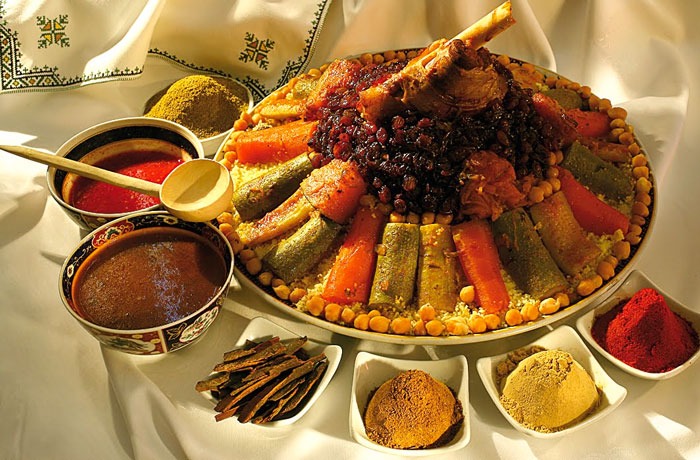
In Marrakech, couscous often features chicken, lamb, or even camel meat, cooked with a rich blend of spices such as saffron, cumin, and turmeric. Dried fruits like raisins or apricots are commonly added, giving the dish a subtle sweetness that balances the savory flavors. This version is frequently served during large family gatherings and festive celebrations.

Atlas Mountains and Berber Influence

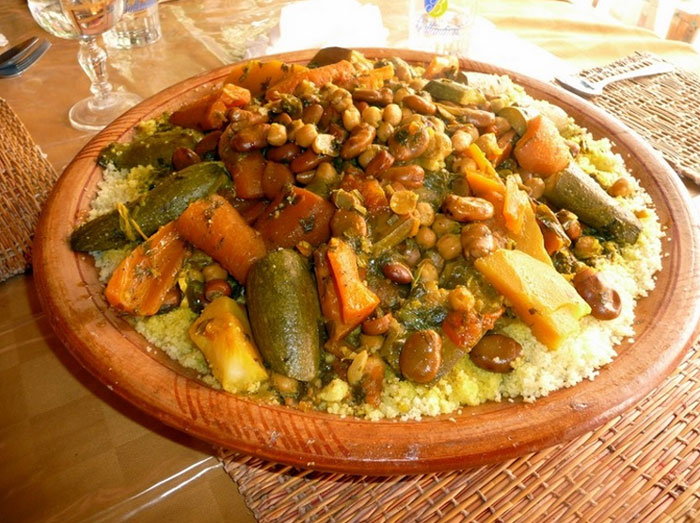
In the Atlas Mountains, couscous is traditionally prepared in communal pots, steamed over simmering stews of meat and vegetables. The Berber influence is evident in the slow-cooked flavors and rustic presentation, emphasizing simplicity and natural ingredients. This style of couscous is not only a meal but a social experience, bringing families together around the dining table.

Southern Moroccan couscous stands out for its combination of aromatic spices, tender meats, and a touch of sweetness, making it one of the most memorable culinary experiences in Morocco.

4. Coastal Moroccan Couscous

Morocco’s coastal cities, such as Essaouira and Agadir, offer a unique twist on couscous by highlighting the bounty of the Atlantic Ocean. These regions emphasize fresh seafood, light broths, and aromatic herbs, creating dishes that are refreshing yet deeply flavorful.

Essaouira-Style Couscous

Essaouira is famous for its fish couscous, which often includes a variety of local seafood such as fish fillets, shrimp, and squid. The couscous is steamed and served with a delicate broth infused with garlic, cilantro, and preserved lemons, giving it a bright and zesty flavor.

Agadir-Style Couscous

In Agadir, couscous also incorporates seafood but may include shellfish like mussels or clams. The dish is typically lighter than inland versions, focusing on the freshness of the ingredients and subtle seasoning that enhances rather than overpowers the seafood.

Coastal Moroccan couscous highlights the country’s diversity, showing how the proximity to the ocean can transform a traditional dish into something light, fresh, and uniquely regional.

Plan your Moroccan adventure with us!

Explore bustling souks, majestic deserts, and historic cities while traveling respectfully and confidently. Let us help you experience the best of Morocco without the cultural missteps.

5. Sweet Couscous Varieties

While savory couscous is the most common, Morocco also offers a variety of sweet couscous dishes that are enjoyed as desserts or special treats. These sweet versions highlight the versatility of couscous and the Moroccan flair for combining textures and flavors.

Couscous with Milk and Sugar

A simple yet comforting dessert, couscous is steamed and then mixed with warm milk, sugar, and a sprinkle of cinnamon. Sometimes, a touch of orange blossom water is added for a fragrant aroma, making it a perfect end to a meal.

Couscous with Raisins, Almonds, and Honey

In some regions, couscous is combined with dried fruits like raisins or apricots, toasted almonds, and a drizzle of honey. This version is particularly popular during festive occasions and religious celebrations, offering a sweet, nutty, and aromatic experience.

Regional Sweet Specialties

Different regions have their own unique twists on sweet couscous. For example, in the south, dried fruits like dates and figs are commonly used, while in the north, almonds and sesame seeds may take center stage. Each variation reflects local ingredients and cultural influences, turning couscous into a true Moroccan delicacy.

Sweet couscous shows that this humble grain is not only versatile in savory dishes but also capable of creating rich, satisfying desserts that are deeply rooted in Moroccan tradition.

Tips for Experiencing Moroccan Couscous

To truly appreciate the diversity and richness of Moroccan couscous, consider these tips when exploring the country:

Visit the Right Regions at the Right Time

  • Northern Morocco is best for seafood couscous, especially in spring and summer when fish is freshest.

  • Central Morocco offers hearty lamb and beef couscous, ideal to enjoy during cooler months.

  • Southern Morocco’s rich, spiced couscous is perfect for autumn and winter.

Dine at Local Restaurants and Family Homes

  • Traditional Moroccan homes often prepare couscous on Fridays, making it a special cultural experience.

  • Local restaurants in each region highlight authentic flavors, with recipes passed down through generations.

Pair Couscous with Moroccan Beverages

  • Mint tea is a classic companion to couscous, balancing the spices and enhancing the meal.

  • Freshly squeezed orange juice or local fruit juices can complement lighter coastal or sweet couscous dishes.

Observe Traditional Serving Practices

  • Couscous is often served communally on large platters, encouraging sharing and social connection.

  • Use your right hand to enjoy couscous in the traditional Moroccan way, respecting local customs.

Following these tips will enhance your culinary journey, allowing you to experience Moroccan couscous in its full cultural and gastronomic context.

Discover Morocco Through Its Couscous

Moroccan couscous is more than just a meal; it’s a journey through the country’s landscapes, cultures, and traditions. From the fresh seafood of the northern coast to the hearty lamb and vegetable dishes of the central regions, and the sweet, aromatic varieties of the south, each type of couscous tells a story about the people and places it comes from.

Exploring couscous across Morocco is a delicious way to experience the nation’s diversity, history, and hospitality. Whether you’re a food enthusiast, a traveler seeking cultural immersion, or simply curious about Moroccan cuisine, tasting the regional variations of couscous is an unforgettable adventure.

So, pack your appetite and set out on a culinary journey; Morocco’s couscous awaits.

Loading...
/*** Collapse the mobile menu - WPress Doctor ****/