
6 Days Trip from Marrakech to Merzouga and Zagora
6 Days Trip from Marrakech to Merzouga and Zagora - OVERVIEW :
This 6-day tour takes you from Marrakech through the High Atlas Mountains, visiting the Kasbah of Pacha Glaoui, Aït Ben Haddou, and Ouarzazate. Explore the Draa Valley, Zagora, and the historic Tamgroute Koranic library. After camel trekking in the Merzouga dunes, discover Erfoud, Todgha Gorges, and the Dades Valley. Visit the Rose Valley, Skoura, and the Kasbah of Amridil before returning to Ouarzazate and Marrakech.
highlights of the 6 Days Trip from Marrakech to Merzouga and Zagora :
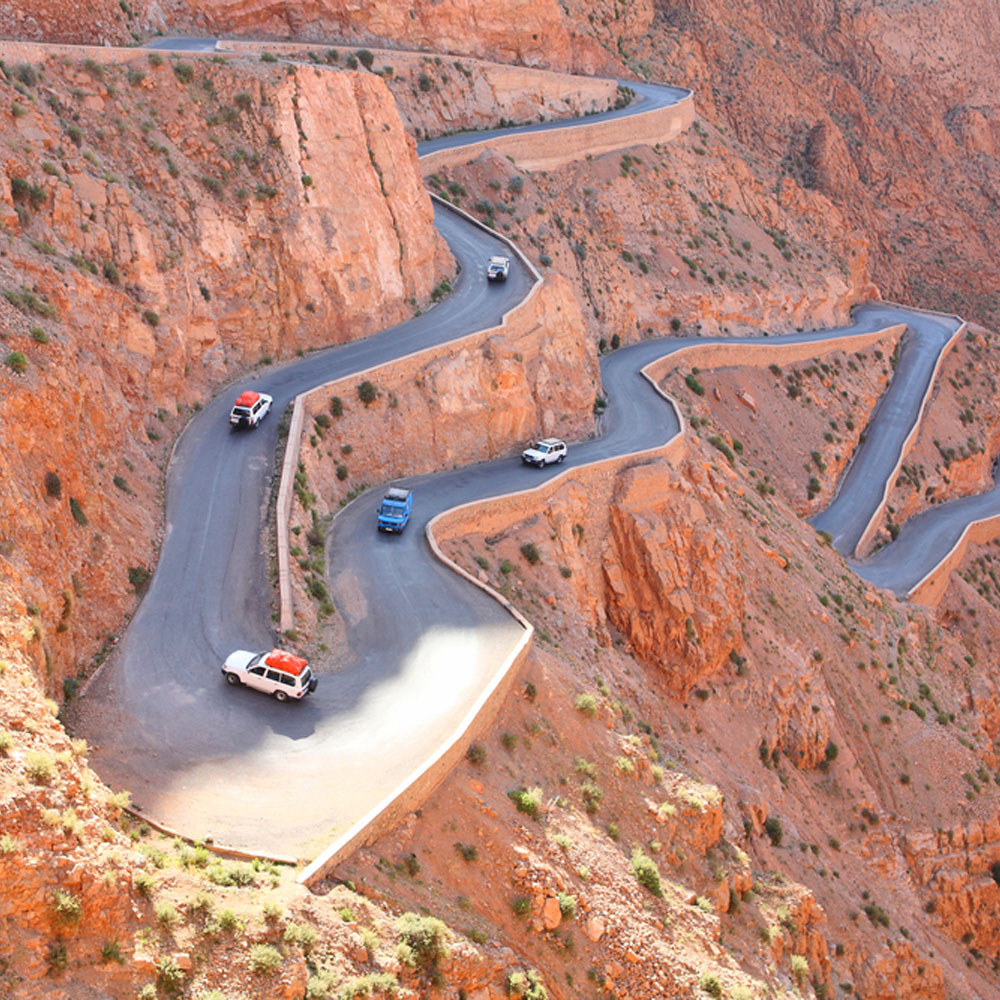
- Cross the High Atlas Mountains via the Tizi N’tichka Pass.
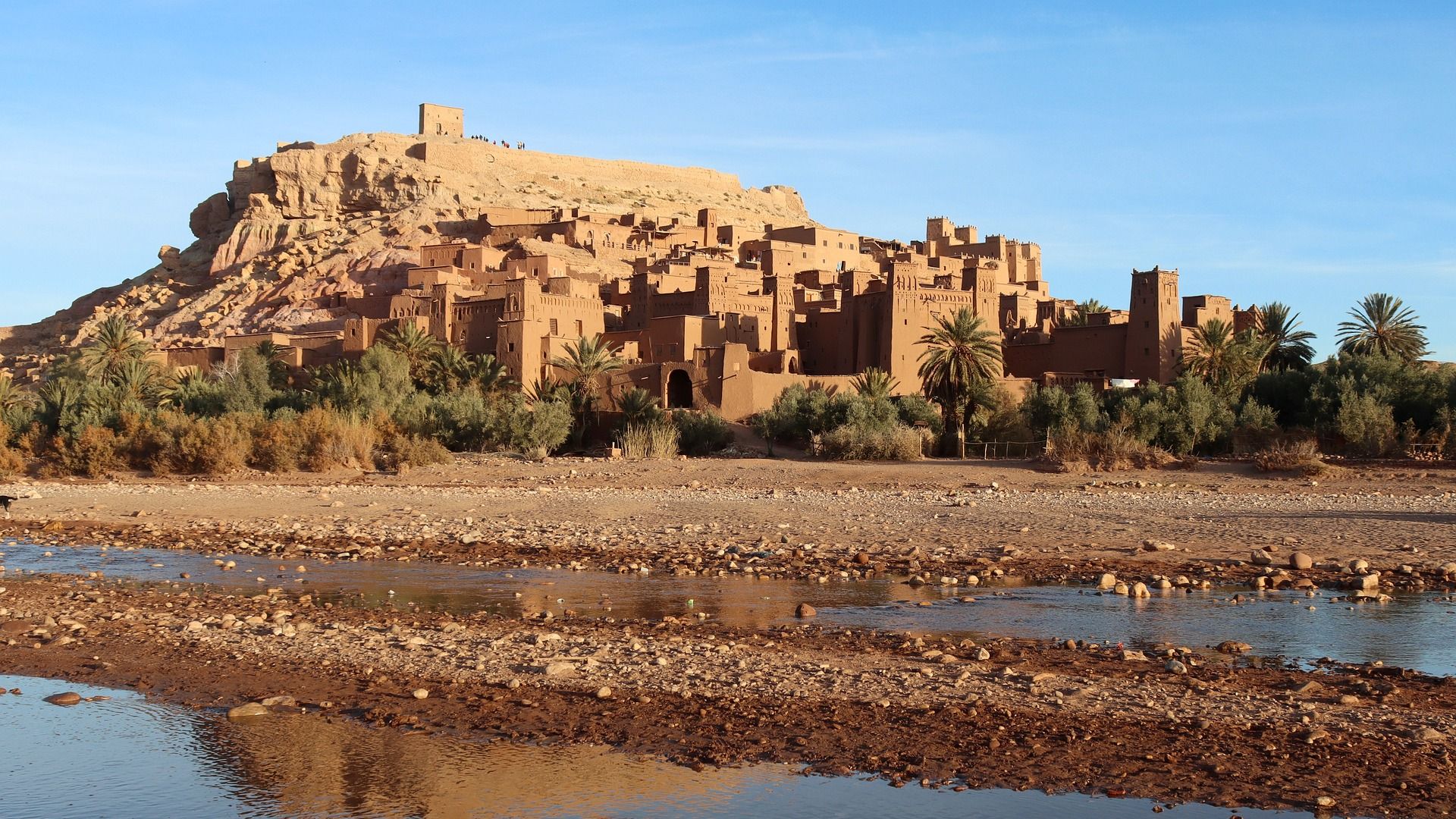
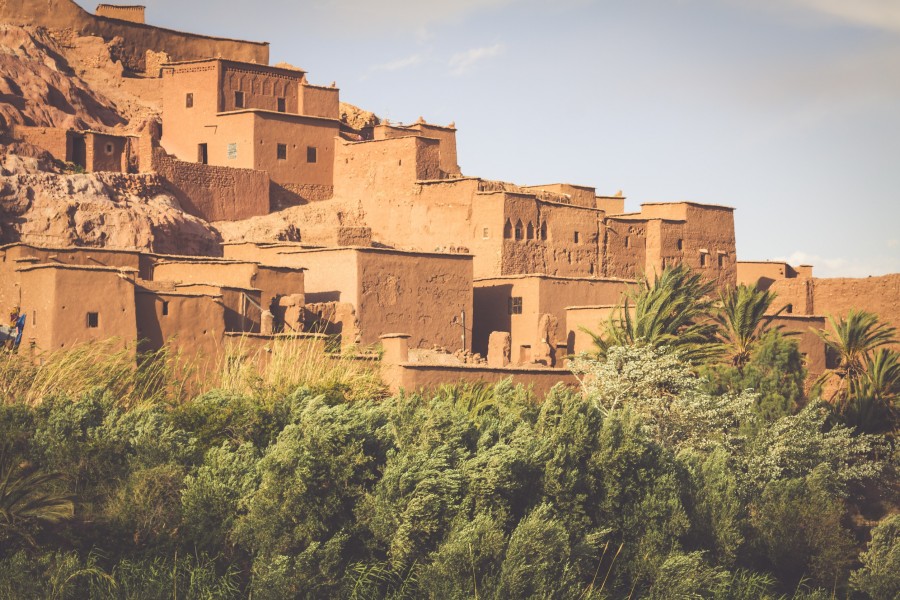
- Visit the Kasbah of Pacha Glaoui in Telouet and the UNESCO-listed Aït Ben Haddou.
- Explore Ouarzazate, known as the “Hollywood of Africa” with its film studios and kasbahs.
- Discover the palm-filled Draa Valley and Berber villages.
- Visit the historic Tamgroute, home to a famous Koranic library and pottery workshops.
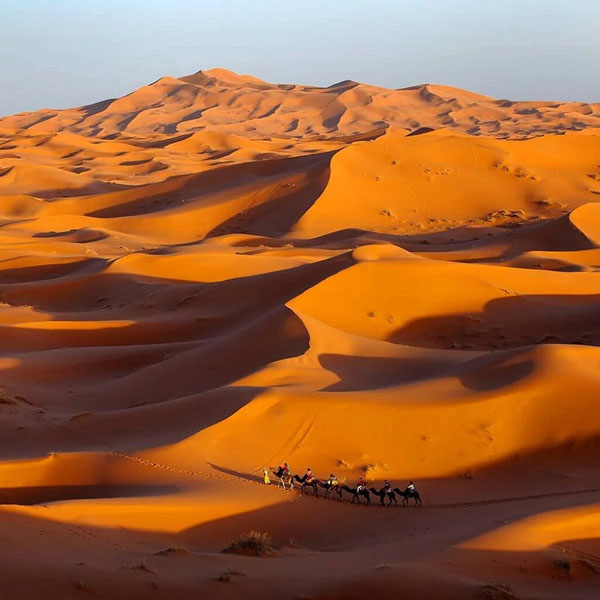
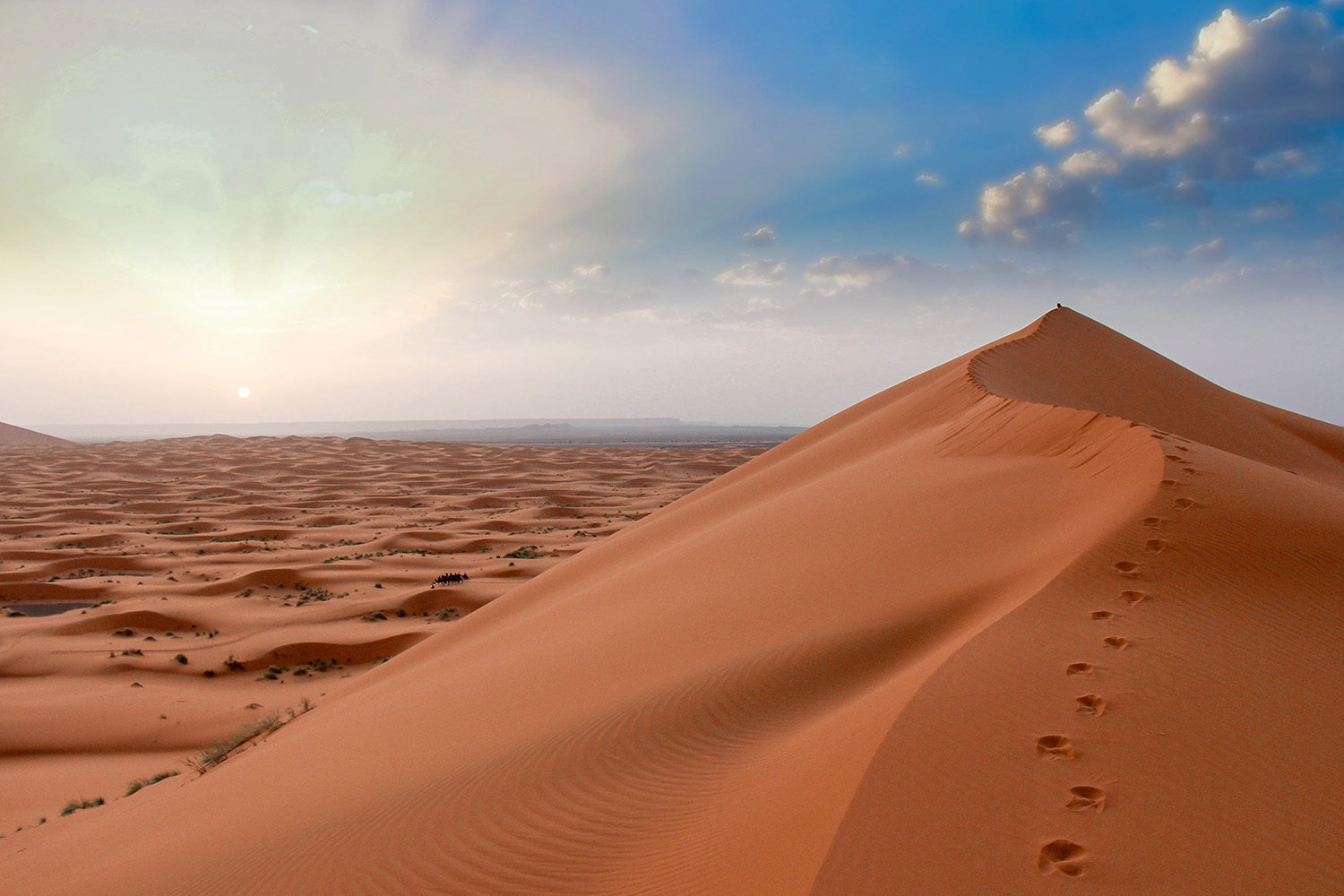
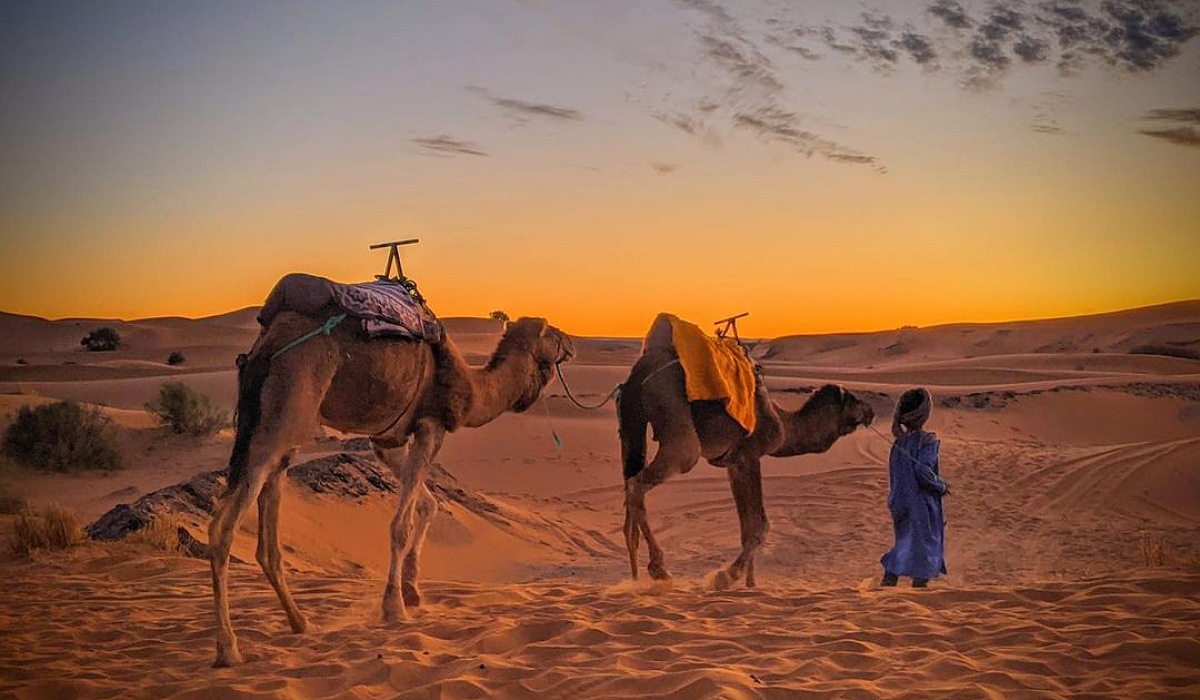
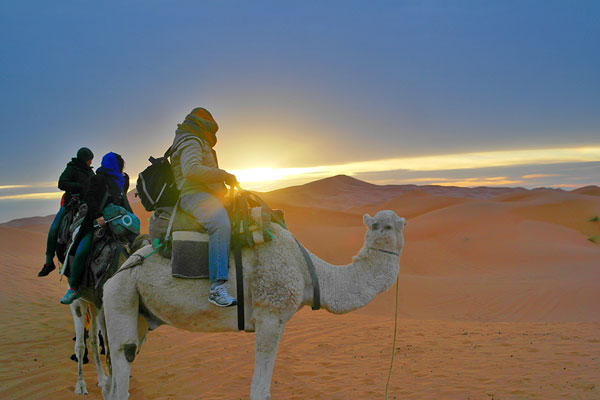
- Enjoy a camel trek to the Erg Chebbi dunes and spend a night in a nomadic bivouac in the Sahara.
- Admire the stunning Todra Gorges and explore Erfoud and Tinghir.
- Travel through the Dades Valley and visit the Kasbah of Amridil in Skoura.
- Visit the Rose Valley and the charming village of Kelaa Mgouna.
Itinerary of the 6 Days Trip from Marrakech to Merzouga and Zagora
included :
- Transport in 4×4 car with Air condition
- Private driver/English speaking guide
- Accommodation (dinner and breakfast) in hotels
- Camel ride through the desert
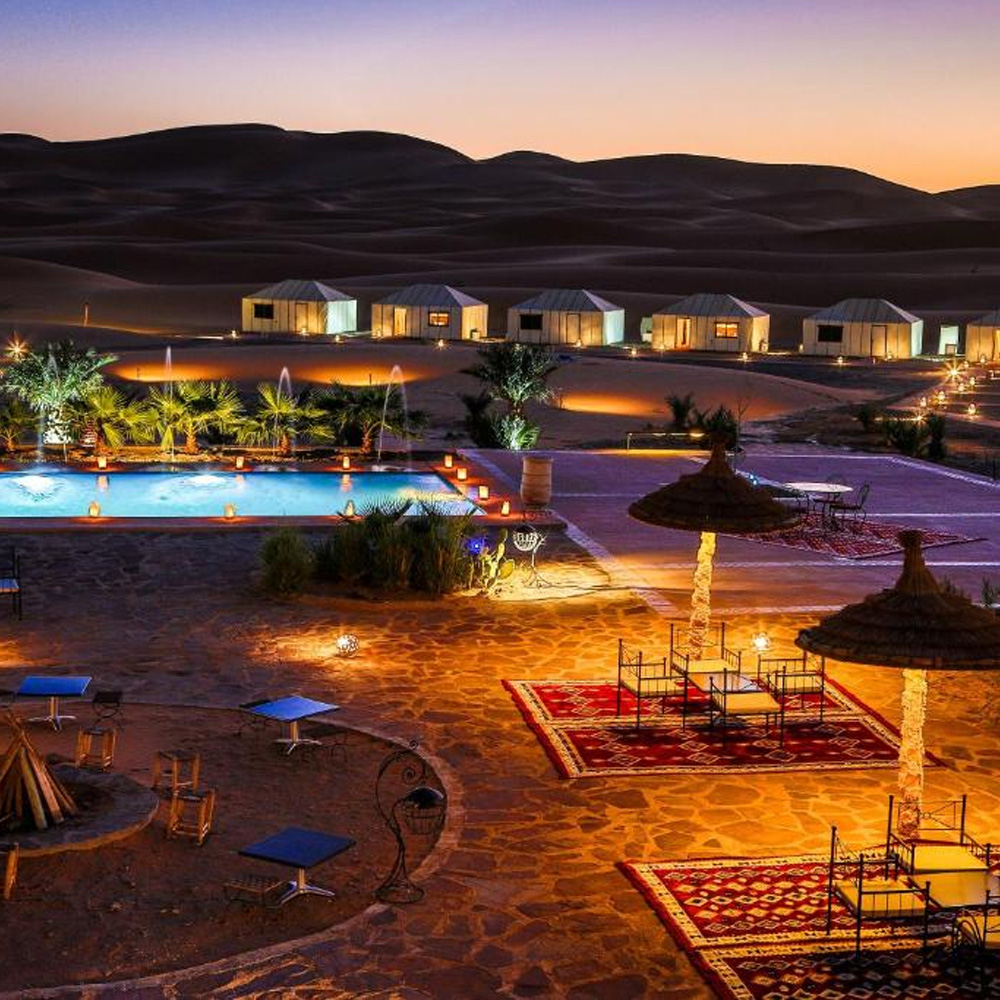
- Sleep in desert tent
excluded :
- Airline tickets
- Noon meals
- Drinks
- Entrance fees
Gallery of the 6 Days Trip from Marrakech to Merzouga and Zagora
Map – 6 Days Trip from Marrakech to Merzouga and Zagora
Know Before You Go – 6 Days Trip from Marrakech to Merzouga and Zagora
1. Travel Essentials
- Comfortable Clothing: Layered clothing is key. Days can be hot in the desert (30–40°C in summer), but nights are cold (5–15°C). Bring a scarf or shawl to protect from sand.
- Footwear: Sturdy, closed shoes or hiking sandals for desert trekking. Light shoes for city tours.
- Sun Protection: High SPF sunscreen, sunglasses, and a wide-brimmed hat are essential.
- Water: Carry refillable water bottles; staying hydrated in the desert is crucial.
2. Currency & Payments
- Moroccan Dirham (MAD) is used locally. Cash is preferred in small towns and desert areas; ATMs can be scarce.
- Small denominations are useful for tips, tea, and small purchases.
3. Transportation & Roads
- Long drives are part of the itinerary (Marrakech → Merzouga can take 8–10 hours with stops).
- Roads are mostly paved but can be winding in the Atlas Mountains. Travel sickness remedies can help.
- Desert excursions are done in 4×4 vehicles or camel rides; ensure the operator provides safety instructions.
4. Accommodation
- Expect a mix: hotels/riads in Marrakech and Dades Valley, desert camps in Merzouga.
- Desert camps may have shared bathrooms; check if you need private facilities.
- Nights in the desert are quiet and dark—perfect for stargazing, but bring a flashlight.
5. Food & Health
- Traditional Moroccan meals include tagine, couscous, and fresh bread.
- Street food is safe in tourist areas, but carry basic medications for stomach upsets.
- Inform guides of any allergies or dietary restrictions in advance.
6. Connectivity & Charging
- Wi-Fi is usually available in hotels; desert camps may have limited signal.
- Bring portable chargers; electricity in desert tents is limited.
7. Cultural Etiquette
- Morocco is mostly Muslim; dress modestly, especially in small towns.
- Always ask before photographing locals.
- Tipping guides, drivers, and camp staff is customary (5–10 MAD per service).
8. Weather & Best Time to Travel
- Best months: Spring (March–May) and Fall (September–November) for pleasant temperatures.
- Summer is very hot in the desert, winter can be surprisingly cold at night.
9. Safety Tips
- Desert activities are generally safe when guided, but always follow instructions.
- Avoid walking alone at night in remote areas.
- Keep your valuables secure; petty theft can happen in crowded medinas.
10. Packing Extras
- Small backpack for day trips.
- Sunglasses, sunscreen, lip balm.
- Camera or smartphone for incredible desert landscapes.
- Personal hygiene products (some may not be provided in camps).
FAQ about the 6 Days Trip from Marrakech to Merzouga and Zagora
Q: How long is the drive from Marrakech to Merzouga?
A: It usually takes around 8–10 hours including scenic stops in the Atlas Mountains and Dades Valley. Expect winding mountain roads and plan for short breaks.
Q: Can I ride a camel if I’ve never done it before?
A: Yes! Camels are trained for beginners, and guides give instructions to make your first ride safe and comfortable.
Q: Are desert camps comfortable for families or solo travelers?
A: Most camps offer private tents with beds. Families can book private tents, and solo travelers can share tents with same-gender guests if needed. Bathrooms may be shared.
Q: Is it safe to drink tap water during the trip?
A: No, it’s better to stick to bottled water, especially in desert areas.
Q: Will I have internet access in the desert?
A: Wi-Fi is limited in Merzouga, and mobile signal can be spotty. Bringing a power bank is recommended if you need to stay connected.
Q: What is the best time of year to visit the desert?
A: Spring (March–May) and Autumn (September–November) are ideal for moderate temperatures. Summers are very hot, and winter nights can be freezing.
Q: What should I wear for the trip?
A: Layered clothing is best. Light clothing for daytime, warmer clothes for cool nights, and a scarf to protect from desert sand. Comfortable shoes for walking and trekking are essential.
Q: Are meals included during the trip?
A: Most hotels, riads, and desert camps provide breakfast and dinner. Lunch is often on the way at local restaurants or stops. Special dietary needs should be communicated in advance.
Q: Is the trip suitable for children or elderly travelers?
A: Yes, but consider the long drives and desert conditions. Children and older travelers may need extra breaks, sun protection, and hydration.
Q: How much cash should I carry?
A: Carry enough Moroccan Dirham for small purchases, tips, and meals, especially in desert areas where ATMs are scarce. Small denominations are useful.

