M

+212 673 266 849

saharacameltours1@gmail.com

Moroccan Souks Shopping Guide: Your Ultimate Market Adventure

Moroccan Souks Shopping Guide: Your Ultimate Market Adventure

Moroccan Souks Shopping Guide: Your Ultimate Market Adventure

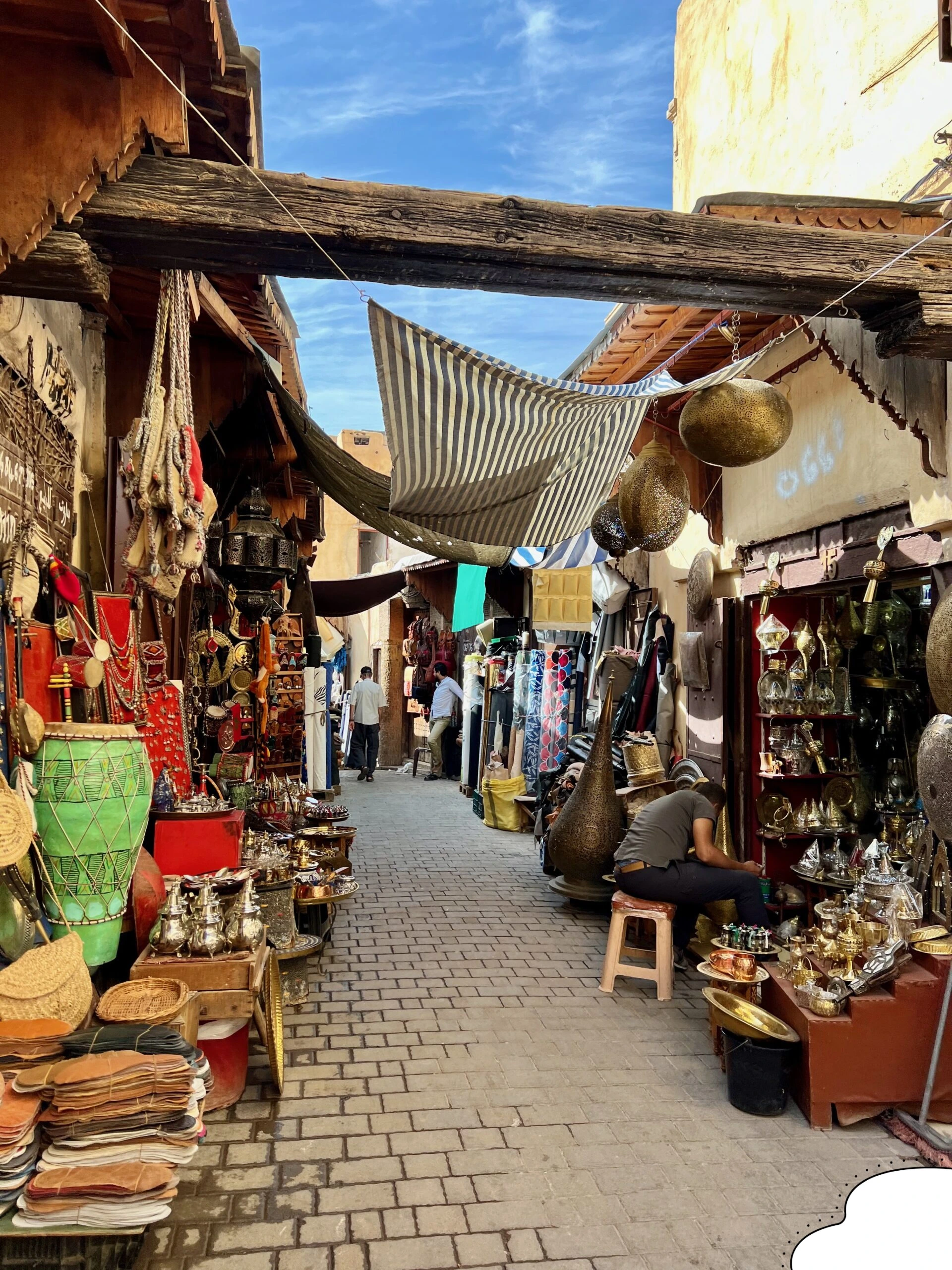
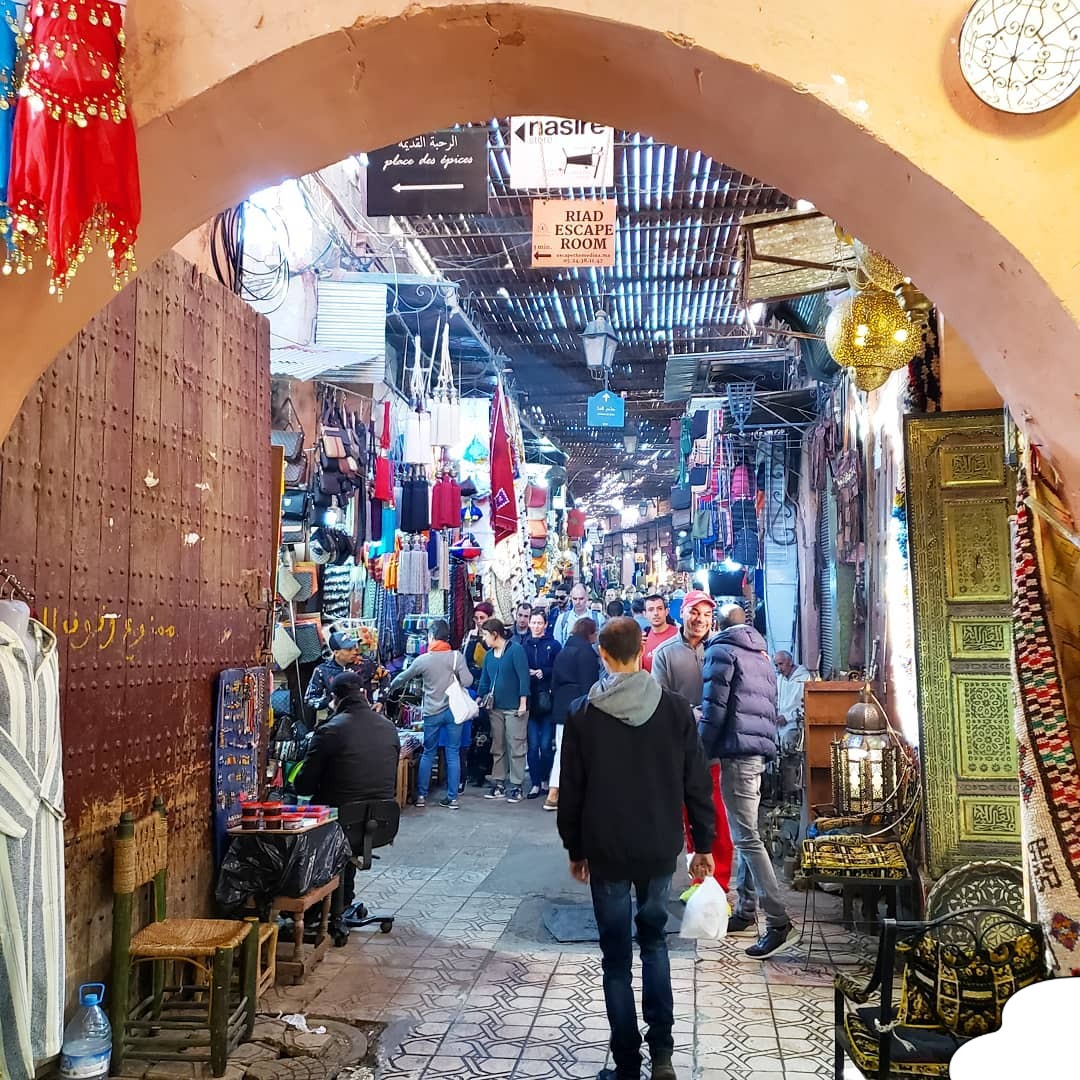
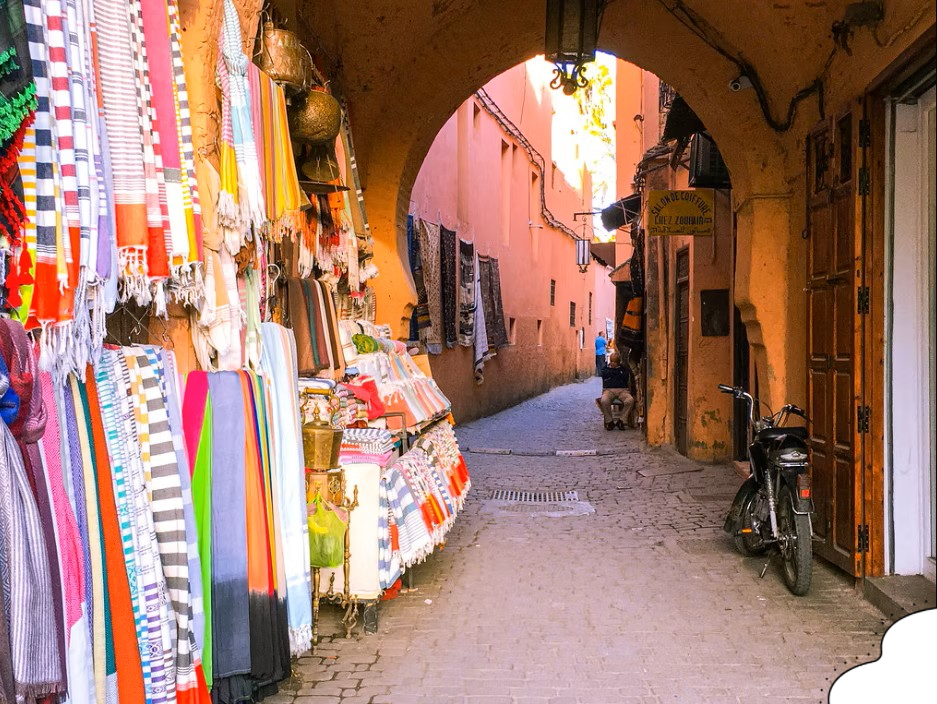
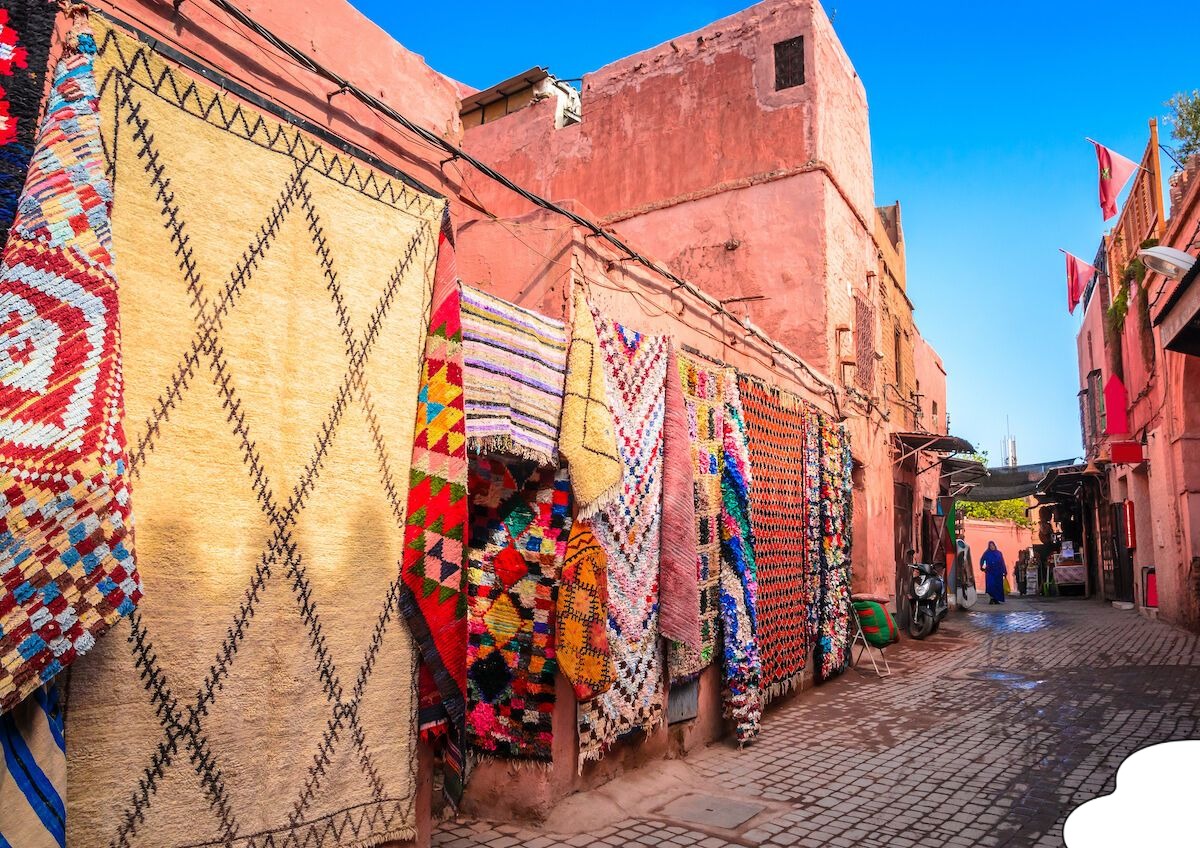
Exploring Morocco isn’t complete without wandering through its vibrant and bustling souks. These traditional markets are the heart of Moroccan culture, offering everything from handcrafted ceramics and colorful textiles to aromatic spices and intricate jewelry. Whether you’re in Marrakech, Fes, or Essaouira, a Moroccan Souks Shopping Guide will help you navigate these lively marketplaces, find authentic treasures, and enjoy a memorable shopping experience.

In this guide, we’ll cover everything you need to know: how to shop like a local, what to buy, tips for bargaining, and the best souks to visit. Whether you’re a first-time visitor or a seasoned traveler, this guide ensures your Moroccan shopping adventure is both fun and rewarding.
Stacks of aromatic spices in a Moroccan souk for Moroccan Souks Shopping Guide.

Why Explore Moroccan Souks?

Moroccan souks are more than just shopping destinations; they are cultural experiences. Visiting a souk allows you to:

  • Immerse yourself in Moroccan traditions and crafts

  • Discover hand-made goods passed down through generations

  • Savor the aromas of spices, teas, and local delicacies

  • Experience vibrant colors, sounds, and lively interactions with locals

A Moroccan Souks Shopping Guide helps you understand the organization of these markets, so you can shop efficiently and discover hidden gems without feeling overwhelmed.
Handcrafted leather goods in a Moroccan souk for Moroccan Souks Shopping Guide.

Top Moroccan Souks to Visit

Each city offers unique souks with specialties that reflect local culture. Here are some must-visit markets:

1. Marrakech Souks

  • Souk Semmarine: Known for textiles, leather goods, and carpets.

  • Souk Ableuh: Famous for citrus fruits, olives, and spices.

  • Souk des Bijoutiers: Jewelry and silver accessories.

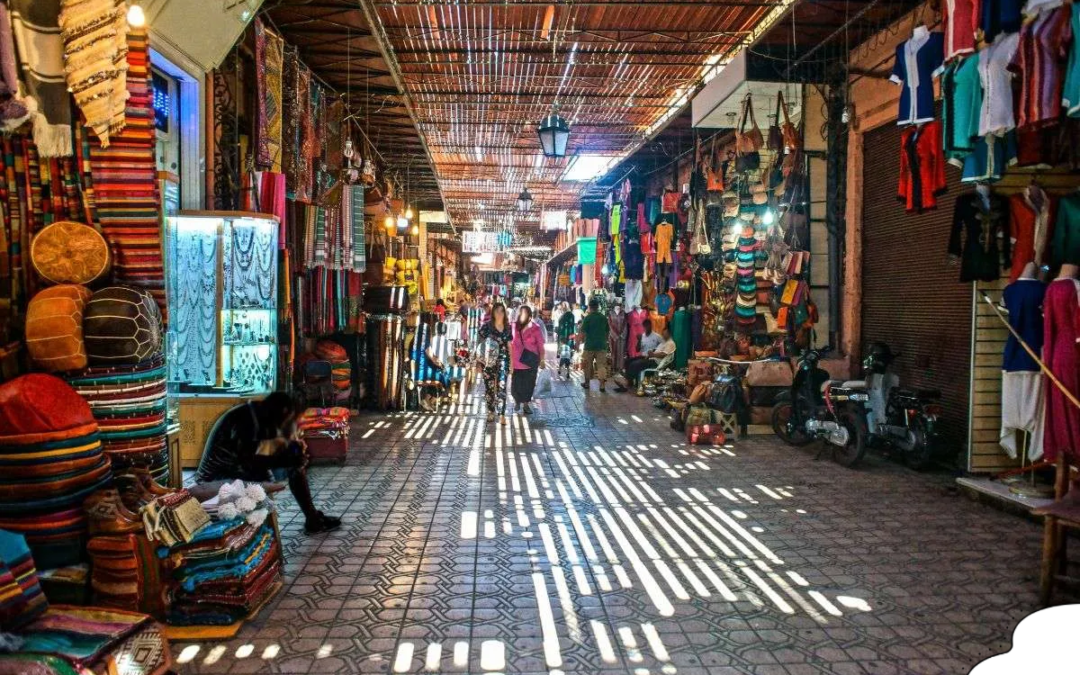
Marrakech souks are a maze of alleyways, so take your time and follow a Moroccan Souks Shopping Guide to navigate efficiently.
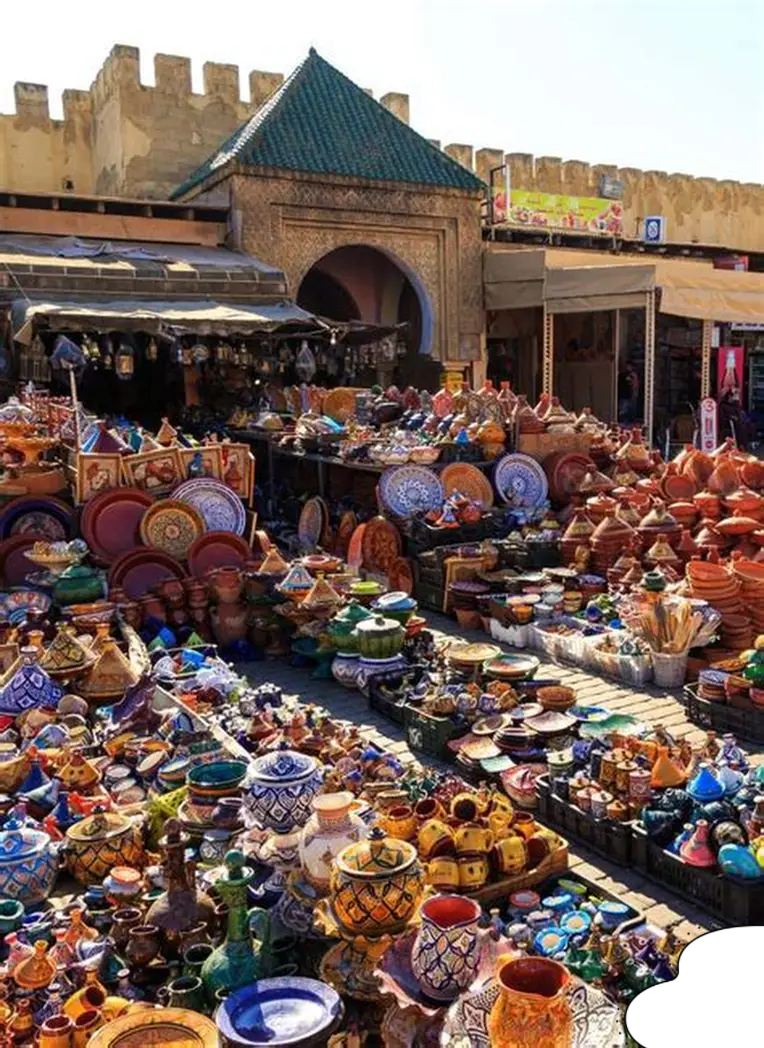
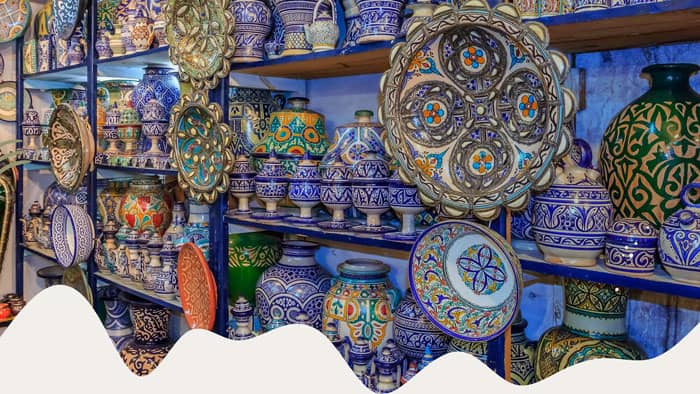
Colorful Moroccan ceramics in a souk for Moroccan Souks Shopping Guide.

2. Fes Souks

  • Souk el Henna: Henna, perfumes, and natural dyes.

  • Souk el Attarine: Spices, teas, and traditional Moroccan medicines.

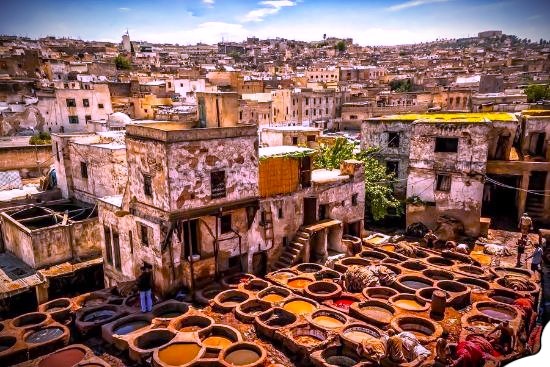
  • Tanneries of Fes: Leather goods dyed with natural pigments.

Fes is renowned for its traditional crafts, making it perfect for those seeking authentic Moroccan souvenirs.

3. Essaouira Souks

  • Fish Market Souk: Fresh seafood and local delicacies.

  • Souk Jdid: Textiles, jewelry, and local handicrafts.

  • Artisan Workshops: Famous for carved wood and thuya wood products.

What to Buy in Moroccan Souks

A Moroccan Souks Shopping Guide is incomplete without knowing what treasures to hunt for. Some must-buy items include:

1. Moroccan Rugs and Carpets

  • Handwoven from wool or silk

  • Patterns and colors vary by region

  • Great souvenirs or home décor

2. Leather Goods

  • Bags, slippers (babouches), jackets

  • High-quality leather from Fes or Marrakech

  • Look for tanneries to buy directly from artisans

3. Spices and Teas

  • Saffron, cumin, cinnamon, paprika

  • Mint tea leaves or herbal blends

  • Perfect for culinary enthusiasts

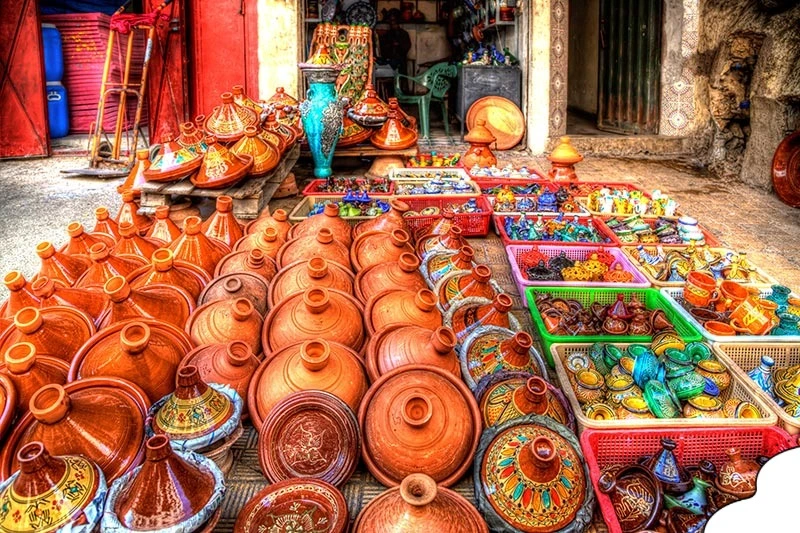
4. Ceramics and Pottery

  • Colorful tagines, bowls, and plates

  • Hand-painted with traditional Moroccan patterns

  • Ideal gifts or kitchen décor

5. Jewelry and Metalwork

  • Silver, gold, and brass items

  • Traditional Amazigh (Berber) designs

  • Earrings, necklaces, trays, and lamps

6. Textiles and Clothing

  • Kaftans, scarves, shawls

  • Hand-embroidered or woven fabrics

  • Great for souvenirs or gifts

Traditional Berber jewelry in a Moroccan souk for Moroccan Souks Shopping Guide.

How to Navigate Moroccan Souks

Moroccan souks can be overwhelming due to their size and bustling activity. Here’s how to make the most of your shopping adventure:

Step 1: Know the Layout

  • Souks are usually organized by product type

  • Use a Moroccan Souks Shopping Guide to plan your visit

Step 2: Observe and Explore

  • Walk through the alleys to see different options

  • Compare prices before making purchases

  • Look for authentic handmade goods rather than mass-produced items

Step 3: Bargaining Tips

Bargaining is a cultural norm in Moroccan souks. Some tips include:

  • Smile and be polite — it’s part of the experience

  • Start at half the asking price and negotiate

  • Be prepared to walk away if the price is too high

  • Remember, the goal is a fair price for both parties

Step 4: Stay Safe and Organized

  • Keep an eye on your belongings

  • Carry cash in small denominations

  • Wear comfortable shoes and clothing

Cultural Etiquette in Moroccan Markets

When exploring Moroccan souks, respecting local customs enhances your experience:

  • Dress modestly and respectfully

  • Ask permission before taking photos of people

  • Greet shopkeepers politely with “Salam”

  • Be patient — interactions and negotiations are part of the charm

Understanding local etiquette helps you build positive relationships and enjoy authentic interactions.

Ready to explore the vibrant alleys and colorful treasures of Moroccan markets?

Let us help you plan an unforgettable experience with our Moroccan Souks Shopping Guide. From traditional rugs to spices and jewelry, discover authentic souvenirs and cultural experiences in every souk.

Conclusion

A trip to Morocco is incomplete without visiting its legendary souks. This Moroccan Souks Shopping Guide ensures you make the most of your market adventure — finding authentic treasures, experiencing local culture, and learning the art of bargaining.

From Marrakech to Fes and Essaouira, each market offers unique souvenirs, lively interactions, and unforgettable memories. With the tips, itineraries, and insights in this guide, you’re ready to explore Moroccan souks like a local and bring home pieces of Morocco’s vibrant culture.
Marrakech Hidden Gems: Discovering the Soul of the Red City

Marrakech Hidden Gems: Discovering the Soul of the Red City

Marrakech Hidden Gems: Discovering the Soul of the Red City

Marrakech is overflowing with beauty, culture, and sensory magic—but the real soul of the city often hides behind unmarked doors, narrow alleys, and places skipped by the average tourist. If you’re searching for the most authentic Marrakech hidden gems, you’re in the right place. This guide reveals the quiet treasures, local favorites, and lesser-known spots that make the Red City unforgettable.

Whether you’re a first-time traveler or a seasoned explorer, Marrakech still finds ways to surprise you. Beyond Jemaa el-Fnaa and the bustling souks, the city has endless secrets waiting to be found.

Marrakech hidden gems – colorful spice market in Rahba Kedima

Why Explore Marrakech’s Hidden Gems?

Tourist hotspots are exciting, but they often miss the deeper, authentic experiences of the city. Discovering Marrakech hidden gems allows travelers to:

  • Experience peace away from the busy streets

  • Connect with local culture and artisans

  • Discover unique culinary delights

  • Capture photographs that tell a story

  • Support small, family-run businesses

By seeking the lesser-known corners of the city, visitors can go beyond sightseeing and truly live the Marrakech experience.

Le Jardin Secret: A Hidden Oasis in the Medina

Tucked away inside the bustling medina, Le Jardin Secret is a peaceful oasis that often goes unnoticed. This restored palace offers two distinct gardens:

  • The Islamic Garden, reflecting symmetry and harmony

  • The Exotic Garden, filled with plants from around the world

Visitors can climb the tower for breathtaking panoramic views of the medina’s rooftops. Morning visits are especially rewarding, providing quiet serenity before the city fully awakens.

Insider tip: Bring a small notebook or camera—this tranquil garden is perfect for reflection and photography.

Marrakech hidden gems – rooftop café overlooking medina

Le Jardin Secret: A Hidden Oasis in the Medina

Tucked away inside the bustling medina, Le Jardin Secret is a peaceful oasis that often goes unnoticed. This restored palace offers two distinct gardens:

  • The Islamic Garden, reflecting symmetry and harmony

  • The Exotic Garden, filled with plants from around the world

Visitors can climb the tower for breathtaking panoramic views of the medina’s rooftops. Morning visits are especially rewarding, providing quiet serenity before the city fully awakens.

Insider tip: Bring a small notebook or camera—this tranquil garden is perfect for reflection and photography.

Marrakech hidden gems – traditional leather tanneries

Maison de la Photographie: Morocco Through the Lens

Hidden down a narrow alley, the Maison de la Photographie showcases a remarkable collection of vintage Moroccan photography, spanning 1870 to 1950. These images capture the essence of Moroccan life, from bustling markets to serene desert landscapes.

Highlights include:

  • Historic portraits of Moroccan families

  • Landscapes of traditional medinas

  • A rooftop café offering stunning views

This museum is a must-visit for history buffs and photography enthusiasts seeking an authentic glimpse into Morocco’s past.

Marrakech hidden gems – Le Jardin Secret peaceful garden

Rahba Kedima: The Old Spice Square

Located in the heart of the medina, Rahba Kedima is a traditional square bustling with life and color. It’s less crowded than Jemaa el-Fnaa but equally vibrant, offering:

  • Spices arranged in colorful pyramids

  • Handwoven baskets and textiles

  • Dried flowers and herbal remedies

  • Local handicrafts

The nostalgic charm and authentic atmosphere make Rahba Kedima one of the most enchanting Marrakech hidden gems.

Mellah Spice Markets: A Feast for the Senses

While the main souks attract large tourist crowds, the Mellah district offers a more authentic shopping experience. Here, visitors can wander through markets filled with:

  • Fresh and aromatic spices

  • Traditional Moroccan herbal remedies

  • Local beauty products and oils

  • Artisan goods

The friendly sellers and vibrant displays provide a genuine taste of Marrakech life.

Planning Your Trip to Discover Marrakech Hidden Gems

Marrakech’s hidden treasures are best explored with local knowledge. From secret gardens and artisan workshops to quiet rooftops and culinary delights, a well-planned itinerary allows you to uncover the city’s lesser-known charms.

The Tannery District: A Window into Traditional Craftsmanship

The northern medina is home to the historic tanneries, where leather has been dyed and processed using centuries-old techniques. Although the strong scent may be challenging for some, the experience is unforgettable.

Visitors can observe:

  • Artisans at work, crafting leather goods by hand

  • Large dyeing pits filled with colorful natural dyes

  • Traditional Moroccan methods passed down through generations

Pro tip: Mint leaves are often provided to help reduce the smell, making the visit more pleasant.

Secret Riads: Quiet Courtyards and Traditional Charm

Marrakech is known for its riads, traditional Moroccan houses with inner courtyards. Many are hidden away from the main streets, offering tranquility and authenticity.

Benefits of staying in a hidden riad include:

  • Peaceful courtyards and rooftop terraces

  • Beautiful Moroccan architecture and décor

  • Personalized hospitality

  • A quieter, more immersive experience

Hidden riads are perfect for travelers seeking a private retreat in the heart of the medina.

Conclusion: Uncover the Magic of Marrakech Hidden Gems

The allure of Marrakech hidden gems lies not just in the places themselves but in the experiences they offer. From quiet gardens and hidden rooftops to artisan workshops and local eateries, these spots reveal the city’s heart and soul.

Stepping off the typical tourist path allows you to connect with the city in a meaningful way. Every alley, courtyard, and marketplace has a story to tell. Let curiosity guide you, and Marrakech will reveal treasures that few travelers ever see.

Whether wandering through a peaceful riad, tasting traditional dishes, or cycling through the Palmeraie, the Red City’s hidden gems will leave lasting memories and stories to share.

Cultural Tours Morocco: A Journey Through History, Tradition, and Heritage

Cultural Tours Morocco: A Journey Through History, Tradition, and Heritage

Cultural Tours Morocco: A Journey Through History, Tradition, and Heritage

Morocco is a land of vibrant colors, ancient traditions, and mesmerizing landscapes. For travelers seeking an authentic experience, cultural tours Morocco offer the perfect way to explore the country’s rich history, diverse architecture, and unique local customs. From the bustling souks of Marrakech to the serene Berber villages in the Atlas Mountains, every corner of Morocco tells a story waiting to be discovered.

Whether you’re fascinated by medieval medinas, traditional Moroccan cuisine, or UNESCO World Heritage sites, cultural tours provide a deep insight into Morocco’s soul, making your visit unforgettable

Cultural Tours Morocco

Imperial Cities: Where History Meets Modernity

Casablanca: The Modern Heart with Historical Roots

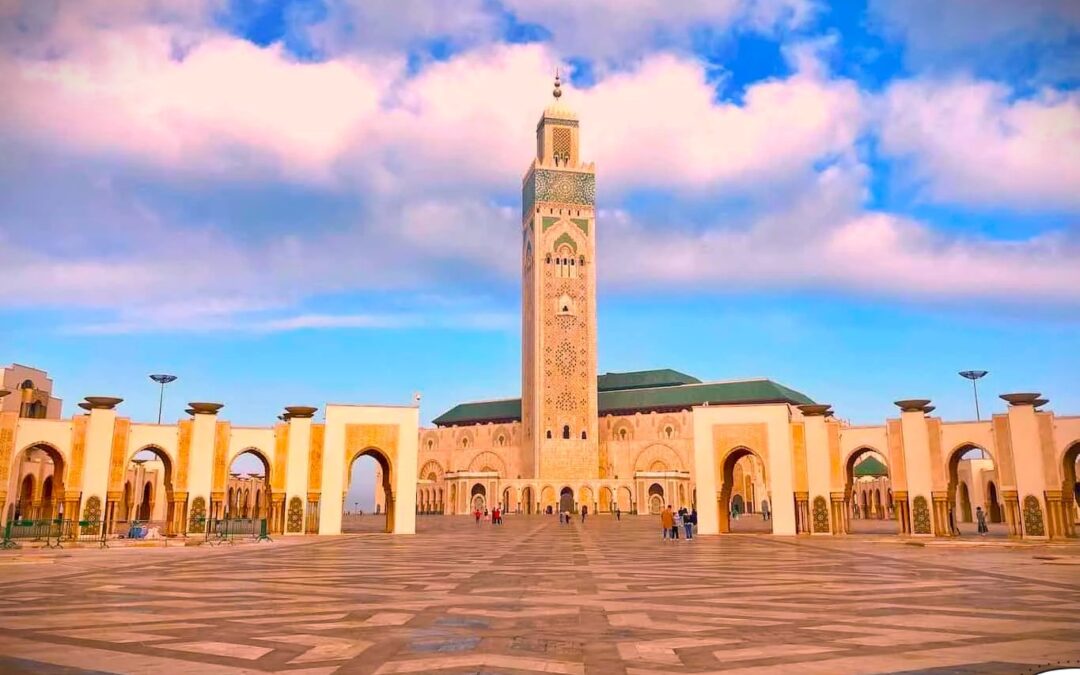
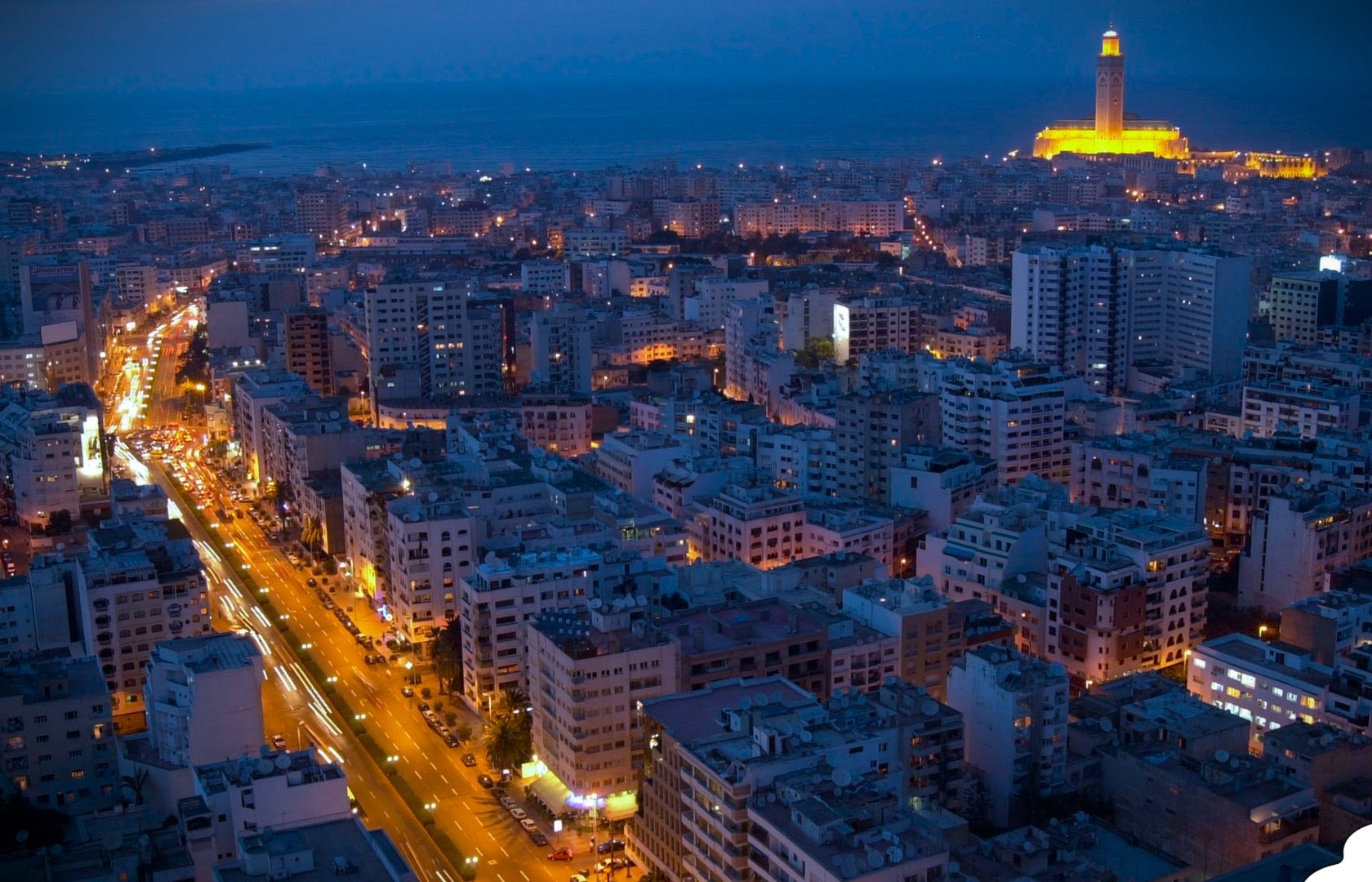
Casablanca, Morocco’s largest city, is famous for the Hassan II Mosque, the third-largest mosque in the world. Beyond its stunning architecture, the city blends modernity with tradition through its coastal Corniche, lively markets, and art deco buildings. Cultural tours often include guided walks to explore Casablanca’s hidden gems and local neighborhoods.

View of Casablanca city and Hassan II Mosque during Cultural Tours Morocco

Rabat: The Royal Capital

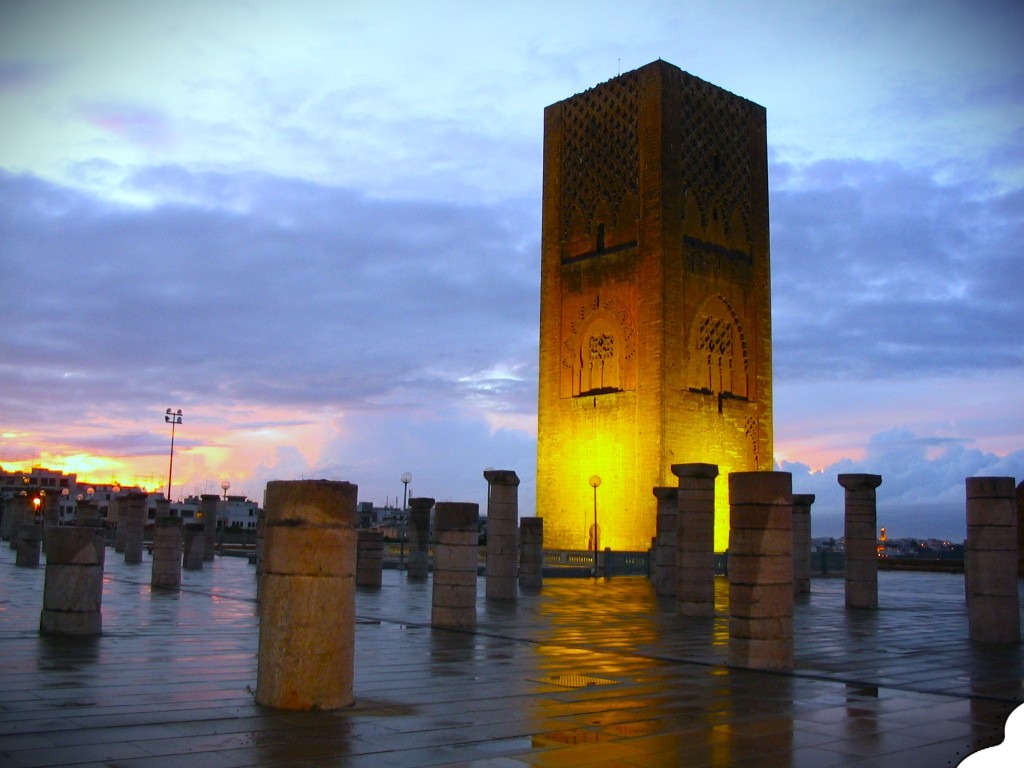
Rabat is not just the political capital of Morocco but also a cultural treasure. Visit the Royal Palace, Chellah ruins, y el Kasbah of the Udayas, which showcase Morocco’s rich Islamic and Andalusian heritage. Rabat’s calm streets and historical monuments make it a must-see on any cultural tour.

View of Rabat city and historical landmarks during Cultural Tours Morocco

Fes: Step Back in Time

Fes is Morocco’s spiritual and cultural heart. The medieval Fes el-Bali medina is a UNESCO World Heritage site filled with narrow alleys, colorful markets, and centuries-old mosques. Cultural tours here often include visits to the Al Quaraouiyine University, the oldest operating university in the world, and traditional workshops where artisans craft pottery, leather goods, and textiles.

Don’t miss our article about Campervan Travel Guide to Morocco

View of Fès medina and historical streets during Cultural Tours Morocco

Marrakech: The Red City

Marrakech is vibrant, chaotic, and full of life. From the Jemaa el-Fnaa square to the Bahia Palace y Majorelle Garden, the city blends history, art, and modern Moroccan lifestyle. Cultural tours in Marrakech often include traditional music and dance performances, spice market tours, and cooking classes.

Walking through Marrakech medina and colorful souks during Cultural Tours Morocco

Traditional Moroccan Cuisine

Food is central to Moroccan culture. During cultural tours Morocco, travelers can indulge in:

  • Tagine: Slow-cooked stews made with meat, vegetables, and aromatic spices

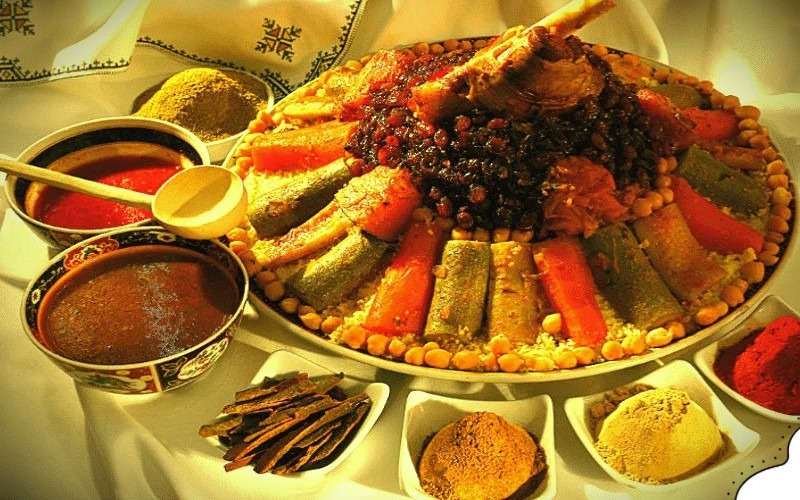
  • Couscous: A traditional dish often served with meat and seasonal vegetables

  • Pastilla: A sweet and savory pastry filled with pigeon or chicken

  • Street Food: Sample Moroccan snacks like msemen, harira soup, and fresh mint tea

Visitors can also attend cooking classes in local riads, learning how to recreate authentic Moroccan flavors at home.

Traditional Moroccan couscous served during Cultural Tours Morocco

Berber Villages and Desert Experiences

Exploring rural Morocco gives travelers a glimpse into traditional life:

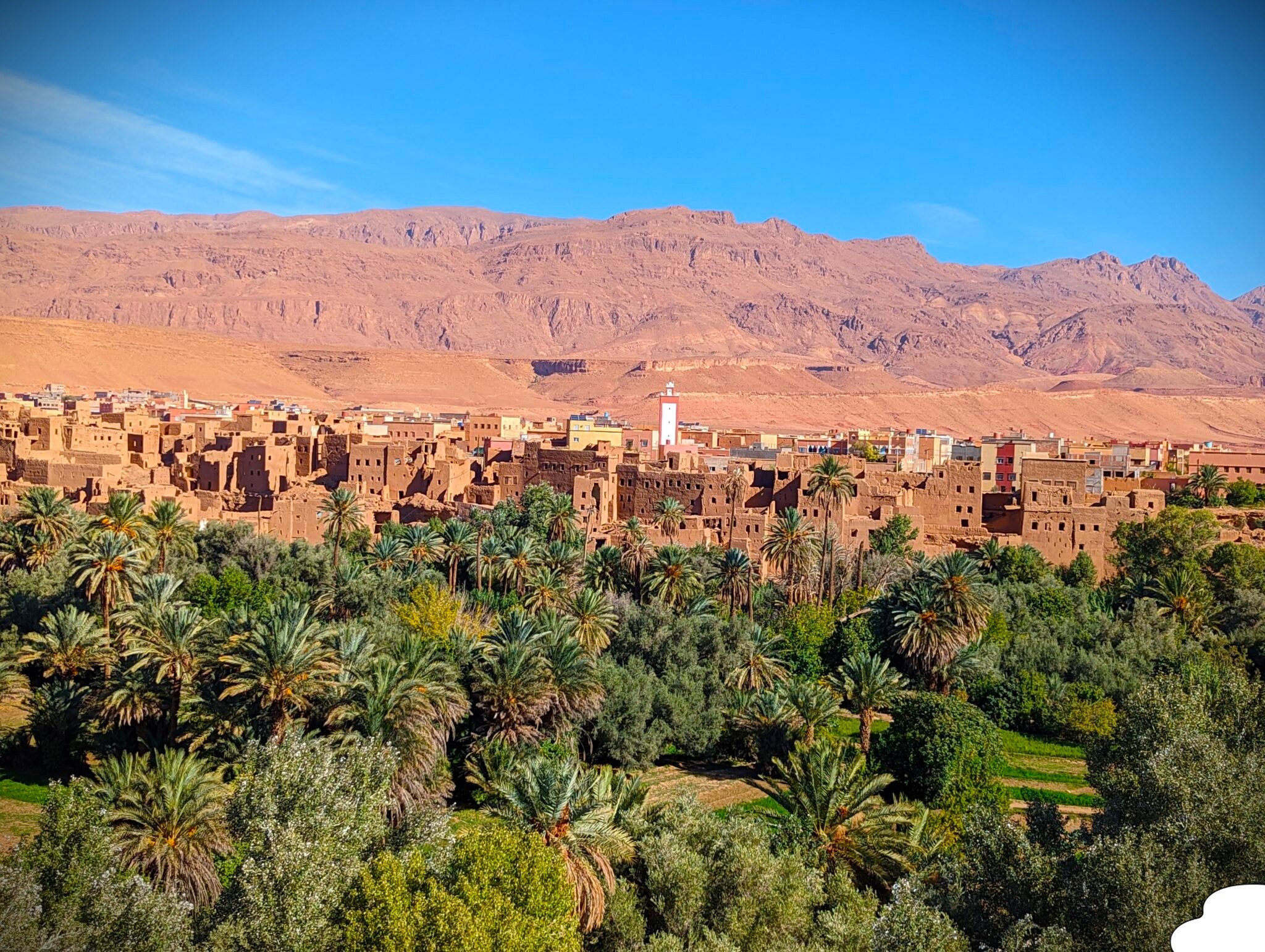
  • Stay in Berber guesthouses in the Atlas Mountains or Sahara Desert

  • Ride camels through sand dunes at Erg Chebbi or Erg Chigaga

  • Learn about ancient customs, music, and crafts unique to Berber communities

These experiences offer cultural immersion and memorable interactions with locals, providing a richer understanding of Morocco beyond the cities.

Traditional Berber village in Morocco during Cultural Tours Morocco

Historical Monuments and UNESCO Sites

Morocco boasts an impressive array of historical sites:

  • Ait Benhaddou: A UNESCO World Heritage site famous for its earthen architecture and film appearances

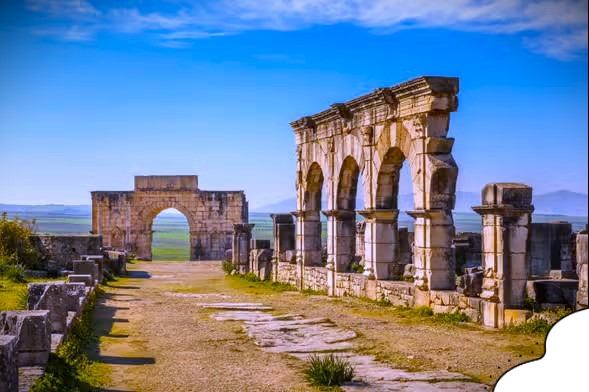
  • Volubilis: Roman ruins showcasing the region’s ancient history

  • Medina of Fes and Marrakech: Dense historical quarters filled with palaces, mosques, and artisan workshops

  • Kasbahs of the Atlas Mountains: Traditional fortresses offering scenic views and insight into Morocco’s defensive history

Cultural tours often include expert guides who bring these landmarks to life, sharing fascinating stories of Morocco’s past.

Ancient Roman ruins of Volubilis visited during Cultural Tours Morocco

Experience Morocco’s Rich Culture for Yourself!

Step into the heart of Morocco and explore its vibrant traditions — from the bustling medinas of Marrakech to the ancient Roman ruins of Volubilis, the Berber villages of the Atlas Mountains, and the rich culinary delights of Moroccan cuisine. Visit historic landmarks, meet local artisans, and immerse yourself in authentic Moroccan life. Let these unforgettable experiences inspire your next adventure!Step beyond the souk

Festivals and Cultural Events

Attending local festivals enhances your cultural experience:

  • Marrakech International Film Festival: Celebrating cinema and culture

  • Fes Festival of World Sacred Music: A unique blend of global music and Moroccan traditions

  • Imilchil Marriage Festival: A Berber cultural event in the High Atlas Mountains

Participating in festivals provides travelers with authentic insights into Moroccan traditions, music, and social life.

Tips for Cultural Tours in Morocco

  • Dress modestly to respect local customs
  • Hire local guides to enhance your understanding of historical and cultural sites
  • Visit in spring or autumn for pleasant weather
  • Sample meals at family-run restaurants for authentic flavors
  • Take a guided tour of the medinas to navigate narrow alleys safely
Tourists exploring Moroccan landmarks during Cultural Tours Morocco

FAQ: Cultural Tours Morocco

Q: What are the best cities for cultural tours in Morocco?
A: Casablanca, Rabat, Fes, and Marrakech are ideal for cultural exploration, each offering unique experiences and landmarks.

Q: Can I join cultural tours as a solo traveler?
A: Yes, many tour operators offer small group tours or private guides suitable for solo travelers.

Q: Are cultural tours in Morocco family-friendly?
A: Absolutely! Many tours are suitable for families, offering engaging activities like cooking classes, camel rides, and artisan workshops.

Q: What is the best time to visit Morocco for cultural tours?
A: Spring (March–May) and autumn (September–November) are ideal, offering comfortable temperatures and fewer crowds.

Conclusion

Cultural tours Morocco provide an immersive journey into the kingdom’s rich heritage, offering unforgettable experiences in history, architecture, cuisine, and traditions. Whether wandering ancient medinas, tasting local delicacies, or exploring Berber villages, travelers gain a deep appreciation for Morocco’s diverse culture. Start planning your Moroccan adventure today and discover a land where every corner has a story to tell.

Calligraphy, Metalwork, and Ceramics: Morocco’s Living Art Forms

Calligraphy, Metalwork, and Ceramics: Morocco’s Living Art Forms

Calligraphy, Metalwork, and Ceramics: Morocco’s Living Art Forms

Introduction: The Soul of Moroccan Art

Traditional Moroccan Art is alive in every corner of Morocco, from the winding alleys of Fez to the sun-drenched souks of Marrakech. In this country, creativity is woven into daily life, and craftsmanship is more than an occupation — it is an inheritance, a spiritual dialogue between the artisan and the material. Every brushstroke, hammer tap, or glaze reflects centuries of tradition, patience, and devotion.

At the heart of this enduring legacy are the country’s most celebrated forms of traditional Moroccan art — calligraphy, metalwork, and ceramics. These crafts form the soul of Morocco’s aesthetic identity, echoing Arab, Berber, and Andalusian influences that have shaped the nation for over a millennium. They speak of faith and geometry, rhythm and repetition, and a deep respect for beauty in the everyday.

Calligraphy transforms words into visual poetry, infusing spiritual meaning into architectural spaces and sacred manuscripts. Metalwork gives form to light itself — from intricately pierced lanterns that dance with shadows to elegant trays and teapots that symbolize Moroccan hospitality. Ceramics, born of earth and fire, adorn homes, mosques, and palaces with mesmerizing color and pattern, uniting artistry and function in every piece.

What makes these arts truly remarkable is that they are living traditions. The skills and secrets of each craft are passed from master (maalem) to apprentice, generation after generation. While rooted in ancient techniques, today’s artisans continue to innovate, blending classic motifs with contemporary design. This balance between preservation and creativity ensures that traditional Moroccan art remains vibrant and relevant in the modern world.

In this journey through traditional Moroccan art, we’ll explore how calligraphy, metalwork, and ceramics reflect Morocco’s history, spirituality, and craftsmanship — and how these timeless arts continue to shape the country’s cultural identity today.

The Sacred Beauty of Moroccan Calligraphy

1. Origins and Spiritual Meaning

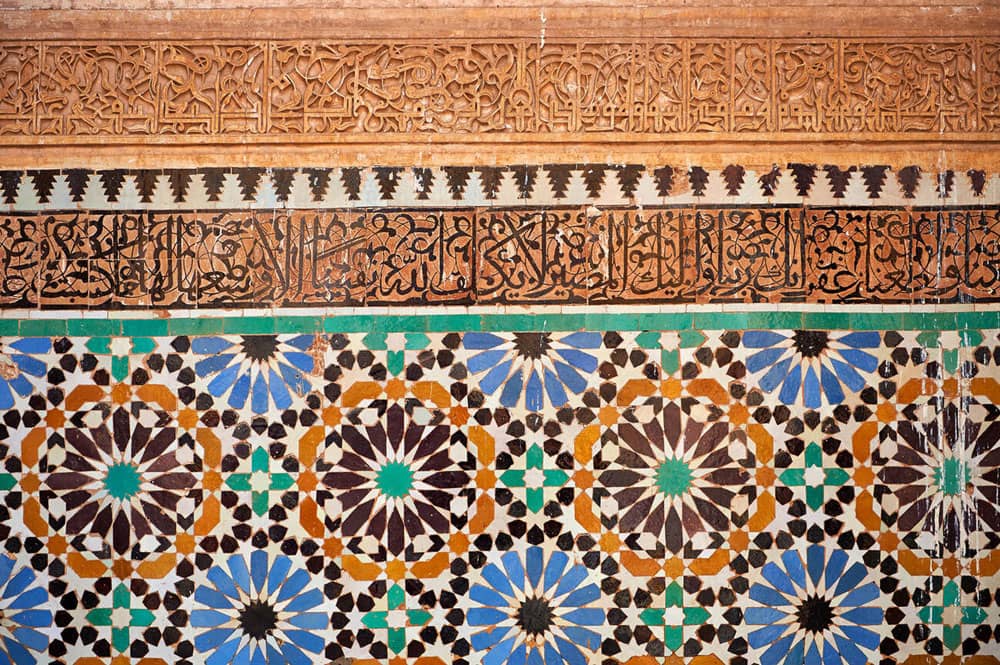
Calligraphy holds a sacred place in Moroccan art — a visual embodiment of faith, intellect, and beauty. Rooted in the Islamic tradition where depicting human figures was discouraged in religious contexts, calligraphy became the highest form of artistic expression, transforming divine words into mesmerizing patterns of ink and rhythm.

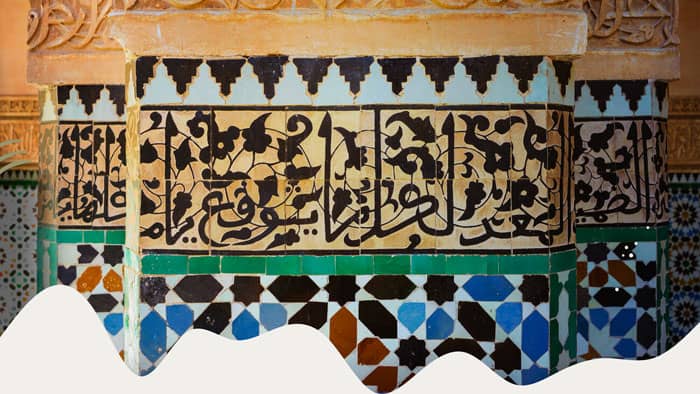
In Morocco, this art form blossomed into a distinctive style known as Maghrebi script — a rounded, flowing variation of Arabic calligraphy that developed in the western Islamic world (North Africa and Andalusia). Unlike the angular Kufic or elongated Thuluth scripts found in the Middle East, the Maghrebi style reflects Morocco’s fluid sense of form and balance, often marked by bold loops, deep curves, and harmonious spacing.

Calligraphy was not merely decorative; it was devotional. Each stroke of the pen was considered an act of worship, a meditative practice that required patience and spiritual focus. From Qur’anic manuscripts to architectural inscriptions, calligraphy infused Moroccan spaces with both meaning and beauty — reminding viewers of the divine through artistry.

Traditional Moroccan Art

2. Tools and Techniques

The art of calligraphy demands both precision and grace. Traditional Moroccan calligraphers use a reed pen (qalam) carefully cut to control the flow of ink, and they prepare their own pigments from natural materials such as soot, walnut shells, or minerals. Writing surfaces range from smooth parchment to handmade paper, each chosen for its ability to absorb ink evenly.

Training is rigorous and often spiritual in nature. Apprentices study under a master (maalem), learning to balance composition, proportion, and rhythm. Each letter and curve must be perfectly aligned — not just technically, but emotionally. The goal is harmony: a written form that pleases the eye and nourishes the soul.

3. Modern Applications

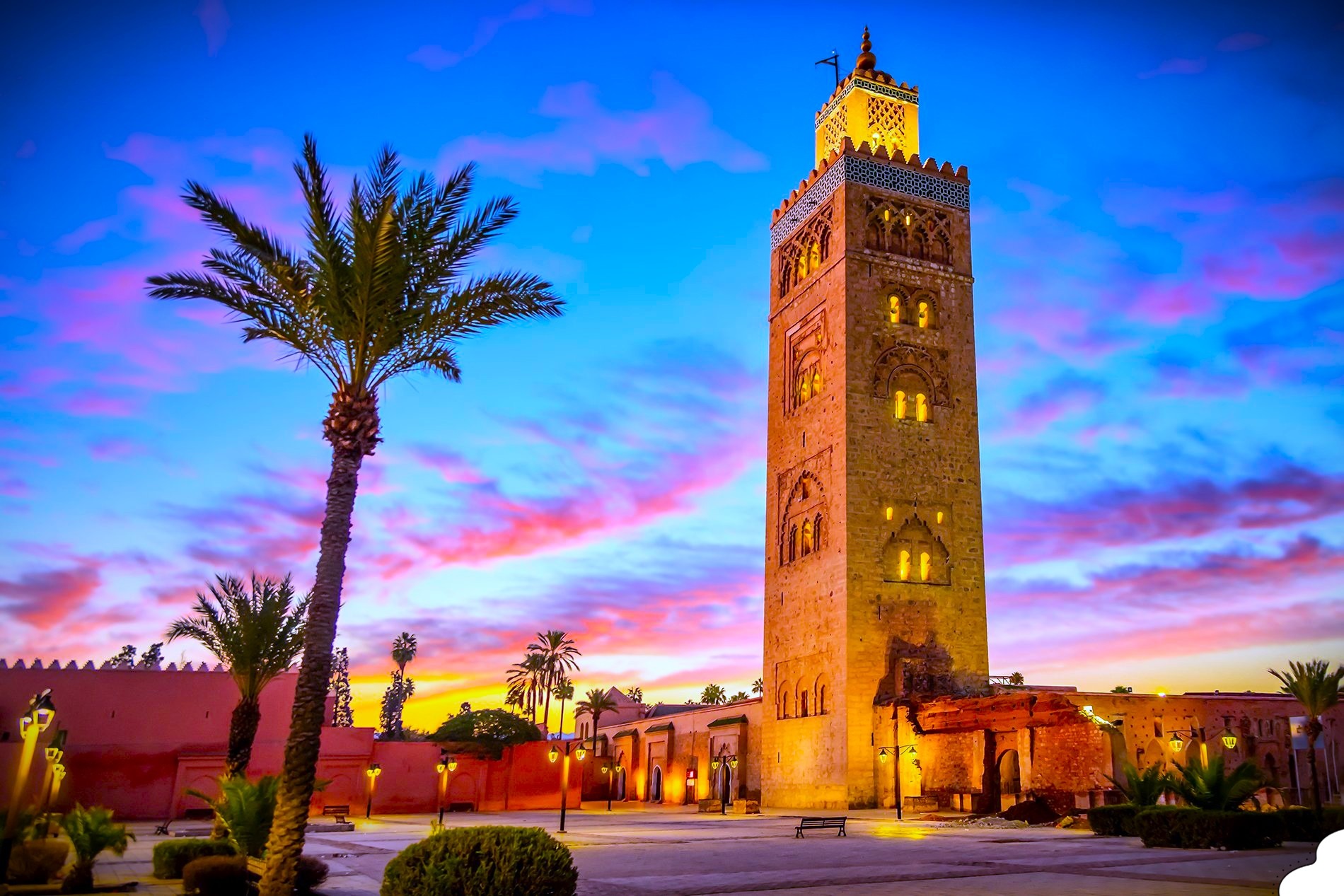
While deeply traditional, Moroccan calligraphy has gracefully entered the modern age. Its influence extends beyond manuscripts into architecture, design, and contemporary art. Visitors can admire exquisite inscriptions adorning the walls of mosques like the Koutoubia Mosque in Marrakech or the Al-Qarawiyyin Mosque in Fez, where verses from the Qur’an appear in stone and tile, framing sacred spaces with visual poetry.

Today, Moroccan artists and designers are breathing new life into the craft. Calligraphic motifs appear on ceramics, textiles, jewelry, and digital art, merging centuries-old techniques with contemporary aesthetics. Young calligraphers experiment with vibrant colors, abstract compositions, and even street murals, reimagining the script as a form of cultural expression in the modern world.

Through this evolving dialogue between past and present, Moroccan calligraphy remains a living art form — one that continues to honor its sacred origins while speaking to new generations in fresh and inspiring ways.

Metalwork: Crafting Light and Legacy

1. Ancient Roots and Regional Styles

Few crafts capture the Moroccan sense of precision and poetry quite like metalwork. Its origins date back centuries — to the Almoravid and Almohad dynasties — when Morocco became a crossroads of trade, skill, and design between Africa, Europe, and the Arab world. Over time, Moroccan artisans developed unique regional styles that reflected both local identity and global influence.

  • Fez became renowned for fine brass and copper engravings — intricate trays, teapots, and lamps that shimmered with delicate patterns.

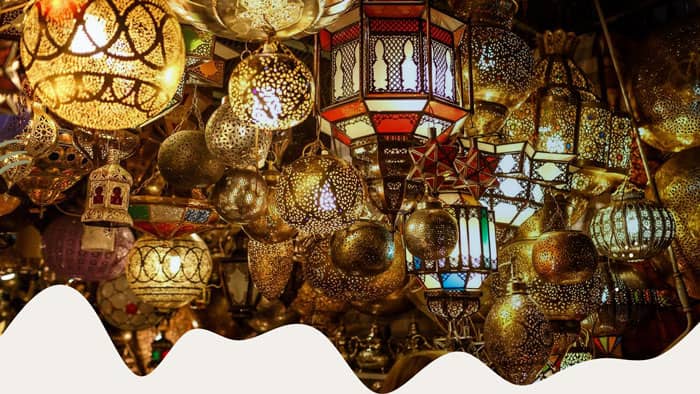
  • Marrakech specialized in ornate lanterns and decorative metal screens that filled riads and palaces with light and shadow.

  • Essaouira, with its coastal roots, became known for silver jewelry and filigree work inspired by both Berber and Andalusian motifs.

Each city contributed a distinctive artistic signature, but all shared one principle: beauty born from craftsmanship and patience.

Traditional Moroccan Art

2. Techniques and Materials

Metalworking in Morocco is a symphony of sound and precision — the rhythmic tapping of hammers echoing through medinas as artisans bring lifeless metal to life. Traditional craftsmen, known as maalems, work with brass, copper, silver, and bronze, shaping each piece by hand in small, family-run workshops.

The process is entirely manual. Sheets of metal are cut, heated, and hammered into form before being engraved with complex geometric or floral patterns. Designs are often guided by Islamic art principles — repetition, symmetry, and infinite pattern — reflecting divine perfection.

Techniques such as:

  • Engraving (naqch) — carving intricate motifs into the surface.

  • Hammering (taktir) — creating texture and depth.

  • Filigree — twisting thin metal wires into lace-like designs, especially for jewelry and ornaments.

Each finished piece carries the craftsman’s personal touch — small variations that distinguish handmade Moroccan metalwork from mass production.

3. Iconic Creations

Moroccan metalwork has given rise to timeless icons of design:

  • Lanterns and lamps: Perhaps the most recognizable, these luminous artworks cast delicate shadows across riad courtyards and medina streets. Their pierced patterns turn light into magic, transforming a simple flame into a dance of geometry.

  • Teapots and trays: Essential symbols of Moroccan hospitality, often made from polished brass or silver, engraved with arabesques or calligraphic inscriptions.

  • Decorative mirrors, doors, and furniture accents: Combining functionality with elegance, blending art seamlessly into daily life.

Each item, no matter how humble, carries a story — of lineage, skill, and devotion.

4. Metalwork in the Modern Era

Though rooted in history, Moroccan metalwork continues to evolve and thrive. Modern artisans are finding ways to balance tradition with innovation — adapting age-old motifs to contemporary interiors, hotels, and international markets.

In cities like Fez and Marrakech, craft cooperatives and design studios collaborate to preserve the craft while opening it to new audiences. Contemporary designers incorporate Moroccan metalwork into minimalist décor — merging raw brass with modern geometry, or pairing traditional lanterns with sleek architecture.

Beyond aesthetics, this revival sustains local economies and preserves cultural identity. Each piece of handcrafted metalwork connects Morocco’s past to its future, proving that artistry, when nurtured, never fades — it simply transforms with time.

Ceramics: Earth, Fire, and Color

1. Ancient Art, Ever-Evolving

Among all Moroccan crafts, ceramics may best reflect the country’s deep connection to the earth itself. Born from clay, shaped by hand, and transformed by fire, Moroccan pottery embodies the union of nature and creativity. Its origins trace back to Berber traditions long before Islam arrived in North Africa, later enriched by Andalusian and Arab influences during centuries of cultural exchange.

By the medieval period, Moroccan ceramics had developed into a refined art form, celebrated for its beauty and practicality. Across the country, different regions became famous for their distinctive styles:

  • Fez — known for its elegant blue-and-white pottery, inspired by Andalusian design and Chinese porcelain.

  • Safi — the vibrant coastal city that became Morocco’s leading ceramic hub, producing colorful earthenware with intricate geometric and floral motifs.

  • Meknes y Marrakech — centers of tile and mosaic (zellij) craftsmanship, where clay meets architecture in dazzling displays of geometry.

Each region tells its own story through color, shape, and pattern — a story that continues to evolve today.

Traditional Moroccan Art

2. The Crafting Process

Creating Moroccan ceramics is a labor of patience, precision, and rhythm. It begins with selecting the right clay, often gathered from local riverbeds. The artisan kneads it to remove air pockets, then shapes it by hand or on a traditional potter’s wheel (roue de potier). Once shaped, the piece is left to dry in the sun, sometimes for days, before undergoing its first firing in a kiln.

After cooling, the piece is glazed and hand-painted, often using mineral-based pigments that produce rich blues, greens, yellows, and browns. The final firing fuses color and glaze, creating that distinctive Moroccan sheen.

Patterns are not chosen at random — they carry deep symbolic meaning. Geometric designs represent unity and infinity, floral motifs symbolize growth and beauty, while arabesques evoke divine harmony. Every curve and line reflects a cultural dialogue between faith, mathematics, and imagination.

3. Iconic Designs and Motifs

  • Fez Blue: The city’s signature cobalt blue is the hallmark of its pottery — elegant, restrained, and instantly recognizable. Fez artisans often combine this blue with white backgrounds and fine arabesques.

  • Safi Ceramics: Characterized by bold colors, circular patterns, and floral inspirations, Safi’s pottery brings warmth and vibrancy to Moroccan homes.

  • Zellij Tilework: Perhaps Morocco’s most intricate ceramic expression, zellij mosaics adorn fountains, palace walls, and mosques. Each tile (ferka) is hand-cut and arranged to form stunning geometric compositions that symbolize the infinite nature of creation.

These designs have transcended centuries, influencing global art and design while retaining their Moroccan soul.

4. Preservation and Innovation

While many artisans still follow traditional techniques, modern Moroccan ceramics have found a new life in contemporary design. Today’s artists blend tradition with creativity — experimenting with new color palettes, shapes, and applications that appeal to both local and international audiences.

In Safi, cooperatives support young potters and women artisans, ensuring that ancestral skills continue to thrive. In Fez, workshops such as those near the Bab Ftouh Gate welcome visitors to witness the process firsthand — from raw clay to finished masterpiece.

Meanwhile, designers and architects integrate Moroccan ceramics into modern spaces — from riad courtyards to luxury hotels — proving that this ancient art remains as functional as it is timeless.

Ultimately, Moroccan ceramics are not just objects of beauty; they are vessels of heritage. Each bowl, vase, or tile carries centuries of knowledge, belief, and craftsmanship — a reminder that Morocco’s artistic legacy is molded from both earth and spirit.

Experience Morocco’s Living Art Forms for Yourself!

Step beyond the souks and discover Morocco through its living crafts — from hand-painted ceramics in Fez to glowing metal lanterns in Marrakech and elegant calligraphy in Rabat. Visit artisan workshops, meet master craftsmen, and even try your hand at creating your own Moroccan keepsake. Let these timeless arts inspire your next adventure!

The Role of Moroccan Artisans in Cultural Identity

1. The Guardians of Heritage

In Morocco, artisans are more than skilled workers — they are guardians of cultural memory. Each maalem (master craftsman) holds centuries of inherited knowledge, passed down from teacher to apprentice in an unbroken chain of tradition. These masters preserve not just techniques, but values: patience, respect for materials, and a deep sense of pride in creating beauty by hand.

This reverence for craftsmanship defines Moroccan identity. In medinas across Fez, Marrakech, and Meknes, the rhythmic sounds of hammering metal, painting ceramics, or inscribing calligraphy remind visitors that Morocco’s artistic heart is still beating. Every crafted object, whether a lantern or a teapot, carries with it the fingerprints of its maker — a connection between past and present that mass production can never replicate.

2. The Socio-Economic Importance of Artisanship

Artisanal crafts are also the economic lifeblood of many Moroccan communities. The craft sector employs hundreds of thousands of people, particularly in rural areas where access to other industries is limited. Cooperatives, often run by families or women’s groups, play a crucial role in preserving these traditions while empowering artisans to earn a sustainable living.

Cities like Fez, Marrakech, and Safi have developed artisan cooperatives where craftspeople share resources, access fair trade markets, and attract visitors interested in authentic Moroccan craftsmanship. Through these initiatives, traditional arts are not only surviving — they are thriving, adapting to global demand while maintaining their cultural essence.

3. Recognition and Preservation Efforts

The Moroccan government and international organizations have long recognized the importance of preserving these artistic traditions. UNESCO has included elements of Moroccan craftsmanship — such as the Medina of Fez — and the Medina de Marrakech as World Heritage Sites, celebrating their artistic and cultural value.

The Maison de l’Artisan (House of the Artisan) in Rabat works to promote crafts globally, offering training, exhibitions, and international exposure for local artists. Cultural festivals like the Festival of Traditional Arts in Marrakech showcase the diversity and creativity of Moroccan artisans, helping to keep their skills visible and relevant.

Such recognition not only validates centuries of work but also inspires younger generations to see craftsmanship as a source of pride and opportunity.

4. Tradition Meets Modernity

What keeps Morocco’s artistic identity so dynamic is its ability to blend heritage with innovation. Younger artisans are experimenting with new materials, minimalist aesthetics, and sustainable production techniques — all while maintaining the soul of their traditions.

Modern Moroccan designers collaborate with global brands, introducing the world to the elegance of handmade lanterns, mosaic tiles, and calligraphic art. These creations are no longer confined to Morocco’s borders — they adorn homes, hotels, and galleries around the world, spreading the beauty of Moroccan craftsmanship internationally.

Yet, despite modernization, the essence remains unchanged: craftsmanship as a spiritual and cultural act. For Moroccan artisans, to create is to honor their ancestors — and to ensure their legacy continues to shine.

Where to Experience Morocco’s Living Art Forms

For travelers, Morocco is not just a destination — it’s a living museum of artistry. Beyond admiring souvenirs in the souks, visitors can step into workshops, meet artisans, and even try their hand at traditional crafts. Each region offers a unique encounter with the country’s living art forms — from sacred calligraphy to glowing metalwork and vibrant ceramics.

1. Fez: The Timeless Capital of Craftsmanship

Fez is the spiritual and artistic heart of Morocco — a city where every alley whispers the language of tradition. In its medina, one of the oldest in the world, calligraphers, potters, and metalworkers keep centuries-old skills alive.

  • Calligraphy Workshops: Visitar la Dar Batha Museum or local art studios near the Al-Qarawiyyin Mosque to see Maghrebi script demonstrations. Some artists offer short courses for visitors who wish to learn the basics of Arabic calligraphy.

  • Metalwork Souks: La Seffarine Square is filled with the melodic clang of copper and brass. Here, you can watch craftsmen shaping teapots, trays, and lanterns using ancient hand tools — a scene that has barely changed for hundreds of years.

  • Fez Ceramics Cooperative: Located just outside the medina, this cooperative shows the full pottery-making process, from clay preparation to hand-painting. Visitors can buy directly from artisans, ensuring fair trade and authenticity.

Fez is, in essence, the living classroom of Moroccan craftsmanship.

2. Marrakech: The Artistic Crossroads

Marrakech is a feast for the senses — and a paradise for art lovers. The souks of the Medina are a labyrinth of workshops where metal glows, clay turns, and calligraphy adorns wood and leather.

  • Souk Semmarine and Souk Haddadine: These bustling quarters showcase traditional metal lanterns, brass mirrors, and hand-engraved trays. Many artisans will let you watch as they work, offering insight into the techniques that make each piece unique.

  • Maison de l’Artisan (House of the Artisan): Located in Gueliz, this government-run institution promotes Moroccan craftsmanship through exhibitions, artisan meetups, and design collaborations.

  • Art Galleries and Boutiques: Modern Marrakech also embraces the contemporary side of Moroccan art. Galleries like David Bloch Gallery or Galerie 127 display how calligraphy and pattern inspire new generations of Moroccan artists.

Here, the traditional and the modern dance in perfect harmony — much like the city itself.

3. Safi: The Ceramics Capital

Perched on Morocco’s Atlantic coast, Safi is the country’s pottery capital, home to hundreds of artisans who have turned clay into beauty for generations.

  • National Ceramic Museum (Dar Sultan): Housed in an old fortress, this museum showcases the evolution of Moroccan ceramics from the Middle Ages to today.

  • Pottery Hill (Colline des Potiers): This area offers a fascinating view of ceramic production — dozens of kilns line the streets, and visitors can observe potters throwing clay, glazing, and firing their work.

  • Workshops and Souvenirs: Many workshops in Safi welcome visitors for hands-on experiences. You can learn to shape your own pottery or paint a tile using traditional geometric patterns.

Safi’s ceramics are a symbol of Moroccan earth transformed — colorful, durable, and filled with spirit.

4. Rabat and Other Modern Art Hubs

Rabat, Morocco’s capital, bridges the gap between heritage and innovation. It is home to institutions and galleries that honor the country’s artistic past while supporting modern interpretations.

  • Mohammed VI Museum of Modern and Contemporary Art: This stunning museum often features exhibitions highlighting traditional Moroccan crafts reimagined through modern design.

  • Galerie Bab Rouah: A historical gallery known for showcasing the best of Moroccan visual arts, including works inspired by calligraphy and traditional motifs.

  • Artisan Cooperatives: Across Rabat and nearby Salé, several cooperatives focus on training artisans, promoting women-led craft projects, and encouraging sustainable art production.

Beyond Rabat, cities like Essaouira, Meknesy Chefchaouen also offer artistic treasures — from silver jewelry and wood carving to painted ceramics and zellij workshops.

5. Experiencing Moroccan Art Beyond the Workshop

For a deeper appreciation, travelers can join artisan tours or craft residencies, many of which combine cultural immersion with hands-on creativity. Programs in Marrakech, Fez, and Safi allow visitors to work side by side with maalems, learning not only techniques but also the philosophy behind them — humility, patience, and respect for craft.

Even staying in a traditional riad offers an artistic experience — with hand-carved plasterwork, zellij mosaics, and calligraphic details adorning walls and fountains. Every element is a celebration of Moroccan artistry and a reminder that in Morocco, art isn’t observed — it’s lived.

Conclusion: The Eternal Dialogue Between Past and Present

Morocco’s artistic heritage is not frozen in time — it moves, breathes, and evolves. From the rhythmic strokes of a calligrapher’s pen to the glowing lanterns of a metalworker and the painted curves of a Safi ceramic bowl, each creation tells a story of continuity. These are not just crafts; they are living art forms — expressions of identity, spirituality, and resilience that bridge centuries of history.

What makes Morocco’s living art forms so captivating is their ability to balance tradition with transformation. Every generation of artisans honors ancestral techniques while daring to innovate — blending the sacred and the modern, the local and the global. This harmony ensures that Moroccan artistry remains timeless, rooted in the past yet reaching boldly into the future.

Beyond aesthetics, these crafts embody a way of life — one that values mindfulness, patience, and connection to the material world. They remind us that art is not just about creation, but about preservation of soul and story. When you hold a hand-painted bowl from Fez or watch a craftsman etch brass under the Marrakech sun, you are not just witnessing skill — you are touching history, faith, and human spirit.

In the end, Morocco’s calligraphy, metalwork, and ceramics do more than decorate spaces — they illuminate the heart of Moroccan culture. Each pattern, each brushstroke, and each glimmer of light tells a tale of devotion to beauty, heritage, and craftsmanship. And as long as artisans continue to pass their knowledge from hand to hand and heart to heart, Morocco’s living art forms will continue to thrive — forever shaping the soul of the nation and inspiring all who encounter them.

Loading...
/*** Collapse the mobile menu - WPress Doctor ****/