M

+212 673 266 849

saharacameltours1@gmail.com

Green Adventures: Hiking, Cycling, and Eco-Friendly Activities in Morocco

Green Adventures: Hiking, Cycling, and Eco-Friendly Activities in Morocco

Green Adventures: Hiking, Cycling, and Eco-Friendly Activities in Morocco

Eco-tourism in Morocco is growing rapidly, and for good reason. Beyond the bustling medinas, golden deserts, and vibrant markets, Morocco is home to breathtaking landscapes that are perfect for sustainable adventures. From the snow-capped peaks of the Atlas Mountains to the quiet oases at the edge of the Sahara, travelers can experience the country in a way that connects with nature while supporting local communities.

Hiking along hidden valleys, cycling through winding mountain roads, or exploring coastal waterways are just a few ways to enjoy eco-friendly activities in Morocco. These experiences don’t just deliver excitement—they allow travelers to immerse themselves in local culture, support small communities, and protect the environment.

Whether you are an experienced adventurer or someone who simply loves the outdoors, Morocco invites you to slow down, breathe in fresh air, and explore its natural wonders responsibly. Eco-tourism in Morocco is not just a trend—it’s a movement, ensuring that the country’s stunning landscapes can be enjoyed for generations to come.

Ready to lace up your hiking boots, hop on a bike, or embark on a sustainable adventure? Let’s explore the green adventures that make Morocco a paradise for eco-conscious travelers.

Hiking in Morocco: Trails for Every Level

For travelers who love to explore on foot, Morocco is a hiker’s dream. Its landscapes are astonishingly diverse: soaring mountains, lush valleys, rugged gorges, and desert-edge trails that seem to stretch into infinity. For those seeking eco-tourism in Morocco, hiking offers the perfect way to connect with nature while traveling responsibly.

High Atlas Mountains: Trekking North Africa’s Highest Peaks

La Montañas del Alto Atlas, home to North Africa’s tallest peak, Mount Toubkal, are the ultimate destination for serious trekkers. Trails here range from gentle paths suitable for beginners to multi-day expeditions that challenge even experienced hikers. The trek through the Imlil Valley is particularly magical: as you wind through terraced fields and small Berber villages, you’ll be greeted with warm smiles from locals who have lived in these mountains for generations. The views of snow-capped peaks and crystal-clear alpine lakes are unforgettable, and the serenity of the mountains makes it easy to appreciate Morocco’s natural beauty. Hiring a local Berber guide not only ensures your safety but also contributes directly to the local economy, supporting families who depend on tourism.

Hikers walking along a scenic trail in the Atlas Mountains.

Rif Mountains & Chefchaouen: Forest Trails and Blue City Adventures

In the Rif Mountains, near the charming Blue City of Chefchaouen, hiking takes on a more intimate, forested feel. Trails meander through fragrant pine forests, past waterfalls and streams, and into small villages where life moves at a slower pace. Staying in eco-lodges along these routes allows travelers to enjoy comfort without compromising sustainability; many of these lodges focus on renewable energy, locally sourced food, and low-impact tourism practices. The Rif Mountains are ideal for hikers who want a mix of adventure and cultural immersion.

Anti-Atlas Mountains: Rugged Landscapes and Desert-Edge Paths

For those looking for something truly off the beaten path, the Anti-Atlas Mountains offer starkly beautiful, almost otherworldly scenery. The area around Tafraoute is famous for its striking pink granite formations, jagged ridges, and desert-edge trails that give a sense of total isolation. Hiking here is quiet, reflective, and deeply rewarding. Along the way, small rural communities welcome travelers, offering home-cooked meals and insights into traditional Berber life. Every step you take helps these communities benefit from eco-tourism in Morocco, making your adventure meaningful beyond just the landscapes.

Tips for Eco-Conscious Hikers:

  • Stick to marked trails to protect fragile ecosystems.

  • Carry reusable water bottles and minimize plastic use.

  • Leave no trace: don’t litter, and respect wildlife.

  • Support local guides, lodges, and restaurants to ensure tourism benefits communities directly.

Hiking in Morocco is more than a physical activity—it’s a chance to immerse yourself in breathtaking scenery, local culture, and sustainable travel practices. Every trail tells a story, from the bustling villages of the High Atlas to the quiet serenity of the Anti-Atlas, making it an experience you’ll remember long after your boots are hung up.

Cycling Adventures Across Morocco

Morocco isn’t just made for hiking—it’s also a paradise for cycling enthusiasts. With its varied landscapes, quiet country roads, and dramatic mountain passes, the country offers experiences that combine adventure, culture, and sustainability. Cycling is not only an eco-friendly way to explore Morocco but also a way to slow down and truly connect with the scenery, towns, and people along the route.

Atlas Mountain Routes: Conquer the Peaks on Two Wheels

La Atlas Mountains are a dream destination for mountain bikers. From winding valley paths to steep climbs and thrilling descents, cyclists can experience some of Morocco’s most breathtaking terrain. Routes around Imlil, Oukaimeden, and Toubkal provide both challenging trails for experienced riders and gentler paths for beginners seeking panoramic views. Riding with local guides ensures safety, highlights hidden trails, and supports communities that rely on tourism for income. Along the way, you’ll pass Berber villages, terraced farms, and sparkling streams—an authentic glimpse of mountain life.

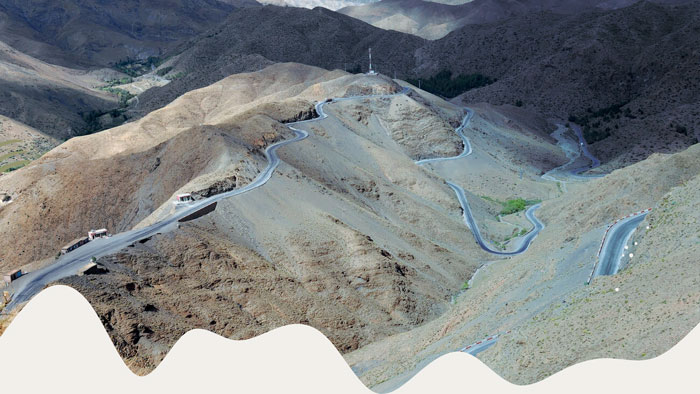
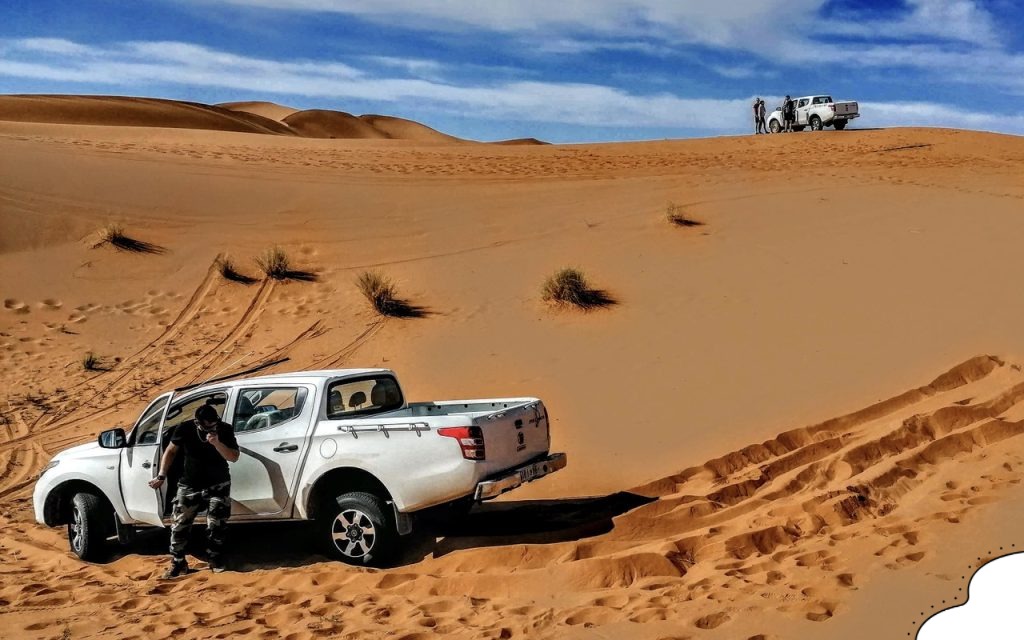
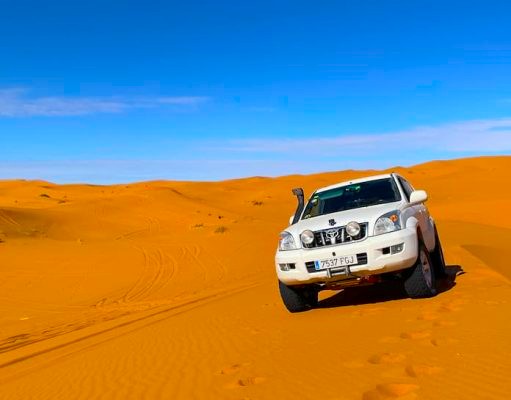
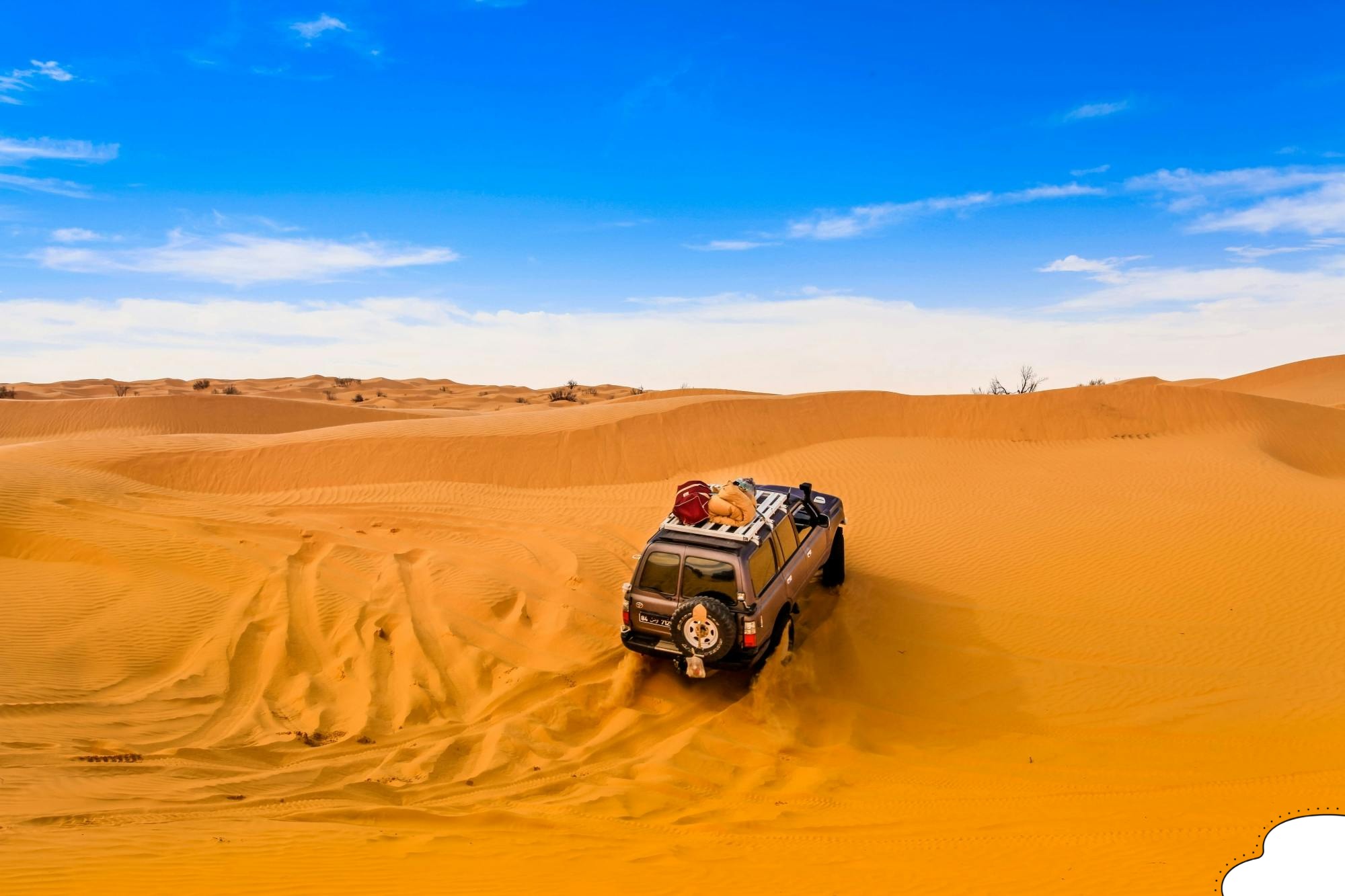
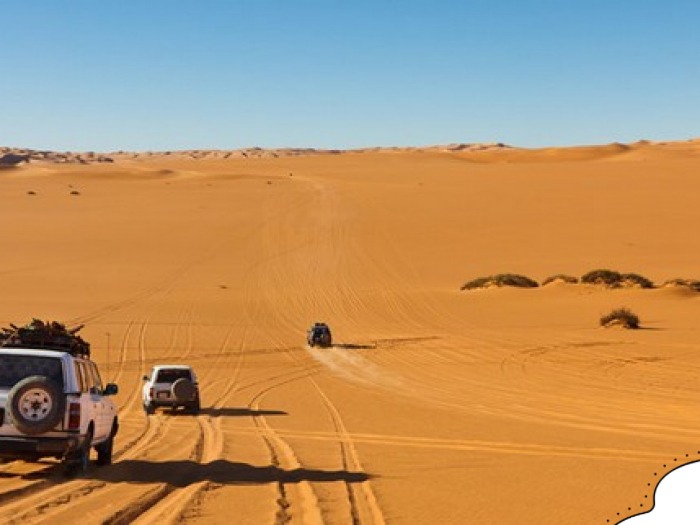
Marrakech to Merzouga Road Trip

Coastal and Road Cycling: Scenic Routes and Ocean Breezes

Morocco’s coastline offers incredible road cycling opportunities. Routes between Essaouira, Agadir, and El Jadida provide smooth roads, gentle inclines, and spectacular ocean views. Cycling along these routes allows you to experience coastal towns at a leisurely pace, stopping at local markets, cafes, and eco-friendly accommodations. For those who love the mix of culture and exercise, road cycling in Morocco offers a low-impact way to explore while supporting local businesses.

Desert Cycling: Adventure on the Dunes

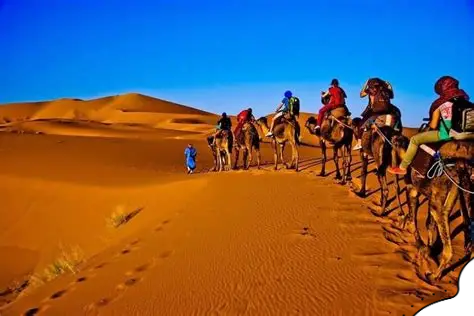
For a truly unique experience, cycling near the Sahara Desert is an unforgettable adventure. Areas around Merzouga and Erg Chebbi provide flat, open terrain that is perfect for eco-conscious desert excursions. Early morning or late afternoon rides allow you to enjoy the dramatic light on the dunes and the quiet solitude of the desert. Guided tours ensure you travel responsibly, protecting fragile ecosystems and learning about local nomadic life along the way.

Tips for Eco-Friendly Cycling in Morocco:

  • Always use a local guide when exploring remote trails.

  • Carry reusable water bottles and energy snacks to minimize waste.

  • Respect traffic rules and local communities when cycling near towns.

  • Choose eco-friendly accommodations and bike rentals that support sustainability.

Cycling in Morocco is more than just exercise—it’s a journey through spectacular mountains, tranquil valleys, and timeless deserts, all while leaving a light footprint. Whether you’re carving down Atlas passes, gliding along the Atlantic coast, or exploring desert expanses, every pedal stroke brings you closer to the country’s natural beauty and cultural heart.

Water-Based Eco-Activities in Morocco

Morocco isn’t just about mountains and deserts—the country’s coastline and rivers offer an array of eco-friendly water adventures. From the sparkling Atlantic Ocean to serene inland waterways, travelers can paddle, surf, and glide while enjoying the country’s natural beauty responsibly.

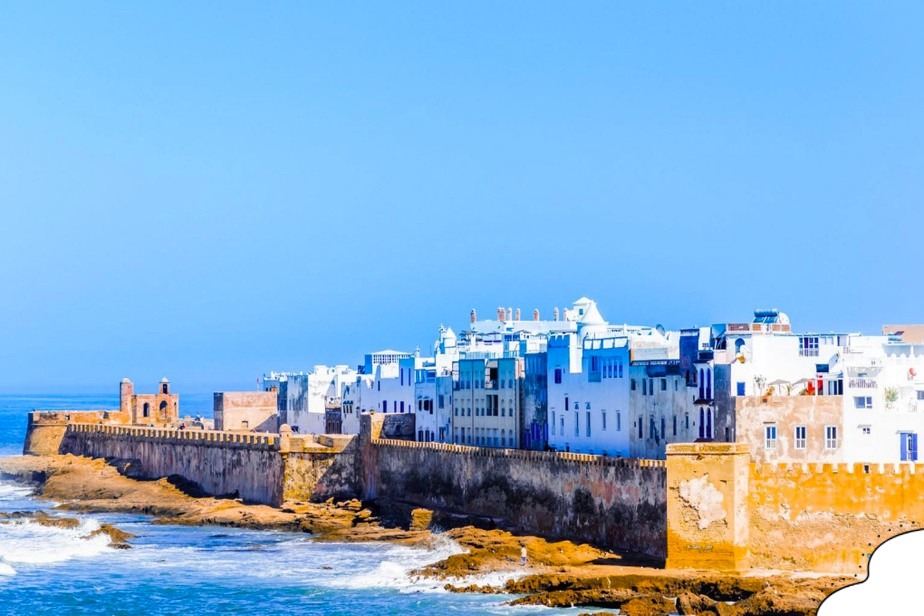
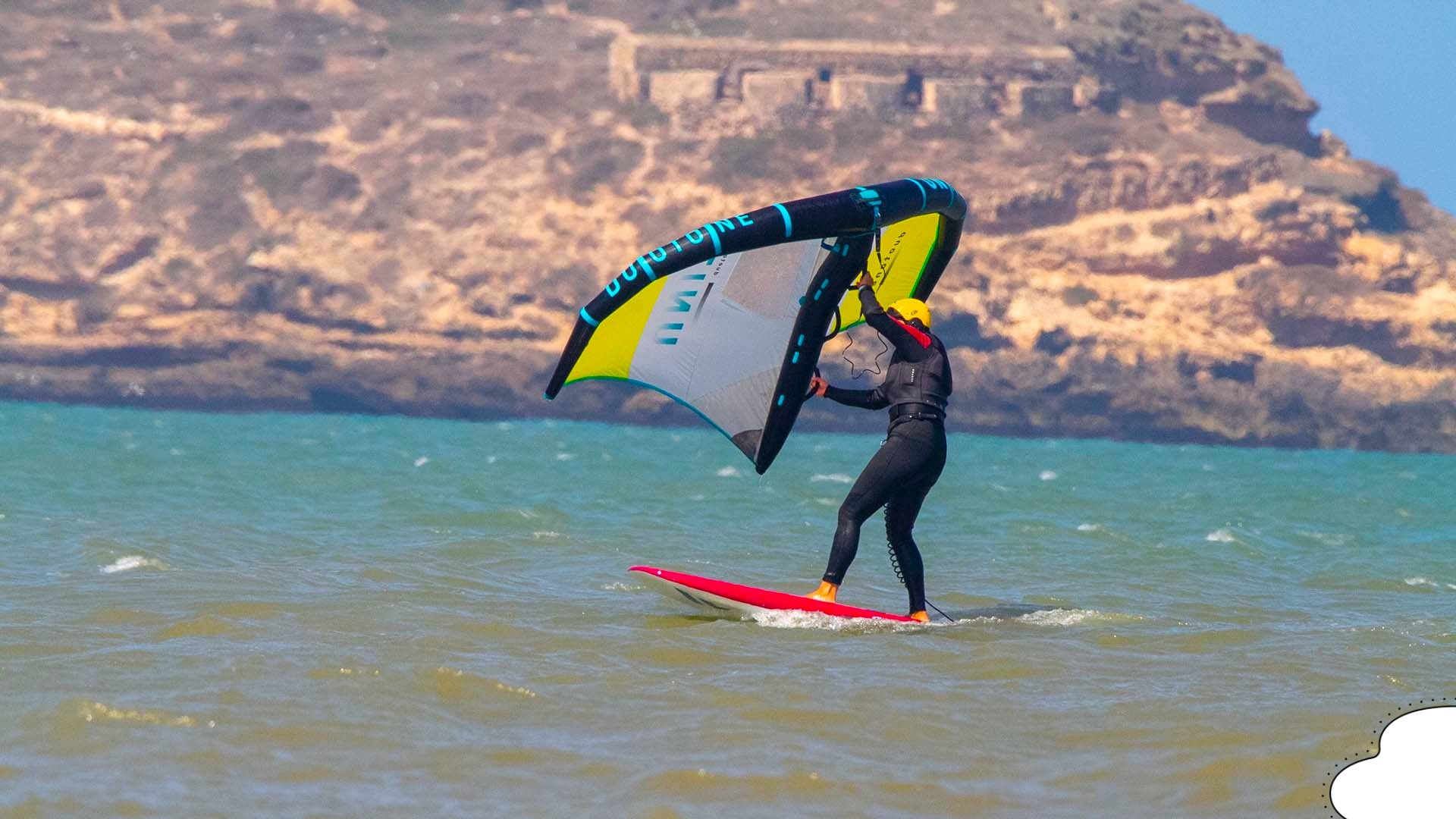
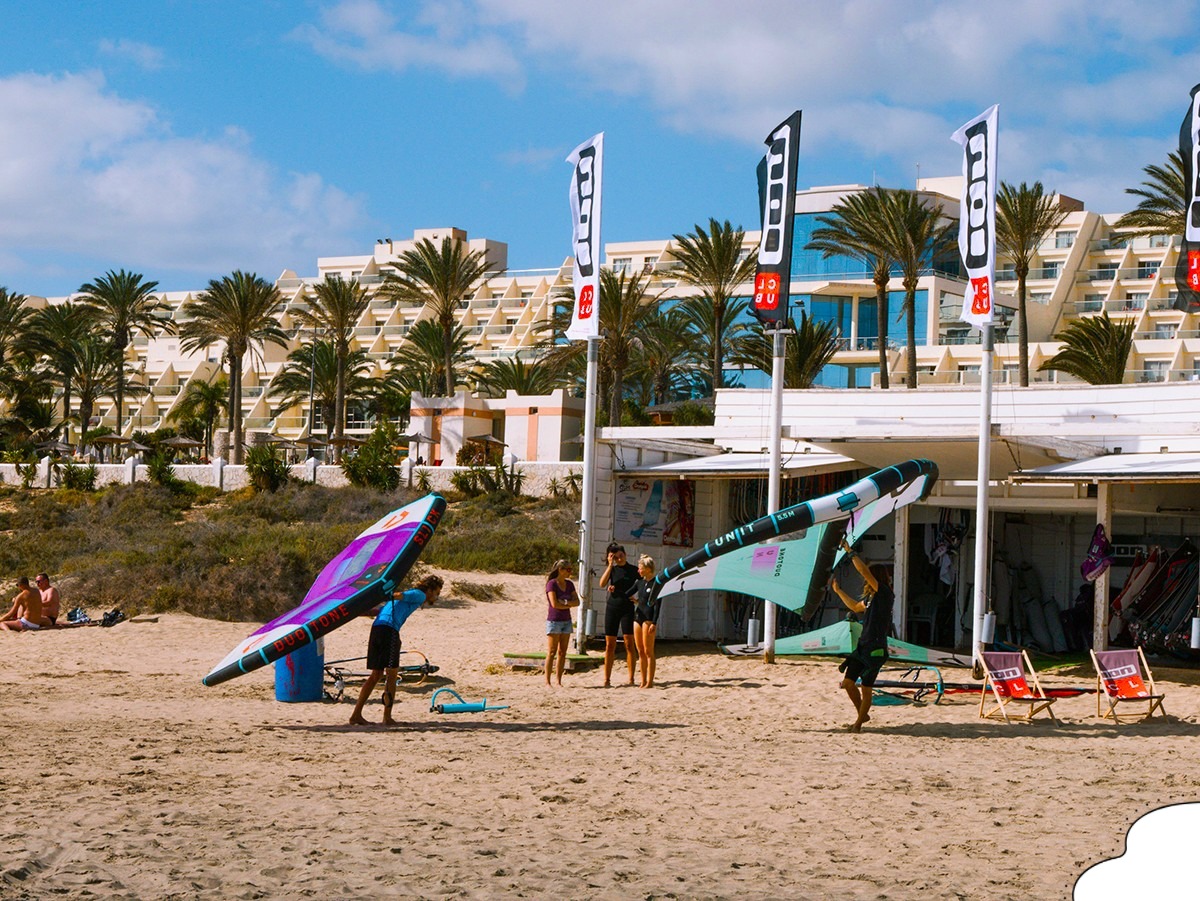
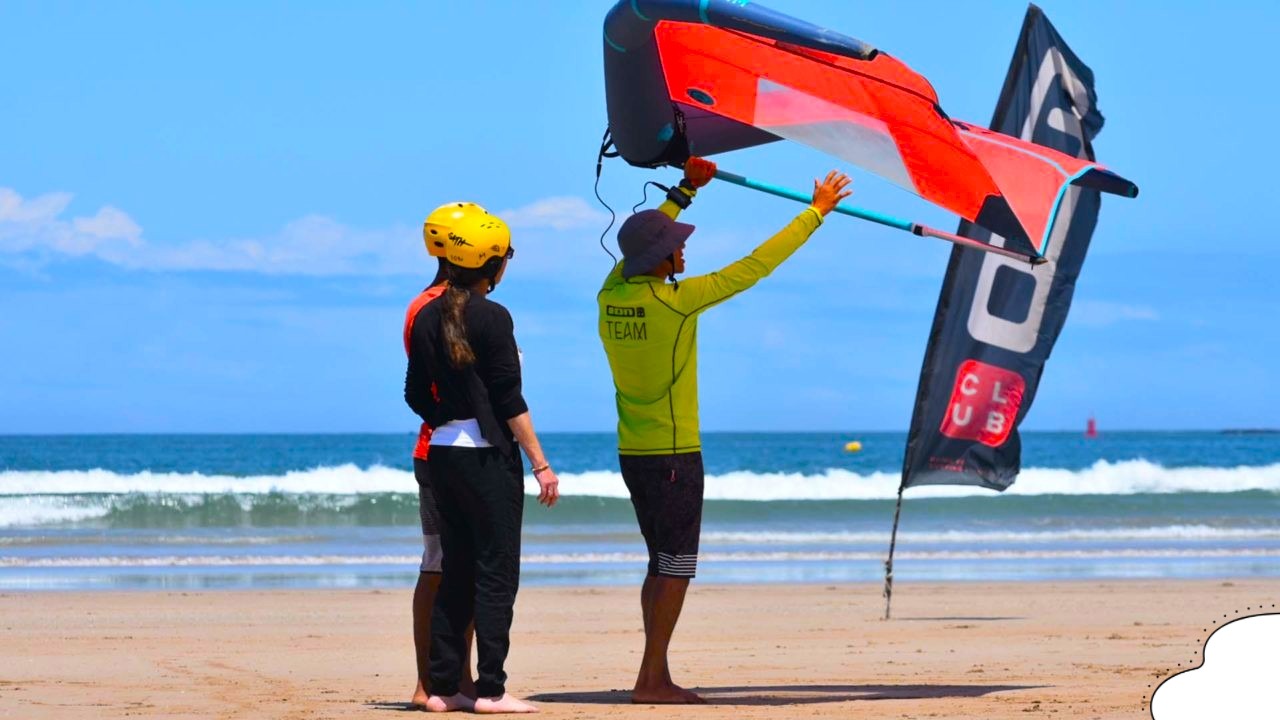
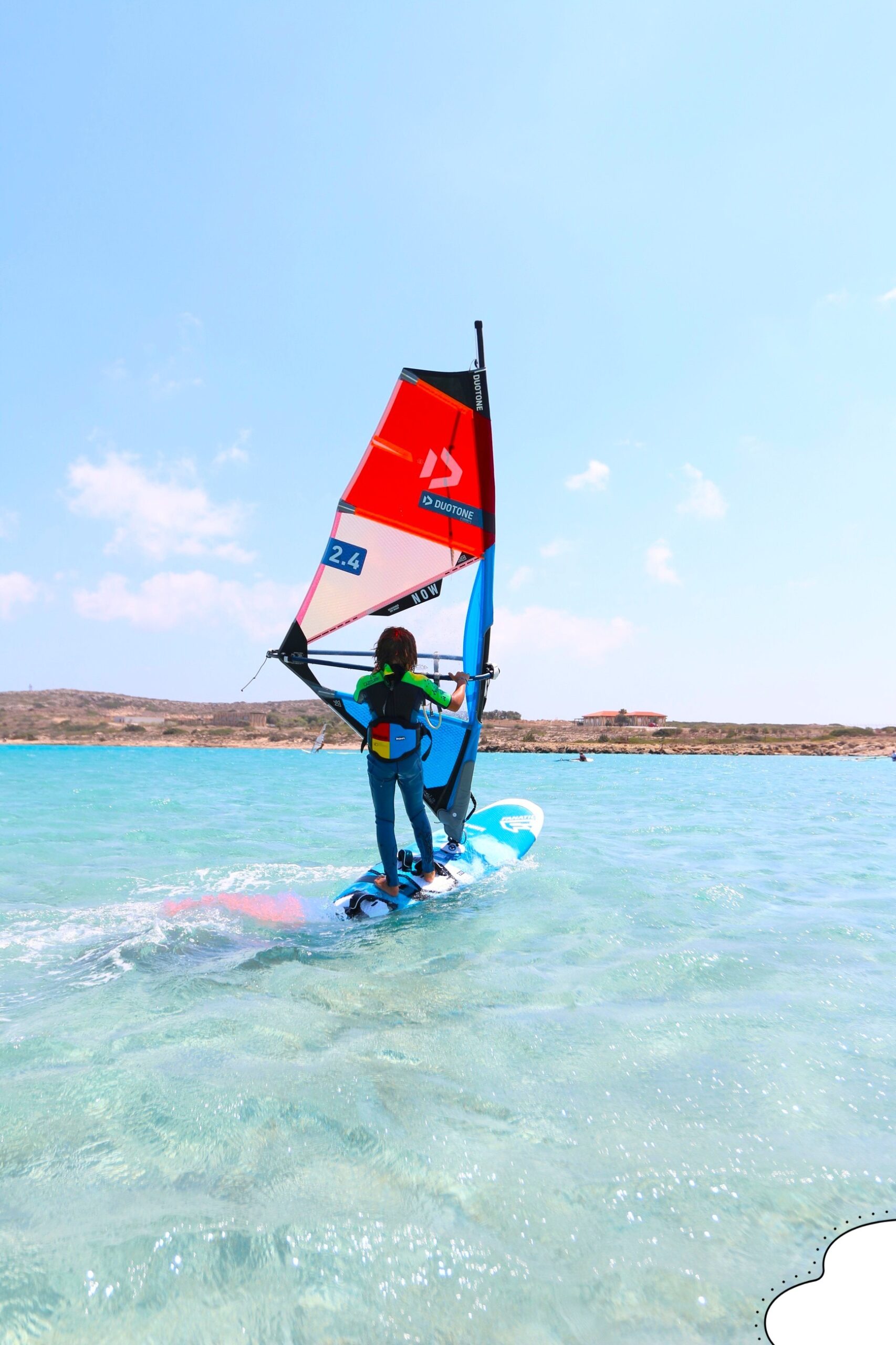
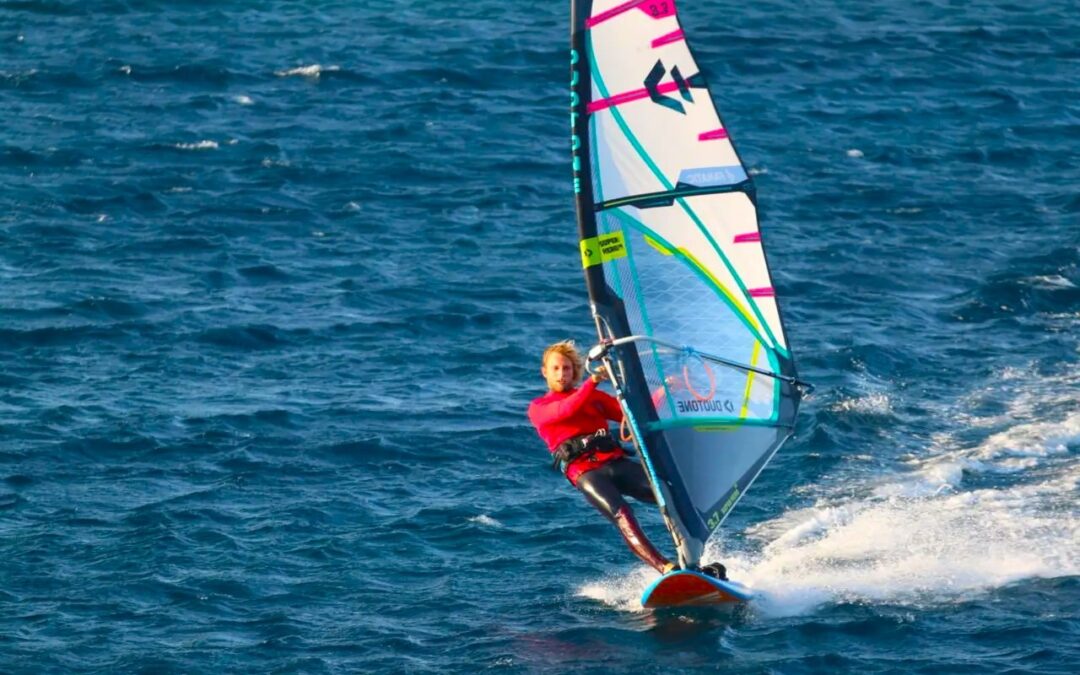
For those who love the ocean, Essaouira and Agadir are top destinations. The windswept beaches of Essaouira make it perfect for sustainable surfing, kiteboarding, and windsurfing, while Agadir’s calm waters are ideal for kayaking and paddleboarding. Many tour operators focus on eco-conscious practices, such as limiting group sizes, using non-motorized equipment, and educating visitors on local marine life. These experiences allow travelers to enjoy Morocco’s coastal beauty without disturbing fragile ecosystems.

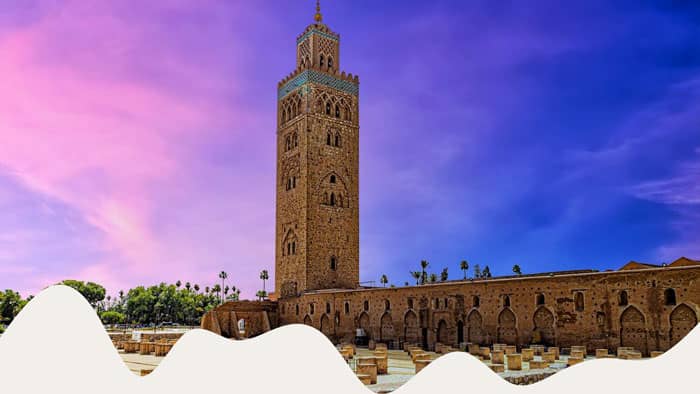
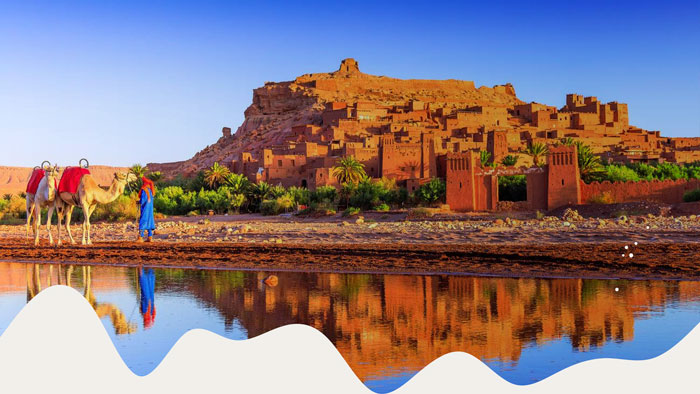
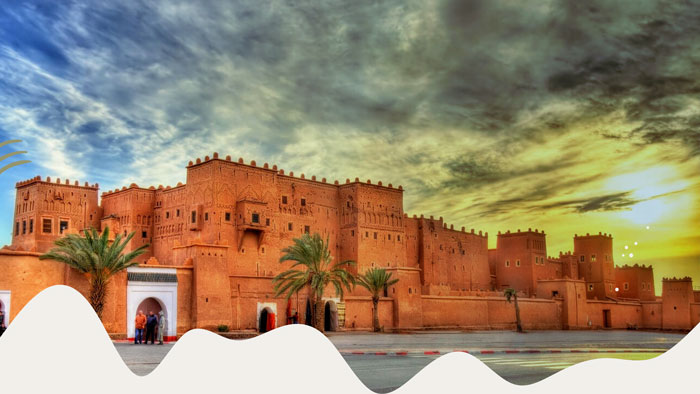
UNESCO World Heritage Sites in Morocco

In the south, near Dakhla, the combination of desert and ocean creates a unique playground for water sports enthusiasts. Here, lagoon kayaking and eco-friendly surfing adventures give you the chance to explore pristine waters, spot birdlife, and witness the delicate balance of coastal ecosystems. Dakhla is also home to sustainable lodges and camps that prioritize renewable energy and low-impact tourism, making it an ideal stop for eco-tourists in Morocco.

In addition to ocean adventures, Morocco’s rivers and lakes provide quieter, more reflective experiences. Kayaking along rivers in the Atlas foothills or on lakes near the Rif Mountains allows travelers to connect with nature in a calm, sustainable way. These eco-activities often include guided tours that teach about local flora and fauna, emphasizing conservation and responsible travel.

Tips for Eco-Friendly Water Activities:

  • Always choose non-motorized options like kayaking, paddleboarding, or windsurfing.

  • Respect wildlife, particularly birds and marine life, by keeping a safe distance.

  • Support local eco-guides and lodges to ensure sustainable tourism benefits the community.

  • Avoid leaving any waste behind—pack out everything you bring in.

Whether riding the waves, paddling through serene waters, or exploring lagoons, water-based eco-adventures in Morocco offer a perfect blend of excitement, nature, and sustainability. These experiences not only give you an unforgettable view of Morocco’s landscapes but also help preserve them for future travelers.

Your Green Adventure Awaits!

Ready to explore Morocco’s mountains, deserts, and coastlines responsibly? Whether you’re hiking through the Atlas, cycling along scenic routes, or enjoying sustainable water adventures, there’s a green experience waiting for you.

Wildlife and Nature Exploration in Morocco

Morocco is a country of remarkable biodiversity, where mountains, deserts, forests, and wetlands come together to create habitats for a wide range of wildlife. For eco-conscious travelers, exploring these natural areas offers a chance to witness Morocco’s unique flora and fauna while supporting eco-tourism in Morocco.

One of the country’s most popular destinations for wildlife enthusiasts is Souss-Massa National Park, a coastal reserve that shelters rare species such as the Northern Bald Ibis. Birdwatchers from around the world flock here to spot these endangered birds and observe migratory species in their natural habitat. Similarly, wetlands like Dayet Aoua y Merzouga Lake provide refuge for flamingos, herons, and other waterfowl, making them perfect spots for eco-friendly nature tours.

Eco-friendly activities in Morocco

In the mountains, Ifrane National Park and the High Atlas regions host Morocco’s unique mammal species, including the Barbary macaque. Hiking trails often pass through areas where you can see these monkeys in their natural environment, alongside a variety of endemic plants that color the landscape throughout the year. In the Anti-Atlas and desert regions, travelers may encounter gazelles, desert foxes, and other wildlife adapted to harsh climates, making each trek or cycling route an opportunity for discovery.

Visiting Morocco’s wildlife areas responsibly means traveling with respect and awareness. Guided tours led by knowledgeable local experts help minimize human impact while maximizing the educational and immersive experience. Simple actions, such as staying on trails, avoiding loud noises, and not feeding wild animals, make a huge difference in protecting these ecosystems.

Exploring Morocco’s natural reserves and wildlife-rich regions is more than just sightseeing—it’s a chance to connect deeply with the environment, understand the delicate balance of ecosystems, and support sustainable tourism initiatives. From birdwatching along the coast to spotting rare mammals in the mountains, Morocco offers endless opportunities for eco-conscious travelers to experience its wild side.

Eco-Friendly Accommodation & Supporting Local Communities

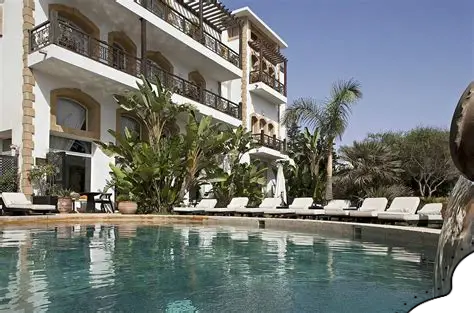
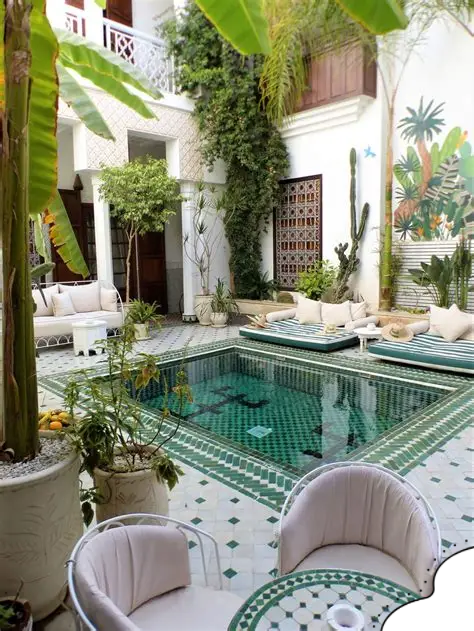
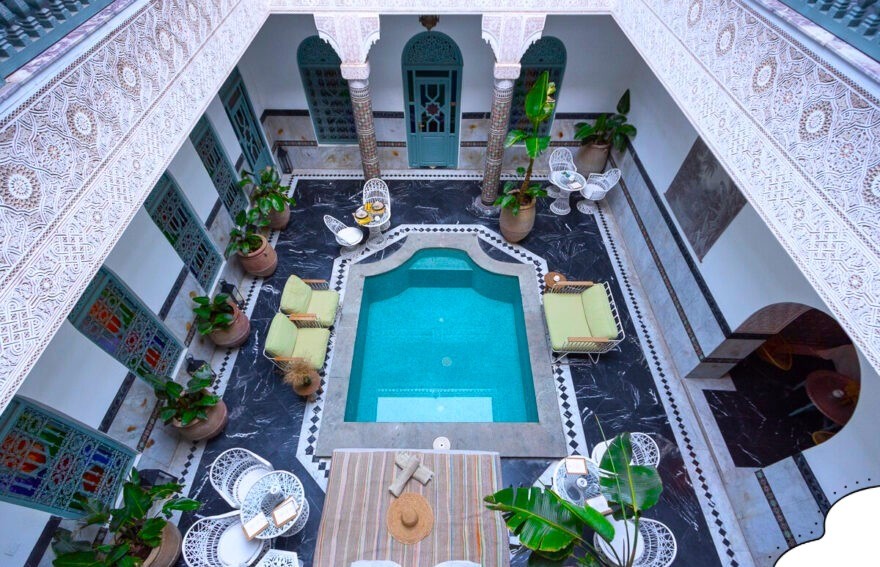
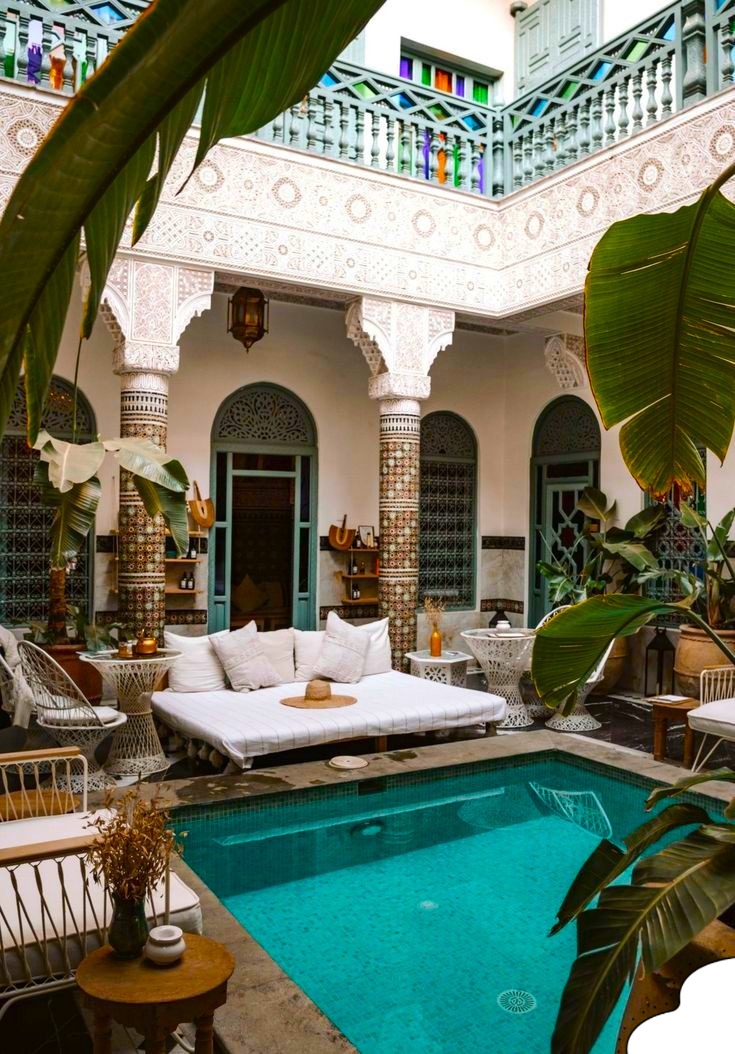
A truly sustainable adventure in Morocco isn’t just about the activities—it’s also about where you stay. Across the country, eco-lodges, green riads, and desert camps are leading the way in responsible tourism, combining comfort with environmentally conscious practices. Many of these accommodations use solar energy, source food locally, manage waste responsibly, and minimize water usage, allowing travelers to enjoy Morocco’s beauty without leaving a heavy footprint.

In the Atlas Mountains, eco-lodges nestled in valleys and foothills offer cozy stays that blend seamlessly with the landscape. Guests can wake up to the sound of birds, enjoy traditional Berber breakfasts, and participate in local agricultural or cultural activities that support the community. Staying in these lodges means that your visit directly contributes to the well-being of local families, empowering them to maintain their traditional way of life while benefiting from tourism.

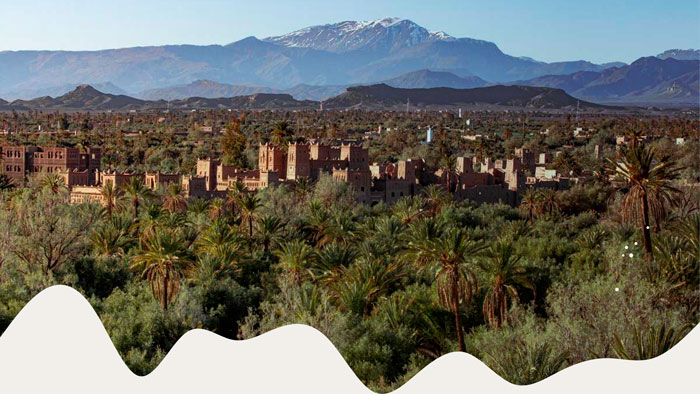
Hidden villages of the Atlas Mountains

In desert regions like Merzouga and the Anti-Atlas, sustainable desert camps allow visitors to experience the magic of the dunes without harming the fragile environment. Many camps work closely with local nomadic communities, offering guided camel treks, cultural performances, and meals prepared with locally sourced ingredients. This not only provides a more authentic experience but also ensures that tourism revenue stays in the hands of those who protect and preserve these landscapes.

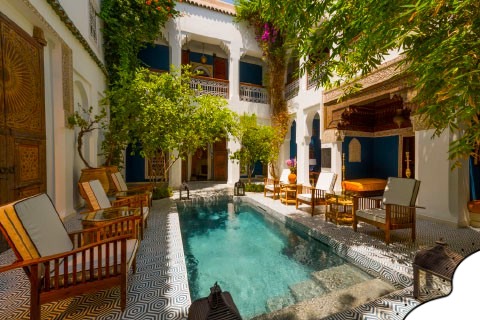
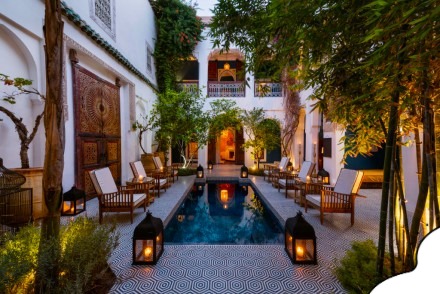
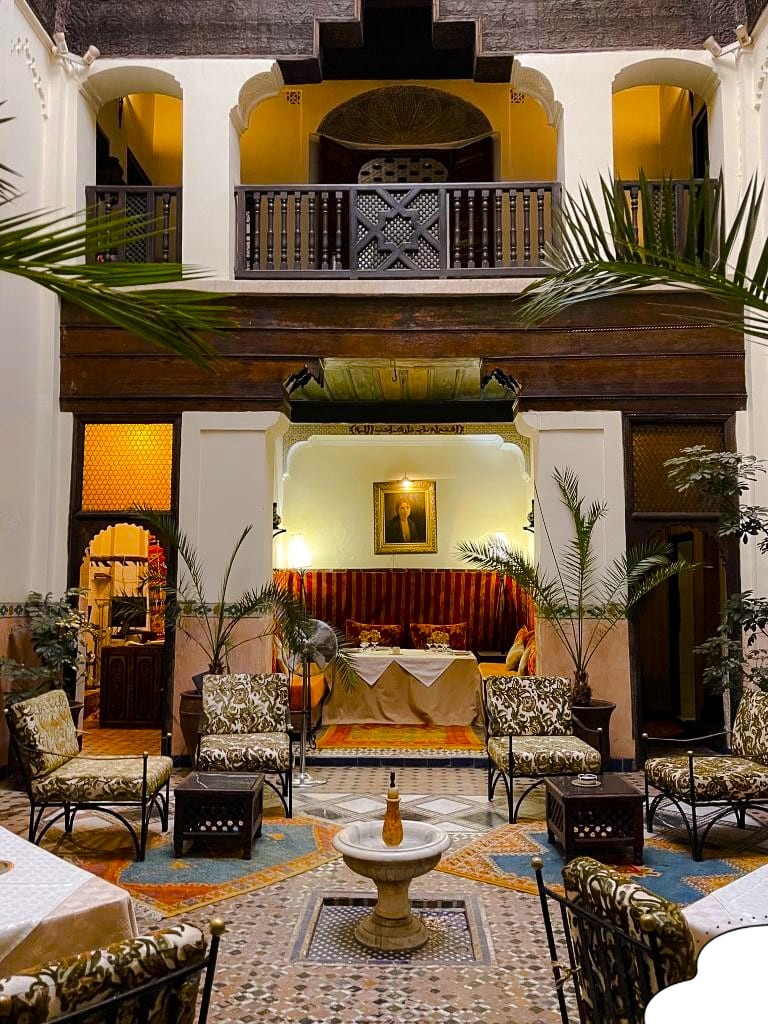
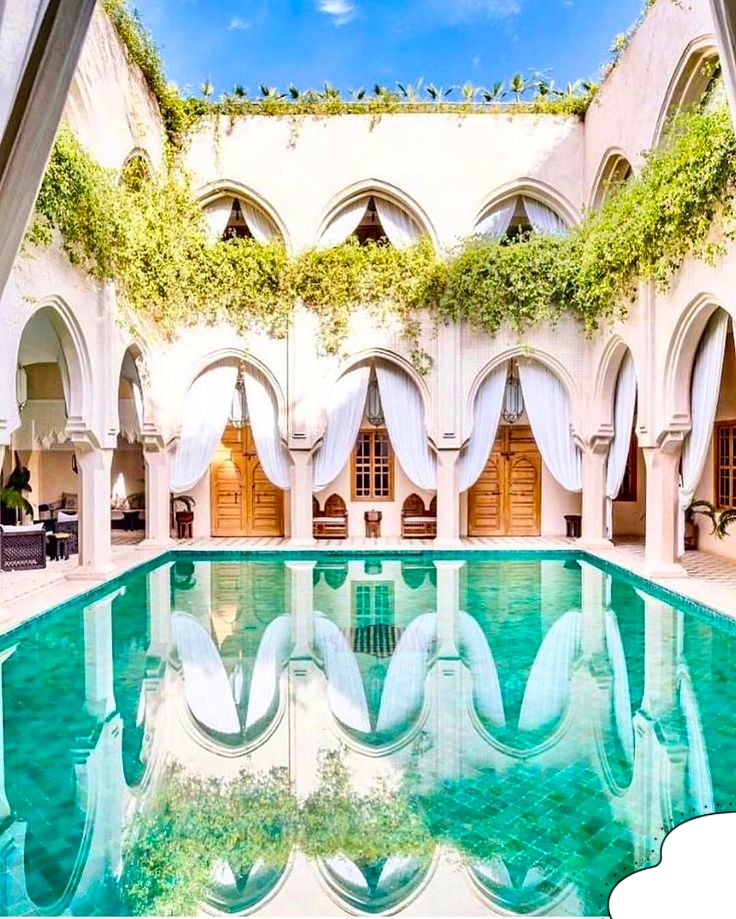
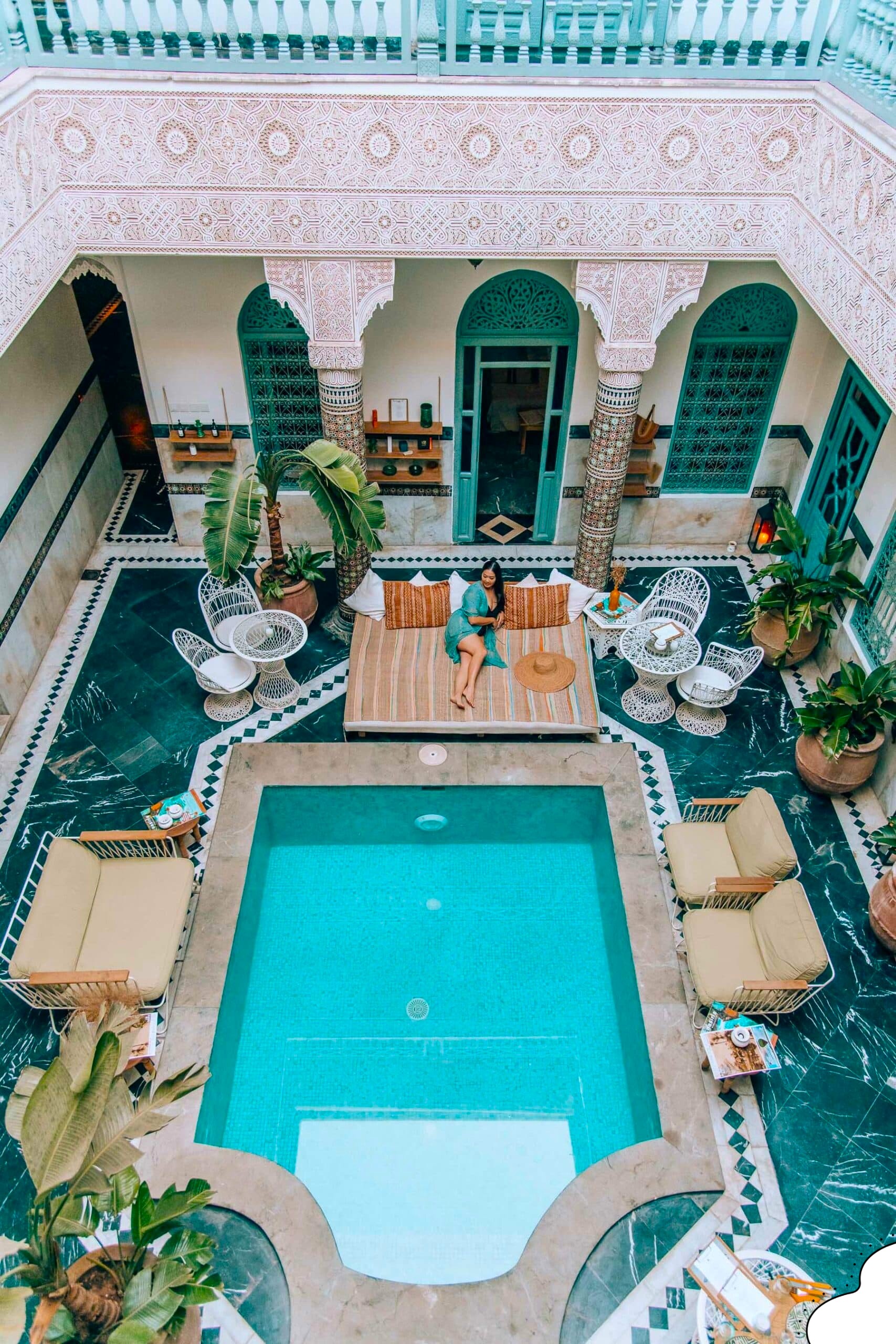
Even in cities and towns, eco-friendly riads and guesthouses are becoming more common. Many are involved in community initiatives, from supporting women’s cooperatives to promoting traditional crafts, ensuring that tourism has a positive social and environmental impact. By choosing these accommodations, travelers become part of a larger movement toward sustainable travel in Morocco.

When planning your stay, consider accommodations that prioritize eco-friendly practices and community support. Simple choices—like booking through locally owned businesses, reducing energy and water use during your stay, and respecting cultural practices—can make a huge difference. Morocco’s eco-conscious accommodations offer more than a place to sleep; they provide a meaningful connection to the people and landscapes that make your adventure truly unforgettable.

Tips for Green Travelers in Morocco

Exploring Morocco sustainably doesn’t require major sacrifices—it’s often about small, thoughtful choices that make a big impact. By embracing eco-friendly habits, travelers can enjoy the country’s beauty while protecting its landscapes, wildlife, and communities for future visitors.

One of the simplest ways to travel responsibly is to minimize single-use plastics. Carry reusable water bottles, shopping bags, and containers, especially when visiting remote areas or markets. Staying hydrated and shopping locally not only reduces waste but also supports Moroccan artisans and farmers who rely on tourism for income.

When venturing into mountains, deserts, or coastal areas, always stick to marked trails. This helps preserve fragile ecosystems and prevents soil erosion. Avoid disturbing wildlife, and never feed animals in the wild. By following these practices, hikers, cyclists, and water-based adventurers can enjoy Morocco’s natural wonders without harming them.

Supporting local communities is another essential aspect of eco-tourism. Choose locally guided tours, eat at family-run restaurants, and stay in eco-lodges or riads that reinvest in the community. Participating in workshops, craft demonstrations, or cultural experiences allows you to learn while giving back, creating a meaningful connection to the places you visit.

Finally, practice mindful travel by pacing your itinerary and taking the time to appreciate your surroundings. Slow travel reduces environmental impact, enhances your experience, and fosters a deeper understanding of Morocco’s landscapes and traditions.

By following these simple guidelines, every traveler can contribute to a greener, more sustainable Morocco, ensuring that its mountains, deserts, oceans, and communities continue to thrive for generations to come.

Conclusion: 

Morocco is a land of incredible diversity, where mountains, deserts, rivers, and coastlines come together to create unforgettable eco-adventures. From hiking through the High Atlas, Rif, and Anti-Atlas Mountains to cycling scenic roads, paddling along tranquil rivers, and exploring wildlife-rich reserves, the country offers endless opportunities for travelers who want to experience its beauty responsibly and sustainably.

Choosing eco-friendly activities in Morocco not only allows you to connect deeply with nature but also supports local communities and protects the environment for future generations. Staying in green lodges, participating in community-based experiences, and practicing mindful travel ensures that every adventure leaves a positive footprint.

Whether you’re seeking the thrill of a mountain trek, the serenity of a desert sunset, or the excitement of cycling along the coast, Morocco has something for every eco-conscious traveler. By embracing sustainable travel practices, you can explore this incredible country fully, knowing that your journey benefits both the landscapes you traverse and the people who call them home.

Start planning your green adventure in Morocco today and discover a side of the country that is as breathtaking as it is responsible.

Ouzoud Waterfalls Day Trip: A Complete Guide to One of Morocco’s Most Magical Natural Wonders

Ouzoud Waterfalls Day Trip: A Complete Guide to One of Morocco’s Most Magical Natural Wonders

Ouzoud Waterfalls Day Trip: A Complete Guide to One of Morocco’s Most Magical Natural Wonders

Planning an unforgettable getaway from Marrakech? An Ouzoud waterfalls day trip might be exactly what you’re looking for. Imagine cascading turquoise waters, the soothing sound of nature, playful Barbary macaques, and panoramic views that leave you speechless. Ouzoud isn’t just a scenic spot — it’s an experience, a place where adventure and relaxation meet. Whether you’re a nature lover, photographer, or traveler seeking peace away from the city, Ouzoud will exceed your expectations.

In this detailed guide, you’ll discover everything you need to know about planning the perfect Ouzoud waterfalls day trip — what to expect, the best time to visit, how to get there, and insider tips to make the most of your adventure.

Traveler enjoying Ouzoud waterfalls day trip from the top viewpoint.

Why An Ouzoud Waterfalls Day Trip Is a Must

Ouzoud Waterfalls, located in the Atlas Mountains, are among the highest and most iconic waterfalls in North Africa, plunging approximately 110 meters into a lush canyon. The name “Ouzoud” means “olive” in Berber, fitting since the surrounding hills are filled with ancient olive trees.

A day trip to Ouzoud is ideal for travelers looking to:

  • Escape Marrakech’s hustle and heat

  • Enjoy fresh mountain air

  • Experience breathtaking natural scenery

  • Explore local culture

  • Take Instagram-worthy photos

  • Discover one of Morocco’s most beautiful hidden gems

Unlike crowded tourist spots, Ouzoud’s peaceful ambiance and dramatic scenery make it perfect for both adventurous travelers and relaxation seekers.

Boat ride at the base of Ouzoud waterfalls during a day trip.

Getting to Ouzoud Waterfalls from Marrakech

One of the best things about an Ouzoud waterfalls day trip is how easy it is to access. Located about 150 km from Marrakech, the journey takes around 2.5 to 3 hours by car.

Transportation Options

1. Guided Tour from Marrakech
This is the most convenient option, especially for first-time visitors.
Benefits include:

  • Comfortable transportation

  • Professional driver or guide

  • Free time to explore, hike, or relax

  • Hassle-free planning

A guided tour also ensures you don’t miss key viewpoints or hidden spots.

2. Renting a Car
Perfect for independent travelers who love flexibility.
However, driving mountain roads requires caution.

3. Public Transportation
While possible, it’s less convenient and time-consuming.
If you want comfort and efficiency, this option may not be ideal.

Hiking path through olive trees during Ouzoud waterfalls day trip.

What to Expect When You Arrive

The first thing you’ll notice as you approach Ouzoud is the sound — the powerful rush of water echoing through the valley. Then comes the refreshing cool air, the greenery, and mesmerizing views.

Hiking Down to the Waterfall Base

A popular activity is the scenic hike from the top viewpoint down to the base of the falls. It’s a moderate trek that takes:

  • 30 to 45 minutes going down

  • 45 to 60 minutes going up

Along the way, you’ll find:

  • Local shops selling souvenirs

  • Artisans offering handmade crafts

  • Friendly villagers

  • Monkeys playfully swinging from tree branches

Don’t forget to bring comfortable shoes — the path can be steep and slippery in places.

Barbary monkeys spotted during Ouzoud waterfalls day trip.

Where to Eat: Local Restaurants with Stunning Views

There are several small restaurants and cafés near the waterfalls, offering:

  • Traditional Moroccan tagines

  • Fresh salads

  • Berber omelettes

  • Mint tea

Most are built into the hillside with terraces overlooking the falls. Eating lunch while listening to rushing water is an experience you will never forget.

Wildlife Encounters: The Playful Barbary Monkeys

One of Ouzoud’s most charming attractions is the group of wild Barbary macaques that call the area home. They’re friendly and often curious but should be approached gently.

Tips:

  • Don’t feed them

  • Keep your belongings close

  • Respect their space

They make great photos but remember that this is their natural habitat — be kind and responsible.

Ready to Dive into the Magic of Ouzoud?!

Experience breathtaking scenery, refreshing waterfalls, and the unforgettable beauty of Morocco’s natural landscapes with an Ouzoud Waterfalls Day Trip. Let expert local guides handle the details while you focus on enjoying every moment — from panoramic viewpoints to close-up encounters with nature.

Best Time to Visit Ouzoud Waterfalls

The falls are beautiful year-round, but each season has its charm.

Spring (March–May)

  • Pleasant weather

  • Flowing waterfalls from winter snowmelt

  • Ideal for hiking and photography

Summer (June–August)

  • Hot but refreshing

  • Perfect for swimming

  • Popular with Moroccan families

Autumn (September–November)

  • Warm temperatures

  • Fewer crowds

  • Excellent for relaxing

Winter (December–February)

  • Cold mornings and evenings

  • Green landscapes

  • Misty waterfall views — incredibly picturesque

Best Time to Visit Ouzoud Waterfalls

An Ouzoud waterfalls day trip is more than just a quick getaway; it’s a journey into nature’s heart. Stunning landscapes, thrilling activities, delicious food, and authentic cultural encounters make Ouzoud one of Morocco’s top destinations. Whether you’re a first-time visitor or a returning traveler, the waterfalls always offer something new to discover.

Don’t miss the chance to add this breathtaking experience to your itinerary — Ouzoud’s beauty will stay with you long after your trip ends.

Hiking in the Atlas Mountains: Your Ultimate Adventure Guide

Hiking in the Atlas Mountains: Your Ultimate Adventure Guide

Hiking in the Atlas Mountains: Your Ultimate Adventure Guide

If you’re looking to escape the bustle of city life and immerse yourself in nature, hiking in the Atlas Mountains is an experience you cannot miss. This majestic mountain range, stretching across Morocco, offers an incredible combination of dramatic peaks, lush valleys, traditional Berber villages, cascading waterfalls, and unforgettable cultural encounters.

Whether you’re a seasoned trekker seeking a challenging adventure or a casual hiker wanting a day trip from Marrakech, the Atlas Mountains cater to all levels. This guide will provide everything you need for a successful hiking in the Atlas Mountains experience — from trail suggestions and seasonal advice to local culture, wildlife encounters, safety tips, and insider advice for an unforgettable trip.

Hikers walking along a scenic trail in the Atlas Mountains.

Why Hiking in the Atlas Mountains Should Be on Your Bucket List

The Atlas Mountains are not only Morocco’s backbone but also a paradise for nature lovers and adventure seekers. Hiking here allows you to experience:

  • Spectacular peaks such as Mount Toubkal, the highest mountain in North Africa at 4,167 meters.

  • Breathtaking valleys filled with rivers, wildflowers, and olive groves.

  • Cultural immersion in Berber villages, where traditional life continues unchanged.

  • Hidden waterfalls and streams offering cool respites during your trek.

  • Wildlife encounters with Barbary macaques, birds of prey, and local flora.

Hiking in the Atlas Mountains is more than just a physical activity; it’s a chance to connect with Morocco’s natural beauty and cultural heritage.

Traditional Berber village seen during a hike in the Atlas Mountains.

Top Hiking Routes in the Atlas Mountains

Morocco’s Atlas Mountains offer a variety of hiking routes, ranging from easy day hikes Para multi-day trekking expeditions. Below are some of the most popular trails:

1. Toubkal National Park

  • Difficulty: Moderate to challenging

  • Highlights: Mount Toubkal summit, panoramic views, Berber villages

  • Notes: Ideal for experienced hikers or those looking for a multi-day trek. Hiring a local guide is highly recommended for safety and navigation.

2. Ourika Valley

  • Difficulty: Easy to moderate

  • Highlights: Waterfalls, lush valleys, traditional villages

  • Notes: Perfect for a day hike from Marrakech. Trails are scenic and accessible, making it ideal for beginners.

Sunset over the Atlas Mountains during a hiking adventure.

3. Imlil Valley

  • Difficulty: Moderate

  • Highlights: Terraced fields, local villages, streams, and mountain views

  • Notes: Offers both day hikes and overnight stays in local guesthouses, allowing a more immersive experience.

4. Oukaimeden Trails

  • Difficulty: Moderate to challenging

  • Highlights: Stunning snow-capped peaks in winter, alpine flora in spring

  • Notes: Popular for adventurous hikers and those combining hiking with winter sports.

The Best Time to Go Hiking in the Atlas Mountains

Choosing the right season ensures a safe and enjoyable hiking experience.

  • Spring (March–May): Pleasant temperatures, blooming wildflowers, flowing rivers — perfect for photography.

  • Summer (June–August): Warm weather and long daylight hours, ideal for higher altitude hikes. Valleys can be hot, so start early.

  • Autumn (September–November): Cooler temperatures, fewer crowds, stunning fall colors — excellent for both short and long hikes.

  • Winter (December–February): Snow at high altitudes such as Toubkal. Best suited for experienced hikers with proper gear.

Wildlife and natural scenery seen while hiking in the Atlas Mountains.

Essential Gear for Hiking in the Atlas Mountains

Packing the right gear ensures comfort, safety, and a memorable experience. Essentials include:

  • Sturdy hiking boots with ankle support

  • Layered clothing to adapt to varying mountain temperatures

  • Sun protection: sunscreen, hat, sunglasses

  • Reusable water bottle and snacks for energy

  • Map, compass, or GPS device

  • First aid kit

  • Camera for capturing stunning landscapes

Why Choose a Guided Hiking Experience

Guided hiking trips offer several advantages:

  • Local expertise in terrain, safety, and culture

  • Easier transportation and logistics

  • Access to hidden trails and waterfalls

  • Safety support in case of emergencies

Guided hikes also provide immersive cultural experiences, allowing you to connect with Berber communities and learn about their way of life.

Ready to explore Morocco’s most stunning mountain landscapes?

Hiking in the Atlas Mountains is a journey filled with adventure, culture, and natural beauty. Plan your trek today and discover hidden waterfalls, traditional Berber villages, and breathtaking panoramas.

Conclusion

Hiking in the Atlas Mountains is more than just a trek — it’s an immersive experience that combines natural beauty, cultural encounters, and adventure. From scenic valleys and towering peaks to waterfalls and friendly Berber villages, every step offers something new.

Whether you’re seeking a challenging summit or a peaceful day hike, the Atlas Mountains promise an unforgettable experience that will stay with you long after your journey ends. Lace up your boots, grab your camera, and explore the magic of Morocco’s Atlas Mountains today.

Moroccan Souks Shopping Guide: Your Ultimate Market Adventure

Moroccan Souks Shopping Guide: Your Ultimate Market Adventure

Moroccan Souks Shopping Guide: Your Ultimate Market Adventure

Exploring Morocco isn’t complete without wandering through its vibrant and bustling souks. These traditional markets are the heart of Moroccan culture, offering everything from handcrafted ceramics and colorful textiles to aromatic spices and intricate jewelry. Whether you’re in Marrakech, Fes, or Essaouira, a Moroccan Souks Shopping Guide will help you navigate these lively marketplaces, find authentic treasures, and enjoy a memorable shopping experience.

In this guide, we’ll cover everything you need to know: how to shop like a local, what to buy, tips for bargaining, and the best souks to visit. Whether you’re a first-time visitor or a seasoned traveler, this guide ensures your Moroccan shopping adventure is both fun and rewarding.

Stacks of aromatic spices in a Moroccan souk for Moroccan Souks Shopping Guide.

Why Explore Moroccan Souks?

Moroccan souks are more than just shopping destinations; they are cultural experiences. Visiting a souk allows you to:

  • Immerse yourself in Moroccan traditions and crafts

  • Discover hand-made goods passed down through generations

  • Savor the aromas of spices, teas, and local delicacies

  • Experience vibrant colors, sounds, and lively interactions with locals

A Moroccan Souks Shopping Guide helps you understand the organization of these markets, so you can shop efficiently and discover hidden gems without feeling overwhelmed.

Handcrafted leather goods in a Moroccan souk for Moroccan Souks Shopping Guide.

Top Moroccan Souks to Visit

Each city offers unique souks with specialties that reflect local culture. Here are some must-visit markets:

1. Marrakech Souks

  • Souk Semmarine: Known for textiles, leather goods, and carpets.

  • Souk Ableuh: Famous for citrus fruits, olives, and spices.

  • Souk des Bijoutiers: Jewelry and silver accessories.

Marrakech souks are a maze of alleyways, so take your time and follow a Moroccan Souks Shopping Guide to navigate efficiently.

Colorful Moroccan ceramics in a souk for Moroccan Souks Shopping Guide.

2. Fes Souks

  • Souk el Henna: Henna, perfumes, and natural dyes.

  • Souk el Attarine: Spices, teas, and traditional Moroccan medicines.

  • Tanneries of Fes: Leather goods dyed with natural pigments.

Fes is renowned for its traditional crafts, making it perfect for those seeking authentic Moroccan souvenirs.

3. Essaouira Souks

  • Fish Market Souk: Fresh seafood and local delicacies.

  • Souk Jdid: Textiles, jewelry, and local handicrafts.

  • Artisan Workshops: Famous for carved wood and thuya wood products.

What to Buy in Moroccan Souks

A Moroccan Souks Shopping Guide is incomplete without knowing what treasures to hunt for. Some must-buy items include:

1. Moroccan Rugs and Carpets

  • Handwoven from wool or silk

  • Patterns and colors vary by region

  • Great souvenirs or home décor

2. Leather Goods

  • Bags, slippers (babouches), jackets

  • High-quality leather from Fes or Marrakech

  • Look for tanneries to buy directly from artisans

3. Spices and Teas

  • Saffron, cumin, cinnamon, paprika

  • Mint tea leaves or herbal blends

  • Perfect for culinary enthusiasts

4. Ceramics and Pottery

  • Colorful tagines, bowls, and plates

  • Hand-painted with traditional Moroccan patterns

  • Ideal gifts or kitchen décor

5. Jewelry and Metalwork

  • Silver, gold, and brass items

  • Traditional Amazigh (Berber) designs

  • Earrings, necklaces, trays, and lamps

6. Textiles and Clothing

  • Kaftans, scarves, shawls

  • Hand-embroidered or woven fabrics

  • Great for souvenirs or gifts

Traditional Berber jewelry in a Moroccan souk for Moroccan Souks Shopping Guide.

How to Navigate Moroccan Souks

Moroccan souks can be overwhelming due to their size and bustling activity. Here’s how to make the most of your shopping adventure:

Step 1: Know the Layout

  • Souks are usually organized by product type

  • Use a Moroccan Souks Shopping Guide to plan your visit

Step 2: Observe and Explore

  • Walk through the alleys to see different options

  • Compare prices before making purchases

  • Look for authentic handmade goods rather than mass-produced items

Step 3: Bargaining Tips

Bargaining is a cultural norm in Moroccan souks. Some tips include:

  • Smile and be polite — it’s part of the experience

  • Start at half the asking price and negotiate

  • Be prepared to walk away if the price is too high

  • Remember, the goal is a fair price for both parties

Step 4: Stay Safe and Organized

  • Keep an eye on your belongings

  • Carry cash in small denominations

  • Wear comfortable shoes and clothing

Cultural Etiquette in Moroccan Markets

When exploring Moroccan souks, respecting local customs enhances your experience:

  • Dress modestly and respectfully

  • Ask permission before taking photos of people

  • Greet shopkeepers politely with “Salam”

  • Be patient — interactions and negotiations are part of the charm

Understanding local etiquette helps you build positive relationships and enjoy authentic interactions.

Ready to explore the vibrant alleys and colorful treasures of Moroccan markets?

Let us help you plan an unforgettable experience with our Moroccan Souks Shopping Guide. From traditional rugs to spices and jewelry, discover authentic souvenirs and cultural experiences in every souk.

Conclusion

A trip to Morocco is incomplete without visiting its legendary souks. This Moroccan Souks Shopping Guide ensures you make the most of your market adventure — finding authentic treasures, experiencing local culture, and learning the art of bargaining.

From Marrakech to Fes and Essaouira, each market offers unique souvenirs, lively interactions, and unforgettable memories. With the tips, itineraries, and insights in this guide, you’re ready to explore Moroccan souks like a local and bring home pieces of Morocco’s vibrant culture.

Moroccan Street Food Guide: Your Ultimate Culinary Adventure

Moroccan Street Food Guide: Your Ultimate Culinary Adventure

Moroccan Street Food Guide: Your Ultimate Culinary Adventure

Morocco is not only a country of breathtaking landscapes and rich culture but also a paradise for food lovers. If you want to truly experience Moroccan flavors, a Moroccan Street Food Guide is essential. From bustling medinas to lively night markets, street food in Morocco offers a mix of vibrant aromas, bold spices, and traditional recipes passed down through generations.

This guide will take you through the best street food experiences in Morocco, what dishes to try, tips for eating safely, and how to enjoy authentic Moroccan street cuisine like a local. Whether you’re in Marrakech, Fes, or Casablanca, this Moroccan Street Food Guide ensures an unforgettable culinary adventure.

Freshly prepared Msemen pancakes at a Moroccan street food stall for Moroccan Street Food Guide.

Why Explore Moroccan Street Food?

Street food in Morocco is more than a way to satisfy your hunger — it’s a cultural experience. Here’s why:

  • Authenticity: Street vendors often prepare recipes unchanged for decades.

  • Variety: From savory to sweet, there’s something for every palate.

  • Affordability: Tasty meals at a fraction of restaurant prices.

  • Social experience: Eat among locals and experience Moroccan hospitality.

Following a Moroccan Street Food Guide helps you find the best spots, avoid tourist traps, and enjoy the food safely.

Top Moroccan Street Food Dishes You Must Try

Morocco’s street food offers incredible variety. Here’s a breakdown of must-try dishes:

1. Moroccan Sandwiches (Bocadillos and Khobz)

  • Bocadillos: Often filled with merguez (spicy sausage), vegetables, and harissa.

  • Khobz sandwiches: Fresh bread filled with tagine leftovers, fried eggs, or cheese.

  • Tip: Try them in markets or near mosques for the most authentic flavors.

2. Harira Soup

  • Traditional tomato and lentil soup, often served during Ramadan.

  • Topped with herbs and lemon, it’s a warming, flavorful snack.

  • A street favorite in evening food stalls.

Fresh Moroccan sandwiches sold in a market for Moroccan Street Food Guide.

3. Moroccan Pancakes (Msemen and Baghrir)

  • Msemen: Flaky square pancakes served with honey or butter.

  • Baghrir: Spongy semolina pancakes with tiny holes for soaking syrup.

  • Best enjoyed fresh from street vendors in the morning or late afternoon.

4. Moroccan Grilled Meats

  • Merguez sausages: Spicy, red-colored sausages cooked over charcoal.

  • Kefta skewers: Minced meat seasoned with cumin, paprika, and coriander.

  • Often served with fresh bread or wrapped in flatbreads.

5. Sweets and Desserts

  • Chebakia: Sesame cookies shaped like flowers, soaked in honey.

  • Sellou: Nutty, spiced powder eaten during celebrations.

  • Corn on the cob (Maïs grillé): Grilled with butter, salt, and spices.

Traditional Baghrir pancakes served on a street food stall for Moroccan Street Food Guide.

Where to Find the Best Street Food in Morocco

Street food varies by city. Here’s a quick city guide based on this Moroccan Street Food Guide:

1. Marrakech

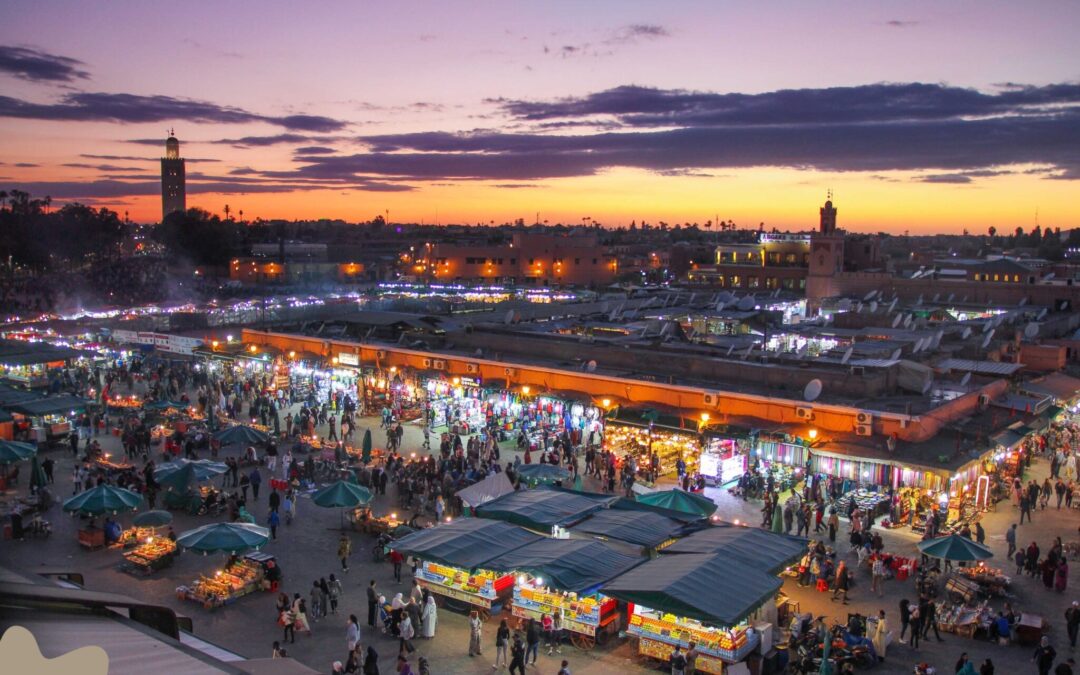
  • Jemaa el-Fnaa Square: Legendary for night-time food stalls.

  • Souk streets: Msemen, grilled meats, and fresh juices.

  • Tip: Arrive hungry in the evening for a full culinary tour.

2. Fes

  • Medina of Fes: Narrow alleyways packed with harira, sandwiches, and pastries.

  • Place Seffarine: Try traditional grilled meats and fresh mint tea.

3. Casablanca

  • Central Market (Marche Central): Fresh seafood, sandwiches, and sweets.

  • Anfa Boulevard food stalls: Great for trying local fast foods and snacks.

4. Essaouira

  • Port area: Freshly grilled seafood like sardines, calamari, and shrimp.

  • Main medina streets: Moroccan pancakes and sweets.

Marrakech street food scene with lively stalls for Moroccan Street Food Guide.

Tips for Enjoying Moroccan Street Food Safely

Eating street food is exciting, but safety is important. Follow these tips from this Moroccan Street Food Guide:

  • Watch food preparation: Choose stalls where food is freshly cooked.

  • Check hygiene: Observe how vendors handle ingredients.

  • Drink bottled water: Avoid ice unless you’re sure it’s clean.

  • Start small: Sample a few bites to see how your stomach reacts.

  • Avoid crowded hours for raw foods: Freshly cooked is always safer.

A Sample Moroccan Street Food Day Itinerary

If you want to taste as much as possible in one day, here’s a Moroccan Street Food Guide itinerary:

8:00 AM – Breakfast

  • Msemen with honey or baghrir pancakes at a local street stall.

10:00 AM – Mid-morning snack

  • Freshly squeezed orange juice or seasonal fruits from market stalls.

12:30 PM – Lunch

  • Kefta skewers, merguez sandwiches, and fresh bread in a busy souk.

3:00 PM – Sweet treats

  • Chebakia, almond pastries, or Moroccan donuts with mint tea.

6:00 PM – Evening feast

  • Jemaa el-Fnaa food stalls in Marrakech or Fes for harira, snails, and grilled meats.

8:00 PM – Dessert or late snack

  • Fresh fruit juices, roasted corn, or Moroccan pancakes.

Ready to embark on a culinary adventure through Morocco?

Let our Moroccan Street Food Guide show you the best places, dishes, and tips to enjoy the country’s incredible street food.

Conclusion

Moroccan street food is a feast for the senses — colorful, aromatic, and full of history. This Moroccan Street Food Guide ensures you discover the best dishes, navigate bustling markets, and savor every bite safely. From spicy grilled meats and traditional soups to sweet pastries and fresh juices, Morocco’s streets offer a culinary journey like no other.

Whether you’re wandering the medinas of Marrakech, exploring Fes, or enjoying coastal Essaouira, this guide equips you to eat, explore, and enjoy Moroccan street food like a true local. Don’t just visit Morocco — taste it!

Loading...
/*** Collapse the mobile menu - WPress Doctor ****/