M

+212 673 266 849

saharacameltours1@gmail.com

10 Compelling Reasons to Celebrate New Year’s in Morocco

10 Compelling Reasons to Celebrate New Year’s in Morocco

10 Compelling Reasons to Celebrate New Year’s in Morocco

1. Experience Morocco’s Unique Festive Traditions

Celebrating New Year’s in Morocco is unlike anywhere else in the world. While many countries rely solely on fireworks and parties, Morocco blends modern festivities with rich cultural traditions. In cities and villages alike, locals welcome the New Year with a combination of music, dancing, and delicious communal meals.

In some regions, families gather to share traditional dishes, such as harira soup, tagines, and sweet pastries, while exchanging wishes for health, happiness, and prosperity. In urban areas, you might witness vibrant street celebrations, while in smaller towns, the focus is on community gatherings and music around bonfires.

This mix of ancient customs and contemporary celebrations gives travelers a truly authentic Moroccan experience. Whether you’re in a bustling city or a serene village, immersing yourself in these unique traditions makes New Year’s in Morocco unforgettable.

2. Enjoy Spectacular Fireworks in Major Cities

Morocco’s major cities come alive on New Year’s Eve with dazzling fireworks displays that light up the night sky. Cities like Marrakech, Casablanca, and Rabat host spectacular shows in central squares, luxury hotels, and waterfront areas, offering a perfect blend of excitement and visual beauty.

For those seeking the best views, Marrakech’s Jemaa el-Fna Square provides a lively atmosphere with street performers, music, and fireworks overhead. In Casablanca, the coastline near the Corniche transforms into a festive hub where locals and travelers gather to welcome the New Year with cheers and celebration.

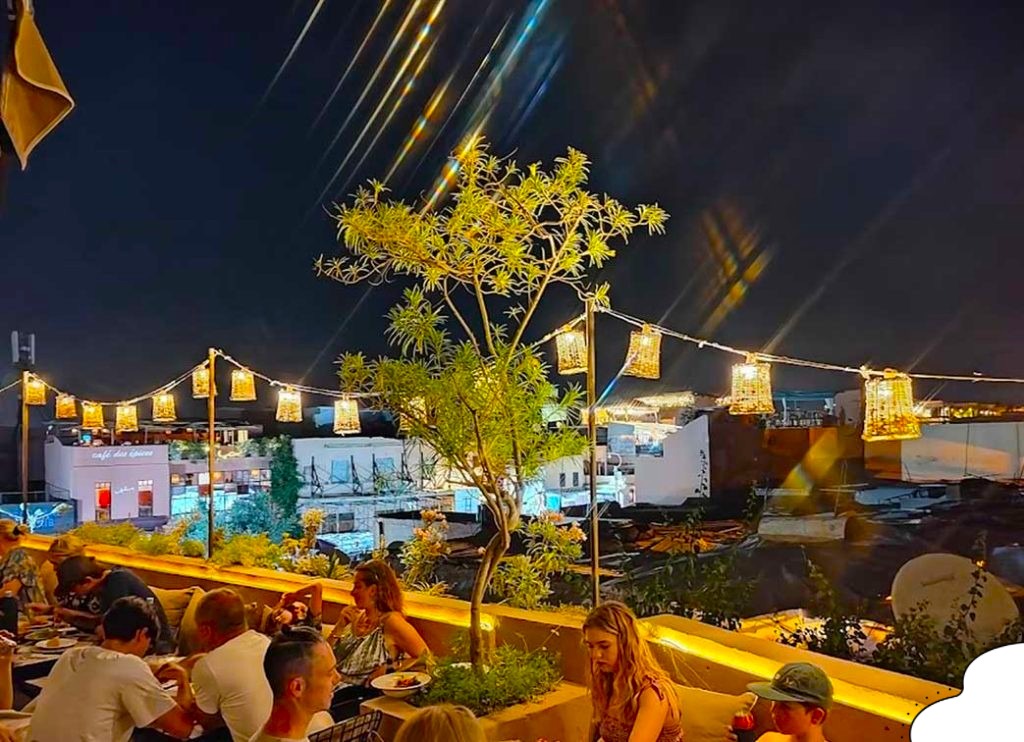
Whether you prefer to watch from a rooftop terrace, join a bustling city crowd, or enjoy a more intimate setting at a luxury resort, Morocco’s fireworks make the New Year’s Eve experience truly magical.

3. Attend Exclusive New Year’s Eve Parties

For travelers seeking a more glamorous celebration, Morocco offers a wide variety of exclusive New Year’s Eve parties. Luxury hotels and resorts in cities like Marrakech, Agadir, and Casablanca host gala dinners, themed parties, and live entertainment that create an unforgettable night.

In the desert, many desert camps in Merzouga and Zagora organize festive celebrations around bonfires under the starry sky, combining traditional Moroccan music with modern party vibes. Beach clubs along the Moroccan coast also offer themed events with DJs, cocktails, and fireworks, perfect for a lively start to the New Year.

Whether you are looking for a romantic evening, a family-friendly celebration, or a high-energy party, Morocco provides options that cater to every type of traveler, ensuring your New Year’s Eve is both unique and memorable.

4. Explore Morocco’s Magical Cities

Morocco’s cities transform into vibrant hubs of celebration during New Year’s, offering visitors a magical experience unlike any other. Marrakech, with its bustling Jemaa el-Fna Square, comes alive at night with street performers, food stalls, and festive lights, making it the perfect place to soak in the local atmosphere.

In Fes, the ancient medina glows with lanterns, and traditional music fills the air, creating an enchanting blend of history and festivity. Chefchaouen, the famous blue city, offers a more serene celebration with cozy cafes and intimate gatherings, while Essaouira, along the coast, hosts lively beachside festivities that combine music, dancing, and local cuisine.

Walking through Morocco’s cities during New Year’s allows travelers to experience the country’s rich culture, architecture, and nightlife simultaneously, making each moment memorable and perfect for photography and storytelling.

5. Celebrate Amidst the Stunning Moroccan Landscapes

One of the most unforgettable ways to ring in the New Year in Morocco is by celebrating amidst its breathtaking landscapes. From the golden sands of the Sahara Desert to the majestic peaks of the Atlas Mountains, Morocco offers natural settings that make the celebration truly unique.

Desert camps in Merzouga and Zagora provide cozy tents, bonfires, and traditional music under the star-filled night sky, creating a magical and intimate atmosphere far from the city crowds. For mountain lovers, the Atlas Mountains offer scenic views and the chance to enjoy outdoor activities like hiking, skiing, or cozying up in a mountain lodge with warm Moroccan hospitality. Coastal cities like Essaouira and Agadir offer seaside celebrations where you can welcome the New Year with the sound of waves and fireworks lighting up the sky.

Whether you prefer the desert, mountains, or coast, Morocco’s landscapes provide a stunning backdrop for creating memories that will last a lifetime.

6. Savor Moroccan Culinary Delights

No New Year’s celebration in Morocco is complete without indulging in its rich and flavorful cuisine. From festive feasts in luxury hotels to street food in bustling medinas, Moroccan food adds a delicious layer to your holiday experience.

During the New Year, families and restaurants alike serve traditional dishes such as harira soup, tagines, couscous, and pastilla, often accompanied by sweet pastries and desserts that symbolize prosperity and good fortune for the year ahead. Moroccan mint tea and local beverages are also an essential part of the celebrations, offering a taste of authentic hospitality.

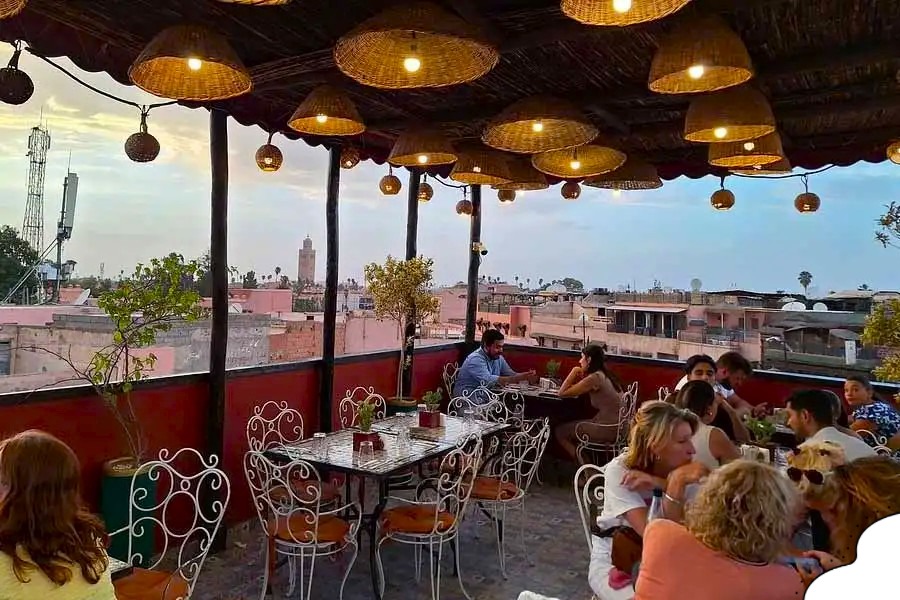
For food lovers, the season is a perfect opportunity to join a cooking class, visit local markets, or dine at rooftop restaurants while enjoying city lights or desert landscapes. Celebrating with Moroccan cuisine ensures that your New Year’s experience is not just festive but also a feast for the senses.

Celebrate the New Year in Morocco with us!

Discover the magic of vibrant cities, stunning deserts, and unforgettable experiences. Book your unforgettable Moroccan adventure today and start the year in style!”

7. Experience Moroccan Music and Entertainment

Morocco is famous for its vibrant music and cultural performances, and New Year’s Eve is the perfect time to experience them. From live Gnawa music and Andalusian melodies to contemporary bands and DJs, the country offers a wide range of entertainment for every taste.

In cities like Marrakech and Casablanca, you can enjoy live concerts, traditional dance performances, and even belly dancing shows in luxury hotels or cultural venues. In smaller towns and desert camps, locals often gather around bonfires for storytelling, drumming, and singing, offering travelers an authentic glimpse into Moroccan traditions.

Whether you’re looking for high-energy parties, cultural performances, or intimate musical evenings, Morocco’s entertainment scene ensures that your New Year’s celebration is filled with rhythm, joy, and unforgettable moments.

9. Warm Weather and Mild Winter Climate

Morocco offers a pleasant winter escape, making it an ideal destination for celebrating the New Year. While much of Europe and North America face cold temperatures, Morocco enjoys mild days and comfortable evenings, especially in cities like Marrakech, Agadir, and Essaouira.

This favorable climate allows travelers to celebrate outdoors, whether it’s watching fireworks, strolling through medinas, or enjoying beachside parties. Even in the Atlas Mountains or the Sahara Desert, temperatures are generally moderate, allowing for activities like camel rides, hiking, or desert camping without the harsh winter chill.

For those seeking a sunny and enjoyable start to the year, Morocco’s climate provides the perfect setting to combine sightseeing, adventure, and festive celebrations comfortably.

10. Create Unforgettable Memories

Celebrating New Year’s in Morocco is more than just attending parties or watching fireworks; it’s about creating memories that will last a lifetime. From exploring vibrant cities and majestic landscapes to indulging in local cuisine and enjoying traditional music, every moment becomes part of an unforgettable experience.

Whether you are traveling with friends, family, or as a couple, Morocco offers the perfect combination of culture, adventure, and celebration. Watching the sunrise over the Sahara Desert, dancing to live music in Marrakech, or sharing a feast with locals, each experience becomes a story you’ll cherish forever.

By welcoming the New Year in Morocco, you not only celebrate a new beginning but also immerse yourself in a rich, colorful, and truly unique culture, ensuring your holiday is extraordinary and memorable.

Conclusion

Morocco offers a unique and unforgettable way to celebrate the New Year, combining vibrant city life, stunning landscapes, rich traditions, delicious cuisine, and lively entertainment. Whether you’re exploring bustling medinas, enjoying desert nights under the stars, or attending exclusive parties, every moment in Morocco is filled with excitement and cultural richness.

Start your year with a celebration that goes beyond the ordinary. Plan your New Year’s trip to Morocco today and experience a holiday full of adventure, warmth, and unforgettable memories.

Things Not to Do in Morocco: What to Avoid as a Traveler

Things Not to Do in Morocco: What to Avoid as a Traveler

Things Not to Do in Morocco: What to Avoid as a Traveler

Morocco is a fascinating destination where ancient traditions meet vibrant modern life. From the bustling souks of Marrakech to the quiet villages of the Atlas Mountains and the vast Sahara Desert, the country offers unforgettable experiences for travelers. Moroccans are generally warm, welcoming, and proud of their culture, but like any destination, there are certain behaviors that visitors should avoid.

Understanding what not to do in Morocco is not about following strict rules; it’s about showing respect, avoiding misunderstandings, and traveling more confidently. Simple cultural missteps, often made unintentionally, can lead to uncomfortable situations or unnecessary stress, especially for first-time visitors.

This guide is designed to help you navigate Morocco smoothly by highlighting common mistakes travelers make and how to avoid them. Whether you’re visiting for a short city break, a desert tour, or a longer cultural journey, knowing these do’s and don’ts will help you enjoy a more authentic, respectful, and rewarding Moroccan experience.

Cultural & Social Mistakes to Avoid

Morocco has a rich cultural identity shaped by centuries of tradition, religion, and community values. While visitors are not expected to know every custom, being mindful of social norms can go a long way in creating positive interactions with locals. Many misunderstandings happen simply because travelers apply Western habits in a different cultural context.

1 Disrespecting Local Customs

One of the biggest mistakes travelers make is assuming that cultural norms are flexible everywhere. Moroccan society places a strong emphasis on respect, especially toward elders, religion, and local traditions. Making jokes about customs, criticizing ways of life, or comparing Morocco negatively to other countries can come across as offensive, even if not intended that way.

A good rule of thumb is to observe first and follow the lead of locals. Politeness, patience, and humility are always appreciated and often rewarded with warmth and hospitality.

2 Public Displays of Affection

Public displays of affection are another area where cultural differences are noticeable. While holding hands is generally acceptable for married couples, kissing or intimate gestures in public can attract unwanted attention or make locals uncomfortable—particularly in smaller towns and conservative areas.

Tourist hubs like Marrakech or coastal cities may be more relaxed, but it’s still wise to be discreet. Respecting local sensibilities helps you blend in and avoid awkward situations.

3 Dressing Inappropriately

What you wear in Morocco matters more than many travelers expect. While there is no strict dress code for tourists, revealing clothing, such as very short shorts, crop tops, or low-cut outfits, can be seen as disrespectful, especially in rural areas or religious sites.

Dressing modestly doesn’t mean sacrificing comfort. Lightweight, loose-fitting clothing that covers shoulders and knees is both practical and culturally appropriate. By dressing respectfully, you’ll not only feel more comfortable but also receive more positive interactions from locals.

Behavior & Etiquette You Should Avoid

Daily interactions in Morocco are guided by unwritten social rules that emphasize respect, patience, and courtesy. While Moroccans are generally understanding toward visitors, certain behaviors can be seen as rude or inappropriate, even if they seem normal in other countries.

Using Your Left Hand Improperly

In Moroccan culture, the left hand is traditionally associated with hygiene and is not used for eating or offering items. Handing money, food, or gifts with your left hand may be considered impolite, especially in more traditional settings.

Whenever possible, use your right hand, or both hands, when greeting someone, paying for something, or accepting items. This small gesture is a sign of respect and is often noticed and appreciated by locals.

Photographing People Without Permission

Taking photos freely can be a sensitive issue in Morocco. Photographing people, particularly women, elders, or individuals in rural areas, without asking first is considered disrespectful. In busy souks, some locals may also expect payment if you take their photo, especially street performers or artisans.

To avoid misunderstandings, always ask for permission before taking close-up photos of people. A simple smile and gesture usually go a long way. If someone says no, respect their decision and move on.

Losing Your Temper in Public

Raising your voice, arguing loudly, or showing anger in public is generally frowned upon in Morocco. Such behavior can escalate situations quickly and may draw unwanted attention rather than resolve a problem.

If you encounter an issue, whether with a vendor, driver, or service provider, staying calm and polite is the most effective approach. Moroccans value composure and patience, and problems are more likely to be solved through respectful conversation.

Travel & Safety Mistakes to Avoid

Morocco is generally a safe country for travelers, but like any popular destination, it has its own set of challenges, especially in busy cities and tourist areas. Many negative experiences can be avoided by staying alert, informed, and realistic about common travel situations.

1 Trusting Everyone Too Quickly

Moroccans are famously friendly and helpful, but travelers should be cautious about unsolicited assistance, particularly in medinas and near major attractions. Offers to “guide” you, help with directions, or show you a shortcut often come with an expectation of payment, even if this isn’t mentioned upfront.

This doesn’t mean you should be suspicious of everyone, but it’s wise to politely decline help unless you’ve asked for it or are dealing with an official guide. A firm but friendly “no, thank you” is usually enough.

2 Ignoring Local Advice

Another common mistake is disregarding advice from hotel staff, riad hosts, or licensed guides. Locals often know which areas to avoid at night, which routes are safer, and how to handle local transportation.

Listening to local advice can save you time, money, and unnecessary stress, especially in unfamiliar cities or during late hours.

3 Not Being Aware of Common Scams

While Morocco is not dangerous, petty scams do exist, particularly in high-traffic tourist areas. These may include overcharging, fake guides, distraction techniques, or staged “helpful” encounters.

Being informed is your best defense. Keep valuables secure, avoid displaying large amounts of cash, and trust your instincts. If something feels off, it usually is.

What Not to Do in Souks & Markets

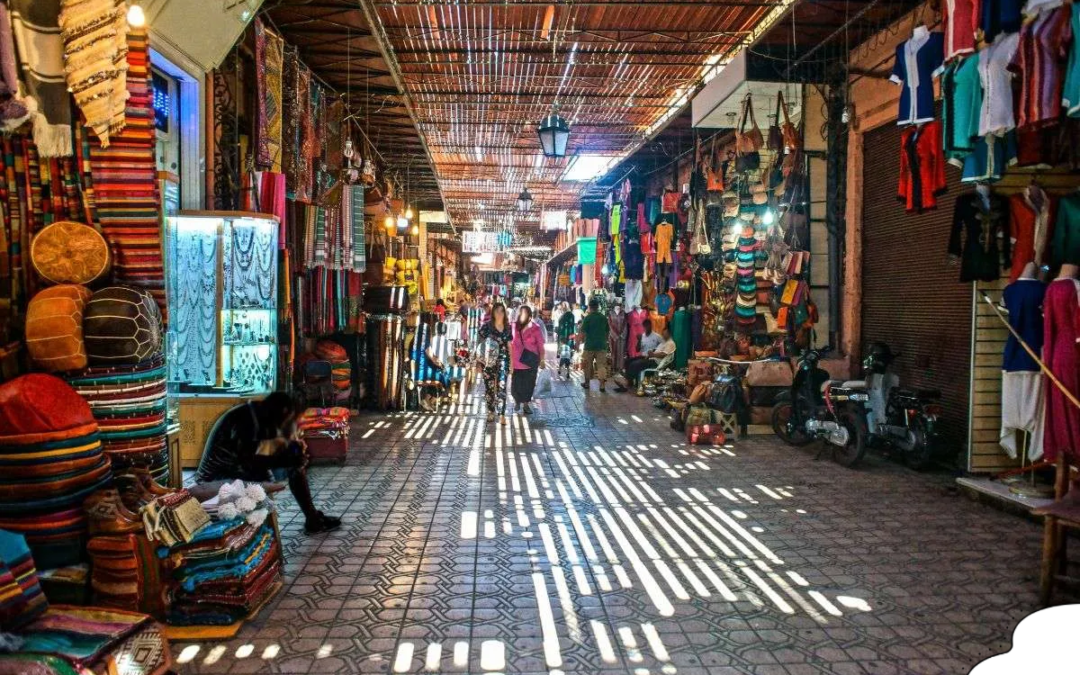
Moroccan souks are lively, colorful, and full of energy, but they can also feel overwhelming for first-time visitors. Understanding how to behave in markets will help you enjoy the experience while avoiding awkward or uncomfortable moments.

1 Showing Too Much Interest Too Fast

One of the biggest mistakes in a souk is showing strong interest in an item right away. Picking something up eagerly, asking too many questions, or praising it excessively often signals to the seller that you’re ready to buy at a higher price.

A better approach is to browse calmly, compare prices at different stalls, and maintain a neutral reaction. Even if you love an item, a relaxed attitude gives you more bargaining power.

2 Bargaining Aggressively or Disrespectfully

Bargaining is part of Moroccan market culture, but it should always be done with respect. Being overly aggressive, mocking prices, or pressuring vendors can quickly sour the interaction.

Think of bargaining as a friendly conversation rather than a battle. Smile, stay polite, and aim for a price that feels fair to both sides. If you can’t agree, it’s perfectly acceptable to thank the seller and walk away.

3 Walking Away After Agreeing on a Price

Once you’ve verbally agreed on a price, walking away without buying is considered rude. Even if no money has exchanged hands, a verbal agreement carries weight in Moroccan culture.

If you’re not sure you want to buy something, avoid negotiating seriously. A polite “just looking, thank you” helps prevent misunderstandings and keeps the interaction respectful.

Food & Dining Mistakes to Avoid

Moroccan cuisine is one of the highlights of any trip, known for its rich flavors, spices, and hospitality. However, dining customs may differ from what many travelers are used to, and a few common mistakes can unintentionally cause discomfort or offense.

1 Refusing Hospitality Abruptly

In Morocco, sharing food and tea, especially mint tea, is a strong symbol of hospitality and friendship. Flatly refusing an offer without explanation can come across as impolite, even if no offense is intended.

If you don’t wish to accept, a warm smile and a polite excuse such as “maybe later” or “thank you, I’ve already eaten” is usually well received. Showing appreciation matters more than saying yes.

2 Drinking Tap Water in Certain Areas

While tap water may be safe in some larger cities, it’s best to avoid drinking it in many parts of Morocco, particularly in rural areas. Doing so is a common mistake that can lead to stomach discomfort during your trip.

Stick to bottled water for drinking and brushing your teeth when in doubt, and be cautious with ice cubes and raw foods washed in tap water.

3 Eating in Public During Ramadan

During the holy month of Ramadan, Muslims fast from sunrise to sunset. Eating, drinking, or smoking in public during fasting hours is considered disrespectful, even for non-Muslims.

Many hotels and tourist-friendly restaurants remain open and provide discreet dining options. Being mindful of this cultural practice shows respect and helps you avoid uncomfortable situations.

Plan your Moroccan adventure with us!

Explore bustling souks, majestic deserts, and historic cities while traveling respectfully and confidently. Let us help you experience the best of Morocco without the cultural missteps.

Avoid Public Displays of Affection

Morocco is a predominantly Muslim country with conservative social norms. Public displays of affection, such as kissing or hugging, are considered inappropriate, especially in rural areas and small towns. While tourists are generally tolerated, it’s respectful to keep physical affection private to avoid offending locals or attracting unwanted attention.

Tips:

  • Hold hands discreetly if needed.
  • Save kisses and hugs for private settings, like hotel rooms.
  • Be mindful of cultural differences, particularly when visiting religious or traditional areas.

Don’t Disrespect Religious Sites

Morocco is home to many beautiful mosques and religious landmarks, but not all are open to non-Muslims. It’s important to respect these sacred places and follow the rules when visiting.

Tips:

  • Always ask before entering a mosque; non-Muslims are typically only allowed in certain areas.
  • Dress modestly when visiting religious sites: cover shoulders, arms, and knees.
  • Remove shoes when entering prayer areas.
  • Avoid loud conversations, taking selfies, or using flash photography in sensitive areas.

Avoid Offensive Gestures and Language

Moroccans value politeness and respect in daily interactions. Certain gestures, words, or behaviors can be considered rude or offensive, even if unintentional.

Tips:

  • Avoid pointing your finger directly at people; use an open hand instead.
  • Don’t use the “thumbs up” gesture in some rural areas, as it can be seen as offensive.
  • Refrain from swearing or making negative comments about religion, the monarchy, or local customs.
  • Always greet people politely, using “Salam Alaikum” (peace be upon you) when entering shops or homes.

Don’t Haggle Aggressively or Be Rude While Shopping

Haggling is a common and expected practice in Moroccan markets (souks), but it’s important to approach it with respect. Being too aggressive or insulting the seller can create tension and spoil the experience.

Tips:

  • Start by offering roughly half of the initial price, then negotiate politely.
  • Keep a friendly and smiling demeanor throughout the bargaining process.
  • If you can’t agree on a price, simply walk away; it’s considered normal and respectful.
  • Avoid touching merchandise without permission, especially textiles or food items.

Be Careful with Photography

While Morocco is incredibly photogenic, taking photos requires sensitivity, especially around people and religious sites. Some locals may find it intrusive or offensive if photographed without permission.

Tips:

  • Always ask permission before photographing individuals, particularly women and children.
  • Avoid taking pictures inside mosques or religious ceremonies unless explicitly allowed.
  • Be discreet in rural areas; some communities are more conservative about being photographed.
  • Respect signs or guidelines indicating photography restrictions in museums, palaces, or government buildings.

Don’t Drink Alcohol in Public

While alcohol is available in Morocco, public consumption is frowned upon and can be illegal in certain areas. Drinking openly in the streets or non-designated areas may attract unwanted attention or fines.

Tips:

  • Consume alcohol only in licensed bars, restaurants, or your hotel.
  • Avoid drinking in rural areas or small towns, where it can be considered disrespectful.
  • Be discreet and responsible when drinking, respecting local customs and laws.

Don’t Ignore Safety and Transportation Rules

While Morocco is generally safe for tourists, being careless can lead to problems. Paying attention to local rules and common sense precautions will make your trip smoother.

Tips:

  • Always use licensed taxis or rideshare apps, and agree on fares before starting your journey.
  • Avoid walking alone at night in poorly lit or unfamiliar areas.
  • Keep an eye on your belongings, especially in crowded markets or tourist spots.
  • Follow traffic rules if driving; roads can be chaotic, and local driving habits may differ from what you’re used to.

Respect Local Traditions and Cultural Norms

Understanding and respecting Moroccan culture is key to having a positive experience. Ignoring local customs can offend people and diminish your enjoyment of the country.

Tips:

  • Learn basic greetings and polite phrases in Arabic or French, such as “Salam Alaikum” (hello) or “Shukran” (thank you).
  • Dress modestly, particularly in rural areas, religious sites, and small towns.
  • Be mindful of Ramadan if visiting during the holy month; avoid eating, drinking, or smoking in public during daylight hours.
  • Observe local customs at weddings, festivals, and markets, and participate respectfully if invited.

Enjoy Morocco Respectfully

Morocco is a vibrant country full of history, culture, and breathtaking landscapes. By being aware of local customs, etiquette, and cultural sensitivities, you’ll not only avoid common mistakes but also gain a deeper appreciation for the country and its people.

Remember: Respect, politeness, and cultural awareness go a long way in making your Moroccan journey enjoyable and memorable.

What to Eat in Marrakech: A Delicious Guide to Moroccan Flavors

What to Eat in Marrakech: A Delicious Guide to Moroccan Flavors

What to Eat in Marrakech: A Delicious Guide to Moroccan Flavors

Marrakech is a city that awakens all the senses — from the vibrant souks filled with spices to the aroma of fresh bread baking in traditional ovens. If you’re planning a trip and wondering what to eat in Marrakech, get ready for a culinary journey that blends history, culture, and unforgettable flavors. Whether you’re exploring the bustling Jemaa el-Fna square, dining in a hidden riad, or sampling street food at night markets, this guide will help you discover the best dishes to try and where to find them.

Moroccan cuisine is one of the most diverse in the world, drawing influences from Amazigh (Berber), Andalusian, Arab, Mediterranean, and even sub-Saharan traditions. In Marrakech, this rich heritage comes to life with colorful plates, bold spices, and slow-cooked perfection. Let’s dive into the must-try dishes, long-tail variations like traditional Moroccan street food in Marrakech y best local dishes to try in Marrakech, and insider tips to enhance your food experience.

1. Start With the Basics: Traditional Moroccan Dishes You Must Try

When thinking about what to eat in Marrakech, traditional Moroccan meals are the perfect introduction. These dishes often combine savory, sweet, and aromatic elements in delicate balance.

Tagine: The Most Iconic Moroccan Dish

Tagine isn’t just a dish — it’s an experience. Slow-cooked in a conical clay pot, tagine variations include:

  • Chicken with preserved lemon and olives

  • Lamb with prunes and almonds

  • Vegetable tagine with seasonal produce

  • Kefta (meatball) tagine with tomato sauce and egg

Each tagine absorbs flavors slowly, resulting in tender, melt-in-your-mouth perfection. You can find tagines in almost every restaurant, but some of the best come from small local eateries known as “tighrass.”

Couscous: A Friday Tradition

Couscous is typically served on Fridays — a meaningful weekly custom in Morocco. It features steamed semolina grains topped with:

  • Seven vegetables

  • Tender meat or chicken

  • Aromatic broth

If you’re in Marrakech on a Friday, don’t miss the chance to enjoy authentic, homemade couscous prepared with love and tradition.

Pastilla (Bastilla): Sweet and Savory Perfection

Originally from Fez but now loved across Morocco, pastilla is a delicate pie made with:

  • Shredded chicken or pigeon

  • Caramelized onions

  • Almonds

  • Warm spices

  • Wrapped in thin warka pastry

  • Finished with powdered sugar and cinnamon

It’s a must-try for travelers looking to combine sweet and salty in one delicious bite.

What to eat in Marrakech: traditional tanjia Marrakchia cooked in clay pot
What to eat in Marrakech: Moroccan couscous with seven vegetables

2. What to Eat in Marrakech: Street Food Edition

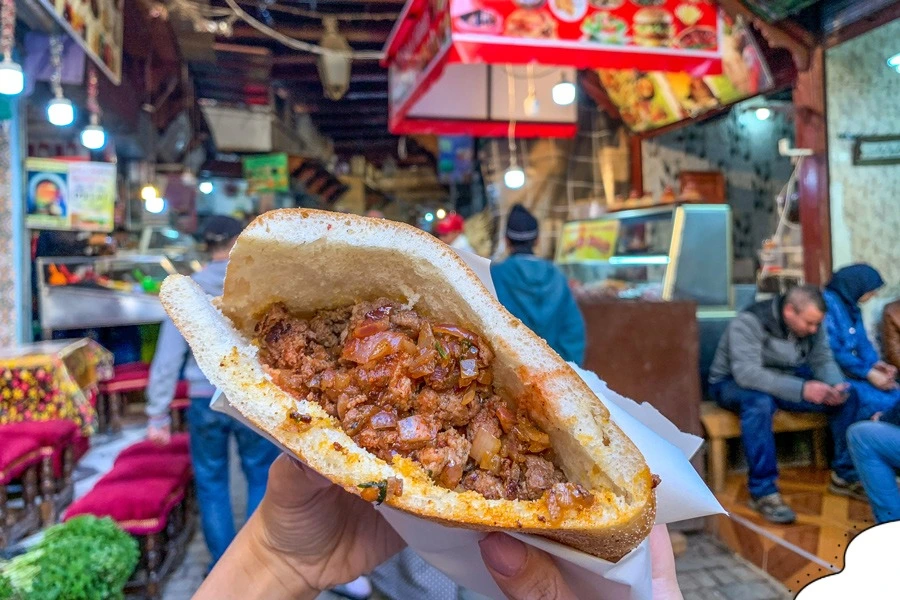
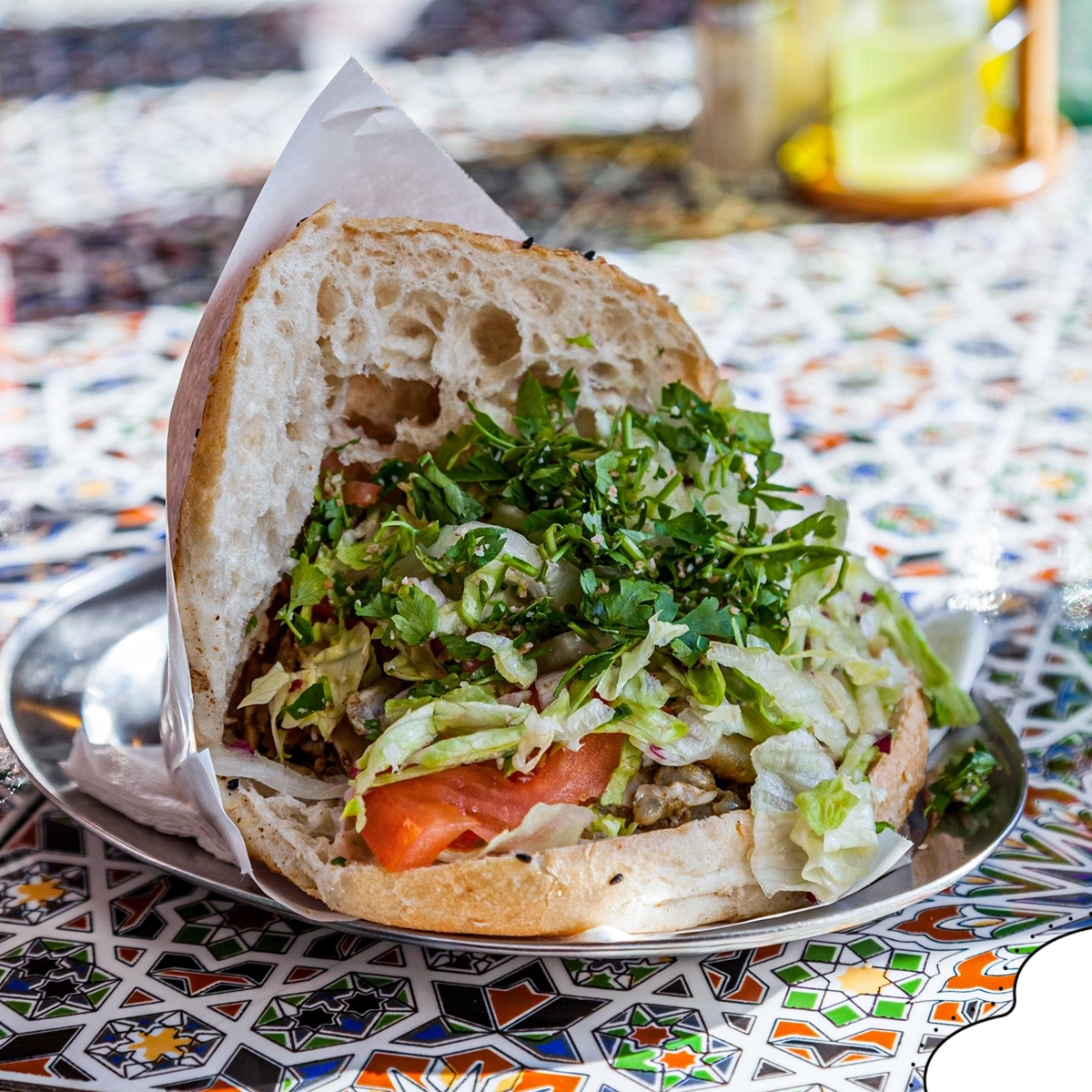
One of the best ways to explore local life is through traditional Moroccan street food in Marrakech. The Jamaa el-Fna night market, food stalls in the medina, and neighborhood bakeries offer some of the city’s most authentic flavors.

Moroccan Bread (Khobz)

Moroccans take bread seriously — and you’ll understand why after one bite. Whether it’s:

  • Khobz (round country bread)

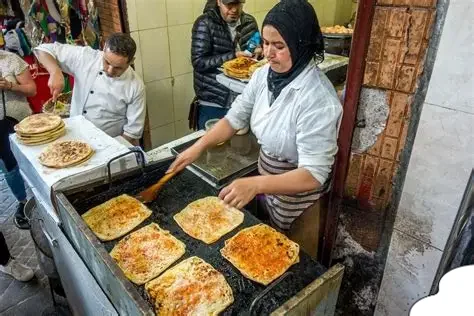
  • Msemen (layered square pancake)

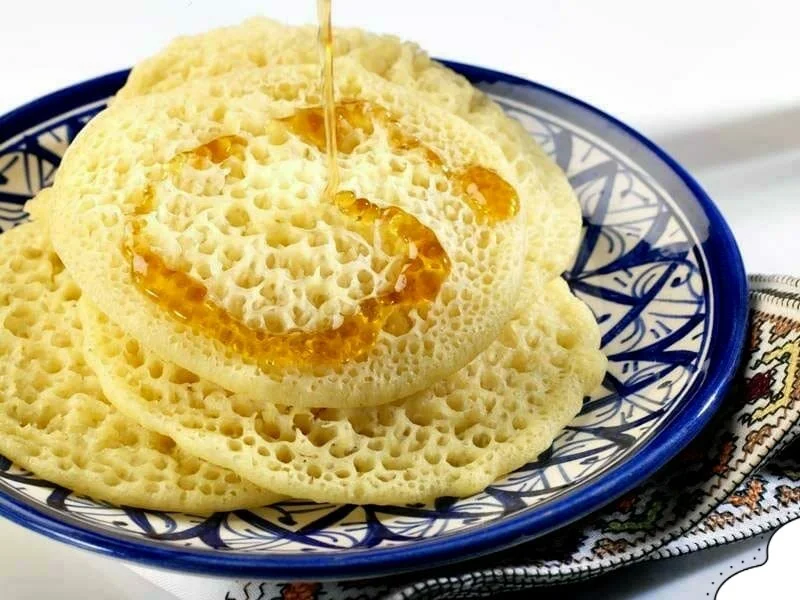
  • Baghrir (spongy semolina crepe)

  • Harcha (semolina pan bread)

You’ll find bread served at every meal, often accompanied by honey, olive oil, or cheese.

Brochettes (Grilled Skewers)

At night markets, sizzling grills fill the air with irresistible smells. Brochettes include:

  • Beef skewers

  • Chicken skewers

  • Lamb liver wrapped in caul fat

  • Spiced minced meat

Pair them with grilled tomatoes, peppers, and fresh bread for a quick and tasty street meal.

Harira Soup

A comforting tomato-based soup with lentils, chickpeas, herbs, and spices. In Marrakech, harira is often enjoyed in the evening with dates and chebakia (a sesame honey pastry), especially during Ramadan.

Snails (Babbouche)

For adventurous foodies, try babbouche — slow-cooked snails in a spiced broth infused with anise, thyme, and pepper. It’s a popular Moroccan street classic.

3. Marrakech Specialties and Hidden Culinary Gems

Marrakech has its own local specialties that highlight the city’s unique history and traditions.

Tanjia: The Signature Dish of Marrakech

If you truly want to discover what to eat in Marrakech that’s unique to the city, tanjia is at the top of the list. Unlike tagine, tanjia is slow-cooked in amphora-shaped clay pots and prepared traditionally by:

  • Seasoning meat (usually beef or lamb) with cumin, garlic, salt, preserved lemon, and olive oil

  • Sealing the pot with parchment and string

  • Taking it to the local hammam, where it cooks gently in the warm ashes for hours

The result? Tender, smoky, flavorful meat that falls apart effortlessly.

Mechoui: Melt-in-Your-Mouth Roasted Lamb

Mechoui is roasted whole lamb cooked in underground clay ovens — a method that creates extremely tender meat. Visit the “mechoui alley” near Jamaa el-Fna to try this traditional delicacy.

Rfissa

A festive dish made with lentils, fenugreek, and chicken, served over shredded msemen. It’s aromatic, comforting, and often served on special occasions.

What to eat in Marrakech: Moroccan msemen pancake served as street food

4. Sweet Treats and Desserts You Can’t Miss

Moroccan sweets are often made with almonds, honey, sesame, and delicate pastries.

Chebakia

A flower-shaped fried pastry soaked in honey and sprinkled with sesame seeds.

Kaab el Ghazal (Gazelle Horns)

Soft almond paste wrapped in thin pastry with orange blossom water.

Sellou or Sfouf

A nutritious, crumbly mixture of roasted flour, nuts, and honey — often enjoyed with mint tea.

Mint Tea (Atay)

No food guide is complete without Moroccan mint tea, known as “Berber whisky.” Sweet, fragrant, and refreshing, it’s a symbol of hospitality and a must-try at any café or riad.

5. Where to Eat in Marrakech: Tips for Travelers

To make your culinary experience even better, here are some helpful suggestions:

Choose local eateries for authentic flavors

Small restaurants and family-owned kitchens often serve the most delicious traditional meals.

Try both street food and sit-down dining

Marrakech offers a mix of casual street eats and high-end Moroccan gastronomy — both worth experiencing.

Explore food markets

Visit:

  • Mellah Market

  • Rahba Kedima Spice Market

  • Souk El Bahja

You’ll find fresh produce, spices, and local snacks.

Respect local customs

Some dishes are seasonal or tied to traditions, like couscous on Fridays. Asking locals is always a great way to find the best spots.

6. Final Thoughts: What to Eat in Marrakech for the Ultimate Food Experience

If you’re still asking what to eat in Marrakech, the answer is simple: everything you can. From aromatic tagines to smoky tanjia, from flaky msemen to sweet chebakia, the Red City is a paradise for anyone who loves food. This guide highlights the must-try dishes, street foods, specialties, and desserts that make Marrakech one of the most exciting culinary destinations in the world.

Whether you’re a first-time visitor or returning traveler, exploring Marrakech through its cuisine will connect you deeply to Moroccan culture, traditions, and everyday life.

And if you’re planning your trip and want help organizing the perfect food adventure or desert experience, contact us here for more information and personalized assistance.

What to eat in Marrakech: food stalls in Jemaa el-Fna square at night

Plan Your Desert Adventure Today!

Experience Morocco like never before — from discovering what to eat in Marrakech to exploring the breathtaking dunes of the Sahara. After enjoying the city’s vibrant food scene, continue your journey into the desert for a magical experience under the stars. Whether you choose the glowing dunes of Erg Chebbi or the wild, untouched beauty of Erg Chigaga, your unforgettable desert adventure is waiting.

Desert Camping in Erg Chebbi vs Erg Chigaga: Which Sahara Experience Is Better?

Desert Camping in Erg Chebbi vs Erg Chigaga: Which Sahara Experience Is Better?

Desert Camping in Erg Chebbi vs Erg Chigaga: Which Sahara Experience Is Better?

The Sahara is many things: endless horizons, silence so deep it feels like sound, and dunes sculpted by wind into dramatic ridgelines that glow gold at sunset. For most travellers visiting Morocco’s southeastern edge, the big decision isn’t whether to camp in the desert — it’s where. Two names rise above the rest: Erg Chebbi (near Merzouga) and Erg Chigaga (near M’hamid). Each offers a distinctly different way to sleep under the stars, ride a camel, and watch the sun paint the sand — and choosing between them can shape your whole Sahara experience.

In this guide — Desert Camping in Erg Chebbi vs Erg Chigaga — we’ll compare both dune fields head-to-head so you can pick the right one for your travel style. Expect clear, practical differences on accessibility, atmosphere, activities, comfort levels, and cost; real-world recommendations for families, photographers, and adventurous souls; plus sample itineraries and packing tips so your desert night goes smoothly.

Whether you’re planning a quick Merzouga stopover on a Morocco loop or seeking remote solitude far from paved roads, this article gives you the facts and the feel: what each place is really like, and which one will match your expectations. Ready? Let’s start with a close look at Erg Chebbi — what it feels like, how to get there, and who loves it.

Erg Chebbi: Overview

A Remote and Untouched Landscape

Erg Chigaga, located near the village of M’hamid El Ghizlane, is one of Morocco’s most remote and untouched dune fields. Unlike Erg Chebbi, which sits close to a small town, Erg Chigaga lies deep in the desert, far from paved roads and modern development. The dunes stretch for more than 40 kilometres, forming a vast wilderness where the silence is deeper, the sky feels wider, and the Sahara appears in its most raw and authentic form.

Hikers walking along a scenic trail in the Atlas Mountains.

The Atmosphere and Overall Vibe

What defines Erg Chigaga is its sense of isolation. Travellers come here not for convenience, but for the feeling of stepping into a truly wild desert. The area has fewer camps, fewer visitors, and a far more natural landscape untouched by commercial activity. This gives Erg Chigaga a peaceful and almost meditative atmosphere that many travellers find unforgettable. It’s a place where the dunes feel endless, the nights are exceptionally dark for stargazing, and every moment in the desert feels close to nature.

Who Erg Chigaga Is Ideal For

Because of its remoteness, Erg Chigaga attracts a different type of traveller. It is perfect for adventure lovers, photographers seeking dramatic and unspoiled dunes, and anyone who values solitude and authenticity over convenience. The long journey to reach the dunes is part of the experience, making it well-suited for travellers who enjoy off-road exploration and want a Sahara adventure that feels unique and untouched.

The Journey to Reach Erg Chigaga

Reaching Erg Chigaga requires travelling several hours off-road from M’hamid, usually in a 4×4 vehicle driven by an experienced desert guide. The route passes rocky plains, fossil areas, tamarisk trees, and nomadic settlements along the way. This journey is an adventure on its own and sets the tone for the type of experience Erg Chigaga offers. Because there are no paved roads, the dunes remain protected from mass tourism, preserving their authentic and wild character.

What to Expect When Camping in Erg Chebbi

Camping in Erg Chebbi is the classic Sahara experience many travellers dream of — the kind you see in postcards and travel documentaries. The combination of enormous dunes, well-organised camps, and easy access makes it a smooth and unforgettable experience for all types of visitors.

Types of Camps

Erg Chebbi offers a wide range of desert camps, allowing travellers to choose the level of comfort that suits their budget and travel style:

  • Standard Camps
    Basic Berber-style tents with shared facilities. Rustic, simple, and perfect for budget travellers who want an authentic desert night.

  • Luxury Camps
    Large, beautifully decorated tents with private bathrooms, hot showers, real beds, and gourmet-style meals. Many luxury camps feature solar lighting, stylish lounges, Moroccan carpets, and even Wi-Fi.

  • Private or Exclusive Camps
    Ideal for couples seeking privacy or families wanting a secluded experience. These offer personalised service, private dining areas, and tailor-made activities.

Marrakech to Merzouga Road Trip

Activities in Erg Chebbi

A night in Erg Chebbi is more than just sleeping in the desert. Camps offer a curated list of activities to bring the dunes to life:

  • Camel trekking at sunrise or sunset

  • 4×4 dune bashing adventures

  • Sandboarding on the tall erg slopes

  • Quad biking for thrill-seekers

  • Berber music nights under the stars

  • Stargazing, thanks to minimal light pollution

  • Sunset photography on the highest dunes

These activities are usually optional and can be arranged directly through your camp or a local guide in Merzouga.

Accessibility and Comfort

One of the biggest advantages of Erg Chebbi is how easy it is to reach. The road to Merzouga is fully paved, and camps are located only a short distance into the dunes. Most desert stays include a brief camel trek or a comfortable 4×4 transfer to reach the camp, making the journey smooth and manageable for families, older travellers, or anyone with limited time. Because of this easy access, Erg Chebbi is considered one of the most convenient places in Morocco to experience the Sahara without long hours of off-road travel.

Pros and Cons of Erg Chebbi

Erg Chebbi is known for its impressive dunes, wide range of camp options, and overall comfort, which makes it a favourite for first-time visitors. However, it can become busy during peak seasons, and the area around Merzouga is more developed compared to remote regions like Erg Chigaga. Despite this, the atmosphere in the dunes remains magical, and there is always space to find quiet moments away from the main crowds.

Erg Chigaga: Overview

A Remote and Untouched Landscape

Erg Chigaga, located near the village of M’hamid El Ghizlane, is one of Morocco’s most remote and untouched dune fields. Unlike Erg Chebbi, which sits close to a small town, Erg Chigaga lies deep in the desert, far from paved roads and modern development. The dunes stretch for more than 40 kilometres, forming a vast wilderness where the silence is deeper, the sky feels wider, and the Sahara appears in its most raw and authentic form.

Desert Camping in Erg Chebbi vs Erg Chigaga

The Atmosphere and Overall Vibe

What defines Erg Chigaga is its sense of isolation. Travellers come here not for convenience, but for the feeling of stepping into a truly wild desert. The area has fewer camps, fewer visitors, and a far more natural landscape untouched by commercial activity. This gives Erg Chigaga a peaceful and almost meditative atmosphere that many travellers find unforgettable. It’s a place where the dunes feel endless, the nights are exceptionally dark for stargazing, and every moment in the desert feels close to nature.

Who Erg Chigaga Is Ideal For

Because of its remoteness, Erg Chigaga attracts a different type of traveller. It is perfect for adventure lovers, photographers seeking dramatic and unspoiled dunes, and anyone who values solitude and authenticity over convenience. The long journey to reach the dunes is part of the experience, making it well-suited for travellers who enjoy off-road exploration and want a Sahara adventure that feels unique and untouched.

The Journey to Reach Erg Chigaga

Reaching Erg Chigaga requires travelling several hours off-road from M’hamid, usually in a 4×4 vehicle driven by an experienced desert guide. The route passes rocky plains, fossil areas, tamarisk trees, and nomadic settlements along the way. This journey is an adventure on its own and sets the tone for the type of experience Erg Chigaga offers. Because there are no paved roads, the dunes remain protected from mass tourism, preserving their authentic and wild character.

Plan Your Desert Adventure Today!

Experience the magic of Morocco’s Sahara like never before. Whether you choose the iconic dunes of Erg Chebbi or the remote wilderness of Erg Chigaga, your unforgettable desert camping adventure awaits.

What to Expect When Camping in Erg Chigaga

Camping in Erg Chigaga offers a more remote and adventurous Sahara experience, the kind that feels untouched and wild. The vast, towering dunes, minimal development, and sense of isolation create a raw and immersive desert experience that appeals to travellers seeking solitude, authenticity, and a true connection with the desert landscape.

Types of Camps

Camping in Erg Chigaga offers a very different experience compared to Erg Chebbi. The camps are generally smaller and more secluded, often designed to blend into the natural desert surroundings. Luxury tents are common, providing comfortable beds, private bathrooms, and sometimes even solar lighting, but the scale is intentionally limited to maintain the area’s remote and untouched feel. There are fewer standard or budget options, so travellers should plan ahead and book in advance, especially during peak desert season.

Desert Camping in Erg Chebbi vs Erg Chigaga

Activities in Erg Chigaga

The activities in Erg Chigaga focus on adventure and immersion in the desert environment. Long camel treks and 4×4 excursions allow travellers to explore vast stretches of dunes far from any other visitors. Sandboarding and hiking along the ridges are popular for those seeking more active experiences. At night, the absence of light pollution makes stargazing extraordinary, with the Milky Way clearly visible in a way that few other places in Morocco can offer. The overall pace is slower here, giving visitors time to absorb the desert’s silence and grandeur.

Accessibility and Comfort

Reaching Erg Chigaga requires more effort than Erg Chebbi. Most visitors travel two to three hours off-road from M’hamid in a 4×4, and there are no paved roads leading directly to the dunes. While this makes Erg Chigaga less convenient, it also ensures the experience is far more private and authentic. Camps are usually self-contained, offering food and amenities, but travellers should be prepared for a more rugged journey and fewer on-site services than in the Merzouga area.

Pros and Cons of Erg Chigaga

Erg Chigaga’s main advantage is its raw, untouched landscape and sense of solitude. The dunes are massive, the scenery is wild, and the overall desert experience feels authentic and adventurous. On the downside, its remoteness means it is less accessible, more expensive, and requires careful planning. For travellers seeking peace, photography opportunities, or a true Sahara adventure, however, Erg Chigaga delivers an experience that is hard to match anywhere else.

Erg Chebbi vs Erg Chigaga: Side-by-Side Comparison

Accessibility and Location

Choosing between Erg Chebbi and Erg Chigaga depends largely on how easy you want your desert journey to be. Erg Chebbi is located just outside Merzouga, with paved roads leading almost directly to the dunes. This makes it ideal for first-time visitors, families, or anyone who wants to experience the Sahara without a long off-road journey. Erg Chigaga, on the other hand, lies near M’hamid El Ghizlane and requires a two- to three-hour 4×4 trek across rocky plains, tamarisk groves, and desert tracks. The journey itself is part of the adventure, setting the tone for a truly remote and authentic experience.

Atmosphere and Vibe

Erg Chebbi is lively yet spacious, offering the iconic golden dunes while maintaining pockets of quiet for sunrise or sunset. Its well-developed camps and organized activities create a balanced experience of comfort and adventure. Erg Chigaga feels entirely different — wild, untouched, and almost meditative. With far fewer visitors, its vast dunes provide total solitude, letting travellers fully immerse themselves in the desert’s silence, scale, and raw beauty.

Accommodation and Camping

Camps in Erg Chebbi range from simple Berber-style tents to luxury desert suites with private bathrooms and gourmet meals. There are also options for private or exclusive stays, making it accessible to a variety of travellers. Erg Chigaga has fewer camps, often luxurious and designed to blend into the natural environment. While comfort is still available, the focus is on maintaining the desert’s untouched atmosphere, so options are limited and usually require advance booking.

Activities and Experiences

Erg Chebbi provides a wide variety of experiences: camel rides at sunrise or sunset, sandboarding, 4×4 excursions, quad biking, and cultural evenings with Berber music. Erg Chigaga emphasizes immersion in the wilderness, with extended camel treks, longer 4×4 explorations, untouched dunes for sandboarding, and exceptional stargazing far from any light pollution. The pace is slower, giving visitors time to truly absorb the desert’s enormity and tranquility.

Choosing the Right Desert

In summary, Erg Chebbi is perfect for travellers seeking convenience, comfort, and iconic desert scenery. Erg Chigaga is for those who crave isolation, raw landscapes, and a more adventurous journey. Both offer unforgettable experiences, but the right choice depends entirely on the type of Sahara adventure you want — whether it’s a smooth, accessible introduction or a remote, immersive expedition into Morocco’s desert heart.

Best Time to Visit Both Deserts

Weather and Climate

The Sahara experiences extreme temperatures, so timing your visit is essential. In Erg Chebbi, daytime temperatures can reach over 40°C (104°F) in summer, while nights may drop sharply, creating a stark contrast. Winters are much milder, with comfortable days and cold nights. Erg Chigaga, being more remote, experiences similar patterns, but its isolation makes nights feel even colder and days warmer due to lack of shade. Spring and autumn are generally considered the most pleasant months to visit both deserts, offering warm days, cooler nights, and calmer winds that make camping and outdoor activities enjoyable.

Peak and Off-Peak Seasons

Erg Chebbi tends to see a higher volume of tourists during spring (March to May) and autumn (September to November). These months coincide with mild temperatures and clear skies, making it ideal for photography, camel rides, and sandboarding. Erg Chigaga is less crowded year-round, but peak times still align with these milder months. Winter can also be appealing for adventurous travellers who want to experience fewer tourists, though temperatures can dip near freezing at night, requiring warm clothing and well-equipped camps. Summer is generally less recommended for both locations due to extreme heat, which can make daytime activities challenging.

Special Events and Experiences

In Erg Chebbi, some travellers plan their visits around local festivals, such as the Merzouga International Music Festival, which blends traditional Berber music with international performances against the backdrop of the dunes. While Erg Chigaga has fewer events due to its remoteness, its advantage lies in the untouched natural landscape — the quieter nights and uninterrupted star-filled skies provide a magical experience for photography and stargazing. Timing a visit here for a new moon night can result in a breathtaking view of the Milky Way stretching across the vast dunes.

Travel Tips for Timing Your Visit

For both deserts, early mornings and late afternoons are the best times to enjoy activities, as the sun is softer and the temperature is comfortable. Planning your stay around sunrise and sunset ensures you experience the desert’s most striking light and colors. Additionally, if visiting Erg Chigaga, it’s crucial to schedule enough time for travel from M’hamid and allow flexibility for the off-road journey, which can be affected by sand and weather conditions.

Visiting the Sahara at the right time ensures not only comfort but also the chance to witness the desert at its most breathtaking, whether it’s the bustling dunes of Erg Chebbi or the remote, silent expanses of Erg Chigaga.

How to Choose the Right Desert for Your Trip

Choosing Erg Chebbi

Erg Chebbi is the ideal choice for travellers who value accessibility, convenience, and a well-rounded desert experience. Its location near Merzouga makes it easy to reach from major Moroccan cities like Fes, Marrakech, and Ouarzazate, which is perfect for those on a tight schedule. The variety of camps, from basic to luxury, allows families, couples, and first-time desert visitors to find the comfort level they prefer. Erg Chebbi also offers a wide range of activities, including camel rides, sandboarding, quad biking, and cultural evenings with Berber music, making it a versatile option for those seeking both adventure and relaxation.

Choosing Erg Chigaga

Erg Chigaga is better suited for travellers seeking a true wilderness experience. Its remoteness and limited infrastructure create a raw and untouched environment, perfect for adventurers, photographers, and anyone looking to escape crowded tourist areas. Reaching Erg Chigaga requires a longer off-road journey, which adds to the sense of adventure and discovery. Activities focus on extended camel treks, 4×4 explorations, sandboarding in untouched areas, and stargazing in near-total darkness. This makes Erg Chigaga ideal for those who want solitude, authenticity, and a deeper connection with the desert.

Suggested Itineraries

For a 3-day trip, Erg Chebbi is the most convenient, allowing visitors to arrive, experience a full camel trek, watch sunsets and sunrises over the dunes, and return without a long journey. A 4–5 day trip is ideal for Erg Chigaga, providing enough time to travel off-road, explore multiple dune areas, enjoy longer treks, and fully immerse in the desert’s quiet and vastness. Planning extra time is essential for Erg Chigaga, as the journey itself is part of the experience and can be affected by sand and weather conditions.

Final Considerations

Ultimately, the right desert depends on what you want from your Sahara adventure. Erg Chebbi is perfect for accessibility, comfort, and variety of activities, making it ideal for first-timers or those who want a more structured experience. Erg Chigaga offers solitude, adventure, and untouched landscapes, ideal for travellers who are willing to put in the effort to reach a remote, authentic desert. By understanding the differences in accessibility, atmosphere, and experience, you can choose the desert that perfectly matches your travel style.

Practical Tips for Desert Camping

What to Pack

Packing for desert camping is essential to ensure comfort and safety. Lightweight, breathable clothing is ideal for daytime heat, while warm layers, including jackets and scarves, are necessary for chilly desert nights. Comfortable walking shoes or boots are a must for dune trekking, and sandals can be useful in camps. Don’t forget sunglasses, sunscreen, and a wide-brimmed hat to protect from the strong sun. A reusable water bottle is essential, and many camps also provide water, but staying hydrated is crucial when spending time in the desert.

Clothing for Day and Night

Desert temperatures fluctuate significantly between day and night. During the day, temperatures can be very hot, so loose-fitting, light-colored clothing is recommended. At night, the temperature can drop sharply, sometimes near freezing, especially in winter months. Warm layers, thermal wear, and even gloves can make the night far more comfortable. A scarf or shawl is also useful for protecting against sand during windy conditions.

Safety Tips

Safety is key when camping in remote desert areas. Always follow your guide’s instructions, especially during camel treks or 4×4 excursions. Avoid wandering alone far from the camp, as it is easy to lose orientation among the dunes. Make sure your mobile phone is charged and consider bringing a portable power bank, although signal may be weak in remote areas like Erg Chigaga. Inform your camp or guide of any medical conditions or allergies before embarking on activities.

Photography Tips

Both Erg Chebbi and Erg Chigaga offer incredible photography opportunities. The best lighting occurs during sunrise and sunset, when the dunes glow golden and shadows create dramatic shapes. Bring a tripod for low-light stargazing shots, and protect your camera or phone from sand with a lens cloth or case. In Erg Chigaga, the untouched dunes provide unique compositions without tourists in the frame, while Erg Chebbi’s iconic dunes can produce more classic Sahara shots.

Booking Recommendations

Booking in advance is recommended for both deserts, especially during peak seasons in spring and autumn. Erg Chebbi offers more flexibility due to its higher number of camps, but Erg Chigaga’s limited options mean planning is essential. Ensure your camp provides reliable transportation from the nearest town, and confirm the included activities and meals. For remote Erg Chigaga trips, it’s advisable to hire an experienced local guide or 4×4 driver familiar with the desert terrain.

Conclusion: Desert Camping in Erg Chebbi vs Erg Chigaga — Which Should You Choose?

Both Erg Chebbi y Erg Chigaga offer unforgettable Sahara experiences, but the choice between them depends entirely on what kind of adventure you’re seeking. Erg Chebbi is perfect for travellers who value accessibility, comfort, and a variety of activities, making it an ideal introduction to the Moroccan desert. Its iconic golden dunes, well-organised camps, and nearby Merzouga village provide convenience without compromising the magic of the Sahara.

Erg Chigaga, by contrast, is a destination for those craving solitude, raw landscapes, and a true sense of desert wilderness. Its remote location, vast untouched dunes, and quiet nights under the stars make it a more challenging but profoundly rewarding experience. Travellers willing to venture off the beaten path will find Erg Chigaga offers a Sahara adventure that feels completely authentic and immersive.

Whichever desert you choose, camping under the Saharan sky is an experience like no other — a chance to disconnect, witness dramatic landscapes, and create memories that will last a lifetime. Start planning your desert adventure today, and if you want expert guidance or personalised trip recommendations, contact us for more information. Let the Moroccan Sahara inspire your next journey and make your dream desert experience a reality.

The Story of Morocco’s Oldest Universities and Libraries

The Story of Morocco’s Oldest Universities and Libraries

The Story of Morocco’s Oldest Universities and Libraries

Morocco’s rich history is not only reflected in its stunning architecture and vibrant culture but also in its long-standing tradition of education and scholarship. Among the many treasures of the country, its oldest universities and libraries stand out as living testaments to centuries of intellectual pursuit. At the heart of this legacy is the University of Al Quaraouiyine in Fez, founded in 859 AD by Fatima al-Fihri, recognized as the world’s oldest existing degree-granting university.

These historic institutions were more than places of learning—they were centers for cultural exchange, scientific discovery, and spiritual growth. From ancient manuscripts on theology, astronomy, and medicine to the training of scholars who shaped intellectual thought across the Islamic world, Morocco’s oldest universities and libraries played a pivotal role in preserving knowledge for generations.

In this article, we will explore the fascinating story behind Morocco’s oldest universities and libraries, uncovering their history, significance, and the treasures they still hold today. Whether you are a history enthusiast, a traveler seeking unique cultural experiences, or a curious reader, this journey through Morocco’s centers of learning promises insights into a rich and enduring intellectual heritage.

Morocco’s Historical Context in Education


The story of Morocco’s oldest universities and libraries is not only a national treasure but also a cornerstone of global intellectual history. These institutions are among the oldest universities and libraries in the world, with origins dating back over a millennium, and they played a crucial role in shaping learning, science, and culture across the Islamic world and Europe.

Education in Morocco began with Quranic schools, or madrasas, which focused on religious instruction and the memorization of the Quran. Over time, these centers of learning expanded their curriculum to include theology, Islamic law, philosophy, mathematics, astronomy, medicine, and even music and poetry, offering a remarkably broad education for their time. This comprehensive approach allowed Moroccan scholars to contribute significantly to global knowledge, influencing academic and scientific developments far beyond the country’s borders.

During the Almoravid (11th–12th centuries) and Almohad (12th–13th centuries) dynasties, Morocco became a hub of international scholarship. The rulers of these eras recognized the value of knowledge as a pillar of society, building universities, libraries, and madrasas that attracted scholars from North Africa, Spain, the Middle East, and beyond. Fez, Marrakech, and Meknes flourished as vibrant centers of intellectual exchange, where debates, manuscript copying, and research were daily practices.

La Marinid dynasty (13th–15th centuries) further strengthened this tradition by founding new madrasas and expanding library collections, preserving rare manuscripts on medicine, astronomy, mathematics, and law. These institutions were not only repositories of knowledge but also active centers of scholarship where students and teachers collaborated, debated, and advanced human understanding.

Trade routes, religious pilgrimage, and cultural exchange amplified Morocco’s influence. Scholars traveling to study or teach carried manuscripts and ideas across continents, establishing Morocco as a key node in the global network of knowledge during the medieval period.

Understanding this rich history shows why Morocco’s oldest universities and libraries are celebrated not just within the country but globally. They represent some of the world’s oldest continuous centers of higher learning, preserving knowledge that shaped civilizations and continues to inspire scholars today.

The Oldest Universities in Morocco and the World

When discussing Morocco’s oldest universities and libraries, one institution consistently stands out: the University of Al Quaraouiyine in Fez. Founded in 859 AD by Fatima al-Fihri, the daughter of a wealthy merchant, Al Quaraouiyine is widely recognized as the world’s oldest continuously operating university. Unlike many modern universities, it grew organically from a religious madrasa attached to a mosque into a vibrant intellectual center that shaped global scholarship.

Morocco’s Oldest Universities and Libraries

Curriculum and Learning Environment

Al Quaraouiyine offered an extensive curriculum that went far beyond religious studies. While students studied Islamic theology and law, they also engaged deeply with astronomy, mathematics, medicine, grammar, rhetoric, logic, and philosophy. The teaching methods were rigorous: students participated in oral debates, memorization exercises, and practical applications of knowledge. Scholars wrote and copied manuscripts, preserving texts that might otherwise have been lost to time.

The university also fostered a dynamic scholarly community. Students lived in close quarters, sharing knowledge and engaging in intellectual discussions that often lasted late into the night. This environment created a cross-cultural exchange, as scholars from Spain, North Africa, the Middle East, and even Europe came to study and teach.

Famous Alumni and Scholars

Al Quaraouiyine’s alumni list reads like a “who’s who” of medieval intellectual history:

  • Maimonides (1135–1204): The Jewish philosopher and physician studied here, absorbing Islamic scholarship that later influenced his writings.

  • Abu Bakr ibn al-Arabi (1076–1148): One of the most respected Islamic jurists and scholars in North Africa.

  • Ibn Khaldun (1332–1406): Although he studied at several institutions, his early education was shaped by Moroccan universities, contributing to his revolutionary ideas in sociology and history.

Other Historic Moroccan Universities

While Al Quaraouiyine is the most famous, Morocco was home to several other significant institutions:

  • University of Al-Attarine (Fez): Founded during the Marinid dynasty, it became a center for theology and law.

  • Madrasa of Ben Youssef (Marrakech): Known for its beautiful architecture and rigorous study of religious sciences.

  • Meknes and Salé Madrasas: Produced scholars who would go on to teach across North Africa and Andalusia.

Global Significance

These universities were not isolated centers of learning. They acted as hubs of global knowledge, linking Morocco to intellectual movements in the Islamic world and Europe. Manuscripts produced and preserved here influenced the translation movements in Spain, Italy, and beyond, laying the foundations for modern science, philosophy, and medicine.

In essence, Morocco’s oldest universities and libraries are not only national treasures but monuments of world education. They demonstrate Morocco’s pivotal role in shaping global intellectual history, serving as centers where knowledge was created, preserved, and transmitted across centuries.

Morocco’s Historic Libraries

Morocco’s universities owe much of their influence to their historic libraries, which have preserved centuries of knowledge and rare manuscripts that continue to fascinate scholars today. Many of these manuscripts are unique and invaluable, containing works on theology, science, medicine, and philosophy. They reflect Morocco’s longstanding dedication to education and the preservation of culture. Some of these libraries are considered among the oldest in the world, with origins dating back over a thousand years. They were more than mere repositories—they served as centers for learning, debate, and intellectual exchange, attracting scholars from across Africa, the Middle East, and Europe. Libraries such as Al Quaraouiyine Library safeguarded manuscripts that influenced global knowledge and education. Today, many of these libraries continue to be living centers of study and cultural heritage, where the wisdom of past generations remains accessible. Together, Morocco’s universities and libraries form a timeless legacy of intellectual achievement, offering insight into the country’s pivotal role in the history of learning.

Morocco’s Oldest Universities and Libraries

Al Quaraouiyine Library: A Living Treasure

At the heart of Morocco’s intellectual heritage is the Al Quaraouiyine Library, founded alongside the University of Al Quaraouiyine in 859 AD. Initially, it served as a collection for religious texts, but over centuries it expanded to house manuscripts on science, astronomy, mathematics, medicine, philosophy, literature, and law.

The library’s manuscripts are unique for several reasons:

  • Many are written on ancient parchment or hand-made paper.

  • They include original commentaries by prominent scholars.

  • The collection preserves texts in Arabic, Berber, and even Latin, reflecting centuries of cross-cultural exchange.

In recent years, the library underwent careful restoration, reopening to the public while ensuring the preservation of fragile manuscripts. Some of the oldest texts are over 1,000 years old, making this library a living connection to the medieval world.

Other Notable Libraries

Beyond Al Quaraouiyine, Morocco is home to several other historic libraries and manuscript collections:

  • Zaouia Libraries: Religious and spiritual centers in Fez, Marrakech, and other cities that safeguarded thousands of manuscripts on theology, law, and philosophy.

  • Private Collections: Wealthy scholars and families preserved rare texts, ensuring their survival through centuries of political and social change.

  • National Library of the Kingdom of Morocco (Rabat): While modern, it continues the legacy by collecting, preserving, and digitizing historic manuscripts for future generations.

Manuscripts and Their Global Significance

The manuscripts found in these libraries are more than historical curiosities—they are windows into the intellectual achievements of medieval Morocco and the broader Islamic world. Scholars here made groundbreaking contributions to:

  • Astronomy: Detailed observations that informed navigation and calendar-making.

  • Medicine: Medical texts that predated similar European works.

  • Mathematics and Geometry: Advanced studies influencing later scholars in Europe.

  • Philosophy and Literature: Preserved translations and commentaries that bridged Islamic and European thought.

Preservation and Modern Access

Today, Morocco’s historic libraries are not only cultural treasures but also active centers for research and tourism. Many manuscripts are being digitized, allowing scholars worldwide to access texts that were once hidden in Morocco’s medinas. Visiting these libraries offers a rare glimpse into the birthplace of some of the world’s oldest continuous intellectual traditions.

In short, the libraries of Morocco are inseparable from its universities—they are the guardians of knowledge, maintaining a living link between the past and the present, and illustrating why Morocco’s educational heritage remains globally significant.

Explore Morocco’s Intellectual Treasures

Unlock the secrets of Morocco’s oldest universities and libraries! Plan your visit to Fez, Marrakech, and Meknes, and experience the rich intellectual heritage that shaped the world. Book a guided tour today and step back into a millennium of learning.

Morocco’s Legacy in Learning and Preservation

The story of Morocco’s oldest universities and libraries is not just a tale of buildings or manuscripts—it is a story of enduring intellectual influence and cultural preservation. For over a millennium, Morocco has been a bridge between civilizations, transmitting knowledge across continents and ensuring that the wisdom of the past remains alive today.

Global Influence of Moroccan Scholarship

Moroccan scholars were not confined to their cities—they traveled extensively across North Africa, the Middle East, and Europe. The University of Al Quaraouiyine alone produced scholars who contributed to Islamic jurisprudence, philosophy, medicine, and science. Their works were copied, studied, and referenced in countries as far away as Spain, Italy, and Egypt, making Morocco a key player in the medieval global knowledge network.

Manuscripts preserved in Moroccan libraries informed early European universities and influenced the translation movements in Andalusia, where Arabic texts were translated into Latin and contributed to the European Renaissance. Morocco’s educational institutions, therefore, were pioneers in knowledge preservation and dissemination, impacting generations of thinkers worldwide.

Preservation Efforts in the Modern Era

Recognizing the historical importance of these institutions, Morocco has undertaken significant efforts to restore and protect its universities and libraries:

  • Al Quaraouiyine Library underwent extensive restoration, preserving manuscripts over a thousand years old.
  • Digital initiatives now allow scholars worldwide to access Morocco’s rare texts, bridging past and present.
  • Training programs for librarians and conservators ensure that fragile manuscripts and historical documents are properly maintained.

Continuity of Intellectual Tradition

Even today, Morocco’s universities continue to foster learning and scholarship. Modern Moroccan institutions honor the traditions of rigorous study, cross-cultural exchange, and manuscript preservation. This continuity ensures that Morocco’s intellectual heritage is not a relic of the past, but a living, evolving legacy.

By understanding Morocco’s commitment to education and preservation, we can see why its universities and libraries are not only national treasures but also worldwide symbols of intellectual achievement. They remind us that knowledge is a bridge across time and space, and that Morocco’s contributions to global learning continue to resonate centuries after their founding.

Visiting Morocco’s Educational Heritage

For travelers and history enthusiasts, Morocco offers a unique opportunity to walk in the footsteps of scholars who shaped global knowledge. Visiting the country’s oldest universities and libraries provides not only a glimpse into architectural beauty but also a direct connection to a millennium of intellectual history.

Fez: The Heart of Moroccan Scholarship

Fez is home to the University of Al Quaraouiyine and its historic library. The university is located within the Medina of Fez, a UNESCO World Heritage site recognized for its cultural, architectural, and educational significance (UNESCO). Visitors can:

  • Explorar la Al Quaraouiyine Mosque complex, showcasing stunning Islamic architecture.
  • See parts of the ancient library, which houses manuscripts on astronomy, medicine, law, literature, and philosophy.
  • Walk through the surrounding medina, where centuries-old bookstores, manuscript shops, and madrasas continue to preserve Morocco’s educational heritage.
Hidden villages of the Atlas Mountains

Other Key Sites

  • Madrasa of Al-Attarine (Fez): Famous for its intricate tilework and scholarly significance.

  • Ben Youssef Madrasa (Marrakech): Offers insight into the teaching methods and lifestyle of students from centuries ago.

  • Meknes and Salé Madrasas: Smaller but historically important centers of learning, often overlooked by tourists.

Experiencing the Manuscripts

While some libraries restrict access to fragile texts, guided tours and special permissions allow visitors to:

  • View rare manuscripts and historical documents.

  • Learn about the copying, preservation, and restoration processes that keep these works alive.

  • Attend lectures or exhibitions that explain Morocco’s contributions to global science, medicine, and philosophy.

Practical Travel Tips

  • Hire a knowledgeable local guide for the most in-depth experience.

  • Plan visits in advance, especially for libraries that require special access.

  • Combine visits with walking tours of medinas, traditional markets, and historic mosques to fully immerse yourself in Morocco’s intellectual and cultural atmosphere.

  • Respect local customs and the sanctity of religious sites within educational complexes.

Visiting Morocco’s universities and libraries is more than sightseeing—it is an immersive journey through a living history of learning, where the achievements of scholars from over a thousand years ago are preserved and celebrated in the very buildings they once studied.

Conclusion: 

The story of Morocco’s oldest universities and libraries is a testament to a civilization deeply committed to learning, preservation, and cultural exchange. From the founding of Al Quaraouiyine in 859 AD to the network of madrasas and libraries across Fez, Marrakech, and Meknes, Morocco has been a global center of scholarship for over a millennium. These institutions preserved rare manuscripts, nurtured brilliant minds, and influenced knowledge across the Islamic world and Europe, making Morocco a key player in the history of education.

Today, these universities and libraries continue to inspire scholars, historians, and travelers alike. They are living monuments to intellectual achievement, bridging the past with the present and reminding us of the enduring value of knowledge and cultural heritage.

Loading...
/*** Collapse the mobile menu - WPress Doctor ****/