M

+212 673 266 849

saharacameltours1@gmail.com

Prepare for Your Marrakech Trip: Booking the Best Food Experiences

Prepare for Your Marrakech Trip: Booking the Best Food Experiences

Prepare for Your Marrakech Trip: Booking the Best Food Experiences

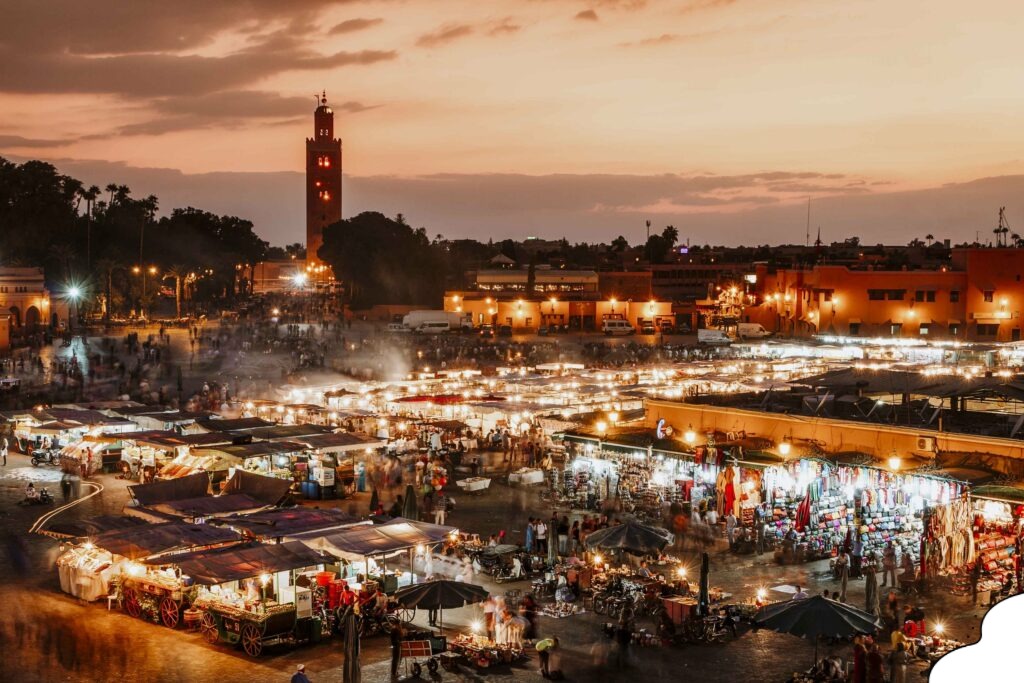
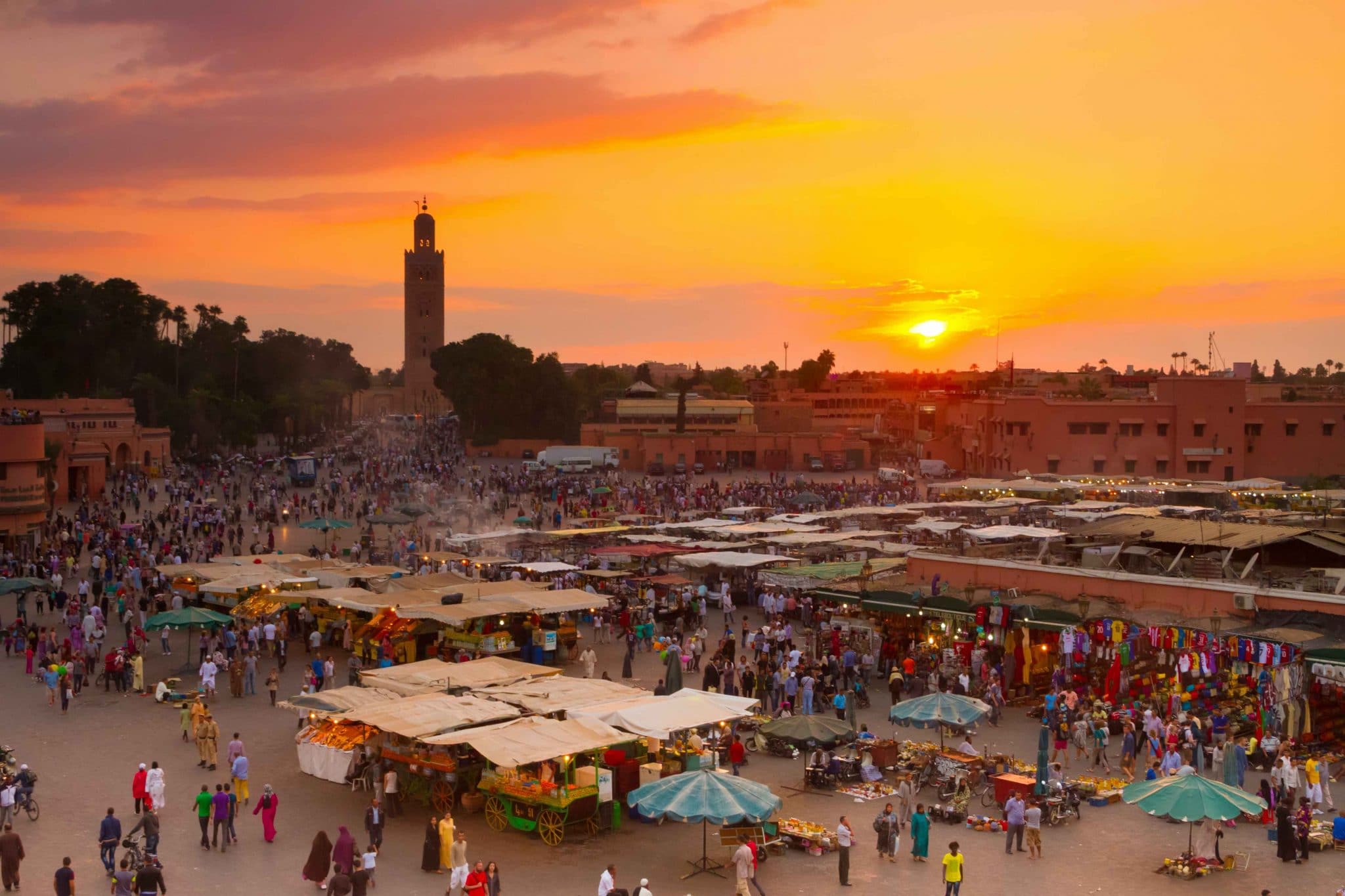
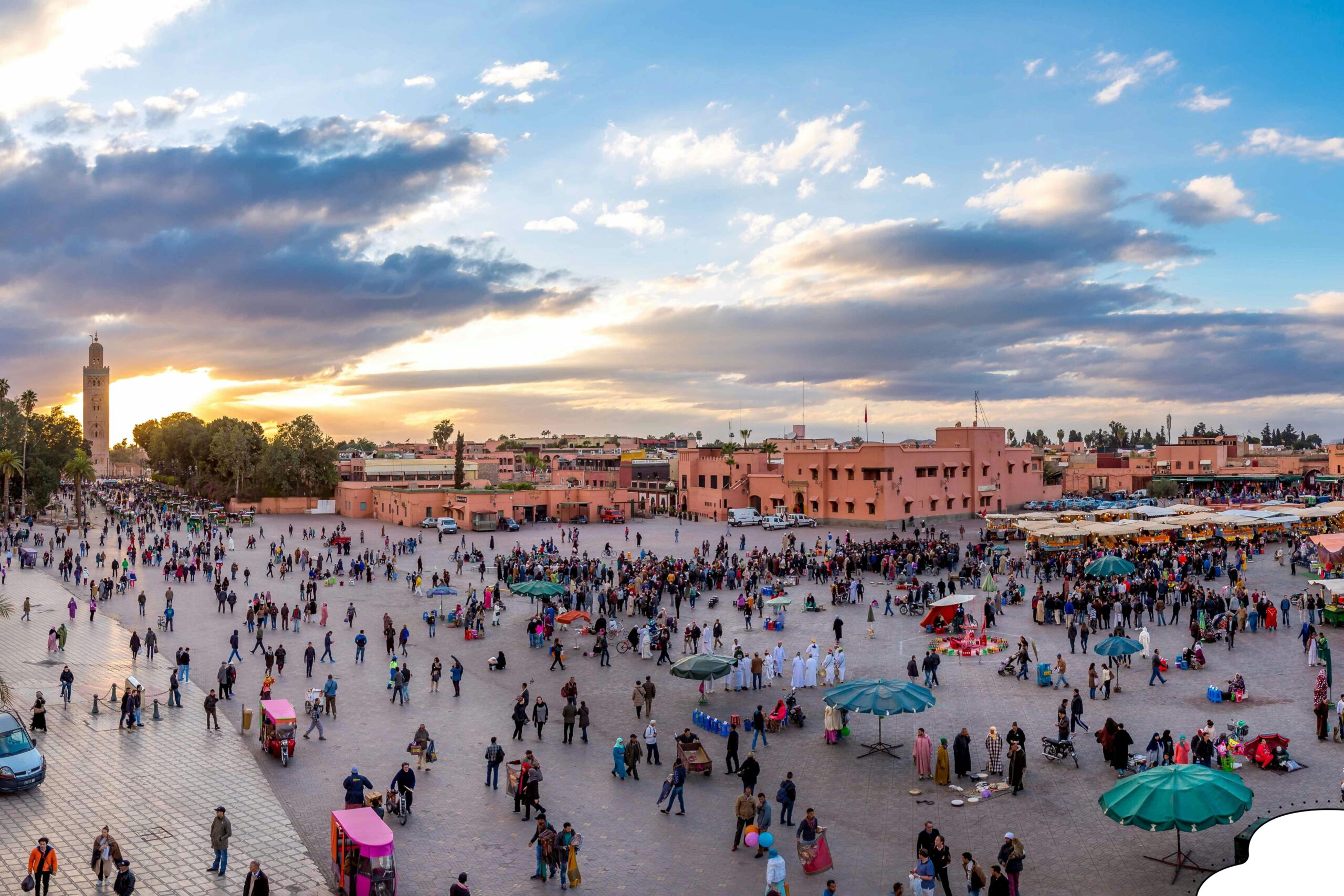
Picture this: the air thick with cumin and saffron scents, vendors shouting over sizzling grills in Jemaa el-Fnaa square, and plates of steaming tagine drawing you in like a magnet. Marrakech hits your senses hard—it’s chaotic, colorful, and full of flavors that stick with you long after you leave. But skipping the random street eats for planned food adventures lets you dive deep into Moroccan culture without the hassle.

This guide shows you how to pick and book top Marrakech food experiences before your trip starts. You’ll learn smart ways to research, lock in spots, and avoid common pitfalls. Think of it as your roadmap to authentic bites that make your vacation unforgettable.

Why Pre-Booking Your Marrakech Food Experiences is Non-Negotiable

Planning ahead turns a good trip into a great one, especially in a city like Marrakech where food spots fill up fast. You get peace of mind knowing your meals are set, and you won’t waste time wandering lost in the medina. Plus, it helps you budget better and focus on fun.

Securing Seats for Exclusive, High-Demand Culinary Tours

Top tours in Marrakech book out quick, often a month or more before peak times like spring or fall. Small-group options, such as private cooking sessions in local homes, limit spots to eight people max for a real feel. Last year, over 70% of popular food walks sold out by early booking, based on traveler reports from sites like TripAdvisor.

If you wait, you might miss gems like a sunset market tour that blends history with tastings. Book these 4-6 weeks out to grab your slot. It’s worth it for the stories and samples you can’t get alone.

Navigating Dietary Needs and Restrictions Proactively

Marrakech chefs know their stuff, but language barriers can mix things up on the spot. Pre-booking gives you time to chat about needs like no nuts or vegan swaps via email. Many tours now list options for gluten-free couscous or halal tweaks right on their sites.

One traveler shared how a last-minute ask led to a mix-up with dairy, but advance notice fixed it smooth. You avoid stress and enjoy more. Check operator policies early to confirm they handle your requests.

Comparing Value and Authenticity Beyond the Tourist Traps

Not all food experiences shine the same—some push bland versions for crowds. Research helps you spot real deals, like tours led by locals who skip overpriced spots. Verified reviews show authentic ones cost 20-30% more but deliver twice the flavor and insight.

Think of it like choosing a hidden riad over a chain hotel: the payoff is huge. Use comparisons to pick experiences praised for fresh ingredients and cultural depth. You’ll save money in the long run by dodging regrets.
Prepare for Your Marrakech Trip: Booking the Best Food Experiences<br />

Types of Must-Book Marrakech Food Experiences

Marrakech offers a range of food fun, from hands-on classes to guided eats. Each type fits different vibes, so match it to your style. Budget from $50 for basics to $150 for fancy nights—worth every dirham for the memories.

Immersive Moroccan Cooking Classes (From Souk to Tagine)

These classes take you to bustling souks for fresh picks, then back to a kitchen to cook. You’ll chop veggies for tagine or roll dough for msemen bread, learning spice mixes like ras el hanout from scratch. End with eating what you made, often with wine if you want.

Look for ones with English-speaking hosts and small groups under 10. A typical three-hour session runs about 60 euros and includes recipes to try at home. It’s perfect if you love getting your hands dirty.

Guided Medina and Jemaa el-Fnaa Food Safaris

The medina’s maze can overwhelm, but a guide points you to safe, tasty stalls. They share tales behind dishes like harira soup or sheep head stew, skipping sketchy spots. Tours last 2-3 hours, hitting 5-7 stops with small bites at each.

Guides know which stalls use family recipes, not tourist bait. Prices start at 40 dollars, and evening ones add live music vibes. You eat like a local without the worry.

Elevated Dining: Riad Dinners and Rooftop Views

For a step up, book dinners in quiet riads with candlelight and city views. These spots serve refined takes on bastilla pie or lamb with prunes, paired with mint tea. Limited tables mean advance spots are key—many hold just 20 guests a night.

Rooftop spots like Nomad offer skyline sights with modern twists on classics. Expect 80-100 dollars per person, including courses. It’s romantic or special for food lovers seeking calm amid the buzz.

Specialized Workshops: Bread Baking or Pastry Making

Go niche with sessions on Berber flatbreads or sweets like gazelle horns. You’ll knead dough over fire or pipe fillings for chebakia, tasting as you go. These run 2 hours, ideal for sweet tooths or baking fans.

Operators like Amal Center focus on women’s co-ops, adding social good. Cost around 50 dollars, with take-home treats. It’s a fun break from heavy meats.

Discover Authentic Morocco: Adventures, Culture, and Unforgettable Experiences

Ready to experience Morocco like never before? From the vibrant streets of Marrakech to hidden villages in the Atlas Mountains and the golden dunes of the Sahara, every corner of the country promises a unique adventure. Join us to explore secret gems, taste local cuisine, and create memories that will last a lifetime.

Mastering the Research: Where and How to Find Top-Tier Bookings

Start your hunt early with trusted tools to find Marrakech food tour reviews that matter. Cross-check details for the best fit. Aim for operators with 4.5 stars or higher from hundreds of users.

Leveraging Verified Review Platforms and Travel Forums

TripAdvisor and Viator top the list—filter for reviews from the last year to catch changes. Food blogs like Eat Like It’s the Weekend share insider picks on best Marrakech cooking classes. Forums such as Reddit’s r/Morocco let you ask real travelers for tips.

Look for patterns: praise for punctual guides or fresh food trumps one-off raves. Spend 30 minutes scanning to build a shortlist of three options. This weeds out fakes fast.

Identifying Reputable Local Providers vs. Aggregators

Local outfits like Marrakech Food Tours often feature Moroccan hosts with deep knowledge. They list direct contacts like WhatsApp for quick questions. Aggregators like GetYourGuide are easy but add fees—check if they guarantee refunds.

Spot pros by clear websites in English and French, plus photos of real groups. Avoid ones with stock images or vague itineraries. Direct bookings cut costs by 10-15%.

Understanding Booking Windows and Peak Season Strategies

High season from March to May books up 6 weeks ahead for big tours. Shoulder times like February give more wiggle room—still aim for 2-4 weeks out. For last-minute, watch for cancellations on apps or call operators.

In 2026, with tourism up 15% post-pandemic, act fast. Use flexible dates if possible. Phone chats in French or English seal deals better than online forms.

Essential Logistics: Payments, Language, and Confirmation Protocols

Handle details right to keep things smooth. Double-check everything after booking. A quick email follow-up prevents mix-ups.

Currency, Tipping Culture, and Payment Methods Accepted

Most tours take cards online, but some want cash in dirhams on site. Deposits of 20-50% secure spots; full pay later. Tip guides 10-20 dirhams for great service—it’s standard like in the US.

Exchanges at airports beat souk rates. Apps like PayPal work for many locals now. Confirm methods upfront to avoid ATM hunts.

Confirming Meeting Points and Transportation Logistics

Medina streets twist, so get exact spots like “near Bab Agnaou gate” or hotel pickup. GPS pins help if your phone works. Many include transfers for 5-10 extra dollars.

Lost tourists waste hours—clarify in your confirmation. Ask about group size for transport too. It sets a calm start.

Translating Dietary Needs Effectively for Chefs

Even English bookings benefit from Darija phrases. Say “Ana ma kanaksh ana la jeld” for “I can’t eat gluten.” Or use Google Translate for French: “Je suis allergique aux arachides.”

Print a note with your needs and hand it over. Tours often have bilingual staff, but prep covers bases. It shows respect and ensures safe eats.

 Savoring Your Pre-Planned Marrakech Culinary Journey

Booking Marrakech food experiences ahead builds confidence for a richer trip. You unlock authentic tastes, skip lines, and tailor to your likes. It’s more than meals—it’s a window into Moroccan life that lingers.

  • Book specialized classes one month ahead for sure spots.
  • Check guide authenticity through recent reviews on trusted sites.
  • Confirm dietary accommodations in writing before you pay.
  • Know your meeting point address exactly to start on time.

Ready to taste Marrakech? Start searching those best Marrakech food tours today and make your trip delicious.
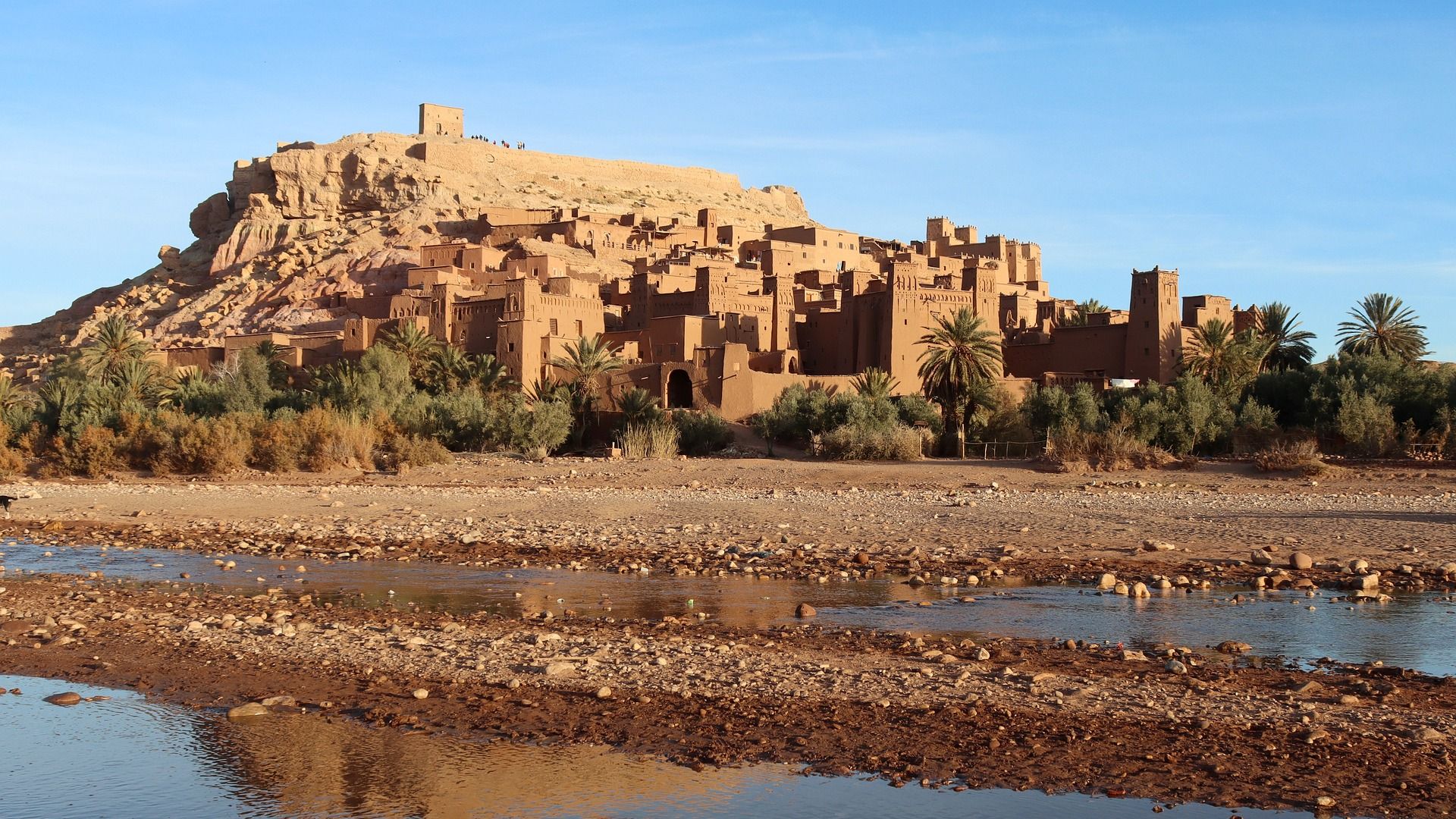
Book Your Private Day Trip from Marrakech to Ait Benhaddou: The Ultimate Atlas Mountains Escape

Book Your Private Day Trip from Marrakech to Ait Benhaddou: The Ultimate Atlas Mountains Escape

Book Your Private Day Trip from Marrakech to Ait Benhaddou: The Ultimate Atlas Mountains Escape

Looking for the best private day trip from Marrakech Para Recorrido punto a punto:? This unforgettable journey takes you across the breathtaking Atlas Mountains, through the legendary Tizi n’Tichka Pass, and into one of Morocco’s most iconic UNESCO sites.

A private tour means no rigid schedules, no crowded buses, and no rushed stops. Just you, your driver, and one of the most scenic routes in North Africa.

Here’s exactly how to plan the perfect Marrakech to Ait Benhaddou day tour.

Why Choose a Private Day Trip Over a Group Tour?

While many travelers book shared excursions, a private Marrakech to Ait Benhaddou tour offers major advantages:

  • Total Schedule Flexibility

Leave when you want. Stop when you want. Spend more time where it matters most.

  • Comfortable Transportation

Air-conditioned vehicle, private driver, smooth ride through mountain roads.

  • Scenic Photo Stops in the Atlas Mountains

Pause at panoramic viewpoints along the famous Tizi n’Tichka Pass (2,260 meters / 7,415 ft).

  • Personalized Experience

Ask questions. Hear local stories. Discover hidden viewpoints that buses skip.

Group tours often move quickly and follow strict timetables. A private driver allows a relaxed, tailored experience — especially important on a 3.5–4 hour mountain journey each way.

The Journey: Crossing the High Atlas Mountains

The drive from Marrakech to Ait Benhaddou is part of the adventure.

You’ll cross the spectacular Tizi n'Tichka, the highest major mountain pass in Morocco. Expect:

  • Winding roads
  • Dramatic red-earth valleys
  • Traditional Berber villages
  • Snow-dusted peaks in winter months

In February and early spring, temperatures are mild but layered clothing is recommended. An experienced private driver ensures safe navigation through hairpin bends and steep drops.

This route alone makes the trip worth it.


Exploring Ait Benhaddou: A UNESCO World Heritage Ksar

Designated a UNESCO World Heritage Site in 1987, Recorrido punto a punto: is one of the finest examples of a Moroccan ksar (fortified village).

For centuries, it served as a strategic stop along Saharan trade routes linking Marrakech to sub-Saharan Africa.

Today, it is famous for:

  • Its towering mud-brick kasbahs
  • Narrow alleyways
  • Panoramic hilltop views
  • Film locations including Ouarzazate y Aït Ben Haddou son famosos escenarios de películas como Gladiator, La Momia y Juego de Tronos. Los amantes de la historia y el cine disfrutarán especialmente de estas paradas. y Ouarzazate y Aït Ben Haddou son famosos escenarios de películas como Gladiator, La Momia y Juego de Tronos. Los amantes de la historia y el cine disfrutarán especialmente de estas paradas.

Although many residents now live across the river in modern housing, a few families still maintain homes inside the ksar — preserving its living heritage.

What to Do in Ait Benhaddou

1. Climb to the Hilltop Granary

The panoramic view from the top is the highlight of the visit. Late afternoon light creates stunning photo opportunities.

2. Hire a Local Guide

For a small fee, local guides explain the ksar’s architecture, history, and film connections.

3. Explore Artisan Shops

Support local families by purchasing handmade crafts, textiles, or pottery.

4. Enjoy Traditional Moroccan Lunch

Try a freshly prepared tagine at a small riverside restaurant.

Plan for 2–3 hours onsite to explore comfortably without rushing.


4 Days Tour from Fes to Marrakech

Optional Stops: Customize Your Private Tour

One of the biggest advantages of a private day trip is flexibility.

Telouet Kasbah

Located about one hour before Ait Benhaddou, the Kasbah of Telouet features ornate zellige tiles and intricate plasterwork — a fascinating contrast to Ait Benhaddou’s earthen architecture.

Ouarzazate

Known as the “Gateway to the Sahara,” Ouarzazate is home to Atlas Film Studios and desert landscapes. Adding it may extend your day but can be arranged privately.

Your itinerary can be adjusted depending on your interests and pace.

How Long Is the Drive from Marrakech to Ait Benhaddou?

  • Distance: Approximately 190 km (118 miles)
  • Travel time: 3.5 to 4 hours each way
  • Total tour duration: 10–12 hours

Early departure (around 8:00 AM) is recommended to maximize exploration time.

How Much Does a Private Marrakech to Ait Benhaddou Tour Cost?

Typical price range:

  • €200–€400 per vehicle (not per person)
  • Depends on vehicle type and group size

Usually included:

  • Private driver
  • Fuel
  • Air-conditioned vehicle
  • Hotel pickup & drop-off

Usually not included:

  • Lunch
  • Local guide (optional)
  • Entrance fees (small local fees may apply)
  • Tips (10% customary for good service)

4×4 vehicles may cost slightly more but provide extra comfort on mountain roads.

Discover Authentic Morocco: Adventures, Culture, and Unforgettable Experiences

Ready to experience Morocco like never before? From the vibrant streets of Marrakech to hidden villages in the Atlas Mountains and the golden dunes of the Sahara, every corner of the country promises a unique adventure. Join us to explore secret gems, taste local cuisine, and create memories that will last a lifetime.

Booking Tips: What to Confirm Before Reserving

Before booking your private day trip, confirm:

  • Pickup time and hotel location
  • Driver language (English, French, Spanish)
  • Cancellation policy (24–48 hour free cancellation is common)
  • Vehicle type and size
  • Stops you wish to include

Clear communication ensures a seamless experience.

Responsible Tourism in Ait Benhaddou

Travel respectfully to preserve this historic site:

  • Avoid littering
  • Purchase from local artisans
  • Eat in locally owned restaurants
  • Dress modestly
  • Tip fairly for good service

Your visit supports the local community and ongoing preservation efforts.

Is a Private Day Trip from Marrakech to Ait Benhaddou Worth It?

Absolutely.

While it’s a long day, the experience combines:

  • Spectacular Atlas Mountain scenery
  • Cultural immersion
  • UNESCO heritage exploration
  • Film history
  • Traditional Berber architecture

For travelers short on time but eager to experience Morocco beyond Marrakech, this is one of the most rewarding excursions available.

Moroccan street food at Jemaa el-Fna

Frequently Asked Questions

Is one day enough for Ait Benhaddou?

Yes. A private tour allows enough time to explore thoroughly while enjoying scenic stops along the way.

Is the road to Ait Benhaddou dangerous?

The mountain road is winding but paved and safe with an experienced driver.

Can I visit Ait Benhaddou without a guide?

Yes, but hiring a local guide enriches the experience and helps you discover hidden details.

What is the best time of year to visit?

Spring and autumn offer ideal weather. Winter is cooler but less crowded.

A private day trip from Marrakech to Ait Benhaddou is more than a sightseeing excursion — it’s a journey through Morocco’s history, landscapes, and culture.

With full flexibility, stunning scenery, and a UNESCO-listed destination at the end of the road, this tour consistently ranks among the best day trips from Marrakech.

Reserve your private Marrakech to Ait Benhaddou tour today and experience the Atlas Mountains at your own pace.

Book Guided Tour of Hassan II Mosque Casablanca: A Complete Guide

Book Guided Tour of Hassan II Mosque Casablanca: A Complete Guide

Book Guided Tour of Hassan II Mosque Casablanca: A Complete Guide

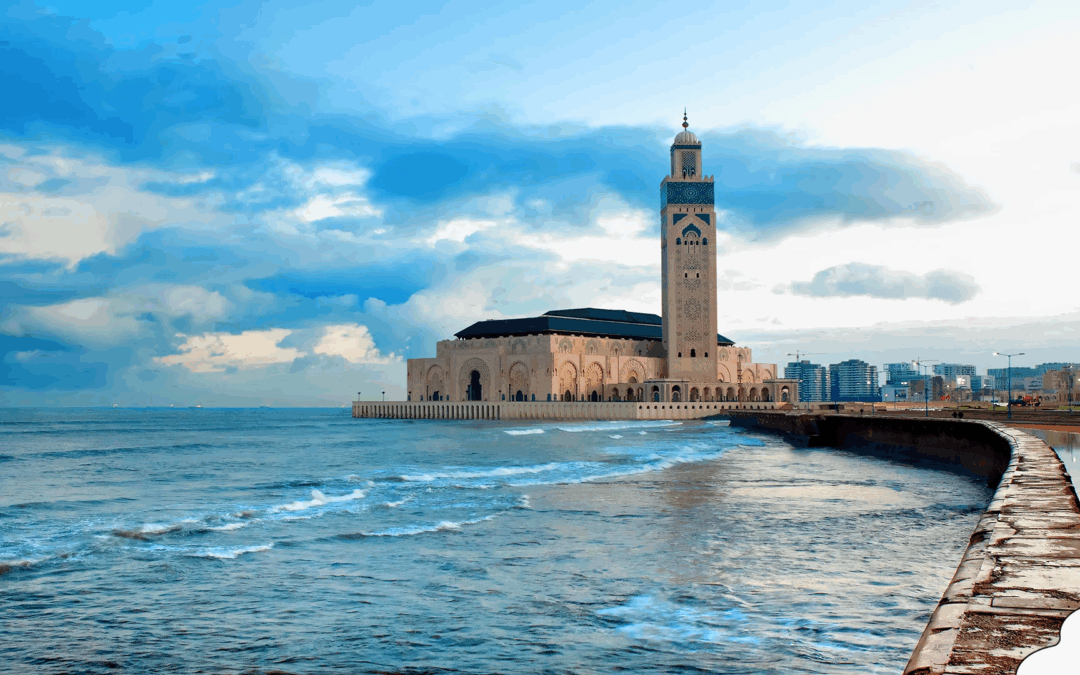
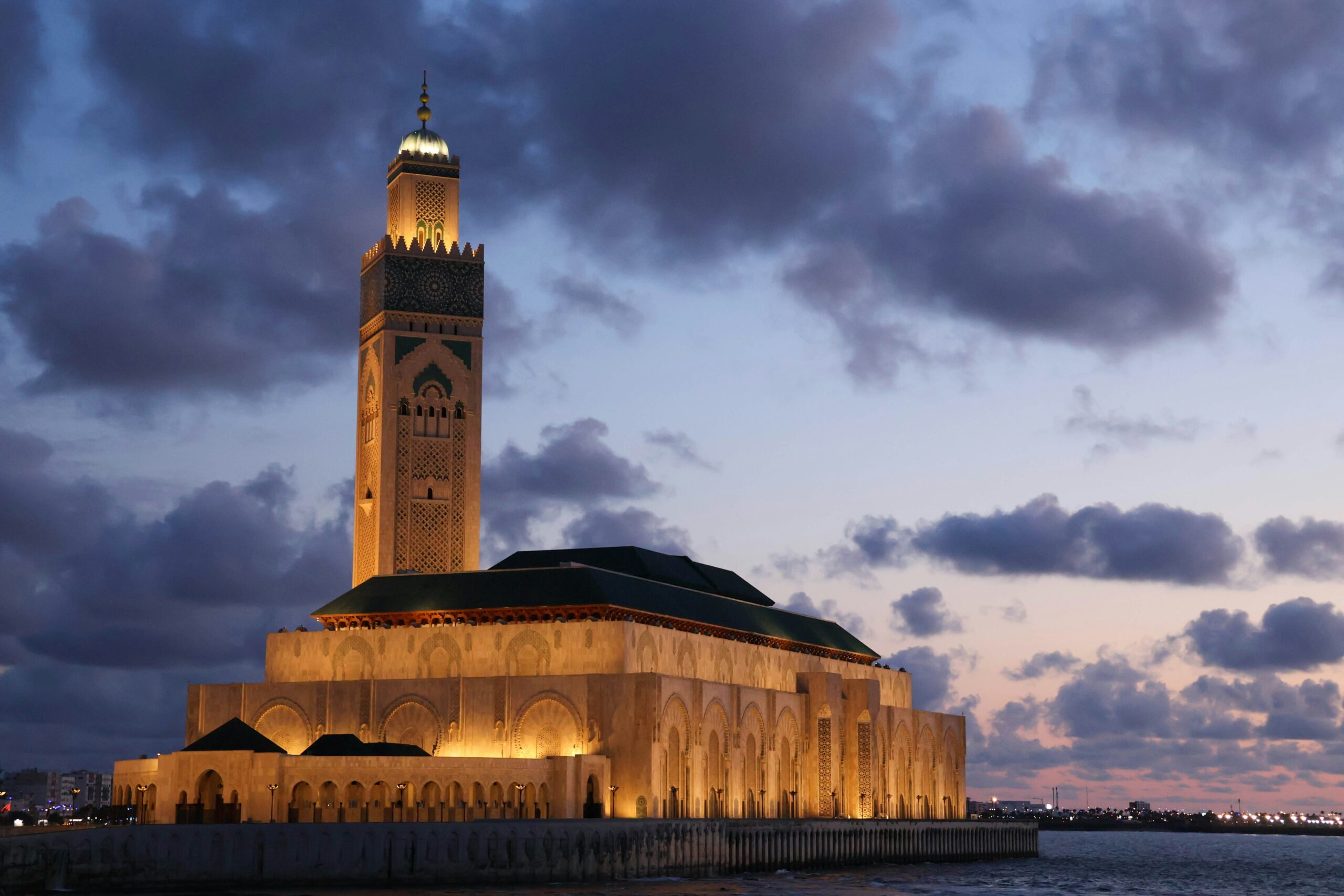
Imagine standing before a mosque that sits partly over the ocean, its massive minaret piercing the sky like a beacon of faith. The Hassan II Mosque in Casablanca draws millions with its blend of modern design and ancient traditions. This guide shows you how to book a guided tour of the Hassan II Mosque Casablanca, so you can explore its wonders without missing a beat.

A Personal Visit That Left a Mark

When I first stepped inside the Hassan II Mosque, I wasn’t prepared for its scale — the tiles, whirling in geometric perfection, the echo of footsteps on marble, and the ocean breeze wafting through open archways were unforgettable. My guide shared stories that brought each element to life, and I left feeling I had not just seen the mosque, but truly experienced it.

Why a Guided Tour is Essential for the Hassan II Mosque

Self-guided visits let you wander, but they often leave gaps in the story. A guided tour of the Hassan II Mosque Casablanca fills those spaces with expert insights. You gain access to details and areas that might otherwise stay hidden.

Guides turn a simple walk into a rich journey through history and faith. Without one, the mosque’s scale can overwhelm you. Tours make sure you catch every key detail.

A Monument Born of Vision and Craft

The Hassan II Mosque was completed in 1993, after seven years of construction that began in 1986. It was commissioned by King Hassan II and designed by French architect Michel Pinseau, whose work blends traditional Moorish artistry with modern engineering. The project employed thousands of craftsmen and took immense effort to bring to life.

Construction costs are estimated to have ranged between approximately $400 million and $800 million, funded largely by public subscription and donations.

Today, the mosque is considered one of the largest and most spectacular religious buildings in the world. Its minaret towers 210 meters, making it the tallest in the world.

The mosque receives substantial interest from visitors globally — with estimates suggesting around 300,000 tourists explore it each year.

Unlocking Architectural Marvels and Engineering Feats

The retractable roof slides open like a giant puzzle piece, letting light flood the hall. Guides explain how engineers built it to honor prayer needs. The minaret towers 210 meters high, the tallest in the world.

They point out marble from the Atlas Mountains and wood from cedar forests. These choices show Morocco’s pride in local crafts. You learn why the glass floor offers sea views during tides.

Navigating Religious and Cultural Nuances

Guides teach you how to enter with respect, like quiet steps in holy spaces. They cover prayer times and what symbols mean in Islamic art. This helps you connect with the mosque’s daily life.

In Morocco today, the mosque stands as a symbol of unity. Tours highlight its role in community events and education. You leave with a deeper respect for local ways.

Accessing Restricted Areas and Behind-the-Scenes Views

Without a guide, ablution rooms stay off-limits to most. Tours take you into these spots for a peek at marble fountains. You see how water flows in patterns tied to old rituals.

Some guides show artisan areas where tiles get made by hand. These views add a layer of craft to your trip. It’s a chance to see the mosque’s living side.


Understanding Hassan II Mosque Tour Options and Logistics

Booking a guided tour of the Hassan II Mosque Casablanca starts with knowing the basics. Official sites handle most reservations to keep things smooth. Costs stay fair, around 140 dirhams for adults as of early 2026.

Tours run on set paths to fit prayer schedules. You can book ahead or buy on the spot. Always check for changes due to holidays.

Official Tour Timetables and Frequency

Guided tours happen several times a day, often from 9 a.m. to 3 p.m. They pause between prayers, like after noon service. Mornings fill up fast in peak season.

Call the official office or visit their site for the latest times. In February, cooler weather means fewer crowds. Plan around Friday prayers, when access tightens.

  • Morning slots: Best for clear light and low heat.
  • Afternoon options: Quieter, but watch for sunset crowds.

Ticket Pricing and Booking Channels

Adult tickets cost about 140 Moroccan dirhams, kids under 11 get in free. Add extras for audio guides if needed. On-site buys work, but online through approved sites like the mosque’s portal save time.

Third-party operators like Viator offer packages with transport. Stick to accredited ones to avoid scams. Prices match official rates, no markups.

Book via the Hassan II Mosque website or app for ease. Print your ticket or show it on your phone. This cuts wait times at the gate.

Essential Visitor Requirements: Dress Code and Conduct

Cover your shoulders and knees for entry—long pants or skirts work best. Women need a headscarf; they provide them if you forget. Men skip shorts too.

Remove shoes at the door; carry socks for cool floors. Stay quiet and follow the group. No eating or loud talks inside.

Respect signs on photos in prayer zones. Guides remind you of these rules. Follow them to keep the peace.

Discover Authentic Morocco: Adventures, Culture, and Unforgettable Experiences

Ready to experience Morocco like never before? From the vibrant streets of Marrakech to hidden villages in the Atlas Mountains and the golden dunes of the Sahara, every corner of the country promises a unique adventure. Join us to explore secret gems, taste local cuisine, and create memories that will last a lifetime.

Preparing for Your Guided Exploration: Practical Tips

Pack light for comfort on your guided tour of the Hassan II Mosque Casablanca. Wear comfy shoes for walking marble paths. Bring water, but drink outside.

Check weather apps; Casablanca’s coast can turn breezy. Tours last about an hour, so time it right. Arrive 15 minutes early.

Best Time of Day to Book Your Tour Slot

Morning tours catch soft light, perfect for photos without glare. Heat stays low, under 70 degrees in winter. Fewer people mean more space to ask questions.

Afternoons bring warmer tones but bigger groups. Evenings offer sunset views if available. Pick based on your energy—mornings suit early risers.

Crowds peak midday, so book edges for calm. In February 2026, mild days favor any slot.

Maximizing Photography Opportunities

Guides stop at the prayer hall for wide shots of chandeliers. The minaret base allows tall views against the sea. Use a phone with steady mode for low light.

Skip flashes inside to respect the space. Outdoor spots by the ocean make great backdrops. Ask your guide for tips on angles.

Prohibited areas include active prayer zones—heed the rules. Capture the tile work up close during pauses.

Language Availability of Official Guides

English tours run often, next to French and Arabic. Spanish picks up in tourist months. Book your language when reserving.

Confirm via email or site; most guides speak two tongues. If English fills, audio devices fill in. This keeps everyone in the loop.

Groups stay small, so questions flow easy.

guided tour of Hassan II Mosque Casablanca

Key Highlights Covered on the Standard Guided Tour Route

The standard path winds through halls that hold 25,000 worshippers. Guides share facts on each stop. You feel the mosque’s vastness up close.

From entry to exit, the route builds wonder step by step. Pause for questions at key spots. It’s designed for flow without rush.

The Grand Prayer Hall and Intricate Zellige Work

This hall seats thousands under a roof of carved cedar. Marble floors from Italy shine underfoot. Zellige tiles form patterns that took years to craft.

Artisans cut each piece by hand for perfect fits. Guides explain the math behind the designs—stars and flowers symbolizing heaven. The scale hits you: it’s one of the largest mosques open to non-Muslims.

Chandeliers of brass and crystal hang like stars. Light plays off the tiles in rainbows. You can’t help but stare.

The Ablution Halls (The Hammam)

These rooms span football fields, with fountains for washing before prayer. Marble walls echo soft water sounds. Guides note the hygiene rules tied to faith.

Over 40 taps line the basins, each with hot and cold. It’s a peaceful spot amid the bustle. Many miss it on quick visits.

The design mixes function with beauty—arches and lights add calm.

The Minaret: The World’s Tallest and Its Historical Context

At 210 meters, it calls prayers five times a day via laser. Built in 1993, it nods to older towers like Rabat’s. Guides share how it took 6,000 workers to raise.

The base holds elevators, but tours stick to ground views. Climb access limits to muezzins. From outside, it frames the city skyline.

Its spot on the cliff adds drama, waves crashing below.

Beyond the Mosque Walls: Integrating Your Visit

After your guided tour of the Hassan II Mosque Casablanca, step into the city’s vibe. The area buzzes with life. Plan your day to blend mosque magic with local fun.

Walk short paths to other sights. Taxis wait nearby for easy hops. Keep the momentum going.

Post-Tour Activities Near the Corniche

Stroll the Corniche boardwalk for ocean breezes and street food. Try fresh fish at spots like La Sqala, just a 10-minute ride away. It’s a tasty reward.

Visit the nearby lighthouse for more sea views. Parks offer shade for picnics. Evenings light up with joggers and vendors.

Markets sell spices and crafts—pick souvenirs tied to mosque themes.

Logistics for Arrival and Departure (Taxis and Transit)

From downtown hotels, taxis cost under 50 dirhams and take 20 minutes. Use apps like Careem for rides. Buses run from the port area too.

Park at the mosque lot if driving—spots fill quick. After tours, cabs line up outside. Walk to the tram for budget moves.

Traffic peaks at rush hour, so add buffer time.

The Lasting Impression of Sacred Architecture

A guided tour of the Hassan II Mosque Casablanca turns stone and tile into stories that stick. You walk away with knowledge of its build, faith, and place in Morocco. From booking tips to hidden gems, this setup ensures your visit shines.

Don’t wait—grab tickets now for an experience that blends awe and insight. Book your guided tour today and step into Casablanca’s heart. You’ll carry the mosque’s spirit long after.

The Ultimate Guide to Jemaa el-Fna’s Best Street Food: A Culinary Adventure in Marrakech

The Ultimate Guide to Jemaa el-Fna’s Best Street Food: A Culinary Adventure in Marrakech

The Ultimate Guide to Jemaa el-Fna’s Best Street Food: A Culinary Adventure in Marrakech

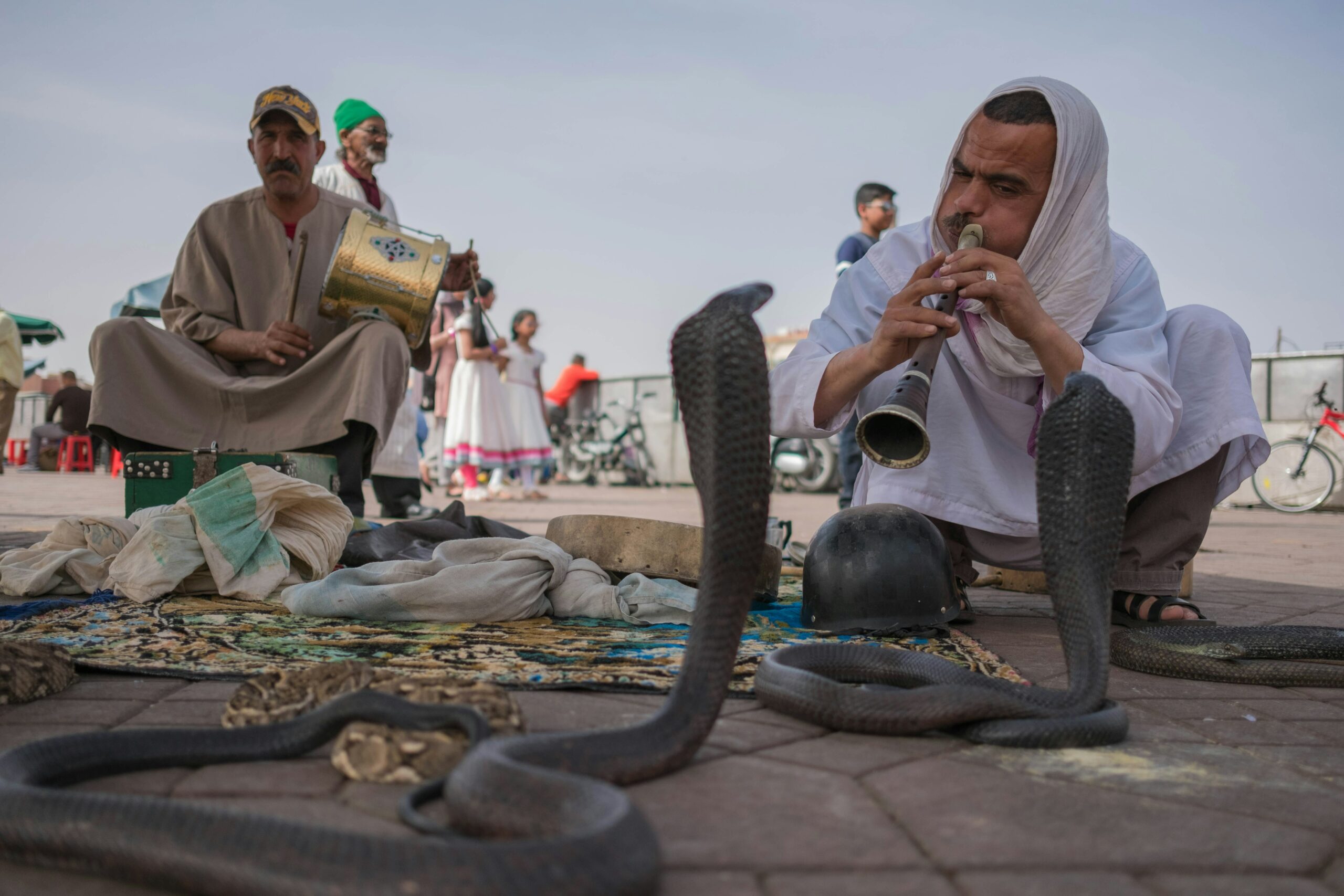
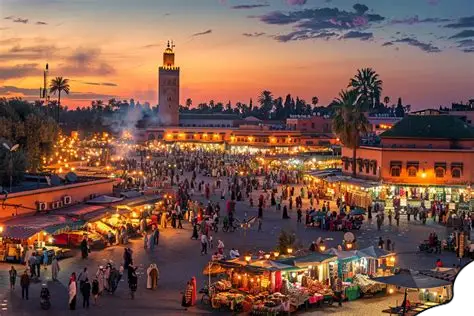
As the sun dips low over Marrakech, Jemaa el-Fna square bursts to life. Smoke rises from sizzling grills, mingling with the calls of vendors and the chatter of crowds. Drums beat in the distance, while the air fills with scents of cumin and spice. This isn’t just a square—it’s a living feast, one of the world’s busiest open-air eateries. You step into a whirlwind of flavors, where every stall promises a bite of Morocco’s soul.

This guide cuts through the chaos. You’ll learn the top Moroccan street food picks at Jemaa el-Fna, from hearty mains to sweet finishes. No more wandering lost amid the stalls. Get ready to savor the real deals, so your trip turns into a food lover’s dream.

Navigating the Culinary Battlefield of Jemaa el-Fna

Jemaa el-Fna feels like a maze at first. But with a few tricks, you can spot the gems among the hundreds of food spots. Prep yourself before you dive in, and the night flows smooth.

Decoding the Stall Number System

Stalls here have numbers painted on signs or carts. They run from 1 to over 200, grouped by type—like meats or soups. Not every one follows rules strict, but numbers help you track repeats.

Look for stall 14 or 32 if you hear locals talk. These spots shine for grilled meats and stay open late. Famous ones build fame over years, drawing lines even on quiet nights. Ask a nearby vendor for the latest hot numbers; word spreads fast.

Skip the low-traffic ones at the edges. They might serve fine, but the buzz centers on numbered stalls in the thick of action. This system turns random picks into smart choices.

How to Choose a Good Stall: Local Indicators and Hygiene

Crowds tell the tale. Pick stalls packed with locals eating fast—that means fresh turnover. Empty spots? They could sit on old stock.

Watch the prep. Good ones let you see meat skewered or broth stirred right there. Clean aprons and quick hands signal care. Locals flock to these for a reason.

Hygiene differs from what you know back home. Plates stack high, and hands wipe on cloths. But high heat kills germs, and busy spots stay safe. Trust your nose—if it smells right, it tastes better. Follow families with kids; they pick wisely. 

Mastering the Art of Negotiation and Ordering

Prices stick fixed at most stalls, but extras like bigger portions might bend. Smile and point if words fail. Say “one kebab, please” or use simple French like “un merguez.”

For allergies, gesture no to nuts or point at safe items. Vendors get it quick. If a price seems off, ask “combien?” and nod at the norm—around 20-50 dirhams per plate.

Keep it light. Chat a bit; it builds trust. Order as a group to share tastes. This way, you snag the best Moroccan street food at Jemaa el-Fna without stress.


Discover Authentic Morocco: Adventures, Culture, and Unforgettable Experiences

Ready to experience Morocco like never before? From the vibrant streets of Marrakech to hidden villages in the Atlas Mountains and the golden dunes of the Sahara, every corner of the country promises a unique adventure. Join us to explore secret gems, taste local cuisine, and create memories that will last a lifetime.

The Essential Savory Stars: Must-Try Main Courses

Evenings light up with grills firing up. These dishes pack the punch of Marrakech nights. Dive into the stars that keep you coming back.

The Snail Broth (Babbouche): A Marrakech Ritual

Babbouche hits you first with its steam. Snails simmer in pots of thyme, rosemary, and garlic broth. It’s a warm hug on cool desert air.

Scoop them out with a toothpick. Pop the meat free, slurp the spiced juice. Locals swear by it as a starter that wakes your taste buds.

Stall 28 owns this treat. Go early; pots empty fast. This ritual bonds you to the square’s pulse—simple, yet unforgettable.

Mechoui (Whole Roasted Lamb)

Picture a whole lamb roasting slow in underground pits. Charcoal smoke infuses every bit. Hours later, it pulls apart tender, slick with fat.

Servers hack it fresh, dust with salt and cumin. No fancy sides needed—just bread to mop juices. It’s pure, bold flavor.

Head to stall 100 for the best. They roast daily, serving till midnight. One plate feeds two; savor the melt-in-mouth joy.

Grilled Delights: Kebabs and Merguez Sausages

Skewers twist with beef, lamb, or chicken, marinated in ras el hanout spice. Charcoal grills add that smoky kiss you crave.

Merguez sausages burst with paprika heat. Bite one hot off the fire—juices flow. Mix with kebabs for a full plate.

Stalls 50-60 cluster these. Pick based on flame height; hotter means crispier edges. These bites define the grill magic at Jemaa el-Fna.

Moroccan street food at Jemaa el-Fna

Beyond the Grill: Soups, Tagines, and Lesser-Known Staples

Not all food rushes hot and fast. Some simmer deep, offering comfort in bowls or pots. These picks round out your night with variety.

Hearty Bowls: Harira Soup at Night

Harira warms from the inside. Lentils, chickpeas, and tomatoes blend thick with cilantro. It’s a staple, especially when Ramadan lights the square.

Spoon it slow; spices build layers. Add lemon for zing. Stalls serve it steaming, paired with dates sometimes.

Any soup stand works, but try stall 75. A bowl costs little, fills you right. It’s the quiet hero of Moroccan street food.

Tangia: The Secret of the Hammam Oven

Tangia hides in clay jars sealed tight. Chefs drop them in hammam ashes overnight. Slow heat turns beef, saffron, and preserved lemon into silk.

Unlike tagines, no steam escapes—flavors lock in. Crack one open at a stall; meat falls off bone. Serve with bread to soak the rich sauce.

Stall 120 specializes here. It’s rare on the square, but worth hunting. This dish whispers Marrakech’s old ways.

Deep-Fried Wonders: Fish and Calamari Stalls

Seafood stalls pop up near the center. Fresh catch from Essaouira fries crisp in oil. Calamari rings crunch golden, dusted with salt.

Pair with tomato salad or cumin fries. It’s light yet satisfying after heavy meats. Fish stays moist inside the batter.

Look for stalls 90s; they haul daily. Quick eats like this balance the grill overload. Dive in for a salty surprise.

Sweet Endings and Refreshments: Juices, Pastries, and Mint Tea

Savory fades, but sweets call. Wash it down with fresh sips. These finish your feast on a high note.

The Orange Juice Phenomenon

Oranges pile high at juice carts. Pressed fresh, no peels or pits—just pure tang. A glass bursts with vitamin kick.

Costs pennies, like 10 dirhams. Beats any store buy; it’s sun-ripened right here. Sip slow amid the square’s hum.

Carts line the west side. Grab one post-meal; it cleanses like magic.

Traditional Moroccan Pastries and Fried Dough

Sfenj doughnuts fry hot, then sugar them up. Soft inside, crisp out—perfect grab. Or try chebakia, twisted and honey-glazed.

These sweets cluster near pastry vendors by the mosque. Fresh batches draw kids and you alike. One or two ends hunger sweet.

Stalls 200-plus handle these. Share a plate; flavors mix joy.

The Ritual of Moroccan Mint Tea (Atai)

Tea pours high from silver pots, foaming just right. Mint leaves steep strong with green tea and sugar. It’s sweet, hot relief.

Watch the pour—it’s part show. Sip slow; it settles your stomach. Stalls brew it everywhere, even at food spots.

End your night here. One glass ties the tastes together. Pure Moroccan close.

Moroccan street food at Jemaa el-Fna

Essential Tips for the First-Time Jemaa el-Fna Food Explorer

Chaos thrills, but tips keep it fun. Arm yourself with these for a smooth run. Maximize every bite.

Best Time to Visit for Peak Food Activity

Hit after 7 PM. Stalls fire up as day crowds thin. By 8, full energy peaks with lights and smoke.

Weekends amp it more. Avoid noon heat; evenings suit the vibe. This slot catches prime Moroccan street food action.

Stay till 10 if you can. Late bites taste even better under stars.

Managing Expectations: Seating and Service Flow

Seats hug communal benches. Share tables with strangers—it’s the norm. Plates arrive fast; eat quick to free space.

Service snaps brisk. No long waits, but no hand-holding. Point and pay when done; it keeps lines moving.

Bring cash small. Patience pays off in flavors.

What to Budget for an Authentic Feast

Plan 100-200 dirhams per person. That covers soup, main like kebabs, juice, and tea. Plates run 30-60 each.

Groups split cheaper. Skip tourist traps; stick local for value. Your wallet stays happy, belly full.

Add 20 for sweets. It’s a steal for the show.

 More Than a Meal, It’s Marrakech Embodied

Jemaa el-Fna’s best street food wraps you in Morocco’s beat. From babbouche rituals to mechoui melts, harira warmth, tangia secrets, grilled bursts, fried crisps, juicy oranges, sweet sfenj, and mint tea pours—each bite immerses you deep. You won’t just eat; you’ll live the square’s wild heart.

Don’t fear the crowd. Grab a skewer, join the flow. Your Marrakech memory starts here, one flavorful step at a time. Head out tonight—what stall calls you first?

Loading...
/*** Collapse the mobile menu - WPress Doctor ****/