

Book Guided Tour of Hassan II Mosque Casablanca: A Complete Guide
Imagine standing before a mosque that sits partly over the ocean, its massive minaret piercing the sky like a beacon of faith. The Hassan II Mosque in Casablanca draws millions with its blend of modern design and ancient traditions. This guide shows you how to book a guided tour of the Hassan II Mosque Casablanca, so you can explore its wonders without missing a beat.
A Personal Visit That Left a Mark
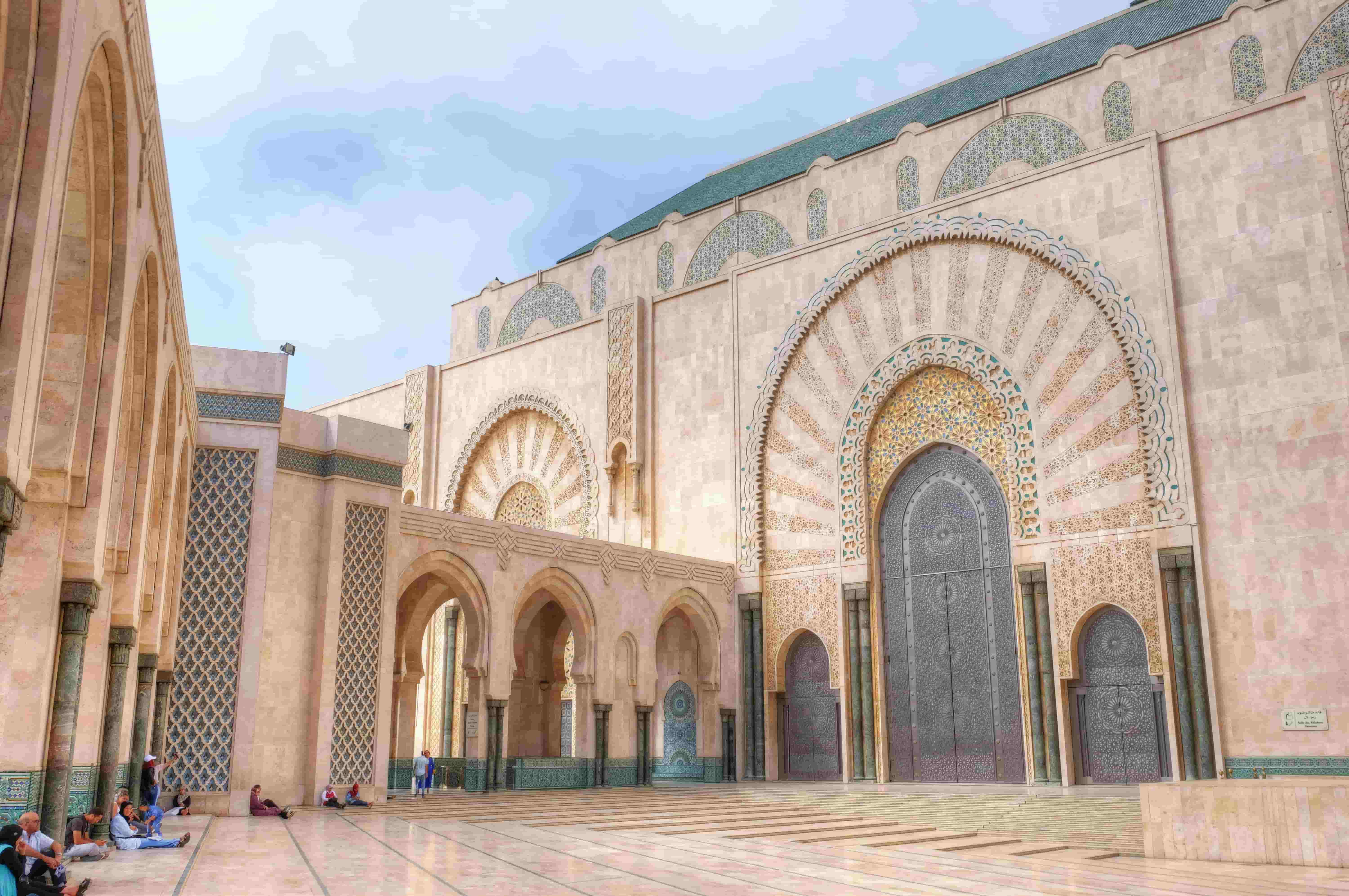
When I first stepped inside the Hassan II Mosque, I wasn’t prepared for its scale — the tiles, whirling in geometric perfection, the echo of footsteps on marble, and the ocean breeze wafting through open archways were unforgettable. My guide shared stories that brought each element to life, and I left feeling I had not just seen the mosque, but truly experienced it.
Why a Guided Tour is Essential for the Hassan II Mosque
Self-guided visits let you wander, but they often leave gaps in the story. A guided tour of the Hassan II Mosque Casablanca fills those spaces with expert insights. You gain access to details and areas that might otherwise stay hidden.
Guides turn a simple walk into a rich journey through history and faith. Without one, the mosque’s scale can overwhelm you. Tours make sure you catch every key detail.
A Monument Born of Vision and Craft
The Hassan II Mosque was completed in 1993, after seven years of construction that began in 1986. It was commissioned by King Hassan II and designed by French architect Michel Pinseau, whose work blends traditional Moorish artistry with modern engineering. The project employed thousands of craftsmen and took immense effort to bring to life.
Construction costs are estimated to have ranged between approximately $400 million and $800 million, funded largely by public subscription and donations.
Today, the mosque is considered one of the largest and most spectacular religious buildings in the world. Its minaret towers 210 meters, making it the tallest in the world.
The mosque receives substantial interest from visitors globally — with estimates suggesting around 300,000 tourists explore it each year.
Unlocking Architectural Marvels and Engineering Feats
The retractable roof slides open like a giant puzzle piece, letting light flood the hall. Guides explain how engineers built it to honor prayer needs. The minaret towers 210 meters high, the tallest in the world.
They point out marble from the Atlas Mountains and wood from cedar forests. These choices show Morocco’s pride in local crafts. You learn why the glass floor offers sea views during tides.
Navigating Religious and Cultural Nuances
Guides teach you how to enter with respect, like quiet steps in holy spaces. They cover prayer times and what symbols mean in Islamic art. This helps you connect with the mosque’s daily life.
In Morocco today, the mosque stands as a symbol of unity. Tours highlight its role in community events and education. You leave with a deeper respect for local ways.
Accessing Restricted Areas and Behind-the-Scenes Views
Without a guide, ablution rooms stay off-limits to most. Tours take you into these spots for a peek at marble fountains. You see how water flows in patterns tied to old rituals.
Some guides show artisan areas where tiles get made by hand. These views add a layer of craft to your trip. It’s a chance to see the mosque’s living side.
Understanding Hassan II Mosque Tour Options and Logistics
Booking a guided tour of the Hassan II Mosque Casablanca starts with knowing the basics. Official sites handle most reservations to keep things smooth. Costs stay fair, around 140 dirhams for adults as of early 2026.
Tours run on set paths to fit prayer schedules. You can book ahead or buy on the spot. Always check for changes due to holidays.
Official Tour Timetables and Frequency
Guided tours happen several times a day, often from 9 a.m. to 3 p.m. They pause between prayers, like after noon service. Mornings fill up fast in peak season.
Call the official office or visit their site for the latest times. In February, cooler weather means fewer crowds. Plan around Friday prayers, when access tightens.
- Morning slots: Best for clear light and low heat.
- Afternoon options: Quieter, but watch for sunset crowds.
Ticket Pricing and Booking Channels
Adult tickets cost about 140 Moroccan dirhams, kids under 11 get in free. Add extras for audio guides if needed. On-site buys work, but online through approved sites like the mosque’s portal save time.
Third-party operators like Viator offer packages with transport. Stick to accredited ones to avoid scams. Prices match official rates, no markups.
Book via the Hassan II Mosque website or app for ease. Print your ticket or show it on your phone. This cuts wait times at the gate.
Essential Visitor Requirements: Dress Code and Conduct
Cover your shoulders and knees for entry—long pants or skirts work best. Women need a headscarf; they provide them if you forget. Men skip shorts too.
Remove shoes at the door; carry socks for cool floors. Stay quiet and follow the group. No eating or loud talks inside.
Respect signs on photos in prayer zones. Guides remind you of these rules. Follow them to keep the peace.
Preparing for Your Guided Exploration: Practical Tips
Pack light for comfort on your guided tour of the Hassan II Mosque Casablanca. Wear comfy shoes for walking marble paths. Bring water, but drink outside.
Check weather apps; Casablanca’s coast can turn breezy. Tours last about an hour, so time it right. Arrive 15 minutes early.
Best Time of Day to Book Your Tour Slot
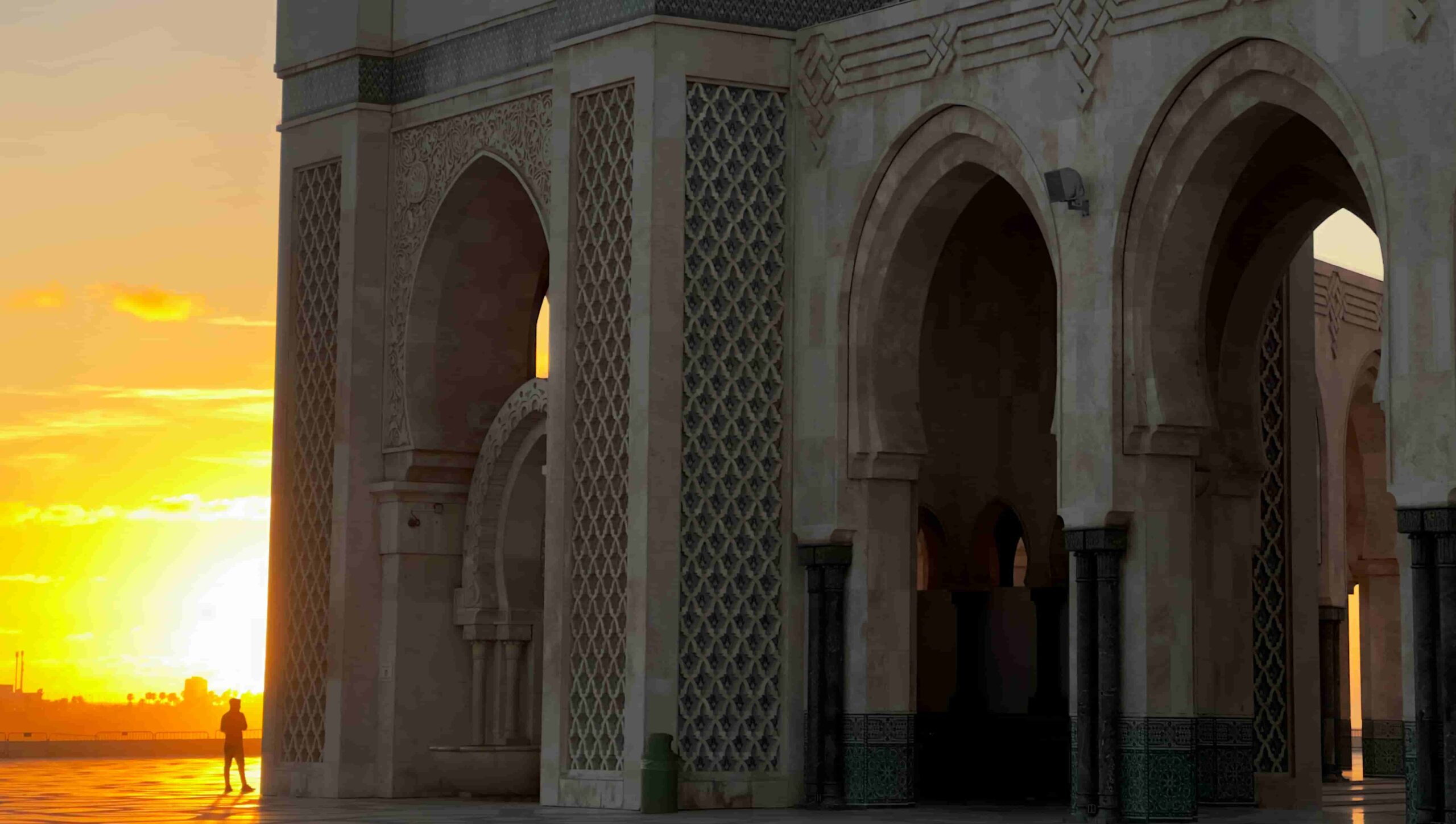
Morning tours catch soft light, perfect for photos without glare. Heat stays low, under 70 degrees in winter. Fewer people mean more space to ask questions.
Afternoons bring warmer tones but bigger groups. Evenings offer sunset views if available. Pick based on your energy—mornings suit early risers.
Crowds peak midday, so book edges for calm. In February 2026, mild days favor any slot.
Maximizing Photography Opportunities
Guides stop at the prayer hall for wide shots of chandeliers. The minaret base allows tall views against the sea. Use a phone with steady mode for low light.
Skip flashes inside to respect the space. Outdoor spots by the ocean make great backdrops. Ask your guide for tips on angles.
Prohibited areas include active prayer zones—heed the rules. Capture the tile work up close during pauses.
Language Availability of Official Guides
English tours run often, next to French and Arabic. Spanish picks up in tourist months. Book your language when reserving.
Confirm via email or site; most guides speak two tongues. If English fills, audio devices fill in. This keeps everyone in the loop.
Groups stay small, so questions flow easy.
Ready to Experience Morocco With Us?
Contact us today and let us create a journey tailored just for you, rich in culture, comfort, and unforgettable memories.
Key Highlights Covered on the Standard Guided Tour Route
The standard path winds through halls that hold 25,000 worshippers. Guides share facts on each stop. You feel the mosque’s vastness up close.
From entry to exit, the route builds wonder step by step. Pause for questions at key spots. It’s designed for flow without rush.
The Grand Prayer Hall and Intricate Zellige Work
This hall seats thousands under a roof of carved cedar. Marble floors from Italy shine underfoot. Zellige tiles form patterns that took years to craft.
Artisans cut each piece by hand for perfect fits. Guides explain the math behind the designs—stars and flowers symbolizing heaven. The scale hits you: it’s one of the largest mosques open to non-Muslims.
Chandeliers of brass and crystal hang like stars. Light plays off the tiles in rainbows. You can’t help but stare.
The Ablution Halls (The Hammam)
These rooms span football fields, with fountains for washing before prayer. Marble walls echo soft water sounds. Guides note the hygiene rules tied to faith.
Over 40 taps line the basins, each with hot and cold. It’s a peaceful spot amid the bustle. Many miss it on quick visits.
The design mixes function with beauty—arches and lights add calm.
The Minaret: The World’s Tallest and Its Historical Context
At 210 meters, it calls prayers five times a day via laser. Built in 1993, it nods to older towers like Rabat’s. Guides share how it took 6,000 workers to raise.
The base holds elevators, but tours stick to ground views. Climb access limits to muezzins. From outside, it frames the city skyline.
Its spot on the cliff adds drama, waves crashing below.
Beyond the Mosque Walls: Integrating Your Visit
After your guided tour of the Hassan II Mosque Casablanca, step into the city’s vibe. The area buzzes with life. Plan your day to blend mosque magic with local fun.
Walk short paths to other sights. Taxis wait nearby for easy hops. Keep the momentum going.
Post-Tour Activities Near the Corniche
Stroll the Corniche boardwalk for ocean breezes and street food. Try fresh fish at spots like La Sqala, just a 10-minute ride away. It’s a tasty reward.
Visit the nearby lighthouse for more sea views. Parks offer shade for picnics. Evenings light up with joggers and vendors.
Markets sell spices and crafts—pick souvenirs tied to mosque themes.
Logistics for Arrival and Departure (Taxis and Transit)
From downtown hotels, taxis cost under 50 dirhams and take 20 minutes. Use apps like Careem for rides. Buses run from the port area too.
Park at the mosque lot if driving—spots fill quick. After tours, cabs line up outside. Walk to the tram for budget moves.
Traffic peaks at rush hour, so add buffer time.
Conclusion: The Lasting Impression of Sacred Architecture
A guided tour of the Hassan II Mosque Casablanca turns stone and tile into stories that stick. You walk away with knowledge of its build, faith, and place in Morocco. From booking tips to hidden gems, this setup ensures your visit shines.
Don’t wait—grab tickets now for an experience that blends awe and insight. Book your guided tour today and step into Casablanca’s heart. You’ll carry the mosque’s spirit long after.
