

Exploring the Different Types of Moroccan Couscous Across Regions
A Culinary Journey Through Moroccan Couscous
Couscous is more than just a dish in Morocco; it’s a symbol of culture, tradition, and community. Often served during family gatherings, celebrations, and religious festivals, this tiny steamed semolina grain has been a cornerstone of Moroccan cuisine for centuries.
What makes Moroccan couscous truly special is its incredible regional diversity. From the northern coastal cities to the southern desert regions, each area adds its own local ingredients, spices, and cooking techniques, creating a tapestry of flavors that reflect Morocco’s rich culinary heritage.
In this blog post, we’ll explore the different types of Moroccan couscous across the country, uncovering how geography, culture, and tradition shape this beloved dish. Whether it’s seafood from the Mediterranean, lamb from the Atlas Mountains, or sweet couscous desserts, there’s a version of couscous to delight every palate.
1. Couscous in Northern Morocco
The northern regions of Morocco, including the Rif Mountains and Mediterranean coast, offer some of the most distinctive couscous varieties in the country. Influenced by the proximity to the sea and the fertile lands of the north, these couscous dishes often feature fresh seafood, vibrant vegetables, and aromatic herbs.
Rif Mountains Style
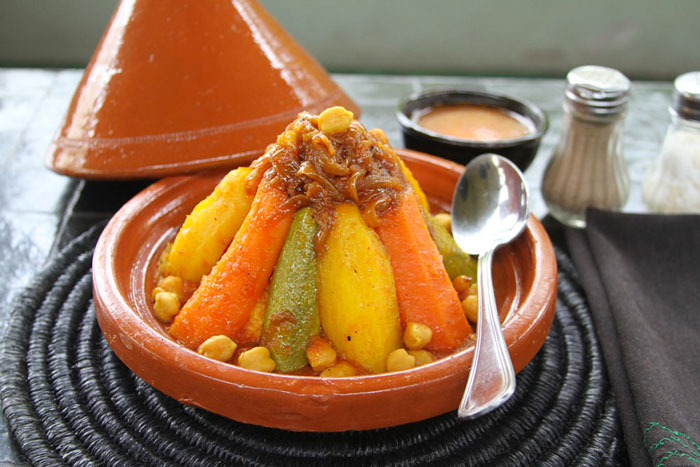
In the Rif Mountains, couscous is typically served with locally grown vegetables like carrots, zucchini, and pumpkin. Meat is less common here, with lamb or chicken sometimes added for special occasions. The dishes are lightly spiced, allowing the freshness of the ingredients to shine.
Tangier and Tetouan Influence
Coastal cities like Tangier and Tetouan bring a Mediterranean twist to couscous. Seafood couscous is a specialty, often including fish, shrimp, or calamari, steamed over aromatic broths. These dishes are infused with local herbs and spices, offering a lighter and more refreshing flavor compared to the heartier inland versions.
Northern Moroccan couscous exemplifies how geography shapes cuisine, blending the richness of the mountains with the freshness of the sea.
2. Couscous in Central Morocco
Central Morocco, particularly the imperial cities of Fez and Meknes, is known for its rich and hearty couscous dishes that reflect centuries of culinary tradition. These regions favor robust flavors, often combining tender meats with a medley of seasonal vegetables and carefully balanced spices.
Fez-Style Couscous
In Fez, couscous is often prepared with lamb or beef, slowly cooked to absorb the aromatic blend of spices like saffron, ginger, and cinnamon. Vegetables such as carrots, turnips, and zucchini are added, creating a comforting and filling dish. Fez-style couscous is a staple at family gatherings and festive occasions, symbolizing hospitality and tradition.
Meknes-Style Couscous
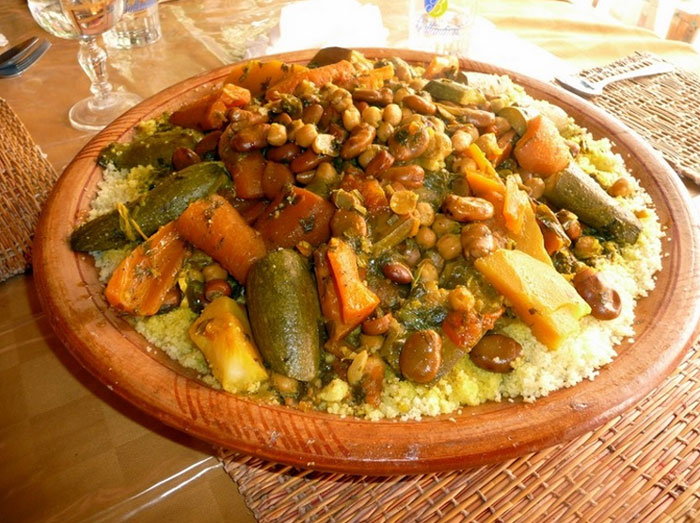
Meknes offers a slightly different take, with couscous often featuring a mix of meat and chickpeas, along with vegetables and a fragrant broth. The dish is rich but balanced, showcasing the region’s preference for harmony in flavors and textures.
Central Moroccan couscous is a testament to the region’s history as a cultural crossroads, blending influences from Berber, Arab, and Andalusian cuisines into dishes that are both hearty and sophisticated.
3. Couscous in Southern Morocco
Southern Morocco, including Marrakech and the Atlas Mountains, is renowned for its bold and flavorful couscous dishes. The cuisine here reflects the influence of Berber traditions, the desert climate, and the use of locally available ingredients, resulting in hearty meals that are both aromatic and satisfying.
Marrakech-Style Couscous
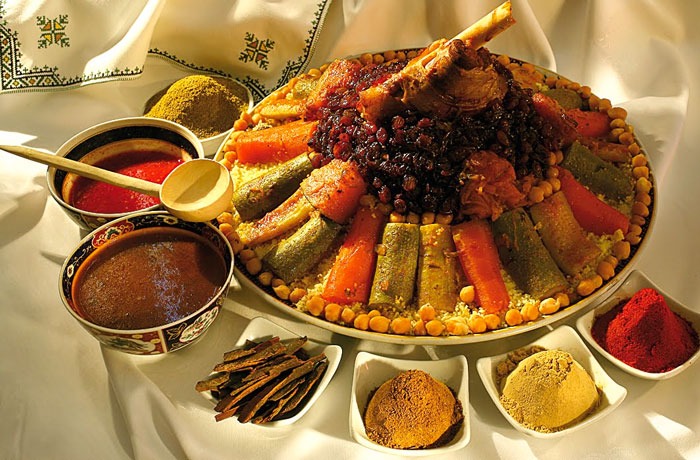
In Marrakech, couscous often features chicken, lamb, or even camel meat, cooked with a rich blend of spices such as saffron, cumin, and turmeric. Dried fruits like raisins or apricots are commonly added, giving the dish a subtle sweetness that balances the savory flavors. This version is frequently served during large family gatherings and festive celebrations.
Atlas Mountains and Berber Influence
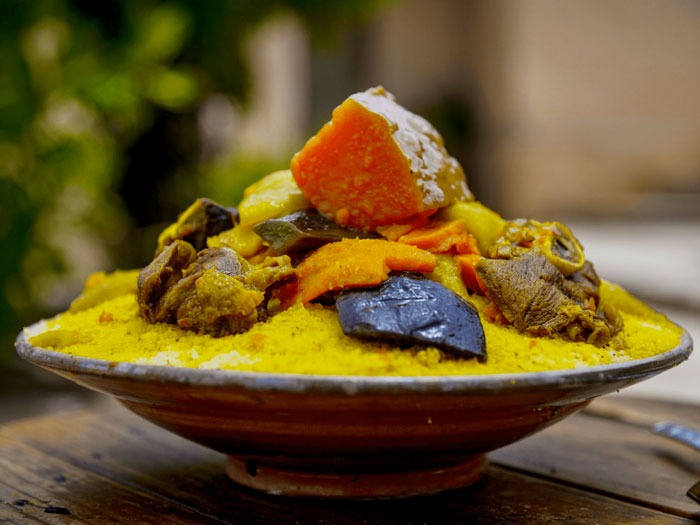
In the Atlas Mountains, couscous is traditionally prepared in communal pots, steamed over simmering stews of meat and vegetables. The Berber influence is evident in the slow-cooked flavors and rustic presentation, emphasizing simplicity and natural ingredients. This style of couscous is not only a meal but a social experience, bringing families together around the dining table.
Southern Moroccan couscous stands out for its combination of aromatic spices, tender meats, and a touch of sweetness, making it one of the most memorable culinary experiences in Morocco.
4. Coastal Moroccan Couscous
Morocco’s coastal cities, such as Essaouira and Agadir, offer a unique twist on couscous by highlighting the bounty of the Atlantic Ocean. These regions emphasize fresh seafood, light broths, and aromatic herbs, creating dishes that are refreshing yet deeply flavorful.
Essaouira-Style Couscous
Essaouira is famous for its fish couscous, which often includes a variety of local seafood such as fish fillets, shrimp, and squid. The couscous is steamed and served with a delicate broth infused with garlic, cilantro, and preserved lemons, giving it a bright and zesty flavor.
Agadir-Style Couscous
In Agadir, couscous also incorporates seafood but may include shellfish like mussels or clams. The dish is typically lighter than inland versions, focusing on the freshness of the ingredients and subtle seasoning that enhances rather than overpowers the seafood.
Coastal Moroccan couscous highlights the country’s diversity, showing how the proximity to the ocean can transform a traditional dish into something light, fresh, and uniquely regional.
Plan your Moroccan adventure with us!
Explore bustling souks, majestic deserts, and historic cities while traveling respectfully and confidently. Let us help you experience the best of Morocco without the cultural missteps.
5. Sweet Couscous Varieties
While savory couscous is the most common, Morocco also offers a variety of sweet couscous dishes that are enjoyed as desserts or special treats. These sweet versions highlight the versatility of couscous and the Moroccan flair for combining textures and flavors.
Couscous with Milk and Sugar
A simple yet comforting dessert, couscous is steamed and then mixed with warm milk, sugar, and a sprinkle of cinnamon. Sometimes, a touch of orange blossom water is added for a fragrant aroma, making it a perfect end to a meal.
Couscous with Raisins, Almonds, and Honey
In some regions, couscous is combined with dried fruits like raisins or apricots, toasted almonds, and a drizzle of honey. This version is particularly popular during festive occasions and religious celebrations, offering a sweet, nutty, and aromatic experience.
Regional Sweet Specialties
Different regions have their own unique twists on sweet couscous. For example, in the south, dried fruits like dates and figs are commonly used, while in the north, almonds and sesame seeds may take center stage. Each variation reflects local ingredients and cultural influences, turning couscous into a true Moroccan delicacy.
Sweet couscous shows that this humble grain is not only versatile in savory dishes but also capable of creating rich, satisfying desserts that are deeply rooted in Moroccan tradition.
Tips for Experiencing Moroccan Couscous
To truly appreciate the diversity and richness of Moroccan couscous, consider these tips when exploring the country:
Visit the Right Regions at the Right Time
-
Northern Morocco is best for seafood couscous, especially in spring and summer when fish is freshest.
-
Central Morocco offers hearty lamb and beef couscous, ideal to enjoy during cooler months.
-
Southern Morocco’s rich, spiced couscous is perfect for autumn and winter.
Dine at Local Restaurants and Family Homes
-
Traditional Moroccan homes often prepare couscous on Fridays, making it a special cultural experience.
-
Local restaurants in each region highlight authentic flavors, with recipes passed down through generations.
Pair Couscous with Moroccan Beverages
-
Mint tea is a classic companion to couscous, balancing the spices and enhancing the meal.
-
Freshly squeezed orange juice or local fruit juices can complement lighter coastal or sweet couscous dishes.
Observe Traditional Serving Practices
-
Couscous is often served communally on large platters, encouraging sharing and social connection.
-
Use your right hand to enjoy couscous in the traditional Moroccan way, respecting local customs.
Following these tips will enhance your culinary journey, allowing you to experience Moroccan couscous in its full cultural and gastronomic context.
Discover Morocco Through Its Couscous
Moroccan couscous is more than just a meal; it’s a journey through the country’s landscapes, cultures, and traditions. From the fresh seafood of the northern coast to the hearty lamb and vegetable dishes of the central regions, and the sweet, aromatic varieties of the south, each type of couscous tells a story about the people and places it comes from.
Exploring couscous across Morocco is a delicious way to experience the nation’s diversity, history, and hospitality. Whether you’re a food enthusiast, a traveler seeking cultural immersion, or simply curious about Moroccan cuisine, tasting the regional variations of couscous is an unforgettable adventure.
So, pack your appetite and set out on a culinary journey; Morocco’s couscous awaits.
