

Things Not to Do in Morocco: What to Avoid as a Traveler
Morocco is a fascinating destination where ancient traditions meet vibrant modern life. From the bustling souks of Marrakech to the quiet villages of the Atlas Mountains and the vast Sahara Desert, the country offers unforgettable experiences for travelers. Moroccans are generally warm, welcoming, and proud of their culture, but like any destination, there are certain behaviors that visitors should avoid.
Understanding what not to do in Morocco is not about following strict rules; it’s about showing respect, avoiding misunderstandings, and traveling more confidently. Simple cultural missteps, often made unintentionally, can lead to uncomfortable situations or unnecessary stress, especially for first-time visitors.
This guide is designed to help you navigate Morocco smoothly by highlighting common mistakes travelers make and how to avoid them. Whether you’re visiting for a short city break, a desert tour, or a longer cultural journey, knowing these do’s and don’ts will help you enjoy a more authentic, respectful, and rewarding Moroccan experience.
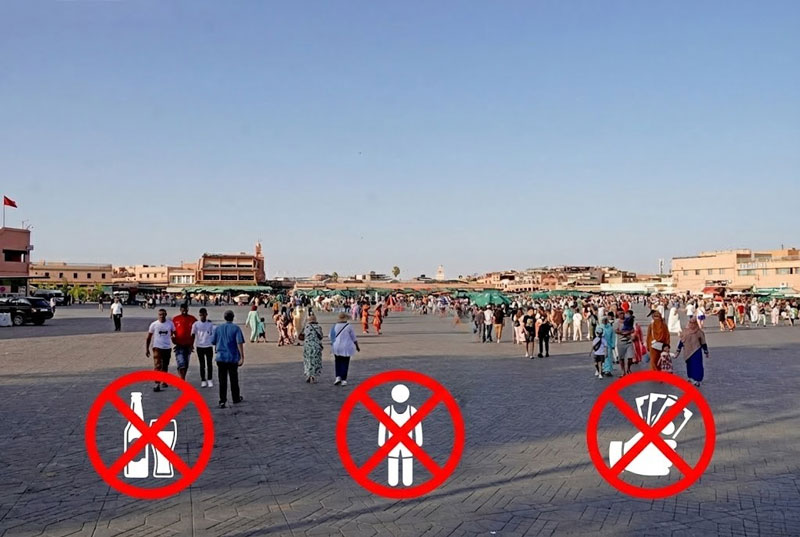
Cultural & Social Mistakes to Avoid
Morocco has a rich cultural identity shaped by centuries of tradition, religion, and community values. While visitors are not expected to know every custom, being mindful of social norms can go a long way in creating positive interactions with locals. Many misunderstandings happen simply because travelers apply Western habits in a different cultural context.
1 Disrespecting Local Customs
One of the biggest mistakes travelers make is assuming that cultural norms are flexible everywhere. Moroccan society places a strong emphasis on respect, especially toward elders, religion, and local traditions. Making jokes about customs, criticizing ways of life, or comparing Morocco negatively to other countries can come across as offensive, even if not intended that way.
A good rule of thumb is to observe first and follow the lead of locals. Politeness, patience, and humility are always appreciated and often rewarded with warmth and hospitality.
2 Public Displays of Affection
Public displays of affection are another area where cultural differences are noticeable. While holding hands is generally acceptable for married couples, kissing or intimate gestures in public can attract unwanted attention or make locals uncomfortable—particularly in smaller towns and conservative areas.
Tourist hubs like Marrakech or coastal cities may be more relaxed, but it’s still wise to be discreet. Respecting local sensibilities helps you blend in and avoid awkward situations.
3 Dressing Inappropriately
What you wear in Morocco matters more than many travelers expect. While there is no strict dress code for tourists, revealing clothing, such as very short shorts, crop tops, or low-cut outfits, can be seen as disrespectful, especially in rural areas or religious sites.
Dressing modestly doesn’t mean sacrificing comfort. Lightweight, loose-fitting clothing that covers shoulders and knees is both practical and culturally appropriate. By dressing respectfully, you’ll not only feel more comfortable but also receive more positive interactions from locals.
Behavior & Etiquette You Should Avoid
Daily interactions in Morocco are guided by unwritten social rules that emphasize respect, patience, and courtesy. While Moroccans are generally understanding toward visitors, certain behaviors can be seen as rude or inappropriate, even if they seem normal in other countries.
Using Your Left Hand Improperly
In Moroccan culture, the left hand is traditionally associated with hygiene and is not used for eating or offering items. Handing money, food, or gifts with your left hand may be considered impolite, especially in more traditional settings.
Whenever possible, use your right hand, or both hands, when greeting someone, paying for something, or accepting items. This small gesture is a sign of respect and is often noticed and appreciated by locals.
Photographing People Without Permission
Taking photos freely can be a sensitive issue in Morocco. Photographing people, particularly women, elders, or individuals in rural areas, without asking first is considered disrespectful. In busy souks, some locals may also expect payment if you take their photo, especially street performers or artisans.
To avoid misunderstandings, always ask for permission before taking close-up photos of people. A simple smile and gesture usually go a long way. If someone says no, respect their decision and move on.
Losing Your Temper in Public
Raising your voice, arguing loudly, or showing anger in public is generally frowned upon in Morocco. Such behavior can escalate situations quickly and may draw unwanted attention rather than resolve a problem.
If you encounter an issue, whether with a vendor, driver, or service provider, staying calm and polite is the most effective approach. Moroccans value composure and patience, and problems are more likely to be solved through respectful conversation.
Travel & Safety Mistakes to Avoid
Morocco is generally a safe country for travelers, but like any popular destination, it has its own set of challenges, especially in busy cities and tourist areas. Many negative experiences can be avoided by staying alert, informed, and realistic about common travel situations.
1 Trusting Everyone Too Quickly
Moroccans are famously friendly and helpful, but travelers should be cautious about unsolicited assistance, particularly in medinas and near major attractions. Offers to “guide” you, help with directions, or show you a shortcut often come with an expectation of payment, even if this isn’t mentioned upfront.
This doesn’t mean you should be suspicious of everyone, but it’s wise to politely decline help unless you’ve asked for it or are dealing with an official guide. A firm but friendly “no, thank you” is usually enough.
2 Ignoring Local Advice
Another common mistake is disregarding advice from hotel staff, riad hosts, or licensed guides. Locals often know which areas to avoid at night, which routes are safer, and how to handle local transportation.
Listening to local advice can save you time, money, and unnecessary stress, especially in unfamiliar cities or during late hours.
3 Not Being Aware of Common Scams
While Morocco is not dangerous, petty scams do exist, particularly in high-traffic tourist areas. These may include overcharging, fake guides, distraction techniques, or staged “helpful” encounters.
Being informed is your best defense. Keep valuables secure, avoid displaying large amounts of cash, and trust your instincts. If something feels off, it usually is.
What Not to Do in Souks & Markets
Moroccan souks are lively, colorful, and full of energy, but they can also feel overwhelming for first-time visitors. Understanding how to behave in markets will help you enjoy the experience while avoiding awkward or uncomfortable moments.
1 Showing Too Much Interest Too Fast
One of the biggest mistakes in a souk is showing strong interest in an item right away. Picking something up eagerly, asking too many questions, or praising it excessively often signals to the seller that you’re ready to buy at a higher price.
A better approach is to browse calmly, compare prices at different stalls, and maintain a neutral reaction. Even if you love an item, a relaxed attitude gives you more bargaining power.
2 Bargaining Aggressively or Disrespectfully
Bargaining is part of Moroccan market culture, but it should always be done with respect. Being overly aggressive, mocking prices, or pressuring vendors can quickly sour the interaction.
Think of bargaining as a friendly conversation rather than a battle. Smile, stay polite, and aim for a price that feels fair to both sides. If you can’t agree, it’s perfectly acceptable to thank the seller and walk away.
3 Walking Away After Agreeing on a Price
Once you’ve verbally agreed on a price, walking away without buying is considered rude. Even if no money has exchanged hands, a verbal agreement carries weight in Moroccan culture.
If you’re not sure you want to buy something, avoid negotiating seriously. A polite “just looking, thank you” helps prevent misunderstandings and keeps the interaction respectful.
Food & Dining Mistakes to Avoid
Moroccan cuisine is one of the highlights of any trip, known for its rich flavors, spices, and hospitality. However, dining customs may differ from what many travelers are used to, and a few common mistakes can unintentionally cause discomfort or offense.
1 Refusing Hospitality Abruptly
In Morocco, sharing food and tea, especially mint tea, is a strong symbol of hospitality and friendship. Flatly refusing an offer without explanation can come across as impolite, even if no offense is intended.
If you don’t wish to accept, a warm smile and a polite excuse such as “maybe later” or “thank you, I’ve already eaten” is usually well received. Showing appreciation matters more than saying yes.
2 Drinking Tap Water in Certain Areas
While tap water may be safe in some larger cities, it’s best to avoid drinking it in many parts of Morocco, particularly in rural areas. Doing so is a common mistake that can lead to stomach discomfort during your trip.
Stick to bottled water for drinking and brushing your teeth when in doubt, and be cautious with ice cubes and raw foods washed in tap water.
3 Eating in Public During Ramadan
During the holy month of Ramadan, Muslims fast from sunrise to sunset. Eating, drinking, or smoking in public during fasting hours is considered disrespectful, even for non-Muslims.
Many hotels and tourist-friendly restaurants remain open and provide discreet dining options. Being mindful of this cultural practice shows respect and helps you avoid uncomfortable situations.
Plan your Moroccan adventure with us!
Explore bustling souks, majestic deserts, and historic cities while traveling respectfully and confidently. Let us help you experience the best of Morocco without the cultural missteps.
Avoid Public Displays of Affection
Morocco is a predominantly Muslim country with conservative social norms. Public displays of affection, such as kissing or hugging, are considered inappropriate, especially in rural areas and small towns. While tourists are generally tolerated, it’s respectful to keep physical affection private to avoid offending locals or attracting unwanted attention.
Tips:
- Hold hands discreetly if needed.
- Save kisses and hugs for private settings, like hotel rooms.
- Be mindful of cultural differences, particularly when visiting religious or traditional areas.
Don’t Disrespect Religious Sites
Morocco is home to many beautiful mosques and religious landmarks, but not all are open to non-Muslims. It’s important to respect these sacred places and follow the rules when visiting.
Tips:
- Always ask before entering a mosque; non-Muslims are typically only allowed in certain areas.
- Dress modestly when visiting religious sites: cover shoulders, arms, and knees.
- Remove shoes when entering prayer areas.
- Avoid loud conversations, taking selfies, or using flash photography in sensitive areas.
Avoid Offensive Gestures and Language
Moroccans value politeness and respect in daily interactions. Certain gestures, words, or behaviors can be considered rude or offensive, even if unintentional.
Tips:
- Avoid pointing your finger directly at people; use an open hand instead.
- Don’t use the “thumbs up” gesture in some rural areas, as it can be seen as offensive.
- Refrain from swearing or making negative comments about religion, the monarchy, or local customs.
- Always greet people politely, using “Salam Alaikum” (peace be upon you) when entering shops or homes.
Don’t Haggle Aggressively or Be Rude While Shopping
Haggling is a common and expected practice in Moroccan markets (souks), but it’s important to approach it with respect. Being too aggressive or insulting the seller can create tension and spoil the experience.
Tips:
- Start by offering roughly half of the initial price, then negotiate politely.
- Keep a friendly and smiling demeanor throughout the bargaining process.
- If you can’t agree on a price, simply walk away; it’s considered normal and respectful.
- Avoid touching merchandise without permission, especially textiles or food items.
Be Careful with Photography
While Morocco is incredibly photogenic, taking photos requires sensitivity, especially around people and religious sites. Some locals may find it intrusive or offensive if photographed without permission.
Tips:
- Always ask permission before photographing individuals, particularly women and children.
- Avoid taking pictures inside mosques or religious ceremonies unless explicitly allowed.
- Be discreet in rural areas; some communities are more conservative about being photographed.
- Respect signs or guidelines indicating photography restrictions in museums, palaces, or government buildings.
Don’t Drink Alcohol in Public
While alcohol is available in Morocco, public consumption is frowned upon and can be illegal in certain areas. Drinking openly in the streets or non-designated areas may attract unwanted attention or fines.
Tips:
- Consume alcohol only in licensed bars, restaurants, or your hotel.
- Avoid drinking in rural areas or small towns, where it can be considered disrespectful.
- Be discreet and responsible when drinking, respecting local customs and laws.
Don’t Ignore Safety and Transportation Rules
While Morocco is generally safe for tourists, being careless can lead to problems. Paying attention to local rules and common sense precautions will make your trip smoother.
Tips:
- Always use licensed taxis or rideshare apps, and agree on fares before starting your journey.
- Avoid walking alone at night in poorly lit or unfamiliar areas.
- Keep an eye on your belongings, especially in crowded markets or tourist spots.
- Follow traffic rules if driving; roads can be chaotic, and local driving habits may differ from what you’re used to.
Respect Local Traditions and Cultural Norms
Understanding and respecting Moroccan culture is key to having a positive experience. Ignoring local customs can offend people and diminish your enjoyment of the country.
Tips:
- Learn basic greetings and polite phrases in Arabic or French, such as “Salam Alaikum” (hello) or “Shukran” (thank you).
- Dress modestly, particularly in rural areas, religious sites, and small towns.
- Be mindful of Ramadan if visiting during the holy month; avoid eating, drinking, or smoking in public during daylight hours.
- Observe local customs at weddings, festivals, and markets, and participate respectfully if invited.
Enjoy Morocco Respectfully
Morocco is a vibrant country full of history, culture, and breathtaking landscapes. By being aware of local customs, etiquette, and cultural sensitivities, you’ll not only avoid common mistakes but also gain a deeper appreciation for the country and its people.
Remember: Respect, politeness, and cultural awareness go a long way in making your Moroccan journey enjoyable and memorable.
