

How Your Visit to the Sahara Can Change a Nomad’s Life
The Sahara is more than endless dunes and golden sunsets; it is a world shaped by resilience, tradition, and the quiet rhythm of life that has endured for centuries. Here, in the heart of Morocco, the nomads of the desert move with the wind, living in harmony with the harsh yet breathtaking landscape.
When you visit, you might think you’re the one experiencing something extraordinary, but the truth is, your presence can touch lives in ways you might never imagine. A shared cup of mint tea under a tent, a respectful conversation with a guide, or choosing to support local crafts can ripple through a community that has long relied on its own strength and generosity.
Traveling through the Sahara isn’t just a journey across sand and sky; it’s an opportunity to connect, to give back, and to leave the desert a little brighter than you found it. This guide will show you how your visit to the Sahara can truly change a nomad’s life and create memories that last far beyond the dunes.
Who Are the Nomads of the Sahara?
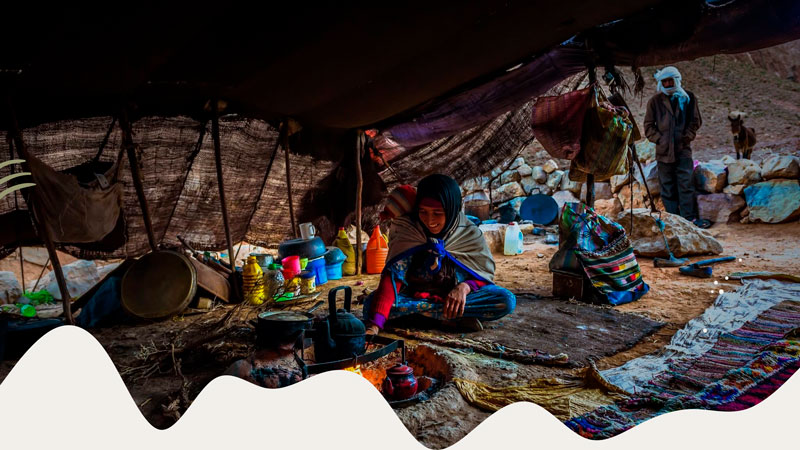
The nomads of the Sahara are the quiet keepers of the desert, moving with the sun and the seasons, their lives intertwined with the rhythm of the sand and wind. For centuries, families have traveled across Morocco’s vast dunes, relying on ancient knowledge passed down through generations. They know where to find water, how to navigate endless horizons, and how to survive in one of the harshest landscapes on Earth.
But their life is not only about survival; it is rich with culture, community, and generosity. Hospitality is at the heart of their world. A stranger, even a tourist, is often welcomed with a steaming cup of mint tea, a warm smile, and stories of the desert that can make you feel like you’ve stepped into another time. Music, poetry, and storytelling are woven into daily life, and every gesture carries meaning and respect.
Yet, this timeless way of life is changing. Modern pressures, climate challenges, and the influx of tourists have created both opportunities and challenges. Today, visitors have the rare chance to not only witness this extraordinary culture but to support it in meaningful ways, helping nomads maintain their dignity, traditions, and connection to the desert.
Tourism and the Desert: A Double-Edged Sword
Tourism can be a powerful force for good or, if done carelessly, it can unintentionally harm the very communities travelers come to admire. In the Sahara, nomads have always lived on the edge of nature, guided by knowledge of the land and deep respect for its limits. Now, as more visitors arrive, every interaction, every purchase, and every choice matters.
When approached respectfully, tourism can provide income for families, opportunities for children’s education, and support for traditional crafts. A guided desert trek led by a local nomad, a night spent in a family-run camp, or even choosing to buy handmade goods directly from the maker ensures that travelers leave a positive impact.
But the flip side is equally real. Exploitative practices, like overcrowded tours, disrespectful photography, or treating people as mere attractions, can erode trust and diminish the nomads’ way of life. Without mindfulness, the desert’s beauty becomes a backdrop for consumption rather than connection.
The key lies in traveling consciously. By making thoughtful choices, you become more than a visitor; you become a participant in a fragile, living culture. Every small action can echo far beyond the dunes, ensuring that the Sahara remains a place where both travelers and nomads can thrive together.
Small Actions That Create Big Impact
Visiting the Sahara doesn’t require grand gestures to make a difference. Sometimes, the smallest, most thoughtful choices are the ones that leave the deepest mark. Here’s how your journey can truly support the nomads and honor their way of life:
1. Support Local Nomads Directly
- Choose desert tours led by nomads themselves. Instead of large commercial operators, opt for family-run camps and local guides. Every booking contributes directly to their livelihoods.
- Hire local drivers or guides. These are often young nomads who balance tradition with modern skills. Your support keeps these opportunities alive.
- Stay in nomadic-run camps. Even one night can help sustain a family, fund education, and preserve cultural heritage.
2. Buy With Purpose
- Purchase handmade crafts directly. Rugs, jewelry, leather goods, and textiles carry stories woven into every thread.
- Avoid bargaining too aggressively. Fair prices mean nomads can continue crafting and sustaining their families.
- Remember quality over quantity. A single meaningful item often has a greater impact than dozens of cheap souvenirs.
3. Respect Traditions and Personal Space
- Ask before photographing anyone. A simple “yes” transforms a photo from a snapshot into a shared moment.
- Learn a few words in Tamazight or Arabic. Even a greeting shows respect and curiosity.
- Dress modestly in desert communities. Respecting cultural norms is a form of kindness in itself.
4. Share Experiences, Not Just Social Media
Stories, conversations, and shared meals matter more than likes. Engage with the nomads personally; it’s an exchange that can leave a lasting memory for both sides.
By acting with thoughtfulness and respect, your visit transforms from a fleeting experience into a lifeline of support. The desert isn’t just sand and sky; it’s people, culture, and a resilient way of life that you can help protect.
What to Avoid (Even With Good Intentions)
Even the most well-meaning travelers can unintentionally cause harm if they aren’t aware of local customs and sensitivities. In the Sahara, small actions can carry big consequences, so it’s important to travel with mindfulness.
1. Don’t Treat Nomads as Tourist Attractions
- Remember, these are real people with lives, families, and traditions, not performers for your camera.
- Avoid asking children to pose or entertaining yourself at someone’s expense. Respect their dignity above all.
2. Avoid Giving Money or Sweets Directly to Children
- While it may feel like kindness, direct handouts can create dependency or disrupt local community norms.
- If you want to help children, consider contributing through local schools, NGOs, or family-run initiatives.
3. Don’t Assume Poverty Equals Unhappiness
- Many nomads live simply, but their lives are rich in culture, connection, and resilience. Treat them as equals, not objects of pity.
4. Be Mindful of the Environment
- Avoid leaving trash or disrupting natural habitats. Every plastic bottle or discarded item can harm the fragile desert ecosystem.
- Stick to marked paths and tents, and always leave the sand and culture as you found it.
Traveling with awareness isn’t about restriction; it’s about respecting people and place. By knowing what to avoid, your presence becomes a gift rather than an intrusion, allowing you to build meaningful connections that last far beyond your time in the dunes.
Step into the heart of the Sahara and experience the desert like never before
Join us on a journey of discovery, culture, and connection, where every dune tells a story and every moment leaves a lasting impact. Book your Sahara adventure today, and travel with heart, respect, and unforgettable memories.
Simple Things You Can Bring That Truly Help
Sometimes the smallest gestures leave the biggest impact. When visiting the Sahara, thoughtful items can support nomads in ways that money alone cannot. The key is to bring things that are useful, culturally appropriate, and sustainable.
1. Practical Items for Daily Life
- Solar lanterns or small rechargeable lights – a valuable resource for nomadic camps far from electricity.
- Warm clothing, blankets, or sturdy shoes – especially for families enduring the desert’s cold nights.
- School supplies – notebooks, pencils, and educational materials can help children pursue learning despite their remote location.
2. Support Local Crafts and Food
- Bring ingredients or tools that complement their traditional crafts (like natural dyes, yarn, or sewing supplies).
- Encourage self-sufficiency rather than temporary fixes—choose items that enhance their way of life without creating dependency.
3. Coordinate Through Local Guides
- Always ask your desert guide or a local contact before giving items. This ensures your help meets actual needs rather than creating unintended problems.
- Small acts of preparation—like checking what’s useful or culturally appropriate—show respect and thoughtfulness, which matter as much as the gift itself.
The beauty of these gestures is that they create a connection rooted in exchange, not charity. When travelers bring practical support, they strengthen the nomads’ resilience, celebrate their traditions, and leave a lasting, positive impact in the heart of the desert.
Stories of Exchange, Not Charity
The most powerful moments in the Sahara aren’t always captured in photos; they’re felt in the quiet exchanges between travelers and nomads, moments that leave both sides enriched.
Imagine sharing a meal in a desert tent, listening to the soft strum of a traditional string instrument as the sun sets behind the dunes. The nomads offer tea, stories, and laughter, while you bring curiosity, respect, and appreciation. No money changes hands, yet both lives are touched. These are exchanges of dignity, culture, and connection, not acts of charity.
Or picture a traveler who buys a handwoven carpet directly from its maker. The nomad’s eyes light up—not because of profit alone, but because someone has valued their skill, their tradition, and their effort. That moment transcends commerce; it becomes a bridge between worlds.
Travelers often leave the Sahara believing they gave something, but the truth is, they receive far more. Lessons in patience, humility, and human resilience. Stories that linger long after the sand has blown away. By approaching tourism as an exchange rather than a donation, your journey becomes meaningful for both you and the nomads, leaving a legacy of respect, understanding, and shared humanity.
Traveling the Sahara With Heart
Visiting the Sahara is more than ticking a destination off your bucket list; it’s an invitation to travel with empathy, awareness, and respect. Every interaction, every conversation, every choice you make shapes the lives of the nomads and the future of their culture. By moving slowly, listening deeply, and honoring their way of life, you become part of a journey that transcends sand and sky.
Travel with heart means choosing experiences that uplift rather than exploit, that connect rather than consume. It’s about understanding that your footsteps in the desert may fade quickly, but the kindness, respect, and care you leave behind can ripple through families and communities for generations.
Leaving the Desert Better Than You Found It
The Sahara teaches patience, humility, and the beauty of living in harmony with the land. As a traveler, you carry a responsibility: to leave no mark of harm, and to leave traces of respect, connection, and positive impact.
Simple gestures, supporting local guides, buying directly from nomads, listening to stories, or giving thoughtfully, can change lives. The desert will continue to awe and inspire, but through your conscious travel, the nomads’ culture and dignity will endure, too.
Your visit doesn’t have to be fleeting. It can be transformative, for you and for the people who call the Sahara home. Travel consciously, tread lightly, and let the desert remind you that the most lasting footprints are those made with kindness.
