
Sahara Camel Tours
Tu aventura te espera
Explora las antiguas medinas de Marruecos, las majestuosas montañas del Atlas y el dorado desierto del Sahara con auténticas visitas guiadas y aventuras inolvidables.
El agencia de viajes en el que puedes confiar en Marruecos
Bienvenidos a Sahara Camel Tours, donde comienza su aventura en el fascinante desierto de Marruecos. Descubra la magia de las excursiones en camello por las extensas dunas doradas, sumérjase en la belleza de las noches estrelladas en nuestros auténticos campamentos del desierto y descubra el encanto atemporal del Sáhara. Desde aventuras inolvidables hasta tours personalizados que le mostrarán la esencia de Marruecos, le ofrecemos una experiencia única en el desierto. ¡Comience hoy mismo su historia en el Sáhara con nosotros!
All our tours are private and we do departure every day. Please note that you can customize the tour to suit your interests and schedules.
To book your tour, please click below and contact us.

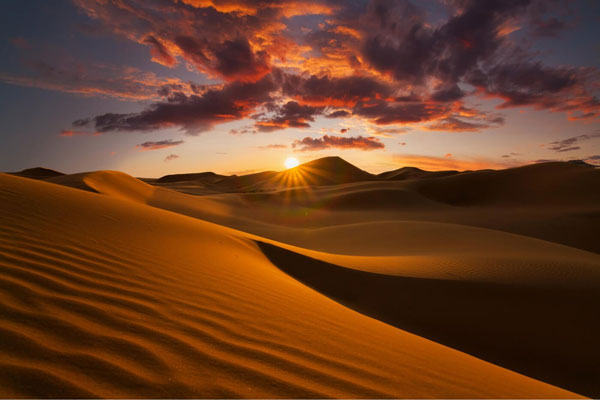
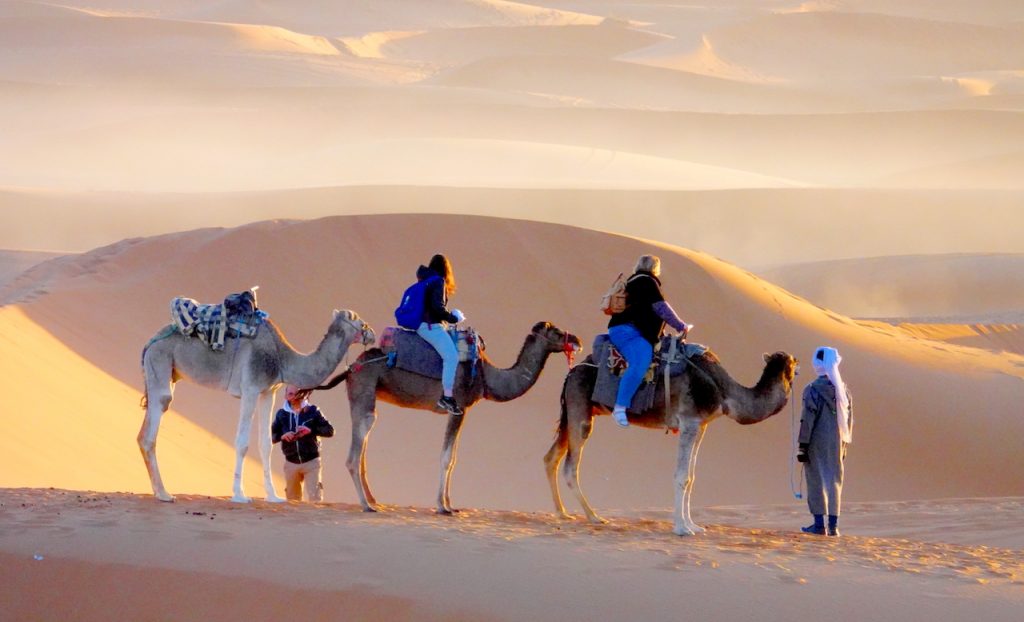
Nuestras actividades en el desierto
Únase a nuestros programas de tours con salida desde diferentes ciudades
Excursión nocturna en camello por el desierto de Merzouga
Excursión en camello al amanecer en el desierto de Merzouga
Excursión en camello al atardecer en Merzouga
Excursiones de un día
Únase a nuestros programas de tours con salida desde diferentes ciudades
Excursión de 1 día desde Marrakech al valle de Ourika
Excursión de 1 día desde Marrakech a las cascadas de Ouzoud
Excursión de 1 día desde Marrakech al pueblo de Imlil
Tours populares
Únase a nuestros programas de tours con salida desde diferentes ciudades
Tour de 2 días desde Marrakech al desierto de Zagora
Tour de 3 días desde Fez al desierto de Merzouga que termina en Fez
Gran tour de 8 días para visitar el mar y el desierto de Zagora
Tour de 2 días desde Fez al desierto de Merzouga
Viaje de 6 días desde Marrakech al Sahara de Merzouga
Viaje de 9 días desde Tánger a las ciudades imperiales
Tour de 2 días desde el aeropuerto de Errachidia al desierto de Merzouga
Tour de 7 días desde Casablanca al desierto de Merzouga
Viaje de 11 días desde Casablanca al desierto de Erg Chebbi
Nuestros tours están disponibles en todo Marruecos.
En SaharaCamelTours, ofrecemos una amplia selección de tours por todo Marruecos, diseñados para mostrar los diversos paisajes, la rica historia y la cultura del país. Con años de experiencia en viajes por Marruecos, adaptamos cada tour para satisfacer las preferencias de nuestros viajeros, ya sea que busquen aventura, inmersión cultural o una escapada relajante.
Exploración cultural e histórica
Marruecos es un país lleno de historia, y nuestros tours culturales e históricos ofrecen una mirada en profundidad a algunas de sus ciudades y lugares emblemáticos. Desde las sinuosas calles de la medina de Marrakech hasta la antigua Fes El-Bali y el encanto moderno de Casablanca, estos tours le permiten adentrarse en el fascinante pasado de Marruecos. Nuestros guías expertos lo llevarán a través de palacios reales, sitios declarados Patrimonio de la Humanidad por la UNESCO, mezquitas históricas y zocos vibrantes, ofreciéndole una auténtica experiencia cultural.
Aventura en el desierto del Sahara
El corazón de la magia de Marruecos reside en el desierto del Sahara. Nuestros tours por el desierto ofrecen la mejor experiencia en el desierto, donde puede montar en camello a través de las dunas doradas, acampar bajo un manto de estrellas y presenciar la belleza surrealista de los paisajes desérticos. Ya sea que se aventure en el Erg Chebbi de Merzouga o en las dunas más remotas del Erg Chigaga, nuestros guías experimentados se aseguran de que su viaje por el desierto sea seguro e inolvidable.
Escapadas a la montaña y a la naturaleza
Para aquellos que buscan un cambio de escenario, nuestros tours de montaña lo llevan a las impresionantes montañas del Atlas. Explore exuberantes valles, pueblos bereberes y picos espectaculares mientras se embarca en caminatas o excursiones escénicas. Esta región ofrece el equilibrio perfecto entre tranquilidad y aventura, con la oportunidad de descubrir la vida rural de Marruecos, disfrutar de vistas pintorescas y conectar con la naturaleza.
Retiros costeros y aventuras junto al mar
La costa de Marruecos ofrece un contraste refrescante con el desierto y las montañas. Nuestros tours costeros lo guiarán a través de pueblos pintorescos como Essaouira, Agadir y Tánger, donde puede relajarse en playas vírgenes, saborear mariscos frescos y explorar la mezcla de influencias europeas y marroquíes. Ya sea que esté interesado en ciudades costeras o gemas escondidas junto al mar, nuestros tours lo introducirán a la fascinante costa de Marruecos.
Experiencias de aventura
Si es un adicto a la adrenalina, nuestros tours de aventura ofrecen actividades emocionantes como ciclismo de montaña, escalada en roca y surf a lo largo de la costa de Marruecos. Para la mejor aventura, considere un safari por el desierto, explorando los rincones remotos del Sahara en vehículos 4×4 o a lomos de camello. Nuestros guías profesionales se aseguran de que se tomen todas las medidas de seguridad al tiempo que le ofrecen la oportunidad de explorar Marruecos desde una perspectiva diferente.
Itinerarios a medida solo para ti
Creemos que la experiencia de cada viajero debe ser tan única como ellos. Nuestros tours personalizados le brindan la flexibilidad de elegir sus destinos, actividades y ritmo, lo que le permite diseñar un viaje que refleje sus intereses. Ya sea que prefiera un tour cultural tranquilo o una aventura llena de acción en el desierto, podemos ayudarlo a crear el itinerario perfecto.
Planificación de su tour por Marruecos
Al reservar tu tour con Sahara Camel Tours, es importante considerar el grado de flexibilidad que deseas. Si bien algunos de nuestros tours ofrecen itinerarios preestablecidos, muchos se pueden personalizar para que puedas explorar a tu propio ritmo y disfrutar de tiempo libre. Revisa los itinerarios para asegurarte de que se ajusten a tus intereses, ya sea sumergirte en la cultura, disfrutar de actividades al aire libre o relajarte en la playa.
Con una amplia gama de opciones de tours disponibles en todo Marruecos, SaharaCamelTours se asegura de que cada viajero tenga la oportunidad de explorar el país a su manera. Desde las arenas del Sahara hasta los picos de las montañas del Atlas, nuestros tours brindan experiencias inolvidables adaptadas a sus deseos. ¡Embárcate en este viaje inolvidable juntos!
Trekking en camello y tours por el Sahara de Marruecos
Con años de experiencia en trekking en camello y tours por el Sahara de Marruecos, nos especializamos en crear aventuras inolvidables en el desierto. Ya sea que sueñe con montar en camello a través de las dunas doradas de Erg Chebbi o pasar una noche bajo el cielo estrellado en un campamento bereber tradicional en el desierto, le garantizamos una experiencia de viaje fluida y enriquecedora.
Nuestro equipo de guías locales experimentados se dedica a ofrecer tours personalizados y auténticos por el desierto marroquí. Entendemos que cada viajero tiene preferencias únicas, por lo que nuestras excursiones en camello y tours por el Sahara se adaptan a sus necesidades, ya sea que prefiera una caminata corta al atardecer, una estancia de una noche o una expedición de varios días en lo profundo del desierto.
Nos enorgullecemos de nuestra fiabilidad y de nuestras conexiones arraigadas en todo Marruecos. Nuestras asociaciones con las comunidades locales nos permiten brindarle los mejores alojamientos, transporte cómodo y experiencias culturales inmersivas a precios competitivos. Cuando reserva con nosotros, puede hacerlo con confianza, sabiendo que cada detalle de su tour por el Sahara de Marruecos está cuidadosamente planificado para su comodidad y disfrute.
Desde el momento en que consulta sobre su viaje hasta el día en que regresa a casa, nuestro dedicado equipo de soporte está aquí para ayudarlo. Permítanos guiarlo a través de los impresionantes paisajes del Sahara marroquí, donde será testigo de amaneceres y atardeceres fascinantes, explorará oasis escondidos y experimentará las tradiciones atemporales de los nómadas del desierto.
¡No espere para embarcarse en la aventura de su vida! Reserve hoy mismo su tour de trekking en camello y por el Sahara de Marruecos y cree recuerdos que permanecerán con usted para siempre. ¡Exploremos juntos el desierto marroquí!

