
What You Should Know Before a Cycling Tour in Morocco
Cycling through Morocco is more than just a sport; it’s a journey through a land of striking contrasts, from the golden sands of the Sahara to the snow-capped peaks of the Atlas Mountains, and from the bustling medinas of Marrakech to the serene coastal roads of Essaouira. For adventure seekers and culture lovers alike, a cycling tour offers a unique way to experience the country at your own pace, feeling every rise and turn while connecting with its vibrant culture.
But Morocco is not like any other cycling destination. Its diverse terrain, intense climate, and rich cultural tapestry require careful planning and preparation. Knowing what to expect before you set off can mean the difference between an unforgettable adventure and an exhausting struggle. In this guide, we’ll walk you through everything you need to know, from choosing the right route and preparing physically to packing the essential gear and navigating local customs, so you can pedal confidently and fully immerse yourself in the magic of Morocco.
Choosing the Right Route
One of the first steps in planning a cycling tour in Morocco is deciding where you want to go. The country offers an incredible variety of landscapes, each presenting its own level of challenge and unique experiences.
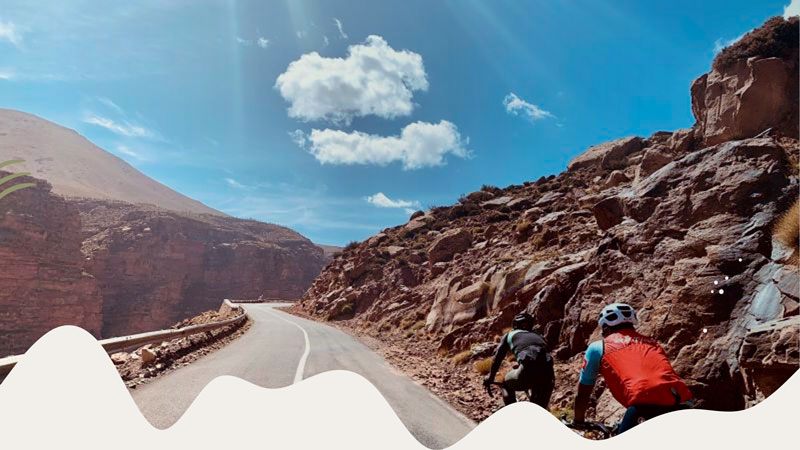
1. The Atlas Mountains:
For cyclists seeking adventure and breathtaking scenery, the High Atlas Mountains are a must. Expect steep climbs, winding mountain passes, and views that will stay with you forever. Routes like the Tizi n’Tichka pass offer a mix of challenge and beauty, perfect for experienced riders.
2. The Sahara Desert:
Cycling through the desert is a surreal experience. Sandy tracks, wide-open horizons, and the mesmerizing dunes of Merzouga create a ride like no other. Keep in mind that daytime temperatures can be extreme, so plan early morning or late afternoon rides and stay well-hydrated.
3. Coastal Routes:
Morocco’s Atlantic coast offers flatter, more relaxed rides. Cities like Essaouira or Agadir provide scenic routes with ocean breezes, charming fishing villages, and opportunities to enjoy fresh seafood along the way.
4. Medina and Urban Tours:
For those who prefer shorter rides or want a cultural experience, cycling through Moroccan medinas (like Marrakech or Fes) is fascinating. Expect narrow streets, bustling markets, and vibrant street life. It’s slower-paced but rich in culture, perfect for photographers and explorers.
Difficulty and Timing:
Routes vary in difficulty, so it’s important to match your itinerary to your fitness level. Mountain passes are best for experienced cyclists, while coastal rides suit beginners or those looking for a leisurely experience. Season matters too: spring and autumn offer mild temperatures, while summer can be scorching, especially in desert regions.
By choosing the right route, you set the tone for your entire adventure. Whether it’s conquering mountain climbs, gliding along the coast, or exploring historic towns, Morocco has a route for every type of cyclist.
Fitness and Preparation
Cycling through Morocco’s diverse terrain can be exhilarating, but it can also be physically demanding if you’re not prepared. A little planning and training before your trip can make all the difference, ensuring that your adventure is challenging in a fun way, not exhausting.
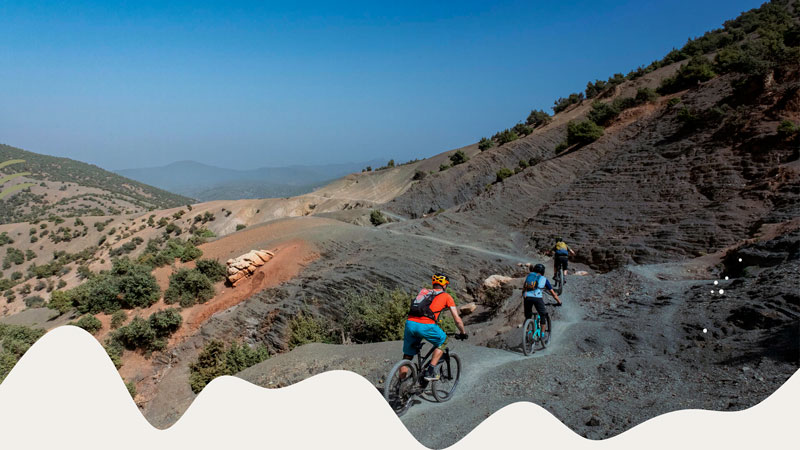
1. Build Endurance:
Morocco’s routes often include long stretches of road, hilly climbs, or desert trails. Begin by gradually increasing your weekly riding distance. Mix in both flat rides and hill training to simulate the variety you’ll encounter on the trip.
2. Strength and Flexibility:
Mountain climbs and rough terrain require strong legs, core stability, and balance. Simple exercises like squats, lunges, planks, and stretching routines can improve your cycling performance and reduce the risk of injury.
3. Practice Riding With Gear:
If you plan to carry panniers or a fully loaded bike, practice riding with weight before your trip. Handling a heavier bike on steep climbs or winding roads can be surprisingly different from riding an empty bike.
4. Mental Preparation:
Some rides, especially in the mountains or desert, can be long and isolated. Mental stamina is just as important as physical fitness. Prepare yourself for quiet stretches and unexpected challenges, and remember to enjoy the journey.
5. Pre-Trip Test Rides:
If possible, schedule a few long rides in conditions similar to Morocco, hot weather, hilly terrain, or sandy paths, to identify any gear adjustments or training gaps before you leave.
Being physically and mentally prepared will help you fully enjoy Morocco’s landscapes and cultural encounters. With the right preparation, even challenging climbs or long desert stretches become unforgettable highlights of your journey.
Ready to Experience Morocco With Us?
Contact us today and let us create a journey tailored just for you, rich in culture, comfort, and unforgettable memories.
Essential Gear and Equipment
Having the right gear can make or break a cycling tour in Morocco. From tackling rugged mountain trails to cruising along coastal roads, preparation is key for both comfort and safety.
1. Choosing the Right Bike:
- Road Bikes: Ideal for smooth, paved routes along cities and the coast.
- Mountain Bikes: Perfect for rough terrain, gravel paths, and mountain climbs.
- Hybrid Bikes: A versatile choice if you want a mix of both.
2. Safety Gear:
- Helmet: Non-negotiable for every ride.
- Gloves: Protect hands from vibration and improve grip.
- Reflective clothing and lights: Essential for early mornings, late evenings, or urban areas with traffic.
3. Navigation Tools:
- GPS devices or smartphone apps like Komoot or Strava.
- Paper maps as a backup in areas with poor signal.
- Compass or route notes if exploring off the beaten path.
4. Bike Maintenance Essentials:
- Multi-tool, spare tubes, patch kit, and portable pump.
- Chain oil and cleaning wipes for longer rides in dusty or muddy areas.
- Familiarize yourself with basic bike repairs, like fixing a flat or adjusting brakes.
5. Hydration and Nutrition:
- Hydration pack or water bottles—some desert or mountain routes may lack water stops.
- Energy bars, snacks, or dried fruits for on-the-go refueling.
6. Optional but Useful Extras:
- Panniers or saddle bags for carrying clothes, tools, and snacks.
- Lightweight lock for urban stops.
- Sunglasses and sunscreen to protect from Morocco’s strong sun.
Having the right equipment ensures that your ride is smooth, safe, and enjoyable, letting you focus on the scenery and culture rather than worrying about gear problems.
Understanding Local Conditions
Cycling in Morocco is an adventure, but understanding local conditions is essential for safety and enjoyment. From weather patterns to road types, being prepared will help you navigate the country with confidence.
1. Weather and Climate:
- Morocco has diverse climates: hot deserts, cooler mountains, and temperate coastal areas.
- Sahara Desert: Daytime temperatures can soar above 40°C (104°F), while nights are chilly. Early morning or late afternoon rides are safest.
- Atlas Mountains: Expect cooler temperatures and sudden weather changes, especially at high altitudes.
- Coastal Areas: Mild and breezy, perfect for easier rides.
2. Road Conditions:
- Major cities have well-paved roads, but rural routes may be gravel, sand tracks, or uneven asphalt.
- Watch for potholes, livestock, and unexpected road obstacles, especially outside urban areas.
- Mountain passes can be steep with sharp curves; always ride cautiously and use brakes wisely.
3. Traffic Culture:
- Moroccan drivers can be unpredictable. Urban areas may have honking, crowded streets, and narrow lanes.
- In rural areas, expect fewer cars but occasional trucks, buses, or donkey carts.
- Always signal your intentions, stay visible, and ride defensively.
4. Natural Hazards:
- Desert winds can blow sand onto roads or trails, reducing visibility.
- Mountain streams may overflow after rains, creating slippery paths.
- Carry basic first aid and know the location of nearby towns or emergency contacts.
5. Cultural Awareness on the Road:
- Some areas are more conservative; modest clothing and respectful behavior are appreciated.
- Smile and greet locals; it often leads to friendly interactions and helpful directions.
By understanding Morocco’s conditions, you’ll not only stay safe but also gain a deeper appreciation for the country’s landscapes, culture, and unpredictably beautiful roads.
Cultural Tips and Etiquette
Cycling through Morocco isn’t just about the landscapes; it’s also about the people and traditions that make the country so unique. Understanding local customs will help you have a richer, more respectful experience.
1. Dress and Modesty:
- In rural areas and smaller towns, modest clothing is appreciated. Avoid very short shorts or sleeveless tops. Lightweight, breathable layers are ideal for both comfort and cultural respect.
- A scarf or shawl can be handy for covering shoulders in conservative areas or visiting religious sites.
2. Greetings and Interaction:
- A simple “Salam Alaikum” (peace be upon you) goes a long way in showing respect.
- Always smile and be polite—Moroccans are generally friendly and helpful to travelers.
- Avoid loud behavior or public displays that might be considered disrespectful.
3. Photography Etiquette:
- Ask permission before photographing people, especially in villages or markets.
- Some religious or cultural sites may restrict photography. Look for signs or ask locals first.
4. Market and Street Etiquette:
- Bartering is common in souks, but do so with a smile and respect.
- Be mindful of where you walk or stop—narrow streets are busy, and pedestrians take priority.
5. Food and Hospitality:
- Accepting tea or small snacks from locals is a gesture of goodwill.
- Be respectful if offered food you cannot eat due to dietary restrictions—gracefully declining is acceptable.
6. Respecting Local Norms on the Road:
- Avoid cycling through areas marked as private property.
- Keep noise to a minimum when passing villages, and don’t litter. Moroccans value clean streets and desert landscapes.
By observing these simple cultural tips, you’ll not only stay respectful but also open the door to memorable interactions, invitations, and stories that will make your cycling tour truly unforgettable.
Health and Safety Considerations
Cycling in Morocco is an adventure, but staying healthy and safe is essential to fully enjoying the journey. From extreme weather to road hazards, a few precautions go a long way.
1. Hydration and Heat Management:
Morocco can be hot, especially in the desert or summer months. Carry enough water and drink regularly, even if you don’t feel thirsty.
Electrolyte tablets or sports drinks can help prevent dehydration during long rides.
Plan rides during cooler parts of the day—early morning or late afternoon—to avoid heat exhaustion.
2. Food Safety and Nutrition:
Enjoy local food, but stick to freshly cooked meals and bottled water to avoid stomach issues.
Carry energy bars, dried fruits, or nuts for quick refueling during long stretches without food stops.
Don’t skip meals before long rides—maintaining energy levels is crucial.
3. Medical Precautions:
Bring a basic first aid kit: bandages, antiseptic wipes, pain relievers, and any personal medications.
Know the location of local clinics or pharmacies along your route, especially in remote areas.
Consider travel insurance that covers cycling-related injuries.
4. Road Safety:
Always wear a helmet and reflective gear.
Be alert for traffic, animals, and uneven surfaces.
Use hand signals when turning and maintain a safe distance from vehicles.
5. Riding in Groups vs. Alone:
Riding with a group can increase safety, especially in remote areas or busy city streets.
If cycling alone, share your route and expected arrival times with someone, and carry a charged phone with emergency contacts.
6. Desert and Mountain Precautions:
In the desert, sandstorms and extreme heat can appear suddenly—carry protective eyewear and a scarf or bandana.
In the mountains, the weather can change quickly; bring layers, rain protection, and warm clothing for higher altitudes.
By taking these health and safety precautions seriously, you’ll reduce risks and make your cycling tour in Morocco a worry-free adventure full of memorable experiences.
Accommodation and Logistics
Planning where to stay and how to move your bike is an important part of a successful cycling tour in Morocco. Good logistics mean more time enjoying the ride and less time dealing with stress.
1. Types of Accommodation:
Riads: Traditional Moroccan guesthouses found in cities and medinas. They offer comfort, local charm, and often secure places to store bikes.
Guesthouses & Auberges: Common in rural areas and mountain regions. These are cyclist-friendly, affordable, and run by locals who understand travelers’ needs.
Hotels: Available in major cities and tourist hubs, offering more amenities and easy access after long riding days.
Camps & Desert Lodges: Ideal for Sahara routes, providing unforgettable nights under the stars—usually arranged with local operators.
2. Bike Storage and Security:
Always ask in advance if the accommodation has a safe place to store your bike.
Carry a lightweight lock for peace of mind, especially in cities or busy towns.
3. Transporting Your Bike:
Flights: Most international airlines allow bikes, but they must be packed properly. Check size and weight restrictions in advance.
Trains: Morocco’s trains can carry bikes on certain routes, but space is limited and rules vary.
Taxis & Transfers: Large taxis and private transfers are common and often flexible for transporting bikes between destinations.
4. Luggage Transfers:
On multi-day tours, luggage transfers can be arranged so you ride light while your bags move ahead.
This option is especially useful in mountain or desert regions.
5. Booking Tips:
Book accommodations in advance during peak seasons (spring and autumn).
Choose places near your route to avoid unnecessary detours after long cycling days.
Well-planned accommodation and logistics allow you to focus on the joy of cycling, waking up rested, riding comfortably, and ending each day in a welcoming place.
Costs and Budgeting
A cycling tour in Morocco can suit different budgets, from independent travelers to those seeking guided experiences. Understanding the main costs in advance helps you plan comfortably and avoid surprises.
1. Daily Budget Expectations:
- Morocco is generally affordable compared to many cycling destinations in Europe or North America.
- A moderate daily budget typically covers accommodation, meals, water, and small expenses, especially when staying in guesthouses or riads.
- Prices increase slightly in popular tourist cities like Marrakech and Fes.
2. Bike-Related Costs:
- Bike Rental: Available in major cities, but quality varies. Renting a well-maintained bike may cost more, but it is worth it for safety and comfort.
- Repairs & Maintenance: Minor repairs are inexpensive, and local mechanics are resourceful, even in small towns.
- Spare Parts: Bring essential parts from home, as specific components may not always be available in remote areas.
3. Food and Water:
- Local meals are affordable and filling; tagines, sandwiches, and fresh bread are cyclist-friendly fuel.
- Bottled water is inexpensive but essential, especially on long or hot rides.
4. Guides and Support Services:
- Hiring a local guide or joining an organized cycling tour adds to the cost but greatly enhances safety, route planning, and cultural understanding.
- Support vehicles, luggage transfers, and mechanical assistance are optional extras that increase comfort on longer tours.
5. Entrance Fees and Extras:
- Some historical sites, national parks, or attractions charge small entrance fees.
- Tips for guides, drivers, or hosts are appreciated and should be included in your budget.
6. Money Tips:
- Carry cash in smaller towns and rural areas, as ATMs may be limited.
- Use credit cards mainly in larger cities or hotels.
With smart budgeting, a cycling tour in Morocco offers exceptional value, rich experiences, warm hospitality, and unforgettable landscapes without breaking the bank.
Conclusion
A cycling tour in Morocco is not just a physical journey; it’s an emotional and cultural experience that stays with you long after the ride ends. From quiet desert roads and dramatic mountain passes to warm greetings in small villages, Morocco rewards cyclists who come prepared and open-minded.
The key to enjoying this adventure lies in smart planning: choosing the right route, preparing your body, packing the proper gear, and respecting local customs. Morocco’s landscapes can be challenging, but they are equally generous, offering moments of solitude, human connection, and breathtaking beauty that few destinations can match.
Final Tips Before You Go:
- Start early in the day to avoid heat and traffic.
- Ride at your own pace; this is not a race.
- Stay flexible: weather, roads, and encounters may change your plans in the best possible way.
- Engage with locals; a simple conversation or shared tea can become the highlight of your journey.
- Most importantly, respect the land and culture; you are a guest, and Morocco welcomes those who travel with humility and curiosity.
Whether you’re an experienced cyclist or an adventurous traveler looking for a new way to explore, Morocco offers routes that challenge, inspire, and transform. Prepare well, ride mindfully, and let the road lead you to unforgettable stories.
