
Marrakech to Merzouga Road Trip: The Complete Guide to Morocco’s Best Journey
The Marrakech to Merzouga Road Trip is one of the most spectacular journeys in all of Morocco — a route that takes you from the vibrant streets of Marrakech, across the dramatic High Atlas Mountains, through ancient kasbahs and lush oases, and finally into the golden dunes of the Sahara Desert. Few travel experiences offer such a striking transformation of landscapes in a single trip.
This journey isn’t just about reaching Merzouga; it’s about everything you’ll discover along the way: panoramic mountain passes, UNESCO-listed ksour, cinematic desert towns, winding valleys, and some of the most impressive natural formations in Morocco. Whether you’re a first-time visitor looking for the classic Morocco experience or a seasoned traveler craving adventure, this road trip offers a perfect blend of culture, scenery, and unforgettable moments.
In this complete guide, you’ll find the best routes, must-see stops, ideal itinerary, travel tips, and everything you need to plan the ultimate Marrakech to Merzouga Road Trip.
Why Take the Marrakech to Merzouga Road Trip?
The Marrakech to Merzouga Road Trip is far more than just a drive from Morocco’s Red City to the Sahara Desert — it is a full-fledged travel experience, offering striking landscapes, rich cultural encounters, and some of the country’s most iconic landmarks. Along this route, travelers pass through an extraordinary variety of scenery, from lush valleys dotted with mountain villages to the towering peaks of the High Atlas. Rugged canyons and dramatic rock formations give way to long stretches of palm-filled oases, culminating in the golden dunes of Erg Chebbi near Merzouga. Few journeys in the world offer such dramatic and continuous changes in landscape, making every mile a visual adventure.
Beyond the scenery, this road trip immerses travelers in Morocco’s vibrant cultural tapestry. You’ll drive through traditional Berber villages, explore centuries-old mud-brick kasbahs, and wander markets that still operate according to time-honored traditions. Each region along the route has its own unique identity and charm, ensuring that the journey itself is as meaningful as the destination.
The route also encompasses some of Morocco’s most famous landmarks. Highlights include the winding Tizi n’Tichka Pass through the High Atlas, the UNESCO-listed ksar of Ait Benhaddou, the Ouarzazate film studios, the dramatic landscapes of Dades Valley and Todra Gorge, and finally the breathtaking Sahara dunes of Merzouga. Each stop adds a new layer of discovery, blending natural beauty, history, and culture into a single unforgettable experience.
This road trip is flexible enough to suit every travel style. Whether you prefer luxury accommodations, boutique guesthouses, private drivers, or authentic desert camping, the journey accommodates adventure lovers, photographers, couples, families, and cultural explorers alike. Driving from Marrakech to Merzouga provides a gradual and unforgettable transition into the desert — from the cool mountain air to warm oases, ending at the iconic golden dunes — making it the ultimate way to reach and experience the Sahara.
How Long Is the Road Trip? (Best Duration)
The Marrakech to Merzouga Road Trip covers approximately 560 km, but it’s not a journey to rush. The real beauty of this route lies in the panoramic stops, cultural sites, and dramatic landscapes you’ll encounter along the way. How much you enjoy the trip largely depends on how much time you dedicate to it. For most travelers, a 3–4 day itinerary is ideal. This duration allows you to explore kasbahs and gorges without feeling rushed, visit lush palm valleys and traditional Berber villages, enjoy scenic viewpoints along the way, arrive in Merzouga in time for a spectacular sunset, and even spend a night in a desert camp under the stars.
For travelers with limited time, a fast 2-day trip is possible but very intense, involving long driving hours and minimal sightseeing. This option is best suited for those looking to reach the Sahara quickly. On the other hand, a 3–4 day journey is the sweet spot, offering enough time to explore iconic sites such as Ait Benhaddou, Ouarzazate, the Dades or Todra Gorge, Erfoud or Rissani, and to enjoy a sunset camel trek in Merzouga. For slow travelers, photographers, or families seeking a more relaxed experience, an extended 5+ day trip is perfect. This allows for additional exploration of the Valley of Roses, Nkob and the Draa Valley, extra hikes in Todra Gorge, and desert activities like 4×4 dune tours or visits with nomadic families.
Timing your trip also makes a significant difference. Spring (March–May) offers ideal temperatures throughout the route, while autumn (September–November) brings warm days and cooler nights. Winter is beautiful but can be cold at night in both the desert and mountains, and summer can be extremely hot, especially in Merzouga, with temperatures reaching 40–48°C. Choosing the right season ensures a comfortable, memorable, and safe journey across Morocco’s stunning landscapes.
Best Time to Travel
Choosing the right season for your Marrakech to Merzouga Road Trip can make a huge difference in comfort and enjoyment. Morocco’s climate varies dramatically along this route — from the snow-capped High Atlas Mountains to the scorching Sahara Desert — so timing matters.
Spring (March–May)
Temperatures are mild and pleasant across the route.
Mountains are still green, and desert days are warm but not extreme.
Ideal for photography, hiking, and desert activities.
Autumn (September–November)
Cooler than summer but still sunny.
Comfortable temperatures for driving, exploring kasbahs, and trekking.
Desert nights are crisp and perfect for stargazing.
Winter (December–February)
Mountain passes may be cold, and snow is possible at Tizi n’Tichka.
Desert days are sunny, but nights can be very cold (0–5°C).
Fewer tourists, so it’s a quieter experience.
Summer (June–August)
High Atlas temperatures are manageable, but desert areas like Merzouga can reach 45°C.
Recommended only for well-prepared travelers with plenty of water and sun protection.
Early morning and late evening activities are best to avoid heat.
By planning your trip in spring or autumn, you’ll enjoy the best combination of comfortable weather, fewer crowds, and breathtaking scenery along the way.
Route Overview: What You Will See
The Marrakech to Merzouga Road Trip is famous for its dramatic landscapes, historic towns, and cultural richness. Covering roughly 560 km, the journey takes you from the bustling city streets of Marrakech to the golden dunes of the Sahara, passing through some of Morocco’s most iconic sights. Here’s a detailed look at what you’ll experience along the way:
Marrakech – The Gateway to Your Adventure
Begin your journey in Marrakech, Morocco’s most vibrant city. Before leaving, take time to explore:
The Jemaa el-Fnaa square with its street performers, snake charmers, and spice vendors.
The labyrinthine souks, where artisans craft leather, metalwork, textiles, and pottery.
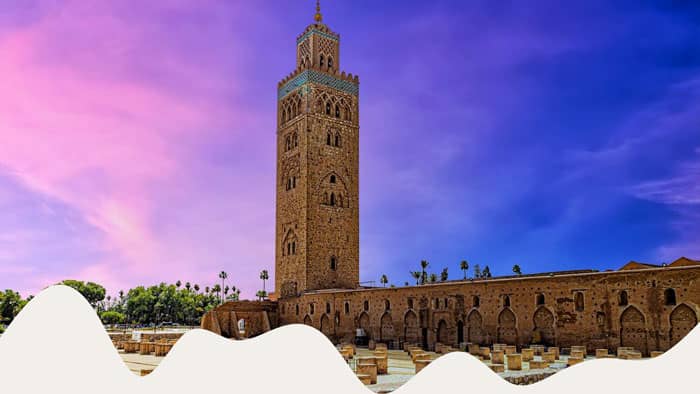
Historical sites like Bahia Palace or the Koutoubia Mosque.
Marrakech is not just a starting point — it’s the perfect place to immerse yourself in Moroccan culture before heading into more rural regions.
Departure tip: start early in the morning to avoid city traffic and enjoy cooler mountain temperatures later.
High Atlas Mountains & Tizi n’Tichka Pass – Majestic Mountain Drive
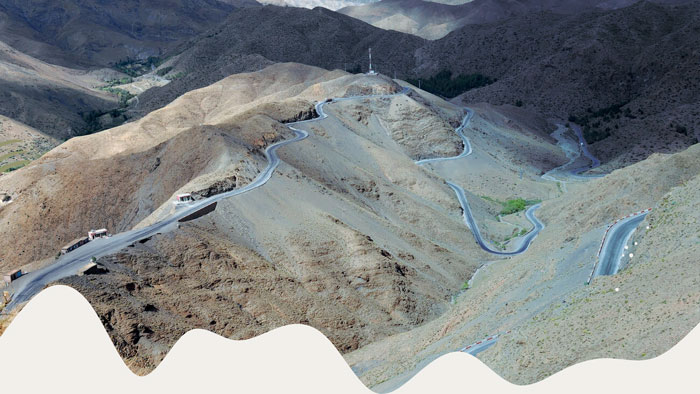
The road begins to climb into the High Atlas Mountains, winding through lush valleys and Berber villages.
Tizi n’Tichka Pass, at 2,260 meters, is the highest point on the route. Here:
The panoramic views are breathtaking: snow-capped peaks in winter, terraced farmlands in spring.
Small local stalls sell handcrafted Berber carpets, jewelry, and teas — a perfect chance for a cultural pause.
Driving tips: roads are narrow and curvy. Take it slow, especially if you’re not used to mountain passes.
Photographers will find endless vistas: sun-drenched valleys, winding roads, and scattered Berber houses made of mud-brick.
Ait Benhaddou – Morocco’s Timeless Kasbah
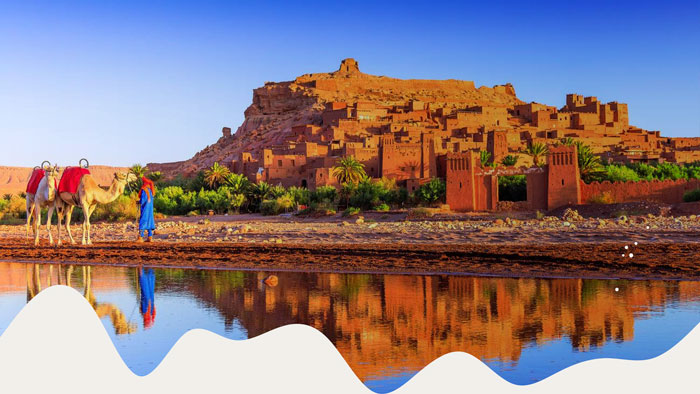
This UNESCO World Heritage site is one of Morocco’s most iconic locations.
The ksar is a fortified village made of reddish clay, perched on a hill overlooking the Ounila River.
What to do:
Walk the alleys and explore the granaries.
Climb to the top for panoramic views of the surrounding desert plains.
Fun fact: Ait Benhaddou has been featured in films like Gladiator, The Mummy, and Game of Thrones.
Best visiting tip: stop mid-morning or late afternoon for optimal light and fewer tourists.
Ouarzazate – The Desert’s Hollywood
Known as “The Hollywood of Africa”, Ouarzazate has massive film studios and beautiful kasbahs.
Must-sees:
Taourirt Kasbah, an ancient fortress with intricate architecture.
Local markets and cafes, perfect for a lunch break.
Driving note: Ouarzazate marks the transition from the mountains to the desert valleys — notice the change in vegetation and climate.
Optional adventure: take a guided tour of the Atlas Studios where movies like Kingdom of Heaven were filmed.
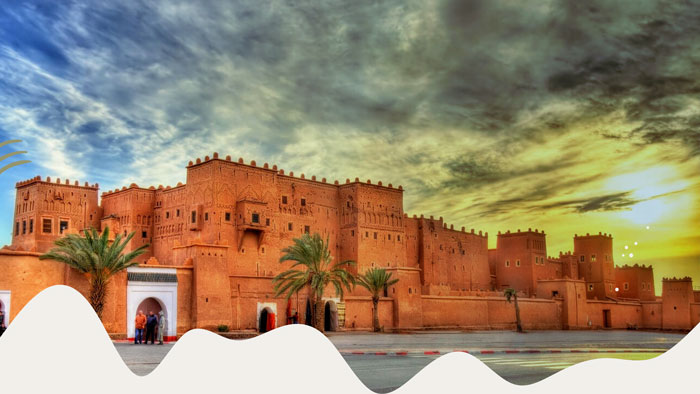
Skoura & Dades Valley – Palm Groves and Dramatic Gorges
Skoura is a peaceful oasis with hundreds of date palms and traditional kasbahs. A walk through the palm groves offers a glimpse into daily rural Moroccan life.
Dades Valley:
Known as the “Valley of a Thousand Kasbahs”, this stretch is famous for its jagged cliffs, winding roads, and unique rock formations, including the Monkey Fingers.
Ideal for sunrise or sunset photography — the play of shadows on the red cliffs is mesmerizing.
Tips: stop at small roadside cafés for mint tea and traditional pastries; locals are welcoming and often eager to share their stories.
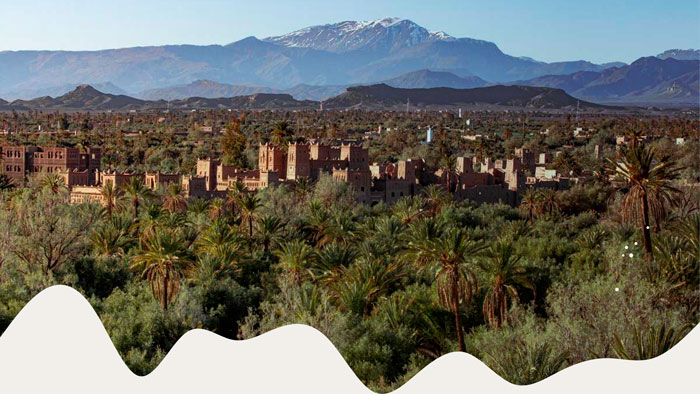
Todra Gorge – Towering Limestone Cliffs
A natural wonder where cliffs soar up to 400 meters, forming a dramatic canyon.
Activities:
Walk along the Todra River, surrounded by sheer rock walls.
Optional climbing or hiking for the adventurous.
Enjoy a tea in a small café run by a Berber family — the perfect cultural experience.
Driving note: The road through the gorge is narrow but scenic, offering countless photo stops.
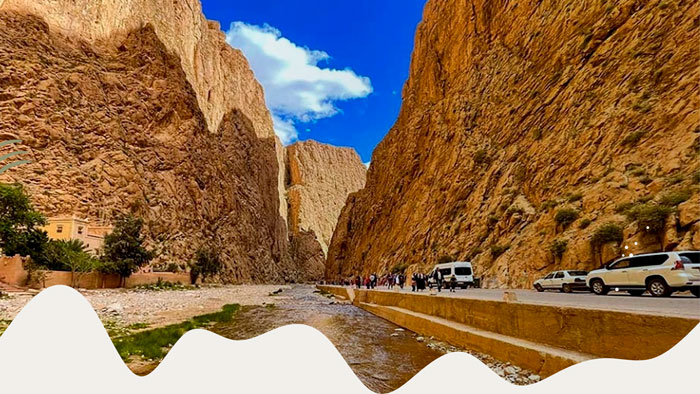
Erfoud & Rissani – Desert Culture and Fossils
As you approach the edge of the Sahara, landscapes shift to rocky plains dotted with acacia trees.
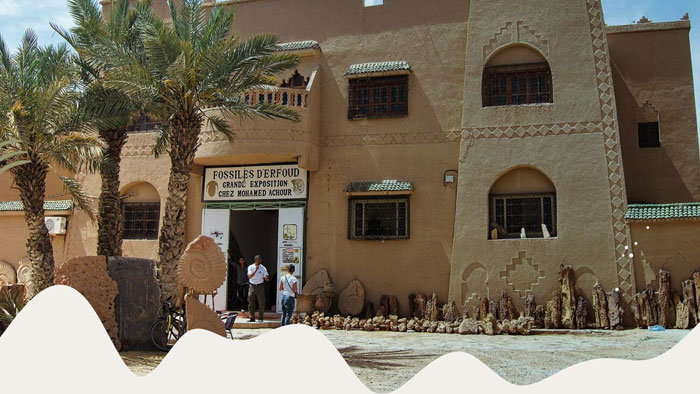
Erfoud: famous for its fossil workshops — a glimpse into Morocco’s prehistoric past.
Rissani: historic desert town with lively souks and markets.
Explore local spices, dates, and traditional crafts.
Cultural tip: Rissani is considered the starting point of many desert caravans — a hub of Saharan tradition.
Merzouga & Erg Chebbi Dunes – The Sahara Experience
Your journey culminates at Merzouga, gateway to Erg Chebbi, Morocco’s tallest dunes.
Activities:
Camel trek into the dunes for sunset or sunrise.
Overnight in traditional desert camps, from luxury tents to authentic Berber-style accommodations.
Star gazing: the desert sky is exceptionally clear, perfect for photography or simply enjoying the vastness.
Experience the silence, golden sands, and dramatic landscapes that make the Sahara one of the most unforgettable destinations in the world.
This road trip isn’t just a drive — it’s a story of Morocco’s soul, where every village, valley, and dune has a tale to tell. Travelers leave not only with photos but with memories of the diverse landscapes, local culture, and the ever-changing scenery that makes this route legendary.
Day-by-Day Itinerary (Detailed)
Day 1: Marrakech to Ouarzazate via Tizi n’Tichka Pass and Ait Benhaddou
Begin your journey early in the morning from Marrakech to avoid city traffic and enjoy cooler mountain temperatures. The drive takes you into the High Atlas Mountains, where the winding road leads to the dramatic Tizi n’Tichka Pass, rising to 2,260 meters. Here, panoramic views of snow-capped peaks in winter or green valleys in spring make a perfect first stop. Small Berber stalls along the road offer handmade carpets and jewelry — a chance to support local communities. Continuing east, you can optionally visit Telouet Kasbah, a lesser-known fortress with stunning clay architecture. Next, arrive at the world-famous Ait Benhaddou, a UNESCO World Heritage site. Explore the ksar’s narrow alleys, climb to the hilltop for sweeping desert views, and capture iconic photos. The day ends in Ouarzazate, the “Hollywood of Africa,” where you can visit Taourirt Kasbah or relax in a comfortable hotel, preparing for the next day’s journey deeper into the desert.
Day 2: Ouarzazate to Erfoud via Skoura, Dades Valley, and Todra Gorge
From Ouarzazate, the road winds through the tranquil Skoura Oasis, where clusters of date palms and traditional kasbahs create a peaceful backdrop. Take a walk through the palm groves and visit Kasbah Amridil for a glimpse into Moroccan rural life. The drive continues through the dramatic Dades Valley, known as the “Valley of a Thousand Kasbahs,” where jagged cliffs and unique rock formations like the “Monkey Fingers” make for incredible photo opportunities, especially at sunset. Further along, you’ll reach Todra Gorge, where sheer limestone cliffs rise over 400 meters. Take a leisurely walk along the river, admire the canyon walls, or try beginner climbing for a touch of adventure. Finally, arrive in Erfoud and Rissani, where fossil workshops and traditional souks offer insight into desert culture. This area marks the transition from lush valleys to the edge of the Sahara, making it a fascinating and culturally rich stop.
Day 3: Erfoud to Merzouga and Erg Chebbi Dunes
The final stretch of the journey is relatively short but immensely rewarding. After a brief drive from Erfoud to Merzouga, stop at Rissani to explore its bustling desert market. Taste fresh dates, local bread, and spices while soaking in the vibrant atmosphere. Arriving at Merzouga, you’ll prepare for the highlight of the trip: the Erg Chebbi dunes. Mount a camel for a trek into the Sahara at sunset, where the sand turns golden and the horizon stretches endlessly. Spend the night in a desert camp, enjoying a traditional Berber dinner, live music, and breathtaking stargazing. Dress in layers, as desert nights can be surprisingly chilly, even after a hot day.
Optional Day 4: Full Desert Exploration
For travelers with extra time, spend a full day exploring the desert. Wake early for a sunrise trek over the dunes, photograph the soft morning light, and optionally take a 4×4 tour to nearby attractions such as Khamlia village or the expansive Erg Chigaga dunes. Meet nomadic families, try sandboarding, or simply enjoy the stillness of the desert. Return to Merzouga village in the afternoon before heading back or extending your adventure further into Morocco.
Top Highlights Along the Route
The Marrakech to Merzouga Road Trip is filled with unforgettable landmarks and natural wonders that make each stop along the way a unique experience. One of the first highlights is Tizi n’Tichka Pass in the High Atlas Mountains, where the road winds through rugged peaks and offers panoramic views of terraced valleys and traditional Berber villages. This is a perfect spot for photography and short hikes, with local artisans selling carpets, jewelry, and teas.
A short drive beyond the pass brings you to Ait Benhaddou, a UNESCO World Heritage site and Morocco’s most famous ksar. Its ancient mud-brick alleys, granaries, and hilltop viewpoints make it a photographer’s dream and a must-see for anyone interested in history or Moroccan architecture. The village has also been a backdrop for many films, giving it an almost cinematic atmosphere that feels timeless.
Ouarzazate, known as the “Hollywood of Africa,” is another highlight. Here, the towering Taourirt Kasbah showcases centuries-old mud-brick architecture, while Atlas Studios allows visitors to peek behind the scenes of some of the world’s most famous movies. The town itself provides a convenient stop for meals, fuel, and a taste of modern Moroccan desert life.
As you continue east, the Skoura Oasis and Dades Valley offer a completely different scenery — lush palm groves and striking rock formations. The Dades Valley, also called the “Valley of a Thousand Kasbahs,” is filled with winding roads, dramatic cliffs, and unique formations like the Monkey Fingers, making it ideal for sunrise or sunset photography. Todra Gorge is another natural wonder along this stretch, where sheer limestone cliffs soar hundreds of meters, forming a narrow canyon perfect for walks, short hikes, and adventure seekers who enjoy climbing.
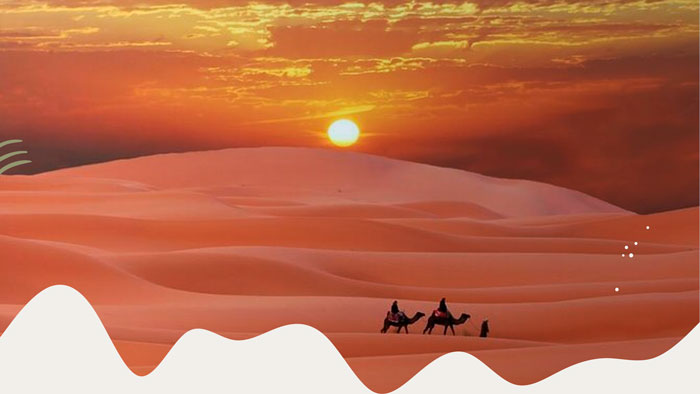
Finally, the journey culminates at Merzouga and the Erg Chebbi dunes, one of the most iconic landscapes in Morocco. The massive golden dunes rise up to 150 meters, and a camel trek into the desert at sunset offers a magical, otherworldly experience. Spending the night in a traditional Berber camp provides an intimate connection with the desert, including stargazing under an impossibly clear sky. Along the way, smaller stops like Rissani’s markets, Erfoud’s fossil workshops, and remote nomadic villages give travelers a deeper understanding of the Sahara’s culture and history.
This combination of mountains, kasbahs, gorges, and dunes makes the Marrakech to Merzouga route a once-in-a-lifetime journey, where each stop adds layers of history, adventure, and natural beauty to the overall experience.
Plan Your Marrakech to Merzouga Road Trip Today
Don’t just visit Morocco — live its hidden magic. Start planning your Atlas Mountain escape today!
What to Pack for the Marrakech to Merzouga Road Trip
Packing wisely is essential to fully enjoy the Marrakech to Merzouga Road Trip, as the journey spans mountains, valleys, and the Sahara Desert, each with its own climate and conditions. For the desert portion, light, breathable clothing is a must during the day, including long sleeves to protect against the sun and loose pants for comfort while walking on the dunes. Sunglasses, a wide-brimmed hat, and sunscreen are essential to protect your skin from strong UV rays. Desert mornings and evenings, however, can be surprisingly cold, so pack a warm jacket, layers, and a scarf or shawl to keep comfortable during sunrise camel treks or nighttime stargazing.
In the High Atlas Mountains, temperatures can drop quickly, especially at the Tizi n’Tichka Pass, so having warm clothing and sturdy shoes is crucial if you plan to stop for hikes or photography along the winding roads. Comfortable walking shoes or lightweight hiking boots are recommended for exploring kasbahs, gorges, and small villages, as paths can be uneven and rocky.
Other practical items include a refillable water bottle, snacks for long stretches between towns, and a small first-aid kit. For navigation, a reliable GPS or offline maps app is invaluable, as some desert roads are sparsely marked. Don’t forget a camera or smartphone with extra memory and batteries — this route is a photographer’s dream. Finally, pack modest clothing if you plan to enter mosques or local villages, respecting Moroccan cultural norms.
By planning your packing carefully, you’ll be ready to enjoy every moment of the journey, from the bustling streets of Marrakech and dramatic mountain passes to the golden serenity of the Sahara Desert.
Transportation Options
Traveling the Marrakech to Merzouga Road Trip can be an adventure in itself, and choosing the right mode of transportation is essential to enjoy the journey safely and comfortably. Many travelers opt for a self-drive car rental, which provides the ultimate flexibility to stop whenever you like for photos, hikes, or local experiences. A standard car is usually sufficient for the main roads, but if you plan to explore smaller desert tracks or remote gorges, a 4×4 vehicle is recommended. Driving in Morocco is generally safe, though mountain passes like Tizi n’Tichka can be winding and narrow, so it’s important to drive cautiously and allow extra time for unexpected stops.
For those who prefer a more relaxed experience, hiring a private driver is an excellent option. Local drivers are familiar with the roads, hidden stops, and best viewpoints, which allows you to focus entirely on sightseeing without worrying about navigation. This option is ideal for families, groups, or travelers who want a stress-free experience.
Another choice is to join a group tour, which often includes transport, accommodation, and guided visits to key highlights like Ait Benhaddou, Todra Gorge, and Merzouga. Group tours are perfect for solo travelers or those who prefer structured itineraries and local insights.
No matter which transportation method you choose, it’s important to plan your route ahead, check fuel availability (especially as you approach the desert), and ensure your vehicle is in good condition. With the right preparation, transportation can enhance the journey and make the Marrakech to Merzouga Road Trip a smooth, enjoyable adventure.
Accommodation Guide
The Marrakech to Merzouga Road Trip offers a wide range of accommodation options, from luxurious riads and boutique hotels to traditional desert camps and guesthouses, allowing travelers to choose based on comfort, style, and budget. In Marrakech, start your journey by staying in a traditional riad within the medina. These beautifully restored houses offer a peaceful retreat from the city’s bustling streets, with central courtyards, rooftop terraces, and authentic Moroccan décor. Popular mid-range options include Riad Palais Sebban or Riad Al Jazira, while luxury travelers can enjoy top-tier accommodations such as La Mamounia or Royal Mansour.
As you cross the High Atlas and arrive in Ouarzazate, you’ll find a selection of hotels and guesthouses that cater to both comfort and desert charm. Options like Ksar Ighnda or Hotel Le Fint offer comfortable rooms and easy access to nearby kasbahs and film studios. For those seeking more upscale stays, the Berber Palace Hotel provides luxury amenities with a Moroccan twist.
Moving east into the Skoura and Dades Valley, accommodations are often traditional kasbahs or boutique guesthouses that allow you to immerse yourself in the region’s culture. Auberge Le Festival in Todra Gorge or Kasbah Ait Youl offer warm hospitality, authentic cuisine, and easy access to scenic viewpoints and hiking trails.
Finally, in Merzouga, the accommodation experience shifts to the desert. Travelers can choose from traditional Berber tents, mid-range desert camps, or luxury desert lodges. Popular options include Erg Chebbi Nomad Camp for an authentic experience or Desert Luxury Camp for a higher-end stay with comfortable tents, private bathrooms, and full-service meals. Many desert camps also offer camel treks, sandboarding, and live music in the evening, providing an unforgettable night under the stars.
By carefully selecting accommodations along the route, you can balance comfort, adventure, and cultural immersion, ensuring that each night complements the extraordinary landscapes and experiences of your Marrakech to Merzouga Road Trip.
Costs & Budget Breakdown
Understanding the costs of the Marrakech to Merzouga Road Trip can help you plan your journey without surprises. The total budget will vary depending on your travel style, choice of accommodations, and activities along the route. For those self-driving, car rental is one of the largest expenses. A standard vehicle typically costs between €25–€50 per day, while a 4×4 is closer to €60–€90 per day. Fuel is generally affordable in Morocco, with the full route from Marrakech to Merzouga consuming approximately €40–€60 in petrol for a standard car, depending on stops and detours.
Accommodation costs vary widely along the route. In Marrakech, a mid-range riad will cost around €50–€80 per night, while luxury options can exceed €300. Ouarzazate and the Dades Valley offer mid-range hotels and guesthouses from €40–€70 per night, with boutique or kasbah-style stays slightly higher. Desert camps in Merzouga range from €30 for basic tents to €150–€250 per night for luxury experiences, which often include camel treks, traditional dinners, and entertainment.
Food and dining costs are generally reasonable, with street food and local cafés offering meals for €3–€7, while mid-range restaurants cost €10–€20 per person. Special experiences, such as a desert dinner under the stars or a guided trek, may add €20–€50 per activity. Additional costs include entrance fees to sites like Ait Benhaddou or kasbahs (€3–€5 each), parking, and optional guided tours.
By planning carefully and balancing budget, mid-range, and luxury choices, travelers can enjoy the Marrakech to Merzouga Road Trip comfortably. Even on a moderate budget, the route offers unforgettable landscapes, rich culture, and once-in-a-lifetime experiences that make the investment worthwhile.
Safety Tips for the Road Trip
The Marrakech to Merzouga Road Trip is an incredible adventure, but staying safe on the road and in the desert is essential to ensure a smooth journey. Driving in Morocco is generally safe, but mountain roads, such as those on the Tizi n’Tichka Pass, can be narrow, winding, and sometimes steep. Take your time, especially around sharp curves, and watch for oncoming traffic, livestock, or cyclists on rural roads. Daytime driving is strongly recommended, as some stretches have limited street lighting at night.
Weather is another important consideration. In the High Atlas Mountains, temperatures can drop quickly, and snow or ice may appear in winter months. In contrast, the Sahara Desert can reach extreme temperatures during summer, with scorching days and cold nights. Always carry sufficient water, sun protection, and warm layers for the desert nights.
When traveling in remote areas, such as Todra Gorge or Merzouga, ensure your vehicle is in good condition and that your fuel tank is full before leaving major towns. Mobile coverage can be limited in rural valleys and desert tracks, so having an offline map or GPS device is recommended.
Cultural safety is also important. Morocco is generally safe for tourists, but respecting local customs and traditions will prevent misunderstandings. Dress modestly when visiting villages, kasbahs, or religious sites, and always ask permission before photographing people. When engaging with local guides or camel operators, agree on prices in advance to avoid surprises.
By following these precautions and preparing for variable conditions, your Marrakech to Merzouga Road Trip will be safe, enjoyable, and unforgettable, allowing you to fully experience the beauty and culture of Morocco.
Conclusion:
The Marrakech to Merzouga Road Trip is truly one of Morocco’s most unforgettable journeys, offering a perfect blend of adventure, culture, and natural beauty. From the bustling streets of Marrakech and the winding High Atlas passes to the ancient kasbahs of Ait Benhaddou, the dramatic Dades Valley, and finally the golden sands of Erg Chebbi, every moment of this route immerses you in Morocco’s diversity and charm. Along the way, you’ll encounter warm Berber hospitality, iconic landmarks, breathtaking landscapes, and experiences that stay with you long after the journey ends.
Whether you’re seeking adventure on camel treks, peaceful nights under the stars, or cultural immersion in remote villages, this road trip caters to every traveler’s dream. Planning ahead, choosing the right accommodations, and following safety and eco-friendly practices ensures a smooth, memorable, and responsible journey.

