
sahara camel tours
Your Adventure Awaits
Discover Morocco’s rich culture, ancient medinas, majestic Atlas Mountains, and the golden dunes of the Sahara.Experience authentic journeys across Morocco and the Erg Chebbi Desert.
The tour agent you can rely on in Morocco
Welcome to Sahara Camel Tours, where your journey into Morocco’s enchanting desert begins. Discover the magic of camel trekking across sweeping golden dunes, immerse yourself in the beauty of starlit nights at our authentic desert camps, and uncover the timeless charm of the Sahara. From unforgettable adventures to tailored tours that showcase the heart of Morocco, we bring the desert to life like never before. Start your Sahara story with us today!
All our tours are private and we do departure every day. Please note that you can customize the tour to suit your interests and schedules.
To book your tour, please click below and contact us.

One Day Trips
1 day Excursion from Marrakech to Ourika valley
1 day Excursion from Marrakech to Ouzoud Waterfalls
1 day Excursion from Marrakech to Imlil village
Our Desert Activities
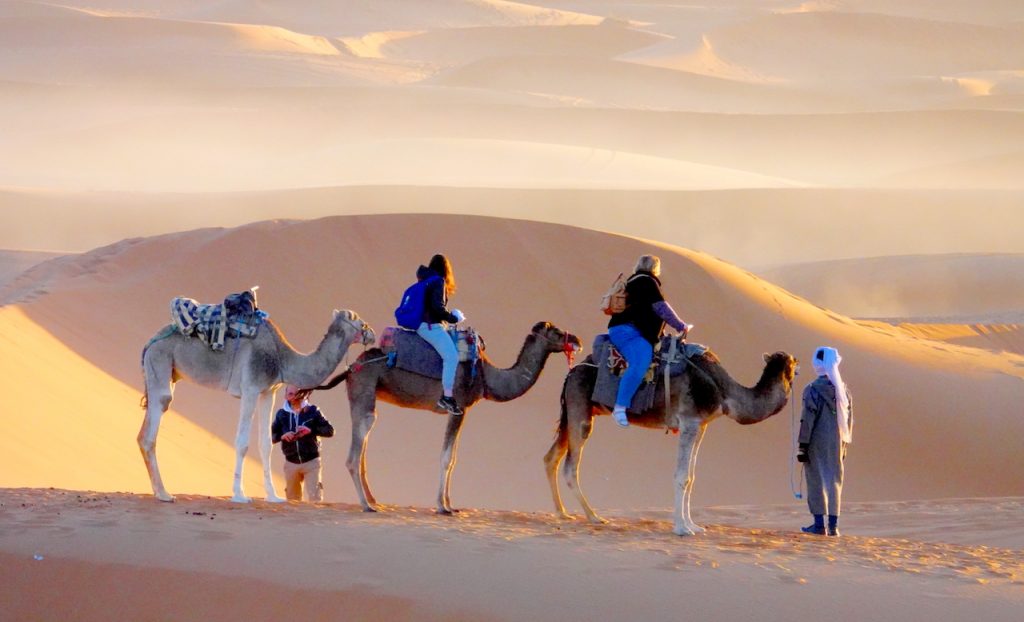
Overnight Camel Excursion in Merzouga Desert
Sunrise Camel Excursion in Merzouga Desert
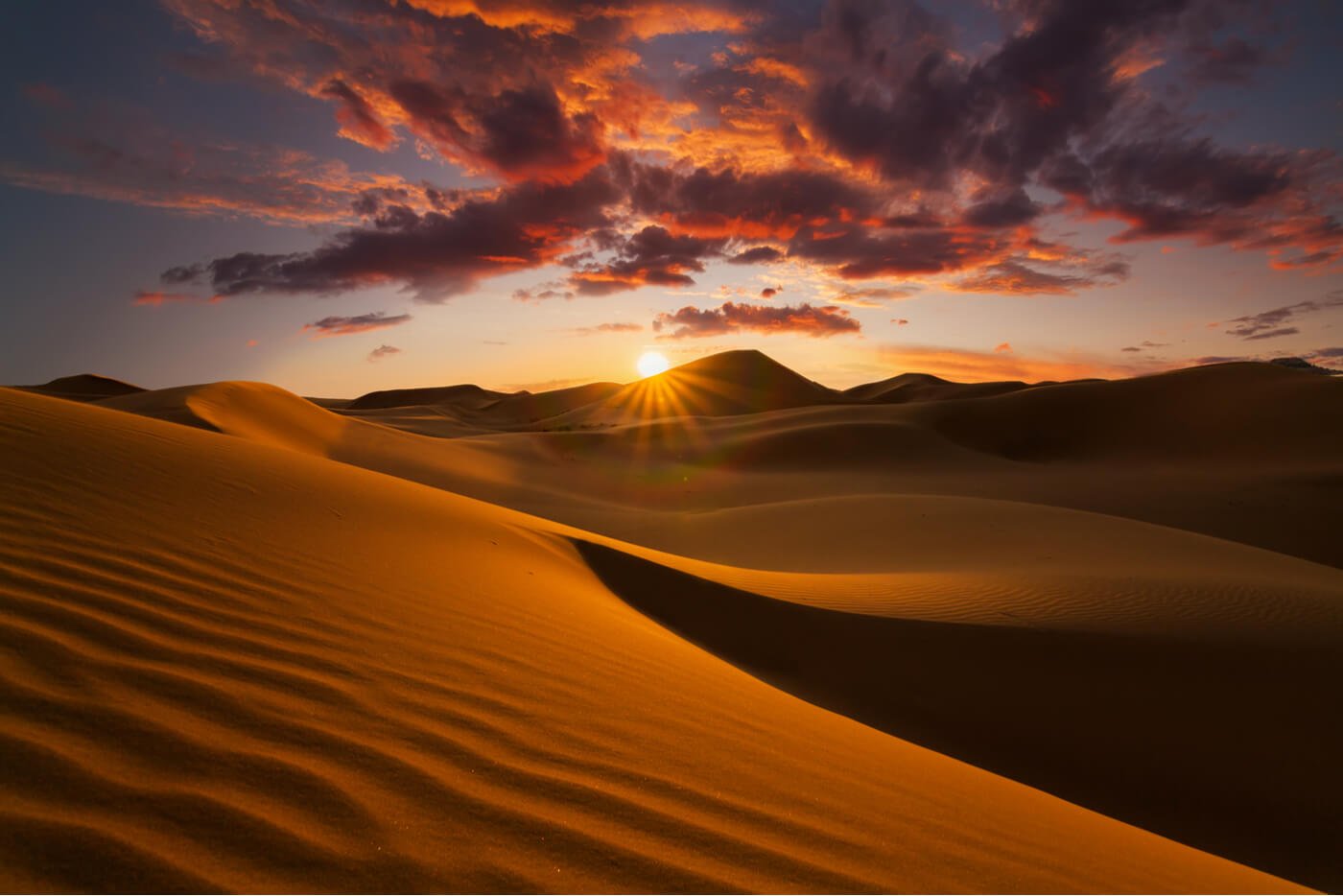
Sunset Camel Tour in Merzouga
Popular Tours
2 Days Tour from Marrakech to Zagora Desert
3 Days Tour from Fes to Merzouga desert ends in Fes
8 Days Grand Tour to visit sea and Zagora Desert
2 Days Tour from Fes to Merzouga Desert
6 Days Trip from Marrakech to Merzouga Sahara
9 Days Trip from Tangier to Imperial Cities
2 Days Tour from Errachidia Airport To Merzouga Desert
7 Days Tour from Casablanca to Merzouga Desert
11 Days Trip from Casablanca to Erg Chebbi desert
Our tours are available throughout Morocco.
At SaharaCamelTours, we offer a comprehensive selection of tours across Morocco, designed to showcase the country’s diverse landscapes, rich history, and vibrant culture. With years of expertise in Moroccan travel, we tailor each tour to meet the preferences of our travelers, whether you’re seeking adventure, cultural immersion, or a relaxing getaway.
Cultural and Historical Exploration
Morocco is a country steeped in history, and our Cultural and Historical Tours offer an in-depth look at some of its most iconic cities and landmarks. From the winding streets of Marrakech’s medina to the ancient Fes El-Bali and the modern charm of Casablanca, these tours allow you to step into Morocco’s fascinating past. Our expert guides will take you through royal palaces, UNESCO-listed sites, historic mosques, and vibrant souks, offering you an authentic cultural experience.
Sahara Desert Adventure
The heart of Morocco’s magic lies in the Sahara Desert. Our Desert Tours offer the ultimate desert experience, where you can ride camels across the golden dunes, camp under a blanket of stars, and witness the surreal beauty of the desert landscapes. Whether you’re venturing into Merzouga’s Erg Chebbi or the more remote Erg Chigaga dunes, our experienced guides ensure that your desert journey is both safe and memorable.
Mountain and Nature Escapes
For those seeking a change of scenery, our Mountain Tours take you into the stunning Atlas Mountains. Explore lush valleys, Berber villages, and dramatic peaks as you embark on scenic hikes or treks. This region offers the perfect balance of tranquility and adventure, with the opportunity to discover Morocco’s rural life, enjoy picturesque views, and connect with nature.
Coastal Retreats and Seaside Adventures
Morocco’s coastline offers a refreshing contrast to the desert and mountains. Our Coastal Tours will guide you through picturesque towns such as Essaouira, Agadir, and Tangier, where you can relax on pristine beaches, savor fresh seafood, and explore the blend of European and Moroccan influences. Whether you’re interested in coastal cities or hidden seaside gems, our tours will introduce you to Morocco’s fascinating shoreline.
Adventurous Experiences
If you’re an adrenaline junkie, our Adventure Tours provide thrilling activities like mountain biking, rock climbing, and surfing along Morocco’s coast. For the ultimate adventure, consider a desert safari, exploring the remote corners of the Sahara in 4×4 vehicles or on camelback. Our professional guides ensure that all safety measures are in place while offering you a chance to explore Morocco from a different perspective.
Tailored Itineraries Just for You
We believe that every traveler’s experience should be as unique as they are. Our Customized Tours give you the flexibility to choose your destinations, activities, and pace, allowing you to design a trip that reflects your interests. Whether you prefer a leisurely cultural tour or an action-packed desert adventure, we can help you craft the perfect itinerary.
Planning Your Morocco Tour
When booking your tour with SaharaCamelTours, it’s important to consider how much flexibility you desire. While some of our tours offer set itineraries, many of them can be customized to allow for personal exploration and free time. Review the itineraries to ensure they align with your interests—whether that’s immersing yourself in the culture, enjoying outdoor activities, or relaxing on the beach.
With a wide array of tour options available throughout Morocco, SaharaCamelTours ensures that every traveler has the opportunity to explore the country in their own way. From the sands of the Sahara to the peaks of the Atlas Mountains, our tours provide unforgettable experiences tailored to your desires. Let’s embark on this unforgettable journey together!
Camel Trekking and Morocco Sahara Tours
With years of expertise in camel trekking and Morocco Sahara tours, we specialize in creating unforgettable desert adventures. Whether you dream of riding a camel across the golden dunes of Erg Chebbi or spending a night under the starry sky in a traditional Berber desert camp, we ensure a seamless and enriching travel experience.
Our team of experienced local guides is dedicated to offering personalized and authentic Moroccan desert tours. We understand that every traveler has unique preferences, which is why our camel trekking experiences and Sahara tours are tailored to suit your needs—whether you prefer a short sunset trek, an overnight stay, or a multi-day expedition deep into the desert.
We take pride in our reliability and deep-rooted connections across Morocco. Our partnerships with local communities allow us to provide you with the best accommodations, comfortable transportation, and immersive cultural experiences at competitive prices. When you book with us, you can do so with confidence, knowing that every detail of your Morocco Sahara tour is carefully planned for your comfort and enjoyment.
From the moment you inquire about your trip until the day you return home, our dedicated support team is here to assist you. Let us guide you through the breathtaking landscapes of the Moroccan Sahara, where you’ll witness mesmerizing sunrises and sunsets, explore hidden oases, and experience the timeless traditions of the desert nomads.
Don’t wait to embark on the adventure of a lifetime! Book your camel trekking and Morocco Sahara tour today and create memories that will stay with you forever. Let’s explore the Moroccan desert together!

